

Imagine scheduling a full health check in Shanghai, recovering with quiet walks along the Bund, and returning home with both answers and renewed energy.
Medical travel is no longer a niche idea limited to a few destinations. Increasingly, travellers are integrating healthcare into broader life plans, combining specialist appointments with time to rest, explore, and reset.
More travellers are now treating healthcare as part of a broader life plan, timing check-ups, procedures, and recovery around work breaks, family commitments, and the desire to spend time somewhere that feels energising.
China is increasingly part of that picture. While Thailand, India, and Singapore often dominate the conversation, China’s rise is being shaped by a mix of modern hospital capability, growing international patient services, and the simple fact that many people already want to visit.

China is Emerging as a Medical Travel Destination
China’s healthcare system is vast, and the scale matters. Over recent decades, major cities have invested heavily in hospitals, specialist centres, diagnostic technology, and research. That investment is most visible in places like Shanghai, Beijing, Guangzhou, and Shenzhen, where large facilities can offer comprehensive assessments and specialist pathways in a single trip.
Just as important is the shift in how some hospitals and clinics present their services to non-local patients. International departments, appointment coordination, and clearer patient flows are making it more realistic for a visitor to organise care without spending weeks decoding the system.
That combination of capacity and accessibility is one reason China is appearing more often on the shortlist for people seeking a second opinion, a targeted intervention, or a wellness-driven reset.
Why International Travellers Choose China for Healthcare
Rarely is it a single reason. People usually choose a destination when multiple needs click into place: clinical confidence, timing, comfort, and a sense that the trip will be worthwhile even beyond the appointment itself.
Common motivations include:
· Specialist access: securing a consultation pathway that suits the condition and the traveller’s timeframe
· High-end diagnostics: packaging imaging and lab work into a tight schedule
· Wellness orientation: pairing medical guidance with therapies aimed at sleep, stress, pain, or fatigue
· Cultural value: making the trip meaningful rather than purely clinical
· Privacy and pace: preferring a private itinerary over a crowded group setting
There is also a practical factor that is easy to overlook: China is a destination many travellers already feel curious about. When healthcare becomes the reason to finally book the trip, the emotional barrier drops.
Big-city Hospitals and International Patient Services
For most foreign visitors, the starting point is a major city. That is where international hospitals and international departments are most established, and where you are more likely to find administrative processes that suit visitors.
International-facing services often focus on simplifying the steps that usually slow people down:
· appointment scheduling that fits a short stay
· clearer intake and consent processes
· support with medical records and test results
· staff with English capability, plus interpreter access where needed
This doesn’t mean every facility will feel the same. China’s healthcare landscape is diverse, and the experience can differ widely between a top-tier hospital in Shanghai and a smaller clinic elsewhere. The best outcomes usually come from matching the medical need to the right type of facility, then building a realistic timeline around it.
One sentence can save a lot of friction: plan your medical schedule first, then shape the travel around it.
Combining Healthcare with Cultural Travel
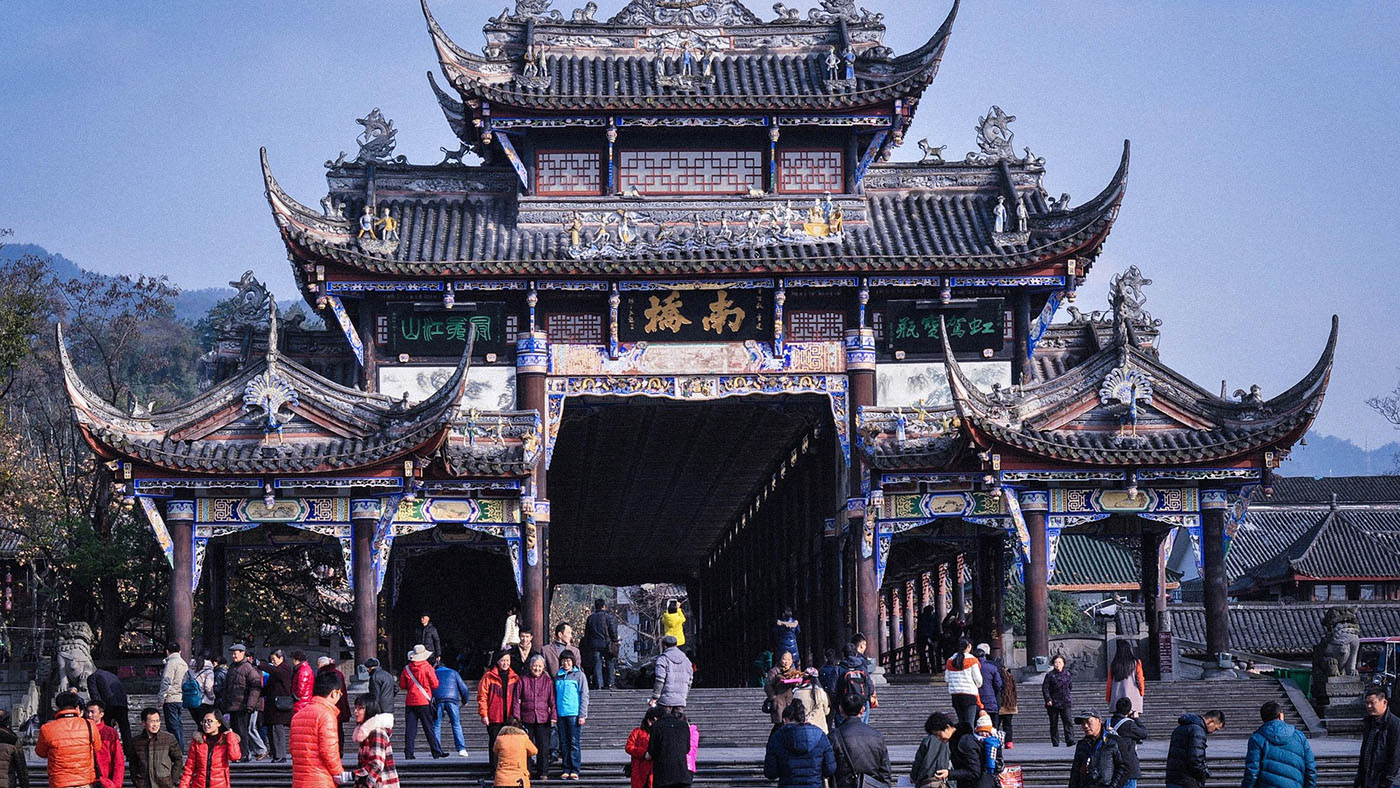
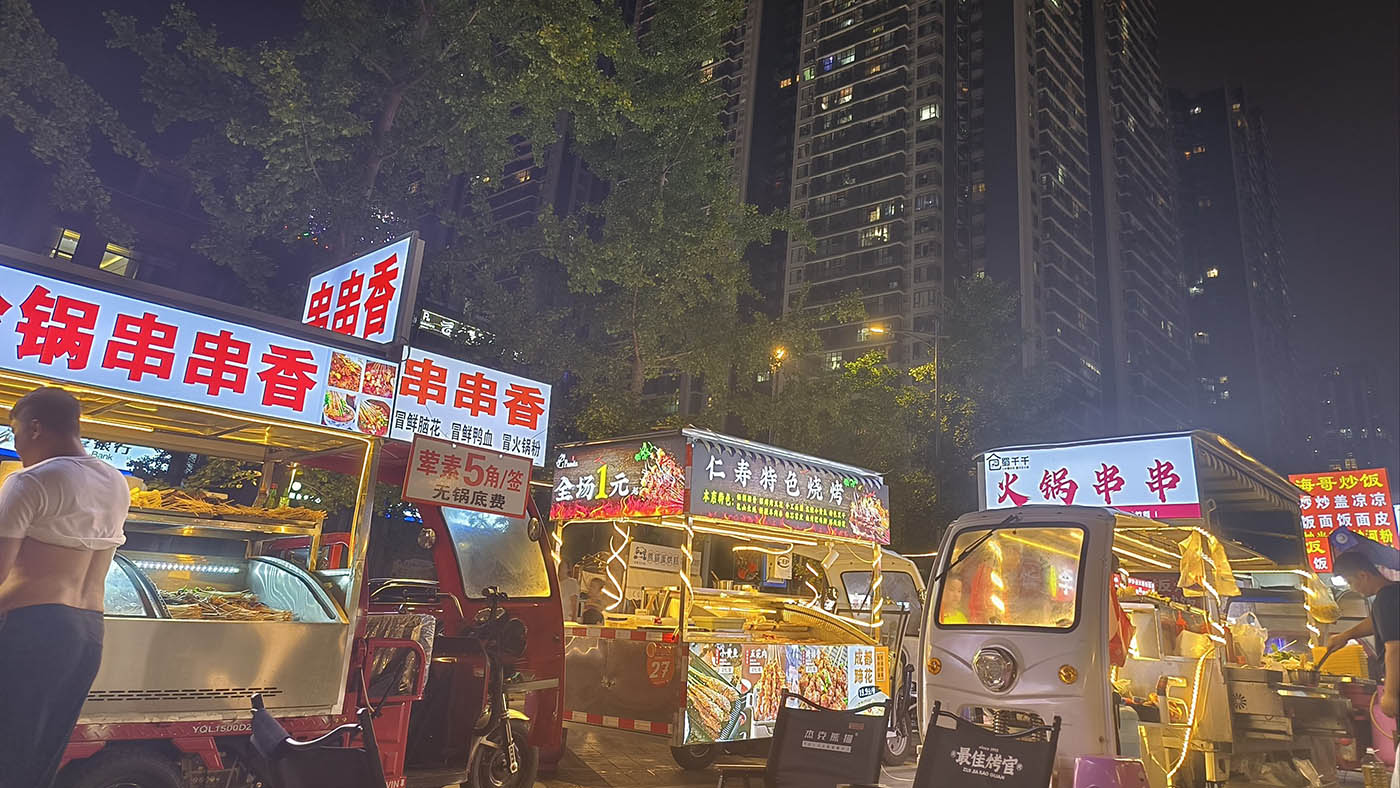
In many medical tourism destinations, the holiday is a recovery backdrop. In China, cultural travel can be a genuine co-star: neighbourhood food culture, museums, day trips, classical gardens, mountain landscapes, and high-speed rail that makes multi-stop itineraries feasible when energy allows.
This matters because healthcare travel often carries emotional weight. A well-designed itinerary can create breathing room around appointments, giving travellers space to reset their mindset, sleep properly, eat well, and feel cared for.
The key is restraint. It is tempting to pack in too much, especially if it is a first visit. For many people, the most memorable moments are simple: an unhurried tea, a riverside walk, a calm room, and a schedule that does not punish the body.
A Distinctive Advantage: Traditional Chinese Medicine Alongside Modern Care
China stands out for its long history of traditional Chinese medicine (TCM) existing alongside modern clinical practice. Many travellers are drawn to the option of combining conventional diagnostics with TCM approaches that focus on patterns of sleep, digestion, stress response, pain, and long-term vitality.
This can look different depending on the traveller’s goals. Some want a structured wellness program with acupuncture and herbal consultation. Others want help managing recovery, persistent tension, or fatigue while still relying on modern testing for clarity and safety.
A balanced approach is usually the most satisfying:
· use modern diagnostics to confirm what is happening
· use supportive therapies to improve comfort, function, and recovery
· keep communication open across practitioners, with translated notes where required
If you are considering herbal medicine, it is wise to be ready with your current medications and supplements, plus any known allergies, so interactions can be assessed carefully.
How to Plan a Medical Trip to China
A smooth medical trip often comes down to preparation rather than luck. Logistics, language support, records, and follow-up plans can matter as much as the appointment itself.
A practical checklist can include:
· Medical records: digital copies of imaging, reports, and a short clinical history in English
· Medication list: names, doses, and timing, plus photos of packaging
· Interpreter support: deciding whether you want a hospital interpreter, a private interpreter, or an English-speaking guide
· Payment planning: knowing what is payable upfront and what receipts you need for insurance
· Recovery buffer: leaving extra days in case tests run late or you feel tired
· Follow-up pathway: agreeing on how results and post-visit questions will be handled
Not every traveller needs every item. The point is to remove avoidable uncertainty, especially when time is limited.
What Types of Care are People Combining with Travel?
China can suit different goals, from a targeted specialist appointment to a broader wellness plan. The right fit depends on your condition, your appetite for travel during recovery, and how much time you have.
Below is a useful way to think about common categories and what they require from an itinerary.
|
Type of healthcare visit |
Why it may appeal |
Travel planning notes |
|
Executive health check and diagnostics |
Efficient, structured testing and reporting |
Plan a light schedule on test days and the day after |
|
Specialist consultation or second opinion |
Access to sub-specialty expertise |
Bring translated records and allow time for additional tests |
|
Dental care |
Clear treatment steps, often easy to schedule |
Build in rest days if procedures are extensive |
|
TCM wellness program |
Holistic focus on sleep, stress, pain, energy |
Choose accommodation that supports quiet routines |
|
Post-treatment recovery retreat |
Comfort, privacy, and a change of setting |
Prioritise easy transport and flexible activity options |
The strongest itineraries tend to be conservative at the start, then more open-ended later once the traveller knows how they feel.
How Three Bears Travel Helps Plan Medical Travel
Medical travel can feel deceptively simple until you start coordinating appointment windows, transfers, translation, dietary preferences, and a calm place to rest. This is where a boutique approach can be valuable, especially for couples and families who want privacy and predictability.
Three Bears Travel, as a boutique travel company focused on East Asia, builds private itineraries that can incorporate medical appointments alongside cultural experiences. The aim is not to turn healthcare into a rushed checklist, but to create a trip that feels supportive, well paced, and coherent.
Planning support can include:
· short-stay itineraries that make limited time feel spacious
· private guiding with language support when required
· transport coordination that reduces decision fatigue
· accommodation choices selected for comfort and location
The difference is often felt in the quiet moments: arriving on time without stress, knowing where you are going next, and having space to rest properly.
Questions travellers often ask before seeking healthcare in China
Is China a good place for medical treatment? Major Chinese cities have modern hospitals with advanced diagnostic equipment and specialist departments. The best experience usually comes from choosing the right facility for your needs, then ensuring communication support is in place.
Why would someone choose China over other medical tourism destinations? China can be attractive when a traveller wants modern care alongside TCM options, or when they want to pair appointments with a culturally rich trip. It can also suit travellers who value private, high-comfort itineraries rather than resort-style recovery.
Will language be a barrier? It depends on the city and the facility. International hospitals and departments may have English-speaking staff, and interpreter services are often available. Many travellers still prefer dedicated language support for medical settings, especially when discussing risks, consent, and aftercare.
Can you realistically combine appointments with sightseeing? Yes, with a sensible schedule. The most workable approach is to place key appointments early, keep those days light, then add cultural activities that match your energy levels. High-speed rail can make gentle multi-city travel possible when recovery allows.
What about after you return home? It is worth planning follow-up before you leave China. Ask how results will be shared, how questions will be handled, and what documentation you should take back to your GP or specialist. A clear handover makes the trip more valuable.
China’s appeal in healthcare travel is not just about hospitals or heritage on their own. It is about the ability to bring them together in a way that respects the seriousness of medical care while still giving the traveller something replenishing: time, comfort, and a well-structured plan that makes the whole trip feel doable.