Many travellers are drawn to China specifically to experience Traditional Chinese Medicine (TCM), seeking not only its therapeutic benefits but also a deeper connection with local culture. For many visitors, trying TCM is more than just a health choice - it’s an opportunity to engage with centuries-old traditions and gain unique insight into Chinese ways of life.
Traditional Chinese Medicine can be one of the most interesting, and sometimes confusing, parts of travelling in China. You might see herbal pharmacies on busy streets, acupuncture departments inside large public hospitals, or locals booking in for cupping the same way someone else might book a physio appointment.
For foreign visitors, the best experience usually comes from treating TCM as a legitimate part of China’s healthcare culture while keeping expectations grounded. It can be supportive care for some concerns, a cultural experience, or a way to relax during a fast-paced itinerary, but it is not a guaranteed fix for every condition.
What Traditional Chinese Medicine is (and what it is not)
TCM is a broad medical system with its own diagnostic framework, vocabulary, and treatment methods. It generally looks at patterns across the whole body, rather than focusing only on a single symptom. A TCM practitioner may ask about sleep, appetite, digestion, stress, temperature sensitivity, and menstrual cycles, even when the main complaint seems unrelated.
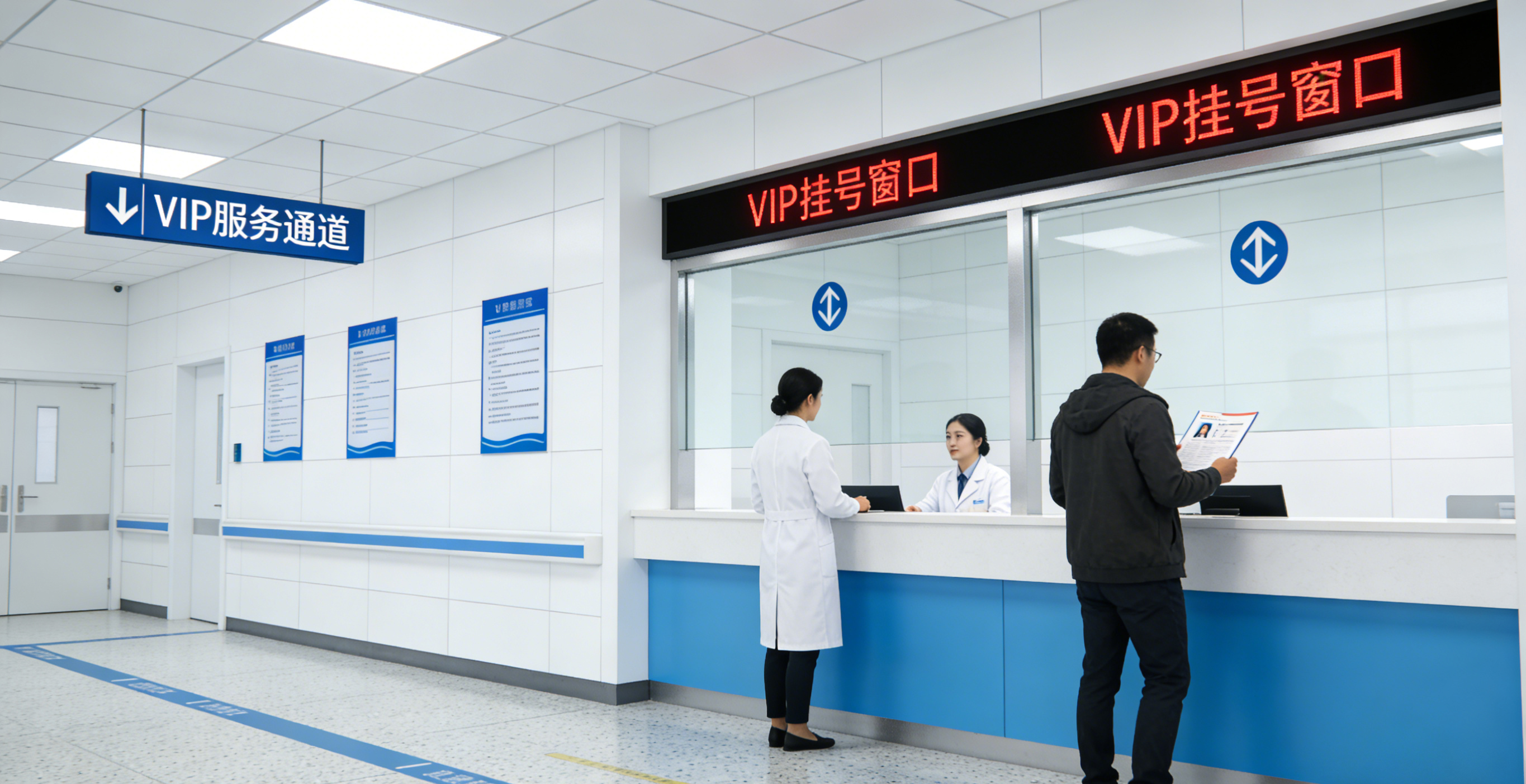
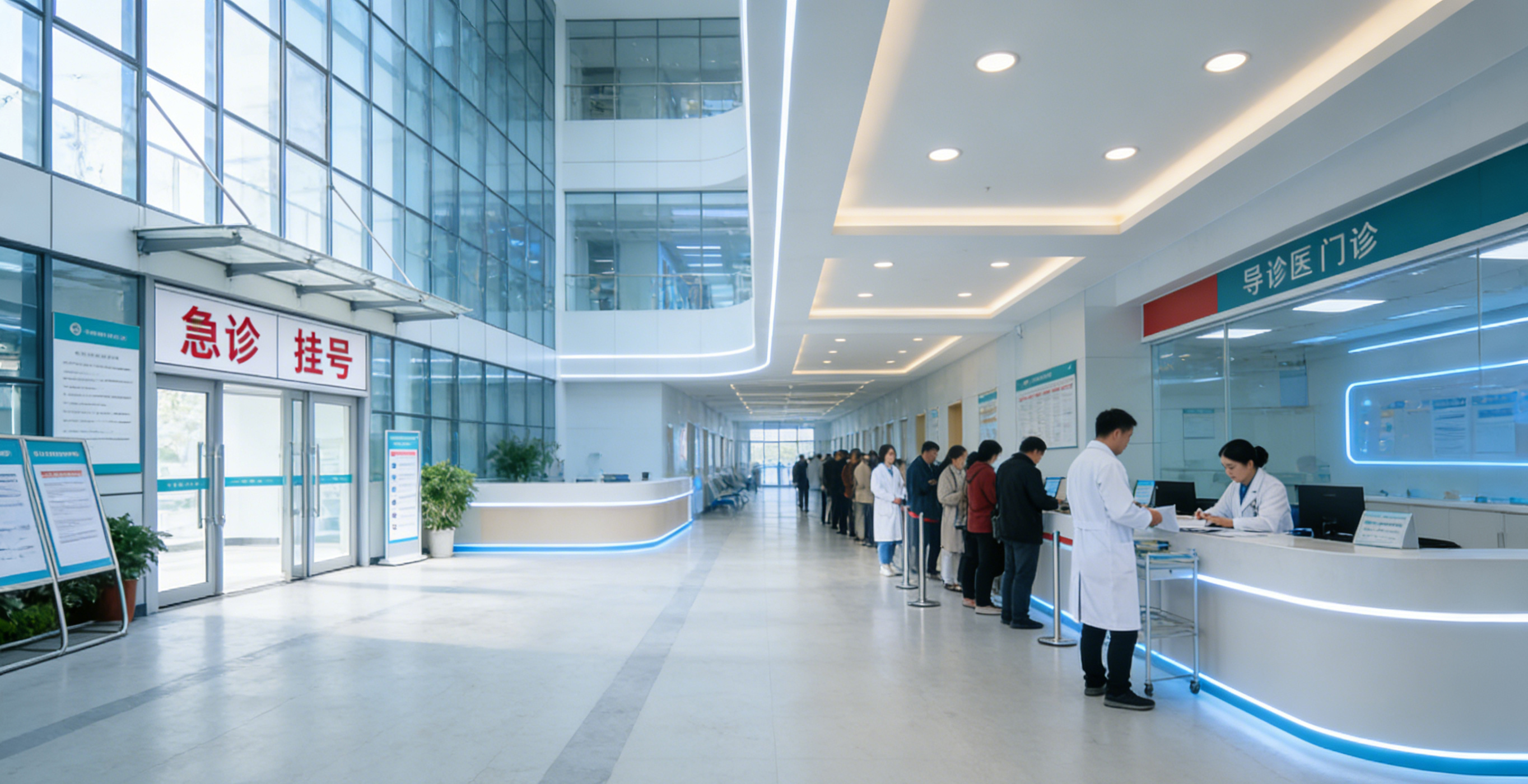
In modern China, TCM commonly sits alongside Western medicine. Many large hospitals have both: you might see radiology and blood tests on one floor, with acupuncture and herbal decoctions on another.
That “alongside” point matters. A reputable setting will often refer patients for Western diagnostics when needed, and may use TCM methods as supportive care during recovery, pain management, or long-term wellbeing.
Where visitors most commonly encounter TCM in China
Foreign travellers usually meet TCM in a few familiar situations: trying acupuncture for sore shoulders after long flights, booking a massage-style treatment, or visiting a famous TCM pharmacy out of curiosity.
You will generally see services in three places:
· Public hospitals with TCM departments
· Dedicated TCM hospitals (common in many cities)
· Private clinics, ranging from high-end wellness centres to small neighbourhood practices
If you are deciding where to go, it helps to think about your aim. A hospital department is often best if you want a more clinical environment. A private clinic can be calmer and easier to schedule, though quality varies.

Common TCM treatments you may be offered
The range is wide, and the names can be unfamiliar even when the treatment itself is straightforward. The table below gives a practical snapshot of what travellers tend to come across.
|
Treatment |
What it involves |
Common reasons people try it |
What it feels like |
Practical notes for visitors |
|
Acupuncture |
Fine sterile needles inserted at specific points |
Pain, stiffness, headaches, stress, sleep support |
Tingling, dull ache, warmth, heaviness |
Ask about single-use needles and practitioner credentials |
|
Moxibustion |
Warming an area with burning moxa (mugwort) near the skin |
Cold sensitivity, fatigue, digestive comfort, pain support |
Strong heat, smoky smell |
Not ideal if you dislike smoke; ventilation varies |
|
Cupping |
Cups create suction on the skin |
Muscle tightness, recovery after activity |
Tight pulling sensation |
Leaves round marks for days; plan around beach or formal events |
|
Gua sha |
Scraping tool used on oiled skin |
Neck and back tension, “stuck” feeling |
Intense pressure, warmth |
Causes redness or bruising; not a gentle spa treatment |
|
Tuina |
Hands-on therapeutic massage techniques |
Tight muscles, limited range of motion |
Firm, targeted pressure |
Similar to remedial massage, sometimes quite strong |
|
Herbal medicine |
Teas, powders, pills, or customised formulas |
Digestive issues, sleep, energy, ongoing symptoms |
Taste varies widely |
Needs care with allergies, interactions, and import rules |
Acupuncture and moxibustion, explained in plain language
Acupuncture in China is widely available and often delivered in a medical setting rather than a “wellness” setting. A typical session starts with questions and a quick assessment. Many practitioners check the pulse at both wrists and look at the tongue, which can feel unusual but is standard practice.
Needles are usually left in place for 15 to 30 minutes. You may rest on a treatment bed in a quiet room, sometimes with multiple patients in the same area separated by curtains, depending on the clinic.
Moxibustion is commonly paired with acupuncture. It uses heat from burning moxa to warm points or areas of the body. Some clinics use indirect methods that keep heat controlled and reduce the risk of burns. If you have asthma or dislike strong smells, mention it early, as the smoke can be noticeable.
After you have a sense of what’s involved, these are the main reasons travellers enjoy acupuncture-based treatments:
· jet lag and sleep disruption
· neck and shoulder tightness from long travel days
· mild aches related to walking, hiking, or stairs
· stress relief and general relaxation
What a first appointment can look like
Expect the first consult to include more questions than you might get in a quick walk-in clinic at home. The practitioner is usually trying to identify a “pattern” rather than label a single disease name.
You may be asked about food preferences, stool consistency, thirst, sweating, or whether you feel more comfortable in warm or cool environments. This is not small talk. It is part of the diagnostic logic.
Bring a list of medications and supplements you take, plus any known allergies. If you have recent medical letters or imaging results on your phone, those can be helpful too, even if the practitioner mainly uses TCM methods.
Access for international patients: hospitals vs specialised clinics
Foreigners can access TCM in both public hospitals and private clinics. The best choice depends on your comfort level with language, pace, and administration.
After you have thought about how hands-on you want the process to be, keep these differences in mind:
· Hospitals: More clinical, often lower cost, strong integration with Western diagnostics, busier environment
· Private clinics: Easier appointments, calmer setting, sometimes better English support, pricing can be higher
If you are travelling as a couple or in a small group, having a local guide can make the experience far smoother, from registration through to payment and follow-up instructions. Many travellers on private, tailor-made itineraries build time for a wellness appointment on a lighter sightseeing day.
Communication tips that make the session easier
Even when a clinic offers some English, medical nuance can get lost quickly. A few simple prep steps can reduce stress and help the practitioner make safer choices.
Write down your main issue in one or two sentences, and add three details: when it started, what makes it better, what makes it worse. If pain is involved, note where it is and what it stops you from doing.
After that, be ready to clarify preferences. This can include whether you are comfortable with needles, whether you want to avoid marks from cupping, or whether you are okay with an herbal formula that has a strong taste.
Safety and quality: how to spot good practice
TCM is mainstream in China, but quality still varies by provider, setting, and how well they follow hygiene and consent practices. You are allowed to ask questions. A professional clinic expects it.
Watch for these basics before treatment starts:
· Clean, single-use needles: They should be taken from sealed packaging
· Consent and explanation: You should be told what is being done and where
· Reasonable claims: Avoid anyone promising guaranteed cures for serious disease
· Attention to your history: Pregnancy, blood thinners, pacemakers, and bleeding disorders should change the plan
If something feels rushed or dismissive, it is okay to stop. You can also ask to switch to a gentler option, like tuina or a shorter needle session.
Herbal medicine: powerful, traditional, and not always simple
Herbal formulas are a core part of TCM. They may come as raw herbs to boil into a tea, pre-made granules, tablets, or liquids. In China, it is common to customise formulas over time based on response.
Herbs can interact with prescription medicines and can trigger allergies. This is not about being alarmist, it is basic safety. If you take anticoagulants, immunosuppressants, diabetes medication, or you have liver or kidney disease, get advice before starting herbs.
If you are offered herbs and you are unsure, you can ask for a smaller amount to trial, or decline and choose a non-herbal therapy. A good practitioner will respect that.
After the consult, keep your instructions clear. Ask how many days to take the formula, what side effects should prompt stopping, and whether alcohol or certain foods should be avoided during the course.
Cupping, gua sha, and tuina: the “visible” treatments
Cupping and gua sha often look dramatic because they can leave marks. Those marks are not usually dangerous, but they can be surprising if you are not expecting them. If you have an important event, a beach day, or you simply do not want visible bruising, tell the practitioner upfront.
Tuina is closer to what many Australians would call remedial massage, though the techniques can be firmer and more targeted. It is often a good option for travellers who prefer to avoid needles.
If you want a quick reference for choosing, keep it simple:
· Needle-averse: Tuina
· Want quick relief for tight muscles: Cupping or tuina
· Curious about classic TCM: Acupuncture with or without moxibustion
When to be cautious or avoid treatment
TCM therapies are not “one size fits all”. Some travellers should pause and get medical advice first, especially if symptoms are severe or sudden.
After you have checked your itinerary, these are sensible reasons to delay TCM treatment and seek urgent medical care:
· chest pain, shortness of breath, fainting
· sudden severe headache, weakness, or facial droop
· high fever with confusion or dehydration
· uncontrolled bleeding or signs of serious infection
And these are situations where you should request extra caution and clear explanation before going ahead:
· Pregnancy: Some points and herbs are not suitable
· Blood thinners or bleeding disorders: Higher bruising and bleeding risk
· Skin conditions or active infection: Avoid needles, cups, and scraping over affected areas
· Implanted devices: Mention pacemakers and medical implants before electro-acupuncture
Combining TCM with Western medicine in China
Many visitors assume they must choose one approach. In China, mixed care is common. You might get imaging or blood tests in a Western department, then use acupuncture for pain support, or use tuina for mobility while following a doctor’s rehabilitation plan.
If you are already on medication, do not stop it just because you are trying TCM. If you want to change doses, that is a discussion for a doctor who knows your medical history.
A practical approach is to share your diagnosis and medication list and ask the TCM practitioner to work around it. A careful practitioner will do exactly that.
FAQs travellers often ask
Is TCM widely used in China? Yes. It is part of the mainstream health system in many cities, and it is common to see TCM departments within large public hospitals.
Can foreigners safely try acupuncture in China? Often, yes, when you choose a reputable provider that uses sterile single-use needles and takes a proper history. Ask questions, speak up about medications, and stop if anything feels off.
Is TCM combined with Western medicine? Yes. Many hospitals offer both, and it is common for patients to use Western diagnostics and medications alongside TCM therapies for symptom support and recovery.
A simple way to include TCM in your travel plans
TCM fits best on a day with lighter walking, or late afternoon after sightseeing, when you can rest afterwards. If you are travelling privately, you can also plan around visible marks from cupping or gua sha, and around time needed to pick up herbs if you choose that route.
If you’d like to try TCM while travelling through China, Three Bears Travel can help you customise your itinerary to include the TCM experiences you’re most interested in. Our team can recommend trusted clinics, arrange appointments, and ensure you have the support needed to communicate your preferences. With our help, you can seamlessly blend cultural discovery, relaxation, and wellness into your journey - making your TCM experience both meaningful and enjoyable.