Planning a two-week family holiday in Japan is often a balancing act between excitement and energy levels. You want the famous sights, the food, the train rides, the temples, the neon, and the moments that children remember for years, but you also want a pace that feels human.
That is why a well-shaped japan family itinerary 2 weeks long can work so well. With 14 days, there is enough time to settle into Tokyo, move west without rushing, enjoy Hakone’s natural beauty, explore Kyoto and Nara at a child-friendly pace, and finish with Osaka’s lively, food-filled atmosphere. The key is not squeezing in everything. It is choosing the right rhythm. For more inspiration and expert tips, check out Three Bears Travel for family-focused Japan travel advice.
Short on time? If you want to experience the best of Japan in a more compact schedule, take a look at the Japan 12-Day Romance & Anniversary Journey. This itinerary also covers Tokyo, Kyoto, Nara, Hakone, and Osaka—perfect for families or couples seeking an efficient, in-depth adventure.
 Why a 14 day Japan family holiday works so well
Two weeks gives families room to absorb Japan rather than race through it. The first couple of days can be reserved for jet lag, neighbourhood walks, and simple meals. That alone changes the tone of the whole trip. Children cope better, parents feel less pressure, and the bigger sightseeing days land at the right time.
It also suits the geography. A classic tokyo to kyoto family route makes sense by train, and the shinkansen turns transfer days into part of the holiday rather than wasted time. Add a short Hakone stay and an Osaka finish, and you have a balanced japan with children itinerary that moves through major highlights without constant packing and unpacking.
A good family plan usually follows a simple pattern:
· One major activity a day
· A proper lunch break or hotel rest
· Early starts for popular sights
· Neighbourhood dinners close to the hotel
· Buffer time before every long transfer
Japan family trip day by day at a glance
Before the detailed breakdown, here is the shape of the route.
|
Day |
Base |
Plan |
Why it works for families |
|
1 |
Tokyo |
Arrival and check-in |
Low-pressure start after a long flight |
|
2 |
Tokyo |
Ueno Park, zoo, museum option |
Gentle outdoor day for jet lag recovery |
|
3 |
Tokyo |
Tokyo Disney Resort or themed family day |
High-energy day once everyone is adjusted |
|
4 |
Tokyo |
TeamLab and Ueno, or Akihabara and Harajuku |
Flexible by age and interests |
|
5 |
Tokyo |
Shinjuku, Shibuya, evening crossing |
Classic Tokyo without overloading the schedule |
|
6 |
Hakone |
Shinkansen to Hakone, Open Air Museum |
Train ride and scenic reset |
|
7 |
Hakone |
Fuji views, ropeway or family-friendly onsen |
Flexible recovery day |
|
8 |
Kyoto |
Shinkansen to Kyoto, Nishiki Market |
Easy transfer, food-focused afternoon |
|
9 |
Kyoto |
Arashiyama and Monkey Park |
Nature, movement, and strong child appeal |
|
10 |
Kyoto |
Fushimi Inari lower section, Tofukuji |
Iconic sights in manageable doses |
|
11 |
Nara |
Day trip to Nara |
Deer, open space, easy family favourite |
|
12 |
Osaka |
Osaka Castle and park |
Space to run, easy sightseeing |
|
13 |
Osaka |
Dotonbori, market, aquarium |
Food and fun in one day |
|
14 |
Osaka |
Buffer time and departure |
Calm finish, less stress |
Days 1 to 2 in Tokyo for family arrival and orientation
Day 1 should stay deliberately light. Arrive, transfer to the hotel, eat something easy, and avoid locking in any timed attraction. Even energetic children can fade fast after a long flight, especially when crossing time zones from Australia or New Zealand.
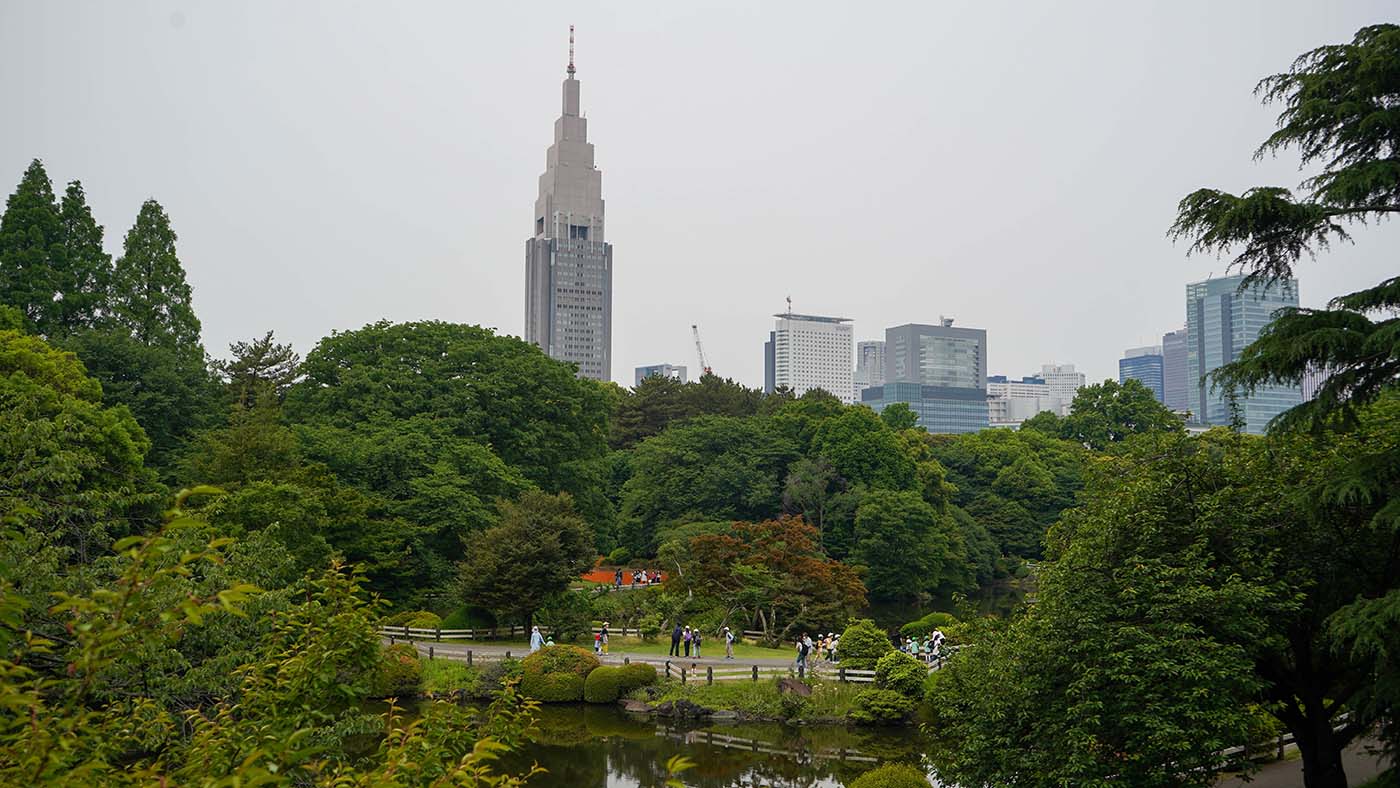
Choosing the right Tokyo base matters here. Areas with strong transport links and plenty of casual food nearby make life much easier. Ueno, Shinjuku, Tokyo Station, and parts of Asakusa all work well, depending on budget and room preferences.
Day 2 is where a smart japan family trip day by day plan begins to pay off. Ueno is ideal for a soft start. Families can walk through the park, visit the zoo if the children are keen, and add one museum only if energy is still there. That “only if” matters. It is better to stop while everyone is still cheerful than stretch the day too far.
Dinner should be close to the hotel, simple, and early. A casual ramen shop or family restaurant is often the right move on the first full day.
Days 3 to 5 in Tokyo with themed family days
By Day 3, most families are ready for a bigger outing. If Tokyo Disney Resort is a priority, this is the day to do it. Pre-book tickets, arrive before opening, and keep the afternoon flexible. Pushing for every ride can wear everyone out, so it is usually smarter to focus on a handful of favourites and enjoy the atmosphere.
If your family would rather avoid a full theme park day, turn Day 3 into a themed Tokyo day instead. Younger children often enjoy TeamLab, aquarium visits, or play-focused museum stops. Older children and teens may be more interested in arcades, anime shopping, and pop culture areas.
Day 4 can then be shaped by age group. A split like this works well:
· Younger children: TeamLab, Ueno, indoor play time
· Older children: Akihabara, Harajuku, character shops
· Mixed ages: one shared morning activity, then downtime
Day 5 is a good time for central Tokyo icons. Shinjuku gives you big city energy, department store food halls, and parks if you want breathing room. Shibuya brings the famous crossing, lively streets, and a strong final-night-in-Tokyo feel. Keep the sightseeing compact and save room for an early evening meal.
The most useful Tokyo rule for families is simple: build in rest time after lunch every day. That might mean returning to the hotel, finding a quiet café, or choosing an easy train ride instead of another museum. This is often the difference between a good day and a difficult one.
Days 6 to 7 in Hakone for recovery and Mt Fuji views
On Day 6, take the shinkansen to Hakone. The journey itself is part of the adventure, especially for children. Reserve seats in advance, ideally on the Mt Fuji side, and pack snacks for the ride. Once in Hakone, check in and, if time allows, visit the Hakone Open Air Museum—a favourite for families thanks to its playful sculptures and open spaces.
Day 7 is all about flexibility. If the weather is clear, enjoy Fuji views from the ropeway or a lake cruise. If not, relax in a family-friendly onsen or explore Hakone’s charming towns. This slower pace is perfect for recharging before heading to Kyoto.
Days 8 to 10 in Kyoto for culture and nature
On Day 8, travel by shinkansen to Kyoto. After hotel check-in, take a gentle stroll through Nishiki Market or nearby shopping streets—food and local colour make for an easy afternoon.
Day 9 is ideal for Arashiyama’s bamboo grove and Iwatayama Monkey Park. Start early to beat the crowds and enjoy the natural setting, which is always a hit with children.
Day 10, focus on Fushimi Inari’s iconic torii gates—no need to climb the whole mountain, just enjoy the lower trails. If energy allows, visit Tofukuji for its gardens and open spaces.
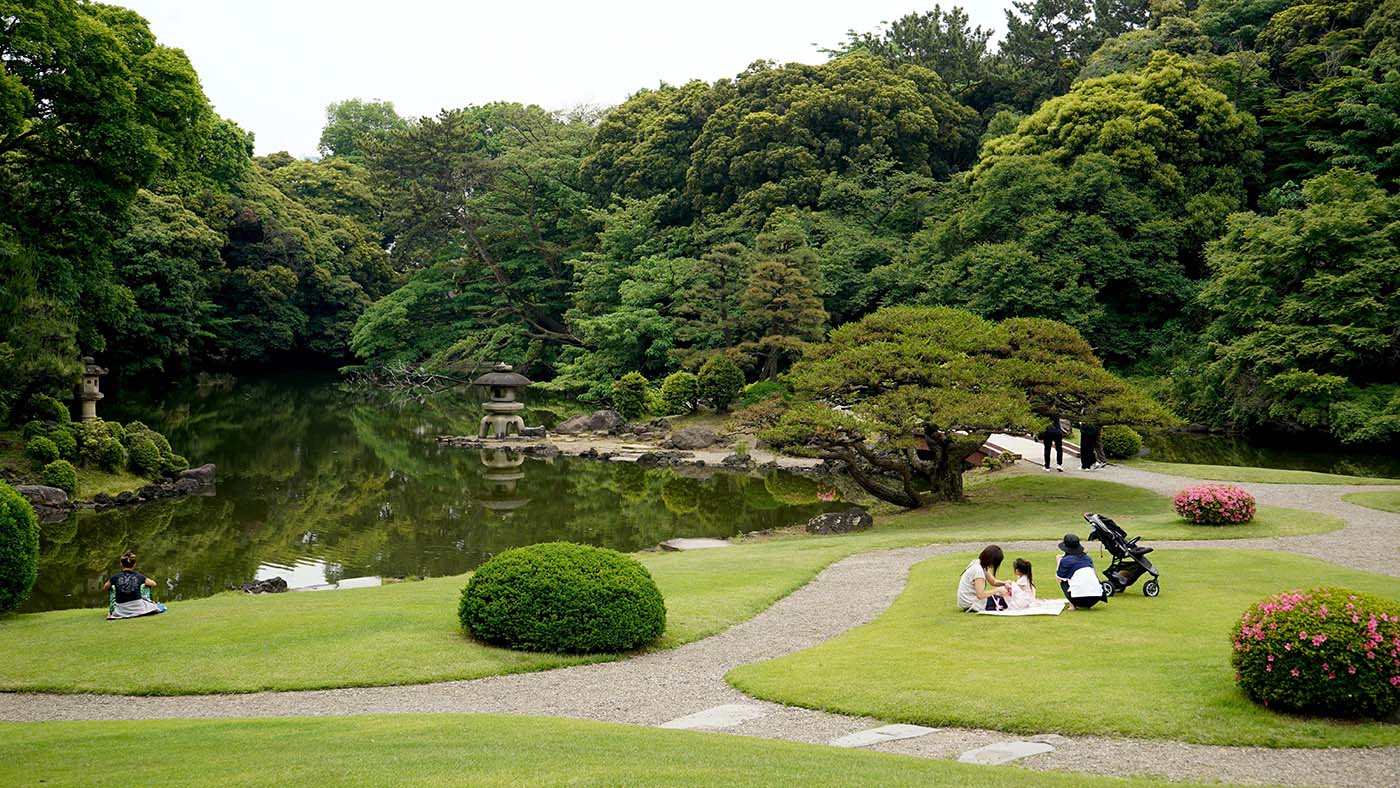 Day 11 in Nara for wildlife and open space
Take a day trip to Nara. Deer Park is a highlight for families, offering space to roam and memorable deer encounters. The area is visually striking and engaging for all ages.
Kyoto and Nara work best when parents stay selective rather than ambitious. For more detailed guides and family-tested recommendations, visit Three Bears Travel’s Japan section.
Days 12 to 14 in Osaka for food, play, and an easy departure
Osaka is a joyful finish for family travel. It is energetic without feeling as immense as Tokyo, and it rewards casual wandering, snack-based meals, and late afternoon strolls.
Day 12 can start at Osaka Castle and the surrounding park. The castle itself is interesting, though many children enjoy the grounds even more. Wide paths, open lawns, and room to run give parents an easier day after the more structured sightseeing of Kyoto.
Day 13 is where Osaka really shines. Dotonbori, Kuromon Market, and the Osaka Aquarium can form an excellent family day if paced well. Do the market or aquarium first, keep lunch flexible, then head into Dotonbori later when the signs are lit and the area feels most alive.
Families often enjoy building this day around food:
· Takoyaki
· Okonomiyaki
· Kushikatsu
· Fresh fruit cups
· Simple noodle lunches
If a cooking demonstration or casual food experience fits your family’s style, Osaka is a very good place for it. Children often engage more deeply when they can taste, watch, and participate rather than simply sit through another sightseeing stop.
Day 14 should remain free of major plans. This is the buffer day that saves the trip from ending in a rush. Have a quiet breakfast, buy last-minute gifts, repack properly, and head to Kansai Airport with plenty of time. The airport train ride is straightforward, though families should still allow around three hours before departure, especially with checked luggage.
Practical booking tips for a Tokyo to Kyoto family itinerary
A smooth family trip in Japan often comes down to a few early bookings and a few smart trade-offs. Good planning reduces waiting, trims transit stress, and makes room for the fun parts.
If you are travelling in school holiday periods, these are the first items to lock in:
· Flights: Choose arrival times that do not force a late-night city transfer
· Hotels: Prioritise room layout, laundry access, and station proximity
· Theme parks: Book as soon as ticket windows open
· Shinkansen seats: Reserve early if you want Mt Fuji-side seats
· Hakone stay: Ryokan rooms and family-friendly options fill quickly
One more point deserves attention: luggage. Families doing a japan family itinerary 2 weeks long often benefit from travelling between cities with one night bag and forwarding larger suitcases ahead when practical. It is not essential, though it can make station transfers much easier, especially with younger children.
Private guides and drivers can also be useful on selected days rather than the whole trip. For families with limited time, a guided Tokyo day, a Kyoto highlight day, or airport transfer support can reduce friction and keep energy for the parts of Japan you most want to enjoy.
A strong japan with children itinerary is not the one with the most stops. It is the one where everyone still has the energy to appreciate where they are. This route does exactly that, giving families time for major highlights, quieter moments, and the kind of travel days that feel exciting rather than exhausting. For more family travel inspiration and detailed itineraries, explore Three Bears Travel’s family guides.
 FAQ: Your Japan Family Trip
Embarking on a family journey through Japan promises a delightful mix of cultural immersion, vibrant cityscapes, and serene natural retreats. Below are concise answers to common questions, ensuring your two-week adventure from Tokyo to Kyoto unfolds seamlessly.
How should we manage jet lag on arrival in Japan?
Start with light activities, like a stroll around Ueno Park, and choose a centrally located hotel for convenience.
What transport tips are essential for a Tokyo to Kyoto family itinerary?
Reserve shinkansen seats in advance, especially on the side with Mt Fuji views, and keep a small day bag for travel days.
How many activities should we plan per day?
One major activity per day, balanced with rest and meal breaks, ensures an enjoyable pace for families.
Is it necessary to pre-book attractions like Tokyo Disney Resort?
Yes, pre-book tickets to avoid disappointment and arrive early for a relaxed experience.
What should we focus on in Kyoto with children?
Mix cultural stops with interactive experiences, like the Iwatayama Monkey Park and Nara Deer Park, to keep kids engaged.
Can we have flexible plans in Hakone?
Absolutely. Weather variability means having backup plans like a ropeway ride or ryokan stay adds to the experience.
What makes Osaka a suitable final stop for families?
Osaka offers cultural sites like the castle, bustling food scenes, and family-friendly attractions like its aquarium, perfect for unwinding.
This itinerary ensures a harmonious balance of excitement and relaxation, paving the way for unforgettable family memories in Japan.