

Health worries sit quietly in the background of many China trips. You might feel fine now, but a stomach bug, a sprained ankle, an eye infection or a flare-up of something long-term can turn into a stressful day if you do not know what to expect.
China’s medical care can be excellent, especially in major cities, but the experience often feels different to Australia or New Zealand. The biggest surprises are usually practical: how you register, how quickly things move, how you pay, and how much independence you need inside the hospital.

How healthcare is organised in China (and why it feels so different)
China’s system is largely hospital-centred. Many people go straight to a hospital outpatient department for diagnosis and treatment, rather than starting with a local GP who then refers them onward.
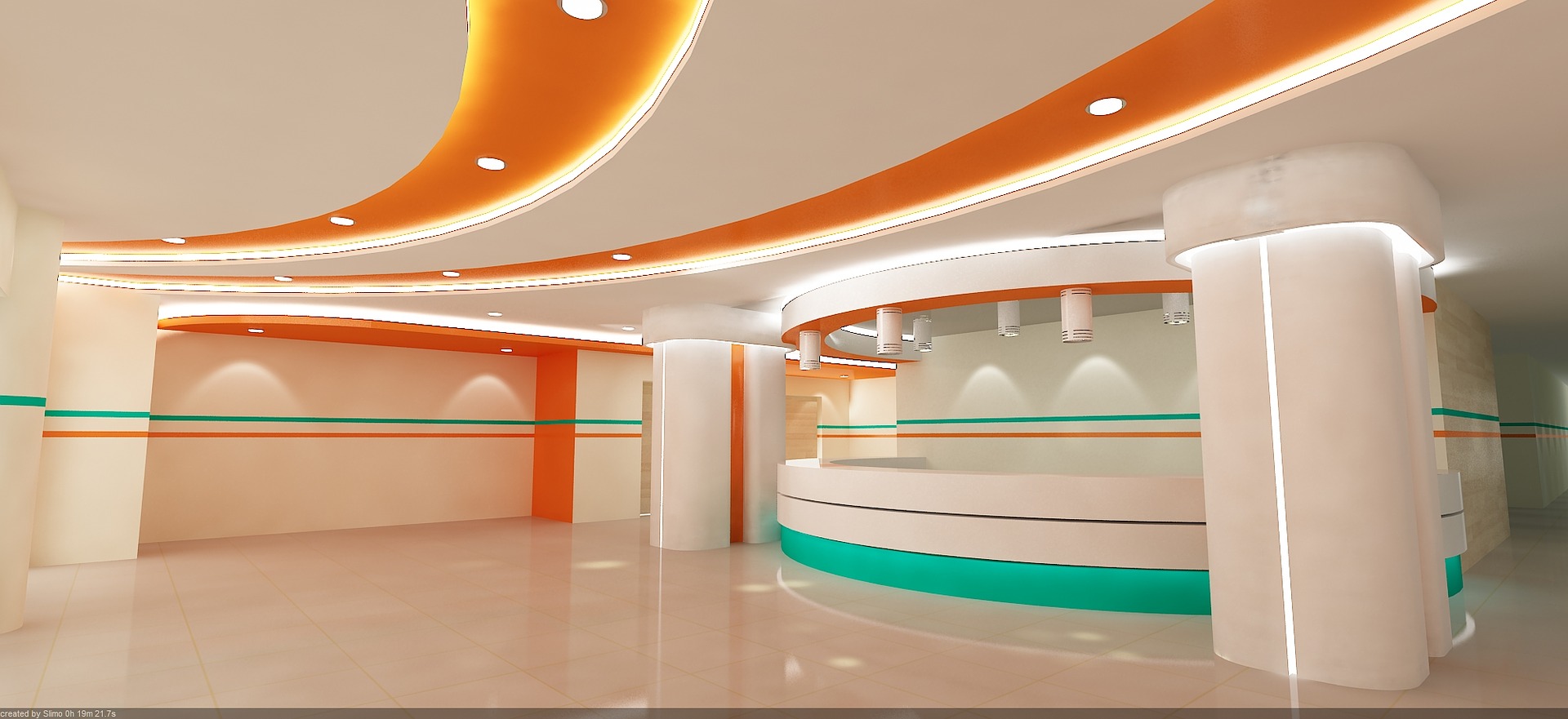
Large public hospitals can feel like self-contained medical cities. Consultation rooms, pathology, imaging, pharmacy and payment counters are all on site, and the workflow is designed to process a high volume of patients efficiently.
That design has trade-offs. You often get fast access to tests and specialists, but you may also find the environment busy and the consultation brief.

Public hospitals vs private clinics: what most international patients choose
Public hospitals deliver most specialist and acute care in China, including advanced diagnostics and treatment. Private hospitals and clinics also exist, and some are set up for expatriates with more English support and a more familiar service style.
A useful way to think about it is not “good vs bad”, but “high-capacity system vs service-focused clinic”. For many conditions, public hospitals are the practical choice. For comfort, language support, and straightforward issues, an expat-oriented clinic can be appealing.
|
Option |
Best for |
What you’ll likely notice |
Usual trade-offs |
|
Public hospital outpatient |
Specialist care, imaging, urgent issues |
Very fast throughput, lots of counters and steps |
Crowds, limited English, brief appointments |
|
Public hospital “international” department (where available) |
Help with process and communication |
Coordinators, sometimes appointments, quieter waiting |
Higher fees than standard outpatient |
|
Private / expat clinic |
Minor illness, check-ups, reassurance |
English service, longer consults, familiar booking |
Higher cost, may refer out for complex tests |
Can foreigners use hospitals in China?
Yes. Foreign visitors and residents can attend public hospitals and private facilities. You are usually treated through the same channels as local patients, which is why process matters more than nationality.
In some larger hospitals you may find an international medical services department. These services are typically designed to assist with booking, interpretation and payment steps. The clinical care often comes from the same specialists who also work in standard departments.

What a hospital visit can look like, step by step
Many first-time visitors expect a single reception desk and a single bill later. China often works differently. Think of it as a series of smaller transactions linked together.
A common flow is:
1. Registration (挂号): You register for a department or a specific doctor. A passport is usually accepted as ID.
2. Pay the consultation fee: Often paid up front.
3. Consultation: The doctor may order tests, imaging, or medication.
4. Pay for tests: You pay before the test is performed.
5. Complete tests: Blood tests and scans can happen quickly.
6. Return to the doctor: Sometimes the same day, depending on results.
7. Pharmacy: Medication is commonly dispensed at the hospital pharmacy, after payment.
This can feel intense if you are unwell, tired, or alone. If you are travelling as a couple or pair, going together can make the day much easier.
After you have a paragraph of reassurance, practical preparation helps. Bring what you can, even if you hope you never need it:
· Passport (and a photo of it on your phone)
· Travel insurance details, or health insurance information
· A list of medications
· Allergies written down
· A note of your blood type, if known
· A power bank
The language gap: the main source of stress (and how to reduce it)
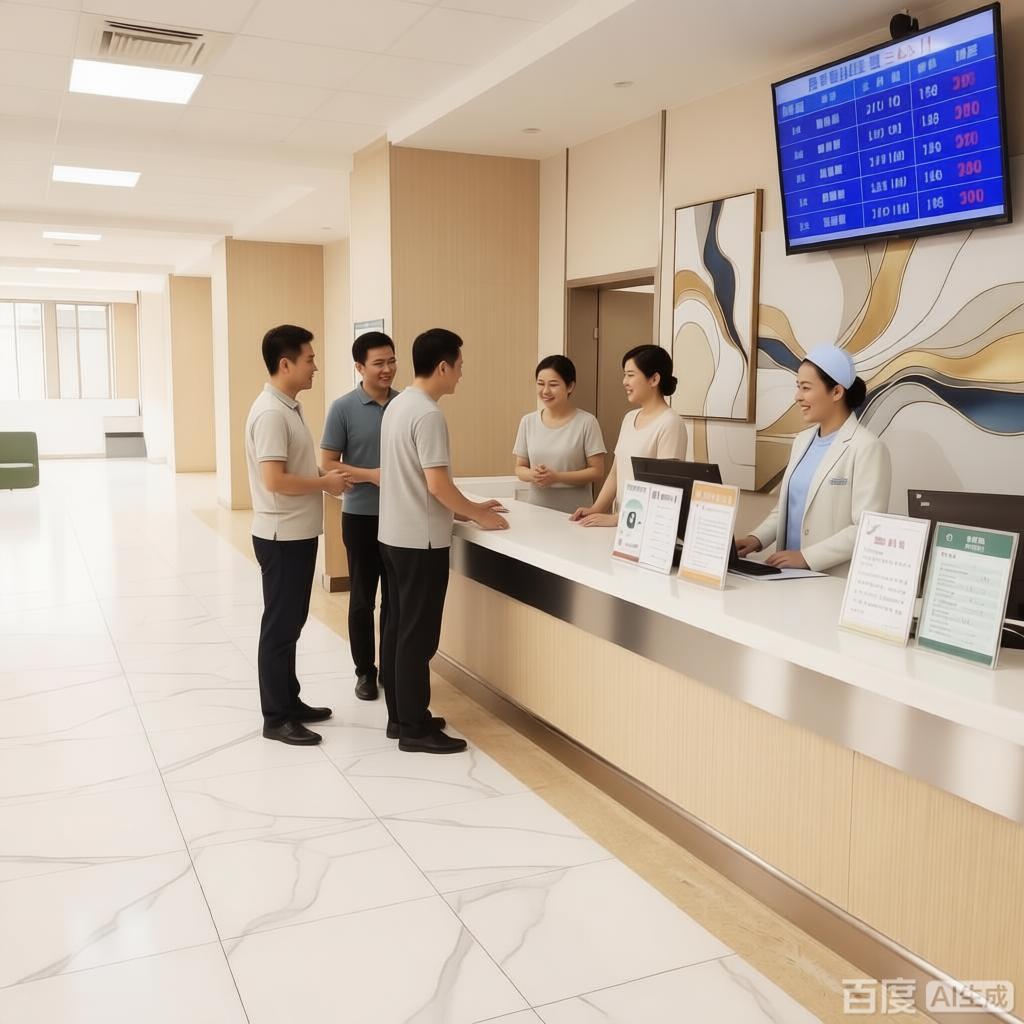
Outside major international clinics and some hospital international departments, English can be limited among front-desk staff, cashiers and nursing stations. Some doctors read English well but may not feel confident speaking it, especially when the topic is complex.
If you have a choice, aim to reduce the communication load rather than “wing it” on the day. Simple strategies often make the biggest difference:
· Write down symptoms and timing in plain language on your phone (and consider a translated version).
· Bring medication packaging so the exact product is clear.
· Use a professional interpreter for anything ongoing or serious.
· Ask your accommodation to help you call ahead, where possible.
Travellers on private, tailor-made itineraries with Three Bears Travel benefit from expert local support, making it easy to arrange transport, find the right department, or communicate clearly in any situation. Choosing Three Bears Travel ensures you have a dedicated team ready to assist with every aspect of your journey, giving you peace of mind and a smoother experience throughout your stay.
Why it can be so fast: same-day testing and rapid turnaround
One of the most surprising features for Australians and New Zealanders is speed. It is common to see a doctor, complete blood tests or imaging, and receive results quickly, sometimes within hours.
This is linked to how hospitals are structured. Diagnostic services can run continuously, and patients are expected to move between departments themselves. The upside is quick answers. The downside is that you may need to keep track of multiple locations, receipts, and queues.
A practical mindset shift helps: plan for a hospital visit to be active. Wear comfortable shoes, keep water with you, and expect to walk.
Payment: what to expect and what catches people out
Payment is usually itemised and occurs at multiple points. You may pay for consultation, then pay for each test, then pay for medication. Do not assume a single invoice at the end.
In many places, patients pay via mobile payment apps, plus cash or bank card options. Foreign cards are not always accepted in every setting, and policies can differ by hospital.
If you are relying on travel insurance or health insurance, you will often need to pay first and claim later unless your insurer has a direct-billing arrangement with a specific clinic or hospital.
A quick checklist of payment realities can prevent surprises:
· Upfront fees: Consultation and many tests are paid before they happen.
· Receipts matter: Keep itemised receipts and medical notes for claims.
· Apps are common: Some hospitals run much smoother with local payment apps, though alternatives usually exist.
You can also check this article to see what do international patients usually pay for China healthcare: click here.
Prescriptions and medication: similar goals, different habits
Hospital pharmacies are common, and doctors may prescribe medication that is dispensed on site. You might receive Western medicines, Chinese medicines, or both, depending on the hospital and the clinician.
If you prefer to avoid certain medications, say so clearly. If you are unsure what a medication is, ask for the generic name (or photograph the label and confirm it with a pharmacist or interpreter).
If you take regular prescription medication, bring enough for your trip and keep it in original packaging. If you need to replace something, allow time. Even when the medication exists locally, brand names and dosages can differ.
Emergencies and urgent care
China has emergency departments in large hospitals, and ambulance services operate in major cities. If you are facing severe symptoms (chest pain, stroke signs, serious injury, breathing trouble), treat it as an emergency.
In urgent situations, communication and logistics matter as much as medicine. Having your accommodation address saved in Chinese characters, plus a translated note of key medical conditions, can save time.
Where “international departments” fit in
International medical services within public hospitals can be a middle path: access to the hospital’s specialists and diagnostics, with more guidance on process and sometimes stronger English support.
What you might gain:
· More help with forms and wayfinding
· Longer consult times in some cases
· A calmer waiting environment
What you might still face:
· Multiple payment steps
· Tests completed in standard hospital areas
· Higher pricing than standard outpatient services
Availability varies by city and by hospital, so it helps to ask ahead if this option exists where you are staying.
When healthcare in China can be a good option for visitors
If you are travelling and something comes up, China’s system can work well for prompt diagnosis and treatment, especially in urban areas. It can also suit travellers who value quick access to imaging and pathology without long waits.
This tends to suit:
· Short-term travellers who need quick answers before continuing their trip
· Business travellers and expats who want efficient specialist access
· Long-stay visitors who are comfortable with a hospital-based system
If you have complex chronic conditions, it is still workable, but it pays to plan ahead: carry summaries from your doctor at home, keep a clear medication list, and consider where you would prefer to be treated if you need follow-up appointments.
Common misunderstandings that create unnecessary anxiety
A lot of fear comes from expecting China to work like home, then feeling thrown when it does not. A more realistic set of expectations reduces stress quickly:
· Busy does not mean poor quality: High patient volume is normal in major hospitals.
· Fast does not mean rushed care is unsafe: It often reflects system design and on-site diagnostics.
· You may need to self-direct: Moving between departments is part of the process.
· English support is uneven: Plan for it rather than hoping for it.
If you are travelling with a private guide from Three Bears Travel (or have local assistance through your China itinerary), clarify in advance what kind of support is available if you need medical help. Even simple assistance, like getting a taxi to the right hospital entrance or helping you communicate at registration, can make the day feel far more manageable.
Quick FAQ for international patients in China
Is medical care in China reliable for foreigners?
In many major public hospitals, standards can be very high, particularly for specialist care and diagnostics. The main challenge for foreigners regarding healthcare in China is usually process and language, not clinical capability.
Do I need an appointment?
Sometimes yes, sometimes no. Many hospitals accept walk-ins for outpatient care, while certain specialists may require booking via an app or service desk. International departments may help coordinate appointments. If you have booked a medical tour through Three Bears Travel, all necessary appointments will be arranged as part of your package, so you won’t need to make bookings yourself.
Will I have to pay up front?
Often, yes. Expect to pay at several points, with itemised charges. If you have booked a medical tour through Three Bears Travel, the services included in your package will be covered, so you won’t need to pay up front for those. However, if you choose any optional medical services outside your package, these will need to be paid for separately.
Can I use my travel insurance directly?
Often you pay first and claim later, unless your insurer has a direct-billing relationship with a particular clinic. Keep all receipts, test results, and medical notes. Please check with your insurance provider in advance to confirm whether direct billing is possible and to understand the reimbursement process.
Is it normal to get tests done the same day?
In most cases, yes—same-day blood tests and imaging are common, especially in large urban hospitals. The majority of test results are available on the same day, with only a small number taking longer than 24 hours.