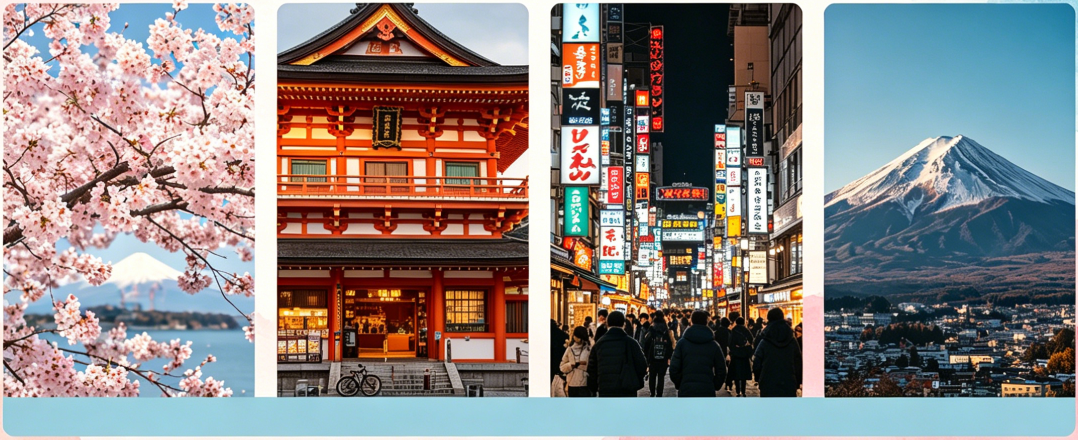
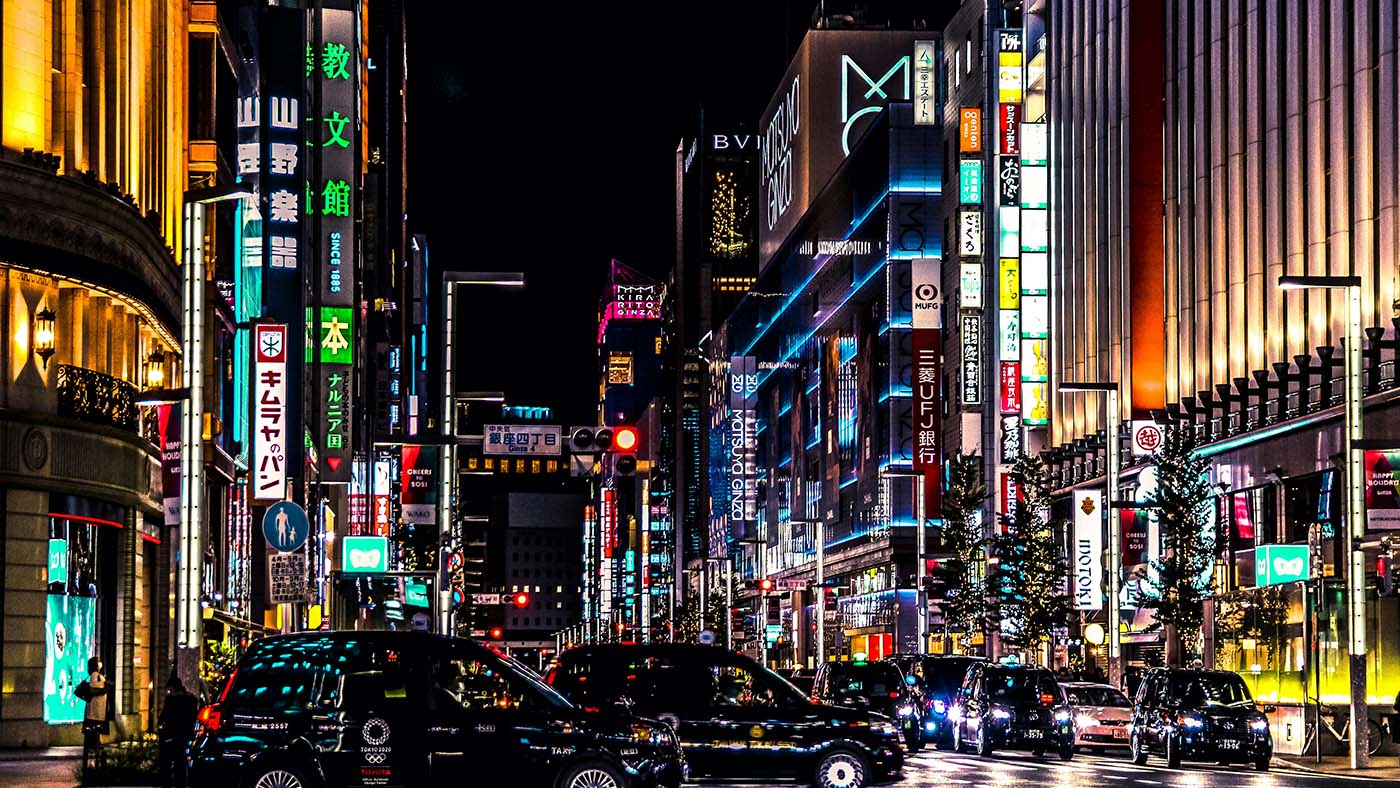
Finishing Year 12 brings a rare kind of freedom. Exams are done, the pressure lifts, and suddenly the next chapter feels very close. For many Australians, that makes it the perfect time to take a first big overseas trip. If you want somewhere exciting, safe, visually unforgettable, and manageable for first-time international travellers, Japan is hard to beat.
A well-planned japan graduation trip australia route can give you neon city nights, ancient temples, great food, easy train travel, and enough structure to feel comfortable without making the trip feel overplanned. This 10-day guide is built for school leavers, solo travellers, close mates, and small groups who want a smart balance of value, fun, and independence.
If you’re looking for extra support or want your itinerary tailored to your interests, Three Bears Travel specialises in helping Australian graduates plan seamless, unforgettable Japan adventures—making the whole process easier from flights to local experiences.
 Why Japan suits a trip after Year 12
Japan has a rare mix that works brilliantly for young Australian travellers. It feels different from home in all the best ways, yet it is still highly organised. Trains run on time, cities are clean, signage is strong in major tourist areas, and everyday travel is usually straightforward even if you do not speak Japanese.
That matters on a japan trip after year 12, when many travellers are heading overseas without much prior experience. You want adventure, but you also want confidence. Japan gives you both.
After that first arrival, most travellers quickly notice a few things:
· Safety and cleanliness
· Fast, reliable public transport
· Food for every budget
· Pop culture, fashion, gaming, shrines and nature in one trip
It also works well from Australia. Direct flights from Sydney, Melbourne and Brisbane keep travel time reasonable, and Australians can generally visit Japan for short tourist stays without a visa, subject to current entry rules. It is still wise to check Smartraveller and the Japanese embassy before booking.
10-day grad trip Japan itinerary for first-time travellers
This route keeps things simple: Tokyo first, a day in Hakone for Mt Fuji and onsen, then Kyoto, and finally Osaka. It follows an easy path, reduces backtracking, and packs in the biggest highlights without turning every day into a race.
Suggested 10-day Japan graduation trip route
|
Day |
Base |
Plan |
|
1 |
Tokyo |
Arrive, settle in, explore Shibuya Crossing, Hachiko, Shinjuku at night |
|
2 |
Tokyo |
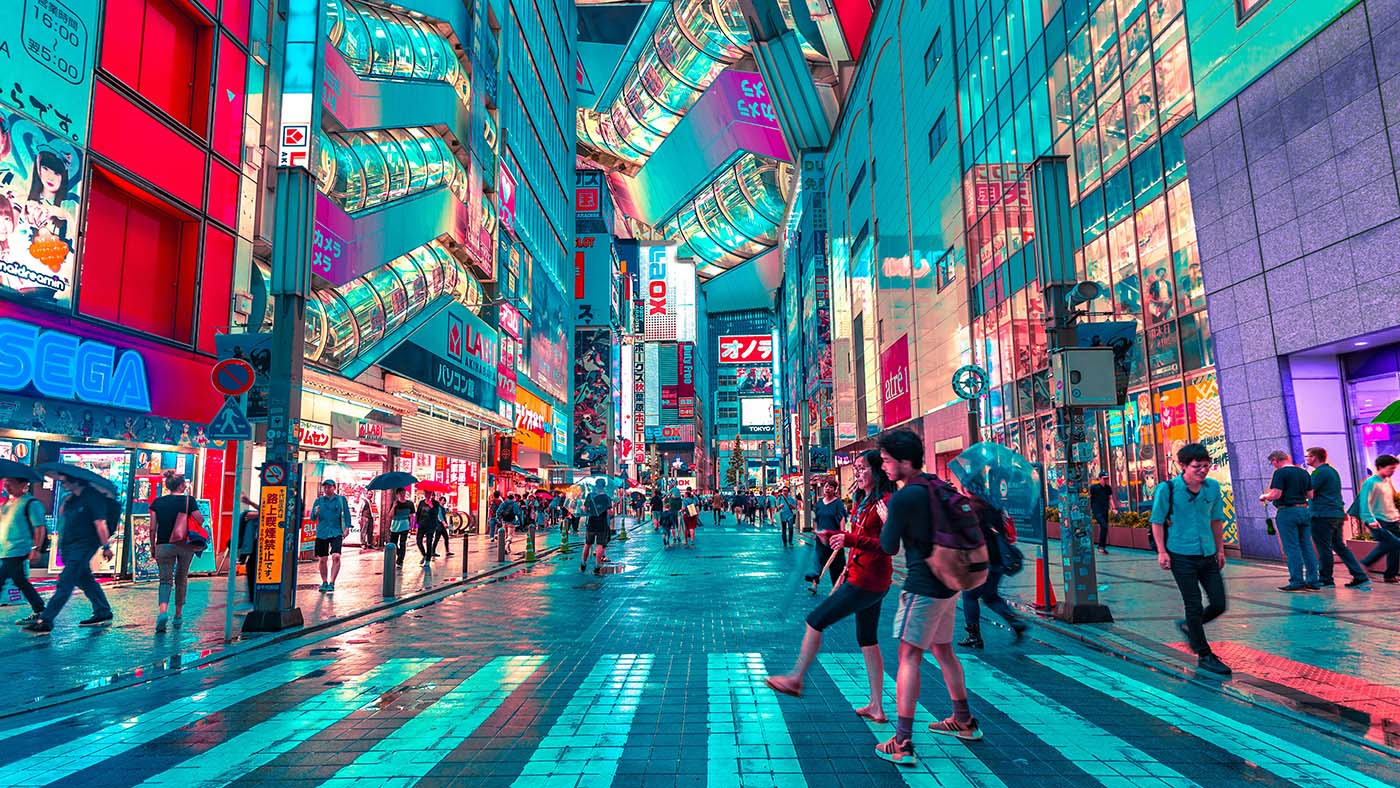
Asakusa, Senso-ji, Nakamise Street, Akihabara arcades and anime shops |
|
3 |
Tokyo |
Harajuku, Meiji Shrine, Omotesando, sunset at Shibuya Sky or Tokyo Tower |
|
4 |
Tokyo |
Free-choice day: teamLab, Disney, vintage shopping, or café hopping |
|
5 |
Hakone |
Travel to Hakone, enjoy hot springs (onsen), views of Mt Fuji, Hakone Open-Air Museum |
|
6 |
Kyoto |
Bullet train to Kyoto, Higashiyama walk, Kiyomizu-dera, Gion in the evening |
|
7 |
Kyoto |
Fushimi Inari at sunrise, Nishiki Market, Arashiyama bamboo grove |
|
8 |
Osaka |
Travel to Osaka, Osaka Castle area, Dotonbori food strip at night |
|
9 |
Osaka |
Universal Studios Japan or full city day in Namba, Amerikamura and Shinsekai |
|
10 |
Osaka |
Final shopping, relaxed brunch, fly home or connect onward |
This is a strong grad trip japan itinerary because each city and region has a clear role. Tokyo gives you the first hit of energy and spectacle. Hakone offers a classic Mt Fuji view and the chance to unwind in an onsen. Kyoto slows the pace and adds history that still feels vivid rather than dusty. Osaka finishes the trip with food, nightlife, and a more casual social atmosphere.
Days 1 to 4 in Tokyo for iconic first-time experiences
Tokyo is the ideal opening act. You land straight into one of the world’s great cities, yet it is surprisingly easy to move around once you get your bearings. Stay near Shinjuku, Shibuya, Ueno or Asakusa for a convenient base.
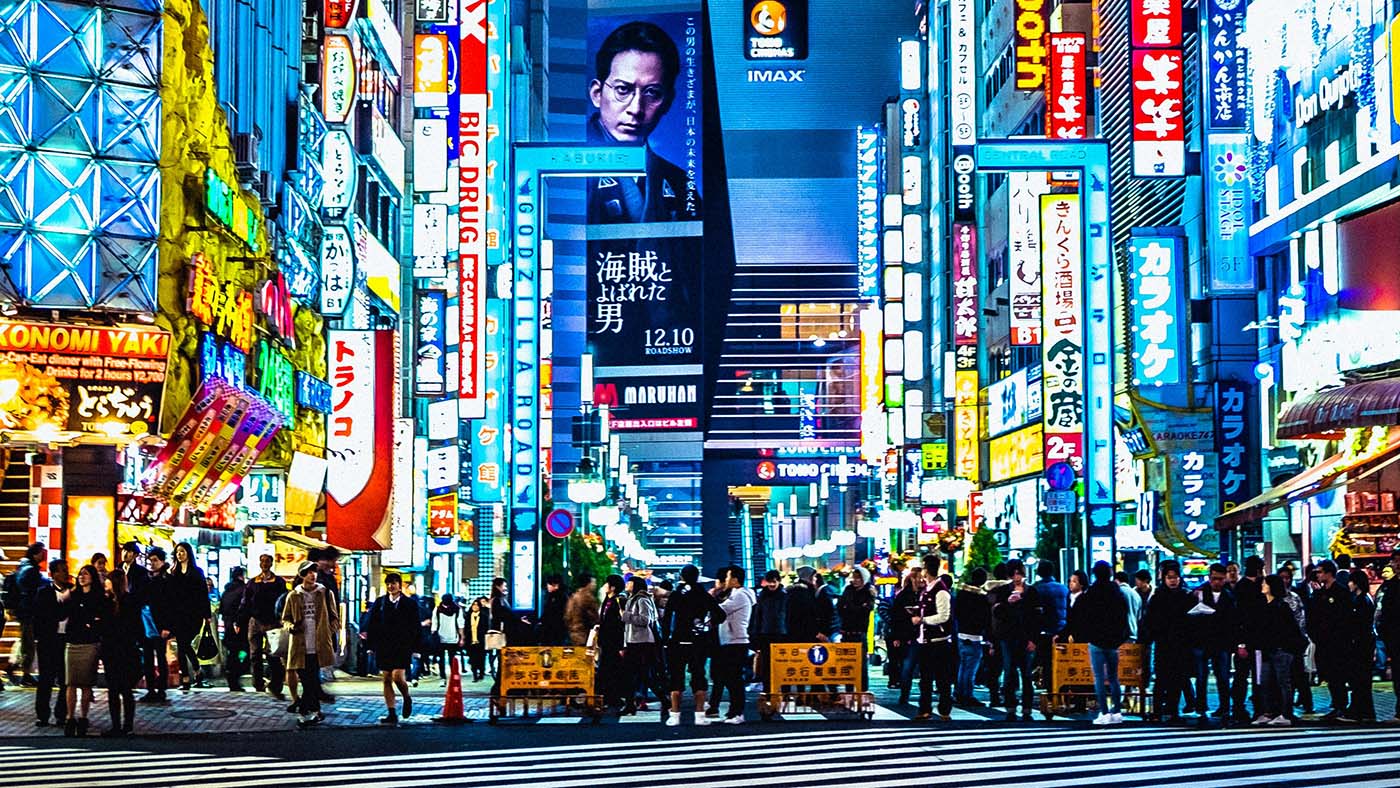
Your first two days should focus on famous, instantly recognisable places. Shibuya Crossing, Shinjuku’s bright streets, Asakusa’s old-town feel, and Akihabara’s gaming and anime culture all deliver that “I’m really in Japan” feeling. Harajuku and Meiji Shrine add contrast, which is one of Tokyo’s best qualities. A fashionable street can sit just minutes from a quiet forested shrine.
Day 4 is best kept flexible. That breathing room matters. Some travellers will want art spaces like teamLab, others will want shopping, karaoke, cafés, or a full theme park day. Leaving one Tokyo day partly open prevents burnout and gives the trip a more natural rhythm.
Budget beds can still be decent here. Capsule hotels and simple hostels in central areas often start around AU$40 per night, with business hotels usually costing more but giving extra privacy.
Day 5 in Hakone for Mt Fuji views and onsen relaxation
Hakone is a favourite side trip from Tokyo, famous for its natural beauty, hot springs, and iconic views of Mt Fuji. Take the train or Romancecar from Tokyo in the morning. Spend the day exploring the Hakone Open-Air Museum, riding the Hakone Ropeway for panoramic Fuji views, and soaking in a traditional onsen. Staying overnight in a local ryokan is a memorable way to experience Japanese hospitality and unwind before heading to Kyoto.
Days 6 to 7 in Kyoto for culture, food, and slower travel
Kyoto is where a post-exam trip japan plan becomes more than a city break. The atmosphere shifts. Streets are calmer, temple districts feel older and more textured, and wandering without a strict agenda becomes part of the fun.
Take the shinkansen from Hakone (Odawara Station) to Kyoto on Day 6 and head out that afternoon to Higashiyama and Kiyomizu-dera. The lanes, wooden shopfronts, and temple views feel classic without being dull.
Day 7 starts early with Fushimi Inari. Go at sunrise if you can. The torii gates are far more memorable when the path is quiet and the air is still cool. Later, explore Nishiki Market and the Arashiyama bamboo grove. With a tighter schedule, focus on highlights and enjoy the atmosphere rather than trying to see everything.
A few smart habits make Kyoto better:
· Sunrise starts: Fushimi Inari and Arashiyama are far more enjoyable before the crowds
· Half-days free: Kyoto is excellent for unplanned lanes, cafés, and small shrines
· Comfort first: wear good walking shoes because temple districts involve more uphill walking than many travellers expect
Days 8 to 10 in Osaka for food and nightlife
By the time you reach Osaka, the trip usually feels more relaxed. You know the train system, you have a rhythm, and confidence is high. That is exactly why Osaka is a great final stop for school leavers japan planning.
Osaka feels looser than Tokyo and less formal than Kyoto. Dotonbori is the obvious first-night move, with giant signs, canal views, late trading, and every kind of snack from takoyaki to ramen. It is touristy, yes, but also a lot of fun.
Day 9 can go in two directions. If you want a classic graduation-trip splurge, Universal Studios Japan is an easy choice. If not, spend the day moving between neighbourhoods like Namba, Amerikamura, Umeda, and Shinsekai. Osaka often becomes a favourite because it asks less of you. It is social, lively, and easy to enjoy.
One sentence sums it up nicely: Tokyo impresses, Hakone refreshes, Kyoto grounds you, and Osaka lets you exhale.
Japan graduation trip budget from Australia
The big question is usually the same: how much will this actually cost? For most travellers, a realistic 10-day total now sits around AU$4,500 to AU$6,400 per person. This budget is based on a very streamlined itinerary, with basic accommodation and careful spending on food and attractions.
If you’re looking for a more comfortable experience—such as staying in higher-quality hotels, enjoying more paid activities, or dining out more often—you should plan for a higher budget. Upgrading your trip for extra comfort, convenience, or memorable experiences will require additional funds.
 Typical 10-day budget
|
Cost item |
Estimated cost |
|
Return flights from Australia |
AU$1,600 to AU$2,500 |
|
Accommodation |
AU$1,000 to AU$1,600 |
|
Food |
AU$300 to AU$500 |
|
Transport in Japan |
AU$500 for a 7-day JR Pass, plus local fares |
|
Attractions and extras |
AU$240 to AU$600 |
|
Travel insurance |
AU$120 to AU$220 |
|
Total |
AU$4,500 to AU$6,400 |
This estimate is for travellers who are happy with the essentials. For those seeking a more premium or flexible experience, consider increasing your budget accordingly.
Japan can be cheaper than people expect if you eat well but casually. Convenience stores are excellent, ramen shops are affordable, and many top experiences cost little or nothing. Shrines, street wandering, viewpoints, arcades, and food markets can fill entire days without wrecking your budget.
If you want to keep spending under control, focus on choices that matter most:
· Flights: book early and be flexible with departure dates
· Accommodation: stay near train stations rather than in premium nightlife zones
· Food: mix convenience-store breakfasts with one standout meal each day
· Transport: compare the JR Pass against point-to-point tickets based on your exact route
Not every traveller needs a rail pass, so check the maths before buying. For this Tokyo-Kyoto-Osaka route, it can still make sense depending on current pricing and side trips.
For those who want a stress-free experience, Three Bears Travel offers expert advice and custom packages for graduation trips, ensuring you get the best value and support every step of the way.
Packing for a post-exam Japan trip
Packing for Japan is easier when you remember one thing: you will move around a lot. Stations have stairs, city streets are busy, and hotel rooms can be compact. Lighter is better.
A small suitcase or backpack plus a daypack is usually enough for 10 days. Coin lockers are common, laundries are easy to find, and buying one or two extra basics locally is never difficult.
A practical packing list looks like this:
· Comfortable walking shoes
· Lightweight daypack
· Portable charger
· Refillable water bottle
· Travel adaptor
· eSIM or pocket WiFi setup
· Passport copies and insurance details
And a few things are better left at home:
· Formal outfits: you almost certainly will not need them
· Heavy luggage: it slows down train travel and station transfers
· Too many shoes: one main pair and one backup is enough
If you are travelling in winter, add layers, a proper coat and gloves. In summer, prioritise breathable clothing and a compact umbrella.
Safety and communication tips parents care about
Japan has earned its reputation as one of the safest countries for travellers, and that is a major reason it works so well for a first overseas trip. Violent crime is rare, public transport is orderly, and even late-night areas tend to feel more controlled than in many other major cities.
That said, safe does not mean careless. Standard travel habits still matter. Keep your phone charged, know your accommodation address, and avoid following strangers into bars or clubs advertising “special deals”.
Parents usually want reassurance on three points: safety, contact, and health access. Japan scores well on all three. Free tourist help is available through the Japan Visitor Hotline on 03-3201-3331, and emergency numbers are simple: 110 for police and 119 for ambulance or fire.
Before departure, set up a few basics with family at home:
· Check-in routine: send a short message each evening
· Live details: share flights, hotel names and train days
· Emergency backup: keep passport copies and insurance contacts in the cloud
For communication, an eSIM is often the easiest option for Australian travellers. With data working from the moment you land, Google Maps, Translate and messaging apps solve most problems before they become stressful.
English signage is common in airports, major stations and tourist districts, so a lack of Japanese is rarely a barrier. Learning a few phrases still helps, especially “sumimasen” for excuse me, and “arigatou gozaimasu” for thank you.
Smart planning choices that make the trip smoother
The strongest graduation trips are not always the cheapest or the busiest. They are the ones that leave enough room to enjoy the place rather than just tick it off. Build in one slower morning, one flexible afternoon in each city, and enough budget for spontaneous moments.
That might mean an arcade session that runs longer than planned, a second round of takoyaki in Osaka, or a quiet Kyoto street that pulls you away from your map. Those are often the moments that stay with you.
For a first overseas adventure, Japan gives school leavers something special: independence without chaos, culture without stiffness, and a real sense of momentum after Year 12. It feels like a reward, but also like a beginning.
 FAQ for Your Japan Graduation Trip
Embarking on a Japan graduation trip is a thrilling endeavour as you celebrate your freedom and accomplishments. Here are some frequently asked questions to help streamline your planning and ensure a delightful experience.
What is the best time to visit Japan for a grad trip?
April and October are ideal, offering mild weather and stunning scenery, from cherry blossoms to autumn leaves.
Can I travel in Japan without speaking Japanese?
Yes, you can. With English signage in key areas and handy apps like Google Translate, navigating is straightforward.
Are solo travellers safe in Japan?
Absolutely, Japan ranks highly for safety. Adhere to regular precautions and utilise resources like the Japan Visitor Hotline.