
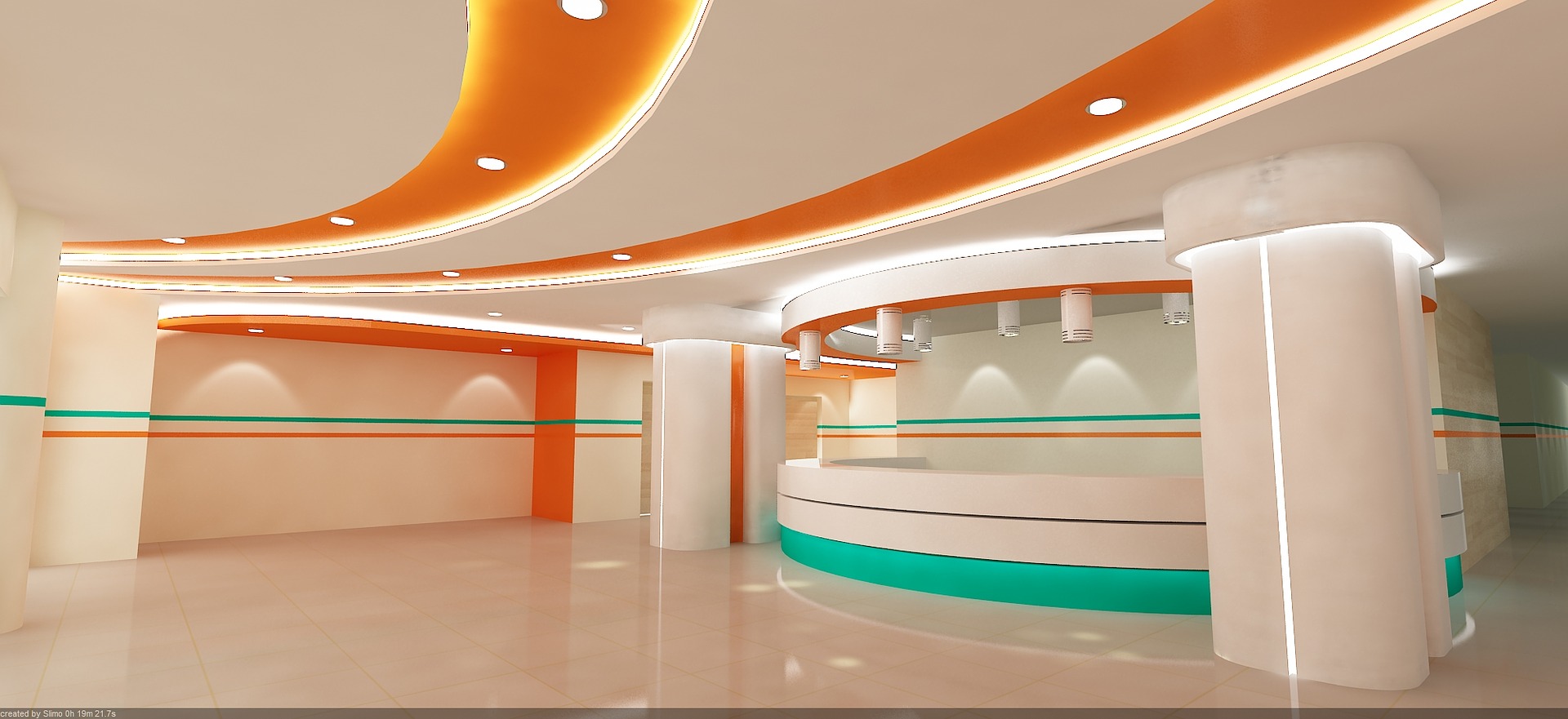
If you are used to the Australian or New Zealand public system, it can be a shock to walk into a major hospital in China and realise you might see a specialist, get bloods taken, have imaging done, collect your medicines, and be on your way in the same day.
That pace is not limited to premium private clinics. Many public hospitals are built around fast, high-volume outpatient care, with processes that keep people moving from one step to the next. For travellers, that can be reassuring when something needs checking quickly, but it also helps to know what the experience feels like on the ground. With support from a local expert like Three Bears Travel, navigating this efficient but unfamiliar system becomes much easier, ensuring you get the care you need without unnecessary stress.
Why healthcare in China is designed for speed
China’s hospital system is set up to manage very large numbers of patients daily. That scale has shaped everything from building layouts to staffing models and the way patients move through the system.
A big difference for many visitors is that outpatient care often happens inside hospitals rather than through a GP-led referral chain. In many cases, patients choose a hospital and department first, then see a doctor there. Fewer “gatekeeper” steps can mean fewer weeks of waiting.
High patient volume shapes the workflow
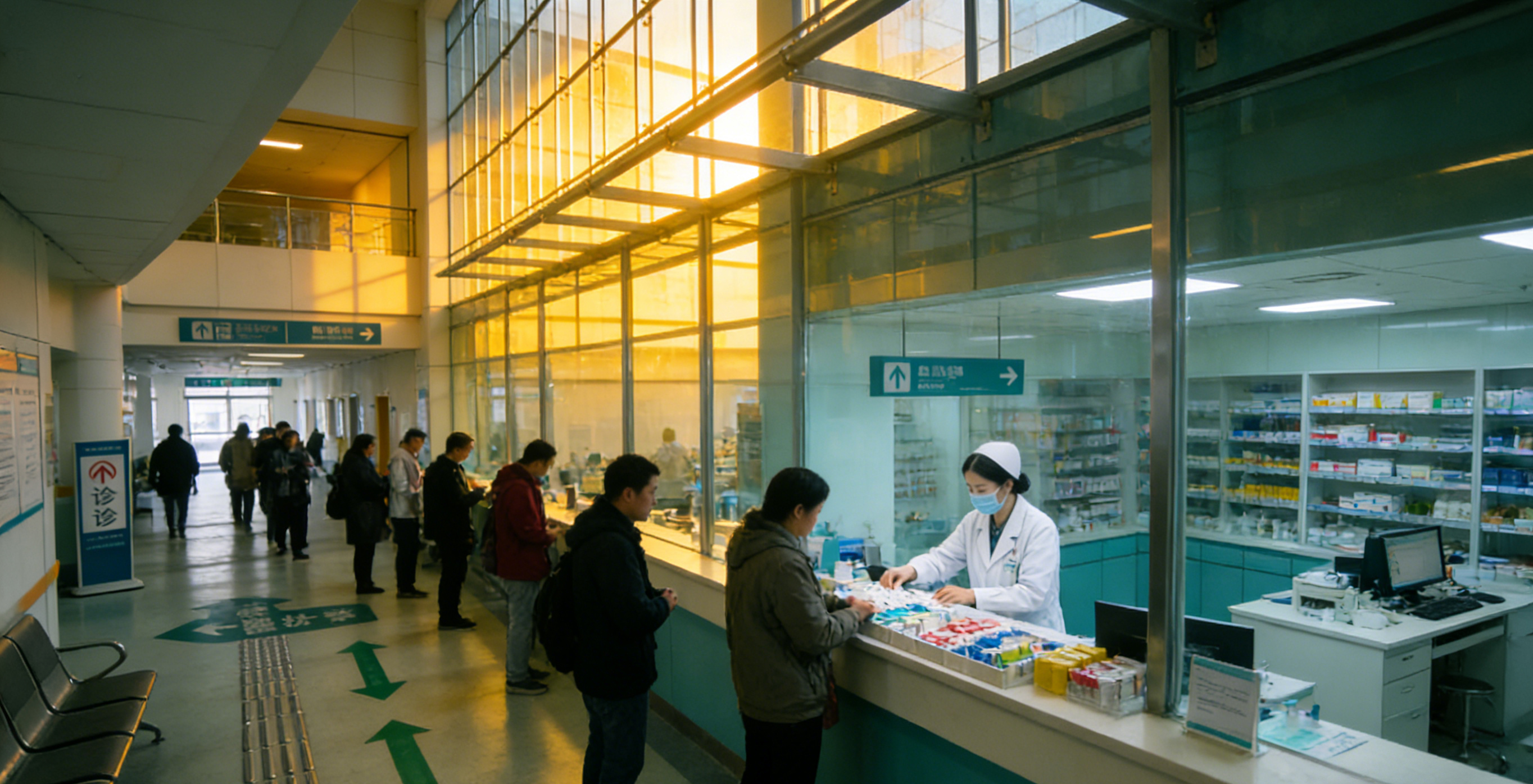
Large hospitals commonly have registration, consultation rooms, pathology collection, imaging (CT, MRI, ultrasound, X-ray), and pharmacy counters on-site. Instead of booking multiple visits over multiple weeks, people often complete the cycle in one trip.
It can feel intense, because the system assumes patients will self-manage the logistics: go to the next counter, scan a code, pay a fee, head to the next floor, and keep moving. When you know what you’re doing, it can be remarkably efficient. For travellers who want to make the most of their time in China, a local travel agency and guides can provide tailored guidance and bilingual support, helping you move confidently through each step.

The typical outpatient flow (and why it’s quick)
Most hospitals aim to minimise idle time between steps. Digital queueing, on-site diagnostics, and pharmacy dispensing are designed to reduce back-and-forth.
A common pattern looks like this, though it varies by city, hospital tier, and department.
|
Step in the visit |
What usually happens |
Why it can be fast |
|
Registration |
Choose department/doctor level, get a queue number |
High-throughput counters and app-based booking options |
|
Consultation |
Brief history and focused exam |
Short appointments keep queues moving |
|
Tests ordered |
Pathology and imaging requests issued immediately |
Diagnostics are on-site, often with extended operating hours |
|
Payment |
Pay per item (consult, test, scan, medicines) |
Fast transactions through kiosks or mobile payment |
|
Testing |
Blood draw, imaging, ECG, ultrasound |
Multiple testing stations run in parallel |
|
Results |
Many results released same day (sometimes within hours) |
Labs and radiology are geared for volume |
|
Pharmacy |
Medicines dispensed on-site |
Hospital pharmacies are built for rapid fulfilment |
This structure suits clear, focused questions: “Is this infection?”, “Do I need an X-ray?”, “Is my bloodwork normal?”, “Can I get a second opinion quickly?”

Same-day medical tests in China
Same-day diagnostics are one of the biggest surprises for visitors. In many hospitals, routine blood tests, basic imaging, and standard outpatient investigations can be completed within hours.
Results are often delivered digitally through hospital apps or printed slips, and patients may return to the same doctor that day with the findings. That ability to close the loop quickly is a major reason “fast medical service” is a common description of the experience.
Why same-day diagnosis is common
Diagnostics are treated as a core service line rather than something outsourced or booked weeks ahead. Many hospitals run large pathology and imaging departments with high capacity.
Speed is also helped by the fact that patients typically walk themselves between departments rather than waiting for internal transfers. That reduces coordination time, though it can be tiring if you are unwell, in pain, or unsure where to go.
After you have been through it once, the rhythm often makes more sense. On a first visit, it can feel like controlled chaos.

“No waiting time” hospitals: what’s true and what’s marketing
You will still see crowds in popular hospitals, especially in top-tier facilities in major cities. “No waiting time” is not realistic as a literal promise.
What is often true is that waiting lists for initial specialist appointments can be much shorter than what travellers expect from home. Instead of waiting weeks for a first consultation, you might join a same-day queue and be seen that morning or afternoon.
The trade-off is that you may wait in a busy environment on the day, rather than waiting at home for a future appointment. For travellers, that can be a good deal when time matters.
Speed vs the patient experience
Fast processing can come with compromises. Appointments may be brief and task-focused, and the environment can be noisy and crowded. Some visitors also notice that continuity of care feels different, especially if you see whoever is available rather than building a long-term relationship with one clinician.
It helps to go in with realistic expectations about what “fast” looks like in practice.
Here are common upsides and trade-offs people report:
· Quick access
· High diagnostic capacity
· Clear next steps
· Shorter consult times
· Busy waiting areas
· Less hand-holding between departments
None of these are universal, and experiences vary widely by city, hospital, time of day, and whether you attend an international clinic inside a public hospital.
What this means for foreign patients
Foreigners can access medical services in China, but the experience depends heavily on where you go. Major cities often have international outpatient departments, VIP clinics attached to public hospitals, and private hospitals with English-speaking staff. These options may cost more, yet they can reduce friction around language and navigation.
Even in standard public outpatient settings, many clinicians are highly skilled and used to high case volume. The key is practical support: knowing which department to choose, how payment works, and how to retrieve results.
If you are travelling, a fast system is most helpful when you can be organised and clear about what you need. Think in terms of questions you want answered and documents you can provide.
Bring (or have ready on your phone) any relevant items:
· Symptoms timeline: when it started, what makes it better or worse, what you have already tried
· Medication list: names, doses, and any allergies
· Past results: recent imaging, blood tests, discharge summaries, specialist letters
· Insurance details: policy documents and claims process, plus emergency contact numbers
If you are arranging travel through a service that builds private, tailor-made itineraries, it can also help to keep your schedule flexible. When plans are not locked into rigid group timings, it is easier to fit in a hospital visit and still enjoy the rest of your day once you are sorted.
Safety, quality, and choosing where to go
Fast does not automatically mean unsafe, but speed does change the way care is delivered. A shorter consultation places more weight on preparation and clarity.
A few practical pointers can improve the experience:
· Choose a reputable hospital in the city you are in, ideally a higher-tier facility for anything complex.
· If language is a concern, consider an international clinic, a hospital international department, or support from a bilingual helper.
· Ask for copies of results (digital or printed) so you can share them later with your GP at home.
· If you have a complex or chronic condition, plan for follow-up and continuity. Quick tests are useful, but longer-term care often needs coordination.
Costs and payment: why it feels different
Many visitors notice that the payment model can be more itemised than they are used to. You might pay separately for registration, each test, and each medication. The upside is transparency at each step. The downside is that you need to stay on top of receipts and understand what you are approving.
In some hospitals, you pay first, then receive the service. In others, you pay after. Digital payment is common, though counters usually accept other options in major areas. Keep your passport handy, as it may be required for registration.
If you are relying on travel insurance, check whether the insurer expects you to pay up front and claim later, or whether they can arrange direct billing at certain facilities. That one detail can change your choice of clinic.
When fast healthcare is a great fit (and when it isn’t)
Fast access shines when you need clarity quickly. It may be less satisfying when you want a long, holistic consultation with extended discussion.
A useful way to think about it:
· Good match: acute issues, straightforward symptoms, imaging needs, second opinions, medication refills with documentation
· Needs planning: complex multi-system symptoms, long-term rehabilitation, ongoing mental health care, rare diseases requiring coordinated teams
For complex needs, the speed of diagnostics can still be valuable, but you may want to choose a setting designed for international patients, where appointment lengths are longer and communication is easier.
How to fit a hospital visit into a travel schedule
When you are travelling, the main goal is to get the right care without losing your whole trip to logistics. A flexible itinerary helps, and so does acting early in the day. Morning visits often give you the best chance of completing tests and receiving results before departments slow down later.
If you are travelling with a partner, plan for the practicalities: water, snacks, phone power bank, and a way to store documents and receipts. Even when service is quick, the walking and waiting can add up.
And if something feels urgent, treat it as urgent. Speed is a strength of the system, but it works best when you choose the right facility and get help quickly rather than trying to push through for another day of sightseeing.
Choosing Three Bears Travel for your medical tourism journey in China means you’ll have a knowledgeable partner to help you navigate the healthcare system, arrange appointments, and ensure your travel plans remain flexible and enjoyable. With our expertise in both travel and healthcare logistics, we make it easy for Australian and New Zealand visitors to access fast, high-quality medical services while making the most of their time in China. Let us help you combine peace of mind with a memorable travel experience.
FAQ: fast medical service in China
Why is healthcare in China so fast?
Many hospitals are structured for high-volume outpatient care, with on-site diagnostics and pharmacy services. Patients often go directly to hospital departments, which can cut out weeks of referral and scheduling delays.
Can foreigners access same-day medical tests in China?
Often yes, depending on the hospital and the type of test. Routine pathology and many imaging studies are commonly available the same day. International clinics may arrange this with less waiting and more English support, at a higher cost.
Are hospitals in China efficient but safe?
Many facilities deliver high-quality medical services, and major hospitals can be very advanced diagnostically, offering comprehensive medical assistance in various specialties. Safety still depends on choosing a reputable provider, communicating clearly, and ensuring you understand the plan, medicines, and follow-up.
Do Chinese hospitals really have no waiting lists?
Waiting lists for initial specialist appointments can be shorter than in Australia or New Zealand, but hospitals can still be crowded on the day. The “wait” often shifts from weeks at home to hours on-site.
Is fast healthcare suitable for complex conditions?
Fast diagnostics can help, but complex conditions often need continuity and time for discussion. In those cases, an international department or private hospital appointment may be a better fit, with planned follow-up and clearer communication.