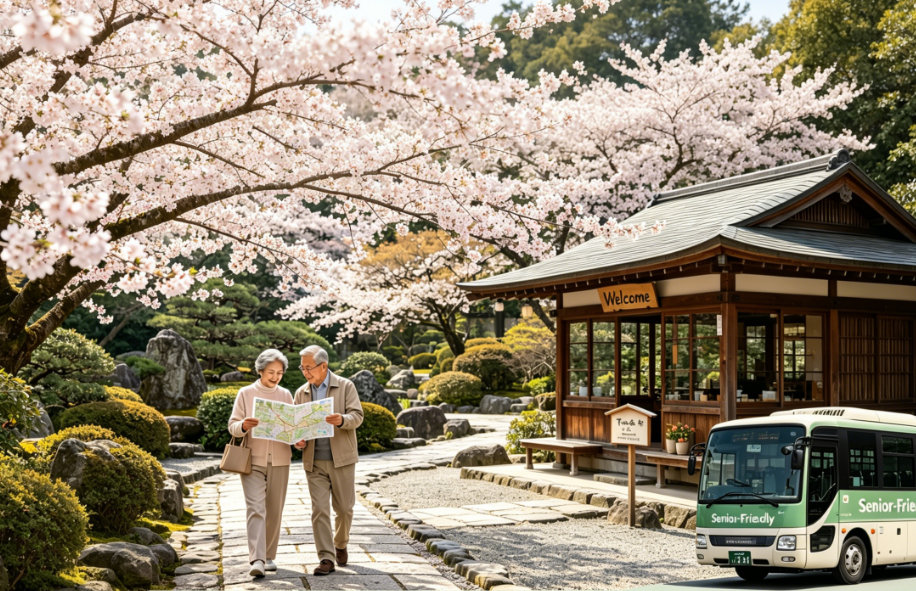
If eating well sits high on your travel list, Japan will spoil you in 2026. From quiet sushi counters to neon-lit lanes filled with grills and steam, the country treats food with care and creativity. The best part is how accessible it all feels. You can plan a trip around flavours, hop between neighbourhoods on clean trains, and sip miso soup in the morning before slurping noodles at midnight. It is the kind of holiday that stays with you long after you unpack.
Explore Japan’s Culinary Delights: Must-Try Foods and Experiences
Food in Japan sits at the centre of daily life. Markets wake early, chefs shop with precision, and home cooks pick produce at its peak. Visitors notice the pride in presentation, the balance in seasoning, and the quiet rhythm in dining rooms across the country.
Eating across regions shows how varied things get. Cold northern winters call for warming pots. Southern islands lean into tropical produce. Old capitals still serve imperial menus with lacquerware and seasonal flowers. You can graze, or you can design a plan. Either way works.
Why 2026 is a brilliant year to taste Japan
Japan’s 2026 culinary calendar is bursting with flavour and excitement, offering food lovers a chance to dive into unforgettable experiences. At the international FOODEX JAPAN 2026 trade fair, you can sample cutting-edge creations from top chefs and discover the latest food trends from around the world. The Olive Japan 2026 World Olive Oil Award invites you to taste some of the world’s finest oils, while the ISM Japan 2026 showcase tempts with an irresistible array of sweets and snacks.
Regional events like the All-Japan Shimotsukare Contest 2026 bring local traditions to life, letting you savour unique dishes rarely found outside their hometowns. Beyond the competitions, these events are a celebration—meet passionate producers, join hands-on workshops, and enjoy live demonstrations that reveal the artistry behind Japanese cuisine. Whether you’re a dedicated foodie or a curious traveller, Japan’s 2026 food events promise a feast for all the senses and memories to last a lifetime.
Must-Try Foods in Japan
-
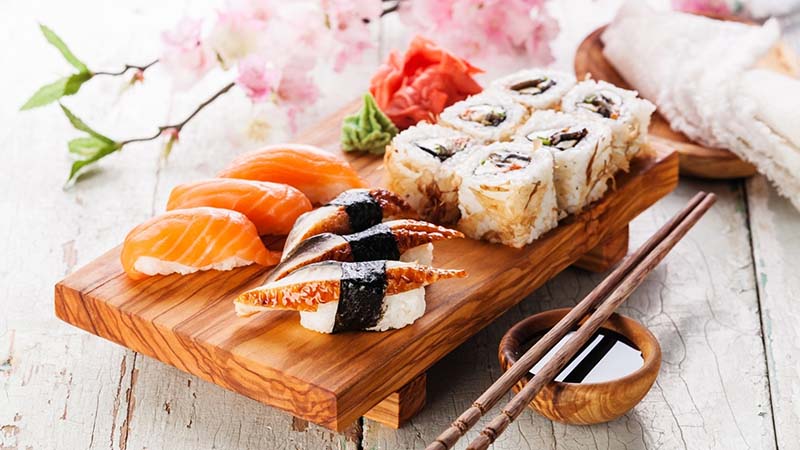
Sushi & Sashimi: Visit Tsukiji Fish Market Japan or local sushi bars.
-
Arrive early at Tsukiji’s Outer Market for standing sushi and knife shops, then continue to the newer Toyosu market for a peek at the action.
-
Small neighbourhood counters often match the quality of famous names at friendlier prices. Look for set lunches, known as teishoku or affordable omakase.
-
Japanese hot pot food: Try shabu-shabu or sukiyaki in Kyoto or Tokyo.
-
Shabu-shabu uses a light broth, thin beef, and vegetables swished briefly until just cooked. Dip in sesame or citrus soy.
-
Sukiyaki is richer, with sweet soy stock and a final dip into beaten egg. Kyoto’s wagyu and tofu traditions make this a warming winter choice.
-
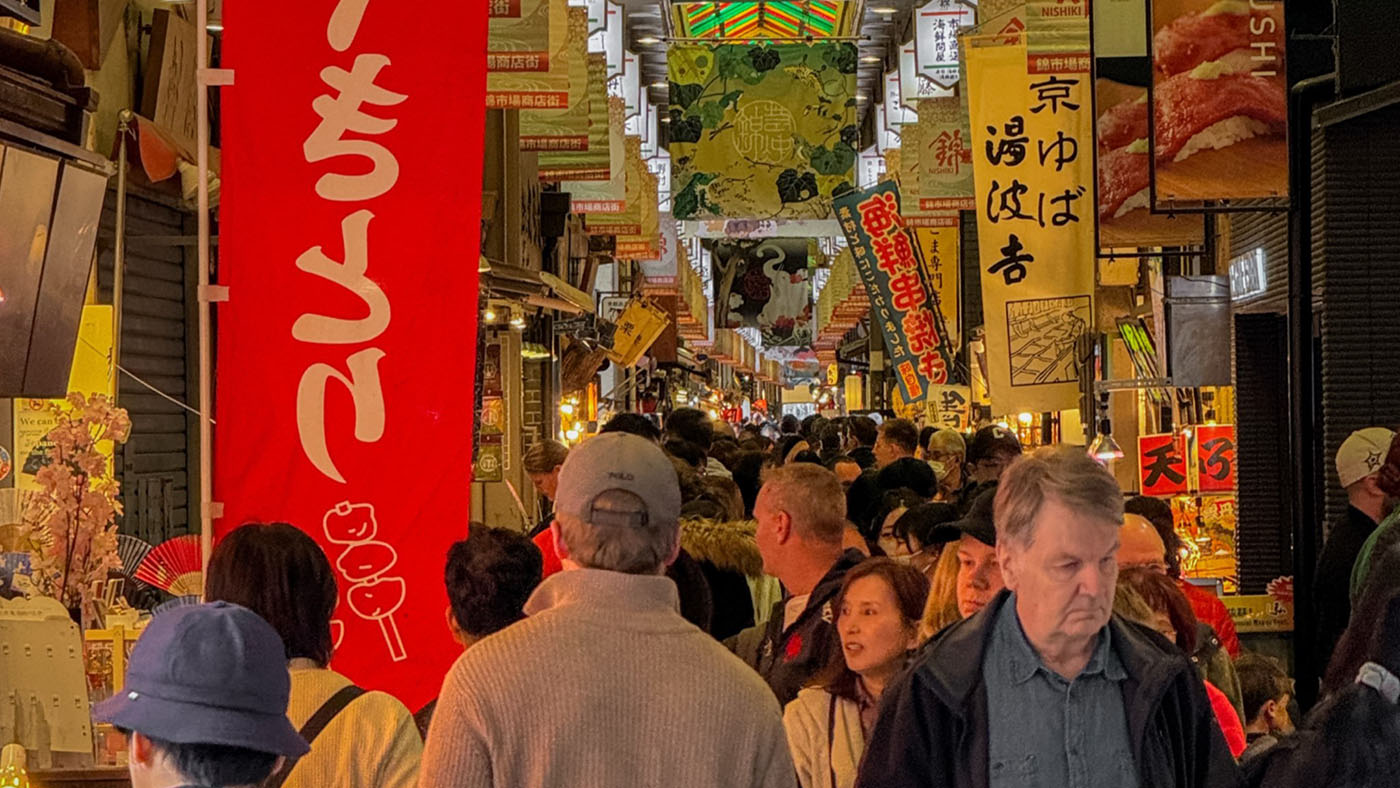
Street Food: Explore Ameyoko Japan or Dotonbori Japan for takoyaki and okonomiyaki.
-
In Osaka, street-side grills pour batter, cabbage, and pork onto hotplates for okonomiyaki, then brush it with sauce and bonito flakes that dance in the heat.
-
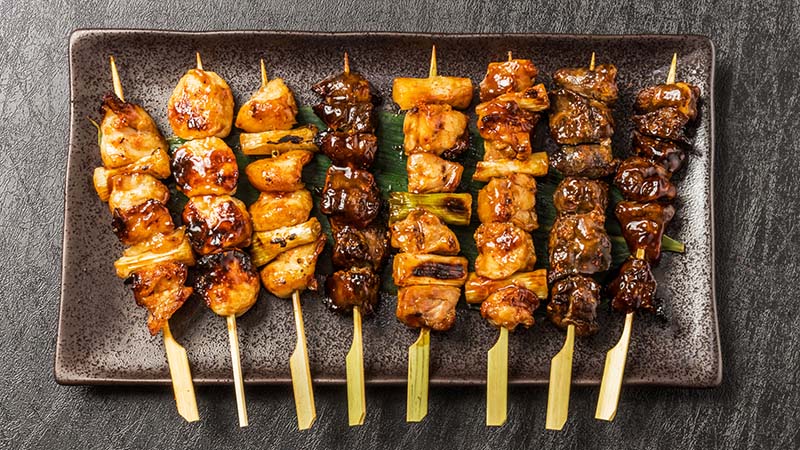
In Ueno’s Ameyoko, try skewers, gyoza, and taiyaki filled with red bean paste while browsing spice stalls and fishmongers.
-
Desserts: Sample Japanese desserts like mochi, dorayaki, and matcha sweets.
-
Wagashi makers shape seasonal treats with chestnut, yuzu, and bean paste. Kyoto teahouses match sweets to the bitterness of matcha.
-
Convenience stores surprise with chilled cheesecakes and cream puffs, handy for late-night cravings.
A regional tasting map for hungry travellers
Japan’s geography makes eating an unfolding story. Each region has a signature that shines in its climate and culture. Use this quick map to shape your route.
|
Region or City |
Signature flavours |
Where to try |
Typical spend (AUD) |
Insider tip |
|
Tokyo |
Edomae sushi, tempura, ramen, wagashi |
Tsukiji Outer Market, Toyosu market eateries, Ginza counters |
10 to 25 for ramen, 60 to 250 for sushi sets |
Reserve lunch omakase for value, and visit depachika, the basement food halls, before dinner |
|
Okonomiyaki, takoyaki, kushikatsu |
Dotonbori, Shinsekai, Kuromon market |
5 to 15 per snack, 30 to 60 for an izakaya night |
Go late, streets buzz after 8 pm |
|
|
Kyoto |
Kaiseki, tofu, yuba, matcha |
Gion, Pontocho, tea houses in Uji |
80 to 300 for kaiseki |
Book early for riverside dining in warmer months |
|
Hokkaido |
Seafood bowls, miso ramen, dairy, crab |
Sapporo, Otaru canal area, morning markets |
12 to 20 for ramen, 20 to 50 for seafood bowls |
Winter brings buttery king crab and hot corn soup |
|
Fukuoka |
Tonkotsu ramen, mentaiko, yatai stalls |
Nakasu riverside, Tenjin |
10 to 15 for ramen, 4 to 8 for stall snacks |
Yatai open at dusk, move between stalls |
|
Okonomiyaki layered style, oysters, momiji manju |
Hondori, Miyajima |
10 to 20 for okonomiyaki |
Try oysters grilled in winter |
|
|
Nagoya |
Tebasaki wings, miso katsu, kishimen |
Sakae, Osu shopping streets |
8 to 20 per dish |
Miso-rich dishes pair nicely with local beer |
|
Okinawa |
Goya champuru, pork dishes, tropical fruit |
Kokusai-dori, Makishi market |
8 to 25 |
Look for awamori tasting rooms |
Seasonal eating and events in 2026
Timing your trip with markets and harvests lifts the experience. Plan around peak produce and regional celebrations.
|
Season 2026 |
Produce and dishes to chase |
Food moments and ideas |
|
Winter, Jan to Feb |
Nabe hot pots, oden, crab in Hokkaido, citrus, sweet strawberries |
Slip into a steamy shabu-shabu in Kyoto, try oden at a yatai stall in Fukuoka |
|
Spring, Mar to May |
Cherry blossom snacks, bamboo shoots, young greens, sakura mochi |
Pack a bento under blossoms, sample spring wagashi and light tempura |
|
Summer, Jun to Aug |
Cold noodles, eel, shaved ice, stone fruits, festival snacks |
Matsuri nights bring yakitori, yakisoba, and kakigori in every colour |
|
Autumn, Sep to Nov |
Matsutake mushrooms, chestnuts, sweet potatoes, sanma mackerel |
Taste seasonal kaiseki courses that celebrate maple colours |
|
Early Winter, Dec |
Nabe parties, osechi prep, mochi pounding |
Shop depachika for New Year boxes and watch mochi making in temples |
How to eat like a local
-
Respect the queue. Many famous counters seat fewer than ten people, so short lines mean consistent quality.
-
Slurp your noodles. It cools the broth and shows you are enjoying the meal.
-
Keep your chopsticks off shared plates unless tongs or serving chopsticks are provided.
-
Say sumimasen politely to call staff, and arigatou when leaving.
-
Order set menus when unsure. Chefs design balance across courses, and it reduces decision fatigue.
Some spaces feel silent and serious, others play music and chatter. Both can serve exceptional food. Let the style guide your pace and voice. If you find yourself unsure about a custom, a smile and a simple question in English usually goes a long way.
Understanding Japan’s Culinary Culture
Japanese cuisine, or washoku, is recognised by UNESCO for its focus on seasonality, balance, and aesthetics. From tea ceremonies to bento art, food is deeply tied to respect and mindfulness. Learning these customs turns meals into moments of cultural connection.
Smart budgeting for every appetite
Great meals do not always require a big spend. You can snack all day or schedule a few marquee bookings. A rough guide helps manage expectations.
-
Breakfast
-
Onigiri and coffee from a convenience store: 8 to 10 AUD
-
Hotel buffet with Japanese items: 25 to 40 AUD
-
Lunch
-
Ramen or curry rice: 10 to 18 AUD
-
Sushi set or tempura lunch: 20 to 45 AUD
-
Dinner
-
Izakaya night with shared plates and drinks: 35 to 70 AUD
-
Casual yakitori or okonomiyaki: 20 to 40 AUD
-
Omakase sushi or kaiseki: 80 to 300 AUD, sometimes higher for premium counters
Cashless payment is common in cities, yet small stalls may prefer coins and notes. Regional towns still mix cash and cards, so keep a little of both. Reservations often require a credit card, and high-end restaurants may have strict cancellation windows.
Food Allergies & Dietary Tips
Japan’s kitchens work with soy, wheat, fish stock, egg, and nuts in different ways. If you carry allergies or strict preferences, plan a few guardrails.
-
Print a simple allergy card in Japanese indicating ingredients to avoid. Many restaurants appreciate clarity.
-
Call ahead or message the venue on reservation platforms. Small counters can often adapt if they know in advance.
-
Participate in cooking classes where ingredients and substitutes are transparent. This is a safe way to experience Japanese cuisine firsthand.
Three Bears Travel recommends selecting courses that accommodate dietary restrictions. Vegan ramen shops, gluten-aware bakeries, and macrobiotic cafes appear more often in larger cities, and there are now regional inns that design plant-forward menus upon request. If in doubt, bring snacks and enjoy fresh fruit from morning markets between meals.
Food-Centric Tours
Organised tastings make short stays more productive. They also help you crack the code of tiny doorways and handwritten signs.
-
Join guided food tours in Tokyo and Osaka.
-
Tokyo night tours around Yurakucho, Ebisu, and Omoide Yokocho showcase izakaya culture, grilled skewers, and highball whisky.
-
Osaka backstreets reveal takoyaki stands, okonomiyaki plates, and the casual rhythm of standing bars.
-
Visit Don Quijote Japan for local snacks and souvenirs.
-
Look for regional KitKat flavours, instant ramen bundles, and wagyu curry packs. Pack them carefully and check your country’s customs rules.
-
Enjoy a Japanese mountain retreat with farm-to-table meals.
-
Rural ryokan embrace seasonal produce, slow breakfasts with miso soup, and dinners served course by course. A Japanese mountain retreat pairs forest walks with quiet dining.
Local guides often share the best hours for Tsukiji Fish Market Japan, where to queue in Ameyoko Japan, and which stalls in Dotonbori Japan still grill over binchotan charcoal. Those small insights save time and upgrade flavour.
Planning Your Culinary Trip
-
Coordinate with Japan tours to include food experiences.
-
Japan holiday packages 2026 can be tailored to include cooking classes, street food tours, and fine dining.
-
Aim to reserve marquee restaurants 30 to 60 days out, and hold back two evenings for spontaneous finds.
-
Anchor each day with one planned meal and leave the rest open for discoveries, from train station bento to tiny coffee bars.
-
Stay near train hubs for easy hops to markets and dinner districts.
Three Bears Travel can build Japan holiday packages that tie together markets, tastings, and regional inns. Mix Tokyo precision with Osaka comfort, and add a few countryside stops for balance.
Markets, depachika and late-night snacks
Beyond well-known lanes, food hides in plain sight under department stores. Depachika, those glittering basement halls, lay out perfect produce, glossy cakes, grilled eel, and tasting counters. Stop before closing and grab discounted trays for a picnic or hotel supper.
Night owls can bank on the following:
-
Convenience stores with fresh onigiri, salads, oden pots, and craft ice cream
-
Train station ekiben that showcase regional flavours for your next ride
-
Standing soba counters near platforms for a quick slurp between connections
Hands-on experiences that stick
Cooking schools run classes in knife skills, ramen broth building, sushi rolling, and wagashi shaping. Classes are practical, and you get to eat your work. Tea workshops line up whisking practice with sweets and short lessons on etiquette.
Farm visits connect you to the source. Pick strawberries in winter greenhouses, pluck grapes in late summer, or tour sake breweries during colder months when fermentation runs clean and crisp.
A few ideas to schedule:
-
Morning tuna lecture near Toyosu, followed by a tasting of three grades of fatty tuna
-
Wagyu tasting flight that compares regional breeds and cuts
-
Tofu and yuba making in Kyoto with a tofu master
-
Matcha grinding and brewing in Uji
Keeping it flexible with Japan tours and packages
Flexibility matters, and that is where guided options help. Japan tours can slot a night market walk into your timetable, arrange a counter seat at a hidden sushi bar, or align a sake pairing with a brewer visit. For travellers who like a light structure, Japan holiday packages stitch flights, rail, and hotels together while leaving room for free eating days.
Three Bears Travel curates routes that avoid backtracking and cluster meals by neighbourhood so you do not spend the whole day on transport. Their team can pair a morning at Tsukiji Fish Market Japan with a knife shop visit, schedule a tofu-making class in Kyoto that caters to vegetarians, and line up an Osaka street food crawl that wraps with dessert and coffee in a quiet kissaten.
Food memories anchor a trip. Make space for a few planned moments and plenty of unplanned bites, then let Japan handle the rest.
FAQs
Dive into the culinary wonderland that Japan promises to be in 2026. These FAQs are tailored for Australian and New Zealand travellers, ensuring every meal is savoured and every moment cherished.
What are the absolute must-try Japanese dishes for first-timers?
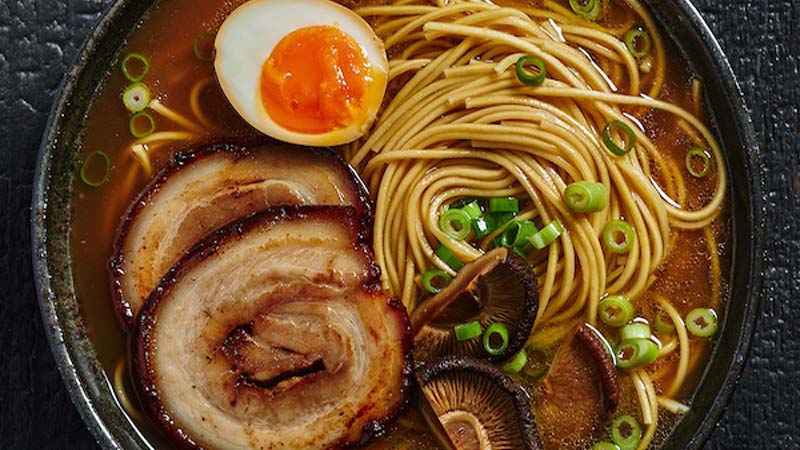
Don’t miss sushi and sashimi, steaming bowls of ramen, comforting hot pots like shabu-shabu and sukiyaki, street food favourites such as takoyaki and okonomiyaki, plus sweet treats like mochi and matcha desserts.
How do I navigate Japanese restaurant etiquette? Do I need to tip?
Tipping isn’t expected in Japan, but a polite thank you goes a long way. Learn a few basic phrases, and remember to wait to be seated, use the oshibori (wet towel) to clean your hands, and never stick chopsticks upright in rice.
Will my kids or fussy eaters find food they like in Japan?
Absolutely! Many restaurants offer kid-friendly options like tempura, udon noodles, and Japanese curry. Convenience stores also stock familiar snacks and simple meals.
How do I manage food allergies or dietary restrictions when eating out?
Carry an allergy card in Japanese, inform staff before ordering, and consider joining cooking classes that cater to dietary needs. Many restaurants are becoming more aware and accommodating.
Are vegetarian or vegan options easy to find in Japan?
While traditional Japanese cuisine often includes fish or dashi, vegetarian and vegan options are increasingly available, especially in major cities. Look for shojin ryori (Buddhist temple cuisine) and check menus for plant-based dishes.
How do I order food if I don’t speak Japanese?
Many restaurants have picture menus or food displays. Pointing works wonders, and translation apps can help bridge the gap. Staff are usually patient and happy to assist.
Are there family-friendly restaurants or experiences?
Yes! Izakayas, conveyor-belt sushi spots, and themed cafes are great for families. Food tours and cooking classes also welcome travellers of all ages.
Can I join a cooking class or food tour in English?
Definitely. Major cities offer a range of English-friendly cooking classes and guided food tours, perfect for deepening your culinary adventure. Three Bears Travel can help you arrange these unforgettable experiences, ensuring your journey is seamless and tailored to your tastes.
What’s the price range for meals, and how can I budget for food?
Breakfasts can be as little as 8–10 AUD, lunch sets range from 10–45 AUD, and dinners vary from casual izakayas to high-end omakase experiences. Convenience stores offer affordable, tasty options too.
Are there seasonal or regional specialties I shouldn’t miss?
Absolutely—each region boasts unique flavours, from Hokkaido’s seafood to Hiroshima’s okonomiyaki. Visit local markets and ask about seasonal specialties for a true taste of Japan.
Is it safe to eat raw fish in Japan?
Yes, Japan’s food safety standards are among the highest in the world. Enjoy sushi and sashimi with confidence, especially at reputable establishments.
What are the best markets or food halls to visit?
Don’t miss Tsukiji Outer Market in Tokyo, Kuromon Ichiba in Osaka, and Nishiki Market in Kyoto for a feast of local flavours and vibrant atmosphere.
Want more Japan travel itineraries? Click here
If you have any other questions, feel free to click here and get in touch with us.
If you need a personalized travel plan, feel free to click here and let us help you.