Japan is wonderfully easy to travel around, yet it’s also a place where the small details matter. You’ll take shoes off more often than you expect, walk further than you planned, and swing between steamy outdoors and icy air conditioning in the same afternoon.
A good packing list for Japan is less about bringing everything and more about bringing the right things, in the right format, so your days run smoothly whether you’re in Tokyo, hopping between Kyoto temples, or heading out to quieter towns.
Start with the non negotiables
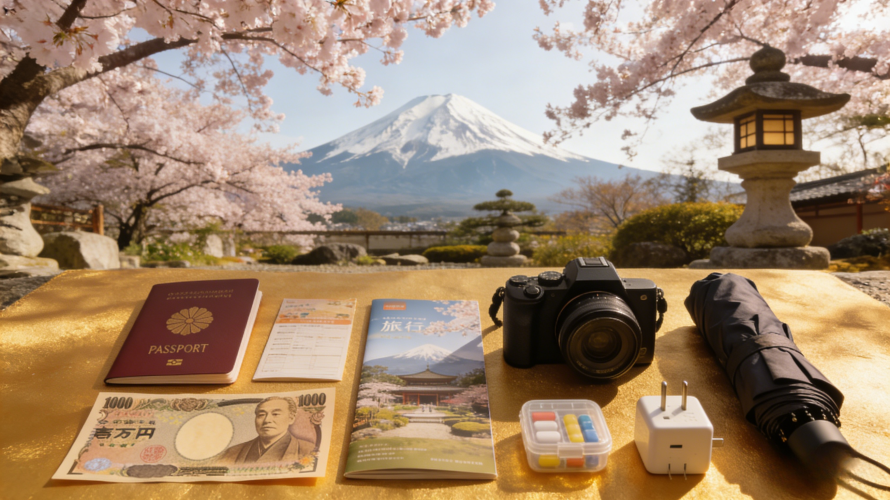
Before clothes and gadgets, lock in the items that would be painful to replace mid-trip. Keep the originals in your main bag and carry the key pieces (or copies) with you day to day.
Here’s a tight set that covers most travellers, including Australians and New Zealanders travelling visa-free for short stays.
· Passport and entry details: passport (check validity), any required entry steps, and a screenshot of your arrival details
· Travel insurance: policy number, emergency contact, and how to make a claim
· Bookings: flights, accommodation, key reservations, and any tour notes (digital plus one printed set)
· Payment backups: at least two cards plus a note of cancellation numbers
· Emergency info: allergies, medications, and an emergency contact saved on your phone and written on paper
If you’re travelling on a private itinerary (including guided days with a driver and guide), it also helps to have your day-by-day plan available offline, since reception can dip in subways and rural areas.
Money and getting online
Japan has moved along with card payments, but cash is still part of daily life, especially in smaller restaurants, local buses, rural areas, and some markets. The practical goal is to avoid being caught without yen when you need it.
ATMs at convenience stores are common and reliable, so you don’t need to bring huge amounts of cash. What you do need is a plan.
Cash: Bring a small starter amount (enough for airport trains, snacks, and your first day), then top up locally via ATMs.
Cards: Visa and Mastercard are broadly accepted; some smaller places still prefer cash.
Transport card: An IC card (Suica, PASMO, ICOCA) makes train and bus travel quicker, and can be used in plenty of vending machines and convenience stores.
Connectivity: A local eSIM or pocket Wi Fi keeps maps, bookings, translations, and train apps working when you need them most. If your phone supports eSIM, it’s usually the lightest option.
Clothes that work in Japan
Japan’s style is often neat and understated, and most travellers find they feel more comfortable when their clothing isn’t too loud or too revealing, especially around temples, shrines, and traditional neighbourhoods. The bigger factor, though, is comfort: expect long walking days, lots of stairs, and frequent temperature swings between indoors and outdoors.
A simple formula works well:
· A small number of outfits that mix and match
· Light layers you can add or remove quickly
· Fabrics that dry fast (handy if you do laundry mid-trip)
Seasonal guide (what changes through the year)
Weather varies sharply by region. Tokyo and Kyoto summers can be humid; northern areas can be properly cold in winter; spring and autumn are kinder but still changeable. This table is a practical starting point.
|
Season |
Typical conditions (many regions) |
What earns its spot in your bag |
|
Spring (Mar to May) |
Mild days, cool evenings, occasional rain |
Light jacket, breathable long sleeves, compact umbrella, comfortable trousers |
|
Summer (Jun to Aug) |
Heat and humidity, rain season early summer |
Quick-dry tees, shorts or light pants, sun hat, sweat towel/handkerchief, breathable walking shoes |
|
Autumn (Sep to Nov) |
Warm early, crisp later, changeable |
Mid-weight layer, closed shoes, scarf for evenings, light rain shell |
|
Winter (Dec to Feb) |
Cold winds, indoor heating, snow in some areas |
Warm coat, thermals, gloves, wool socks, waterproof shoes if heading to snowy regions |
A small hand towel or handkerchief is one of those Japan-specific items that feels unnecessary until you’re there. Public bathrooms often have excellent facilities, but hand dryers and paper towels are not guaranteed, and summer humidity is real.
Shoes and bags for long days
People regularly clock 15,000 to 20,000 steps in Japan without trying. The wrong shoes can ruin an otherwise brilliant itinerary.
Bring one main pair of truly comfortable walking shoes and one easy-on pair for places where you remove footwear. In ryokan, some restaurants, certain temples, and many fitting rooms, slip-on shoes make life simpler.
A few practical pointers:
· Don’t pack brand-new shoes
· Consider blister patches (even if your shoes are good)
· If it’s rainy season or you’re heading north in winter, water resistance matters
Your everyday carry (what you’ll use daily)
A day bag is more important than a second “nice” outfit. Think small, secure, and comfortable, with space for layers and purchases.
Most travellers do well with:
· Crossbody bag
· Small backpack
· Foldable tote
· Refillable water bottle
· Compact umbrella
· Tissues
· Hand sanitiser
· Power bank
Luggage size and moving between cities
Japan’s train stations are efficient but busy, with stairs, escalators, crowds, and narrow spaces during peak times. A medium suitcase you can lift comfortably is often the sweet spot.
If you’re moving between cities, luggage forwarding (takkyubin) can be a game-changer: send your larger bag ahead and travel with a light daypack overnight. Many hotels can help organise it, and private tour operators often build it into the logistics so you spend less time hauling bags and more time enjoying the day.
Toiletries, health and medication
Japan has excellent pharmacies and convenience stores, so basics are easy to buy once you arrive. The tricky areas are your preferred brands, specific skin and hair needs, and medicines that don’t match local formulations.
Toiletries: Hotels often supply shampoo, conditioner, body wash, toothbrushes, and razors. If you’re particular, bring travel sizes of your own essentials.
Personal care: Deodorant options can be different from home; if you have a preferred type, pack it.
Contact lenses: Bring spares and your prescription details.
First-aid basics: Blister patches, antiseptic wipes, and a few band-aids are light and genuinely useful.
A quick note on restricted medications
Japan has rules around some common cold, flu, and allergy medications, including ingredients that are freely available in Australia and New Zealand. Check official guidance before you fly, and keep medications in original packaging.
If you travel with prescriptions, carry a copy of your script (or a doctor’s letter) in case you’re asked at customs.
Electronics that earn their spot
You don’t need much, but the right small items prevent daily annoyances.
Japan generally uses Type A plugs (two flat pins) and electricity is 100V. Many modern chargers handle 100 to 240V automatically, but it’s still worth checking your charger’s fine print.
Useful tech includes:
· Power adapter (Type A compatible)
· Power bank (for long days out)
· Charging cable backups (one extra is enough)
· Phone apps saved for offline use (maps, translation, transport)
If you love photography, Japan is a great place to carry a dedicated camera, but a phone camera plus a small power bank covers most travellers.
Small cultural helpers that make days smoother
Japan is welcoming, and you don’t need to be perfect to be respectful. A few small items can help you fit in and feel prepared.
Carrying a modest outfit option is wise if you plan to visit shrines, temples, and traditional areas. It doesn’t need to be formal, just not too revealing.
A few other practical additions:
· A printed card with your hotel name and address in Japanese (handy for taxis)
· A small bag for rubbish (public bins can be scarce in some areas)
· A small gift from home if you’re visiting locals or staying in a homestay (not required, just a kind gesture)
If you’re travelling with a private guide on certain days, they can often smooth over small friction points, but it still feels good to have the basics covered.
What not to pack (so you don’t resent your suitcase)
Overpacking is the most common packing mistake for Japan. Laundry is easy to find, stations are busy, hotel rooms can be compact, and you’ll probably buy things along the way.
A short “don’t bring” list helps keep you honest.
· Oversized luggage you can’t lift comfortably
· Too many “just in case” outfits
· Prohibited or questionable medications
· Heaps of valuables you won’t use
· Bulky full-size toiletries (unless essential)
If you’re not sure, ask yourself a simple question: “Will I use this at least every second day?” If the answer is no, it’s a candidate to leave behind.
Quick packing approach by trip style
A packing list changes depending on how you travel, not just where you go.
Couples and pairs doing a city-to-city route often do best with one medium suitcase each (or one shared) plus a day bag, then laundry once or twice. If you’re doing a mix of Tokyo, Kyoto, and a rural stay, include one warmer layer even outside winter, since countryside evenings can surprise you.
If your itinerary is guided or privately arranged, you can often pack a little lighter. With planned transfers, local support, and a clear schedule, you can skip many “maybe I’ll need it” items and focus on comfort. Some operators, including Three Bears Travel, also help travellers plan luggage forwarding between cities, which reduces the need to juggle multiple bags on trains.

Common packing questions travellers ask
Can I buy what I forget in Japan?
Usually yes, especially in larger cities. The main exceptions are shoe sizing (larger sizes can be harder to find), preferred deodorant types, and specific medications.
Do I need a power adapter?
If your plugs are not Type A, yes. Even with Type A compatible plugs, a compact adapter can still be useful in older hotels with limited outlets.
How many shoes should I bring?
Two pairs is a strong default: one proper walking pair and one easy slip-on pair. Add a third only if you truly plan a dressier activity and will wear them.
Should I pack a lot of cash?
Bring a small amount for day one, then withdraw as needed. Convenience store ATMs are common, and carrying massive amounts of cash isn’t necessary.
What’s the one thing people forget?
A small towel or handkerchief, and a comfortable day bag that doesn’t rub after hours of walking.
If you share your travel dates, the regions you’re visiting, and whether you’ll be city-based or heading into rural areas, I can turn this into a tighter personal packing checklist that matches your exact route and season.