

Minimum Guests
2 Person
Activate Day
19 Nights/ 20 Days
Fully Inclusive
Touring with Guides and entrance fees
Included Meals
Breakfasts: 19 , Lunches: 17 , Dinners: 0
Accommodation
19 nights in 4-star hotels (city center/scenic area locations)
Guide
English-speaking guide services as per the itinerary
Activies
Entrance fees for all mentioned sights and attractions· In-depth 20-day itinerary covering China's top cultural and natural highlights
· Diverse destinations: imperial capitals, ethnic minority regions, scenic water towns and modern metropolis
· Rich experiences: historical relics, karst landscapes, rice terraces, ethnic culture and city views
· Private & bespoke tour with personalized arrangements and expert guides
· Suitable for travelers seeking comprehensive and immersive China exploration
Tour Timeline
If you need to increase or reduce the number of travellers, please contact us for customised arrangements.
- Enjoy a private pickup from your arrival point, with a guide accompanying you and providing support throughout the transfer
Recommended activities
- None
- Private Van
- English-speaking guide services as per itinerary
-
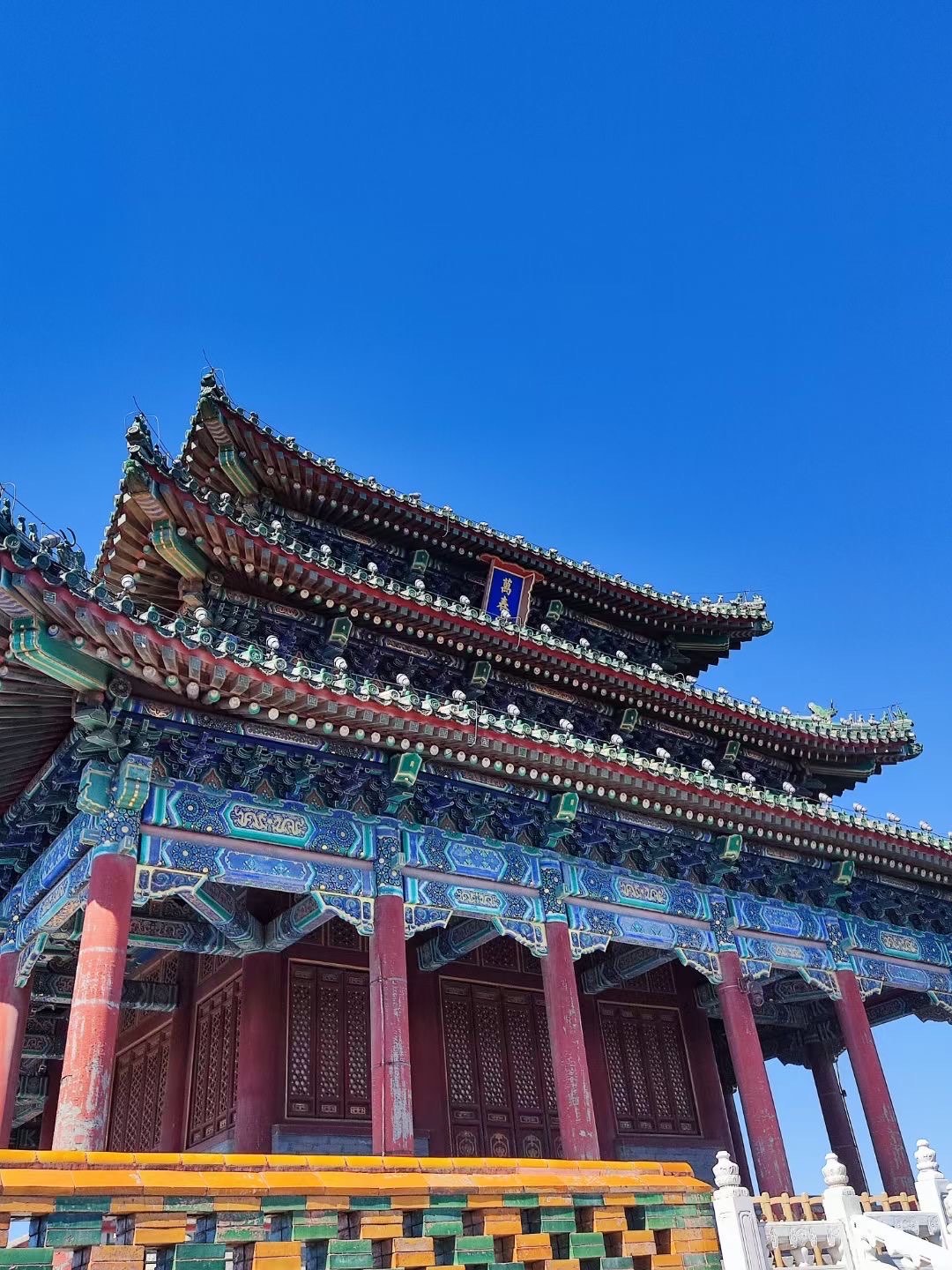
Jingshan Park
Climb to the top of Jingshan Park for one of the best panoramic views of Beijing, overlooking the Forbidden City’s golden roofs. Once an imperial garden, this lush park offers a peaceful escape and a glimpse into ancient royal leisure life.
-
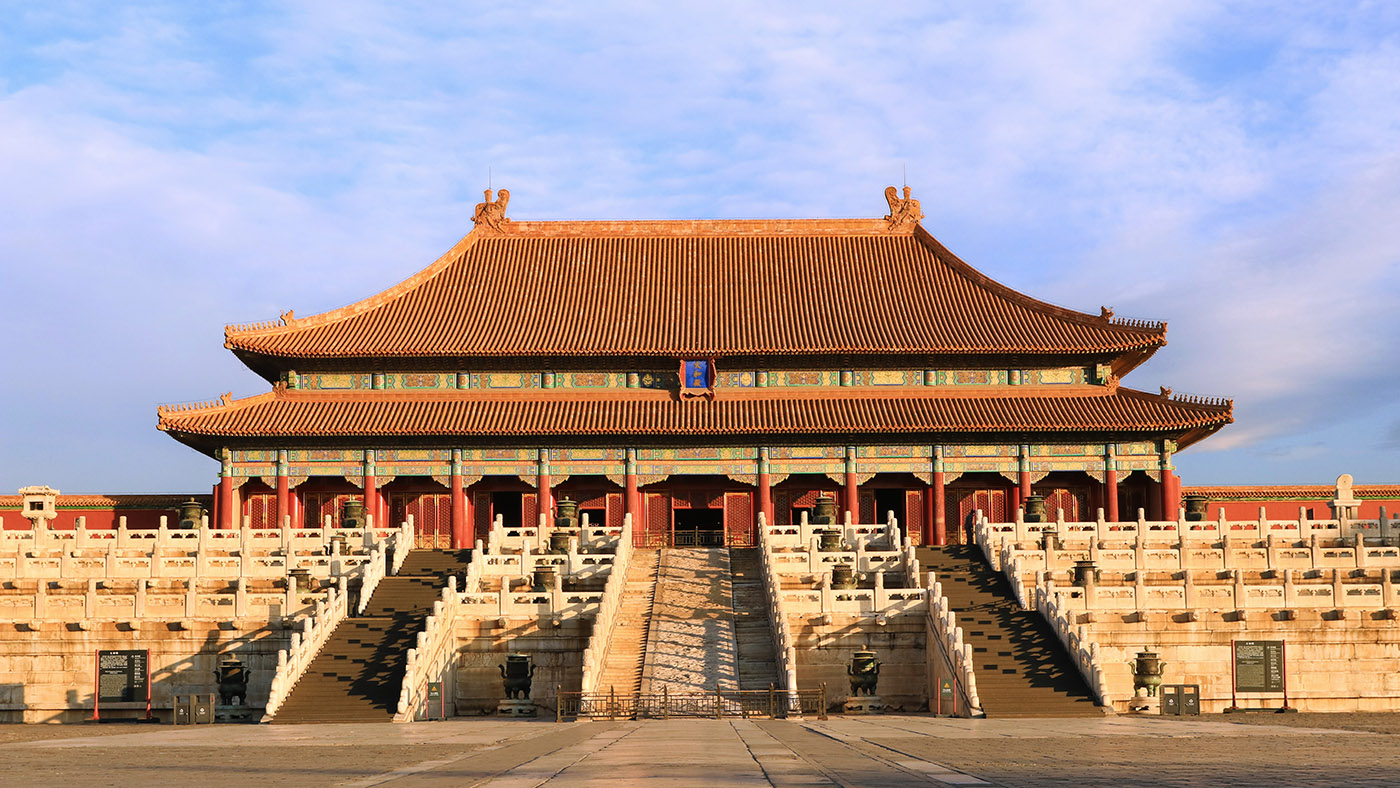
Forbidden City
Discover the Forbidden City, a UNESCO World Heritage Site with nearly 1,000 buildings, grand halls, and defensive walls. Built in the 15th century, it showcases imperial architecture, traditional Chinese craftsmanship, and fascinating history—a must-visit Beijing landmark and heritage site.
-
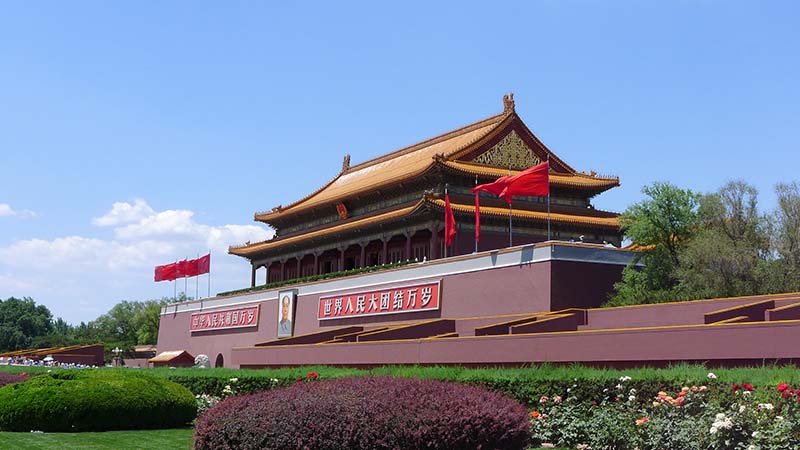
Tiananmen Square
Visit Tiananmen Square, one of the world’s largest public squares. Home to the Monument to the People’s Heroes and Mao Zedong’s Mausoleum, it represents modern China’s heart and history. Capture the spirit of Beijing at this iconic landmark surrounded by monumental architecture.
- Breakfast , Lunch
- Private Van
- English-speaking guide services as per itinerary
-
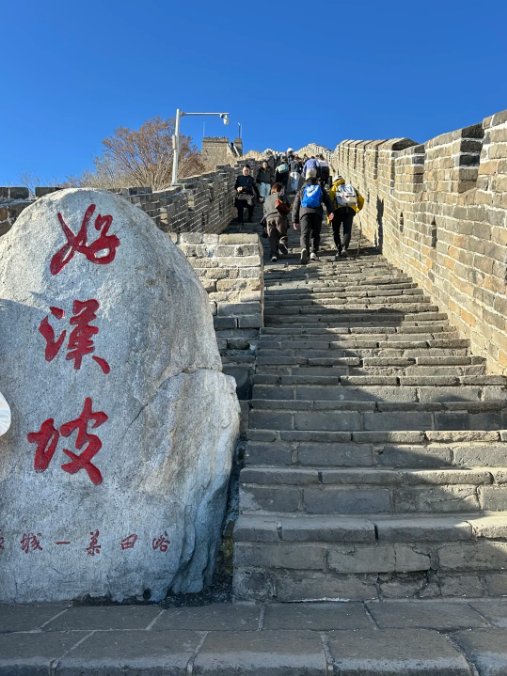
Mutianyu Great Wall Scenic Area
The Mutianyu Great Wall is located in Mutianyu Village, Bohai Town, Huairou District, Beijing, 73 kilometers away from the city center. It is known as the "Great Wall of Ten Thousand Miles, Mutianyu is the only one". The Mutianyu Great Wall, with a total length of 5400 meters, is the longest Great Wall in China and one of the sixteen scenic spots in Beijing. In the first year of the Hongwu reign of the Ming Dynasty (1368), the Mutianyu Great Wall was built under the supervision of General Xu Da, a subordinate of Zhu Yuanzhang, on the site of the Northern Qi Great Wall.
Mutianyu Great Wall is the essence of the Great Wall of the Ming Dynasty. This section of the Great Wall connects the Gubeikou in the east and Juyongguan in the west. Since ancient times, it has been a military important place to defend the capital, with Zhengguan Platform, Dajiaolou, eagle flying upside down and other landscapes. The wall of the Great Wall remains intact, which better reflects the ancient charm of the Great Wall, and has profound historical value and high cultural value.On the way back to the city in the late afternoon, you'll pass by the Olympic Bird Nest and Water Cube.
-
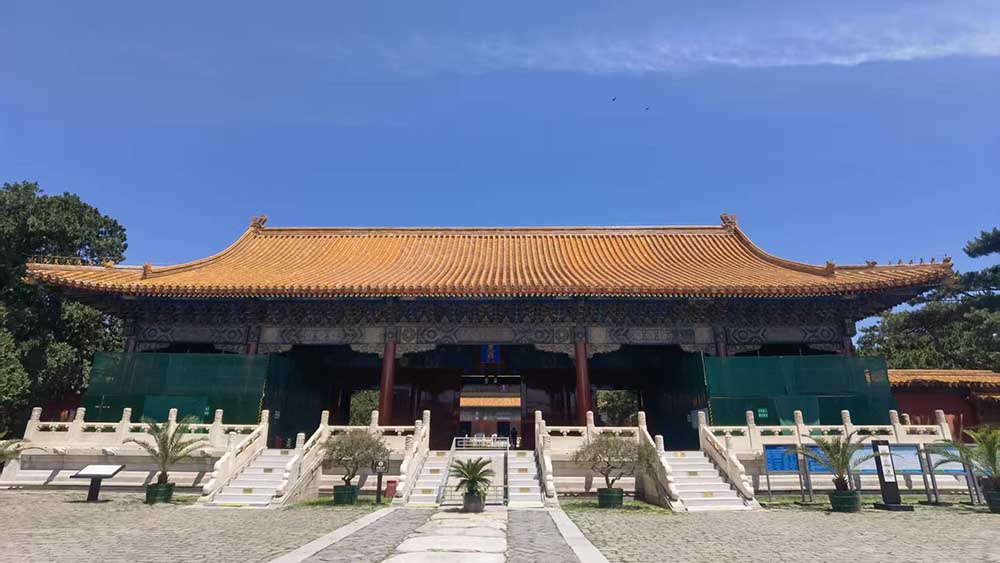
Ming Tombs and the Sacred Way
Shenlu, also known as the Thirteen Tombs Shendao, is the leading architectural complex of the Ming Changling Mausoleum, located in Changping District, Beijing. Originally established for Changling, it later became the shared main Shinto of the mausoleum area due to the separation of other mausoleum Shinto from this path. Founded in the early years of the Ming Dynasty's Zhengtong reign and completed in the 19th year of the Ming Dynasty's Jiajing reign (1540), it is now a national level cultural relic protection unit. The total length of the building complex is 7.3 kilometers, including the stone memorial archway, the three hole bridge, the grand palace gate, the Shengong Shengde Stele Pavilion, the stone statue living, the Longfeng Gate (also known as the flame memorial archway), the south five hole bridge, the seven hole bridge, the north five hole bridge and other tomb facilities and bridge and culvert buildings. The shape of the stone memorial archway is five doors, six columns, and eleven floors. The stone statue living is composed of twelve pairs of stone animals and six pairs of stone men, which are finely carved and vividly shaped. The Ming Thirteen Tombs already have Changling, Dingling, Zhaoling, Kangling, Yongling, Siling, Jingling and Changling Shenlu open to the public, among which Changling, Dingling, Zhaoling and Shenlu are regular open scenic spots
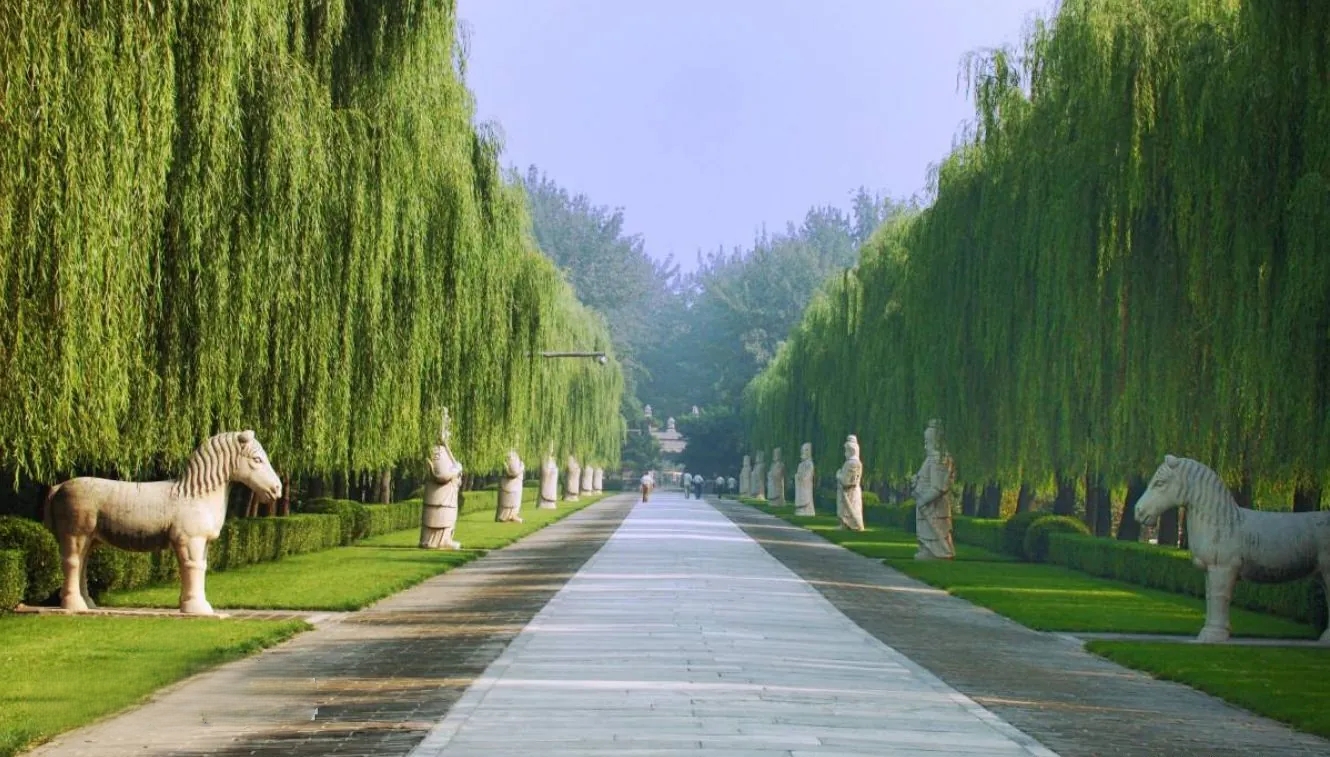
- Breakfast , Lunch
- Private Van
- English-speaking guide services as per itinerary
-
Temple of Heaven
Temple of Heaven Park, formerly known as "Temple of Heaven and Earth", is located at No. 7 Dongli, Temple of Heaven, Dongcheng District, Beijing. It was first built in the 18th year of the Yongle reign of the Ming Dynasty (1420) and renamed "Temple of Heaven" in the 9th year of the Jiajing reign of the Ming Dynasty (1530). It was the site for emperors of the Ming and Qing dynasties to "worship heaven" and "pray for valleys", with a total area of 273 hectares. It is the largest existing ancient sacrificial building complex in China and the largest and most well preserved ancient sacrificial building complex in the world. On January 1, 1918, it was designated as Temple of Heaven Park and opened to the public
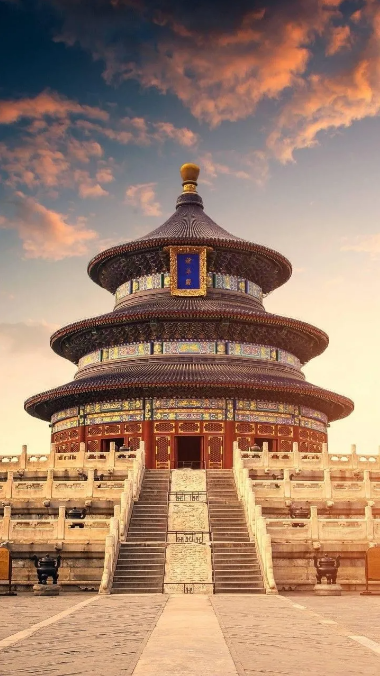
- We coordinate seamless ground transport connected to your train schedule, operated without guiding support. (Beijing to Xi'an)
- Breakfast , Lunch
- Private Van
- English-speaking guide services as per itinerary
-
Terracotta Warriors
Marvel at the Terracotta Warriors, Qin Shi Huang’s army entombed to protect him in the afterlife. Each life-sized warrior has unique facial features and uniforms. Visit the nearby art ceramics and lacquer factory for souvenirs—a world-renowned archaeological treasure.
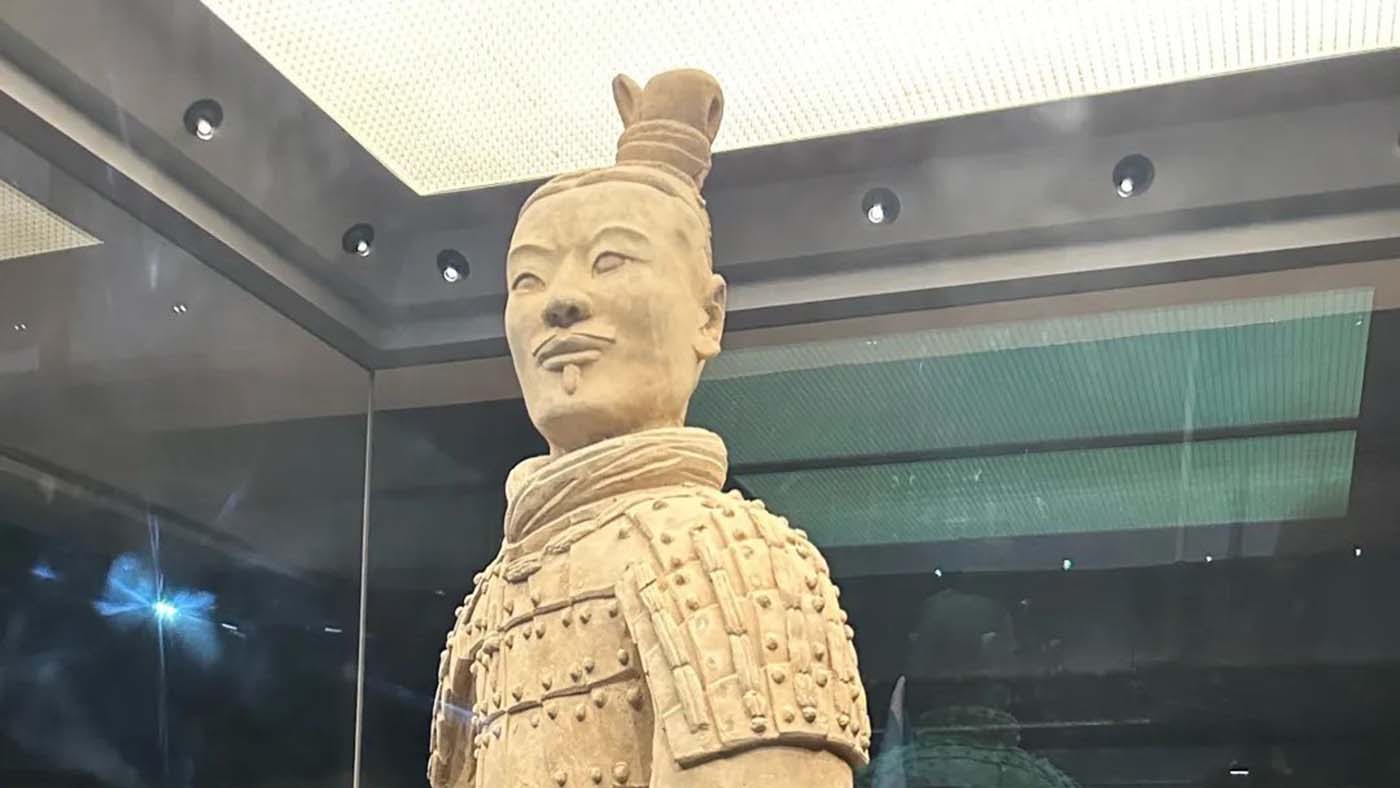
-
Xian Muslim Quarter
Stroll through Xi’an Muslim Quarter inside the city wall. Explore narrow lanes filled with local stalls, Islamic food shops, and vibrant street life—a sensory and cultural experience reflecting Xi’an’s Silk Road heritage.
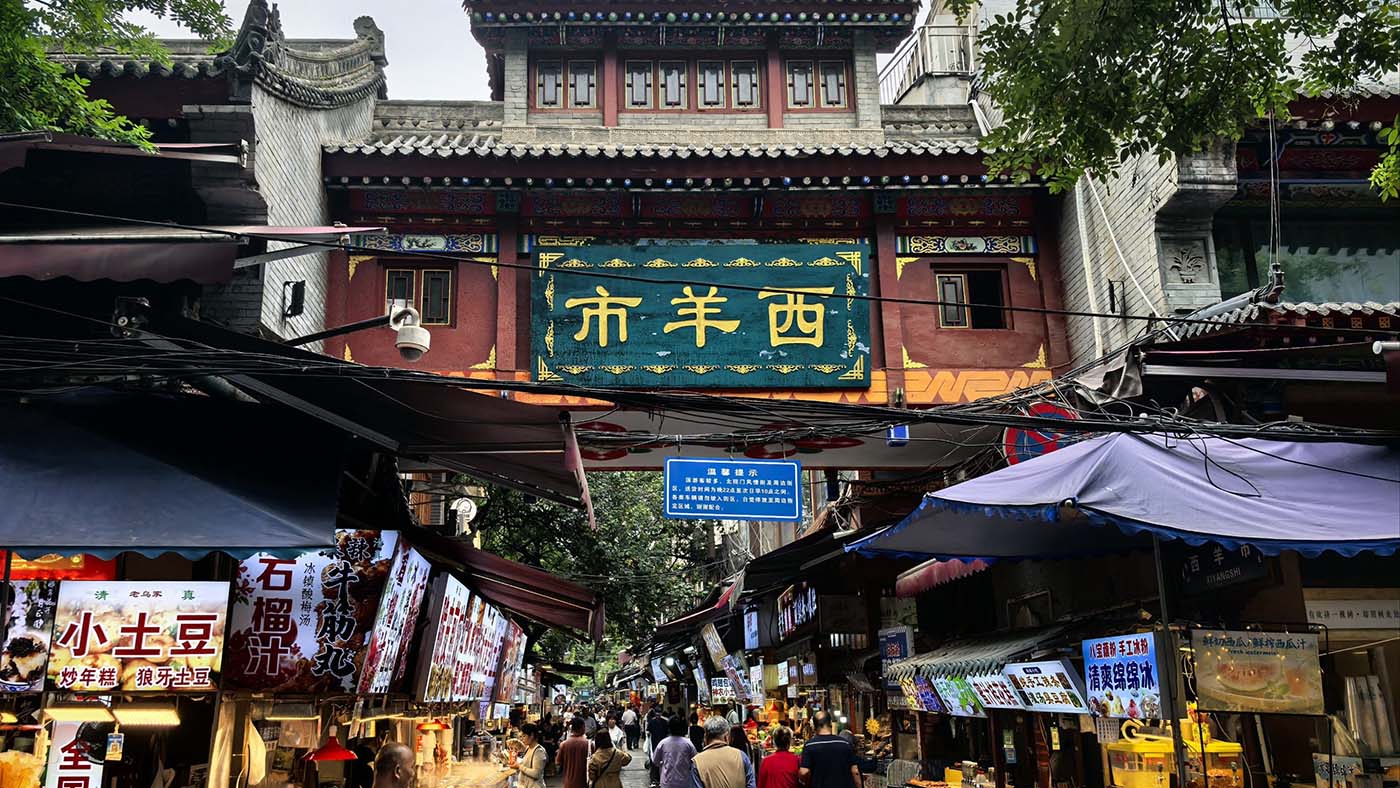
- Breakfast , Lunch
- Private Van
- English-speaking guide services as per itinerary
-
The Hanyangling Museum(Han Dynasty)
The Hanyangling Museum of Emperor Jing of Han is located on the banks of the Wei River in the northern suburbs of Xi'an, and was established based on the national key cultural relic protection unit Hanyangling. It was completed and opened on September 30, 1999, with a total area of 20 square kilometers. It is now a national first-class museum, a national archaeological site park, and a national AAAA level tourist attraction. Hanyang Mausoleum is a cemetery where Emperor Jing of the Western Han Dynasty, Liu Qi, and Empress Wang were buried together in a different tomb. It was first built in 153 BC and completed in 126 BC. The total area of the cemetery is 20 square kilometers, and the construction time lasted for 28 years. The institute has four basic exhibitions: Archaeological Exhibition Hall, Imperial Mausoleum Outer Pit Site Protection Exhibition Hall, Nanquemen Site Protection Exhibition Hall, and Ancestral Temple Site, displaying more than 10000 cultural relics.
In April 1963, the Yangling Mausoleum of Emperor Jing of Han was announced as the first batch of key cultural relics protection units in Shaanxi Province. On June 25, 2001, the Yangling Mausoleum of Emperor Jing of Han was announced by the State Council as the fifth batch of national key cultural relics protection units. In May 2008, the Yangling Museum of Emperor Jing of Han was awarded the title of "National First Class Museum". On October 9, 2010, the Yangling Museum of Emperor Han Jing was announced by the National Cutural Heritage Administration as the first batch of national archaeological sites parks. On May 18, 2024, the Yangling Museum of Emperor Jing of Han won the "Top 100 Overseas Influential Museums" award and was included in the "Top 10 Overseas Influential Museums of Cultural Relics and Historical Sites" list.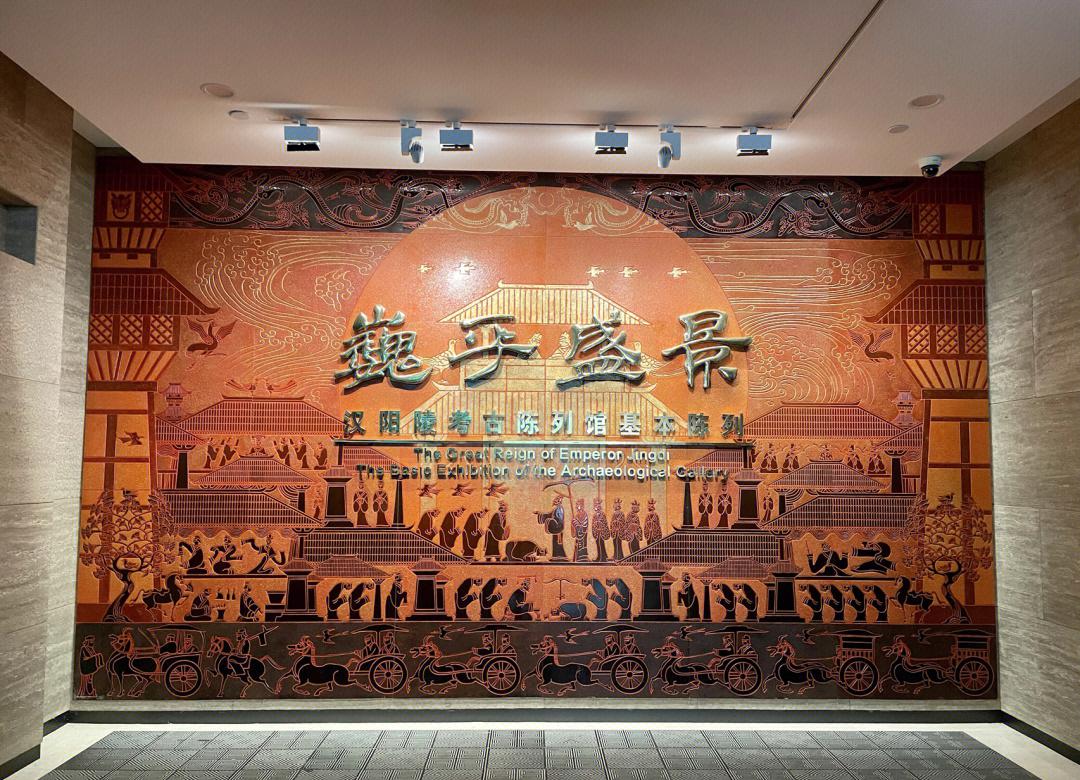
- Transfer to the airport and flight to kunming. (Xi'an to Kunming)
- Breakfast
- Private Van
- English-speaking guide services as per itinerary
-
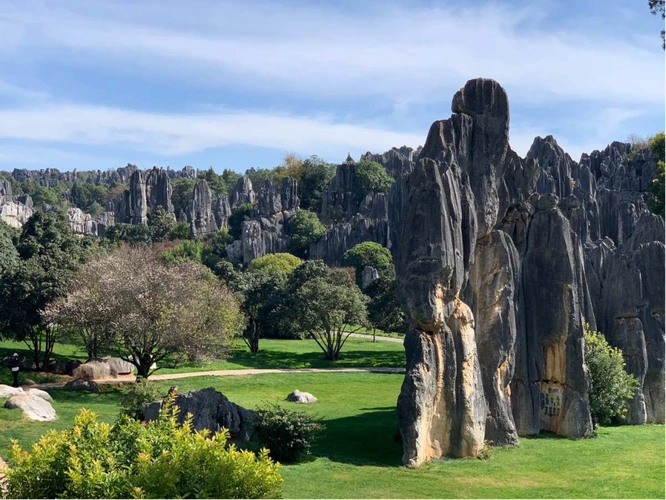
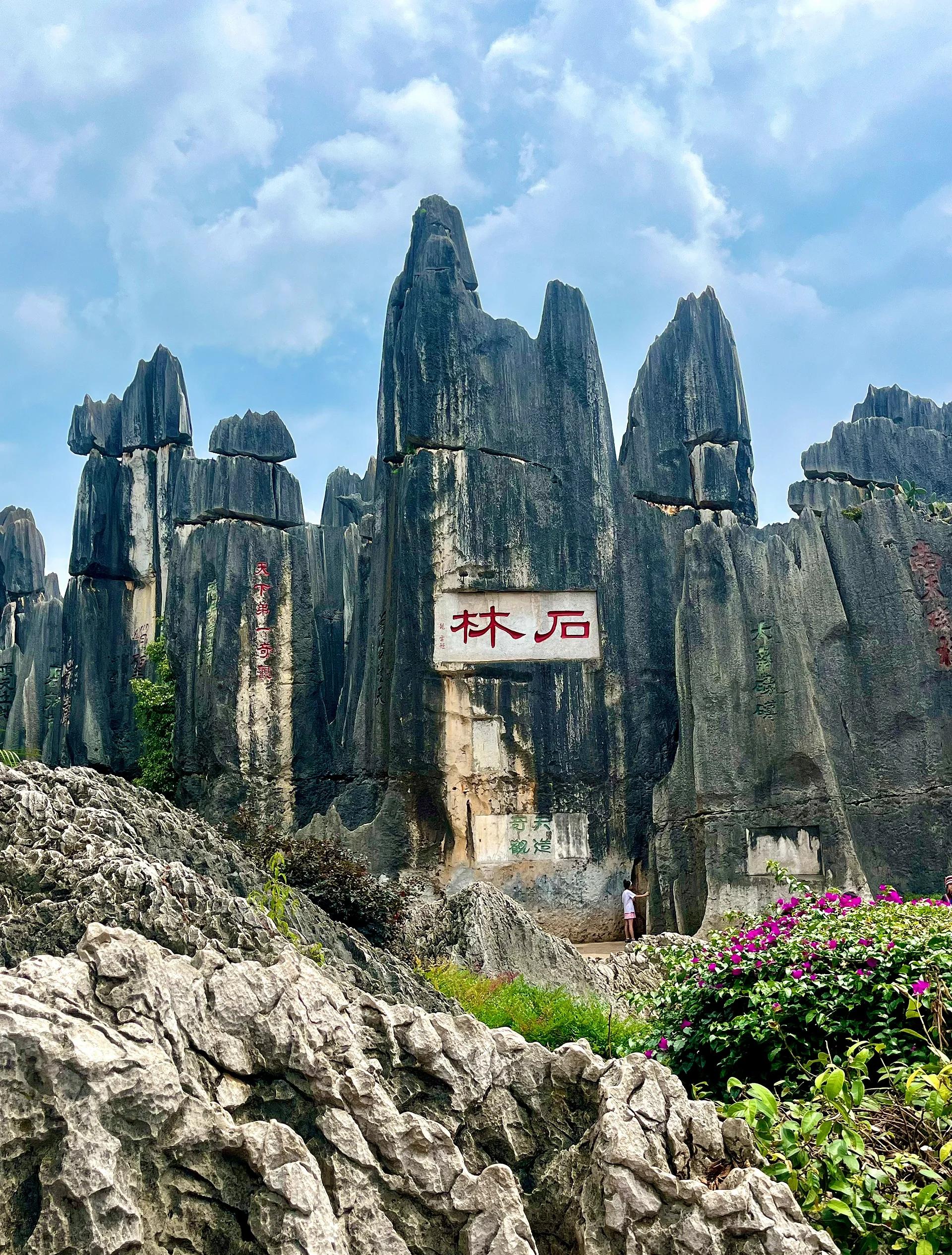
kunming Stone Forest
The Shilin Scenic Area in Kunming mainly includes Shilin Scenic Area, Naigu Shilin Scenic Area, Dadieshui Scenic Area, Changhu Scenic Area, Guishan National Forest Park, etc. Among them, Shilin Scenic Area is the core scenic area, consisting of five areas: Dashilin, Xiaoshilin, Wannian Lingzhi, Liziyuanqing, and Bushaoshan. The Nogu Stone Forest Scenic Area is located 8 kilometers north of the Big and Small Stone Forest Scenic Area, with an area of approximately 10 square kilometers. The landscape within the scenic area consists of the Stone Forest Landscape, Baiyun Lake, Shifeng Mountain, and Yougu Immortal Waterfall. Changhu Scenic Area is located in Weize Village, Changhu Town, 25 kilometers north of the Dashilin Scenic Area. The total area of the scenic area is 3.94 square kilometers, and the main attractions include Dushi Mountain, Dajian Mountain, Erjian Mountain, Sanjian Mountain, Mopan Mountain, Penglai Island, and Yuanhu. The Dadieshui Scenic Area is located southwest of Shilin County and boasts numerous attractions such as Dadieshui, Xiaodie, Xianren Cave, Baige Garden, Banpu Garden, and Qingshui River. Guishan National Forest Park is located in Shilin County, with a peak altitude of 2601 meters, a length of 14 kilometers from north to south, a width of 10 kilometers, and a total area of 3206 hectares. It is one of the world's most famous karst landscape tourist attractions and is known as the "Natural Museum of Shaped Landforms" by international karst research experts
- kunming drive to Jianshui (Kunming to Jianshui)
- Breakfast , Lunch
- Private Van
- English-speaking guide services as per itinerary
-
Chaoyang Building
Chaoyang Building, located at the eastern end of Lin'an Road in the center of Jianshui County, Honghe Hani and Yi Autonomous Prefecture, Yunnan Province, also known as Yinghui Gate, was first built in the 22nd year of the Ming Hongwu reign (1389) and covers an area of 2312 square meters.
The existing building is a triple eaved gable roof pavilion, with a height of 24.5 meters, a width of 26.8 meters, a depth of 12.31 meters, five bays and three entrances, with upturned eaves corners. It is supported by 48 wooden columns arranged in six layers, with the middle two columns leading directly to the third floor and the outer two columns supporting the eaves of the second and first floors respectively. The base of the city gate is built with bricks and stones, with a Ming Dynasty cast copper bell (2 meters high, weighing 1700 kilograms) hanging on top, as well as a Qing Dynasty "Xiongzhen Southeast" plaque (written by Tu Rizhuo) and a "Feixia Liuyun" cursive plaque (copied from Zhang Xu's calligraphy). Despite multiple earthquakes, it remains intact and was listed as a provincial-level cultural heritage site in 1954. It underwent two major repairs in 1955 and 2000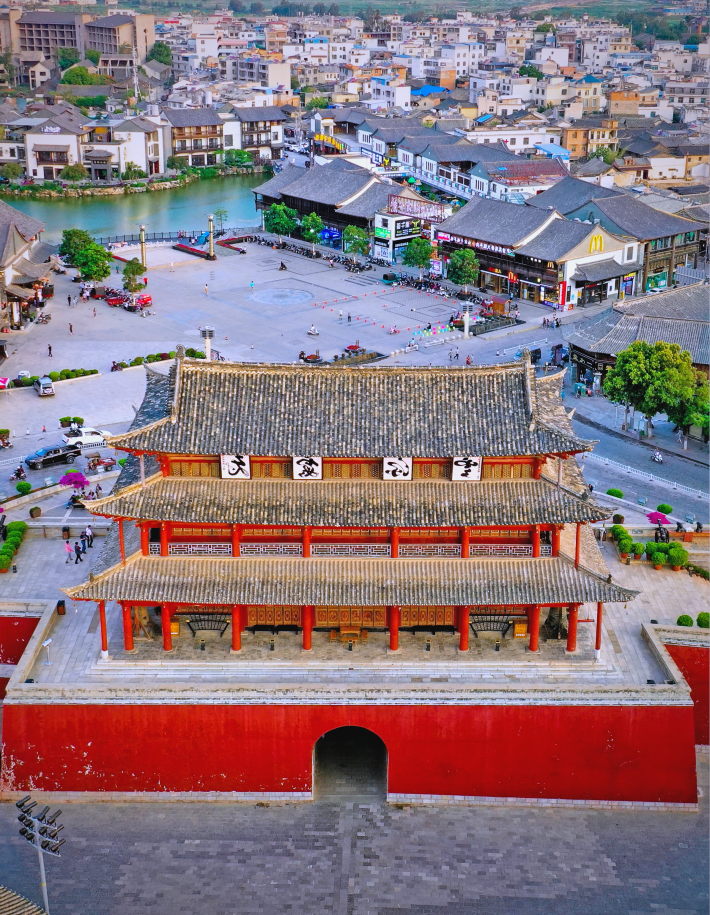
-
Jianshui Confucian Temple (Jianshui Confucian Temple)
Jianshui Confucian Temple is located in Jianshui County, Honghe Hani and Yi Autonomous Prefecture, Yunnan Province. It was first built in the 22nd year of the Yuan Dynasty (1285) and has a history of over 700 years. After more than 40 expansions and renovations over the years, it covers an area of 114 acres. Its current scale, architectural level, and level of preservation are second only to Qufu Confucian Temple and Beijing Confucian Temple.
The Jianshui Confucian Temple was built entirely in accordance with the style regulations of the Qufu Confucian Temple, adopting a palace style symmetrical north-south axis, with multiple individual buildings symmetrically arranged on both east and west sides. The original main buildings included a pool, two halls, two pavilions, two halls, three pavilions, four gates, five pavilions, five shrines, and eight squares, totaling 37. Now, except for the destroyed Apricot Altar, Shooting Garden, Zunjing Pavilion, Wenxing Pavilion, Jingyi Pavilion, and Zhai Pavilion, the remaining 31 buildings have been well preserved. It is an important historical relic building for studying Confucian culture and its radiation influence in Yunnan and even across the country.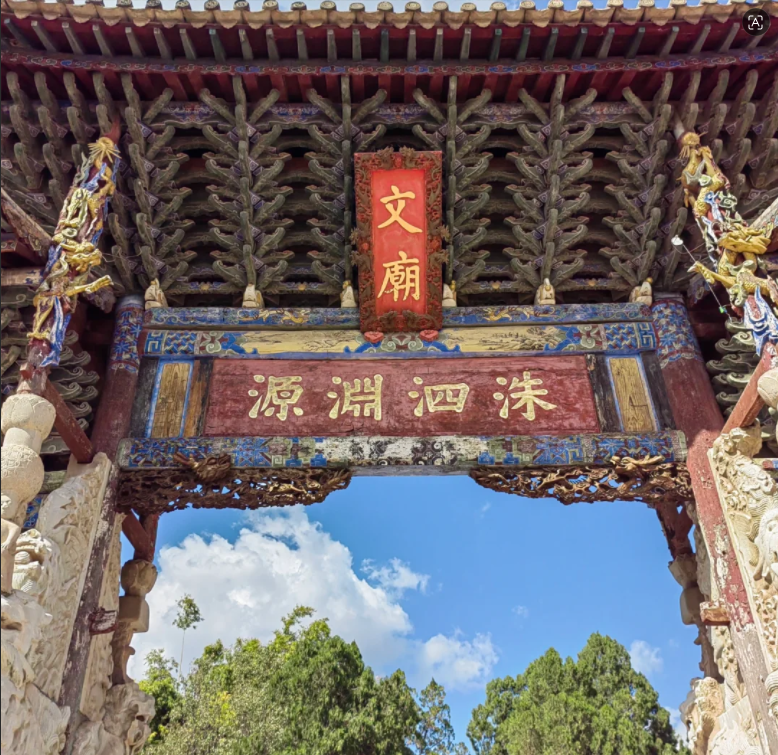
-
Twin Dragon Bridge (Shuanglong Bridge)
Shuanglong Bridge, commonly known as the "Seventeen Arch Bridge", is located in Baijiaying Village, Xizhuang Town, Jianshui County, Honghe Hani and Yi Autonomous Prefecture, Yunnan Province, at the confluence of the Lujiang River and the Tachong River.
Shuanglong Bridge is a typical corridor bridge building, and it is currently a 17 arch stone bridge. There is a tower and its pedestal in the middle, which is 20.00 meters long from east to west and 15.00 meters wide from north to south. Shuanglong Bridge inherits the characteristics of Chinese bridge architecture style, integrating bridge architecture science and plastic art, embodying the superb technology and intelligence of the people of southern Yunnan. Its architectural scale and artistic value are rare in China and occupy an important position in the history of Chinese bridges.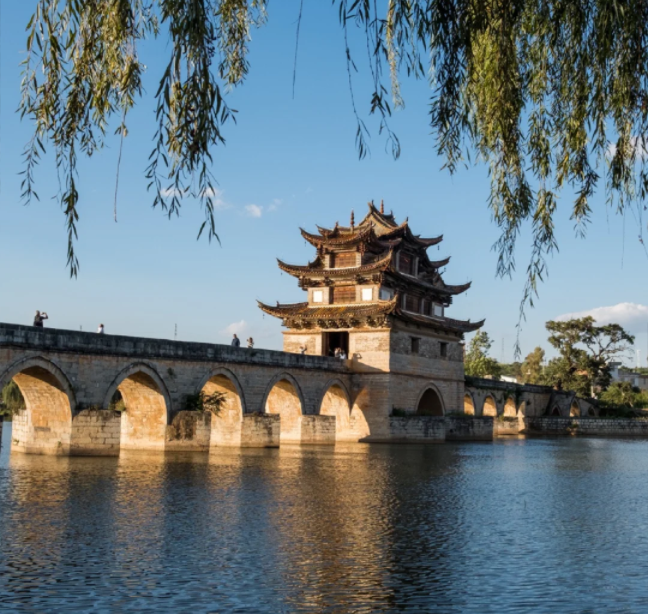
-
Zhu's Family Garden (Zhujia Garden)
Jianshui Zhujia Garden is located at No. 16 Hanlin Street (near Shuyuan Street), Jianshui County, Honghe Hani and Yi Autonomous Prefecture, Yunnan Province. It was built by the gentry brothers Zhu Weiqing in the late Qing Dynasty as their home and ancestral hall.
Jianshui Zhujia Garden covers a total area of over 20000 square meters, with a building area of over 5000 square meters. It faces southeast and northwest, including two parts: the family house and the ancestral hall. The main building of Zhujia Garden in Jianshui is arranged in an asymmetric layout of "three vertically and four horizontally". Along the main axis, there are ponds, front gardens, courtyards with one entrance, two entrances, three entrances, and a back garden arranged in sequence. It is a typical group building of "five rooms, six ears, five halls, one large courtyard with four small courtyards" in the Jianshui area. The overall architectural structure is rigorous, and it is a large-scale traditional residential building with a unique architectural style and rich private garden charm in Jianshui and even Honghe Prefecture. It has important value for studying the residential buildings in southern Yunnan at that time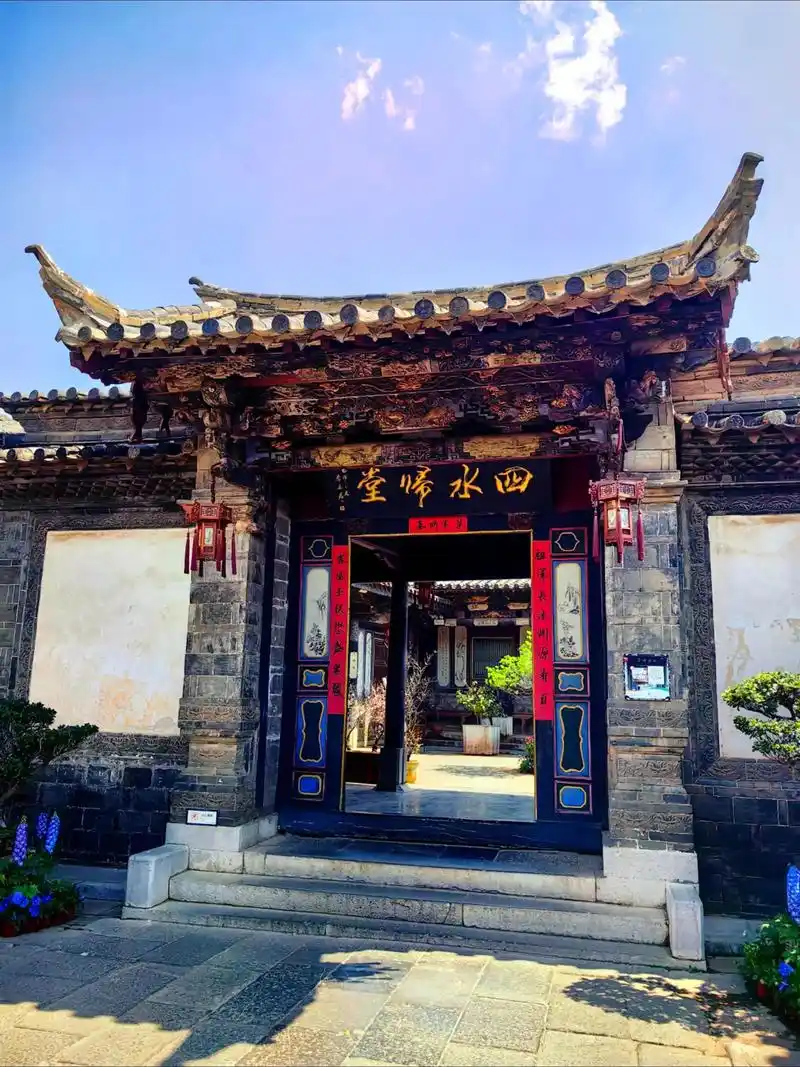
- Jianshui drive to yuanyang (Jianshui to Yuanyang)
- Breakfast , Lunch
- Private Van
- English-speaking guide services as per itinerary
-
Yuanyang Rice Terraces
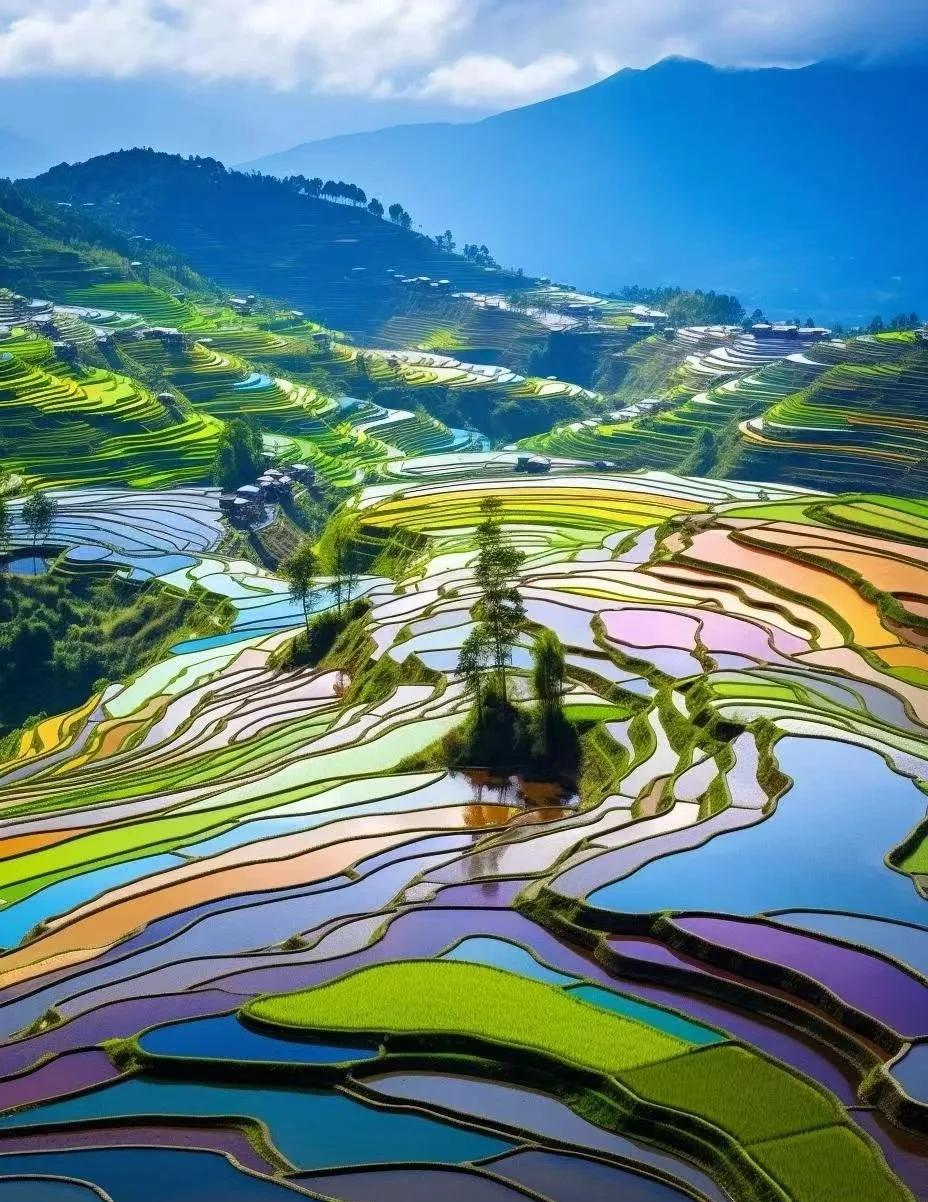
Yuanyang Terrace, also known as Yuanyang Hani Terrace, is located in the south of Ailao Mountain, Yuanyang County, Honghe Hani and Yi Autonomous Prefecture, Yunnan Province. It is the core area of the Hani terraced fields of Honghe State, with an area of about 170000 mu. History can be traced back to the Sui and Tang dynasties.
The Yuanyang area belongs to a typical karst landform development zone, and its strata are mainly limestone. After a long period of time, numerous karst landforms such as caves and underground rivers have formed underground, while the surface presents unique terrain such as peak forests and clusters, providing the most basic geological framework for the construction of terraced fields. The climate in this region belongs to the subtropical mountain monsoon climate type, with mild climate and abundant rainfall, providing good natural conditions for the formation of terraced fields. Terraced soil is mostly red soil and yellow soil, which are rich in organic matter and conducive to the growth of crops. The dense forest on the mountain provides water for the terraced fields, and the village is located within it. People plant crops such as rice in the terraced fields, achieving a harmonious coexistence between humans and nature. The main scenic spots include Qingkou, Bada, Duoyishu, and Laohuzui terraced fields. The Yuanyang terraced fields are built according to the mountain terrain, adapting to local conditions and cleverly constructing layers of terraced fields and crisscrossing irrigation and drainage systems that match the contour lines. They embody valuable experience and scientific wisdom such as upper storage and lower drainage, ring slope drainage, and woodcut water separation. The three-dimensional pattern of forests, water systems, terraced fields, and villages with water as the core, created by it, is a miracle in the history of world agricultural civilization.After lunch, explore the Duoyishu Rice Terraces before watching the sunset ignite the Laohuzhui Rice Terraces in a fiery glow.
- Breakfast , Lunch
- Private Van
- English-speaking guide services as per itinerary
- yuanyang drive to Kunming (Yuanyang to Kunming)
Recommended activities
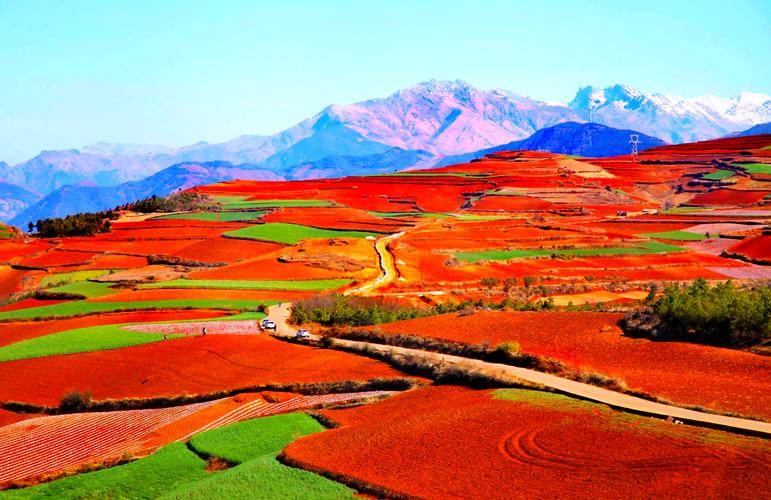
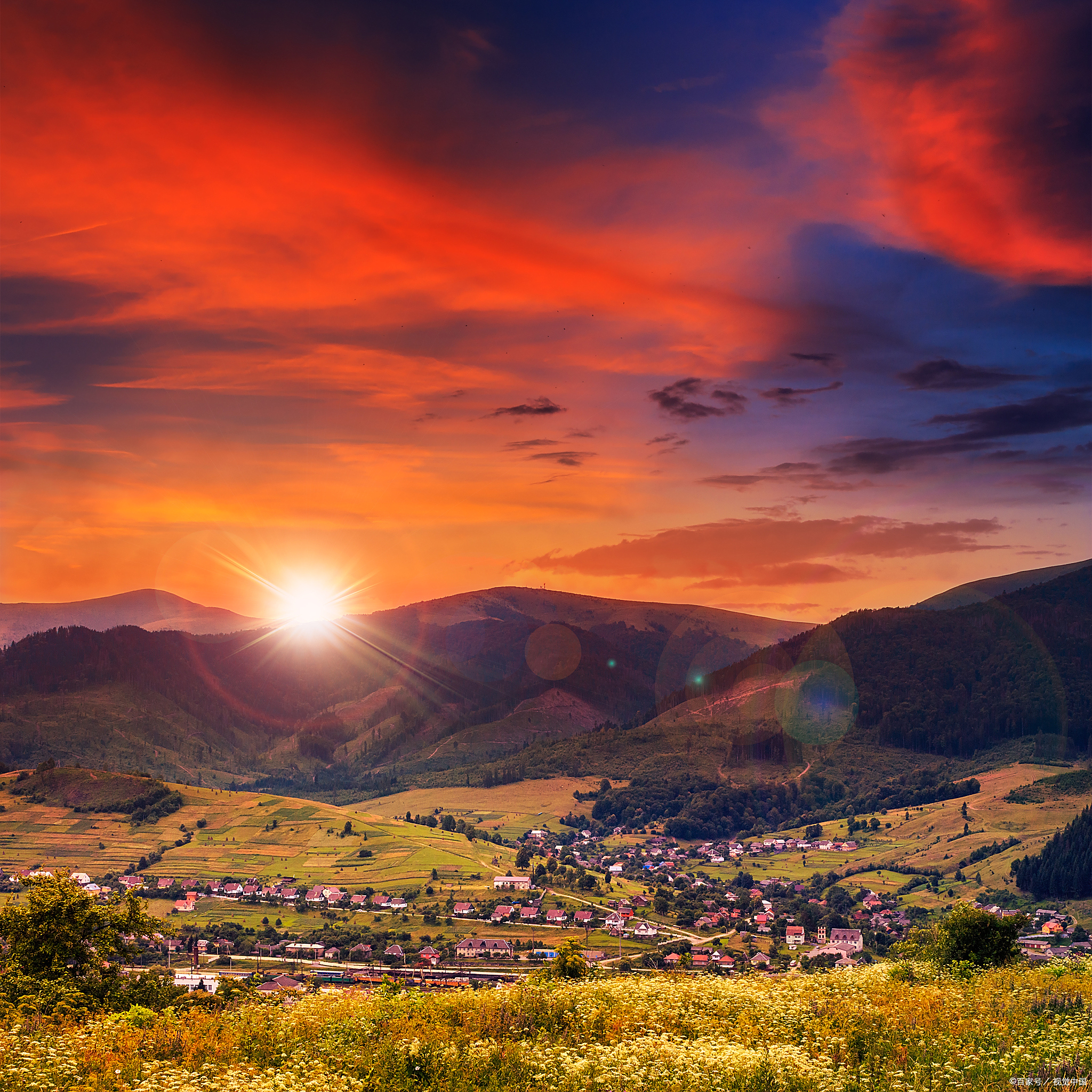
- Breakfast , Lunch
- Private Van
- English-speaking guide services as per itinerary
- kunming to Dali (Kunming to Dali)
-
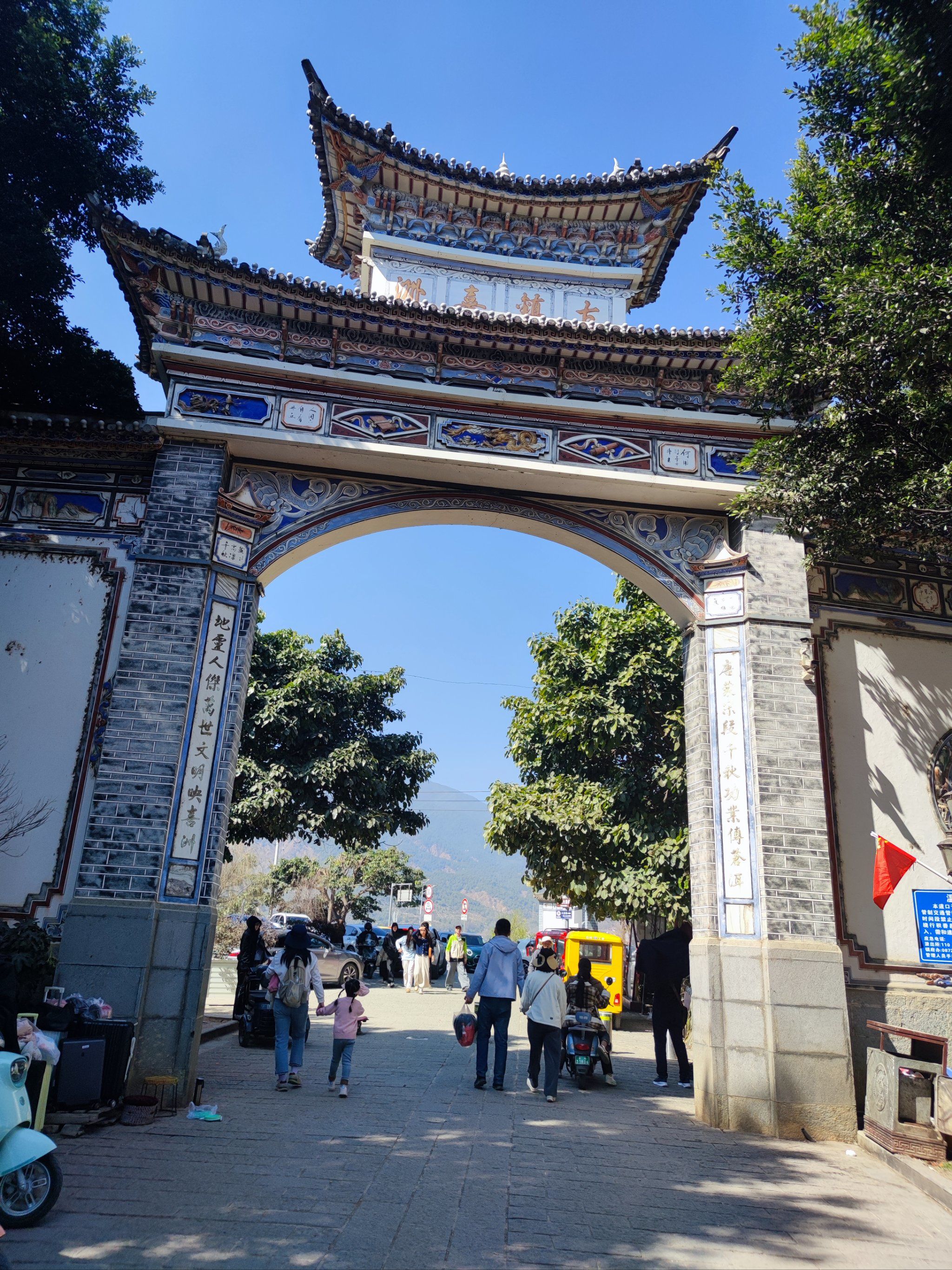
Xizhou Ancient Town
Xizhou Ancient Town was once the first ancient capital of Nanzhao Kingdom in the Tang Dynasty, and there are still key courtyards such as Yan Family Courtyard and Dong Family Courtyard. Implement projects such as the protection and renovation of Zhao Mansion and the renovation of Cangyi Library, and build the Jiajie Ji Agricultural Culture and Art Museum and the Jiangzhi Ji Folk Art Museum. In 2020, we received approximately 2 million tourists and developed intangible cultural heritage experience projects such as tie dyeing and clay sculpture, forming an annual output value of over 70 million yuan in the tie dyeing industry chain. Planting organic crops such as rice and rapeseed around the ancient town, creating ecological agricultural product brands such as "Xi Mi" and "Xi You"
-
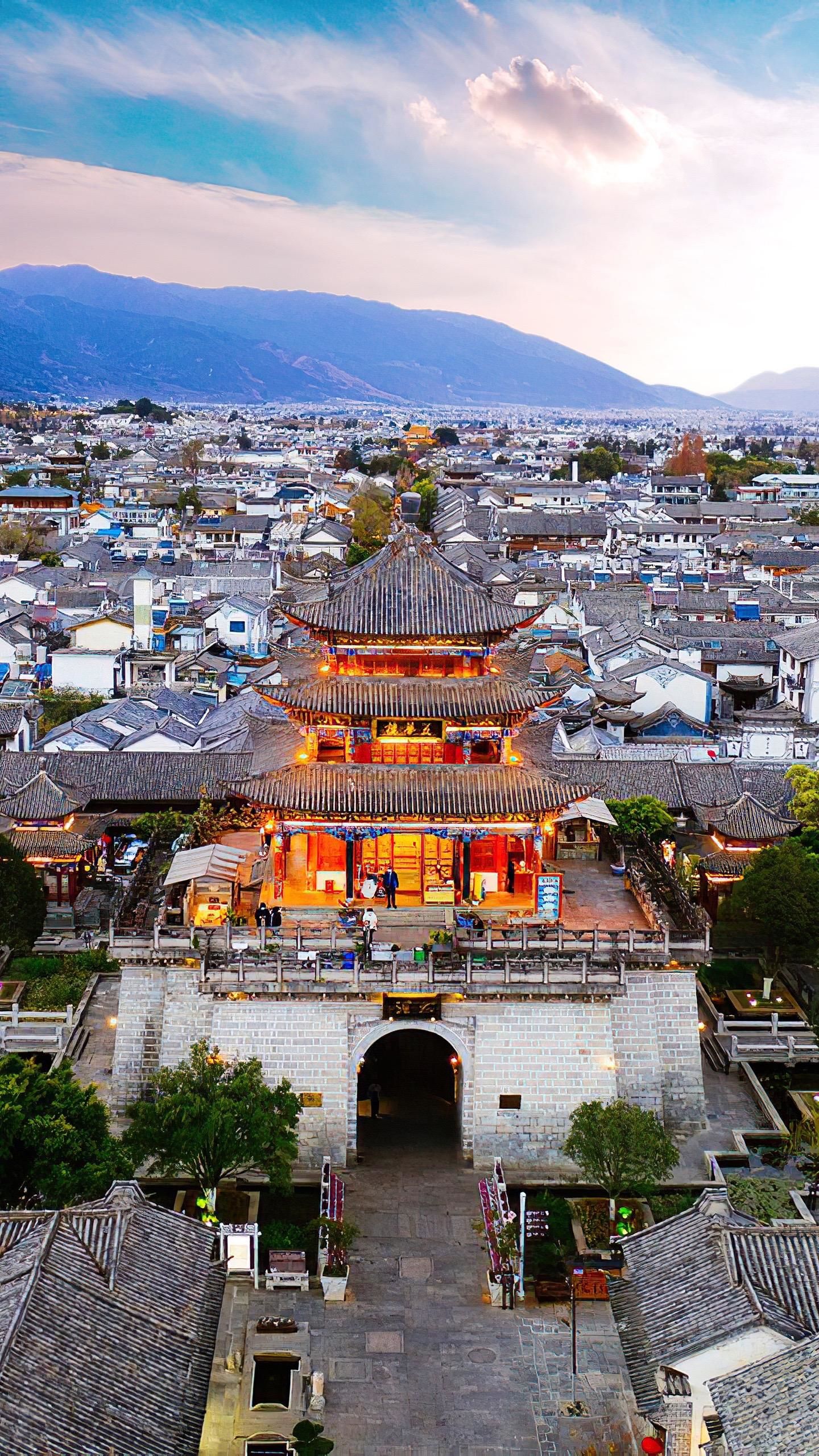
Dali Ancient Town
Dali Old City is located in the west of Yunnan Province, also known as Yeyucheng and Zicheng. The history of the ancient city can be traced back to the Tianbao period of the Tang Dynasty. The Yangju Mie City built by the Nanzhao Wang Ge Luo Feng was its new capital. The ancient city was founded in the 15th year of the Hongwu reign of the Ming Dynasty (1382), covering an area of 3 square kilometers.
-
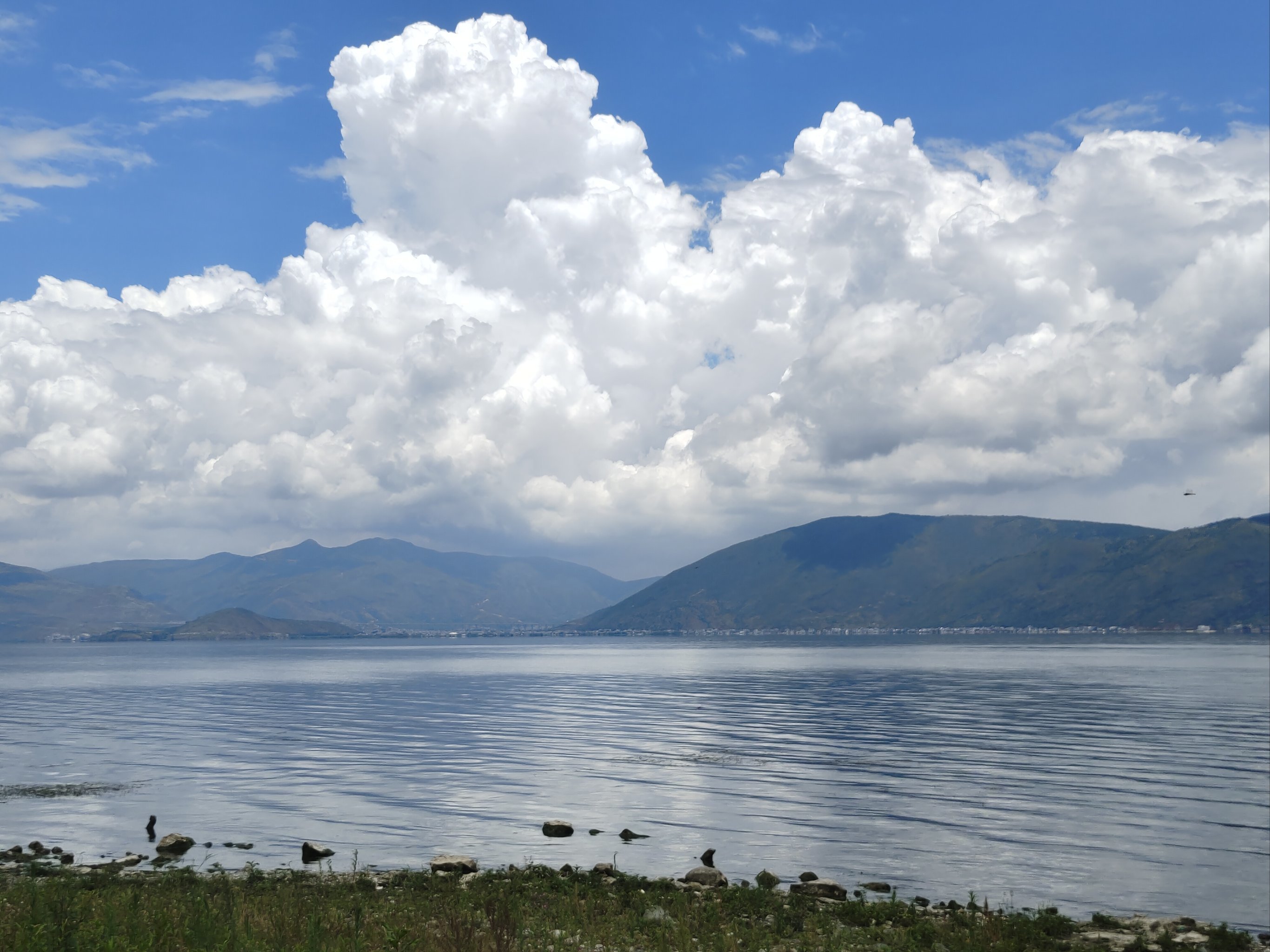
Erhai Lake Park
Visit Erhai Lake Park, a pristine plateau lake at 1,972m altitude. Admire blue waters, walk lakeside trails, and enjoy serene vistas. Ideal for photography, relaxation, and connecting with Dali’s natural beauty.
- Breakfast , Lunch
- Private Van
- English-speaking guide services as per itinerary
-
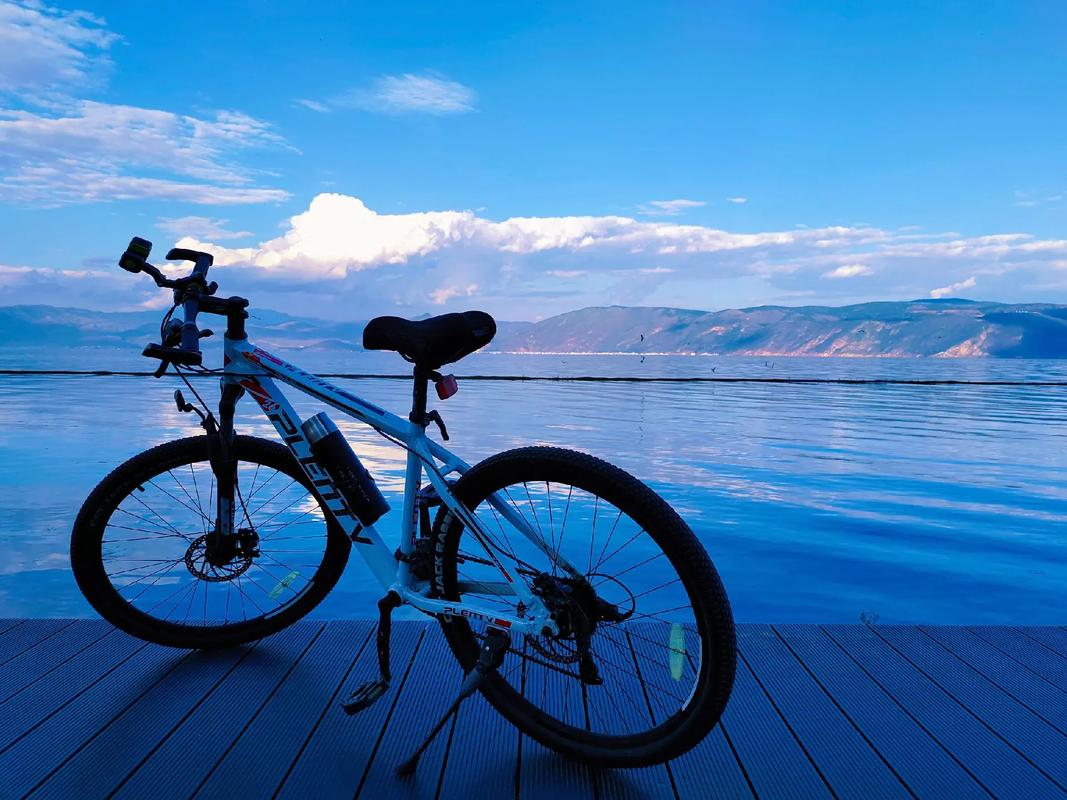
Dali A Cycling Tour aound Erhai Lake
Ready for an Erhai Lake cycling tour? As you pedal around the lakeside, the azure waters and surrounding mountains offer a feast for the eyes. Circling the lake, you may pass secluded temples, pagodas, and timeless villages, accompanied by birdsongs and the sounds of nature.
- Breakfast , Lunch
- Private Van
- English-speaking guide services as per itinerary
-
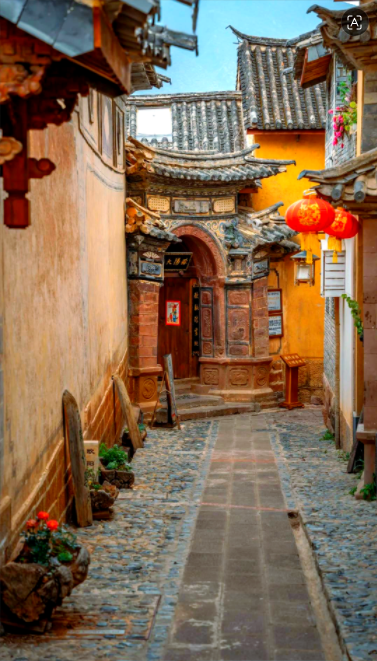
Shaxi Ancient TownShaxi Ancient Town, a well-preserved relay station on the ancient Tea and Horse Road. The white walls and gray-tiled buildings along the river showcase a distant historical memory. The ancient stone roads and bridges connect the stores, highlighting simplicity and antiquity.
- Dali drive to lijiang (Dali to Lijiang)
-
Lijiang Ancient Town(The Old Town of Lijiang)
The Old Town of the Old Town of Lijiang, located in the ancient city district of Lijiang City, Yunnan Province, is located in Bazi, the Old Town of Lijiang. In a narrow sense, it refers to Dayan Ancient City. The world cultural heritage "the Old Town of Lijiang" includes Dayan Ancient City (including Black Dragon Pond), Shuhe Ancient Buildings, and Baisha Ancient Buildings. The Old Town of Lijiang covers an area of 7.279 square kilometers.
The Old Town of Lijiang was built at the end of the Song Dynasty and the beginning of the Yuan Dynasty. The ancestors of Lijiang Mu family moved their ruling center from Baisha Ancient Town to Shizishan, and began to build a housing city, called "Daye Market". In the Ming Dynasty, the establishment, consolidation and improvement of the chieftain system made the Old Town of Lijiang enter the first brilliant period in its history. In the Qing Dynasty, with the improvement of agricultural productivity and the development of handicrafts, the Old Town of Lijiang gradually developed into a commercial center. Since the Republic of China, there have been more than 1200 businesses in the Old Town of Lijiang. In December 2002, the State Council officially approved the removal of land from the Old Town of Lijiang and the establishment of Lijiang as a city. The Old Town of Lijiang has integrated the essence of Han, Bai, Yi, Tibetan, Naxi and other ethnic groups from the overall layout of the city to engineering and architecture. There is no regular road network and strict city walls in the city. The streets within the ancient city of Dayan are built along the mountains and waters, paved with red breccia. There are attractions such as the Wangu Tower, Mufu, Wufeng Tower, Heilongtan, Wenchang Palace, Fang Guoyu's former residence, Puji Temple, Sifang Street, Kegongfang, and Xueshan Academy. In April 2026, the Old Town of Lijiang was named by the Ministry of Culture and Tourism due to management services and other issues.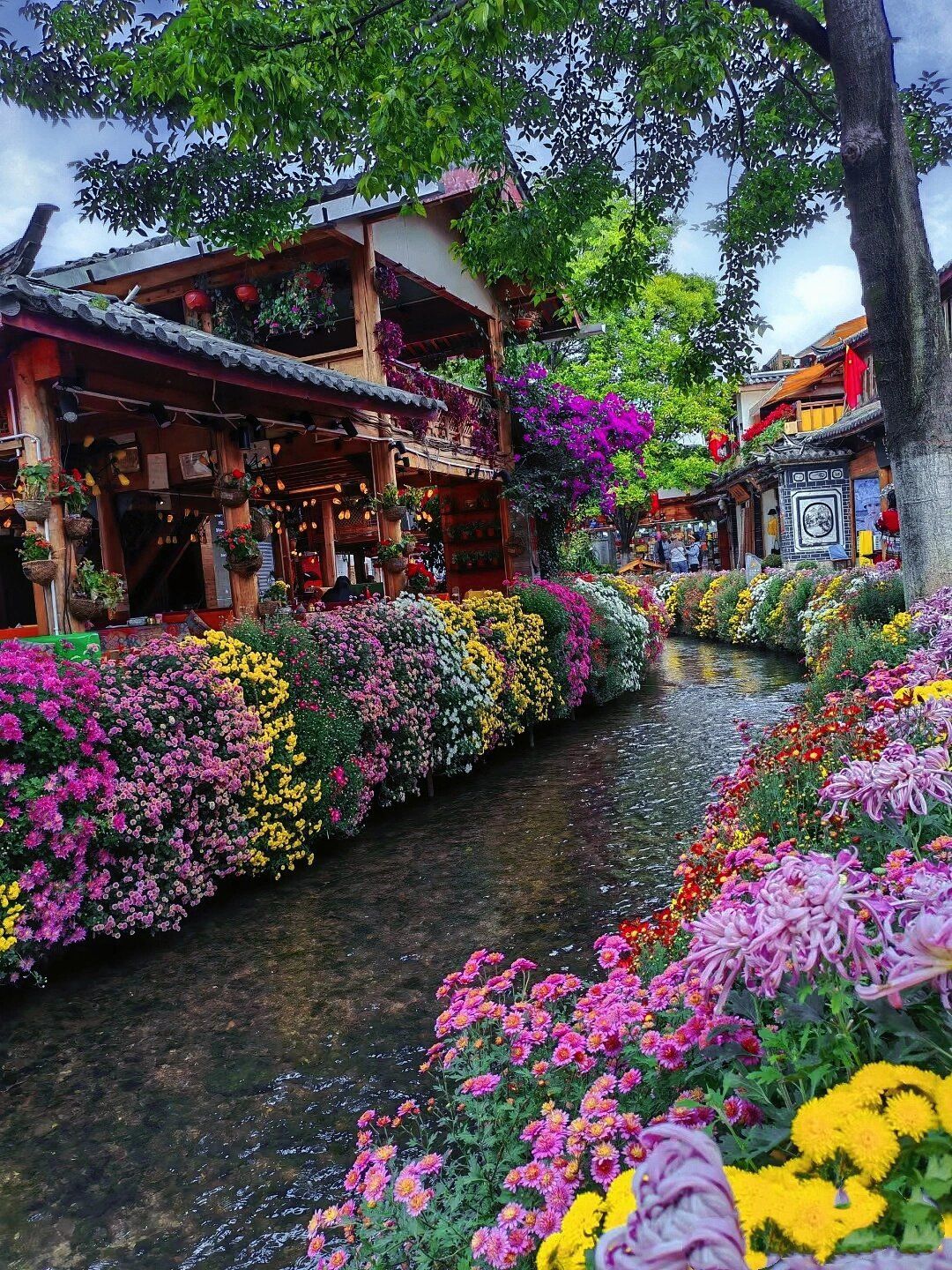
-
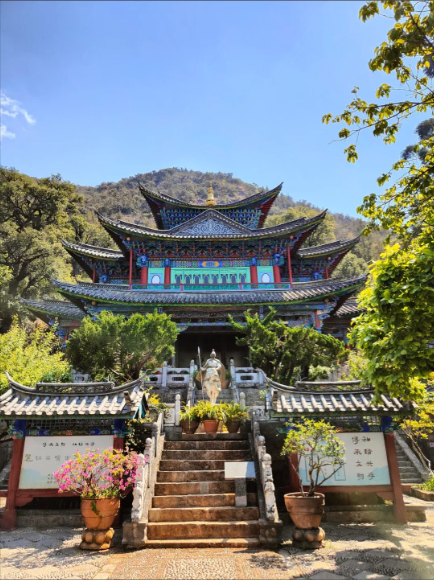
The Lijiang Naxi Dongba Cultural Museum
The Lijiang Naxi Dongba Cultural Museum was established in 1984, formerly known as the Lijiang County Museum, and is the first county-level museum in Yunnan Province. The museum is located next to Heilongtan Park in Lijiang City, Yunnan Province, covering an area of 7 acres. The building adopts the traditional Naxi layout of "three squares and one screen wall" and "four in five courtyards". There are over 12000 cultural relics in the collection, including 67 national first-class cultural relics and nearly 3000 Naxi Dongba cultural relics. It is an important Dongba cultural relics collection institution. Permanent exhibitions such as the "Naxi Dongba Culture Exhibition" and the collection of Dongba ancient books and documents were included in the Memory of the World Heritage List in 2003
- Breakfast , Lunch
- Private Van
- English-speaking guide services as per itinerary
-
Jade Dragon Snow Mountain
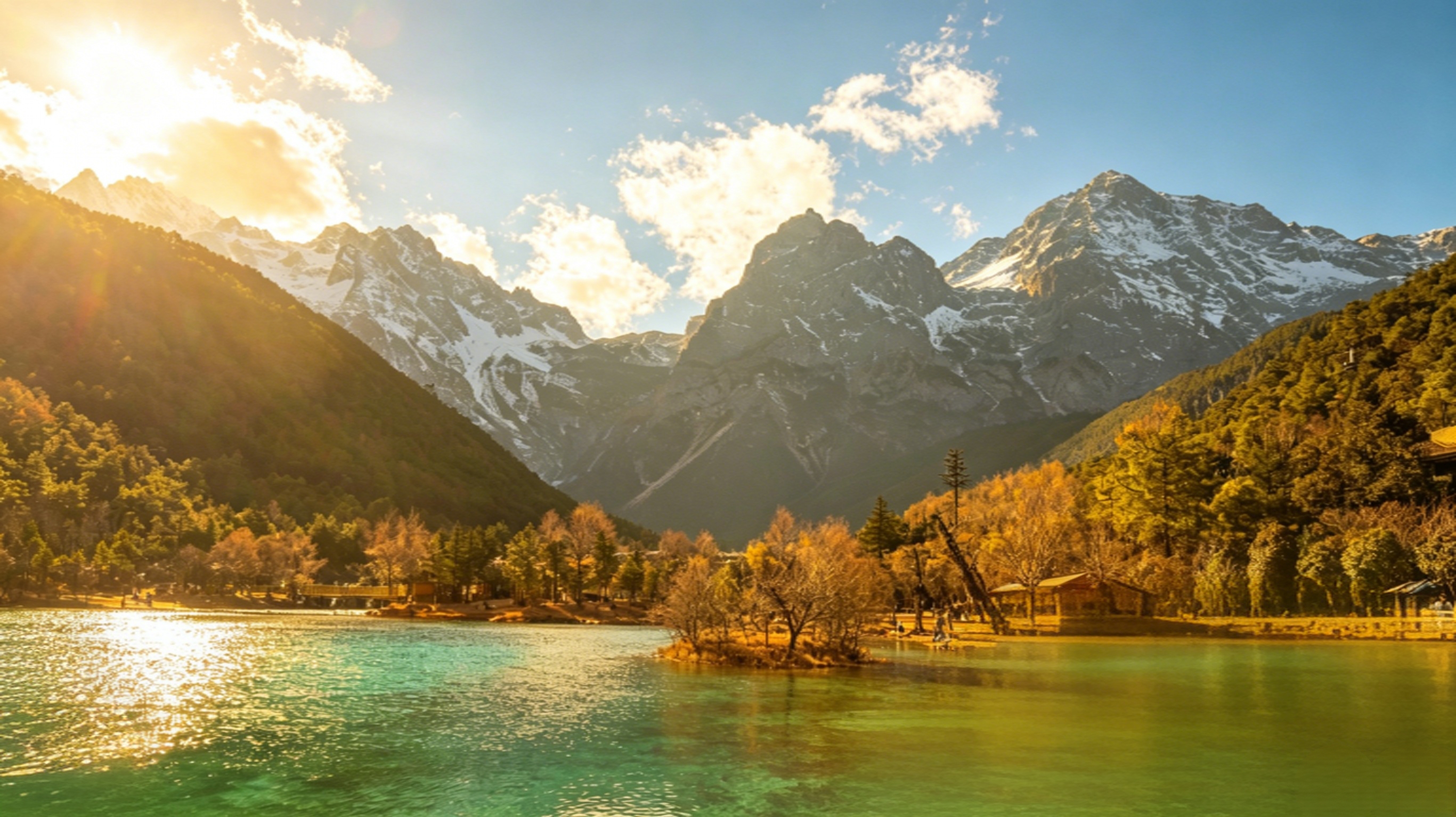
Yulong Snow Mountain is a group of snow capped mountains located in Lijiang City, Yunnan Province. It is bordered by Lijiang Mingming Highway to the east, Tiger Leaping Gorge to the west, Yuhu Lake to the south, and the mouth of Tiger Leaping Gorge in Dajuxia to the north. It is located between 100 ° 4 ′ 2 "-100 ° 16 ′ 30" E longitude and 27 ° 3 ′ 2 "-27 ° 18 ′ 57" N latitude, about 15 kilometers north of Lijiang River. It has a total length of 75 kilometers and is parallel to Zhongdian Snow Mountain across Jiangxi and Mianmian Mountain to the east. It extends from Sanjiangkou in the north to 27 ° N latitude in the south, like a fan facing the ancient city. The 13 peaks of the entire mountain are arranged vertically from south to north, with the main peak being steep and the highest point reaching an elevation of 5590.2 meters. The snow line height ranges from 4800 to 5000 meters. The temperate oceanic glaciers closest to the equator are developed on the Eurasian continent.
Yulong Snow Mountain is called "Oulu" in Naxi language, meaning "Tian Shan". Its thirteen snow capped peaks stretch endlessly, resembling a "giant dragon" soaring and dancing, hence it is called the "Jade Dragon". Also known as the "Black and White Snow Mountain" due to its main lithology being limestone and basalt, with distinct black and white colors. It is the sacred mountain of the Naxi people, and it is said to be the embodiment of the Naxi protection god "San Duo".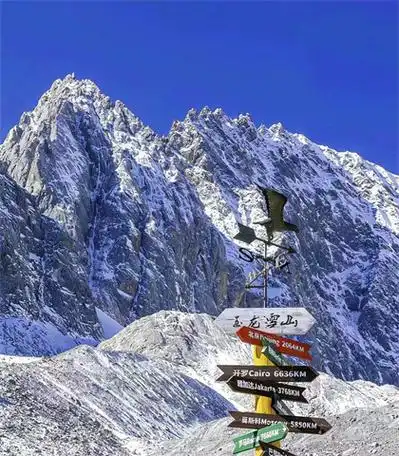
-
Baisha Village
Baisha Village is one of the earliest settlements of the Naxi people, historically known as the "capital of the ancient Naxi Kingdom in southwestern China".
From the Sui and Tang dynasties, the Naxi ancestor You Gu led some Naxi ancestors to settle at the foot of Yulong Snow Mountain in Baisha, the northernmost point of Lijiang Bazi. From the Sui and Tang dynasties to the Song dynasty, the Naxi people, centered around Baisha, achieved a transformation from a hunting and herding ethnic group to an agricultural and pastoral ethnic group, and then to an farming ethnic group. Baisha is the birthplace of the Mu clan chieftain of the Naxi ethnic group and the center of Lijiang Dam and surrounding Naxi ethnic groups from the Sui and Tang dynasties to the end of the Song dynasty. The Mu clan chieftain served as the magistrate of Chahanzhang from 1263 to 1723, and went through three dynasties: Yuan, Ming, and Qing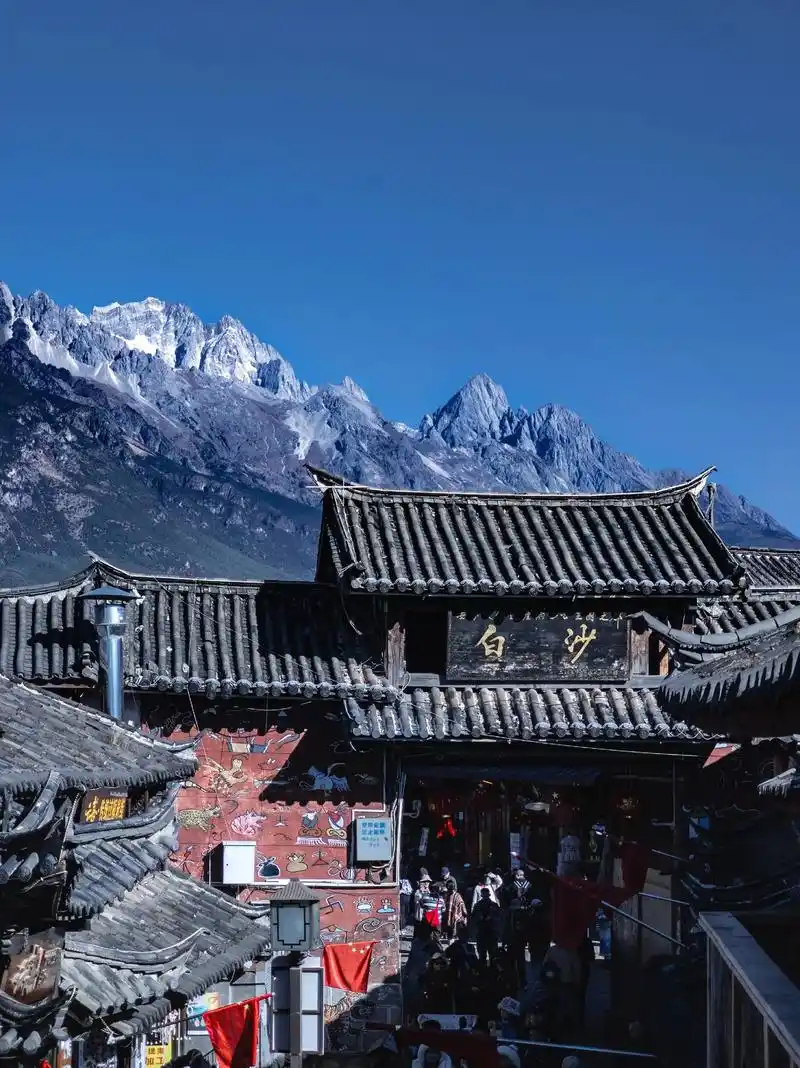
-
Black Dragon Pool Park
Black Dragon Pond, also known as Yuquan Park and Dragon King Temple, is located at the foot of Xiangshan Mountain in the ancient city area of the Old Town of Lijiang City, Yunnan Province. It was built in the second year of Qianlong's reign in the Qing Dynasty (1737). After many renovations in the 60th year of Qianlong's reign in the Qing Dynasty (1795) and the 18th year of Guangxu's reign (1892), it is the source of the water system of the ancient city of Lijiang. The spring water converges into a pool with an area of nearly 40000 square meters.
The park is home to ancient buildings from the Ming and Qing dynasties, such as the Dragon God Temple, Deyue Tower, Suocui Bridge, and Yuhuang Pavilion. The remains of the Ming Dynasty, such as the Wufeng Tower and Jiefang Linmen Tower, were relocated in the later period, forming a complex of buildings that integrates Han, Tibetan, and Naxi styles. It was listed as a provincial-level cultural relic protection unit in 1996 and upgraded to a key national cultural relic protection unit in 2006. In the 17th year of the Jiaqing reign (1812) and the 15th year of the Guangxu reign (1889), he was twice granted the title of "Dragon God" by imperial decree. After the Republic of China, historical buildings such as Guangbi Tower and Wenming Square gradually moved in. In 1963, Guo Moruo wrote plaques and couplets for Deyue Tower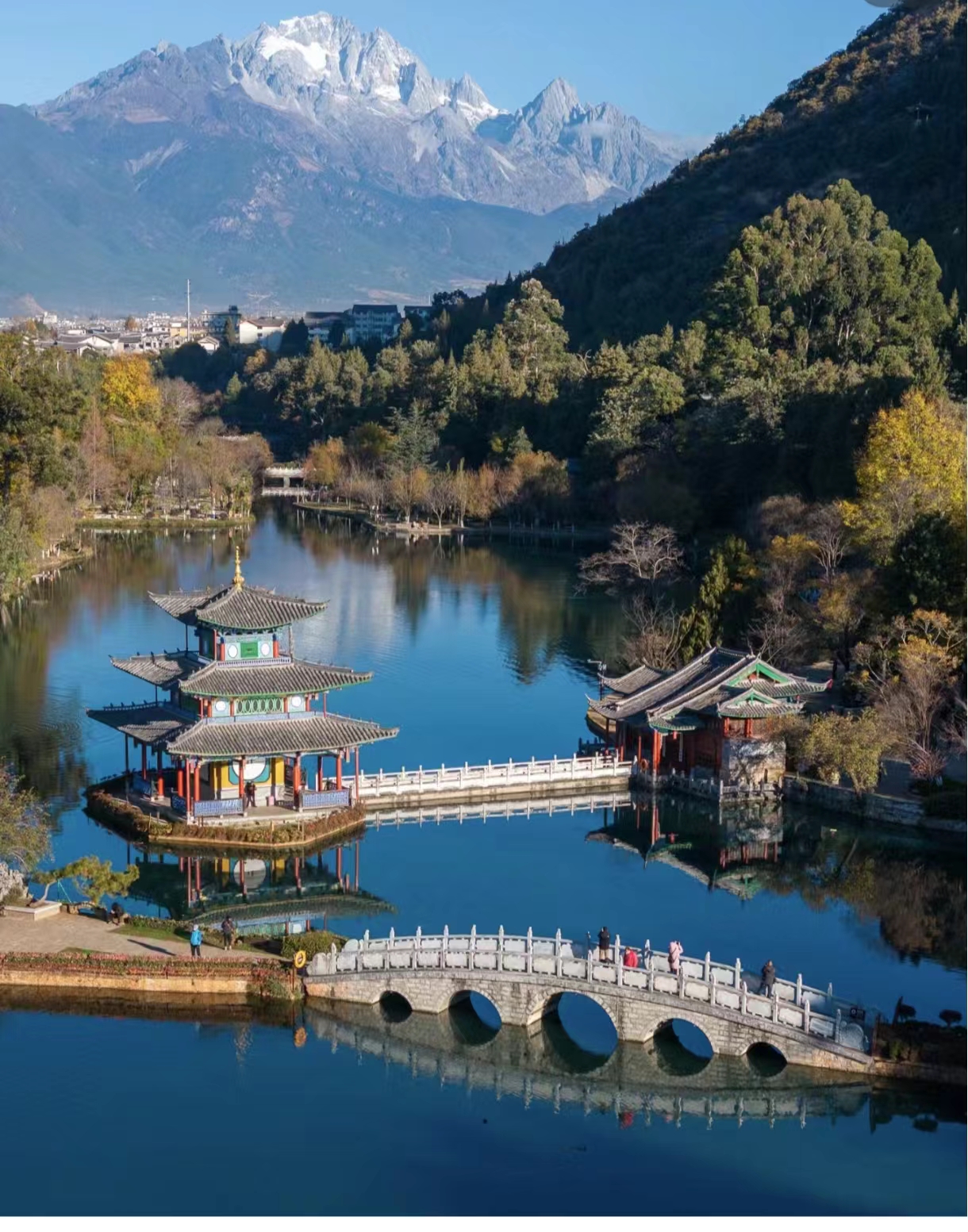
- Breakfast , Lunch
- Private Van
- English-speaking guide services as per itinerary
-
Iron Chain Bridge
Shigu Ferry is located in Shigu Town, Yulong County, Lijiang City, Yunnan Province. It borders Jiuhe and Longpan Townships to the east, Shitou Township to the south, Renhe and Liming Townships to the west, and Jinzhuang Township to the north, with a total area of 344 square kilometers. Located at the "V" shaped bend of Jinsha River, it is named after the White Marble drum shaped stone tablet beside the river. The river is about 500 meters wide and has always been a military center. Located 70 kilometers away from Lijiang County, the existing drum shaped achievement stele from the Ming Dynasty is one of the earliest stone steles in Lijiang.
From April 25th to 28th, 1936, the Second and Sixth Army Groups of the Chinese Workers' and Peasants' Red Army, led by He Long and Ren Bishi, crossed the Jinsha River from Muguazhai and Muduodu, which were over 60 kilometers from Shigu to Judian. 28 local boatmen used 7 wooden boats and rafts to assist more than 18000 Red Army soldiers in completing the crossing operation. During the crossing of the river, a shipwreck accident occurred and the boatman Zhou Changshou died. The "Red Army Long March Crossing the Yangtze River Monument" built in 1977 is 8.1 meters high. In 1985, a ferry sign monument was added. In 1999, a bronze statue of "Jinsha Water Heating" was added. In 2008, the Red Army Long March Crossing Lijiang Memorial Hall was completed. The ferry crossing is now a national classic scenic spot for red tourism and a patriotic education base. The Red Army Crossing the River Memorial Hall has received over 1.67 million visitors.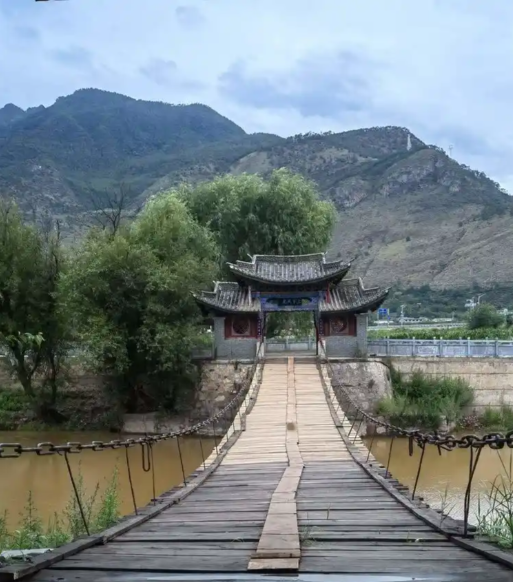
-
First Bend of the Yangtze River
The First Bay of the Yangtze River (the first bend of the Yangtze River and the first bay of the Yangtze River spanning thousands of miles) is a scenic spot in Yulong Naxi Autonomous County, Lijiang City. It is located between Shigu Town in Lijiang City and Shasongbi Village in the south of Shangri La City in the northwest of Yunnan Province, with an altitude of 1850 meters. It is 130 kilometers away from the downtown area of Shangri La and is directly accessible by road. According to legend, during the Three Kingdoms period, after Zhuge Liang pacified Nanzhong, he crossed Lu here in May. In the year 1253 AD, Kublai Khan once again crossed the river here with a backpack.
The Yangtze River, spanning thousands of miles, rushes down from the "Roof of the World" - the Qinghai Tibet Plateau, and enters Yunnan from the county town of Batang. Along with the Lancang River and the Nu River, it flows through the high mountains and deep valleys of the Hengduan Mountains, forming a magnificent landscape of "Three Parallel Rivers". At Shasongbi Village in Shangri La City, there was a sudden sharp turn of over 100 degrees, turning northeast and forming a rare "V" - shaped bend. "The river flows in a reverse direction here and rushes into the Central Plains, creating a magnificent view." People call this wonder of the world "the first bay of the Yangtze River.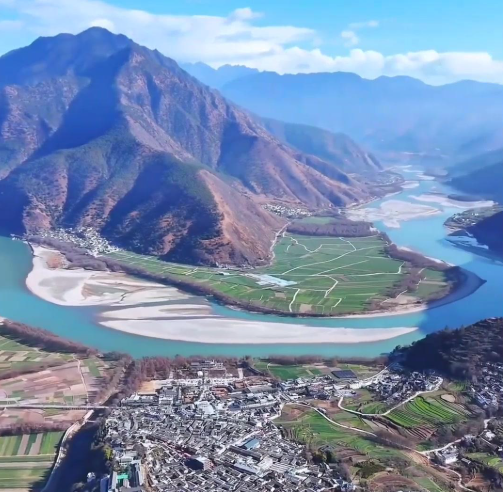
-
Tiger Leaping Gorge(Tiger Leaping Gorge Scenic Spot)
Tiger Leaping Gorge Scenic Spot, located in Tiger Leaping Gorge Town, Shangri La City, Diqing Tibetan Autonomous Prefecture, Yunnan Province, is one of the deepest canyons in the world and one of the top ten most beautiful canyons in China.
The south bank of Tiger Leaping Gorge Scenic Area is Jade Dragon Snow Mountain, and the north bank is Haba Snow Mountain. Constrained tightly by the high mountains on both sides, the river flows into the gorge with a width of only over 50 meters. At its narrowest point, tigers and leopards can leap over it, hence the name Tiger Leaping Gorge. The Tiger Leaping Canyon has steep slopes and steep cliffs, presenting a V-shaped canyon landscape in its infancy. The climate of the scenic area belongs to temperate and cold temperate monsoon climate, with an average annual temperature of 4.7 ℃ -16.5 ℃. The scenic area can be divided into three sections in the canyon: upper tiger jumping, middle tiger jumping, and lower tiger jumping. The canyon is 80 kilometers away from the urban area of Lijiang City. It is located in the upper reaches of the Jinsha River, with a total length of 17 kilometers and a winding road of 25 kilometers. The vertical height difference of the canyon is over 3900 meters, making it one of the deepest canyons in the world. Due to a landslide, the river was blocked, and now there are huge stones left, causing the water to become even more turbulent.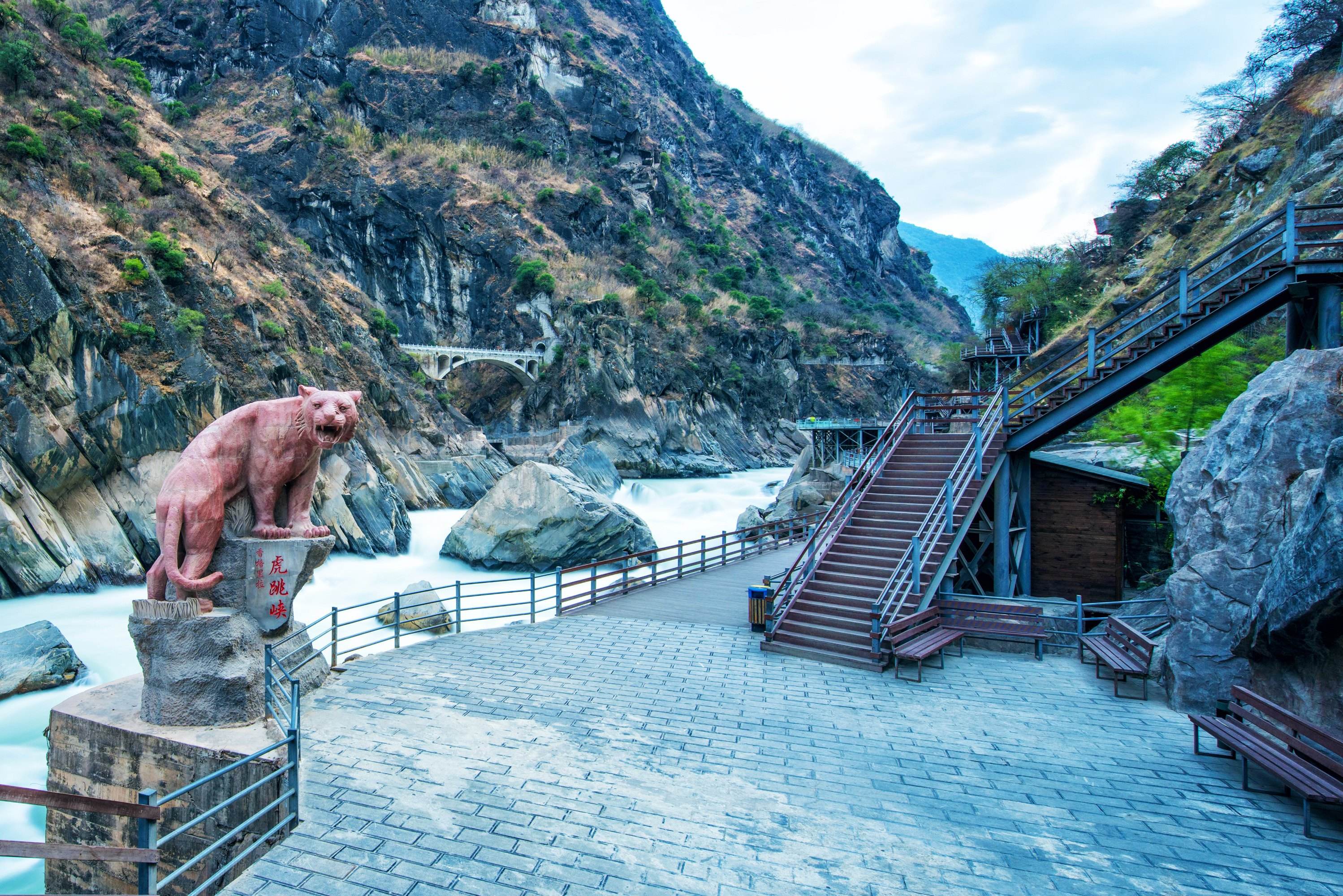
- Breakfast , Lunch
- Private Van
- English-speaking guide services as per itinerary
- Transfer to the airport and flight to guiling. (Lijiang to Guilin)
Recommended activities
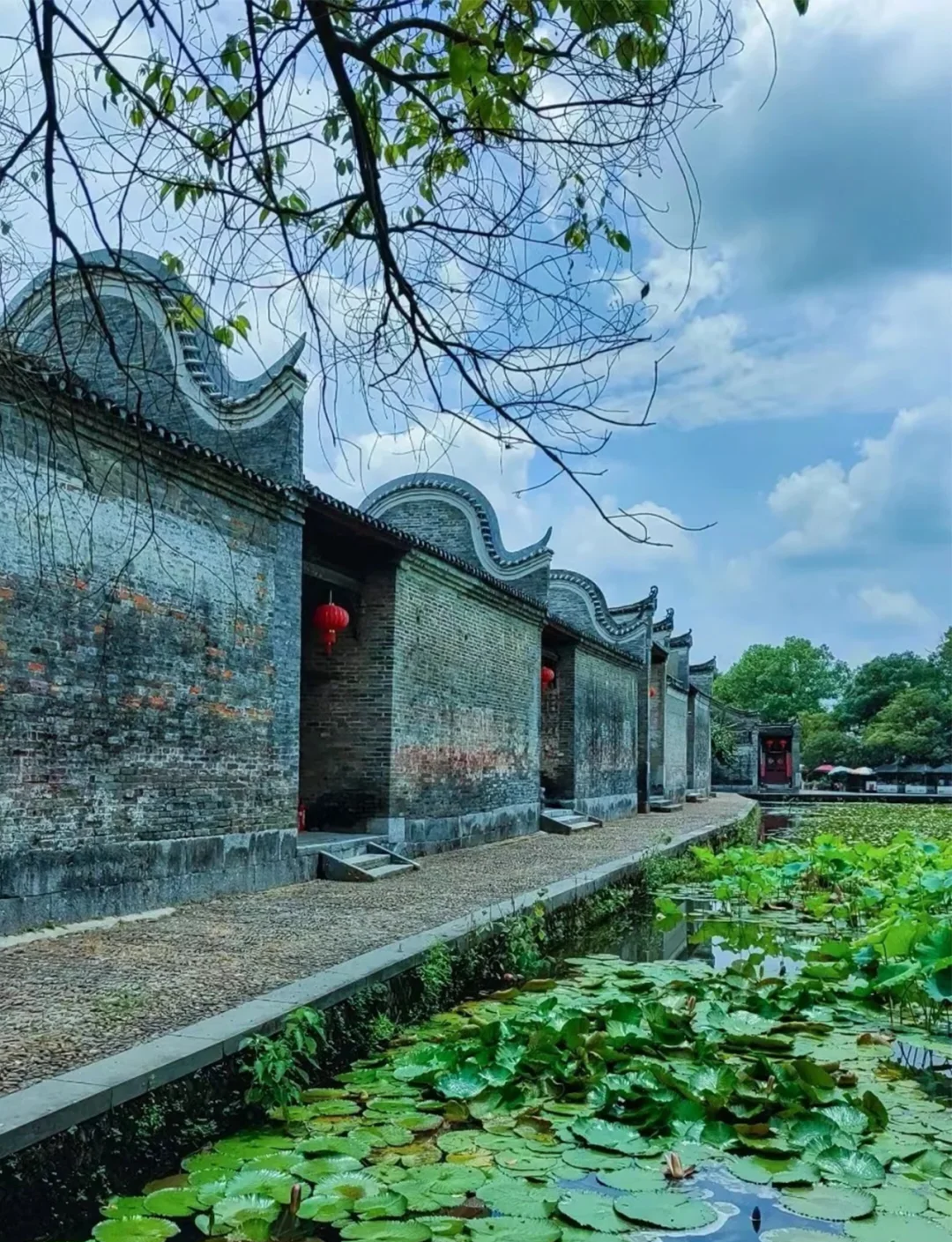
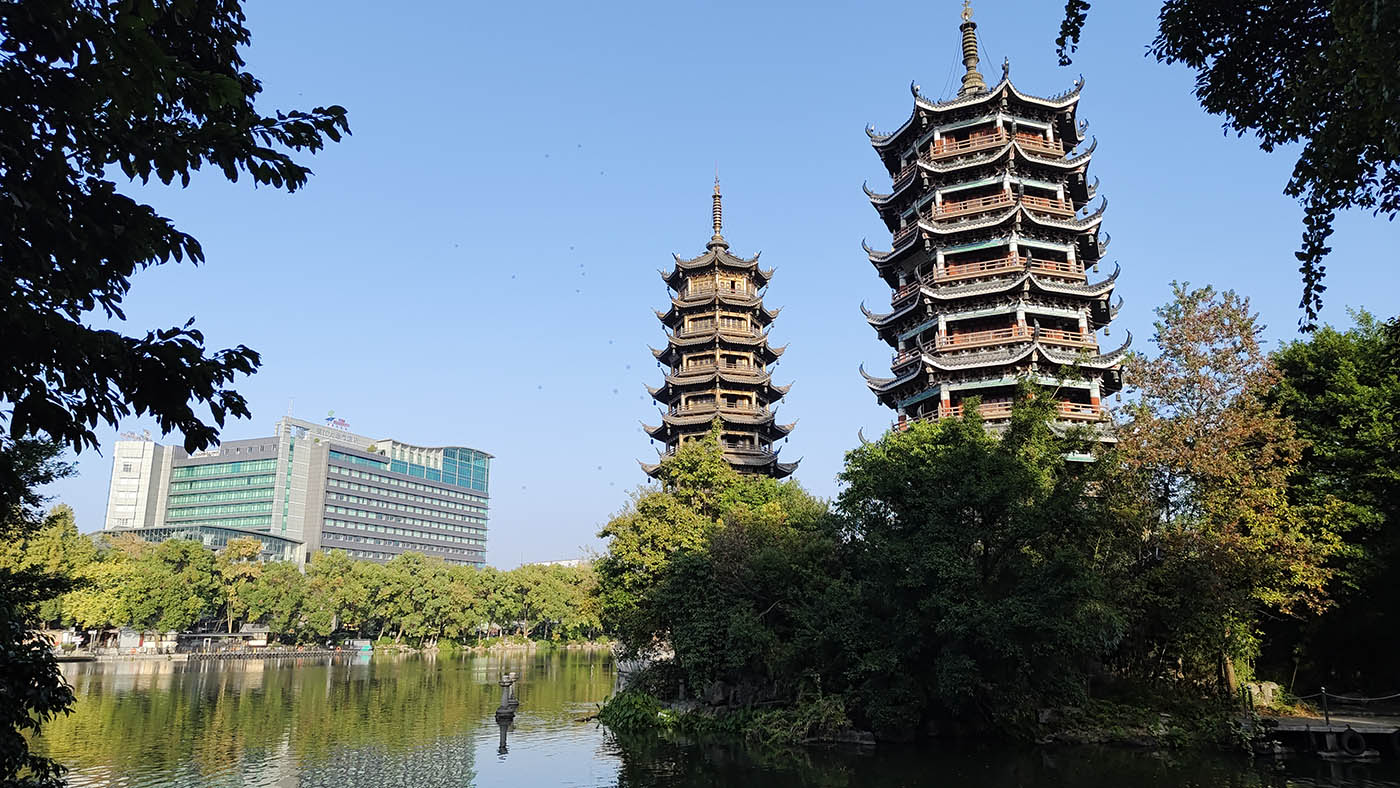
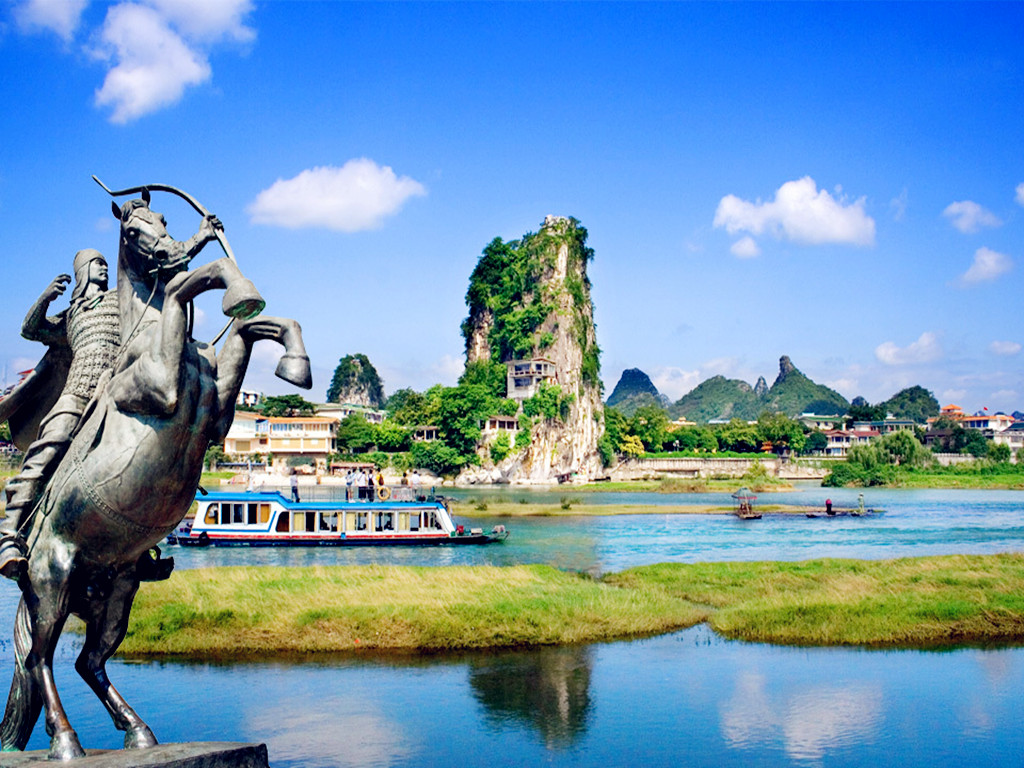
- Breakfast , Lunch
- Private Van
- English-speaking guide services as per itinerary
-
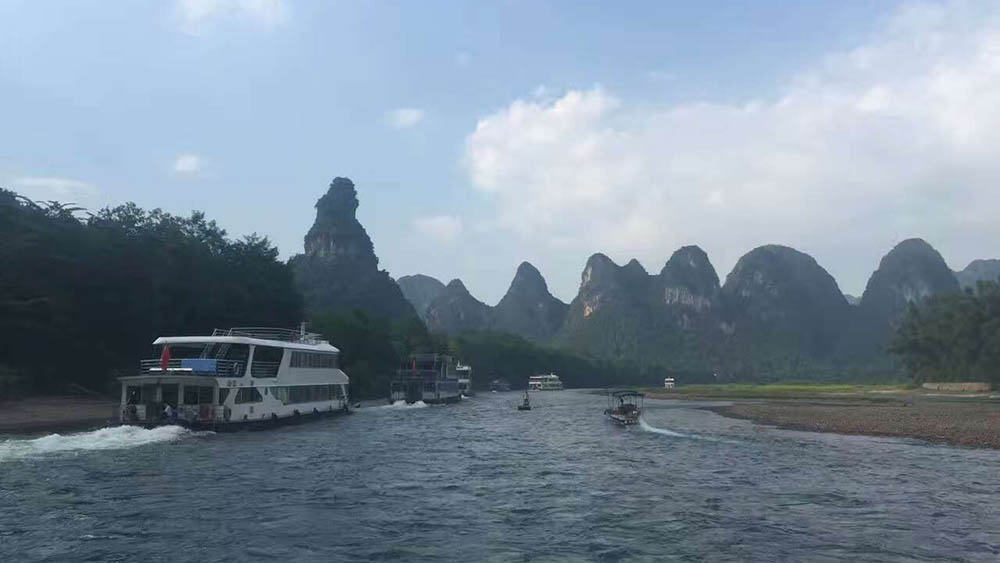
Li River Cruise
Mopanshan Wharf - Longtoushan Wharf
Sail from Guilin to Yangshuo on the iconic Li River. Glide past dramatic karst peaks, serene fishing villages, and verdant paddies. This four-hour cruise captures the essence of southern China’s natural beauty and rural lifestyle, offering photographers and travelers unforgettable scenery along one of the world’s most picturesque rivers.
-
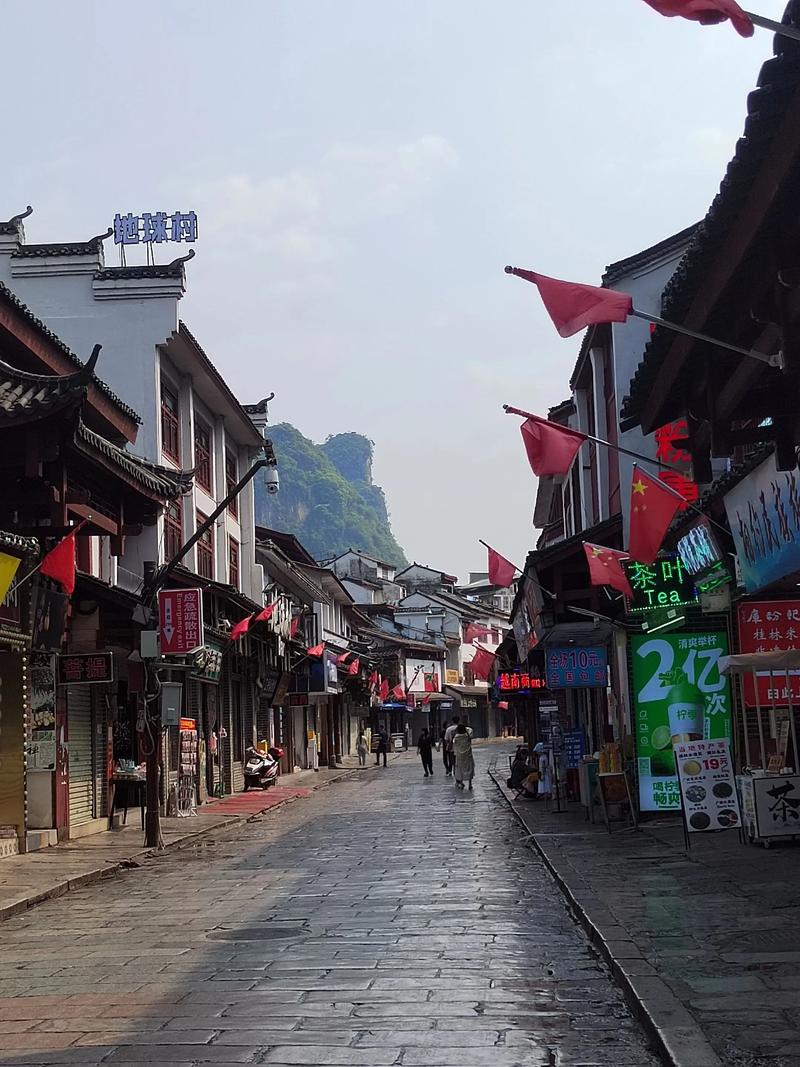
West Street
take a leisurely stroll through lively West Street. The street is pedestrian-only, flat and lined with cafés, shops and restaurants. Take your time to wander, browse for souvenirs, or relax in a quiet café with a cup of tea. Yangshuo's laid-back atmosphere and beautiful surroundings make it a perfect place to unwind before being transferred to your senior-friendly hotel for check-in and rest.
- Breakfast , Lunch
- Private Van
- English-speaking guide services as per itinerary
-
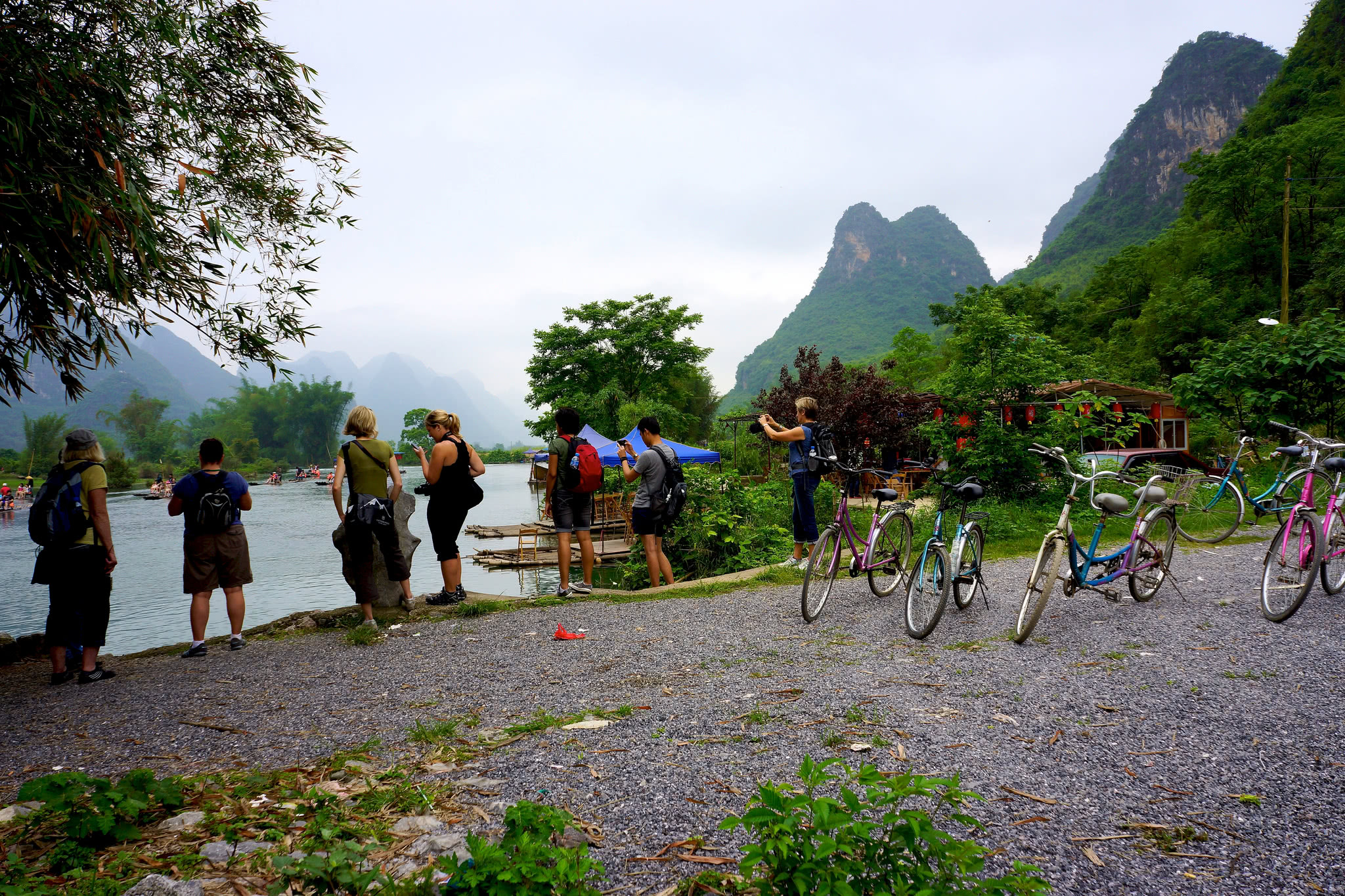
Yangshuo Countryside Biking
Spend the day in the enchanting countryside of Yangshuo with a family biking adventure, following parts of the renowned "Thousand Miles of Rivers and Mountains, Riding in the Painting" outdoor sports route. Rent comfortable bicycles suitable for all ages, including child seats or tandem bikes, and discover quaint villages, vibrant farmland, and gurgling streams with floating bamboo rafts. The flat, well-maintained country roads offer a safe and enjoyable biking experience, with stunning karst scenery surrounding you at every turn, and you can even catch a glimpse of the majestic Jiuma Huashan from different angles along the way.
- Enjoy your flight from Guilin to Shanghai. (Guilin to Shanghai)
- Breakfast , Lunch
- Private Van
- English-speaking guide services as per itinerary
-
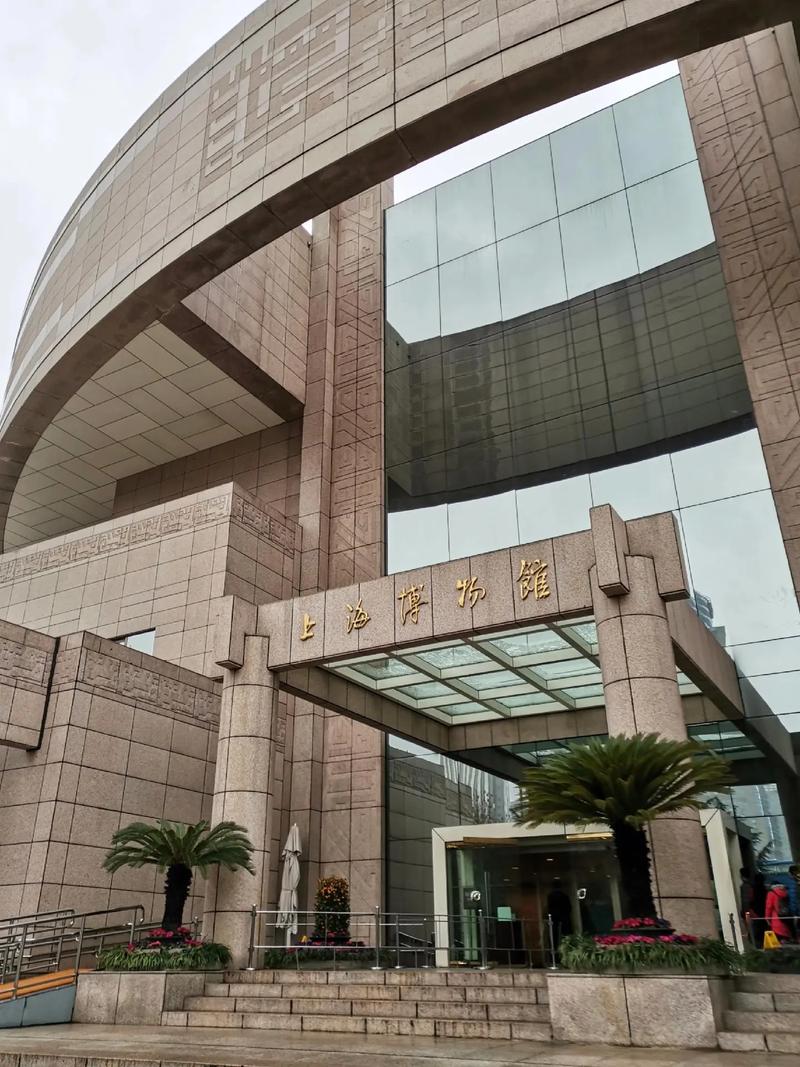
The Shanghai Museum
Explore the Shanghai Museum at People’s Square, home to a vast collection of ancient Chinese art across five floors. Designed to resemble a traditional Ding vessel, it’s an essential cultural stop for visitors seeking history, art, and Shanghai heritage.
-
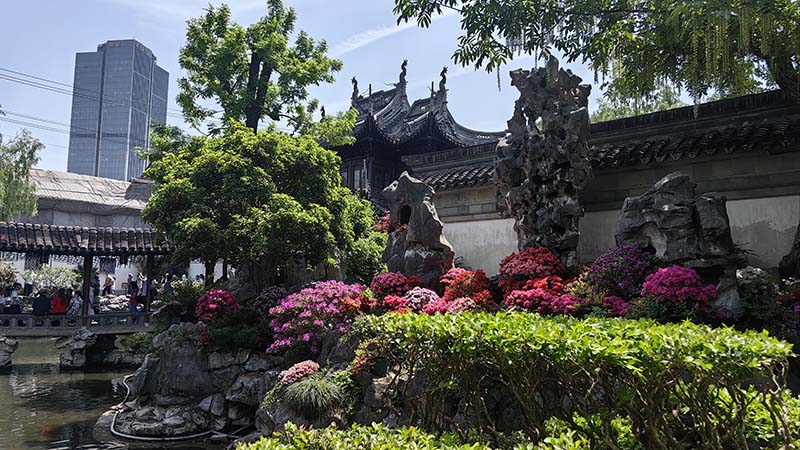
Yu Gardens
Explore Yu Gardens, a classic Ming Dynasty garden built as a retirement gift for Pan Yunduan’s father. Stroll past koi ponds, jade rocks, and ornate pavilions while soaking in traditional Chinese landscaping. A peaceful Shanghai cultural experience perfect for photography and history lovers.
-
World Financial Center
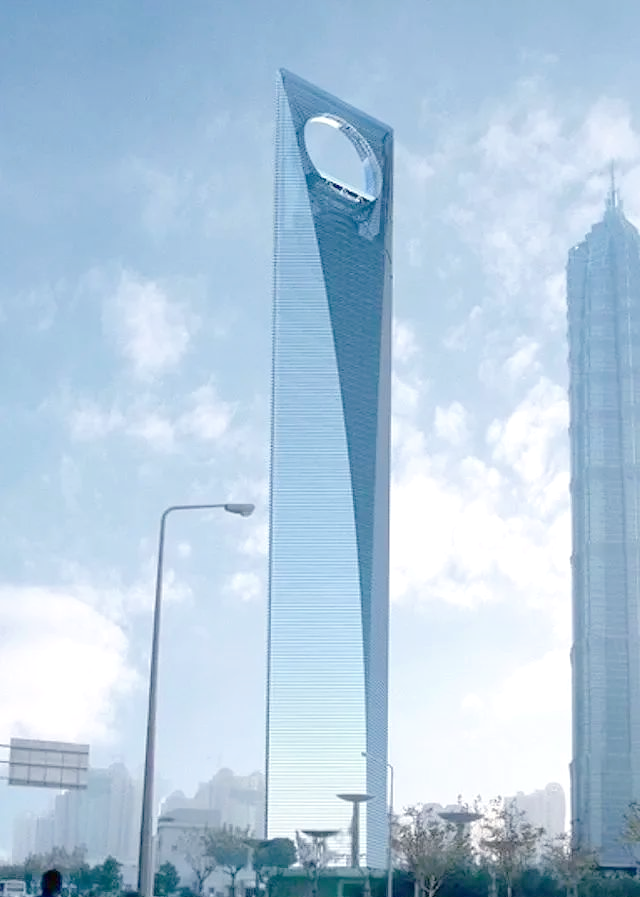
Visit Shanghai World Financial Center, nicknamed the “bottle opener,” home to financial offices, cultural exhibitions, and Park Hyatt Hotel. Tour the observation decks for sweeping city views—a modern architecture icon and must-see Shanghai sightseeing spot.
-
The Bund
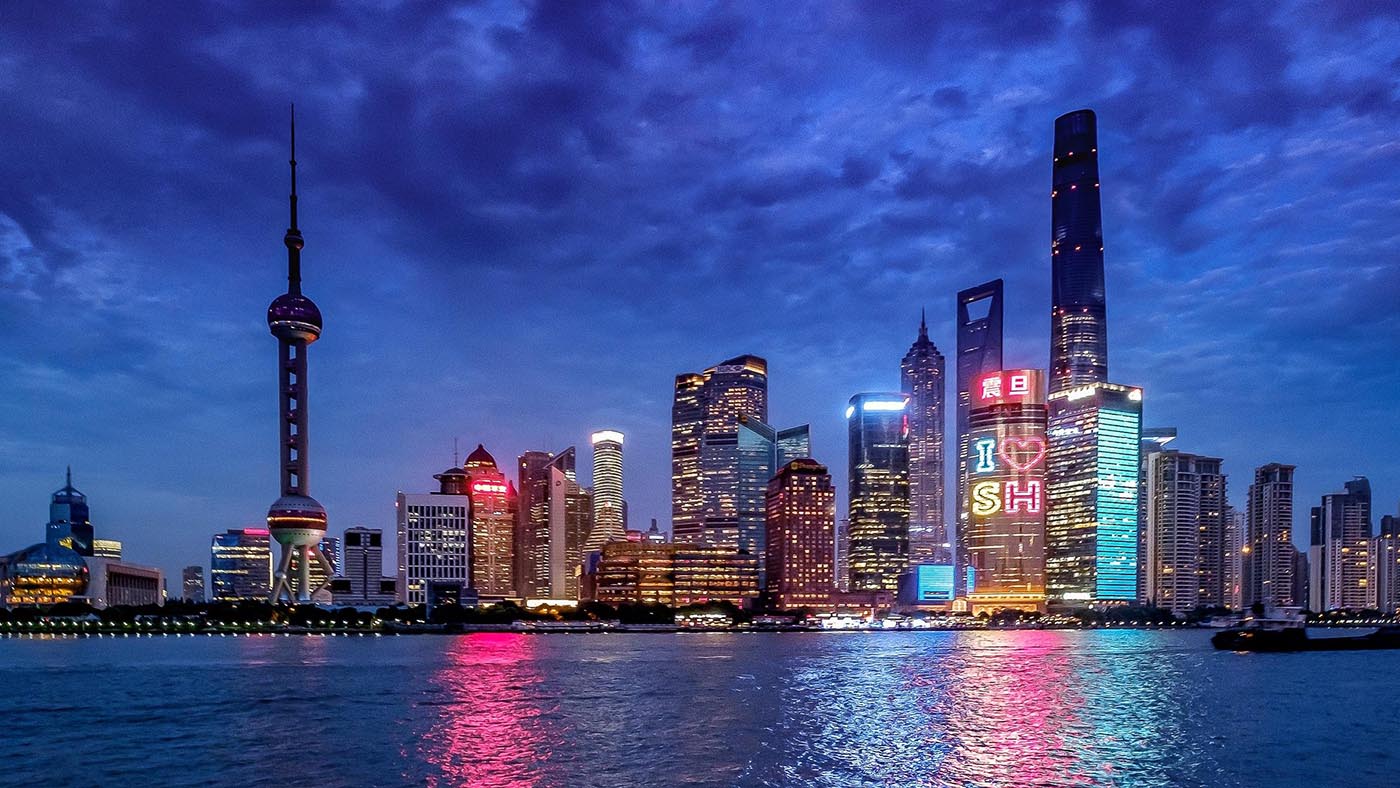
Stroll along the Bund to admire Shanghai’s colonial architecture, from 1850s trade houses to glamorous 1920s Art Deco buildings. This waterfront promenade showcases the city’s rich history and cultural heritage, contrasting with the futuristic Pudong skyline—an iconic Shanghai attraction for photography and history lovers.
- Breakfast , Lunch
- Private Van
- English-speaking guide services as per itinerary
- Enjoy a private drop-off from your hotel, with a guide accompanying you and assisting throughout the transfer to your airport/train station
- Breakfast
- Private Van
- English-speaking guide services as per itinerary
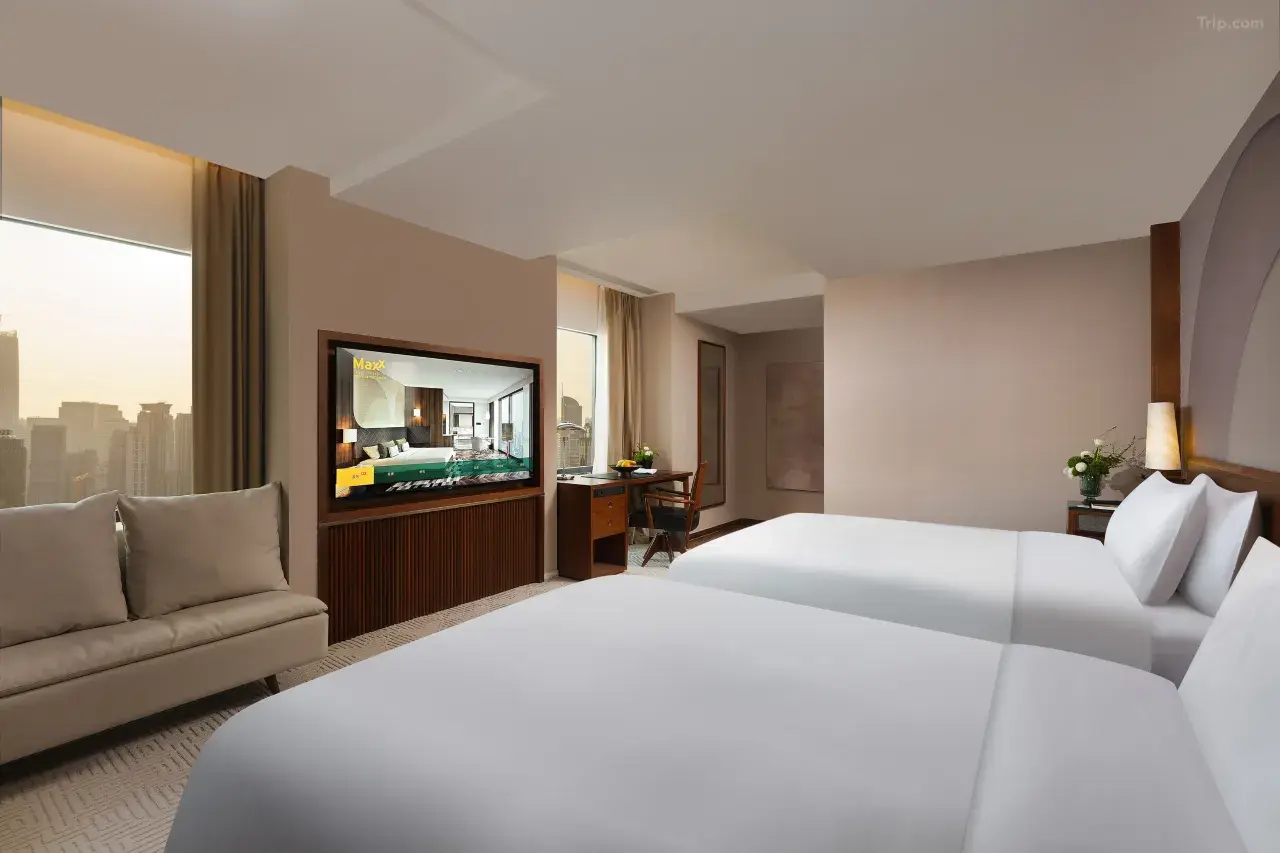
Accommodation
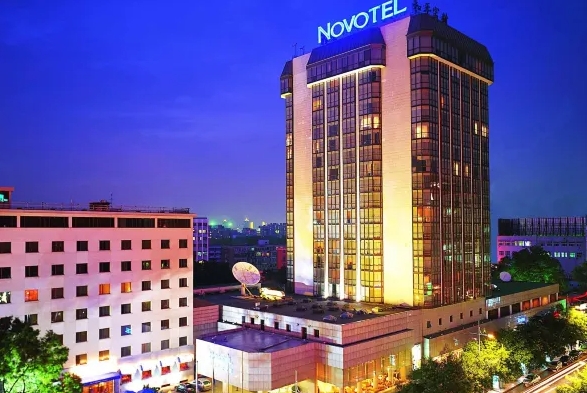
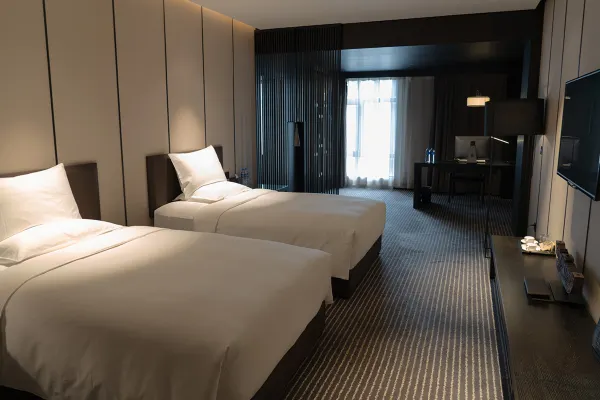
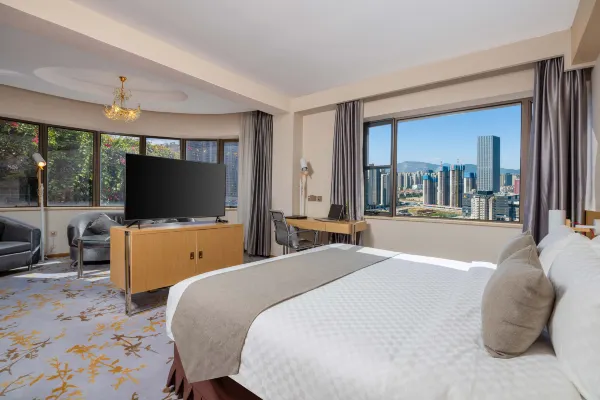
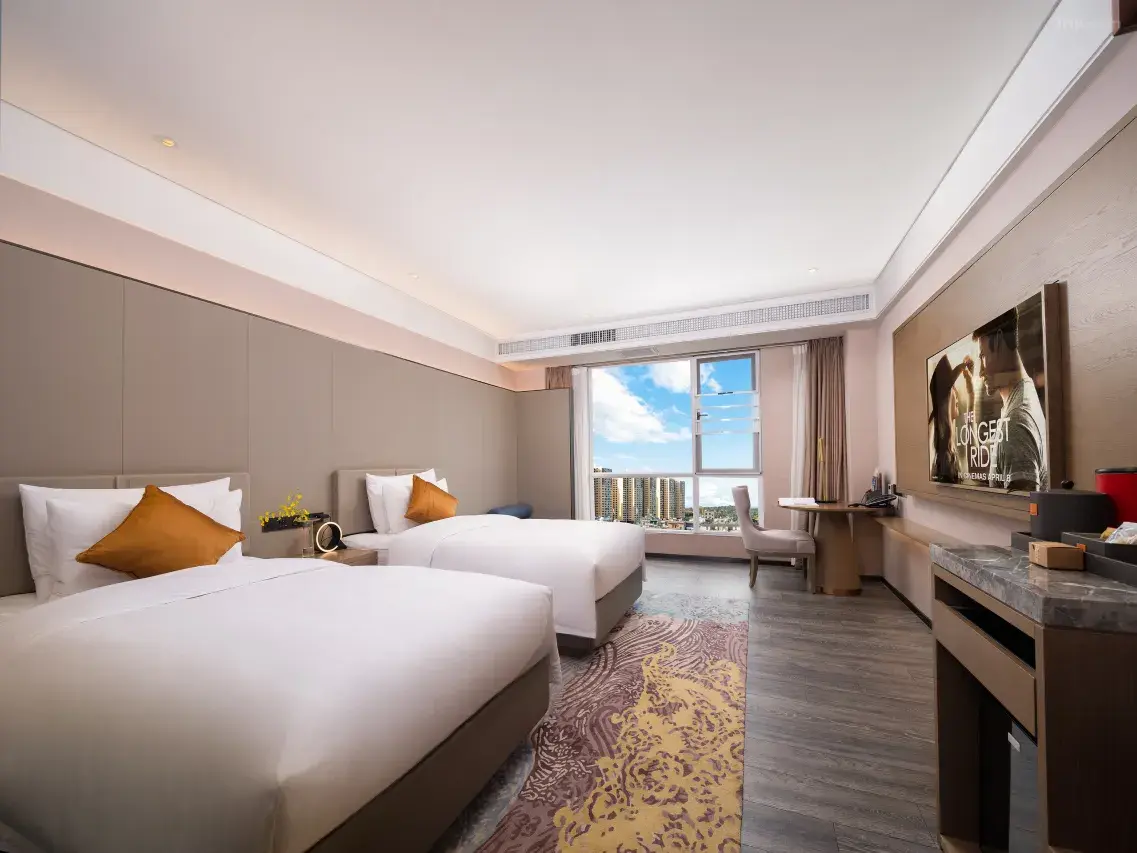
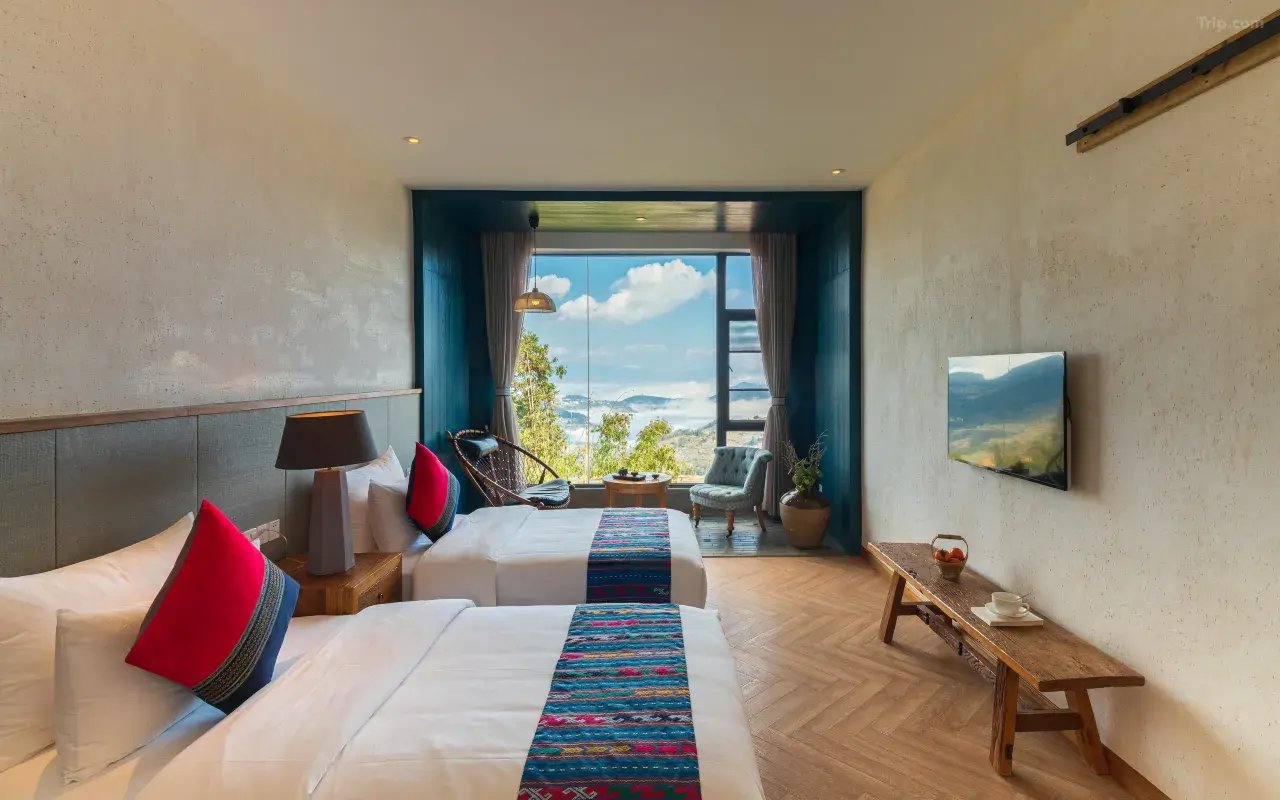
We draw from a wide range of hotels on our holidays, each one is chosen to suit the tour you are travelling on meaning your accommodation can range from a smart business hotel in one city to a family run guesthouse in a smaller town. Here are some examples of the type of hotel you can expect to find on this tour.
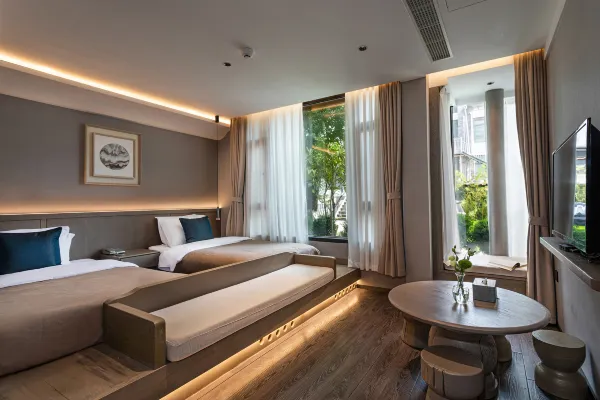
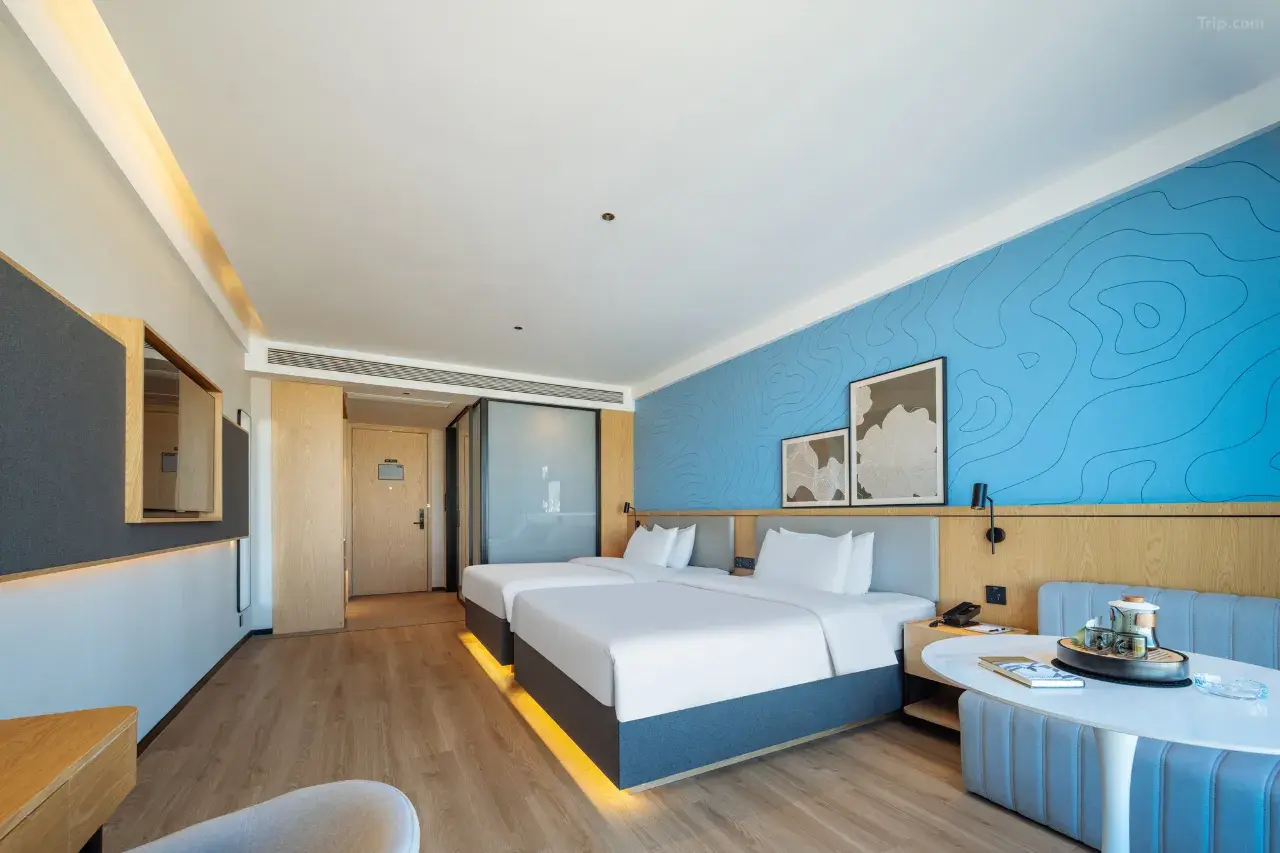
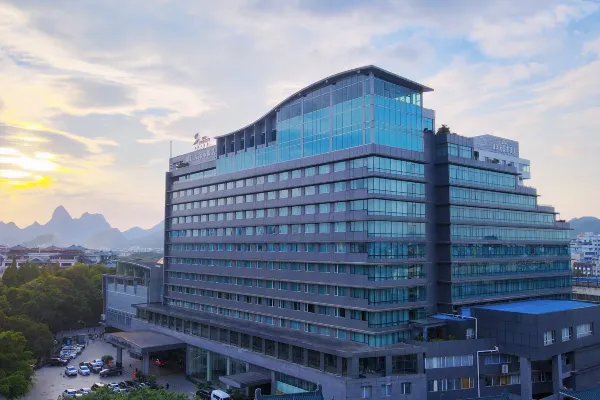
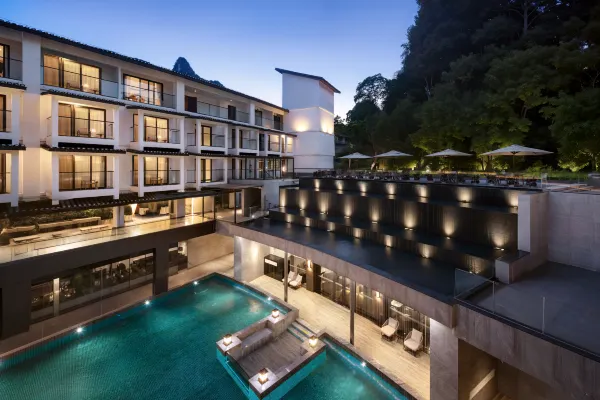
Tour Price
From AU$ 7,720 pp
Based on a private tour for 2 people including accommodation, local transportation and guided sightseeing/activities. Price may vary depending on the itinerary, travel date, number of travellers and selected hotel category.
Price Excludes:
- International flights
- The meals not mentioned in the trip plan
- Personal expenses
- Travel insurance, and repatriation insurance
- Optional excursions, activities, and optional tours
- Reservations marked as "reserved by traveler" are reservations that the traveler is responsible for directly.These items are not reserved or supported by kimkim and are included in the trip plan just for completeness.
- Any charges due at the hotel include local city taxes
Clients Reviews
★
★
★
★
★
We had an absolutely amazing trip!!! Every detail was meticulously planned by Ben. From our great drivers and guides to having the last seat of the bullet train reserved for our extra luggage. I never would have thought of doing that but it was a huge help since we bought a lot of souvenirs! Peter was our guide in Tokyo and Mt Fuji and he took the most beautiful photos of my daughter and I. It was so nice to be in the pictures instead of behind the camera and I am so thankful for those memories.We ate at several local restaurants that were fantastic and we were the only tourists there. I would never have found these places without my guides Peter and Takizawa.Peter and Takizawa went above and beyond my expectations as guides and Ben was so accommodating to my teenage daughters many requests and planned everything out so perfectly. The drivers were always on time and let me know their plate numbers and names on WhatsApp. They always offered to carry our luggage and were very polite. The cars were always clean and they drove safely. I was so happy that I didn't have to drive in that insane traffic!I could never have planned this on my own and I am so happy that I chose Three Bears Travel!

Miriam P.
May 02, 2026
★
★
★
★
★
I worked with Ben for a number of months to personalize a very special trip to Japan. He could not have been more accommodating, and he answered every question in a timely manner. He made wonderful suggestions, and we weren't disappointed anywhere along the line. We had three different guides, Ursula, Sorata, and Pitt - each lovely and knowledgeable. We enjoyed spending our days with them very much. Everything promised was delivered, and even more. Ben even arranged for a birthday cake for me - a delightful surprise. Our time in Japan was filled with wonderful memories, beautiful experiences, and gracious interactions. We can’t wait to come back!
Karen K.
May 02, 2026
★
★
★
★
★
We had such a memorable time in Japan. Ben really understood what my family's interests were and chose fantastic locations and experiences for a first trip to Japan. Our guid in Tokyo, Yoko was very knowledgeable and efficient at zigzagging us all over the city.In Kyoto, Ursula was amazing and was able to sneak in a few extra stops to maximize the sakuras at their peak. She was also helpful in giving us some tips on where to go in Osaka.
Lauren M.
Apr 26, 2026
★
★
★
★
★
THANK YOU for the trip, it was SO well planned, and clearly a LOT of thought went into it. We are so grateful, and we are now big Three Bears Travel fans! We travel a LOT, to all kinds of crazy places! It is unrealistic to travel across the world and expect things to NOT go wrong. What matters, and why we work with travel professionals like you, is to have support and back up when things DO go wrong – THAT is what matters! Three Bears Travel seamlessly fixed an issue on our travels, and they are THE BEST, and you can travel worry-free! Our planner Ben was remarkable - attentive, knowledgeable and friendly, and our guides Roy, H and Piter were exceptional. 10/10, DO recommend! Thank you, team Three Bears Travel, for an amazing experience and incredible 'whatever it takes' service!
John F.
Apr 23, 2026
★
★
★
★
★
My wife and I are celebrating our 10 year anniversary this July and I knew early on that a family of four trip to experience Japan for the first time together would be a once in a lifetime event. I knew well enough that I would not be able to plan and execute such an important trip myself so I feel so grateful that I stumbled upon Three Bears Travel and hit the ground running. Ben was my wonderful trip planner and from the first interaction, he was so extremely helpful and patient with my 1,000s of questions and itinerary changes. I wanted this Japan trip to be something that would be relatively stress free for me and my wife but also contain a variety of activities and experiences that our entire family would enjoy. Working with Ben to plan the entire trip was such a breeze. I felt completely at ease and comfortable with Ben's recommendations and suggestions. Every part of the trip was designed and planned wonderfully. From the meticulous selection of amazing hotels across the spectrum of Japanese styles (ryokan, onsens, apartment-style, mountain resorts) to all the fun hands-on activities for adults and kids alike (sushi-making, samurai museums, sumo shows, etc), this was a trip that none of us will ever forget. And I would be remiss without mentioning our incredible tour guides, Peter and Ursula. Peter was so on task and schedule with us during our Tokyo days and he was so patient and gracious with our children throughout the tours. I can't count how many times he and I would be carrying my napping daughter still in her stroller up and down various train station steps over multiple stations and transfers. He never failed to take care of our every need in this unfamiliar place. We had zero stress with Peter around that allowed us to soak up the joy of the experience 100%. Ursula was our amazing tour guide (and pseudo member of the family) in Kyoto/Osaka. Our family hit it off with Ursula right from the get go and she was always so flexible with our minor changes in scheduling and events as we did our best to adapt to our children's energy levels and attention spans. The extremely hot weather in Japan also put added pressure on everyone but both Ursula and Peter were always ready to lend a hand and make sure we all stayed healthy and happy throughout. This trip was planned as perfectly as I could have imagined and I owe Ben/Peter/Ursula/Kimkim a huge thank you on behalf of my entire family. The next time we want to take another adventurous trip, I would not hesitate for one second to work with Three Bears Travel again. I also highly recommend to anyone who wants to plan a milestone trip like ours without the hassle and stress. Thank you again Three Bears Travel team! Until we meet again!
Eric, Wanee, Easton, and Esther
Mar 10, 2026
★
★
★
★
★
Everything went off just as planned, and we were all pleased. Our guides were all great and went out of their way to see that we saw more, especially when they found out that we were not interested in the more highly crowded places. They patiently answered our questions and saw to our needs. Ben, our specialist, could not have been more attentive to our frequent questions and concerns. He was able to change events based on our interests even as the date of our departure approached. The only thing I would have changed is deleted some of the more crowd-impacted locales such as Nikko and put in more off the beaten path trips like our monastery stay in Minobu and the marvelous animated Festival Float museum in Takayama that our guide added in when he picked up on our interest. We learned and enjoyed much more in the less crowded venues, but this is Japan where it is truly hard to avoid the hoards of tourists. Overall, it was a wonderful trip. This is the second time Ben has helped us with a trip, and I will certainly turn to him again for any future trips.
Susan
Mar 05, 2026
★
★
★
★
★
Both of our guides were good. One we were with shortly and was a more focused day of getting to many places. He did a good job of coming up with some additional day of options and a great lunch rec. Young we had for 4 days and we really liked her. She was a bit soft spoken /quiet but very nice and knowledgeable and we found if we asked lots of questions we got lots of history and current info about not only the places she took us but also modern Japan life. Really enhanced our trip to learn about the history, shrines and temples. Getting around by train /bus was great for us and she had to work harder than if we had driver to navigate public transport for sure. Hotels were all nice. It was great. The only note is to warn guides we will want lots of restaurant recs (as where we’ll be is not always areas they’ve eaten. We had good luck using tablelog and AI ) and the food at the Hakone onsen was not very good. But we went out for great meals nearby.
Debbie J.
Mar 01, 2026
★
★
★
★
★
We just returned from our anniversary trip to Japan, and I can say with complete confidence that booking through Three Bears Travel was one of the best travel decisions we’ve ever made. In fact, this is our third trip using Three Bears Travel. From the very first planning email to the final farewell in Osaka, the entire experience was seamless, personal, and unforgettable.Ben, our travel specialist, was phenomenal. He helped us build the perfect itinerary—listening to everything we wanted, adding thoughtful suggestions, and tweaking the schedule along the way to fit our style. Thanks to him, our trip struck the perfect balance of culture, food, adventure, relaxation, and those “wow” moments we’ll be talking about for years.And then there were our guides: Peter and Ursula.These two were an absolute gift to our journey.Peter, our Tokyo & Hakone guide, made navigating Japan’s transportation system feel effortless. He taught us subway skills worthy of a Mario Bros. level-up, showed us how to experience Shibuya Crossing like locals, and gave us incredible historical context at temples and shrines. He even congratulated me on my sumo match at the lunch show (yes… I stepped into the ring and no, my training was not focused enough 😂).Ursula, our guide through Kyoto, Nara, and Osaka, was equally fantastic. From sake tastings in Fushimi to zen moments at the Golden Pavilion, she blended humor, storytelling, and deep cultural knowledge in a way that made every day feel like traveling with a friend. She helped us navigate the language barrier, made sure we didn’t get lost on trains, and offered endless tips to help us blend in better than we probably deserved. Both guides were great to pack in as much adventure each day while still leaving us with free time to roam and explore on our own.Every single day was packed with memorable highlights, many of which Three Bears Travel helped coordinate:✨ Sushi-making with a 4th-generation master (we are now “certified” Nigiri makers and have enough footage for a full-length documentary).✨ A tea ceremony and learning to whisk our own matcha at a university.✨ Visiting a capybara at a café—one of Emily’s bucket list items.✨ Riding the bullet train to Kyoto with snacks in hand and Mt. Fuji peeking through the clouds.✨ Walking through Arashiyama’s bamboo forest and a rickshaw ride through its historic streets.✨ A full cultural immersion day in Fushimi Inari, weaving through the famous vermilion torii gates.✨ A relaxing soak and stay in Hakone with incredible views of Mt. Fuji.✨ Exploring Osaka Castle and ending our trip at the Umeda Sky Building with panoramic nighttime views.And beyond the excursions, the guides helped us handle everything—from ordering meals to using the Suica card. They answered every question, solved every hiccup, and made us feel completely supported the entire way.Three Bears Traveldidn’t just plan a trip—they helped create a collection of memories that feel like a chapter from our own personal, globe-trotting storybook.If you’re considering a trip to Japan—especially if it’s a special occasion—book with Three Bears Travel. Ask for Ben, and if you’re lucky, you’ll get Peter and Ursula too. They helped make our anniversary adventure everything we dreamed of…and then some.Arigatou gozaimasu, Three Bears Travelteam.We’re already thinking about following the green light to our next chapter.—Ray & Emily
Ray & Emily
Feb 22, 2026
★
★
★
★
★
We wanted a customised trip instead of a standard tour group, and Three Bears Travel delivered exactly that. Norman took the time to understand what we liked and built an itinerary around food, shopping, and local experiences. It felt personal and flexible, not like a cookie cutter package.
Tom Harris
Feb 01, 2026
★
★
★
★
★
A huge thank you to Louise and Three Bear Travel for crafting such a fantastic Japan itinerary! Every moment was well thought out - whether it was the serene temples of Kyoto, the bustling streets of Tokyo, or the delicious food tours. The guides were knowledgeable, and the accommodations were excellent. We couldn’t have asked for a better travel experience!
Emily Carter
Feb 01, 2026
Travel Inspiration for Your Journey
Handpicked stories, guides and insights to help you shape your personalised trip. More...

Related Recommends

Enquire Now