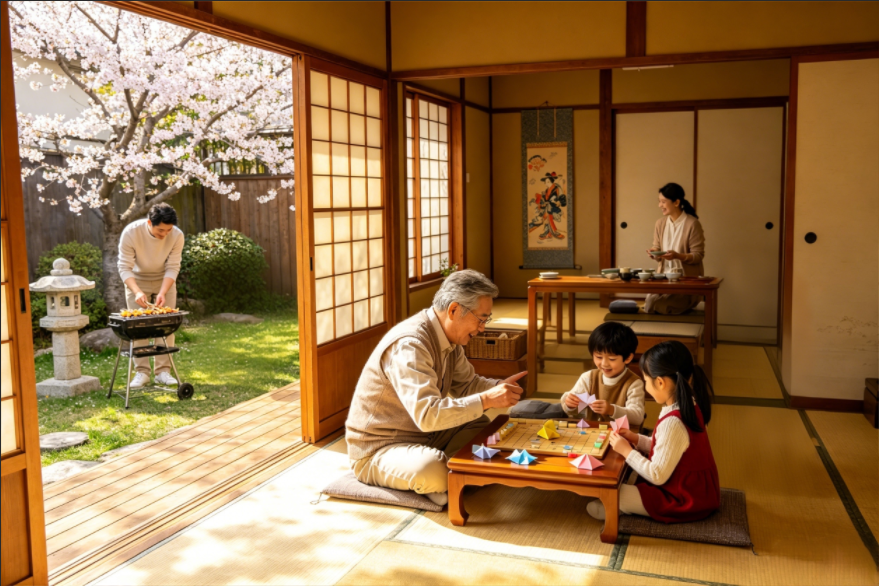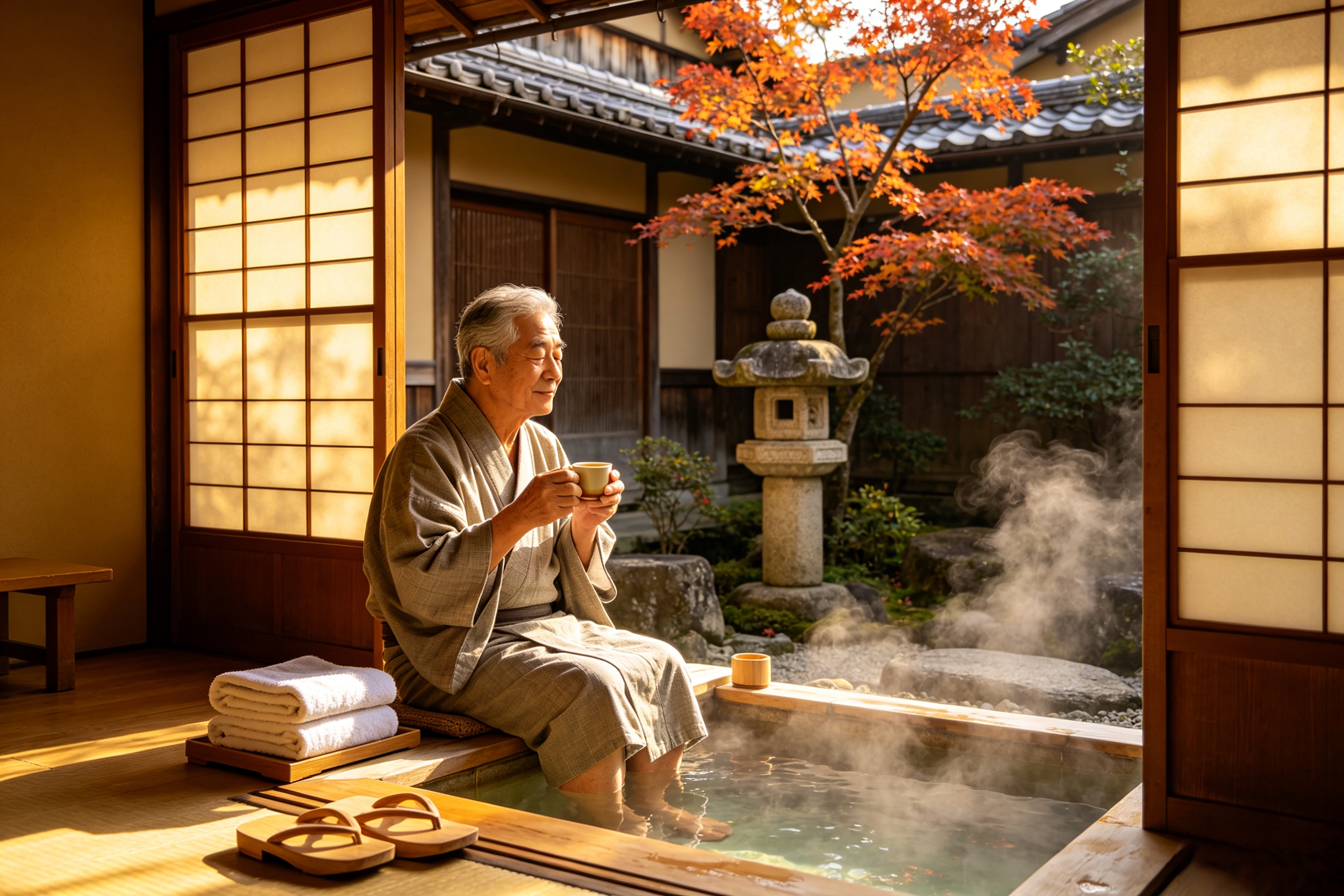
Kyoto rewards patience. That is exactly why it suits older travellers so well.
Many cities tempt visitors into rushing from one landmark to the next, collecting photos and ticking boxes. Kyoto asks for something gentler. It asks you to pause in a temple garden, sit quietly before a rock arrangement, notice the steam rising from a bowl of matcha, and let a neighbourhood reveal itself at walking pace or from the seat of a rickshaw. For kyoto elderly travellers, that shift in rhythm can turn a busy holiday into something far more memorable.
If you’re seeking a thoughtfully curated experience, Three Bears Travel specialises in accessible, meaningful journeys for senior travellers, ensuring every moment in Kyoto is comfortable and memorable.
 Why Kyoto suits senior travellers so well
Kyoto is often described as Japan’s cultural heart, yet its real strength is not just the number of temples or historic streets. It is the city’s capacity for depth. You do not need to see ten famous places in a day to feel that you have seen Kyoto properly. One carefully chosen garden, one meaningful ceremony, and one well-paced meal can say more than an overloaded itinerary ever could.
That is why kyoto slow travel makes so much sense. Older travellers often value comfort, context, and time to absorb what they are seeing. Kyoto offers all three. The city has many manageable experiences, reliable transport, excellent hospitality standards, and a strong culture of attentive service.
It also helps that many of Kyoto’s most satisfying moments happen while sitting still.
After a relaxed morning in a garden or historic district, the day can continue without strain. A private vehicle between districts, a guide who knows where seating is available, or a shorter sightseeing plan can make the city feel calm rather than demanding. For many kyoto seniors, this is the difference between enduring a destination and truly enjoying it.
A few features make the city especially appealing:
· Flat temple grounds
· Scenic districts with short walking routes
· Thoughtful hospitality
· Pacing: many cultural activities naturally unfold slowly
· Access: a growing number of venues can arrange chairs, ramps, or easier entry routes
· Depth: fewer stops often lead to a richer experience
Kyoto accessible tourism at temples and gardens
Kyoto has more than enough grand sights, though not all of them are equally suitable for every traveller. The best approach is not to chase fame alone. Choose places that offer beauty without unnecessary exertion.
Nijo Castle is an excellent starting point for kyoto accessible tourism. Parts of the complex are flat and manageable, and the grounds allow visitors to take in architecture and history without facing steep climbs. The wide spaces also make it easier to move at your own pace, whether you prefer a slow stroll or regular seated breaks.
Kinkaku-ji, the Golden Pavilion, remains one of the city’s strongest options for older visitors. The walk to the best view is relatively short, and the reward is immediate. You arrive, the pavilion appears across the pond in brilliant reflection, and Kyoto’s sense of composed beauty becomes very clear.
Ryoan-ji offers something different. Its famous rock garden is not about movement at all. It is about attention. Sitting on the viewing platform and spending a few quiet minutes with the composition can be one of the most powerful cultural experiences in the city. There is no need to do much. The garden does the work.
Arashiyama can also suit older travellers when timed well. The bamboo grove is flat, but crowds can change the experience completely. An early visit is the smart choice. When the path is quiet and the air is cool, it feels spacious and manageable. Later in the day, it may become tiring.
The table below gives a useful sense of how a few popular sites compare.
|
Kyoto experience |
Walking level |
Accessibility notes |
Best for |
|
Nijo Castle |
Low to moderate |
Flat sections, broad paths |
History, architecture |
|
Kinkaku-ji |
Low |
Short walk to key viewpoint |
Iconic Kyoto scenery |
|
Ryoan-ji |
Low |
Good for seated contemplation |
Quiet reflection |
|
Arashiyama bamboo grove |
Low |
Flat route, best early |
Nature and atmosphere |
|
Gion backstreets |
Low to moderate |
Better with a guide or rickshaw |
Traditional streetscapes |
For kyoto elderly travellers, the key is not to ask, “What are the most famous places?” A better question is, “Which places let me enjoy Kyoto in comfort, with enough time to take it in?”
Kyoto tea ceremonies for seniors who want a meaningful cultural experience
A tea ceremony can be one of the most memorable parts of a Kyoto visit, especially for travellers who prefer substance over spectacle. This is not a performance to rush through. It is a structured, quiet practice centred on presence, movement, hospitality, and appreciation.
That slower rhythm is exactly why it resonates with many kyoto seniors. The sounds are soft, the gestures are careful, and each stage has purpose. Watching the tea being prepared becomes calming in itself.
Some travellers worry that a tea ceremony always requires sitting on the floor. In many reputable tea houses, chair seating can be arranged if requested in advance. That small detail matters a great deal. It means the experience stays accessible without losing its sense of tradition.
A little preparation helps you choose the right setting:
· Seating: ask for chairs rather than floor seating if knees or hips are a concern
· Duration: most ceremonies run for 45 to 60 minutes
· Language: check whether basic explanation is offered in English
· Setting: a smaller tea house often feels more personal and less formal
· Morning sessions
· Quiet neighbourhood venues
A good tea ceremony gives older travellers something many major attractions do not: stillness with meaning. You are not just watching a custom from the outside. You are participating in a cultural practice that values care, humility, and attention.
If you want to ensure your tea ceremony is accessible and meaningful, Three Bears Travel’s Kyoto tours can arrange experiences tailored to your needs, including chair seating and English explanations.
 Kyoto rickshaw seniors can enjoy without the walking load
Some of Kyoto’s most beautiful districts are also the ones that can be tiring on foot. Gion and Higashiyama are full of stone lanes, traditional shopfronts, temple gates, and views that change with the light. They are lovely, though they can be less enjoyable when the legs are already tired.
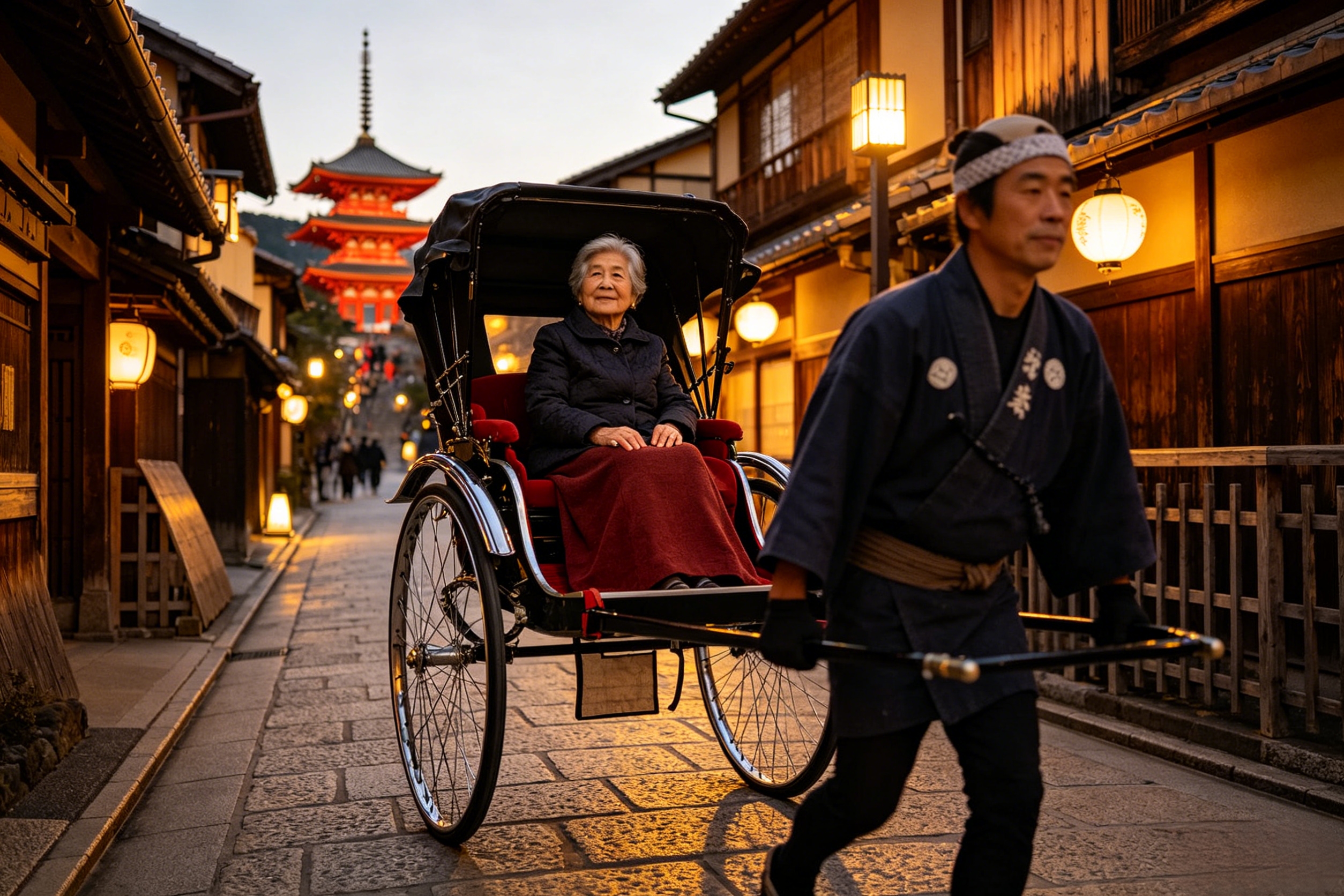
This is where kyoto rickshaw seniors often find one of the best options in the city. A jinrikisha ride gives you a seated, guided way to move through historic streets while still feeling close to the setting. You are not cut off behind a bus window. You are right there in the atmosphere, hearing the sounds of the district and taking in details at a human pace.
Late afternoon is often the best time. The softer light brings warmth to timber facades and lantern-lined lanes. At dusk, Higashiyama feels almost cinematic, though the charm is real rather than staged. A skilled rickshaw guide can also share local stories, point out hidden details, and adjust the route according to comfort.
For couples and small groups, a rickshaw ride can work beautifully as a bridge between sightseeing and dinner. It removes the pressure of more walking while still allowing the day to keep unfolding.
A gentle Kyoto to Nara day trip for elderly travellers
Not every day in Kyoto needs to stay within the city itself. Nara is close enough to make a very easy excursion, and for many older visitors it offers a pleasant change of pace.
The trip takes about 40 minutes by express train, making it quite manageable. Once there, the atmosphere is more open and spacious than central Kyoto. The parkland gives the day a lighter feel, and the famous deer add warmth and humour without needing much explanation.
Todai-ji is the main cultural draw. Its scale is extraordinary, yet the visit itself can remain fairly manageable with modest walking. For travellers who like history but do not want a demanding schedule, Nara works well because the major experiences are clear and concentrated.
The deer park is also surprisingly relaxing. Feeding deer, watching families interact with them, and walking slowly through broad green areas offers a softer sort of sightseeing. It suits those who want something memorable without intensity.
When planning the day, it helps to keep expectations realistic:
· Transport: take an express service or arrange a private transfer for extra ease
· Timing: leave early enough to enjoy the park before it becomes busier
· Walking: keep the route focused on one or two key sights
· Deer feeding
· Bench breaks
· A relaxed lunch before returning to Kyoto
Dining in Kyoto at the right pace
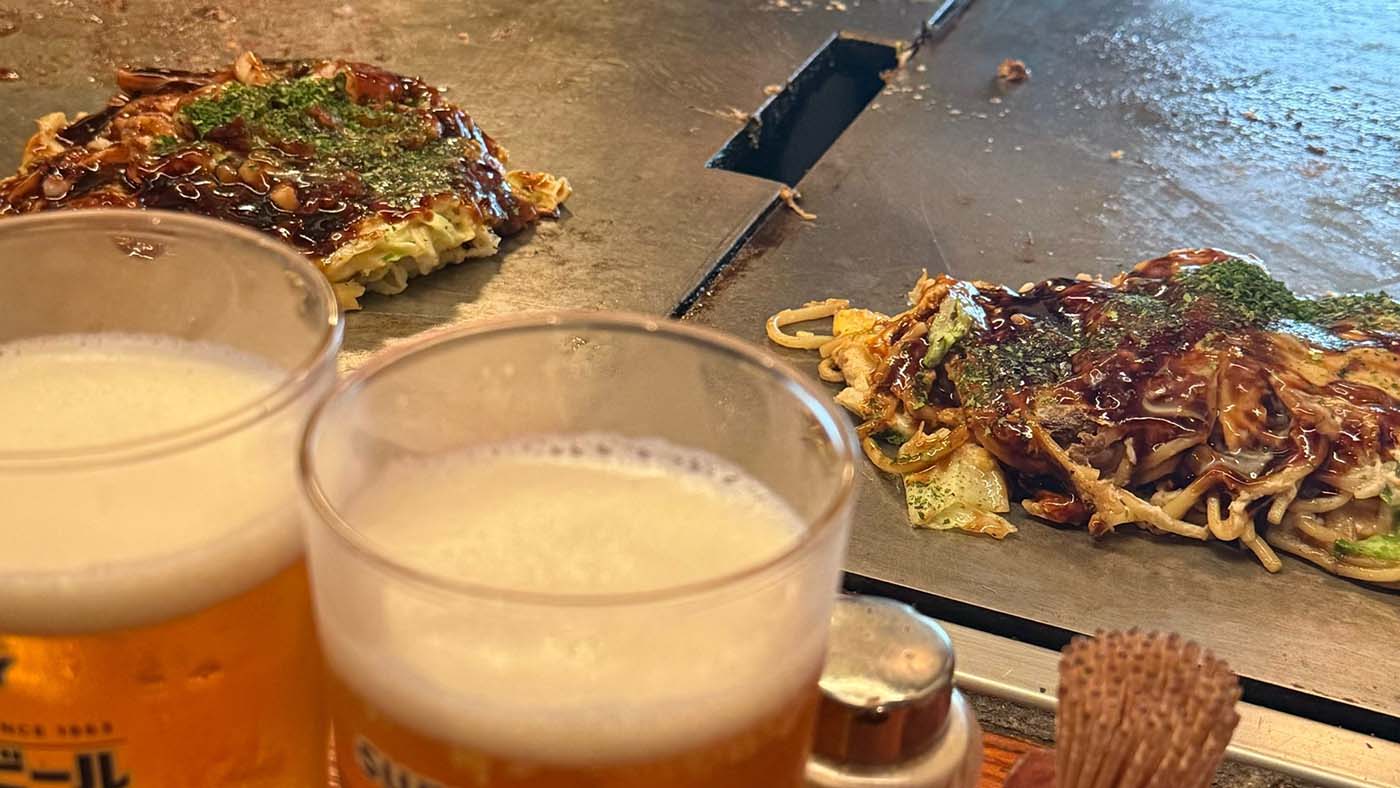
Kyoto is one of Japan’s great food cities, yet older visitors do not need to chase hard-to-book restaurants or formal dining rooms to eat well. In fact, one of the smartest choices is often a lunch kaiseki rather than dinner.
Lunch menus can be lighter, less expensive, and easier to fit into a restful day. You still receive the progression of seasonal dishes and careful presentation that Kyoto is known for, but without the heavier feel of a long evening meal. For many kyoto elderly travellers, that balance is ideal.
Seating is worth checking before booking. While some traditional restaurants use floor seating, many can provide chairs or table seating. This is a simple request, though it should be made ahead of time. English menus are also available in more places than many first-time visitors expect.
A well-paced meal becomes part of the sightseeing rather than a break from it. The cuisine reflects the city’s wider character: restrained, thoughtful, and centred on appreciation rather than excess.
Practical planning tips for kyoto seniors
Good planning shapes the whole experience in Kyoto. The city can feel easy and welcoming when the day is built around comfort, but even beautiful places become tiring when too much is packed into the schedule.
The first principle is simple: plan fewer stops. Two strong experiences in a day are often enough, especially if they include travel time, a proper meal, and some seated rest. Older travellers usually gain more from that approach than from trying to “fit in” one extra shrine or shopping street.
The second principle is to use support where it genuinely helps. A private guide, driver, or carefully tailored itinerary can remove the stress of station changes, queueing, and uncertain access. That matters even more for first-time visitors, travellers with mobility concerns, or couples who prefer a smooth experience from start to finish.
A few details are worth confirming before you go out each day:
· Opening hours
· Toilet locations
· Taxi pick-up points
· Seating options: available at tea houses and restaurants
· Walking surfaces: stone lanes, gravel paths, or flat paved routes
· Weather planning: summer heat and winter cold can change comfort quickly
Kyoto does not ask senior travellers to keep up with the city. It rewards them for slowing it down. When the itinerary respects energy, mobility, and curiosity, the city feels generous rather than demanding.
That is the real promise of kyoto accessible tourism. Not seeing less, but seeing better. For a seamless, senior-friendly Kyoto experience, consider planning with Three Bears Travel, whose expertise ensures your journey is both accessible and deeply rewarding.
 Kyoto for Seniors: Frequently Asked Questions
Exploring Kyoto as a senior traveller can offer enriching experiences without the rush. Below are some common questions to help you plan an enjoyable and comfortable visit.
What makes Kyoto ideal for elderly travellers?
Kyoto’s slower pace, abundance of seated experiences, and accessible options make it perfect for seniors seeking a deeper connection with Japanese culture.
Is Kyoto accessible for those with limited mobility?
Yes, many attractions like Nijo Castle and Ryoan-ji rock garden offer flat surfaces and wheelchair-friendly paths.
Can I experience a traditional tea ceremony without floor seating?
Absolutely. Many tea houses provide chair seating if requested in advance, allowing you to enjoy the ceremony comfortably.
What is the best way to explore Kyoto's historic districts for seniors?
A rickshaw ride through areas like Gion provides a relaxed, guided tour with minimal walking.
Is a day trip to Nara manageable for senior travellers?
Yes, with a short express train ride and accessible sites like Todai-ji temple, Nara can be a gentle and rewarding excursion from Kyoto.
How can I enjoy Kyoto's culinary scene without long dinners?
Opt for a lunch kaiseki menu. It offers the same exquisite flavours in a lighter, more relaxed setting.