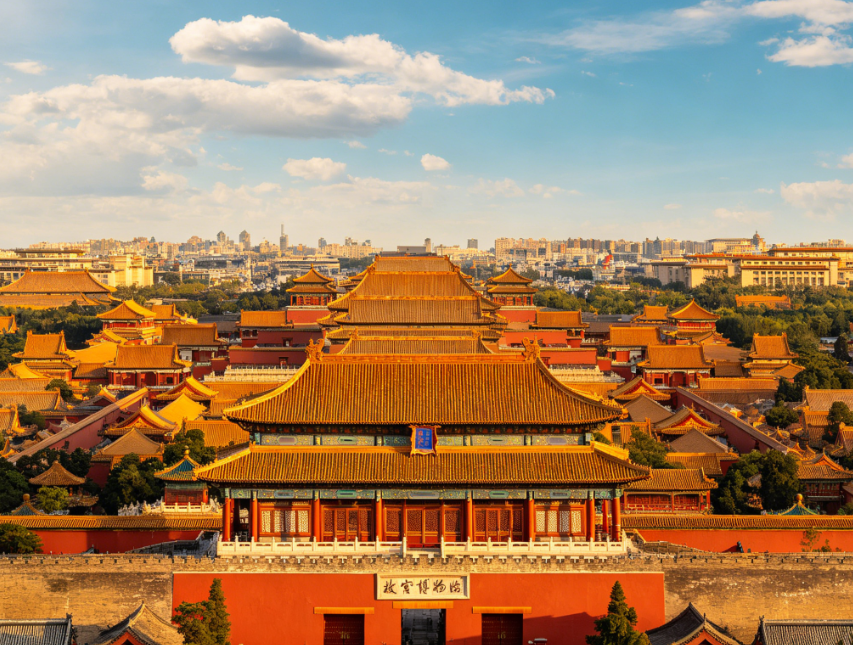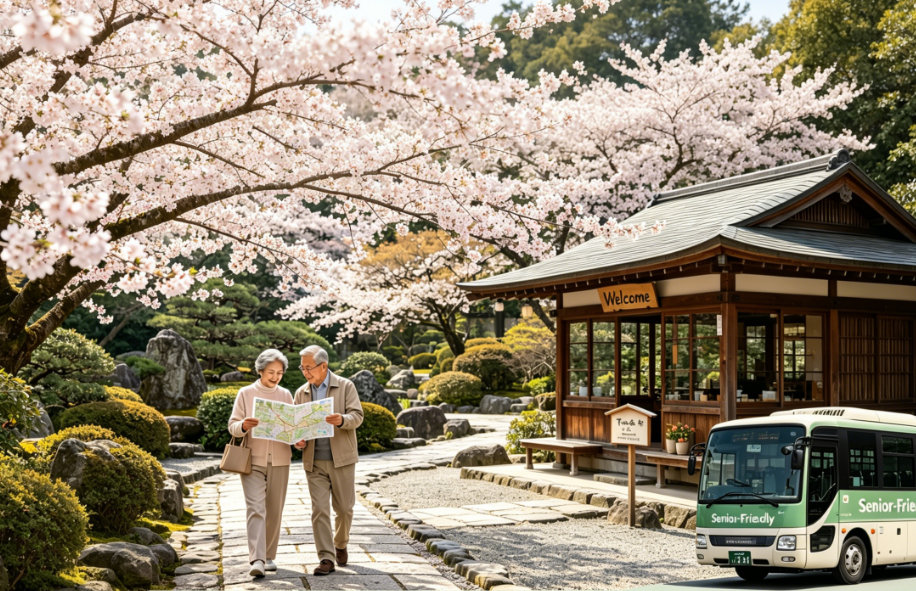
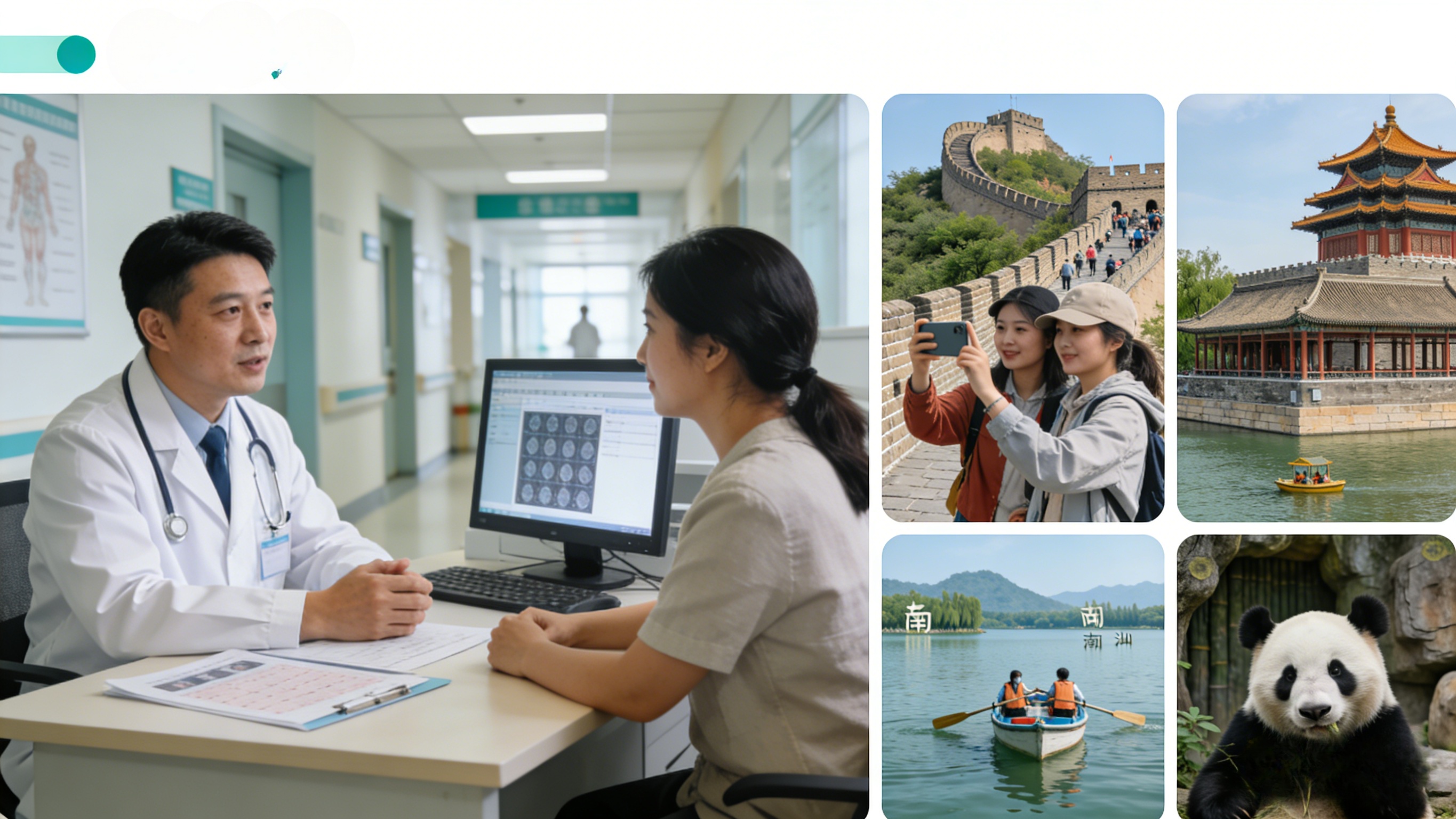
Travelling to China for healthcare can feel like a significant step. However, medical travel in China is becoming increasingly practical for visitors from Australia and New Zealand who are seeking access to major-city hospitals, specialist consultations, preventive screening, or carefully planned recovery stays.
When organised properly, medical tourism in China can be calm and structured. Medical appointments are scheduled clearly, accommodation is located near hospitals, and the rest of the journey can focus on restorative travel experiences rather than rushed sightseeing.
It also needs more rigour than a standard holiday. Medical schedules shift, test results can trigger extra consultations, and your comfort matters more than ticking off landmarks. The goal is not to squeeze everything in. It is to design a trip that respects your health first, then builds travel around it.
What makes China a serious option for medical travel
China’s top-tier healthcare capacity is concentrated in large cities, where leading hospitals and specialist clinics see high patient volumes and run sophisticated diagnostics. Many major facilities also operate international departments aimed at foreign patients, which can simplify registration, scheduling, and communication.
A different draw is breadth. Some travellers want Western-style screening and specialist care; others are curious about Traditional Chinese Medicine (TCM), either as a primary focus or as supportive care for sleep, stress, pain management, or rehabilitation.
One more factor is the travel experience itself: even a short stay can include meaningful cultural time, excellent food, and restorative scenery, provided the itinerary is built around energy levels rather than ambition.
Common reasons international travellers book care in China
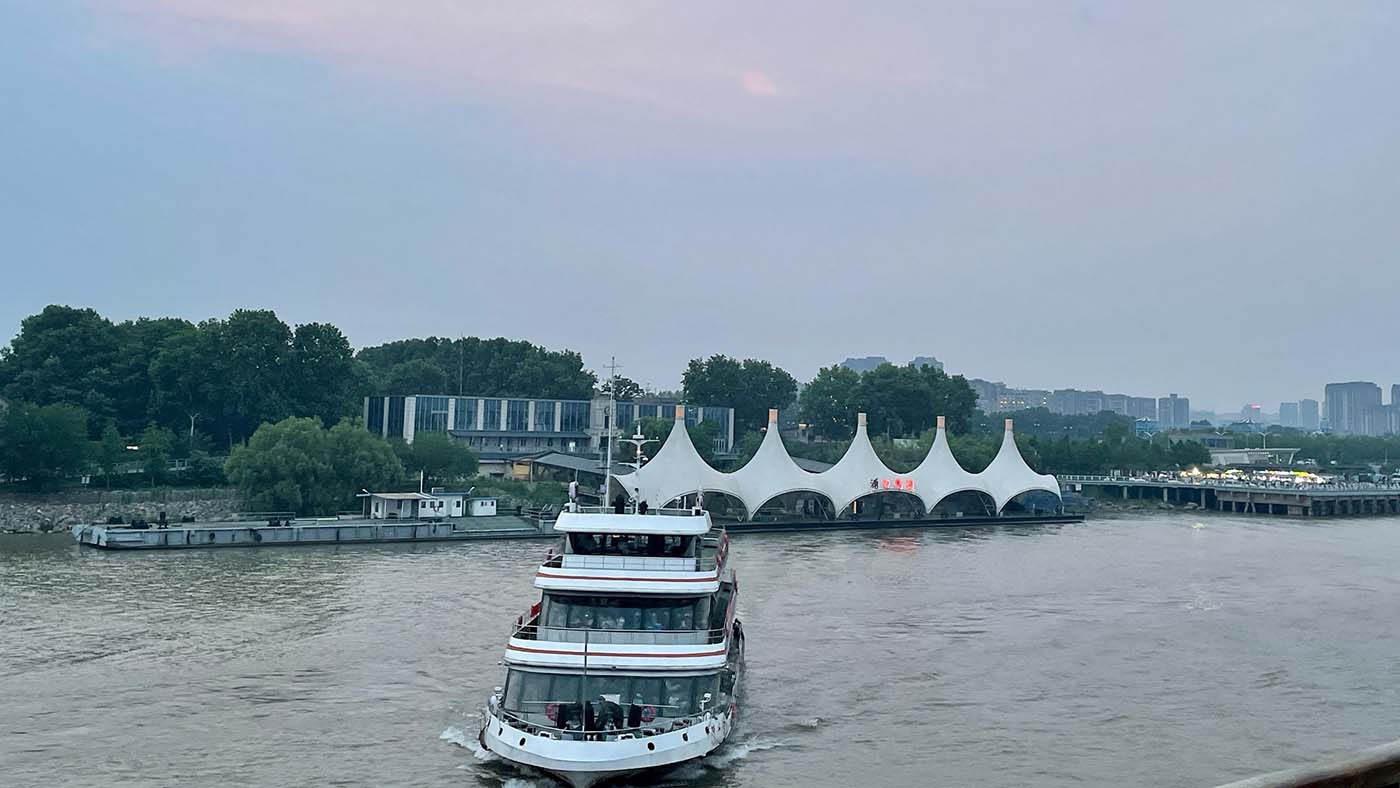
People arrive with very different goals. Some want a second opinion in a major hospital setting; others want a structured check-up with imaging and pathology; others want dental or eye care with a short recovery window. Wellness-focused travel can also include TCM consultations, acupuncture, tuina massage, or supervised lifestyle programs.
A useful way to think about it is to separate “time-critical medical care” from “time-flexible health improvement”. Both can work, yet they demand different pacing and contingency planning.
Many travellers keep their plans intentionally modest, especially for a first medical trip. That tends to reduce stress and leave room for follow-up appointments if your doctor recommends them once initial results come back.
Choosing the right city: match medicine, movement, and mood
In practice, the “best” city is the one that matches your clinical need, your comfort with language, and how much moving around you can manage. Most medical travellers start with China’s major hubs, where international departments, private clinics, and higher-end accommodation are easier to arrange.
The table below is a starting point for thinking through fit.
|
City |
Strengths for medical travellers |
Travel style that pairs well |
|
Shanghai |
Strong mix of international clinics, private hospitals, and high-end accommodation options |
Urban comfort, short day trips, relaxed pacing between appointments |
|
Beijing |
Major research hospitals and specialist depth |
Iconic heritage sights planned in short blocks with rest windows |
|
Guangzhou |
Large medical ecosystem and long-standing international patient flow |
Food-focused city breaks with nearby nature and warm-weather recovery |
|
Chengdu (often as a recovery add-on) |
Calm lifestyle, wellness culture, access to nature |
Gentle routines, parks, teahouses, easy-going post-appointment days |
When the treatment itself is in one city, a second city can still work, but usually only if recovery is straightforward and transport is simple. High-speed rail is comfortable, yet it is still effort on the body.
How appointments typically work (and where travellers get caught out)
China’s healthcare system includes public hospitals, specialist hospitals, and private or international clinics. International departments can feel more familiar to Australian travellers in terms of process and communication, though availability varies by city and specialty.
Two planning points matter more than most people expect:
· Medical documentation: bring recent scans, pathology, medication lists, and a clear clinical summary you can share quickly.
· Time buffers: allow room for extra tests, repeat imaging, or a follow-up consult once results are reviewed.
A single consultation can lead to next-day diagnostics, and diagnostics can lead to a new specialist referral. If your itinerary is too tight, you lose the advantages of being there.
Scheduling: build the trip around energy, not attractions
Medical travel works best when the itinerary has a clear “spine”: key appointment days are fixed, and the rest of the trip is flexible, quiet, and close to your base. Many travellers find it helpful to front-load the most active sightseeing, then taper into a calmer rhythm as medical days approach.
A simple pacing framework can help:
· Before appointments: light sightseeing that does not jeopardise sleep or hydration.
· Appointment and test days: minimal travel, short transfers, easy meals, early nights.
· After procedures: recovery-first planning with optional, close-by outings only if you feel good.
If you are planning anything that may involve sedation, significant dental work, or a procedure with swelling or mobility limits, treat the days after as protected time. Comfort becomes the itinerary.
Costs, payments, and what “value” actually means
Costs vary by facility type, specialty, and the level of interpretation and international coordination involved. Some private and international clinics have transparent packages for health checks; complex care is usually quoted after assessment. It is also common to pay at the point of service, sometimes in stages, depending on the facility.
Instead of chasing the lowest price, focus on what reduces risk and friction:
· Clarity on inclusions: what exactly is covered in a package, and what triggers extra fees.
· Communication support: professional interpretation and clear written outputs you can take home to your GP.
· Location fit: proximity between clinic, hotel, and any follow-ups, which can save both money and energy.
A well-placed hotel and a smooth transport plan can be worth more than a cheaper room an hour away.
Practical travel essentials: visas, insurance, and language support
Medical travel should start with admin, not inspiration. Visa requirements can change, and your timeline may need flexibility if you are waiting on appointment confirmations. Insurance is also more nuanced for medical trips: standard travel insurance may exclude pre-existing conditions or planned procedures.
A few practical checkpoints help keep the trip stable:
· Check insurance terms early: confirm what is covered for medical complications, trip changes, and post-procedure support.
· Plan for communication: not every facility will offer fluent English in every department, so interpretation is often the difference between confidence and confusion.
· Keep documents accessible: both digital and printed, including prescriptions and clinician letters.
This is general information, not medical advice. Always seek guidance from qualified clinicians about whether travel is appropriate for your circumstances, and confirm clinical plans directly with providers.
Blending treatment with travel in a way that feels good
China rewards slow travel. For medical visitors, that is good news. When you keep distances short and expectations realistic, cultural time can feel restorative rather than busy.
Many people enjoy experiences that are easy to pause or shorten:
· Quiet cultural visits: temples, galleries, traditional neighbourhood walks in short loops.
· Food as comfort: simple meals that suit your digestion, planned near your accommodation.
· Wellness add-ons: hot springs, gentle TCM therapies, or guided breathing and movement sessions (with clinical approval).
If you are adding TCM, treat it with the same seriousness you would any healthcare choice. Ask about practitioner qualifications, what herbs contain, and interactions with current medications.
A sample structure for a 10-day medical trip (adjust to your treatment)
Here is a planning model that suits many check-ups, consultations, or multi-step diagnostics. It keeps the clinical core stable while leaving room for rest.
|
Day range |
Focus |
Travel intensity |
|
Days 1 to 2 |
Arrival, recovery from flight, gentle orientation |
Low |
|
Days 3 to 5 |
Consultations, tests, imaging, results review |
Very low |
|
Days 6 to 7 |
Follow-ups, optional second opinions |
Low |
|
Days 8 to 9 |
Soft sightseeing, wellness activities, light shopping |
Medium (only if you feel strong) |
|
Day 10 |
Departure with document pack and clear next steps |
Low |
Some travellers prefer to reverse it: sightseeing first, clinical block second. That can work well if jet lag affects your focus and you want to feel settled before medical discussions.
Where a boutique travel planner adds real value
Medical travel planning sits at the intersection of logistics, comfort, and clear communication. A boutique specialist can coordinate timing, neighbourhood choices, private transfers, and day-by-day pacing so you do not have to problem-solve while you are unwell or tired.
Three Bears Travel, for example, designs private, tailor-made journeys across China and Japan, with English-speaking support and reliable local partners. For medical travel, that usually means building an itinerary that protects appointment windows, keeps accommodation close to care, and balances recovery time with cultural experiences that suit your energy. Their approach also suits short stays through “mini itineraries” that make a few days feel spacious rather than rushed, with 1-on-1 planning often turned around within 24 hours.
The most reassuring medical trips have a simple feel on the surface: the car arrives when it should, the hotel check-in is smooth, the clinic day is calm, and the rest of the itinerary gives you room to breathe. That simplicity is rarely accidental. It is designed.
FAQ for Medical Travel in China
As medical travel to China gains popularity, international travellers often have several pertinent questions. Below, we address some common queries to help you plan a successful and fulfilling trip.
Can foreigners seek medical treatment in China?
Yes, foreigners can access both general and specialised healthcare services in China, particularly in major urban centres with international departments.
Is Chinese healthcare affordable for travellers?
Cost varies by facility and treatment type. It’s crucial to consider not just price but also the quality of care and the support services included. If you’d like to learn more about how to pay for healthcare in China, see this detailed guide on paying for healthcare as a traveller.
How should I manage the language barrier?
Engage services that offer professional interpretation, especially in facilities where English fluency isn’t guaranteed.
What should I pack for a medical trip?
Bring comprehensive medical documentation, including recent scans and a summary of your health history, to facilitate communication with healthcare providers.
How do I find a suitable travel planner?
Look for boutique travel specialists with a track record in medical travel who can offer tailored itineraries that blend healthcare with cultural exploration. For example, Three Bears Travel specialises in designing customised China journeys that seamlessly integrate medical appointments with meaningful travel experiences, ensuring both comfort and flexibility for international visitors.