Japan rewards travellers who prefer depth over speed. For Australians planning a later-life holiday, it offers something rare: a destination that feels orderly, respectful and remarkably comfortable, while still being rich with culture, food and natural beauty.
That makes it ideal for a calm, well-paced holiday. A thoughtful Japan over 60 itinerary does not need to squeeze in every famous sight. It works better when each stop has room to breathe, when transfers are easy, and when the day still holds enough energy for a good dinner, a stroll, or a quiet soak before bed.
Why Japan suits senior travellers so well
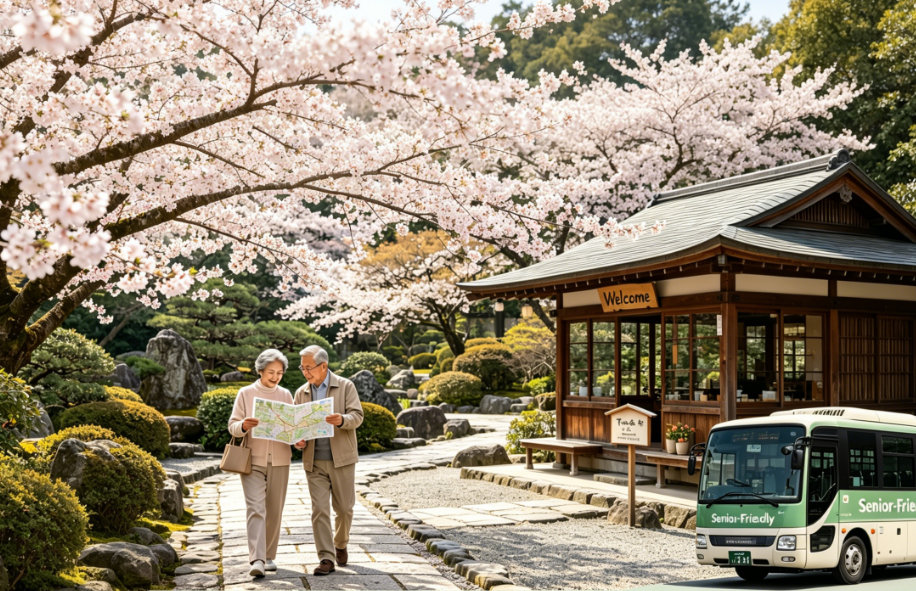
Japan is often described as efficient, though that only tells part of the story. What stands out to many mature travellers is the consideration built into daily life. Trains run on time, stations are clearly marked, hotels take service seriously, and public spaces are clean and well maintained. There is also a strong social respect for older people, which can make the overall travel experience feel gentler and more dignified.
For those researching japan senior travel australia, the appeal is practical as much as cultural. Japan has excellent healthcare, strong safety standards, reliable transport and a wide range of accommodation styles. If you prefer not to carry heavy bags through stations or manage constant hotel changes, it is very easy to build a comfortable trip around longer stays and private transfers. For those seeking a seamless experience, specialist operators like Three Bears Travel can arrange private vehicle hire with driver, ensuring door-to-door comfort and ease.
The details matter, and Japan gets many of them right.
· Priority seating
· Accessible toilets in major stations and public venues
· Pharmacies in city neighbourhoods and regional towns
· Clean taxis with professional drivers
· Hotel staff who are precise and courteous
· Good food options at every budget
 A 14-day slow travel Japan itinerary with comfort in mind
A successful slow travel Japan plan keeps moving days simple and avoids the temptation to over-schedule. Staying three or four nights in key places makes a visible difference. You unpack less, sleep better, and can enjoy a place without feeling as if you are always in transit.
The outline below is designed for a first or second visit, with no more than two major activities on most days. It favours comfort, scenic travel and shorter walking windows, while still giving a satisfying sense of Tokyo, mountain temple country, hot spring Japan and the classic cultural centres.
|
Days |
Base |
Pace |
Suggested focus |
|
1 to 4 |
Tokyo |
Gentle city start |
Neighbourhood touring, gardens, museums, easy dining |
|
5 to 6 |
Nikko |
Quiet and scenic |
Temple precincts, cedar forests, restful mountain air |
|
7 to 9 |
Hakone |
Restorative |
Ryokan stay, onsen, lake views, Mt Fuji outlooks |
|
10 to 12 |
Kyoto |
Cultural depth |
One district per day, tea houses, shrines, private guiding |
|
13 to 14 |
Osaka |
Relaxed finish |
Food, shopping, departure with easy airport access |
Tokyo for senior travellers: four calm days
Tokyo works best when treated as a collection of villages rather than one giant city. Instead of trying to “do Tokyo”, choose one area in the morning and one in the afternoon, with a proper break in between. A good first day might include a slow wander through a garden or shrine precinct, then an early night to settle into the time zone.
Over four days, there is time for a balanced rhythm. One day might centre on Asakusa and a river cruise, another on Meiji Shrine and Omotesando, and another on a museum with a café stop and department store food hall visit. For senior friendly Japan planning, Tokyo is more accommodating than many people expect. Major hotels usually have lifts, concierges and western-style beds, and taxis are plentiful when trains feel like too much effort.
 Nikko for a softer change of pace
After Tokyo, Nikko brings a welcome shift. The air is cooler, the light softer, and the atmosphere more contemplative. Temple and shrine complexes are surrounded by tall cedar trees, and the town itself has a calmer rhythm that suits travellers who want scenery and culture without the constant movement of a capital city.
It is reachable from Tokyo by train, though some travellers prefer a private transfer for door-to-door ease. A two-night stay allows time to see the heritage sites without rushing and to enjoy the mountain setting at a measured pace.
Hakone for rest, views and hot springs
Hakone fits beautifully into a japan elderly travellers guide because it combines comfort with scenery. A good ryokan stay can become one of the highlights of the whole holiday: tea on arrival, a spacious room, a mountain outlook and a long dinner taken slowly.
This is also where the trip deliberately slows down. Rather than trying to ride every ropeway and boat in the region, pick one or two experiences that feel worthwhile. If the weather is kind, views of Mt Fuji can be enjoyed from a lounge, terrace or private bath. Sometimes the best part of Hakone is simply being still.
Kyoto for culture without a rush
Kyoto rewards focus. It can become tiring if approached as a checklist, though it becomes deeply enjoyable when each day centres on just one district. Arashiyama, Higashiyama and central Kyoto can each fill a day comfortably if you keep the pace light.
This is where a private guide can be especially helpful. A guide can handle transport, entrances, pacing and meal timing, and can shape the day around stamina and interests. That may mean seeing fewer temples, though appreciating them far more. For many travellers using a japan over 60 itinerary, Kyoto becomes richer when the day includes a tea break, a garden bench, and time to absorb the setting rather than move straight on.
Osaka for an easy finish
Osaka makes an excellent final stop because it is friendly, compact in spirit and known for food. After the quieter tone of Kyoto, it offers a relaxed urban finish. A covered shopping street, a market visit or a local food tour can be enough. There is no need to turn the last days into a race.
It also works well for departure logistics, with efficient links to Kansai International Airport and a broad range of hotels.
Onsen bathing for senior travellers in Japan
Many mature visitors are drawn to Japan’s hot spring culture, and with good reason. An onsen stay can be deeply restorative, especially after days spent walking, travelling and adjusting to a new routine. Warm mineral water is often associated with comfort for stiff joints, circulation and general relaxation, and the quiet rituals around bathing add to the sense of rest.
If this will be your first experience, a few simple habits make it easy and enjoyable.
· Before entering: Wash thoroughly at the shower station beside the bath.
· Time in the water: Start with 10 to 15 minutes per soak.
· Water temperature: Choose cooler baths if you are heat-sensitive.
· Privacy options: Ask for a private onsen or in-room bath if preferred.
· Bath etiquette: Keep towels out of the water.
· Hydration: Drink water before and after bathing.
Travellers with heart conditions, blood pressure concerns or mobility issues should check with a doctor before travelling, and also choose accommodation that can explain bath facilities clearly. Many ryokan now offer western-style rooms or beds rather than floor futons, which can make the experience far more comfortable.
 Getting around Japan with comfort and confidence
Transport is one of the biggest reasons Japan works for older travellers. The shinkansen is smooth, punctual and easy to enjoy, especially if you reserve Green Car seats for extra space and a quieter atmosphere. On shorter urban days, taxis are often the smartest choice. They are clean, metered and reliable, and they remove the strain of station stairs, platform changes and crowded interchanges.
Private vehicles are another strong option, especially for regional travel or for anyone who wants to avoid luggage handling altogether. For couples or small private groups, this can be excellent value when the goal is comfort rather than the cheapest possible fare. A specialist operator such as Three Bears Travel can arrange driver-guide support, hotel-to-hotel transfers and sightseeing that fits around your pace rather than public transport timetables.
A good rule for senior friendly Japan planning is simple: save your energy for the places you came to see, not the logistics between them.
Choosing accommodation for a senior-friendly Japan holiday
The right hotel choice can shape the entire trip. In major cities, many travellers prefer modern hotels with western beds, lifts, in-house dining and concierge support. These properties are often close to stations or shopping streets, though not so close that they feel hectic. For a longer stay, a room with more space can be worth every dollar.
In traditional areas, one ryokan stay adds character and warmth to the itinerary, though it is worth checking practical details closely. Older inns may have stairs, low seating, deep bathtubs or floor bedding. None of that is a problem if you want it and are prepared for it. It becomes a problem when it arrives as a surprise. Clear pre-booking questions about bed height, lift access, bathroom design and private bathing options make a real difference.
Many travellers find the best balance is this: comfortable western-style hotels in Tokyo, Kyoto and Osaka, with one carefully chosen ryokan in Hakone or another scenic region.
Medical planning and pharmacies in Japan for senior travellers
Japan’s healthcare system is excellent, and major cities have hospitals and clinics with high standards of care. Even so, smart preparation matters. Bring a written list of medications using both brand and generic names, since names can differ from those used in Australia. Keep prescriptions, travel insurance details and emergency contacts easy to access, both on paper and on your phone.
Pharmacies are easy to find in cities and larger towns, and staff can often assist with common issues even when English is limited. Translation apps help, though preparation is better than improvising when health is involved.
A few essentials are worth packing and carrying each day:
· Medication records: Generic names, dosage, prescribing doctor
· Travel insurance: Policy number and emergency assistance phone line
· Health summary: Allergies, conditions, blood type if known
· Daily carry items: Water, a light snack, tissues, hand sanitiser
· Comfort basics: Compression socks, supportive shoes, sun protection
If mobility support may be needed, note it during trip planning rather than once you arrive. Wheelchair-access rooms, step-free access, limited walking itineraries and private transport are all much easier to arrange in advance.
Why a private guide can change the whole experience
Japan is very manageable, though “manageable” is not the same as effortless. For senior travellers, a private guide can remove the small frictions that add up across a trip. That may mean knowing which station exit has a lift, adjusting timing when energy dips, translating a pharmacy request, or securing a lunch booking in a place that would otherwise be hard to access.
There is also a deeper benefit. A guide turns a beautiful site into a meaningful one. A temple becomes more than a photo stop when its story is explained with clarity and care. A food market becomes less overwhelming when someone helps order, pace the visit and point out what matters. For many couples and small groups planning japan senior travel australia itineraries, this is the single best way to make the trip feel calm, personal and genuinely enjoyable.
When the trip is built around your rhythm, Japan stops feeling like a destination you need to keep up with. It becomes a place you can settle into, one graceful day at a time.
FAQ: Travel Planning for Seniors in Japan
Travelling to Japan as a senior can be both enriching and comfortable. This FAQ addresses common queries to ensure your experience is smooth and enjoyable, allowing you to focus on immersing yourself in Japan's beauty and culture.
What makes Japan senior-friendly?
Japan's respect for seniors, efficient public transport, accessible facilities, and excellent healthcare make it ideal for senior travellers.
Can a trip to Japan be relaxing?
Yes, a well-planned itinerary with two main activities per day and longer stays at each destination ensures a relaxed pace.
What is the best mode of transport for seniors in Japan?
The Shinkansen for longer distances and taxis or private vehicles for shorter trips offer comfort and convenience.
Where should I stay for comfort?
Choose modern hotels with Western-style beds in major cities and one carefully selected ryokan for a traditional experience.
Are onsen visits suitable for seniors?
Onsen visits can be therapeutic, but choose cooler baths and consult a doctor if you have health concerns.
How can a private guide enhance my trip?
A private guide can handle logistics, ensure accessibility, and provide cultural insights, transforming your travel experience.
What health preparations are necessary?
Bring medication details, travel insurance, and a health summary. Pharmacies are accessible, but preparation is key.
Is Japan suitable for a slow-paced itinerary?
Absolutely. Focusing on fewer attractions with ample time at each allows seniors to fully appreciate Japan's allure at a leisurely pace.