
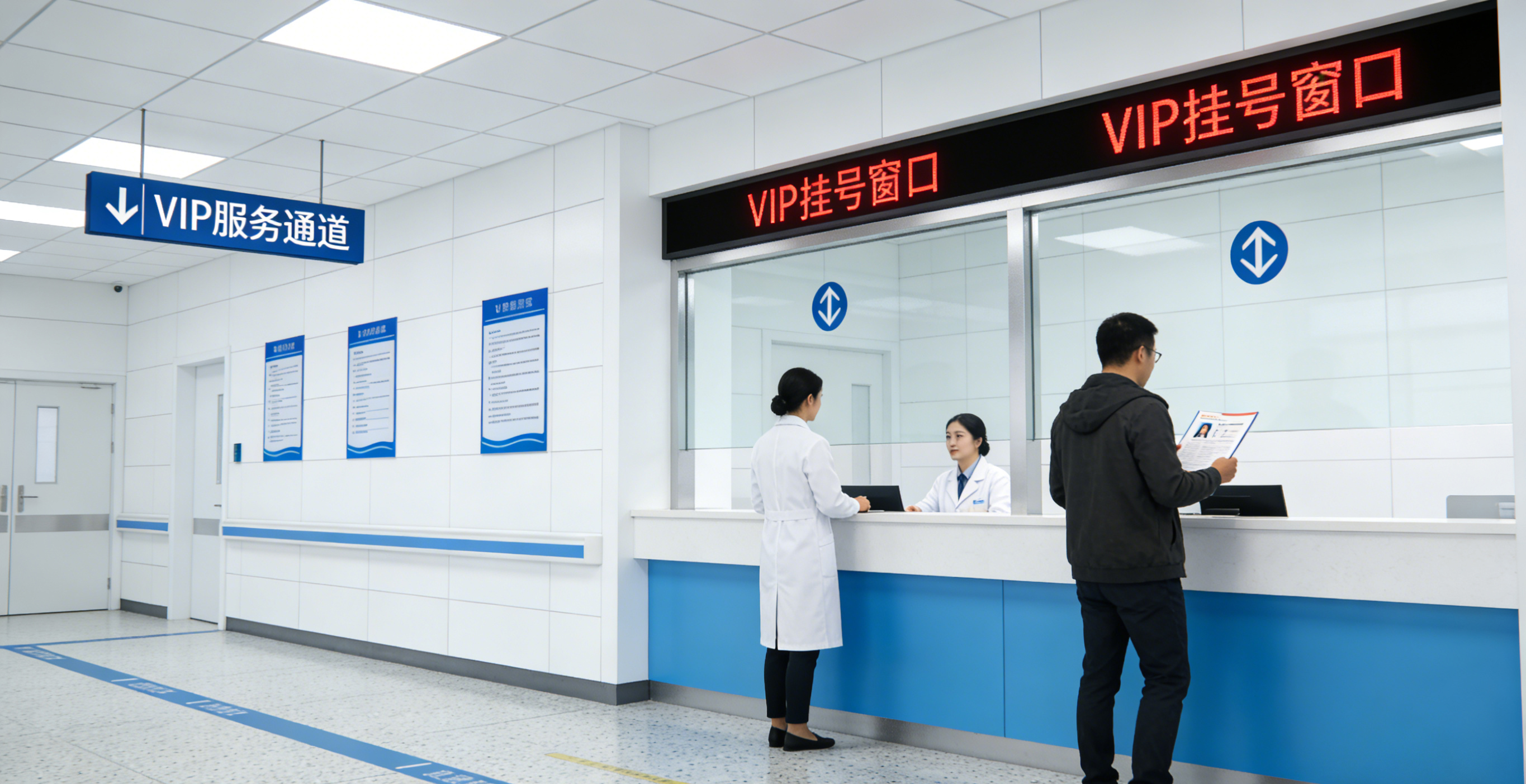
In the recent years, many international travellers coming to China for both sightseeing and medical reasons have questions: Will my travel package cover doctor visits? Do I need to pay upfront at hospitals? What happens if I need medication during my stay?
Paying for healthcare overseas can feel unfamiliar, even when the care itself is excellent. Many travellers from Australia, New Zealand, and North America are used to Medicare-style billing, private health funds, or hospitals that invoice insurers later. In China, it’s usually simpler and more immediate: you generally pay at the time of service.
That can be reassuring once you know what to expect. The key is separating two things: what your travel arrangements cover, and what sits outside them if you decide (or need) to see a doctor, visit a hospital, or buy medication.
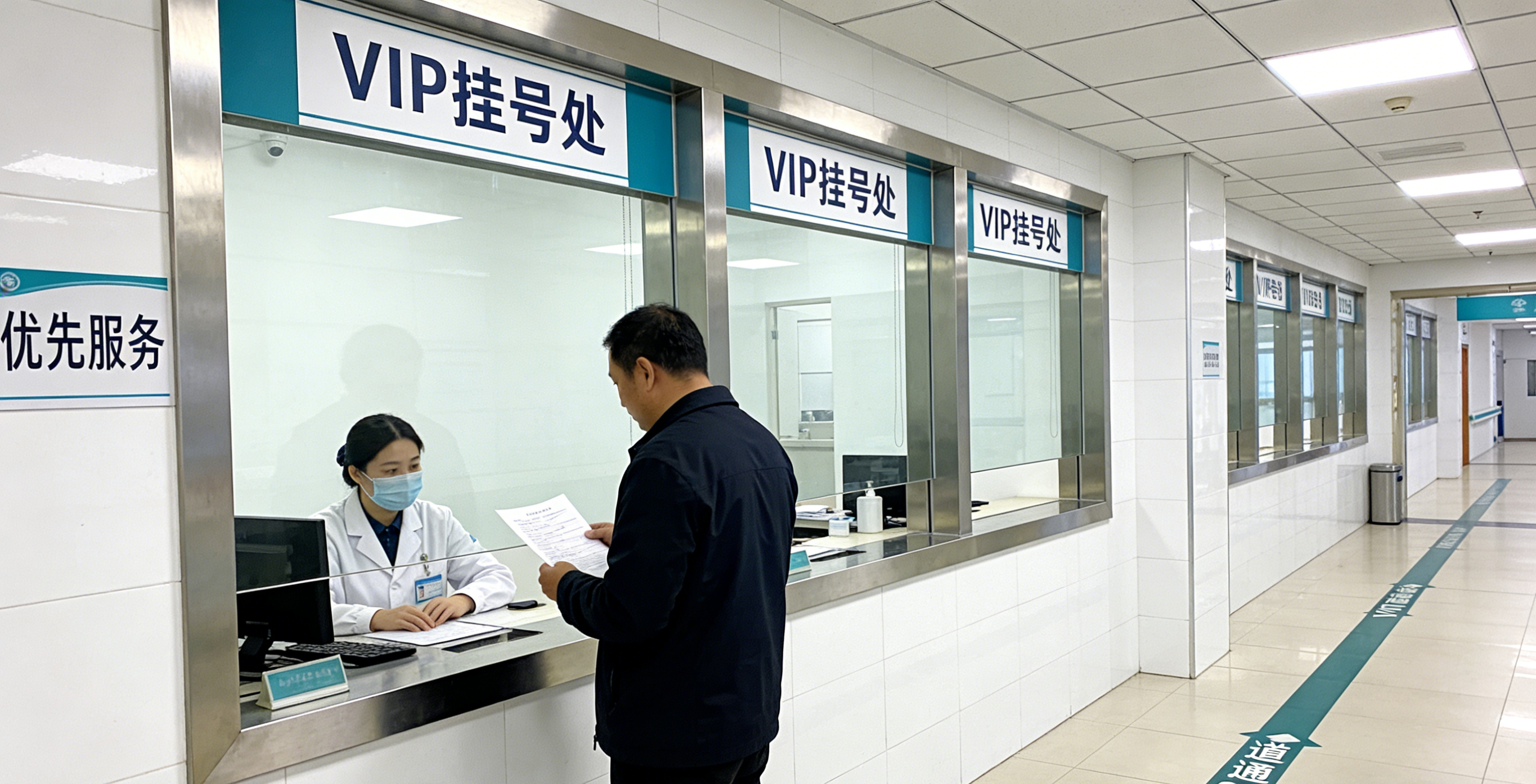
How healthcare payments typically work in China
China’s hospitals and clinics commonly operate on a pay-at-point-of-service model. In practical terms, that means you pay for registration, consultations, tests, and medicines either before you receive them or right afterwards, depending on the facility’s process.
In many public hospitals, the flow can look like this:
1. Register and pay a small fee to open the visit.
2. See a doctor.
3. Receive a request for tests or imaging and pay before those services are carried out.
4. Return to the doctor with results.
5. Pay for prescriptions and collect medications from the hospital pharmacy (or go to a separate pharmacy).
Itemised pricing is common, which is helpful for transparency and for travel insurance claims later. If you do need care, aim to keep every receipt and any printed clinical notes you’re given.
Deposits and prepayment
Some hospitals may ask for a deposit or prepayment, especially if the situation looks like it may require more than a basic consultation. Private and international clinics may also request payment upfront, then provide detailed invoices.

Typical healthcare costs travellers may encounter
Costs vary widely by city, hospital tier, and whether you choose a local public hospital, a private hospital, or an international clinic. A public hospital can be very affordable, while an international clinic with English-speaking staff can be priced more like private care in Australia.
The table below gives broad, indicative ranges to help with planning. Exact costs can change, and the same test can be priced differently depending on the facility and location.
|
Service type |
Public hospital (approx.) |
International clinic/private (approx.) |
Notes |
|
Basic outpatient consult |
Lower cost |
Higher cost |
English support often affects pricing |
|
Routine blood tests |
Low to moderate |
Moderate to high |
Itemised per test is common |
|
Imaging (X-ray, ultrasound) |
Moderate |
Higher |
Pay before the scan at many facilities |
|
CT/MRI |
Moderate to high |
High |
Availability and wait times differ by city |
|
Prescription medicines |
Low to moderate |
Moderate to high |
Brand vs generic can change the total |
|
Emergency attendance |
Moderate to high |
High |
Severity and treatment drive the cost |
If you’re travelling with insurance, it’s wise to budget for paying first and claiming later, unless your insurer confirms a cashless arrangement with a specific hospital.

Where you seek care affects the bill (and the experience)
Choosing where to go isn’t only about cost. It can also affect waiting times, language support, and how straightforward the payment process feels.
After a paragraph like this, it helps to compare the common options:
· Public hospitals
· Private hospitals
· International clinics in major cities
· Pharmacy-first care for minor issues
Many travellers prefer international clinics for communication and familiarity, especially in Beijing, Shanghai, Guangzhou, Shenzhen, or popular tourist centres. Public hospitals can be excellent, though the system may feel busy, signage may be mostly in Chinese, and payments may involve several steps at different counters.
Pharmacies and over-the-counter care
For mild symptoms, a pharmacy can be a practical first stop. Pharmacies are common in cities and can provide everyday items like cold and flu remedies, antihistamines, and basic wound care supplies. If you’re unsure what to buy, having the Chinese name of your medicine (or a photo of the packaging) can reduce confusion.
How you will usually pay: cash, cards, and apps
Payment methods vary by provider and city. Large hospitals in major centres often accept multiple methods, though foreign card acceptance is not universal in every setting.
In general, you may encounter:
· Cash (still useful as a backup)
· Chinese mobile payments (WeChat Pay, Alipay) which can be convenient if you have them set up
· Bank cards at some facilities (acceptance varies)
· Payment links or counters for itemised services within the hospital
If you do not use Chinese payment apps, carrying enough funds for a consultation and basic tests is sensible, especially in smaller cities.
Receipts, invoices, and paperwork
Ask for printed receipts and, where available, a formal invoice. If you’re planning to claim on travel insurance, you’ll often need:
· The itemised receipt(s)
· A diagnosis or brief medical note
· Evidence of payment
· Prescriptions and pharmacy receipts for medication claims
If language is a concern, keep photos of documents as a backup in case papers get misplaced during travel days.

Travel insurance and reimbursement: plan for paying upfront
Many travellers assume their insurer will pay the hospital directly. In China, that is sometimes possible at select international clinics, though it is not guaranteed. More commonly, travellers pay first and then claim reimbursement.
Before you fly, it’s worth checking your policy wording around outpatient care (GP-style visits), emergency care, pre-existing conditions, and what documentation is required.
After you’ve confirmed your coverage, keep a simple set of claim-ready items in mind:
· Itemised receipts: Consults, tests, treatment, and pharmacy purchases
· Medical notes: A short summary from the doctor is often enough
· Proof of payment: Card slip, receipt stamp, or payment confirmation screen
· Policy contact details: Insurer phone number and emergency assistance line
If you think you may need ongoing medication, consider bringing a letter from your doctor at home and packing medicines in original packaging. Rules can differ for certain prescription types, so it’s also sensible to check what you can legally bring into China.
What is included in a private travel itinerary (and what is not)
A well-planned private itinerary usually removes many day-to-day payment hassles because big-ticket travel costs are arranged in advance. With a boutique private tour, inclusions commonly cover accommodation, planned transport, guides, and scheduled sightseeing.
Three Bears Travel, for example, designs private, tailor-made trips in China and Japan where the travel components are set out clearly before departure. That means you’re not trying to work out on the spot what’s already covered versus what needs to be paid locally.
Just keep in mind that travel inclusions and healthcare costs sit in different categories. Even on a fully planned itinerary, medical care is personal and situation-dependent, so it is normally handled and paid for directly by the traveller.
Medical and health-related costs not included in travel packages
Healthcare expenses are separate from your tour arrangements. If you choose to access care, these are typically paid by you at the clinic, hospital, or pharmacy.
That can include:
· Doctor consultation fees: Public hospital outpatient visits, private doctors, after-hours clinics
· Diagnostic services: Blood tests, pathology, imaging, screening checks
· Medications: Prescriptions filled at a hospital pharmacy or retail pharmacy
· Optional wellness services
· Physiotherapy and rehabilitation sessions
Some travellers also book health-related appointments while travelling (for comfort, mobility, or long-standing issues). That is fine, but it’s best treated as a personal expense, with receipts kept for any possible insurance claim.
How Three Bears Travel can support planning without handling medical payments
A travel company cannot diagnose conditions or make medical decisions for you, and reputable operators will not collect or manage medical payments. Still, practical trip support can make a big difference when you’re not feeling well in an unfamiliar place.
Within the boundaries of travel planning, support may look like:
· Adjusting pacing so you have rest time in the itinerary
· Choosing hotels in convenient locations, closer to services and transport
· Helping you factor in downtime after long travel days
· Sharing general guidance on how local logistics work, so you know what to expect at a hospital counter
If you’re travelling as a pair, private touring also helps because you are not trying to keep up with a large group schedule when one person needs to slow down.
Common payment scenarios travellers ask about
“Do I need to pay the hospital directly?”
In most cases, yes. Even when you have travel insurance, you will often pay first and claim later. If your insurer offers direct billing, it usually depends on the hospital or clinic and the situation.
“Will staff speak English?”
International clinics generally offer stronger English support. Public hospitals in major cities may have some English capability, though it can be limited in busy departments. Consider carrying a short translated note that lists allergies, medical conditions, and any regular medications.
“Can I use my Australian or New Zealand bank card?”
Sometimes, especially in larger private facilities, but it’s not universal. Having a backup plan is sensible. If you intend to rely on mobile payments, set them up and test them before departure.
FAQ: paying for healthcare in China
|
Question |
Practical answer |
|
Do travellers pay hospitals directly in China? |
Usually yes. Payment at the time of service is common. |
|
Are healthcare costs included in tour packages? |
No. Tours cover travel services, not medical care. |
|
Can a travel company pay medical bills on my behalf? |
Generally no. Medical bills are paid by the traveller, then claimed from insurance if eligible. |
|
Should I keep receipts even for small pharmacy purchases? |
Yes, if you may claim. Keep itemised receipts and take a photo as backup. |
A quick checklist before you fly
A little preparation can make healthcare payments much less stressful if you ever need them.
· A copy of your travel insurance policy and emergency number
· A small buffer in your travel budget for medical expenses
· Medication plan: Enough supply for the trip, plus prescriptions in original packaging
· Health summary: Allergies, key conditions, and blood type (written down)
· Payment backup: More than one way to pay, including some cash
If you’d like your itinerary paced for comfort, with sensible hotel locations and room for rest days, private planning can help. For travellers who are unfamiliar with China’s healthcare system or don’t speak Chinese, navigating medical visits and payments can feel overwhelming. That’s where Three Bears Travel comes in.
Our team specialises in creating customised travel experiences that seamlessly combine sightseeing and medical needs, ensuring you get the care and comfort you expect—without unnecessary expenses or confusion. We help you plan a trip that fits your health requirements, assist with appointments and logistics, and provide support throughout your journey, including guidance on making payments and understanding what’s included. This way, you can focus on enjoying your time in China, confident that both your travel and healthcare needs are taken care of.