
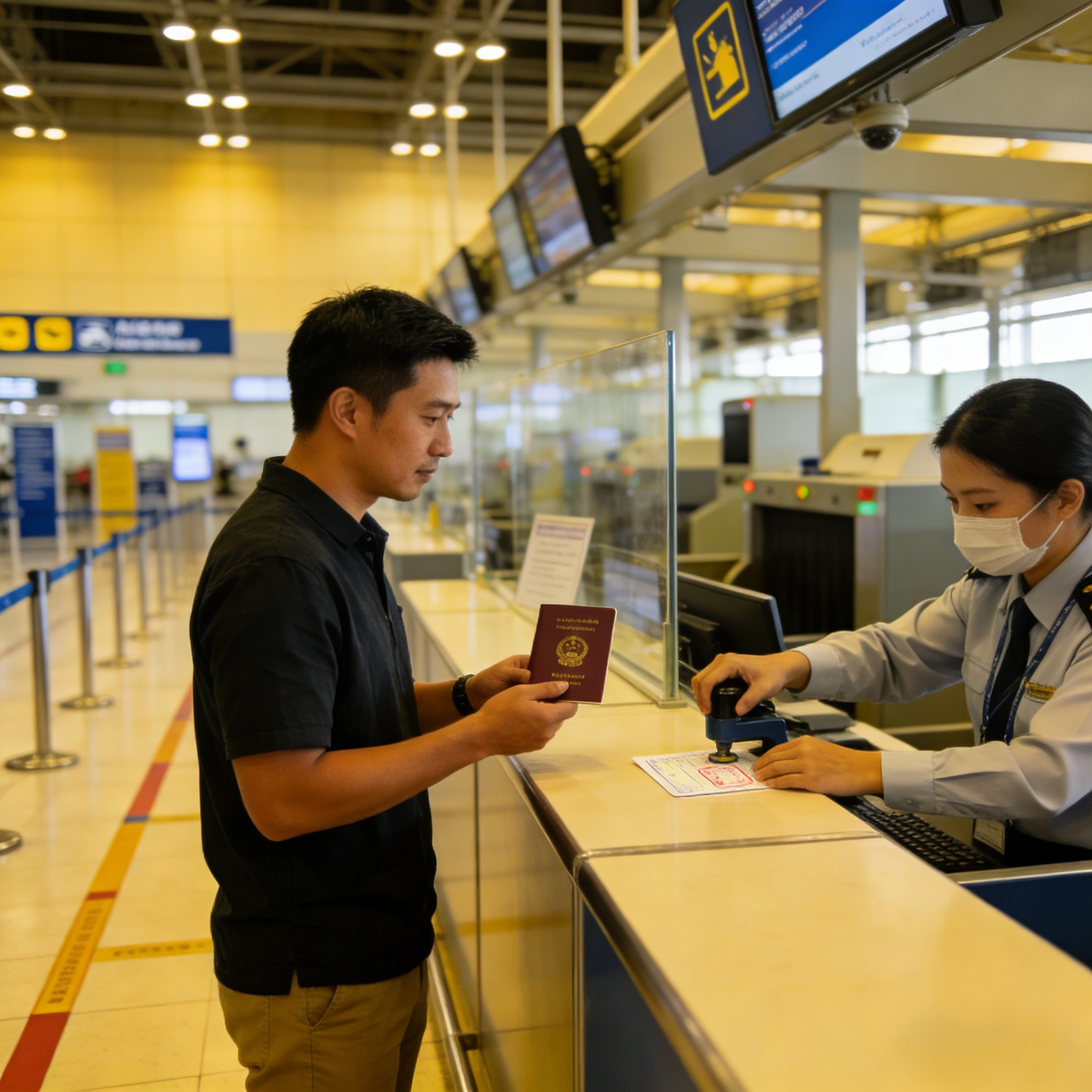
Australians often assume a medical appointment overseas works the same way as booking a specialist at home: choose a clinic, book a time, fly in. China adds one extra layer that shapes the whole plan, the entry visa.
For most Australian passport holders, a visa is still the default requirement for entering mainland China, even when the main purpose is a health check, a consultation, or a course of wellness treatments. The good news is that the process is usually manageable when you match the visa type to the shape of your trip and allow enough time for paperwork.

Update for 2026: Australians Can Now Enter China Visa-Free for Short Trips
Travel rules for Australians visiting China have recently changed.
Under a policy introduced by the Chinese government, Australian passport holders can now enter China visa-free for stays of up to 30 days, provided the visit is for tourism, business, family visits, exchanges, or transit.
The policy is currently scheduled to run until 31 December 2026, giving travellers a temporary window where many short trips to China no longer require a visa application in advance.
For travellers planning a short consultation, health check, or wellness visit, this policy can significantly simplify trip planning.
However, the 2026 visa-free entry comes with conditions:
· Each stay cannot exceed 30 days
· The visit must fall under permitted purposes such as tourism or exchanges
· Travellers may still need to show onward tickets, accommodation details, and proof of funds at entry
Because medical trips sometimes involve follow-up appointments or longer recovery time, some travellers still choose to apply for a standard visa for greater flexibility.
The Short Answer for Australian Travellers
China generally requires Australians to obtain a visa before travel. That includes trips where the main reason is medical care, as well as trips where medical appointments are one part of a broader holiday.
Today, Australian citizens can often enter China visa-free for stays of up to 30 days, depending on the purpose and structure of their trip.
Policies do change, and China also runs a patchwork of visa free transit arrangements for certain routes and cities, so it pays to verify the latest settings close to departure using official sources.
Why Most Medical Trips to China Use a Tourist Visa
A common misconception is that “medical travel” automatically means a special medical visa. In practice, many travellers with short, pre arranged appointments enter on a standard tourist visa, then attend clinics or hospitals and pay privately for services.
That tends to fit well for outpatient needs, second opinions, diagnostics, and wellness programs that don’t require a long recovery period.
Medical trips that stretch into weeks, involve follow up appointments, or require a support person to stay nearby can still be possible on a tourist visa, though the details of length of stay and entry conditions matter a lot.

Which Visa Type Works Best for Medical Travel to China?
The best visa choice depends less on the clinic and more on your itinerary: how long you’ll stay, how many entries you need, and whether your plan includes side trips.
Here’s a practical comparison that many Australians find useful when planning healthcare related travel to China.
|
Visa type (common label) |
Typical purpose |
Usual fit for medical travellers |
Watch outs |
|
Visa-free entry (2026 policy) |
Tourism, business, visits |
Short consultations, health checks, quick medical visits |
Stay limited to 30 days; not suitable for longer treatment plans |
|
Tourist (often “L”) |
Holidays, sightseeing, private travel |
Often suitable for consultations, check ups, dental work, wellness programs |
Confirm the permitted length of stay and entries; keep accommodation details consistent |
|
Visit (often “S”) |
Visiting relatives, private matters |
Sometimes used where there’s a host or longer personal stay |
Documentation can differ from tourist; not always the simplest route for medical only travel |
|
Business (often “M”) |
Commercial activity, meetings |
Rarely necessary for medical treatment |
Using it for healthcare only can complicate the story you tell at the border |
|
Transit without visa (scheme dependent) |
Short stopovers via certain cities |
Only useful for very short appointments and tightly routed flights |
Rules vary by city, nationality, and itinerary; changes happen |
Thanks to the current visa-free policy for Australians, many short medical consultations in cities like Shanghai, Beijing, or Guangzhou can now be completed without applying for a visa in advance.
Common Medical Services Travellers Book in China
Many clinics and international departments in large Chinese hospitals are used to visitors booking services during a holiday window. The experience can feel surprisingly similar to a private health check in other parts of Asia, with the addition of language support and local payment processes.
People commonly slot in:
· Health screening packages
· Specialist consultations
· Imaging and diagnostics
· Dental assessments and treatment
· Wellness therapies and recovery stays
It’s often the logistics around these appointments, rather than the appointment itself, that shapes the trip: location, transport time, and the need for a quieter hotel near the facility.

How Australians Apply for a China Visa
Most Australians apply before departure via the standard Chinese visa application pathway used in Australia, which typically involves lodging through the official visa application channel servicing your state or territory.
Expect an administrative rhythm rather than a complicated ordeal: gather documents, complete forms, submit, then wait for processing.
Because requirements can change, focus on building a clean, consistent application file that matches your real itinerary. If your medical plan is a key reason for travel, it can be helpful to keep supporting documents ready, even when applying as a tourist.
A few practical pointers that often reduce friction:
· Consistency: Match your flights, accommodation, and dates across all documents
· Clarity: Keep your purpose of visit simple and factual, including any pre booked appointments if relevant
· Timing: Apply early enough to handle extra requests without stress
· Flexibility: Avoid non refundable bookings until you’re confident about the visa timeline
If you’re coordinating multiple cities, it also helps to keep the first landing city and the first hotel night very clear in your paperwork.
Do You Need a Hospital Invitation Letter?
For many outpatient style visits, travellers rely on standard tourist visa documentation rather than a formal hospital invitation.
Still, some situations benefit from having a letter or booking confirmation from the hospital or clinic, especially when:
· the appointment schedule is tight and you need to justify specific dates
· a companion is travelling to assist you
· you expect follow up visits over a longer stay
· you’re arranging care through an international patient department
If a facility can provide an appointment confirmation, treatment outline, or invoice, it’s worth keeping with your travel file. Even if it’s not requested during application, it can be useful if questions come up during travel.
Can You Use Visa-Free Transit for Medical Appointments?
China’s transit without visa policies can look like a shortcut for quick medical consults. Sometimes they are. Often they are not.
The practical catch is that these schemes are highly structured. Eligibility can depend on nationality, your onward destination, the exact routing, and the city you enter through. In many cases, you must be transiting to a third country or region rather than doing a simple return trip.
If you are thinking about a short visa free stop for a medical appointment, treat these checks as non negotiable:
· You meet the nationality and routing rules for that exact city
· Your flights are ticketed in a way that satisfies the onward travel requirement
· Your planned movement stays within the permitted area
· Your appointment time leaves room for delays, re screening, and local travel time
When the appointment is medically important or time sensitive, many travellers prefer the certainty of a standard visa rather than building the trip around a transit scheme that could be interpreted differently at the airport.

How Long Should You Stay for a Medical Trip?
A medical trip that looks simple on paper can expand quickly once you add pre consult testing, results waiting times, and follow up. Even a routine health check can lead to extra imaging or a specialist referral.
Build an itinerary that gives you breathing room. A calm schedule is not a luxury when health is the reason you’re travelling.
A good structure often looks like this:
· arrive, rest, and buffer against flight delays
· complete the first round of appointments
· keep a spare day for additional tests or a second opinion
· plan sightseeing on the days you expect to feel your best
· place travel between cities after major procedures, not before
One sentence worth keeping in mind: plan recovery time as carefully as you plan the treatment.
Choosing the Right Hotel Near Your Hospital
When travel includes clinics and hospitals, hotel choice stops being purely about style and starts being about function.
Staying near your facility can reduce fatigue, simplify transport, and make it easier to handle early morning appointments. Quiet rooms, lift access, nearby pharmacies, and simple food options become meaningful details.
In major Chinese cities, transport can be excellent, yet peak hour travel and large hospital campuses can still add stress. A well chosen base removes a surprising amount of friction.
Managing Language, Payments and Hospital Logistics
Australia’s healthcare system trains us to expect a certain flow: referral, appointment, Medicare or private insurance handling. China’s system can be very efficient, though the steps may feel different, and payment methods can vary by provider.
If you don’t speak Mandarin, think ahead about support. Many international departments can assist, and private guides or interpreters can help you move through registrations, scanning departments, and pharmacy pick ups.
When travellers work with a specialist travel planner, the value is often in the “in between” pieces:
· confirming appointment addresses and campus entry points
· arranging door to door transport on clinical days
· selecting hotels that suit recovery
· keeping the sightseeing plan realistic around the medical schedule
Three Bears Travel, for example, builds private itineraries across China and can integrate medical appointments with comfortable pacing, reliable local support, and clear logistics, which helps travellers keep their energy for what matters.
Planning Your Medical Trip to China: A Simple Timeline
The smoothest medical trips tend to start with a single timeline that includes both visa processing and clinical scheduling.
A simple order of operations that often works well:
1. Choose your city and facility, then request appointment windows
2. Sketch a conservative itinerary with rest days
3. Check the current visa requirement and estimated processing time
4. Prepare documents that match your intended plan
5. Confirm accommodation near the treatment location
6. Book transport that minimises connections on clinical days
Specialist planners such as Three Bears Travel often assist travellers by coordinating medical appointments with private transport, hotel selection near hospitals, and realistic pacing between treatment and sightseeing.

FAQ: Navigating the China Medical Visa for Australian Travellers
Embarking on a medical journey to China can be a deeply rewarding experience, especially with careful planning and awareness of visa requirements. This FAQ serves as a quick guide to answer some of the most common questions Australians might have when considering healthcare travel to China.
Can Australians visit China for medical appointments without a visa?
Yes, in many cases they can.
Under China’s current visa-free policy, Australian passport holders can stay in China for up to 30 days without a visa when travelling for tourism, business, exchanges, or visits.
Short medical consultations, health checks, or wellness treatments are often scheduled during these trips.
However, travellers who expect longer treatment plans, follow-up appointments, or recovery stays may still prefer to apply for a standard Chinese visa before travelling.
Can Australians visit hospitals in China on a tourist visa?
Yes. Travellers often use a standard tourist visa to attend outpatient consultations and wellness programs.
What should I consider when planning medical care in China?
Consider the duration of your stay, ensure your accommodation is close to medical facilities, and organise transport and appointments in advance.
Is the visa-free policy applicable to all medical trips?
Only if the medical visit is short and fits within a trip of permitted purposes like tourism or business, not for longer or complex treatments.
Should I get a special medical visa for my trip?
Not typically. Most short-term medical visits can be accommodated with a tourist visa, but verify specifics based on your needs.
Do I need a hospital invitation letter for my visa application?
Usually, no. However, if your visit includes time-sensitive or follow-up appointments, having one can be beneficial.
How long should I plan to stay for medical treatment in China?
Account for initial consults, potential tests, and recovery days. A conservative timeline helps reduce stress.