Travelling well usually means planning the fun parts, then quietly sorting the practical bits so they do not take over your trip. Medicines sit in that second category. Most travellers never need more than a few basics, yet it is reassuring to know what “normal” looks like if you do need a pharmacy visit in China.
China’s healthcare and retail systems can feel different to what Australians and New Zealanders are used to, especially around prescriptions, brands, and how advice is offered. A little context goes a long way toward staying calm and making good choices.
Why Medication Access Matters When Travelling in China
Common Concerns Travellers Have About Medicines Abroad
Two questions come up repeatedly: “Can I buy what I need?” and “Will I be forced to buy something?”
Both worries are understandable. Packaging may be unfamiliar, you might not recognise brand names, and in a busy pharmacy it can feel like you are expected to decide quickly. The reassuring news is that many everyday products are widely available, and purchasing is generally your choice.
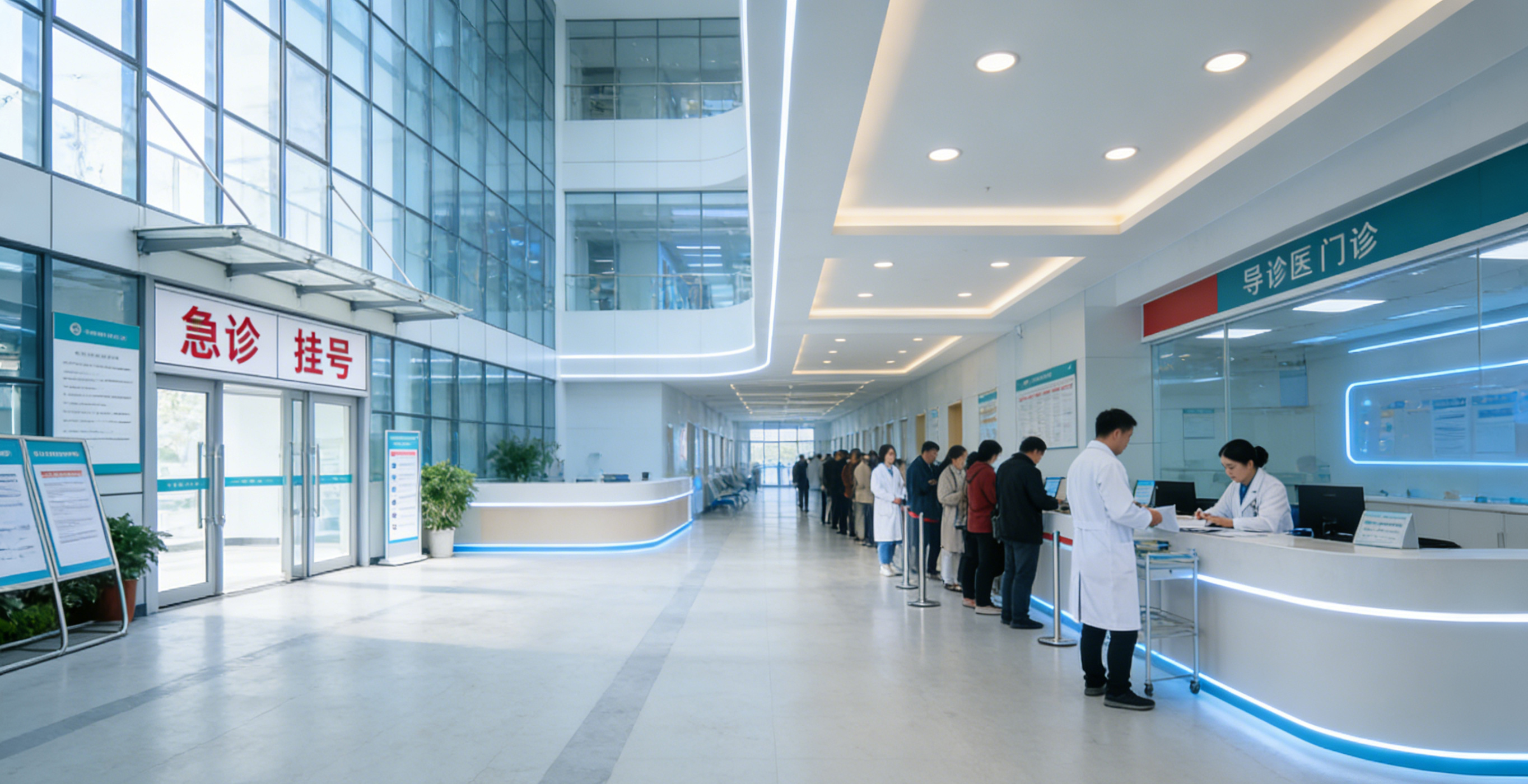
If you do visit a clinic or hospital, you may also notice that medicines can be discussed early in the consult. That can feel different to home, where you might receive a prescription and fill it later at a separate chemist. The workflow can vary, yet you still have agency in what you do next.
How Medication Fits into a Medical Tourism or Travel Experience
Some travellers combine sightseeing with health-related appointments or check-ups. Even when medical tourism is not the purpose of the trip, it helps to know that China has a broad mix of public hospitals, private clinics, and retail pharmacies that support both locals and visitors.
For most holiday itineraries, though, the main goal is simpler: be prepared for minor issues (a cold, allergies, upset stomach) and know what to do if something more serious arises.

How Buying Medicine Works in China
Medication Is Usually Self-Paid and Optional
In many everyday travel situations, medicines are paid for out of pocket, on the spot. That applies to both over-the-counter products and many medicines dispensed after a consultation, depending on the facility and your circumstances.
Just as important, buying medicine is usually optional. A clinician or pharmacist may recommend a product, explain why it may help, and outline how it is taken. You can still ask questions, pause, or decide not to purchase until you are comfortable.
This point alone can reduce a lot of stress: a recommendation is commonly a recommendation, not a requirement.
Doctor Advice vs Traveller Choice
When you are unwell, it is easy to interpret authority as instruction. In practice, advice and choice often sit side by side, even if the conversation feels brisk.
After a paragraph like this, it helps to keep a simple decision frame in mind:
· Symptom relief
· Cost clarity: ask the price before purchasing if you are unsure
· Comfort level: it is fine to decline and seek a second opinion
If language is a barrier, showing a photo of packaging you already use, or a note with the generic drug name, can help keep the interaction straightforward.

Over-the-Counter Medicines for Travellers
Common OTC Medicines Available in China
Travellers will generally find common categories of over-the-counter medicines in China, even if the brands differ. Think fever and pain relief, cold and flu symptom support, throat lozenges, basic gastro remedies, allergy relief, and topical creams.
Availability can vary by city, store size, and local rules. Some items that are OTC at home may be kept behind the counter, or treated more cautiously in one province than another. That does not mean you cannot access help, only that you may need to speak with the pharmacist rather than picking it off a shelf.
If you have a must-have product (a specific antihistamine that works for you, or a particular asthma reliever), it is wise to bring enough for the trip, plus a small buffer, and keep it in original packaging.
Pharmacies in China for Foreigners
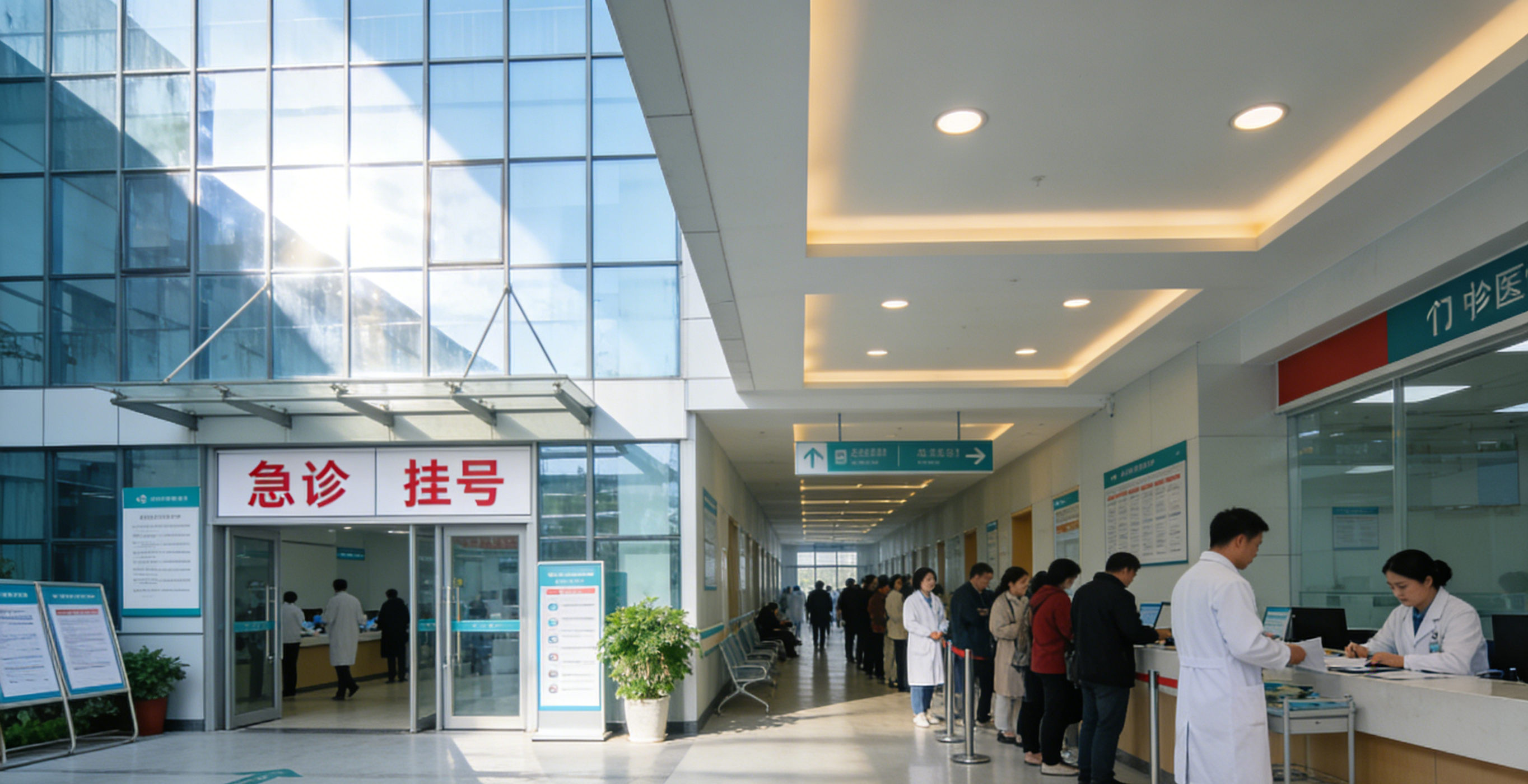
Pharmacies in China for foreigners are usually easiest to use in major cities and busy commercial areas, where staff may be more accustomed to visitors and where signage can be clearer.
You will often see two broad types:
· Retail chain pharmacies, similar in feel to a chemist shop, with a mix of packaged products and staffed counters
· Pharmacy counters connected to hospitals or clinics, which may dispense medicines recommended during a consultation
In either setting, it helps to communicate in simple terms. A short written note can be useful, and translation apps can bridge gaps when you need to explain symptoms or confirm dosing.
Prescription Medicines: What Travellers Should Be Aware Of
⚠️ This section is a cautious reminder, not a how-to guide for sourcing prescription medicines while abroad.
Prescription Rules May Differ from Home Countries
Prescription drugs China foreigner rules can differ from what you expect in Australia or New Zealand. Medicines that are prescription-only at home might be easier to access in one setting, while other medicines may require formal documentation, tighter controls, or may not be available under the same name.
Regulation and enforcement can also vary. Even if a product appears available, it is still worth treating prescriptions carefully, because the stakes are higher: stronger side effects, interactions with other medicines, and the risk of taking the wrong strength or formulation.
If you rely on regular prescription medication, it is safer to plan around continuity of supply rather than assuming you will “sort it out there”.
Why Advance Advice from Your GP Is Helpful
The most useful step happens before departure: a brief chat with your GP or travel doctor about your regular medicines and any likely travel issues.
Ask about:
· Carrying enough supply plus spare
· A summary letter listing your medicines by generic name (and why you take them)
· What to do if a dose is missed
· Any red flags that should trigger medical review rather than self-treatment
This is not about planning for worst-case scenarios. It is about giving yourself options if you are tired, jet-lagged, or unwell and do not want to make complex decisions in the moment.
Using Pharmacies and Delivery Services During Travel
Physical Pharmacies in Major Cities
In Beijing, Shanghai, Guangzhou, Shenzhen, Chengdu, Hangzhou, and other major centres, you will usually find pharmacies near shopping streets, transit hubs, and residential areas. Opening hours vary, and some locations operate later into the evening.
If you are staying in a well-located hotel, staff can often point you to a nearby pharmacy, or suggest reliable online pharmacies for delivery. If you are travelling privately with a guide, they can also help you find an appropriate store and clarify what you are asking for, which can make the experience feel far less intimidating.
Medicine Delivery Apps in China
China’s delivery ecosystem is advanced, and pharmacy delivery is part of that. You may hear travellers mention Meituan pharmacy China services, along with other local platforms.
Delivery can be convenient when you are resting at your accommodation, yet it is still worth being cautious:
· product listings may be in Chinese
· substitutions can occur if a specific brand is out of stock
· you still need to confirm dosage and suitability
If you do not read Chinese confidently, consider using delivery only when you know the exact product you want, or when a trusted local contact can help verify the order.
Practical Tips for Travellers Buying Medicine in China
Checking Labels, Dosage, and Instructions Carefully
This is where travellers can protect themselves with a few slow, careful checks. Even familiar medicines can come in different strengths, and combination cold and flu products can overlap with what you already took earlier in the day.
A quick table can help you decide what to confirm before paying:
|
What to check |
Why it matters |
Simple way to do it |
|
Active ingredient (generic name) |
Brands differ between countries |
Ask the pharmacist to point to the ingredient line on the box |
|
Strength per dose |
Avoid taking too much |
Compare mg to what you normally use |
|
Directions (how often, with food) |
Prevent side effects and under-dosing |
Take a photo of the instructions and translate it |
|
Combination ingredients |
Avoid double-dosing (eg paracetamol) |
Tell the pharmacist what you already took today |
|
Expiry date and packaging |
Basic quality check |
Inspect seal and date before leaving |
If you are unsure, it is reasonable to buy a smaller quantity first, then return if it works well for you.
When to Pause and Seek Further Advice
If symptoms are severe, worsening, or unusual for you, resist the urge to self-treat repeatedly. The goal is relief, not pushing through at all costs.
After a paragraph like this, a simple “pause list” can keep decision-making clear:
· Breathing issues or chest pain: seek urgent medical care
· High fever that persists: get medical review rather than cycling through remedies
· Rash, swelling, or allergy signs: stop the suspected trigger and seek advice
· Confusion about what you were given: do not take it until clarified
If you have pre-existing conditions, are pregnant, or are travelling with children, it is even more sensible to take a conservative approach.
How Travel Planning Can Help with Medication Needs
Allowing Time and Flexibility for Pharmacy Visits
Medication needs are rarely predictable. Building a little flexibility into your daily schedule can prevent stress if you need to stop at a pharmacy, rest at the hotel, or visit a clinic.
This matters most on travel days. If you are moving between cities, catching trains, or flying, a small health issue can feel bigger when you are rushing. A calmer pace can give you time to buy what you need, read labels properly, and recover.
Discussing Medical Considerations During Trip Planning
This is where a thoughtful planning conversation helps. Three Bears Travel plans private, tailor-made trips through China and Japan, and part of good trip design is allowing for real-life needs, including health considerations, without turning the holiday into a medical project.
It can be as simple as flagging allergies, mobility limits, or medication schedules during itinerary planning. That way, hotel locations, daily pacing, and transport choices can support comfort. If something comes up during the trip, having local support can also make it easier to locate suitable pharmacies in China for foreigners and to communicate clearly in-store.
Frequently Asked Questions About Medicines in China
Can foreigners buy medicine in China?
Yes, foreigners can generally buy many over-the-counter products from pharmacies in China. Access to stronger medicines varies. If you need a specific prescription medicine, it is safer to plan ahead and travel with an adequate supply, plus documentation from your doctor.
Do travellers have to buy medicine after seeing a doctor?
Usually, no. A doctor may recommend medicines and explain options, yet purchasing is typically your choice. If you feel pressured or unsure, it is reasonable to ask for clarification, ask the cost, or take time to decide.
Is it safe to use pharmacy delivery apps in China?
Delivery apps, including online pharmacies, can be convenient, especially in big cities. Safety depends on choosing reputable sellers and confirming product details. If you cannot verify ingredients and dosage, it may be better to use a physical pharmacy where you can ask questions, or get help from hotel staff or a guide.
Buying medicine in China as a traveller
A pharmacy visit in China does not need to be daunting. The main principles are steady: plan ahead for regular prescriptions, treat stronger medicines with extra care, and slow down long enough to confirm what you are buying and how to take it.
With that approach, most travellers find they can handle minor health bumps quickly and get back to enjoying the meals, neighbourhoods, and memorable moments they came for.