Thailand and India have long been the familiar names in medical tourism, with strong reputations built around price, scale, and well-established international patient pathways. China, though, is increasingly appealing to travellers who want high-spec clinical care in major cities, access to Traditional Chinese Medicine (TCM), and the chance to turn a medical appointment into a broader cultural stay.
Choosing China is rarely about chasing the lowest possible quote. It is more often about confidence in major-city hospital capability, the option of integrated care models, and the sheer range of destinations that work well around recovery time.
China O ffers a Different Kind of Value Than Traditional Medical Tourism Hubs
Medical tourism decisions tend to start with cost, but they do not end there. When people compare China with Thailand or India, they often find the more meaningful differences sit in clinical depth, hospital infrastructure, and the type of travel experience that fits around appointments.
China’s edge can be summed up as breadth and integration: large modern hospitals in global cities, plus long-standing traditional health practices that are still actively used alongside Western medicine in many settings.
China’s Advanced Hospital Infrastructure
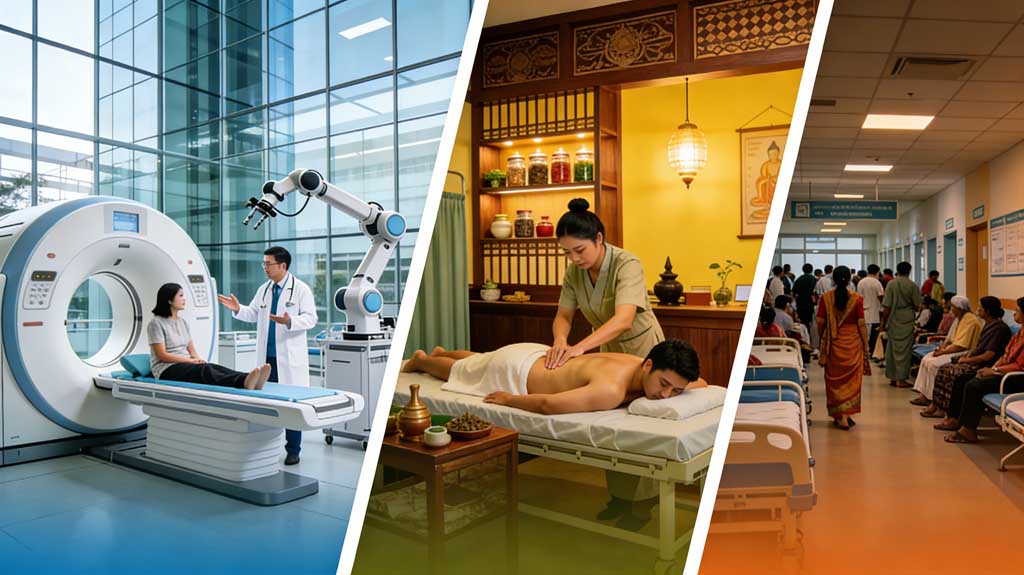
Over recent decades, China has invested heavily in healthcare facilities, training, and medical technology. In major centres, it is common to find large hospitals with specialist departments, advanced diagnostic imaging, and high-volume clinical teams.
That scale matters for medical travellers because it often translates into:
· broad specialist coverage within the same hospital network
· access to advanced diagnostics without needing multiple referrals across town
· higher familiarity with complex cases, simply due to patient volume
None of this guarantees a perfect experience, and standards can vary between cities and providers. Still, for travellers who want a major-hospital environment, China’s top-tier urban facilities can feel reassuringly “complete”, especially when your trip involves more than a quick procedure.
Where Western Medicine Meets Traditional Chinese Healing
One of the most distinct features of China as a medical tourism destination is how often traditional approaches sit alongside modern clinical practice. TCM is not positioned as a novelty add-on; it is deeply embedded in the healthcare culture, with many hospitals and clinics offering both styles of care.
This can appeal in a few scenarios:
· People who want conventional diagnostics and specialist input, while also considering supportive therapies.
· Travellers planning recovery time and wanting non-invasive wellbeing options (subject to medical advice).
· Visitors interested in long-established health practices as part of a broader cultural immersion.
It is worth approaching this with clear expectations. “Integrated care” can mean different things in different places, and not every traveller wants it. The key is choice: in China you can often keep your care fully Western, incorporate TCM elements, or take a blended approach depending on your needs and the provider’s advice.
Major Cities Where Healthcare and Travel Naturally Fit Together
China’s biggest advantage for many medical travellers is that its top medical hubs are also compelling destinations in their own right. That makes it easier to plan a trip where appointments fit into a well-paced itinerary rather than dominating every day.
Shanghai: international energy, strong hospital networks, excellent logistics
Shanghai is often attractive for travellers who want a cosmopolitan environment, efficient transport, and a wide range of accommodation standards. It can suit people who prefer familiar international-style comforts during a medical trip, while still being able to step into rich neighbourhood life, food culture, and museums on lower-energy days.
Beijing: top-tier institutions, history on your doorstep
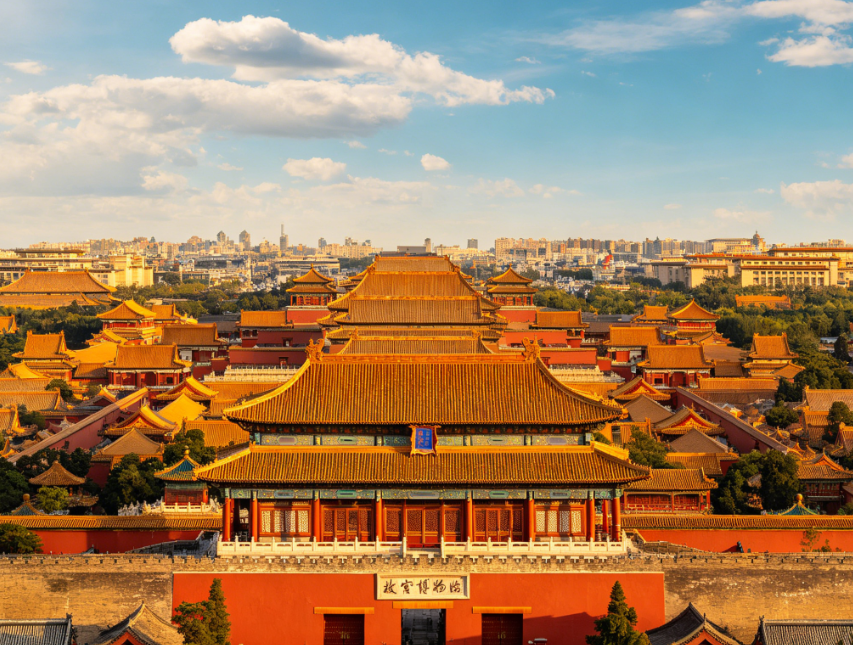
Beijing can be a strong fit when your priority is access to large, established medical institutions, while also wanting world-class cultural sites within easy reach. The city also lends itself to a “one base, slower pace” plan, which can be kinder during recovery.
Guangzhou and the Greater Bay Area: clinical depth plus regional variety
Guangzhou and surrounding cities can combine major healthcare services with a different regional food culture and easy links to other parts of southern China. Travellers who want to pair appointments with a calmer post-treatment stay often appreciate having options beyond one dense urban centre.
After your appointment schedule is clear, the travel side can be shaped around energy levels and medical guidance. Depending on the trip, people often include:
· museum mornings and quiet afternoons
· tea culture and food-focused neighbourhood walks
· gardens, water towns, and short scenic day trips
· restorative stays in slower-paced regional cities
Guilin: serene landscapes, ideal for wellness and meditation
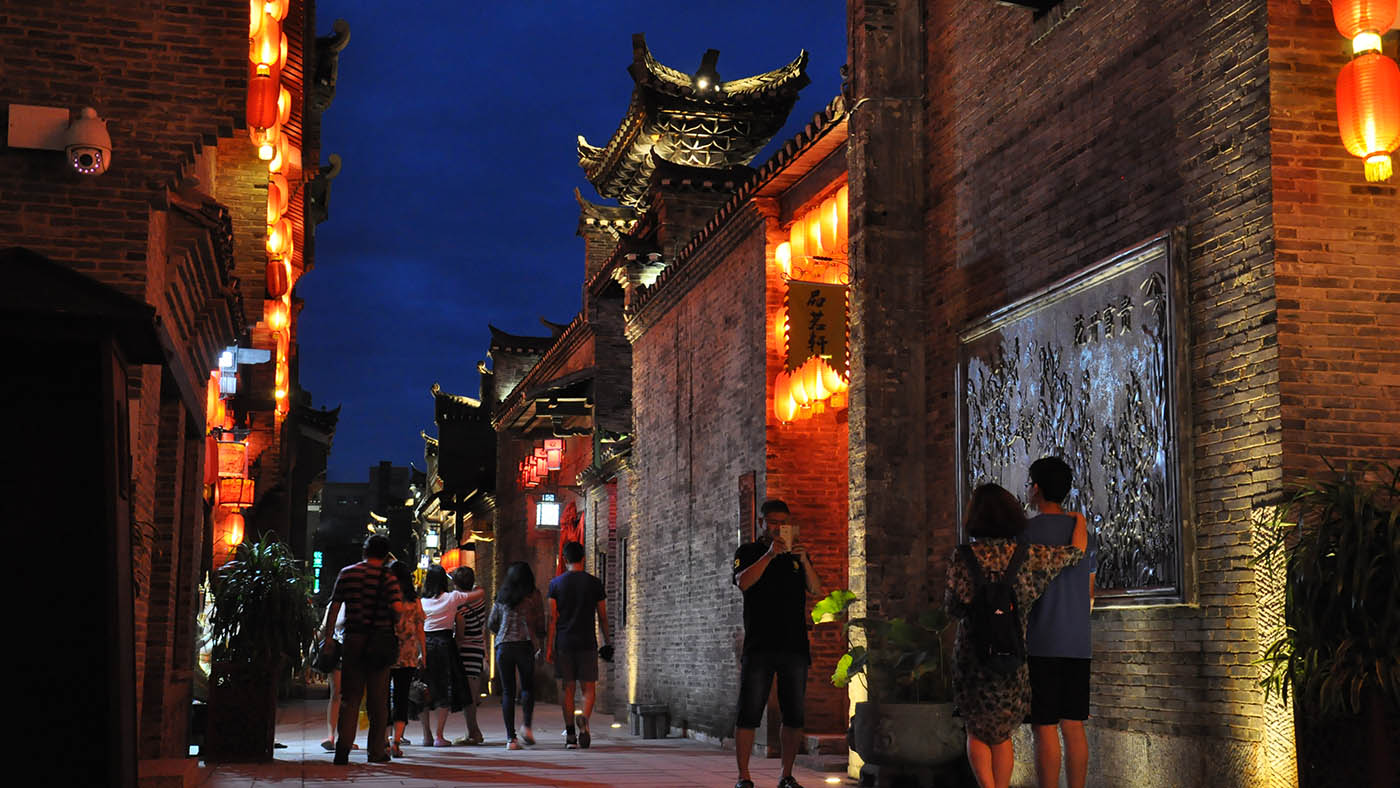
Guilin is renowned for its breathtaking karst mountains and tranquil rivers, offering a peaceful environment that is perfect for relaxation and rejuvenation. The region’s natural beauty creates an ideal setting for meditation, wellness retreats, and mindful recovery. Travellers seeking a restorative experience often choose Guilin to immerse themselves in nature, practice mindfulness, and enjoy gentle activities such as river cruises, mountain walks, and traditional tea ceremonies. The slower pace and fresh air make Guilin a standout destination for those prioritising holistic well-being alongside their medical journey.
For travellers considering medical tourism in China, planning the travel side around treatment schedules can be complex. Three Bears Travel works with clients to design private itineraries that align medical appointments with comfortable travel pacing, accommodation close to hospitals, and culturally meaningful experiences during recovery days.
China vs Thailand vs India. What Actually Matters to Travellers
Thailand is widely seen as streamlined and hospitality-forward, and India is well known for scale and competitive pricing. China sits differently in the mix. Many travellers choose it for major-hospital capability in large cities, and the ability to combine Western-style medicine with traditional approaches when appropriate.
The table below summarises practical differences travellers often weigh up. Real-world experiences vary by provider, city, and your treatment type, so it is best used as a starting point for questions rather than a final answer.
|
Decision factor |
China |
Thailand |
India |
|
Hospital environment in major cities |
Large, advanced, high-volume systems |
Highly international patient-oriented in many private hospitals |
Extensive networks, strong specialist depth in many areas |
|
Traditional medicine options |
Widely available and often integrated with modern care |
Available, usually positioned as wellness or complementary |
Ayurveda and other traditions widely available |
|
Travel experience around appointments |
Huge variety, strong cultural depth, many routes |
Resort-style recovery is common and easy |
Diverse travel, can be intense depending on region and logistics |
|
Language and patient coordination |
English support varies, planning helps |
Often strong English support in private hospitals |
English often available in many major hospitals |
|
Best fit for travellers who prioritise |
Big-city medical capability plus cultural travel |
High-touch hospital hospitality and recovery comfort |
Competitive pricing and access to broad specialist care |

Designing a Medical Trip That Leaves Space for Recovery
A well-designed medical tourism itinerary is rarely packed. Even when you feel fine on day one, fatigue can arrive later, and follow-up appointments can shift. China is a destination where travel can be wonderfully immersive, yet a medical trip benefits from restraint.
A common approach is to plan in layers:
1. Appointment core: consultations, tests, procedure dates, check-ups
2. Recovery buffer: low-effort days near your accommodation and clinic
3. Flexible culture: activities that can be shortened, delayed, or swapped
4. Optional side trips: only if you are cleared and feeling strong
For many travellers, a private itinerary is the most comfortable format. It reduces friction, supports rest, and makes timing adjustments easier when plans change.
Small Details That Can Shape the Whole Experience
China can be very convenient once you are on the ground with the right support, yet it rewards preparation. Details like translation, payment methods, and medical documentation can influence how confident you feel during appointments.
The most useful planning checklist usually includes:
· Medical records: bring recent reports, imaging, medication lists, and a concise history
· Communication plan: confirm what English-language support is available and when an interpreter is needed
· Follow-up pathway: clarify how results are delivered and what happens once you are back in Australia or New Zealand
· Payment and receipts: confirm accepted payment methods, itemised invoices, and insurance documentation needs
· Recovery pacing: schedule rest days and keep accommodation close to the clinic when possible
This is also where a specialist travel planner can be genuinely helpful. Three Bears Travel, for example, designs private itineraries that balance medical appointments with realistic downtime and culturally rich experiences, coordinating logistics with trusted local partners. For travellers who value momentum and clarity, 1-on-1 planning with a quick initial itinerary turnaround (often within 24 hours) can remove a lot of uncertainty early in the process.
When China Becomes the Right Choice
China can be an excellent option when your priorities sit at the intersection of clinical capability and meaningful travel. It often suits travellers who:
· want major-city hospital infrastructure and specialist breadth
· are interested in TCM as a complementary element, guided by medical advice
· prefer cultural depth over a resort-centric recovery setting
· are comfortable with planning support to smooth language and logistics
It may be less suitable if your top priority is an ultra-established “medical tourism concierge” experience offered by many Thai private hospitals, or if your decision is driven almost entirely by the lowest cost comparison.
A note on expectations, safety, and decision-making
Medical travel always calls for careful judgement. Provider quality varies within every country, and online information can be uneven. The most confident choices usually come from a combination of verified clinical credentials, clear communication, and a realistic plan for follow-up once you return home.
If you are considering medical tourism in China and want help shaping a realistic itinerary around appointments and recovery time, Three Bears Travel can help design a private travel plan tailored to your treatment schedule and travel preferences.

FAQ
Is China good for medical tourism?
China can be a strong medical tourism option, especially in major cities with advanced hospitals and specialist departments. Many travellers also value the option to include Traditional Chinese Medicine alongside modern care, where appropriate and clinically advised.
Why choose China instead of Thailand?
Some travellers choose China because it offers a different blend: major-hospital environments in global cities, a long-standing integrated approach to traditional and modern medicine, and a huge range of cultural travel options beyond a resort-style recovery plan.
Why choose China instead of India?
India is well known for scale and competitive pricing across many specialties. China may appeal more if you want treatment in a major Chinese city paired with culturally immersive travel, and if the availability of TCM-based supportive care is part of your decision.
Which Chinese cities are best for medical travellers?
Shanghai, Beijing, and Guangzhou are common starting points due to their advanced healthcare services and strong transport links. The “best” city depends on your treatment type, preferred pace, and whether you want to add quieter destinations for recovery time after appointments.
Can I combine appointments with sightseeing?
Yes, with smart pacing. Many travellers plan lighter cultural activities between consultations, keep accommodation near the clinic, and build in buffer days. A privately planned itinerary makes it easier to adjust plans around changing appointment times and energy levels.