
If you’re travelling through China, chances are you’ll be perfectly healthy the whole way. Still, it’s smart to know what a doctor visit might cost before you land, because the way healthcare is priced and paid for can feel unfamiliar.
The good news is that many everyday consultations in China can be quite affordable compared with what Australians are used to paying out of pocket, especially in public hospitals. The tricky part is that costs swing widely based on where you go, who you see, and how much “support” you want around the appointment.

Why the price of healthcare in China varies so much
China has excellent clinicians and modern facilities, but the system is not priced like Medicare. Most visitors will pay directly at the point of care, then claim back through travel insurance (if covered).
A few factors shape what you’ll pay:
After a quick look at the main cost drivers, the ranges below will make more sense.
· Hospital type: public hospital vs international hospital or private clinic
· City level: major centres like Shanghai and Beijing tend to cost more than smaller cities
· Doctor level: general outpatient vs senior specialist, often reflected in “registration” tiers
· Complexity: a simple consultation is one thing; imaging, pathology, and procedures are another
· Language and service layer: English-speaking staff, concierge support, and shorter waits generally come with higher fees
One sentence that saves a lot of stress: in China, the consultation is often just the entry ticket, and the total cost depends on what’s ordered next.
Typical Doctor Visit Costs in China for Travellers
Prices change by city and facility, and hospitals can adjust fees. Think in ranges, not exact quotes. The table below uses RMB (Chinese yuan) and gives a rough feel for common out-of-pocket costs for travellers paying privately.
|
Service type |
Public hospital |
International hospital / private clinic (RMB) |
International hospital / private clinic (AUD) |
Notes for travellers |
|
Basic outpatient registration + GP-style consult |
20–200 RMB ($4.30–$43 AUD) |
600–1,800 RMB |
$129–$387 |
Public hospitals often split “registration” and consultation; private/international bundles it more often. |
|
Specialist consultation (eg dermatology, ENT, orthopaedics) |
80–500 RMB ($17–$108 AUD) |
1,200–3,500 RMB |
$258–$753 |
Senior doctors at public hospitals can be great value, but access may take patience. |
|
Urgent care / ER assessment (excluding tests) |
200–1,000 RMB ($43–$215 AUD) |
1,500–5,000 RMB |
$323–$1,075 |
Complexity and time of day matter; serious cases can rise quickly. |
|
Basic blood tests / routine lab panel |
50–400 RMB ($11–$86 AUD) |
300–1,200 RMB |
$65–$258 |
Itemised billing is common; you pay per test. |
|
X-ray |
50–300 RMB ($11–$65 AUD) |
400–1,500 RMB |
$86–$323 |
Often fast once ordered, though queues can be busy. |
|
CT scan / MRI |
400–2,000+ RMB ($86–$430+ AUD) |
2,000–8,000+ RMB |
$430–$1,720+ |
Pricing depends on region, body part, and contrast use. |
|
Common medications (short course) |
20–300 RMB ($4.30–$65 AUD) |
200–800 RMB |
$43–$172 |
Imported brands can cost more; pharmacies may be in-hospital. |
A simple clinic visit for a mild illness can be surprisingly inexpensive in a public hospital, while a similar visit at an international clinic may feel closer to Australian private fees.
Public Hospitals in China: Lower Costs but a Faster Pace
Public hospitals in China are the backbone of the system. They can be very modern and clinically strong, and they’re usually the most affordable option for a straightforward medical issue.
They can also feel intense. Expect busy waiting areas, multiple counters, and a process that moves quickly once you’re in front of a clinician.
A public-hospital visit commonly works like this:
1. You register (often choosing the department, and sometimes the seniority of the doctor).
2. You pay the registration fee.
3. You wait to be seen.
4. If tests are needed, you pay for the tests first, then complete them.
5. You return with results and pay for prescribed medication.
The main non-financial “cost” is time, plus the possibility of limited English support depending on the city and hospital.
International clinics and hospitals: what you’re paying for
International hospitals and private clinics are popular with expats and visitors who want an appointment that feels more familiar. They tend to have smoother booking, more English-speaking staff, and clearer communication about the plan.
You’re also paying for service design: staff who guide you through the steps, more time with the doctor, and often a calmer waiting room.
It’s not only about comfort. When you’re unwell in a foreign country, being able to explain symptoms precisely and understand medication instructions can matter as much as the price tag.
A short paragraph that’s easy to forget: some international facilities can provide documentation in English that makes insurance claims simpler.
Additional Tests and Specialist Fees: Where Costs Can Increase
Many travellers budget for a consultation but not for what comes after it. In China, additional investigations are common, and they are usually itemised.
A doctor might order tests quickly to confirm a diagnosis, rule out complications, or decide whether antibiotics or antivirals are appropriate. This approach can be efficient and clinically sensible, but it affects the bill.
Common add-ons include:
· Imaging (X-ray, ultrasound, CT, MRI)
· Pathology (bloodwork, infection markers)
· Specialist referrals (often same-day in large hospitals)
If you’re booking a medical tour package, it’s important to confirm with your agent exactly what is included and which services may incur additional out-of-pocket costs. Reputable travel planners such as Three Bears Travel can help clarify package details, ensure you understand what’s covered, and support you in navigating any extra expenses that may arise during your visit.
How Payments Work at Hospitals in China
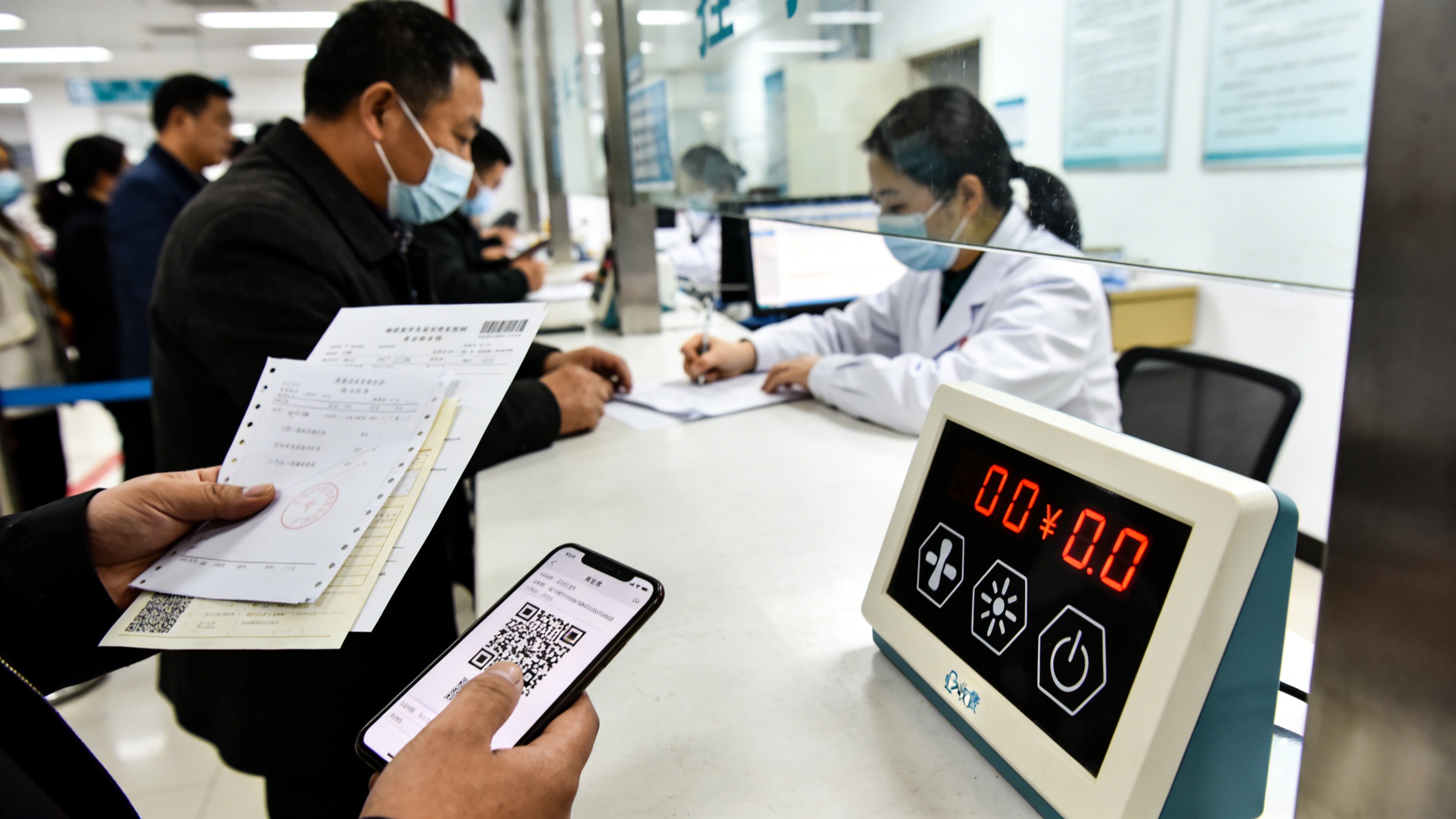
Payment processes can be unfamiliar for Australians because you often pay before services are provided, not after. You may also have multiple payment points during one visit.
Bring a payment method that works reliably:
· Many hospitals accept Chinese mobile payments, but visitors may not always have these set up.
· Major cards may work at international clinics; public hospitals can vary.
· Cash is still useful as a backup in some locations.
Ask for an itemised receipt and, if you’ll claim through insurance, request documentation that states the diagnosis and services provided. In China, official receipts may be referred to as a fapiao, and having the correct paperwork can make the difference between a smooth claim and a long email chain later.
One sentence worth repeating: keep every receipt, even for small pharmacy purchases.

Healthcare Costs in China Compared with Australia
Australians are used to Medicare covering many GP and hospital services, so it can be hard to compare directly. Still, travellers often notice that public-hospital fees in China can be low, and testing can be priced in a way that feels transparent because it is itemised.
International clinics, on the other hand, may feel closer to private fees back home. The value there is speed, English communication, and a predictable patient experience.
If your priority is purely cost, public hospitals often win. If your priority is clarity and ease, international clinics often win. Plenty of travellers choose a mix depending on the situation.
Does Travel Insurance Cover Medical Costs in China?
China is not free healthcare for tourists. You will pay, even in emergencies.
A strong travel insurance policy can reduce your final out-of-pocket cost, but only if you follow the policy rules. Before you travel, check:
· outpatient doctor visits (not just hospital admissions)
· pre-existing condition clauses
· medication and follow-up visits
· private or international clinic coverage, since some insurers reimburse at different rates
· what documentation is required for claims
If you’re already in China and need care, contact your insurer early if the situation is more than a quick consult. They may direct you to preferred providers or specify what paperwork to collect.
Planning Medical Care During Your Trip to China
Illness has a habit of arriving at awkward times: between cities, mid-tour, or right before a flight. Planning helps, even if you never use it.
A practical approach is to have a short “health buffer” built into your trip, especially if you’re travelling with kids or older family members. That could be as simple as not packing every day with non-refundable activities.
For travellers who want medical support integrated into their plans, a specialised travel planner can coordinate appointments, transport, and recovery-friendly accommodation. Three Bears Travel, for example, designs private itineraries across China and Japan and can also arrange medical tourism experiences where a health check or treatment is paired with a comfortable travel schedule, local support, and clear logistics.
That matters most when you need follow-up visits, downtime, or a calm environment while you recover.
What to Bring When Visiting a Doctor in China
A little preparation can shorten the visit and reduce the risk of repeat consultations.
· Identification: passport, plus a photo of it saved securely
· Medical information: allergies, current medications, and any relevant history
· Symptoms timeline: onset, fever readings, photos of rashes, and what you’ve already tried
· Your address in China: hotel name in Chinese characters if possible, plus a phone number
· Insurance details: policy number and emergency contact line
If language may be an issue, having your key symptoms translated into simple Chinese (even on your phone) can help the clinician move faster and prescribe more accurately.

Quick FAQs travellers ask
Is a doctor’s visit expensive in China?
It depends where you go. Public hospitals often have low registration and consultation fees, while international hospitals and private clinics are typically much higher because they include more English-language support and concierge-style service.
Do tourists get free healthcare in China?
No. Tourists pay for consultations, tests, and medications. Travel insurance may reimburse you later if your policy covers the service and you keep the right documentation.
Can I walk in, or do I need an appointment?
Public hospitals often accept walk-ins via registration, though you may wait. International clinics are more likely to offer scheduled appointments and shorter waits.
Will I be pressured into lots of tests?
Many clinicians in China use testing to confirm diagnoses quickly. You can ask what’s essential, what the estimated cost is, and whether any tests can be deferred if your symptoms are mild and stable.
Should I choose a public hospital or an international clinic?
Choose based on your needs. For cost, public hospitals are often the best value. For communication, comfort, and speed, international clinics are often preferred, especially for travellers who want English support and straightforward paperwork.
If you plan ahead, a medical visit in China can be manageable, affordable, and efficient, even when you’re far from home. The key is knowing which type of facility suits your situation, budgeting for tests as well as the consult, and keeping your paperwork tidy from the start.