

Minimum Guests
2 Person
Activate Day
4 Nights/ 5 Days
Fully Inclusive
Touring with Guides and entrance fees
Guide
English-speaking guide services as per the itinerary
Accommodation
4 nights in 4-star accommodation
Included Meals
Breakfasts: 4 , Lunches: 0 , Dinners: 1Tour Timeline
If you need to increase or reduce the number of travellers, please contact us for customised arrangements.
- Enjoy a private pickup from your arrival point, with a guide accompanying you and providing support throughout the transfer
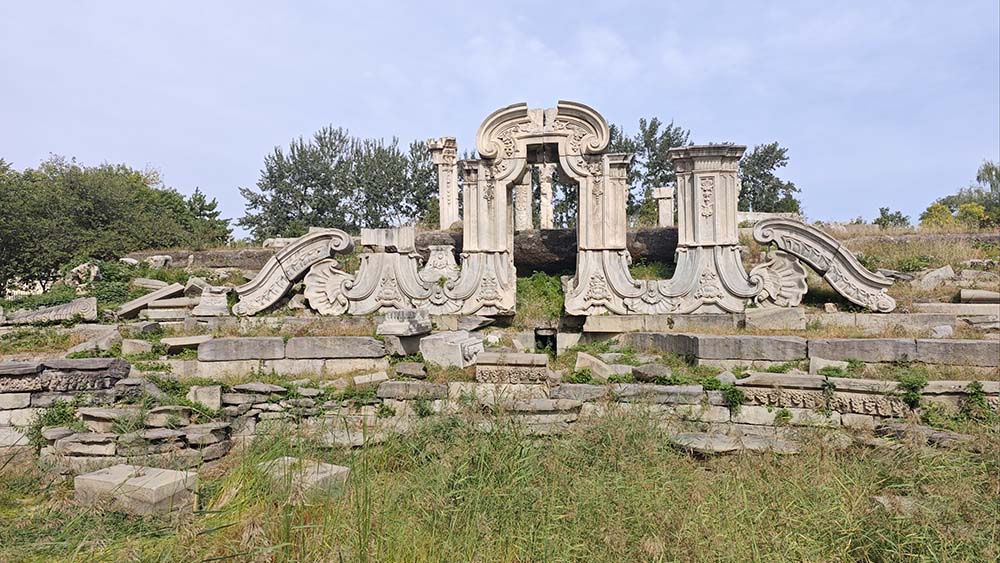
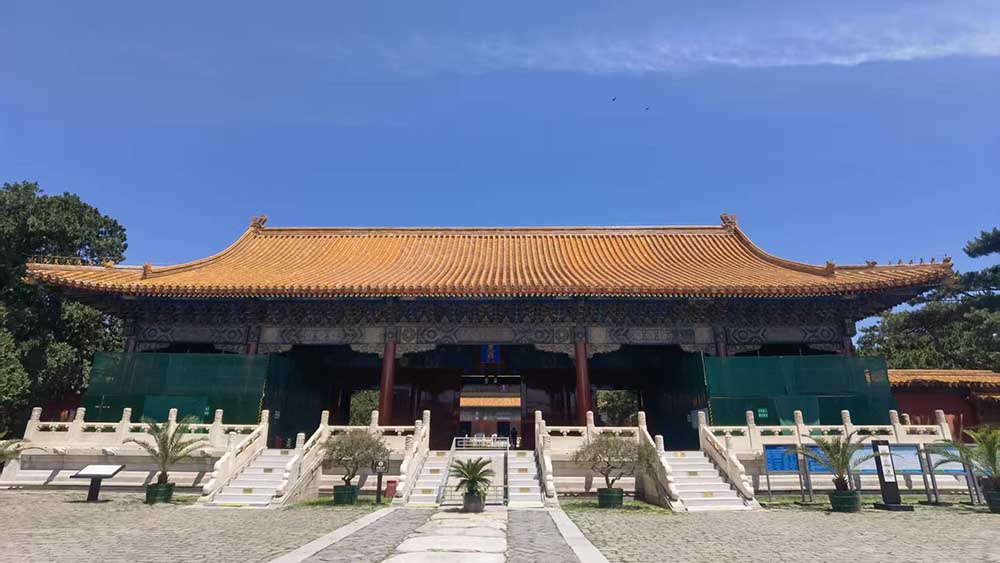
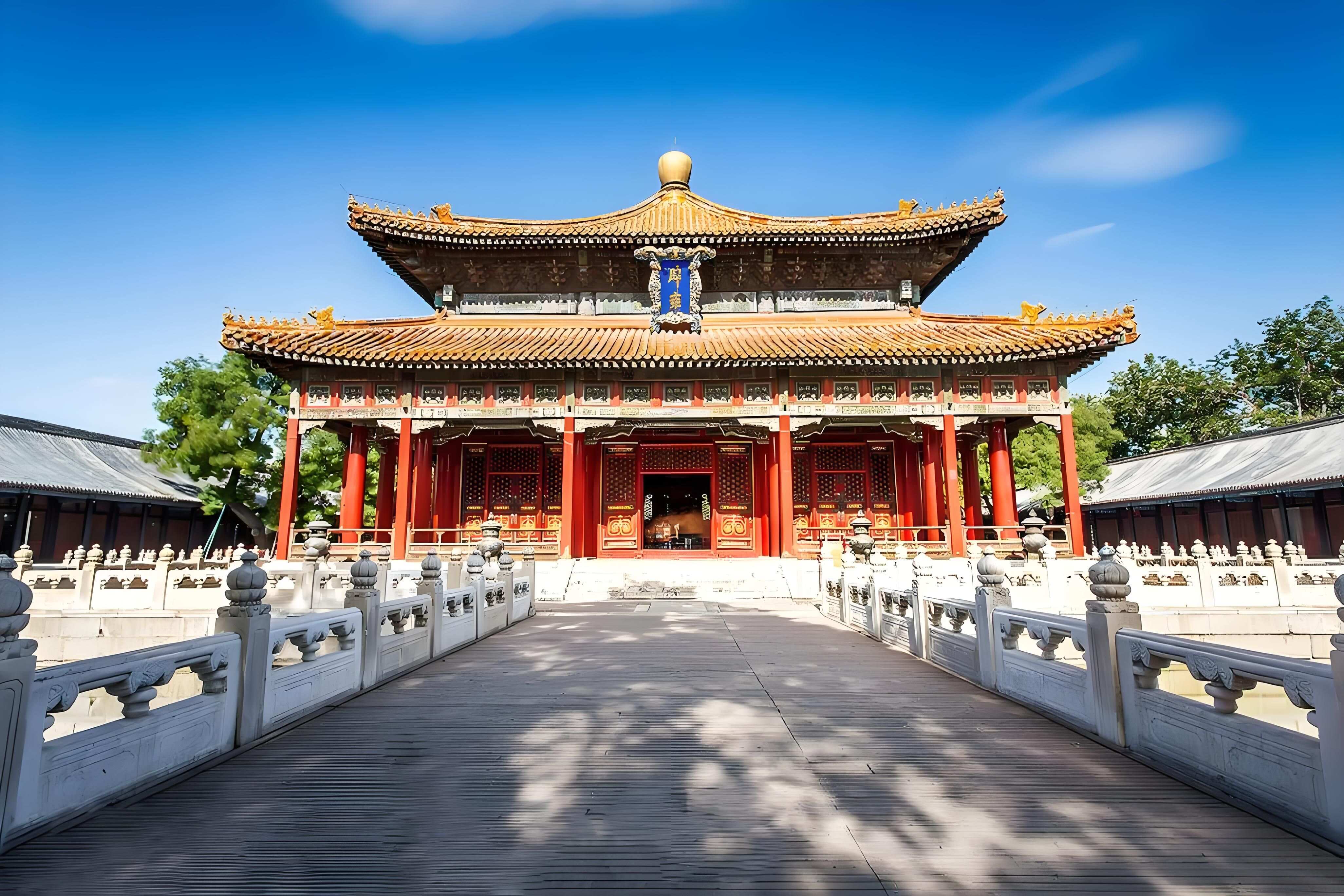
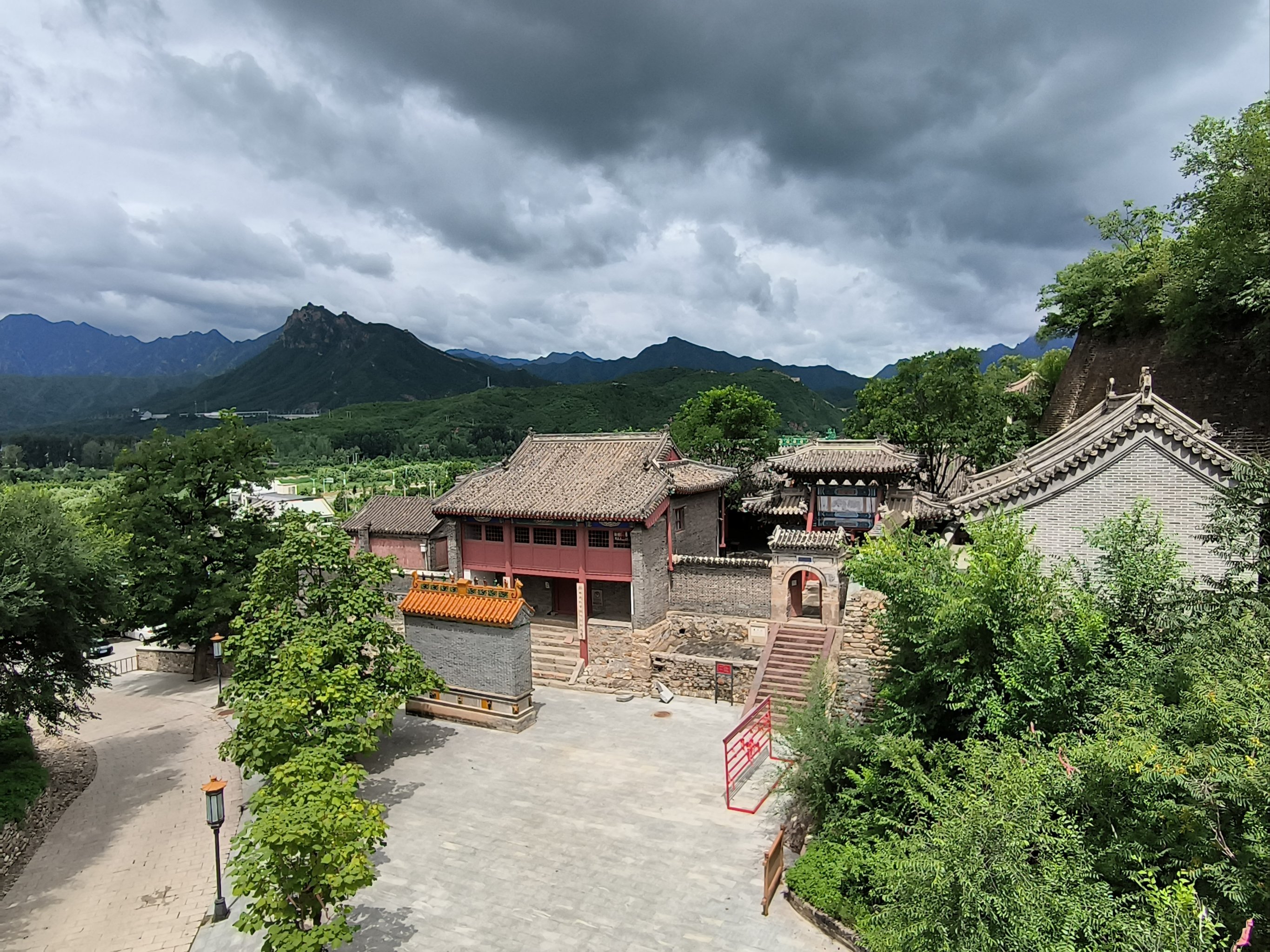
- None
- Private Van
- Full-day professional English-speaking local guide
-
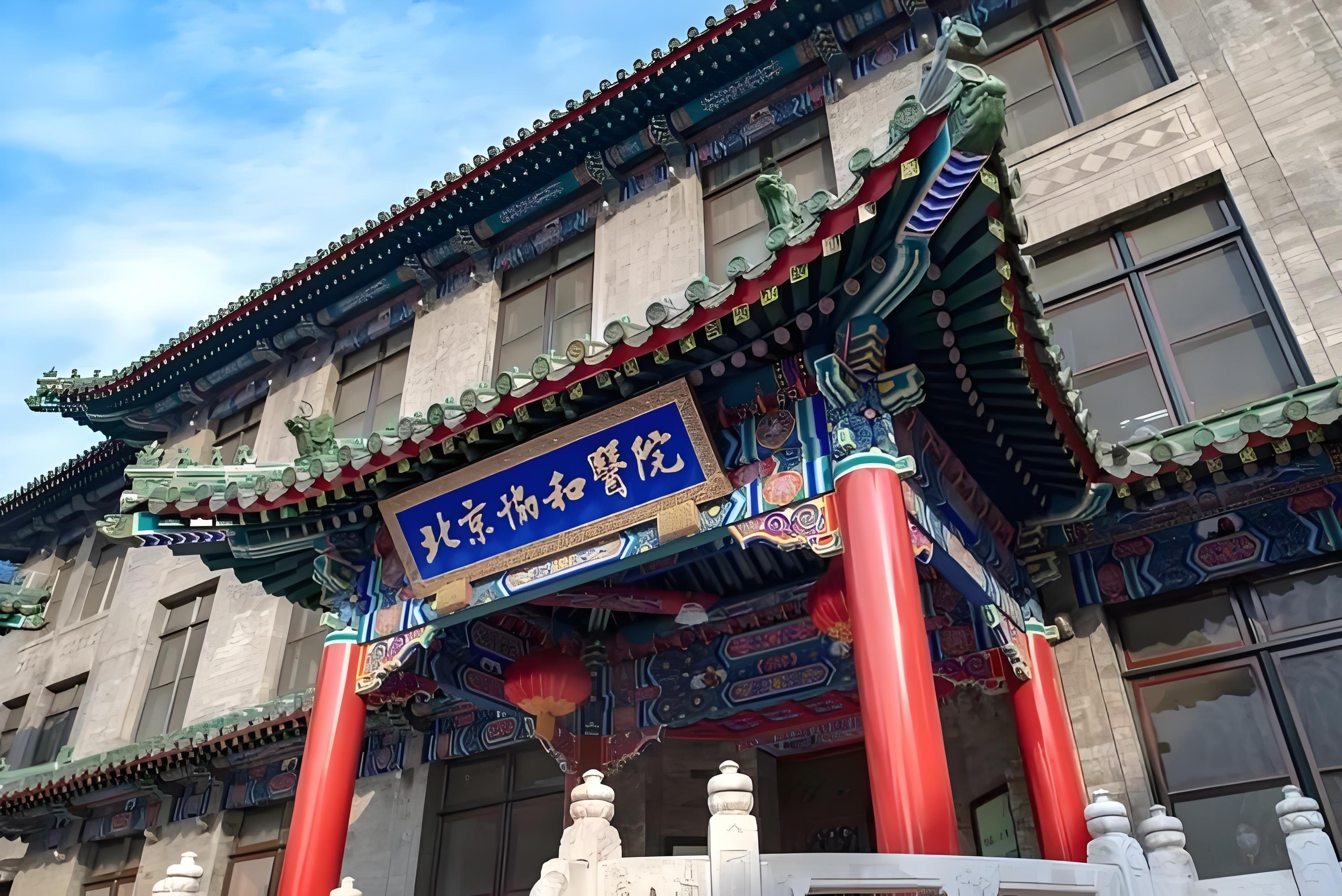
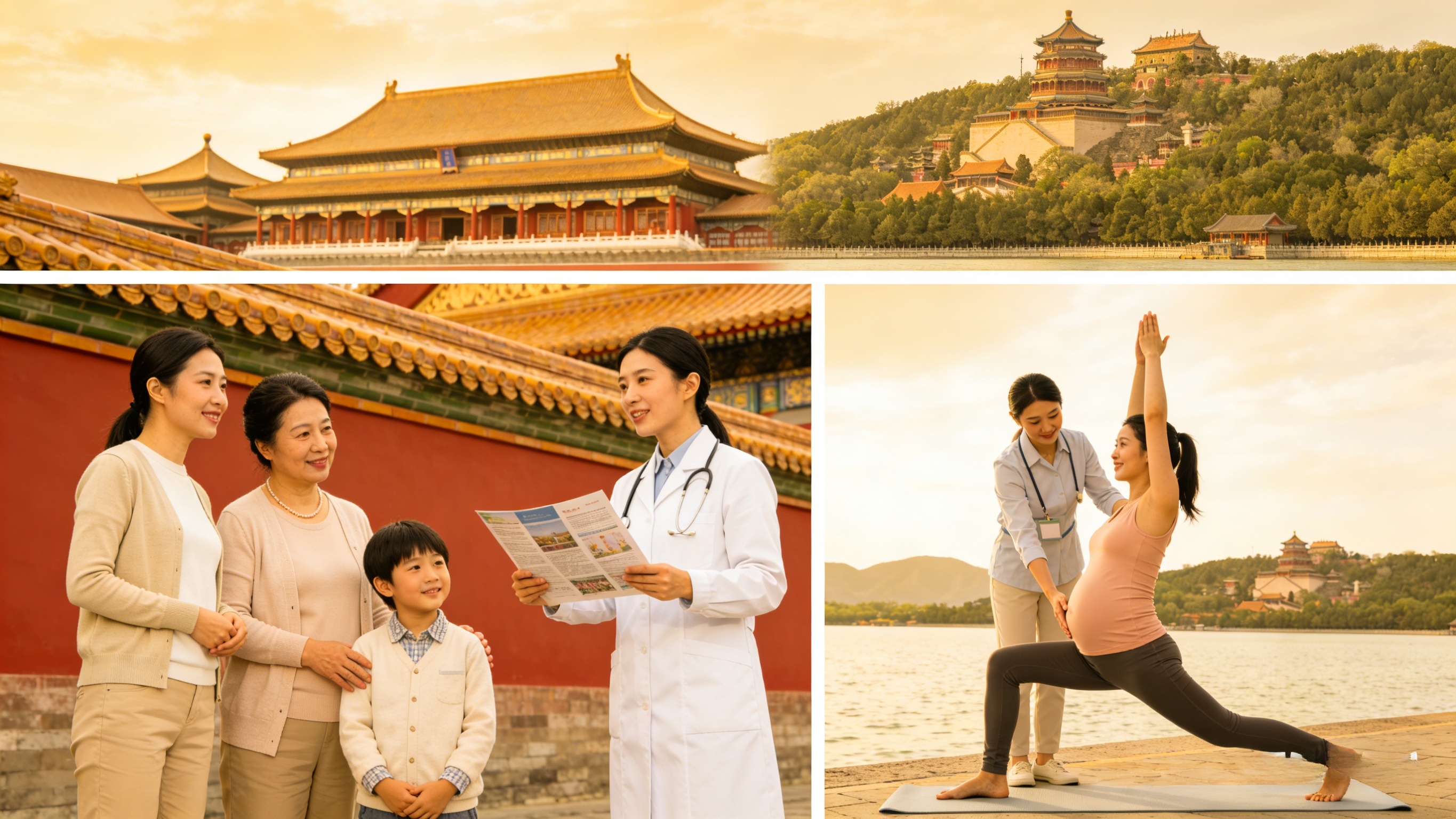
Fertility & Women's HealthPeking Union Medical College Hospital (PUMCH) is a top-tier medical center in China, leading in fertility and women’s health. Its International Medical Department offers premium English-friendly services for overseas guests, with professional specialists in pre-conception care, infertility treatment and women’s health.Service IncludesPre-booked VIP registration for General VIP Fertility & Women's Health Specialist (no queuing).Exclusive VIP channel and on-site assistance by our tour guide.One-on-one expert consultation and personalized medical advice.Important Notes1.This service only includes the VIP registration & reservation fee (no other extra fees).2.All additional medical expenses (tests, medications, treatments, etc.) are paid by guests on site.3.Our tour guide provides on-site assistance only, not medical responsibilities.
-
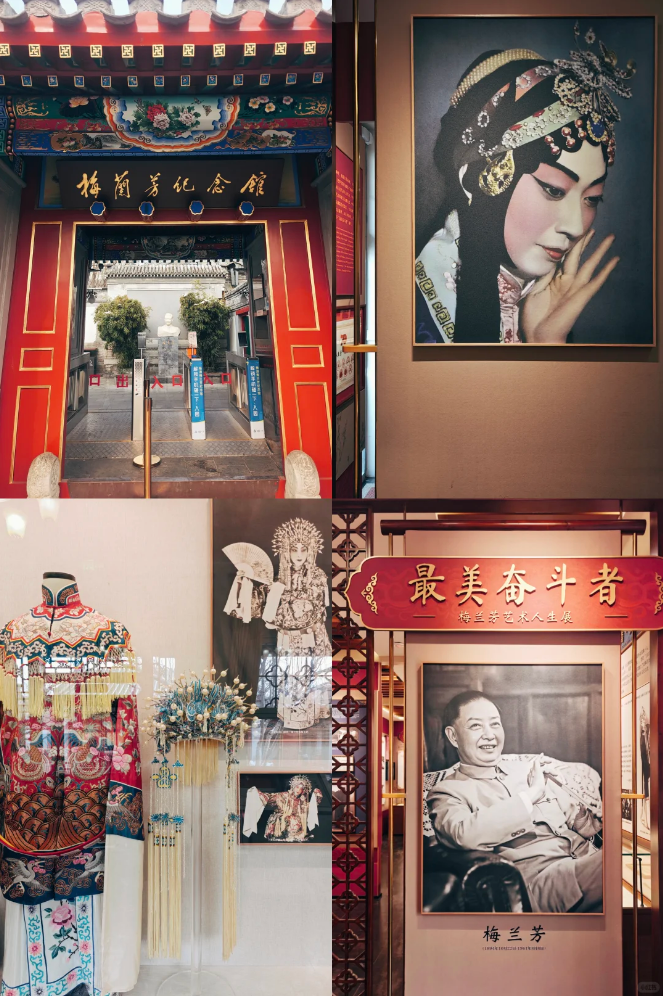
Mei Lanfang Memorial Hall
he Mei LanFang Memorial Museum, located at No. 9 Huguosi Street, Xicheng District, Beijing, is a typical Beijing quadrangle courtyard. It was originally the stable of Prince Yi's mansion in the late Qing Dynasty and was later renovated into a residential building, covering an area of more than 700 square meters. Mei LanFang lived here from 1951 to 1961, and on October 27, 1986, his former residence was converted into the Mei LanFang Memorial Museum and officially opened to the public
-
Dingfu Street
In the Ming Dynasty, it was called "Dingfu Street" because it was named after the mansion of Xu Zengshou, the grandson of the Ming general Xu Da and Duke of Dingguo. During the Republic of China period, the homophonic name was changed to "Dingfu Street", meaning "stability and prosperity". In 1965, during the rectification of place names, the current names were retained and historical titles were continued.
The street runs east-west, connecting Longtoujing Street to the east and Deshengmen Inner Street to the west, located on the west side of the Prince Gong's Mansion. Belonging to the core area of Shichahai Scenic Area, it is adjacent to Huguo Temple Street to the north and Liuyin Street to the south
The No.1 Courtyard is the former site of Furen University (formerly known as Taobeile Prefecture), with a three courtyard layout and well preserved brick carvings of the gate tower. No. 3 is the former site of the Qingqing Palace, with the existing Xieshan style main hall and rear building complex. On both sides of the street, there are six Qing Dynasty official residence gatehouses, with brick carvings featuring plum, orchid, bamboo, chrysanthemum, and antique patterns.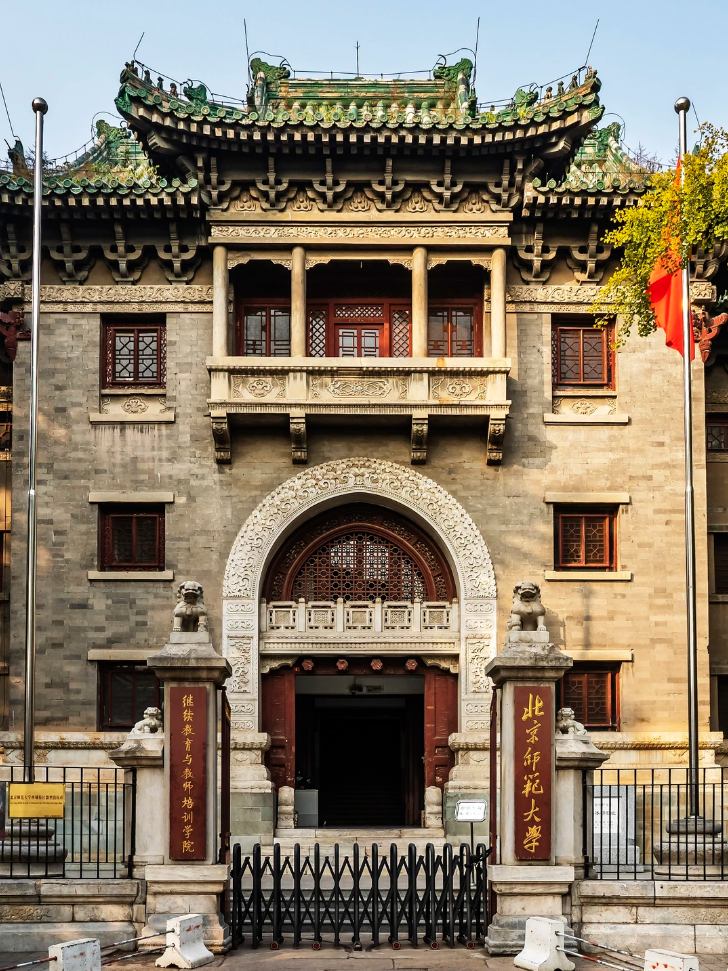
- Breakfast
- Private Van
- Full-day professional English-speaking local guide
-
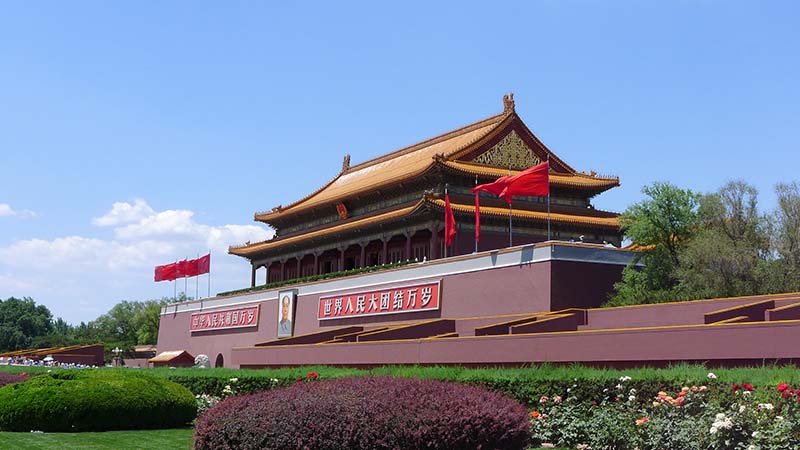
Tiananmen Square
Visit Tiananmen Square, one of the world’s largest public squares. Home to the Monument to the People’s Heroes and Mao Zedong’s Mausoleum, it represents modern China’s heart and history. Capture the spirit of Beijing at this iconic landmark surrounded by monumental architecture.
-
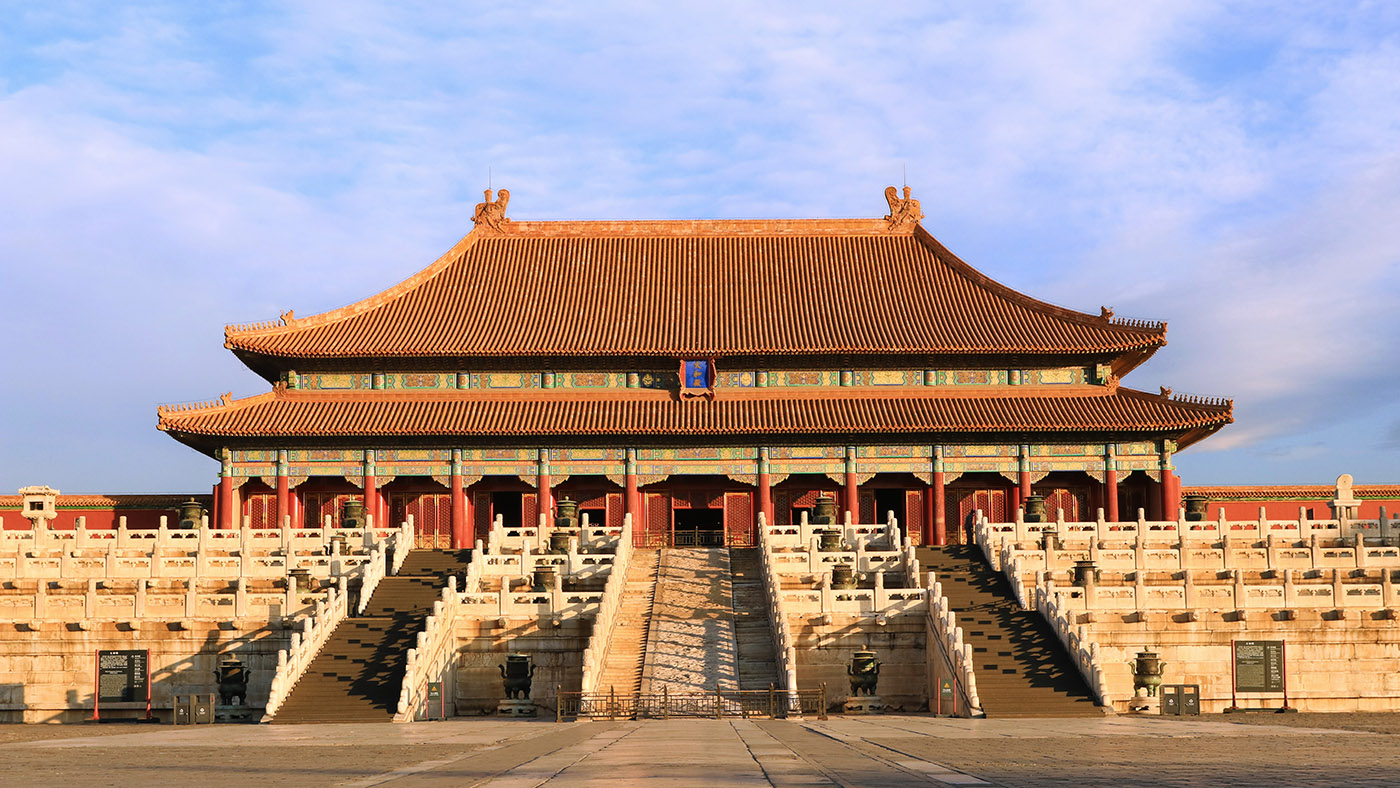
Forbidden City
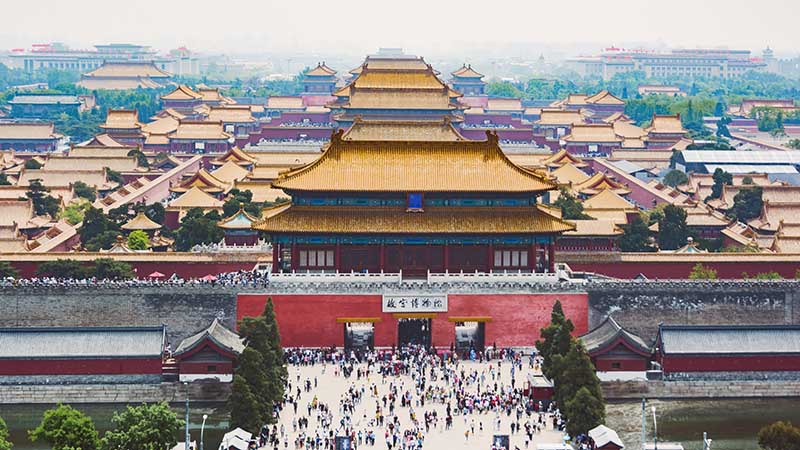
Discover the Forbidden City, a UNESCO World Heritage Site with nearly 1,000 buildings, grand halls, and defensive walls. Built in the 15th century, it showcases imperial architecture, traditional Chinese craftsmanship, and fascinating history—a must-visit Beijing landmark and heritage site.
-
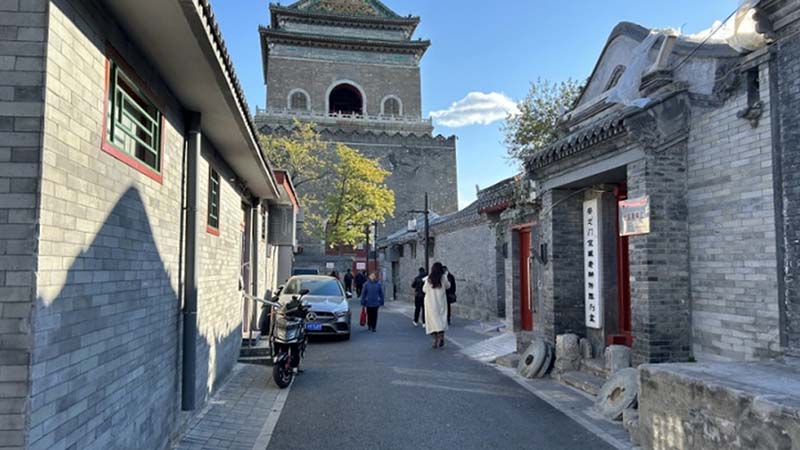
Hutong
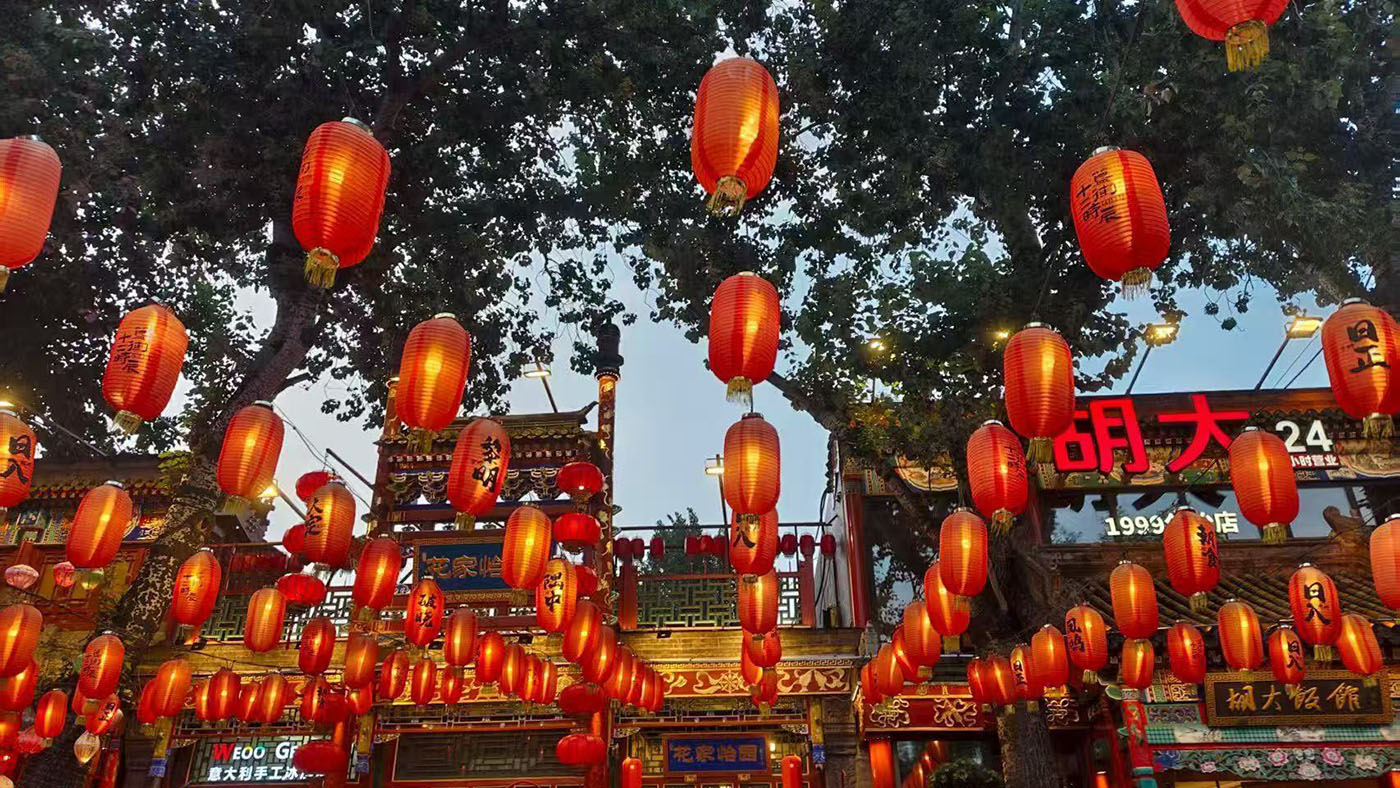
Explore Beijing’s historic hutongs, narrow lanes that reflect ancient Chinese Feng Shui and community life. Stroll past traditional Siheyuan courtyards, watch locals playing mah-jong, and soak in the old-world charm. Perfect for cultural exploration and photography in Beijing’s living history districts.
-
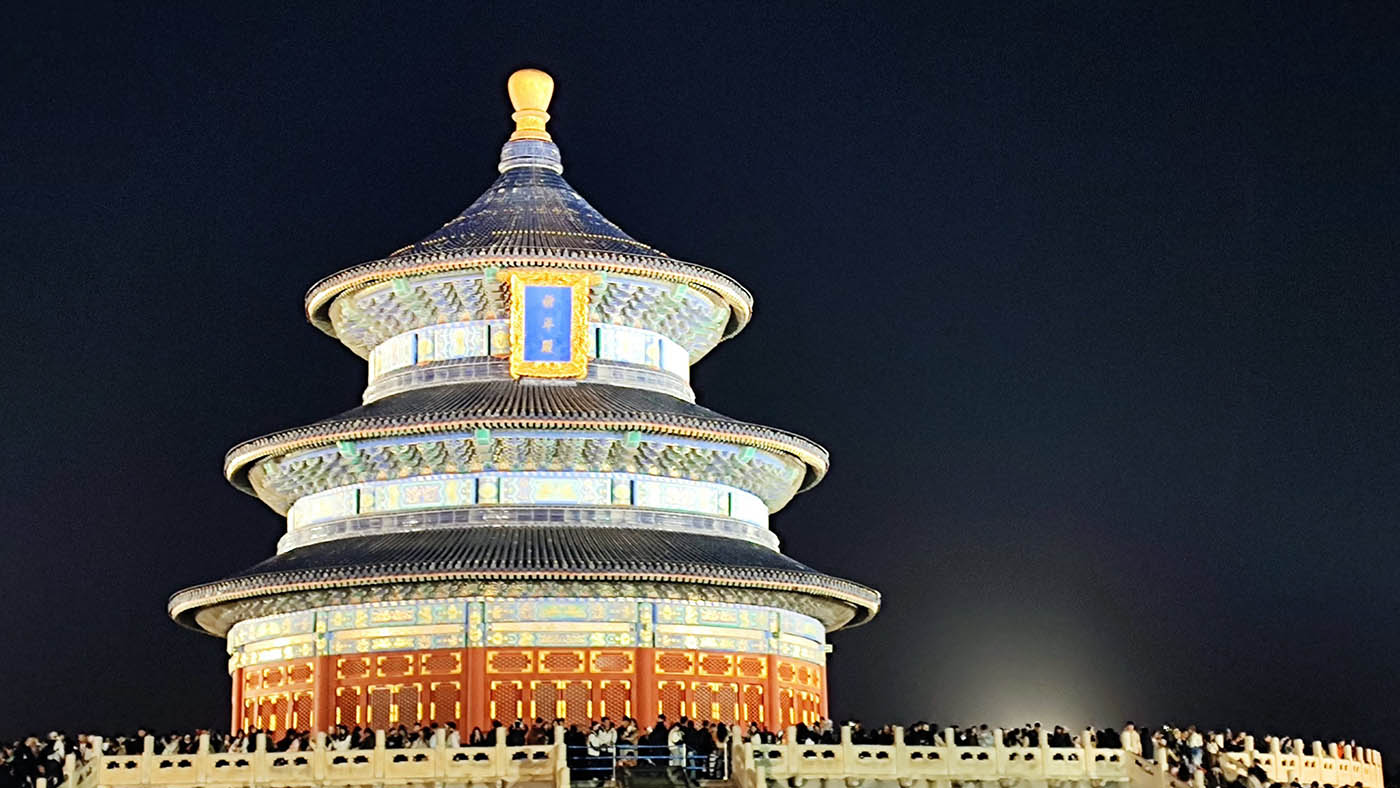
Temple of Heaven
Explore the Temple of Heaven, a masterpiece of Ming architecture symbolizing the harmony between heaven and earth. Once used by emperors to pray for good harvests, today it’s a peaceful retreat filled with locals practising tai chi. A must-see Beijing attraction and World Heritage Site.
-
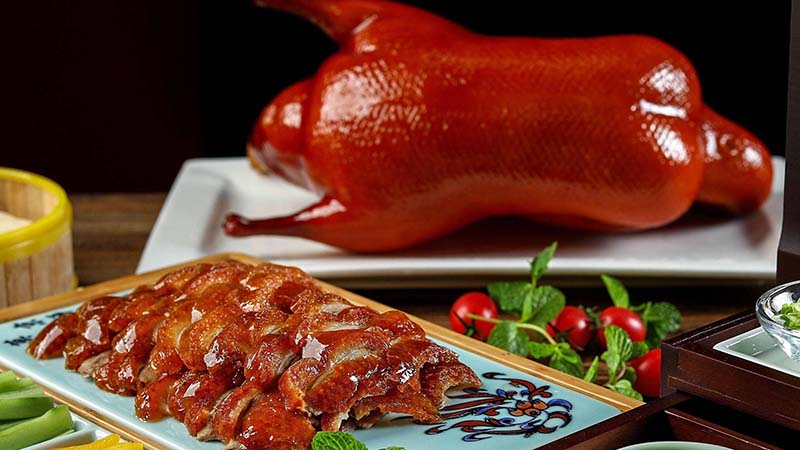
Peking Duck Dinner
Savor Beijing’s world-famous Peking Duck. Crispy skin, tender meat, and traditional preparation make this dish a national culinary symbol and an unforgettable gastronomic experience.
- Breakfast , Dinner
- Private Van
- Full-day professional English-speaking local guide
-
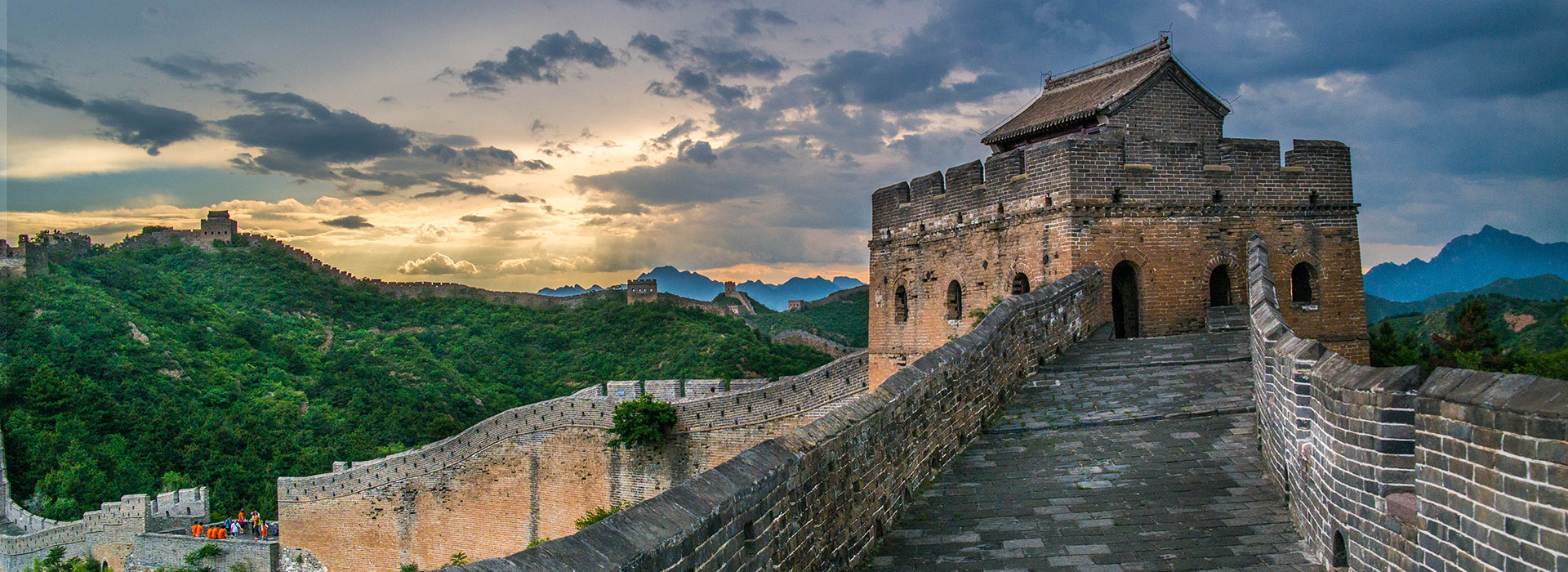
Huanghuacheng Water Great Wall
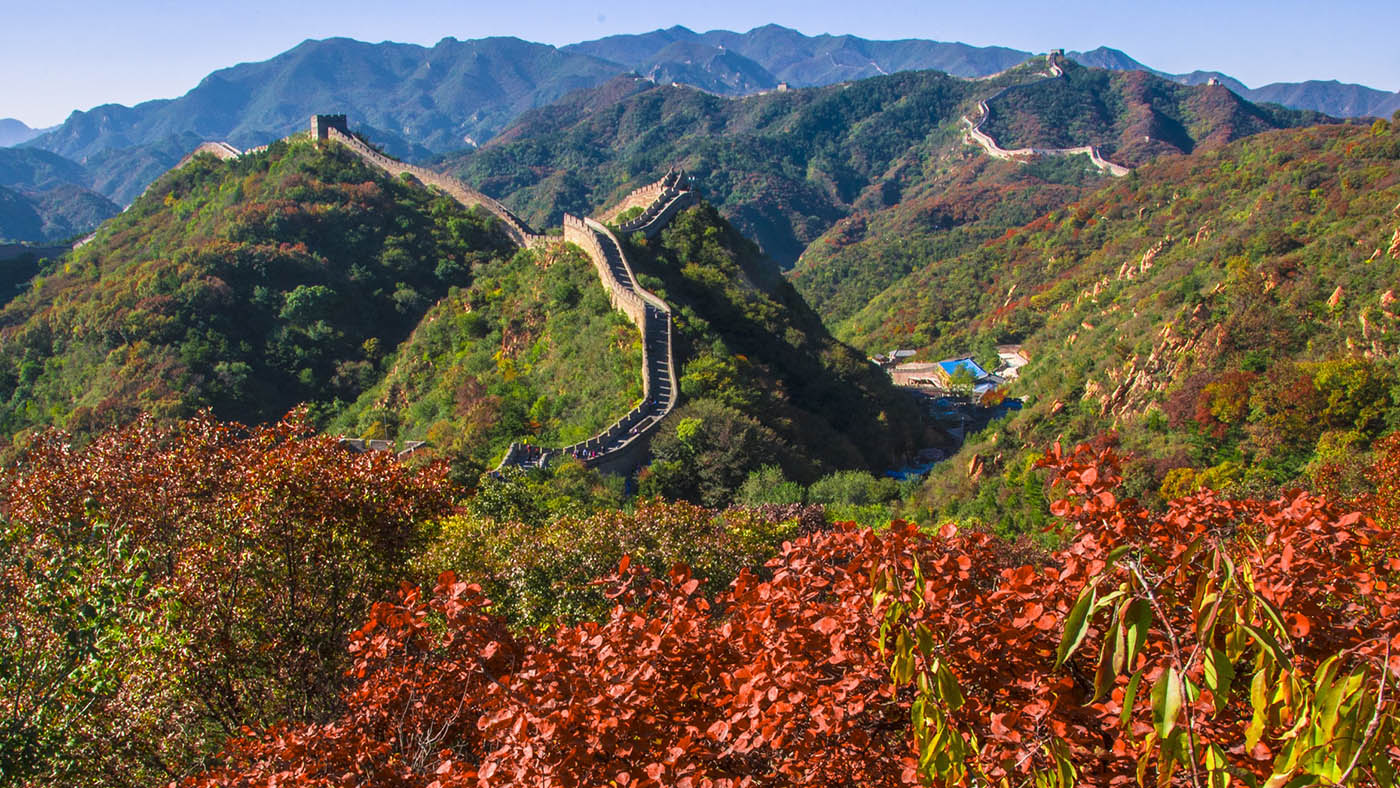
Surrounded by mountains, the scenic area boasts lush and verdant forests, creating a magnificent and diverse natural landscape. The Huanghuacheng Great Wall belongs to the Ming Dynasty Great Wall. Due to the construction of Xishuiyu Reservoir, the water level rose, forming a unique landscape of the Great Wall playing in the water. The ancient trees in the chestnut orchard of the Ming Dynasty were intricately intertwined, with some of them planted by the defending soldiers, forming a unique cultural wonder in the suburbs of Beijing. Haoming Lake has a wide water area, where fishing, rafting and other water activities can be carried out. The lakeside beach provides outdoor barbecue and children's water play areas
The Haoming Lake naturally separates three sections of the Great Wall, creating a unique landscape of the Great Wall playing in the water and the city walls submerged in water, known as the Two Wonders. The Ming Dynasty chestnut orchard, which is adjacent to the Great Wall and the lake, covers an area of over 100 acres and has more than 40 ancient trees planted by the defending soldiers of the Ming Dynasty. The chestnut trees in the park are intricately intertwined and have various shapes, making them a rare cultural landscape in the suburbs of Beijing, known as the Three Wonders.
Follow the ancient path, cross the wooden bridge, cross the small stream, cross the strange rocks, and ascend to reach Heilongtan. Along the way, natural landscapes such as Zicui Peak, Biyu Lake, Drunken Women's Mountain, Shilang Valley, Lover Peak, and Sanzhu Liantan are even more refreshing and unforgettable.
The 'Three Wonders' here are even more captivating and breathtaking:
The Great Wall, built in the Yongle period of the Ming Dynasty (1404), is magnificent, steep, and majestic, hovering over the mountain ridge and surrounding the Haoming Lake, with beautiful and spectacular scenery. The Great Wall here is not only the north gate to guard the capital, but also an important gateway to guard the Ming Tombs, the "Ming Tombs", the essence of the Great Wall of the Ming Dynasty.
The "Two Wonders" lake water naturally breaks three sections of the Great Wall, creating a unique landscape of the Great Wall playing in the water and the ancient city walls submerged in water. It is also a unique "mountain jade, water Great Wall" that can be touched up close in the suburbs of Beijing, and the landscape of the three sections of the Great Wall entering the water like Huanghuacheng is truly unparalleled in China. There is a poem that goes: The city embraces the blue waves and ripples, and the water surpasses the ancient city walls; The urban water echoes, magnificent and leisurely.
The "Three Wonders" of the Ming Dynasty chestnut orchard are ancient trees with tangled roots and various shapes. The body of the giant dragon playing with pearls and supporting the crown of the sky are full of praise and admiration. During the Ming Dynasty, the soldiers guarding the city were divided into three parts for guarding the border and seven parts for cultivating and planting. They worked hard to cultivate the Ming Dynasty chestnuts, and although such a large area of ancient chestnut orchards had been weathered, they still had deep roots and lush leaves. It can be described as a unique cultural wonder in the suburbs of Beijing. There is a poem that praises: The ancient chestnut trees are lush and green, growing on the slope, and they remain calm even after enduring wind and rain; Not reluctant to offer abundant fruits, with plump particles that are renowned throughout the city.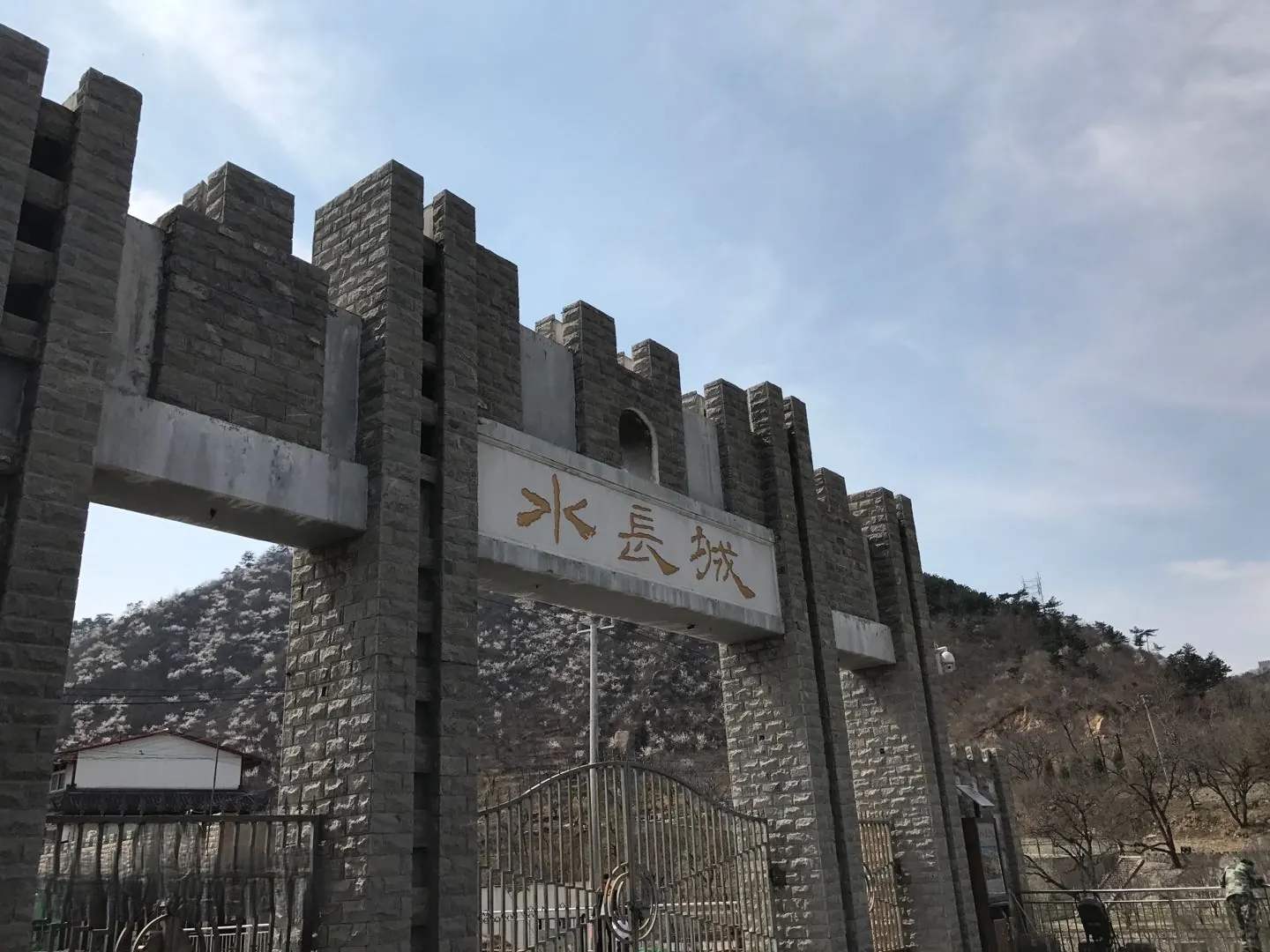
-
Ming Tombs and the Sacred Way
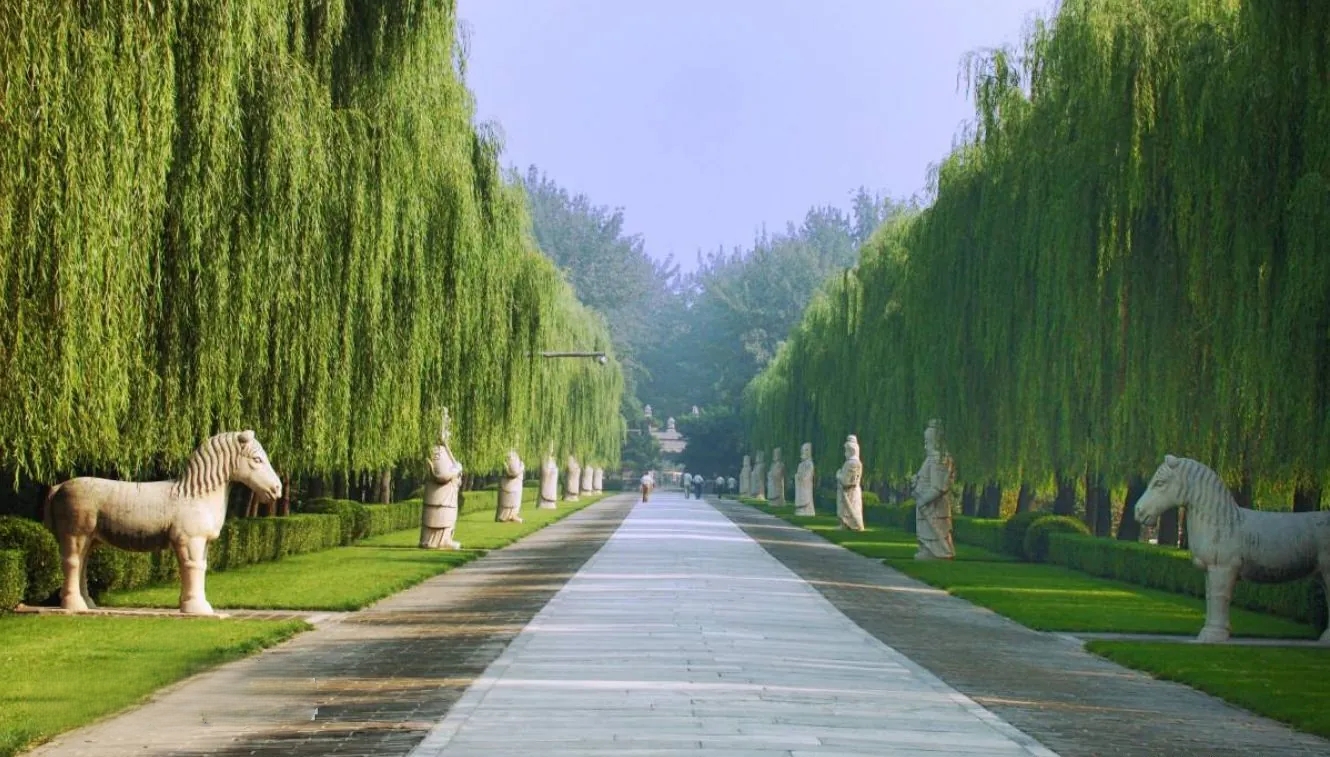
Shenlu, also known as the Thirteen Tombs Shendao, is the leading architectural complex of the Ming Changling Mausoleum, located in Changping District, Beijing. Originally established for Changling, it later became the shared main Shinto of the mausoleum area due to the separation of other mausoleum Shinto from this path. Founded in the early years of the Ming Dynasty's Zhengtong reign and completed in the 19th year of the Ming Dynasty's Jiajing reign (1540), it is now a national level cultural relic protection unit. The total length of the building complex is 7.3 kilometers, including the stone memorial archway, the three hole bridge, the grand palace gate, the Shengong Shengde Stele Pavilion, the stone statue living, the Longfeng Gate (also known as the flame memorial archway), the south five hole bridge, the seven hole bridge, the north five hole bridge and other tomb facilities and bridge and culvert buildings. The shape of the stone memorial archway is five doors, six columns, and eleven floors. The stone statue living is composed of twelve pairs of stone animals and six pairs of stone men, which are finely carved and vividly shaped. The Ming Thirteen Tombs already have Changling, Dingling, Zhaoling, Kangling, Yongling, Siling, Jingling and Changling Shenlu open to the public, among which Changling, Dingling, Zhaoling and Shenlu are regular open scenic spots
- Breakfast
- Private Van
- Full-day professional English-speaking local guide
- Enjoy a private drop-off from your hotel, with a guide accompanying you and assisting throughout the transfer to your departure point.
- Breakfast
- Private Van
- Full-day professional English-speaking local guide
Accommodation
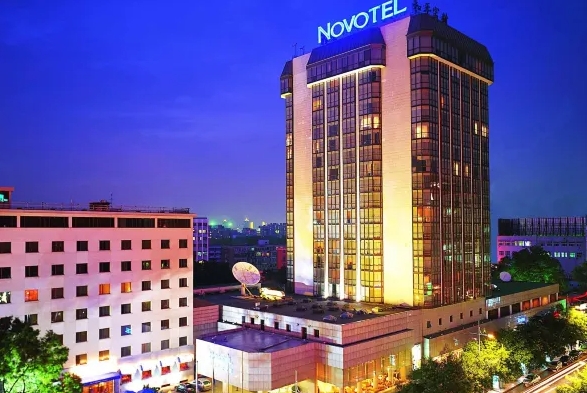
We draw from a wide range of hotels on our holidays, each one is chosen to suit the tour you are travelling on meaning your accommodation can range from a smart business hotel in one city to a family run guesthouse in a smaller town. Here are some examples of the type of hotel you can expect to find on this tour.
Tour Price
Based on a private tour for 2 people including accommodation, local transportation and guided sightseeing/activities. Price may vary depending on the itinerary, travel date, number of travellers and selected hotel category.
Price Excludes:
- International flights
- The meals not mentioned in the trip plan
- Personal expenses
- Travel insurance, and repatriation insurance
- Optional excursions, activities, and optional tours
- Reservations marked as "reserved by traveler" are reservations that the traveler is responsible for directly.These items are not reserved or supported by kimkim and are included in the trip plan just for completeness.
- Any charges due at the hotel include local city taxes
Clients Reviews
We had an absolutely amazing trip!!! Every detail was meticulously planned by Ben. From our great drivers and guides to having the last seat of the bullet train reserved for our extra luggage. I never would have thought of doing that but it was a huge help since we bought a lot of souvenirs! Peter was our guide in Tokyo and Mt Fuji and he took the most beautiful photos of my daughter and I. It was so nice to be in the pictures instead of behind the camera and I am so thankful for those memories.We ate at several local restaurants that were fantastic and we were the only tourists there. I would never have found these places without my guides Peter and Takizawa.Peter and Takizawa went above and beyond my expectations as guides and Ben was so accommodating to my teenage daughters many requests and planned everything out so perfectly. The drivers were always on time and let me know their plate numbers and names on WhatsApp. They always offered to carry our luggage and were very polite. The cars were always clean and they drove safely. I was so happy that I didn't have to drive in that insane traffic!I could never have planned this on my own and I am so happy that I chose Three Bears Travel!

Miriam P.
May 02, 2026
I worked with Ben for a number of months to personalize a very special trip to Japan. He could not have been more accommodating, and he answered every question in a timely manner. He made wonderful suggestions, and we weren’t disappointed anywhere along the line. We had three different guides, Ursula, Sorata, and Pitt - each lovely and knowledgeable. We enjoyed spending our days with them very much. Everything promised was delivered, and even more. Ben even arranged for a birthday cake for me - a delightful surprise. Our time in Japan was filled with wonderful memories, beautiful experiences, and gracious interactions. We can’t wait to come back!
Karen K.
May 02, 2026
We had such a memorable time in Japan. Ben really understood what my family's interests were and chose fantastic locations and experiences for a first trip to Japan. Our guid in Tokyo, Yoko was very knowledgeable and efficient at zigzagging us all over the city.In Kyoto, Ursula was amazing and was able to sneak in a few extra stops to maximize the sakuras at their peak. She was also helpful in giving us some tips on where to go in Osaka.
Lauren M.
Apr 26, 2026
THANK YOU for the trip – it was SO well planned, and clearly a LOT of thought went into it. We are so grateful, and we are now big Three Bears Travel fans! We travel a LOT, to all kinds of crazy places! It is unrealistic to travel across the world and expect things to NOT go wrong. What matters, and why we work with travel professionals like you, is to have support and back up when things DO go wrong – THAT is what matters! Three Bears Travel seamlessly fixed an issue on our travels, and they are THE BEST, and you can travel worry-free! Our planner Ben was remarkable - attentive, knowledgeable and friendly, and our guides Roy, H and Piter were exceptional. 10/10, DO recommend! Thank you, team Three Bears Travel, for an amazing experience and incredible 'whatever it takes' service!
John F.
Apr 23, 2026
My wife and I are celebrating our 10 year anniversary this July and I knew early on that a family of four trip to experience Japan for the first time together would be a once in a lifetime event. I knew well enough that I would not be able to plan and execute such an important trip myself so I feel so grateful that I stumbled upon Three Bears Travel and hit the ground running. Ben was my wonderful trip planner and from the first interaction, he was so extremely helpful and patient with my 1,000s of questions and itinerary changes. I wanted this Japan trip to be something that would be relatively stress free for me and my wife but also contain a variety of activities and experiences that our entire family would enjoy. Working with Ben to plan the entire trip was such a breeze. I felt completely at ease and comfortable with Ben's recommendations and suggestions. Every part of the trip was designed and planned wonderfully. From the meticulous selection of amazing hotels across the spectrum of Japanese styles (ryokan, onsens, apartment-style, mountain resorts) to all the fun hands-on activities for adults and kids alike (sushi-making, samurai museums, sumo shows, etc), this was a trip that none of us will ever forget. And I would be remiss without mentioning our incredible tour guides, Peter and Ursula. Peter was so on task and schedule with us during our Tokyo days and he was so patient and gracious with our children throughout the tours. I can't count how many times he and I would be carrying my napping daughter still in her stroller up and down various train station steps over multiple stations and transfers. He never failed to take care of our every need in this unfamiliar place. We had zero stress with Peter around that allowed us to soak up the joy of the experience 100%. Ursula was our amazing tour guide (and pseudo member of the family) in Kyoto/Osaka. Our family hit it off with Ursula right from the get go and she was always so flexible with our minor changes in scheduling and events as we did our best to adapt to our children's energy levels and attention spans. The extremely hot weather in Japan also put added pressure on everyone but both Ursula and Peter were always ready to lend a hand and make sure we all stayed healthy and happy throughout. This trip was planned as perfectly as I could have imagined and I owe Ben/Peter/Ursula/Kimkim a huge thank you on behalf of my entire family. The next time we want to take another adventurous trip, I would not hesitate for one second to work with Three Bears Travel again. I also highly recommend to anyone who wants to plan a milestone trip like ours without the hassle and stress. Thank you again Three Bears Travel team! Until we meet again!
Eric, Wanee, Easton, and Esther
Mar 10, 2026
Everything went off just as planned, and we were all pleased. Our guides were all great and went out of their way to see that we saw more, especially when they found out that we were not interested in the more highly crowded places. They patiently answered our questions and saw to our needs. Ben, our specialist, could not have been more attentive to our frequent questions and concerns. He was able to change events based on our interests even as the date of our departure approached. The only thing I would have changed is deleted some of the more crowd-impacted locales such as Nikko and put in more off the beaten path trips like our monastery stay in Minobu and the marvelous animated Festival Float museum in Takayama that our guide added in when he picked up on our interest. We learned and enjoyed much more in the less crowded venues, but this is Japan where it is truly hard to avoid the hoards of tourists. Overall, it was a wonderful trip. This is the second time Ben has helped us with a trip, and I will certainly turn to him again for any future trips.
Susan
Mar 05, 2026
Both of our guides were good. One we were with shortly and was a more focused day of getting to many places. He did a good job of coming up with some additional day of options and a great lunch rec. Young we had for 4 days and we really liked her. She was a bit soft spoken /quiet but very nice and knowledgeable and we found if we asked lots of questions we got lots of history and current info about not only the places she took us but also modern Japan life. Really enhanced our trip to learn about the history, shrines and temples. Getting around by train /bus was great for us and she had to work harder than if we had driver to navigate public transport for sure. Hotels were all nice. It was great. The only note is to warn guides we will want lots of restaurant recs (as where we’ll be is not always areas they’ve eaten. We had good luck using tablelog and AI ) and the food at the Hakone onsen was not very good. But we went out for great meals nearby.
Debbie J.
Mar 01, 2026
We just returned from our anniversary trip to Japan, and I can say with complete confidence that booking through KimKim was one of the best travel decisions we’ve ever made. In fact, this is our third trip using KimKim. From the very first planning email to the final farewell in Osaka, the entire experience was seamless, personal, and unforgettable.Ben, our travel specialist, was phenomenal. He helped us build the perfect itinerary—listening to everything we wanted, adding thoughtful suggestions, and tweaking the schedule along the way to fit our style. Thanks to him, our trip struck the perfect balance of culture, food, adventure, relaxation, and those “wow” moments we’ll be talking about for years.And then there were our guides: Peter and Ursula.These two were an absolute gift to our journey.Peter, our Tokyo & Hakone guide, made navigating Japan’s transportation system feel effortless. He taught us subway skills worthy of a Mario Bros. level-up, showed us how to experience Shibuya Crossing like locals, and gave us incredible historical context at temples and shrines. He even congratulated me on my sumo match at the lunch show (yes… I stepped into the ring and no, my training was not focused enough 😂).Ursula, our guide through Kyoto, Nara, and Osaka, was equally fantastic. From sake tastings in Fushimi to zen moments at the Golden Pavilion, she blended humor, storytelling, and deep cultural knowledge in a way that made every day feel like traveling with a friend. She helped us navigate the language barrier, made sure we didn’t get lost on trains, and offered endless tips to help us blend in better than we probably deserved. Both guides were great to pack in as much adventure each day while still leaving us with free time to roam and explore on our own.Every single day was packed with memorable highlights, many of which KimKim helped coordinate:✨ Sushi-making with a 4th-generation master (we are now “certified” Nigiri makers and have enough footage for a full-length documentary).✨ A tea ceremony and learning to whisk our own matcha at a university.✨ Visiting a capybara at a café—one of Emily’s bucket list items.✨ Riding the bullet train to Kyoto with snacks in hand and Mt. Fuji peeking through the clouds.✨ Walking through Arashiyama’s bamboo forest and a rickshaw ride through its historic streets.✨ A full cultural immersion day in Fushimi Inari, weaving through the famous vermilion torii gates.✨ A relaxing soak and stay in Hakone with incredible views of Mt. Fuji.✨ Exploring Osaka Castle and ending our trip at the Umeda Sky Building with panoramic nighttime views.And beyond the excursions, the guides helped us handle everything—from ordering meals to using the Suica card. They answered every question, solved every hiccup, and made us feel completely supported the entire way.KimKim didn’t just plan a trip—they helped create a collection of memories that feel like a chapter from our own personal, globe-trotting storybook.If you’re considering a trip to Japan—especially if it’s a special occasion—book with KimKim. Ask for Ben, and if you’re lucky, you’ll get Peter and Ursula too. They helped make our anniversary adventure everything we dreamed of…and then some.Arigatou gozaimasu, KimKim team.We’re already thinking about following the green light to our next chapter.—Ray & Emily
Ray & Emily
Feb 22, 2026
We wanted a customised trip instead of a standard tour group, and Three Bears Travel delivered exactly that. Norman took the time to understand what we liked and built an itinerary around food, shopping, and local experiences. It felt personal and flexible, not like a cookie cutter package.
Tom Harris
Feb 01, 2026
A huge thank you to Louise and Three Bear Travel for crafting such a fantastic Japan itinerary! Every moment was well thought out - whether it was the serene temples of Kyoto, the bustling streets of Tokyo, or the delicious food tours. The guides were knowledgeable, and the accommodations were excellent. We couldn’t have asked for a better travel experience!
Emily Carter
Feb 01, 2026
Travel Inspiration for Your Journey
Handpicked stories, guides and insights to help you shape your personalised trip. More...

Enquire Now