Beijing, the capital of China, is a city of sharp contrasts that somehow feel perfectly at home together. Ancient alleys sit a few kilometres from futuristic stadiums. A centuries-old temple is a short metro ride from a film set with roaring dinosaurs and wand-wielding students. It is a place that rewards curiosity, from the first sip of soy milk at a street stall to a night-time stroll past glowing steel architecture.
Travellers often arrive with a list of names they have heard for years. Bird’s Nest Beijing. 798 Beijing. Universal Studios Beijing. Hutong Beijing. The magic comes when those names turn into real places with voices, scents and textures. That is where the city stands out.
Three Bears Travel has long steered visitors between headline sights and tucked-away corners. With thoughtful pacing and a few well-timed detours, you can fit modern icons and old neighbourhoods into the same day without it feeling rushed.
Modern energy with living heritage at every turn
Beijing’s grand stage moments are recent and proud, showcasing the city as a hub of innovation. The 2008 Olympic Games redrew parts of the city and set a design benchmark. The creative quarter inside old factory buildings brought a new audience to Chinese contemporary art. A world-class theme park arrived with blockbuster polish, then looked across town to courtyards that remember imperial times. The result is a city that feels both grounded and restless in the best way.
Olympic venues that still turn heads
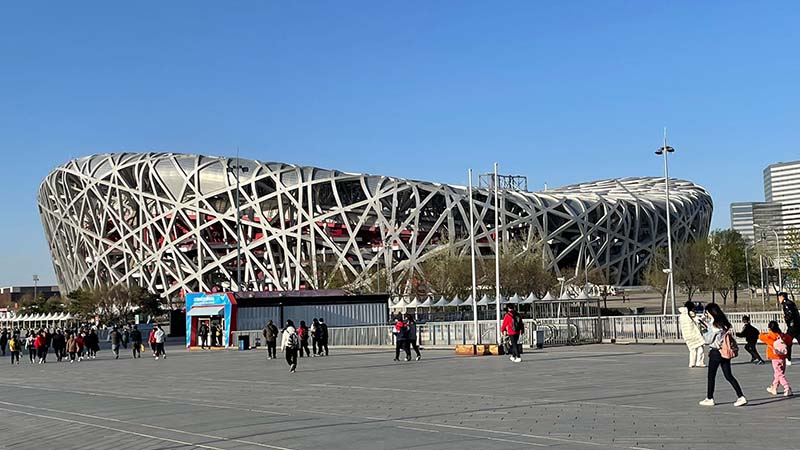
The Beijing National Stadium is hard to forget. Nicknamed Bird’s Nest Beijing for its lattice-like steel structure, it rises from the Olympic Green like a sculpture you can walk inside. Next door sits Beijing Water Cube, the National Aquatics Centre, its exterior panels shaped like bubbles. These two neighbours still rank among the most photogenic Beijing China attractions.
Must-see highlights
-
Visit late afternoon, then stay for twilight when the façades light up.
-
Walk the Olympic Forest Park loops for a quiet break with skyline views.
-
Step inside the stadium to see the scale from ground level, then move up to the stands.
-
If your dates align, catch a concert or winter sports setup that repurposes the venues.
The stadium tells a story about material and ambition. Guided tours explain how the lattice works, how the roof deals with weather, and how the venue adapted for later events. Designers and engineers see a masterclass in practical artistry. Casual visitors get a thrilling sense of space.
The Water Cube’s glow is soft and almost playful at night. Indoors, it now hosts aquatic fun in parts of the complex, with lanes and slides depending on the section and season. Families rate it for a half day, especially if you are nearby already.
Practical notes:
-
Metro: Olympic Park Station on Line 8 is your gateway. Line 15 also serves the wider precinct.
-
Photography: sunrise and blue hour both work well. Winter’s crisp air can give sharp clarity.
-
Tickets: the park areas are open to wander. Entry to the interior has a fee, and events have separate pricing.
These venues anchor many lists of things to do in Beijing. Even if architecture is not your main interest, the setting, the open spaces and the way locals use the area for exercise make it an easy win.
Hutongs where daily life hums
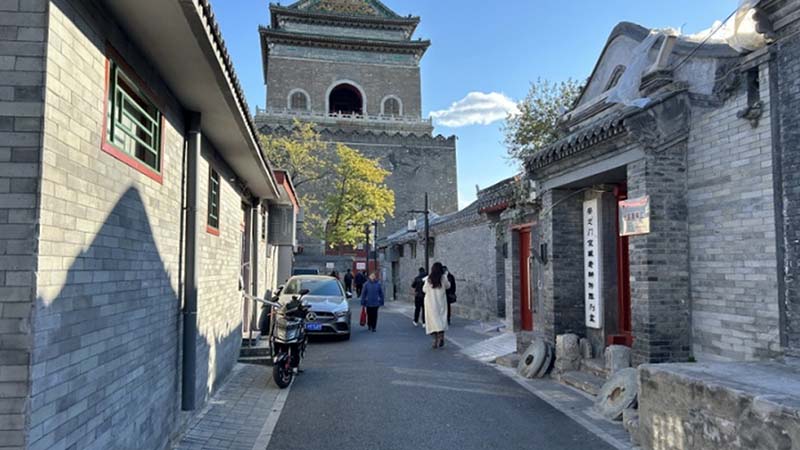
The hutongs are the city’s memory lanes. Some are quiet and residential, others buzz with tiny shops, dumpling steam, bicycle bells and chatty neighbours. Hutong Beijing has become a phrase that stands for a lifestyle as much as a layout.
Start with Nanluoguxiang for a lively stretch and easy wayfinding, then wander away down smaller lanes. Drum Tower and Bell Tower give a handy orientation point, with rooftop views that stitch together grey roofs and modern silhouettes.
Explore and interact
-
Hop in a rickshaw for a short ride if you prefer a narrated glide through the lanes.
-
Arrange a home visit in the hutongs, where you can dine with a local family and experience authentic Beijing hospitality.
-
Hop in a rickshaw for a short ride if you prefer a narrated glide through the lanes.
-
Join a calligraphy or paper-cutting class in a courtyard studio.
-
Try a cooking workshop where you hand-pull noodles or fold dumplings with a local home cook.
-
Visit a neighbourhood market early to watch the city wake up.
Temples add another layer
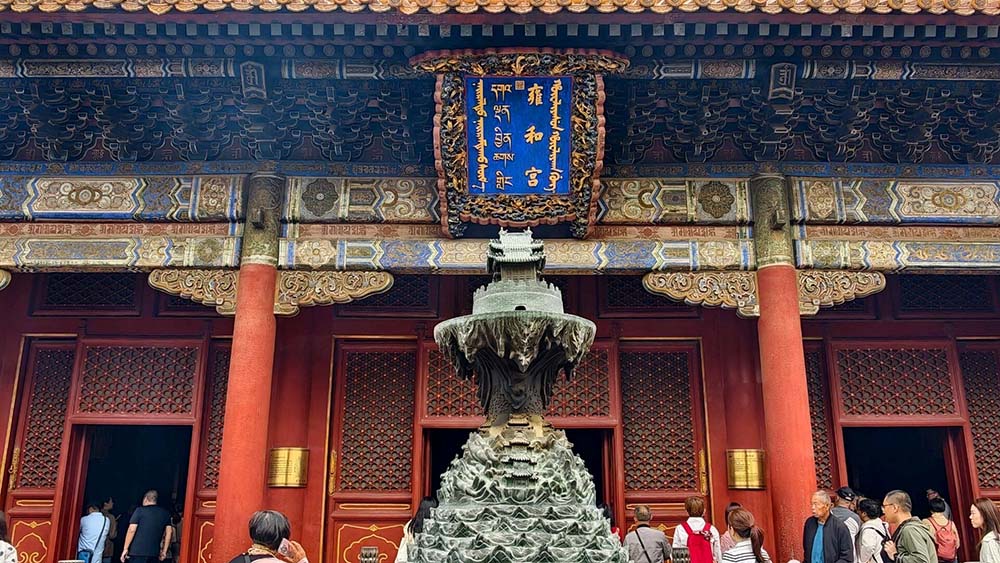
Lama Temple Beijing, also known as Yonghegong Temple Beijing, is a Tibetan Buddhist complex where the scent of incense drifts through rich vermilion halls. Step slowly, read the plaques, and give time to the giant sandalwood Maitreya statue. It is a calming counterpoint to the lively streets outside.
Food fuels any hutong wander. A Beijing foodie day might include:
-
Jianbing made fresh on a griddle, with coriander and a crunchy cracker inside
-
Zhajiangmian, hand-pulled noodles with a savoury soybean paste
-
Candied hawthorn skewers that catch the light in winter
-
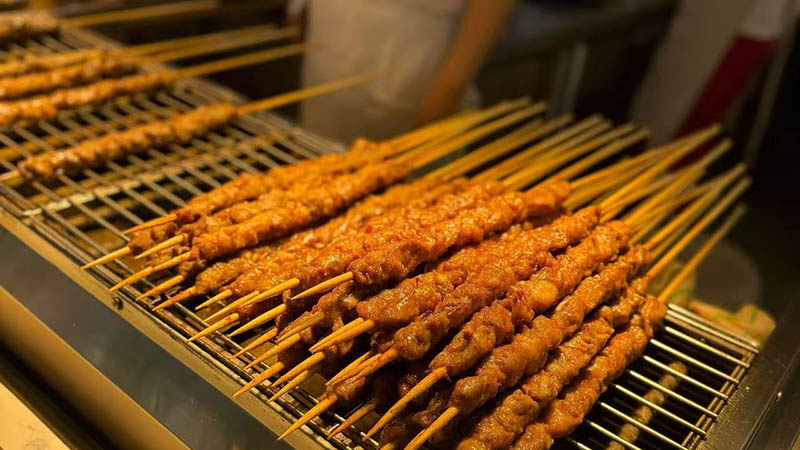
Lamb skewers rubbed with cumin on a corner grill
-
A sit-down roast duck dinner to round it out
Etiquette helps. Ask before photographing people in doorways. Keep voices down late at night. Linger in tea houses or tiny bars that restore old buildings with care. The goal is to be present without turning the lanes into a stage.
Getting there:
-
Metro: Shichahai, Andingmen, or Nanluoguxiang Stations put you within a short stroll.
-
Time of day: mornings are soft and local, late afternoons bring warm light, evenings add lantern mood and snacks.
A blockbuster theme park and a creative quarter
Two places show how Beijing keeps pushing forward while keeping its own flavour. One is pure entertainment. The other turns industrial bones into cultural muscle.
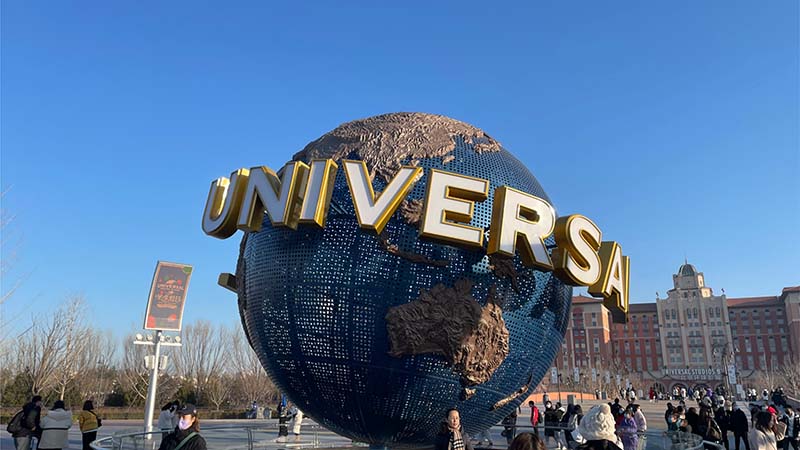
Universal Studios Beijing for big-screen thrills
Universal Studios Beijing, inside the Universal Beijing Theme Park resort, packs rides, shows and finely detailed lands that pull you into familiar stories. Families and film lovers can make a full day of it without repeating much. Park design here is clever with shade, queues that tell stories, and performances that reward timing.
Quick pointers:
-
Download the official app for wait times and show schedules.
-
Arrive early for the most popular rides, then circle back later for repeat runs.
-
Character dining and seasonal parades add charm if you like that extra touch.
The Universal Resort Station links directly to the entrance. It is clean, efficient and clearly signed, so you save time compared with road traffic during peak hours. It ranks high among Beijing attractions for groups with varied interests, since shows allow non-riders to enjoy themselves while the thrill-seekers dash between coasters.
798 Art District for contemporary culture
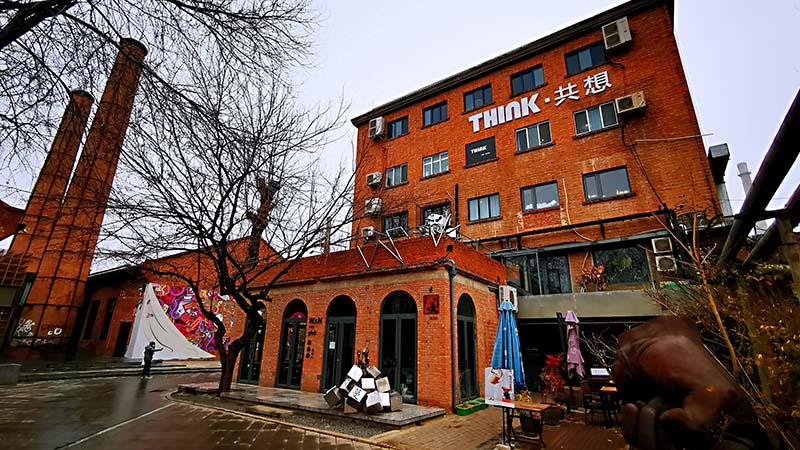
Whole factories once filled this area with mechanical noise, creating a rich history of industrial activity. Now 798 Beijing hosts galleries, design shops, murals, and cafés, showcasing the vibrant innovation of contemporary art. Walkways weave between Bauhaus-style buildings that carry a patina of time. It feels authentic because the original bones are still visible.
What to do:
-
Pop into a mix of big-name galleries and tiny studios. Rotating exhibitions keep it fresh.
-
Hunt for public art in courtyards and along brick walls.
-
Rest in a café that doubles as a design store, then step back out for another set of rooms.
-
Look out for weekend markets or small performance events.
This is a space where you can spend two hours or an entire afternoon. Photographers enjoy the angles and textures. Shoppers find prints, ceramics and fashion by up-and-coming designers. It is also a good place for a coffee break if your itinerary is heavy on temples and monuments.
Getting there:
-
Metro: Jiangtai Station on Line 14, then a short taxi or a 20 minute walk. Buses drop closer to Gate 2 or Gate 4.
-
Best time: weekday mornings are quiet. Late afternoons bring golden light for photos.
Combining the two in one day is possible if you start early, but they sit on different sides of the city. Most travellers prefer to pair Universal Studios Beijing with a relaxed evening near their hotel, and leave 798 Beijing for a separate half day that invites lingering.
Quick planner: where to go, how to get there, and when
|
Place |
Nearest metro station |
Ideal time of day |
Typical ticket info |
Handy tip |
|
Beijing National Stadium - Bird’s Nest Beijing |
Olympic Park, Line 8 |
Late afternoon to night |
Interior access is ticketed. Exterior park is free |
Tripods are restricted in some zones, bring a mini support |
|
Beijing Water Cube |
Olympic Park, Line 8 |
Dusk for the glow |
Pools and water park areas have separate fees |
Check maintenance schedules outside peak seasons |
|
Lama Temple Beijing - Yonghegong Temple Beijing |
Yonghegong Lama Temple, Lines 2 and 5 |
Morning |
Entry ticket at gate |
Dress modestly, move clockwise through halls |
|
Hutong Beijing - Nanluoguxiang area |
Nanluoguxiang, Lines 6 and 8 |
Morning or early evening |
Walking is free, tours priced by route |
Book workshops ahead on weekends |
|
Universal Studios Beijing - Universal Beijing Theme Park |
Universal Resort, Line 7 and Batong Line |
Full day |
Date-based pricing, peak periods cost more |
Buy express options only if crowds are heavy |
|
798 Beijing |
Jiangtai, Line 14 then short ride |
Late morning or late afternoon |
Most outdoor areas free, gallery tickets vary |
Aim for weekdays to avoid crowds |
Practical travel tips that save time
Beijing is built for public transport. The metro is clean, extensive and inexpensive, and a Beijing map on your phone will get you far.
-
Airports at a glance: Beijing Capital International Airport is the long-time hub, also referred to as Beijing Shoudu Airport. The newer Beijing Daxing International Airport uses a dramatic starfish layout by Zaha Hadid Architects. Both serve a wide network of domestic and international routes, so you can fly into either Beijing airport depending on your airline.
-
Transfers: from Beijing international airport at Capital, the Airport Express links to Lines 2 and 13. From Beijing Daxing International Airport, the Daxing Airport Express connects to Line 10 and Line 19 corridors, with high-speed rail options as well.
-
Payments: cards from outside China can be hit and miss. Mobile wallets that work locally help. Keep some cash for small snack stalls.
-
Language: key phrases in Mandarin go a long way. Screenshots of addresses in Chinese characters help with taxis and hotel check-in.
-
Weather: summers are hot, winters are dry and cold. Spring and autumn are comfortable for full days outdoors.
Beijing things to do often revolve around walking. Comfortable shoes, layers, and a day pack with water simplify life. Plan snack stops and short rests at parks or tea houses.
A classic day trip that never fails
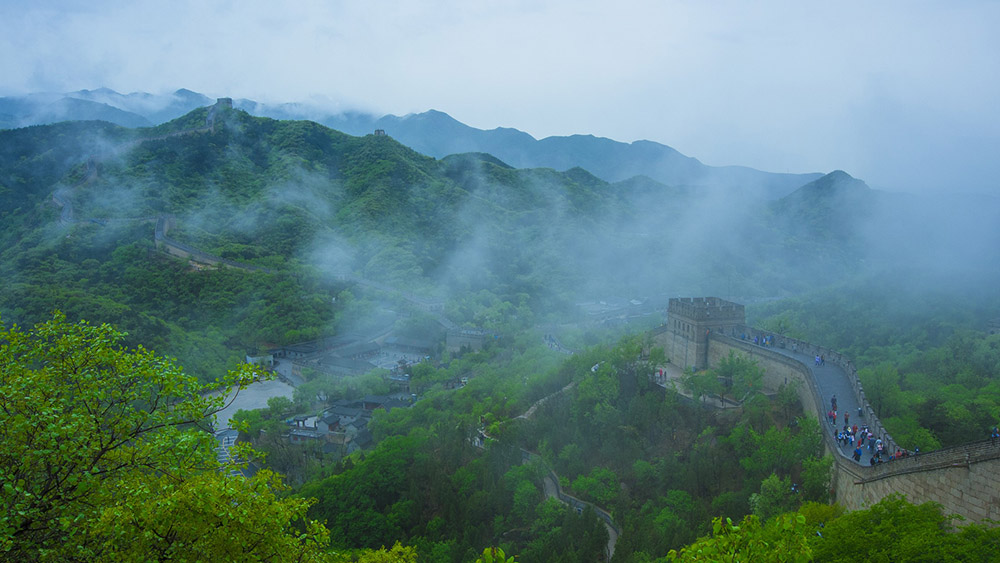
The full picture of the city includes its mountain wall. A Beijing to Great Wall of China day trip pairs smoothly with a multi-day visit focused on the city centre. Two well-served sections are Mutianyu and Badaling.
-
Mutianyu: restored but less crowded than Badaling, with chairlifts up and a toboggan down that is great fun.
-
Badaling: the most famous and closest, with clear signage and easy access, popular with first-time visitors and families.
-
Hiking sections: more rugged stretches exist if you want longer walks, but local guides are wise for safety and logistics.
Tour options range from private cars to small groups and high-speed rail linked buses. A well-timed start can get you back in town by late afternoon for a hutong dinner.
Sample routes that mix eras without rushing
Two half-day plans keep the balance right.
-
Olympic Park plus hutongs
-
Arrive at Olympic Park Station, walk the plazas, visit the Bird’s Nest interior.
-
Stay through dusk to see Beijing Water Cube glow.
-
Metro to Shichahai for dinner on a quiet hutong lane.
-
798 Art District plus temple calm
-
Start at 798 Beijing when galleries open.
-
Coffee and a couple of small studios to break up the big names.
-
Taxi to Yonghegong Lama Temple for an hour of reflection before dinner nearby.
If you prefer pure entertainment, make Universal Studios Beijing your headline and cap the day with a relaxed foot massage and noodles close to your hotel.
Food maps in your pocket
A Beijing foodie approach to sightseeing keeps energy up and adds local colour. Pin a few snack and meal stops on your Beijing map before heading out.
Tasty checkpoints near key sights:
-
Near Olympic Green: dumpling chains that do a fast, fresh plate for under 40 yuan.
-
Near Nanluoguxiang: sesame noodles, yoghurt in clay jars, tiny bars with local craft beer.
-
Around Yonghegong: vegetarian temple restaurants tucked into side streets.
-
At 798 Beijing: cafés with single-origin pours and Chinese pastries with a twist.
-
En route to Universal Beijing Theme Park: a breakfast jianbing stall near your metro stop to save time.
Keep a list of key Chinese characters for common dishes. Pointing and smiles work too.
When to visit each area
Crowds ebb and flow across the week and by season.
-
Bird’s Nest Beijing and Beijing Water Cube: weekday evenings give a gentle atmosphere with locals. Weekends draw families and photo clubs.
-
Hutong Beijing: early mornings bring daily rhythms without tour groups. Friday nights are lively with street snacks.
-
Lama Temple Beijing and Yonghegong Temple Beijing: mornings are quieter and cooler, with softer light filtering through incense smoke.
-
Universal Studios Beijing: school holidays and Golden Week spike queues. Off-peak weekdays are the sweet spot.
-
798 Beijing: galleries close on Mondays at times. Check listings for openings and talks.
Weather guides:
-
Spring: blossoms and mild temperatures, some wind.
-
Summer: heat and afternoon storms, plan indoor breaks.
-
Autumn: clear skies, ideal for walking.
-
Winter: crisp air, low humidity, great for photography with layers.
Getting around with ease
-
Metro passes: buy a transit card for tap-on access, or use QR codes where supported.
-
Taxis and ride-hailing: reliable, but metro often beats traffic at peak times.
-
Cycling: shared bikes are everywhere, but stick to marked lanes and watch for delivery scooters.
-
Walking: distances can be larger than the map suggests. Check walking times before committing.
Signage in English is common at major Beijing attractions. Announcements on the metro are bilingual. Keep a few address cards from your hotel in case you are out of data or your battery dips.
Where to stay for balanced days
Location shapes your days more than star ratings. Pick an area that matches your plans.
-
Houhai and Shichahai: hutong charm, easy evenings by the lake.
-
Wangfujing and Dongcheng: central for sights, well served by the metro.
-
Chaoyang near 798 Beijing: creative vibe, cafés and design shops.
-
Tongzhou and east side: better for Universal Resort access, quieter nights.
If you mix early mornings and late nights, a central base trims travel time and keeps midday breaks realistic.
Little details that make a big difference
-
Power: bring a universal adapter. Outlets are often multi-standard, but not always.
-
Water: tap water is not for drinking. Refill from filtered dispensers or bottled sources.
-
Health: carry tissues and hand sanitiser for street food stops.
-
Queues: be patient at busy sights, and use your time for people-watching and photo framing.
-
Tickets: book popular venues and timed entries ahead where possible, especially on weekends and holidays.
Local festivals, university calendars and major conferences can change crowd patterns quickly. A quick check of city event listings before you lock in dates helps.
Why this mix works so well
Contrast sharpens appreciation. A morning inside the courtyards of a Qing-era home makes the afternoon steel of the stadium more striking. A rollercoaster’s rush tastes sweeter after a quiet tea in a lane that has seen generations pass. The city invites you to move between textures with ease.
Beijing things to do can fill weeks, yet a clear plan keeps days light. Blend one headline sight, one neighbourhood wander, and one food aim per day. That rhythm leaves room for surprises, which is where memories tend to stick.
Modern classics like the Bird’s Nest and Beijing Water Cube sit confidently beside the centuries reflected at Lama Temple Beijing. Universal Studios Beijing brings global fun to the capital, while 798 Beijing keeps culture fresh. Whether you land at Beijing Capital International Airport or touch down at Beijing Daxing International Airport, the city gives you the tools to make it work from the first metro ride.
With a map in hand and an eye for both detail and scale, you will find that the city’s modern edge and cultural depth make a natural pair.
Want more China travel itineraries? Click here!
If you have any other questions, feel free to click here and get in touch with us.
If you need a personalized travel plan, feel free to click here and let us help you.