If you’ve set your sights on Beijing, you’re in for a multifaceted adventure that sweeps you from dynastic grandeur to futuristic skylines, and from serene lakesides to kinetic night markets. This is a metropolis layered with millennia of stories from Chinese history: emperors, artists, athletes, and innovators have all shaped its character. Yet, beneath the monumental landmarks, Beijing tourist attractions pulse with everyday life and unexpected local treasures. To help you create a travel itinerary that’s as dynamic as the city itself, here are 20 things to do in Beijing to experience its best highlights and authentic moments.
Historical & Cultural Experiences
-
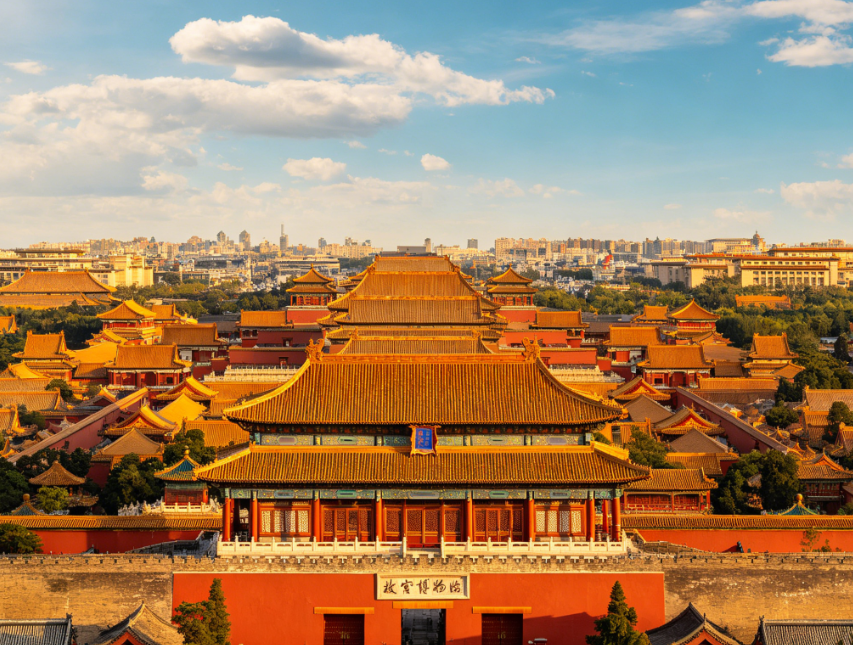
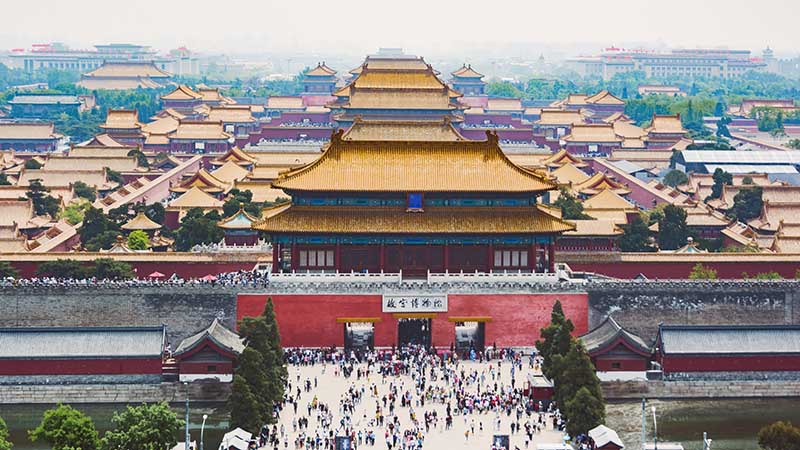
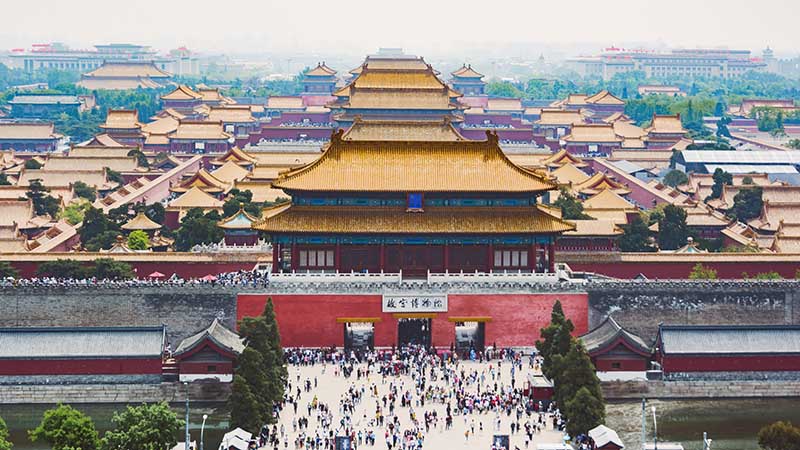
The Forbidden City (Imperial Palace) Step into over 600 years of imperial history at the Forbidden City, the world’s largest palace complex and the beating heart of ancient China. Commissioned by Emperor Yongle in 1406, this UNESCO World Heritage site was home to 24 emperors and witnessed the rise and fall of dynasties, epic court intrigues, and the shaping of a civilisation. With nearly 10,000 rooms, golden roofs, and crimson walls, the Forbidden City is a living museum of imperial treasures and architecture. Walk in the footsteps of emperors, see the legendary Dragon Throne, and discover secrets hidden in every courtyard.
Recommended Time: 3–4 hours
Best For: History lovers, families with older children, couples, solo travelers
Guide or Solo? A guide brings stories to life, but self-guided tours and signage make solo visits rewarding.
-
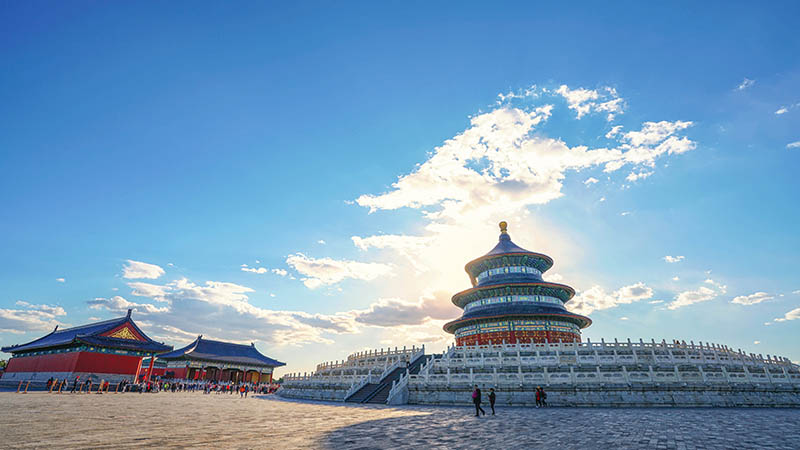
Temple of Heaven A masterpiece of Ming Dynasty architecture, the Temple of Heaven was built in 142 as a place for emperors to pray for good harvests and divine guidance. Its iconic Hall of Prayer for Good Harvests, with its triple-gabled blue roof, is a symbol of harmony between heaven and earth. The temple’s vast park is a living cultural space where locals gather for Tai Chi, music, and games. Visit at sunrise to witness Beijing’s morning rituals and soak in the spiritual energy of this UNESCO site.
Recommended Time: 1.5–2 hours
Best For: Culture seekers, couples, families, solo travelers
Guide or Solo? A guide explains symbolism, but the peaceful atmosphere is enjoyable solo.
-
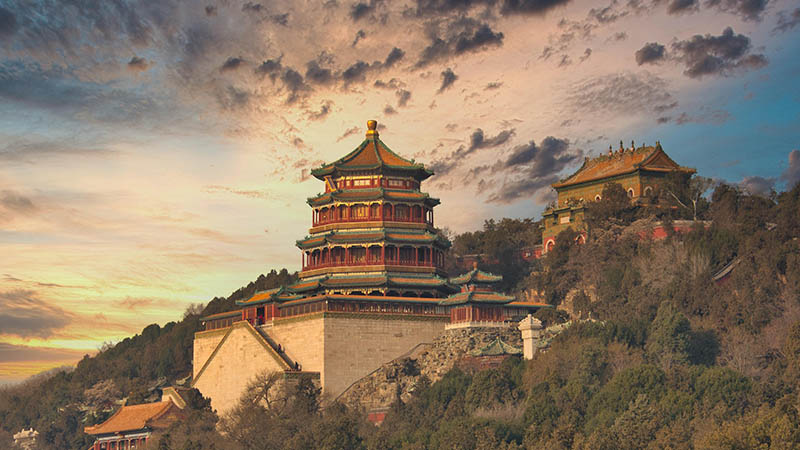
Summer Palace Escape to the enchanting Summer Palace, a UNESCO World Heritage site that served as the imperial family’s summer retreat for over two centuries. Built in 175 and rebuilt after the Anglo-French invasion, its sprawling gardens, ornate pavilions, and the shimmering Kunming Lake offer a fairy-tale setting. Stroll the world’s longest painted corridor, cross the Seventeen-Arch Bridge, and imagine the Empress Dowager Cixi enjoying opera on the lake. The Summer Palace is a masterpiece of Chinese landscape design and a tranquil haven from the city’s bustle.
Recommended Time: 2–3 hours
Best For: Families, couples, nature lovers, photographers
Guide or Solo? Guided tours reveal hidden stories, but the landscape is perfect for a leisurely, self-guided wander.
-
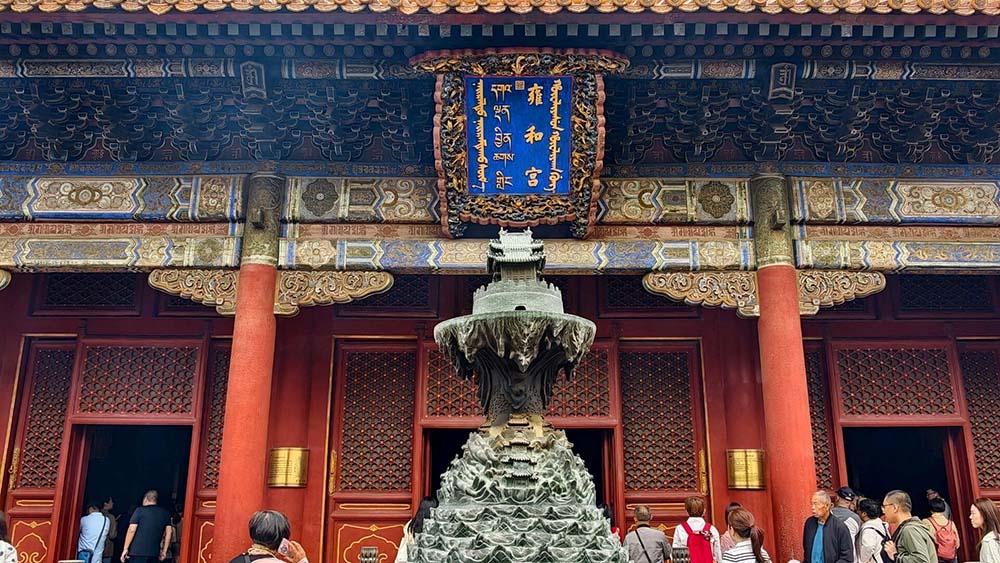
Lama Temple (Yonghegong) The Lama Temple, or Yonghegong, is Beijing’s most revered Tibetan Buddhist sanctuary, built in 1694 as a royal residence before becoming a lamasery. Its five grand halls are filled with incense, golden statues, and intricate thangka paintings. The temple houses the world’s largest sandalwood Buddha, standing 18 meters tall. Visitors can witness monks chanting, spin prayer wheels, and experience a unique blend of Han and Tibetan culture in this spiritual oasis.
Recommended Time: 1–1.5 hours
Best For: Spiritual seekers, culture lovers, solo travelers
Guide or Solo? A guide enriches your understanding, but the temple’s beauty can be enjoyed independently.
-
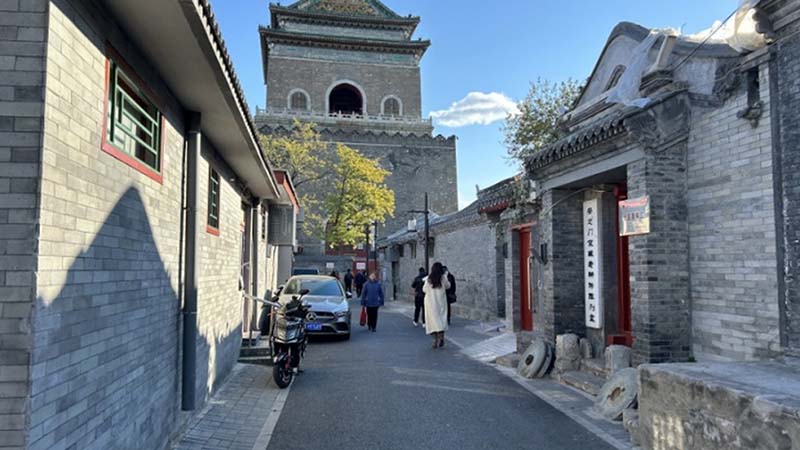
Beijing Hutongs Step back in time as you wander Beijing’s historic hutongs—labyrinthine alleyways dating back to the Yuan Dynasty (13th century). These neighbourhoods are the soul of old Beijing, lined with grey-brick courtyard homes, red lanterns, and lively markets. Discover hidden temples, taste authentic dumplings, and watch locals play mahjong or practice calligraphy. The hutongs are a living museum of Beijing’s traditions, perfect for those seeking authentic local life and unforgettable photo opportunities.
Recommended Time: 1–2 hours
Best For: Culture seekers, photographers, couples, solo travelers
Guide or Solo? Guided walking or rickshaw tours offer local stories, but solo explorers can soak up the ambiance at their own pace.
Iconic Landmarks & Must-See Attractions
-
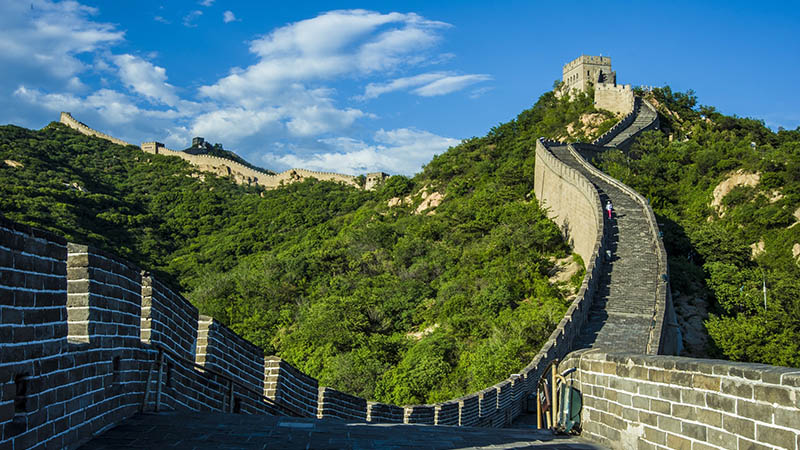
Great Wall of China (Badaling Section) The Great Wall is one of humanity’s greatest achievements, stretching over 21,000 km across mountains and deserts. The Badaling section, built during the Ming Dynasty, is the most famous and best preserved, offering breathtaking views and a tangible sense of history. Imagine ancient soldiers standing guard, defending the empire from invaders. Walking on the Wall is a bucket-list experience, connecting you to centuries of legend and endurance.
Recommended Time: 3–4 hours (including travel)
Best For: Families, adventure seekers, couples, groups
Guide or Solo? Guides provide history and help navigate, but independent travelers can explore marked paths.
-
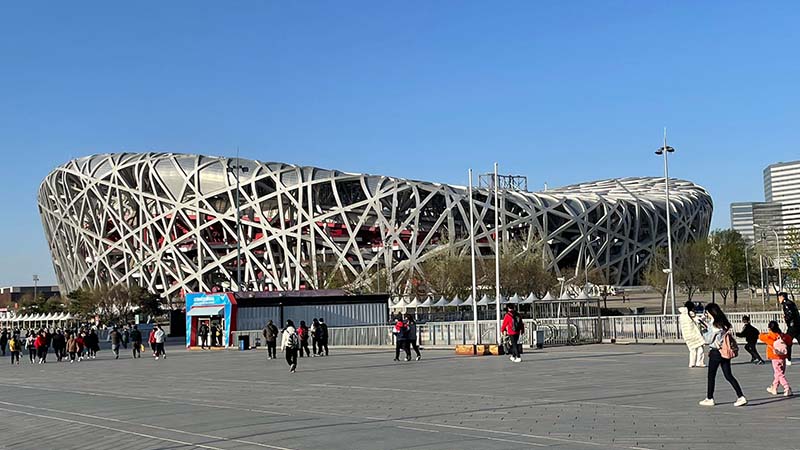
National Stadium (Bird’s Nest) A marvel of modern architecture, the Bird’s Nest was designed by Herzog & de Meuron for the 2008 Beijing Olympics. Its interlaced steel structure is both futuristic and poetic, symbolising a cradle of hope. The stadium has hosted Olympic legends, world leaders, and spectacular ceremonies. Explore the stadium’s interior, visit the Olympic torch, and relive moments that inspired the world.
Recommended Time: 1 hour
Best For: Architecture fans, sports enthusiasts, families
Guide or Solo? Guided tours are available, but self-guided visits are easy.
-
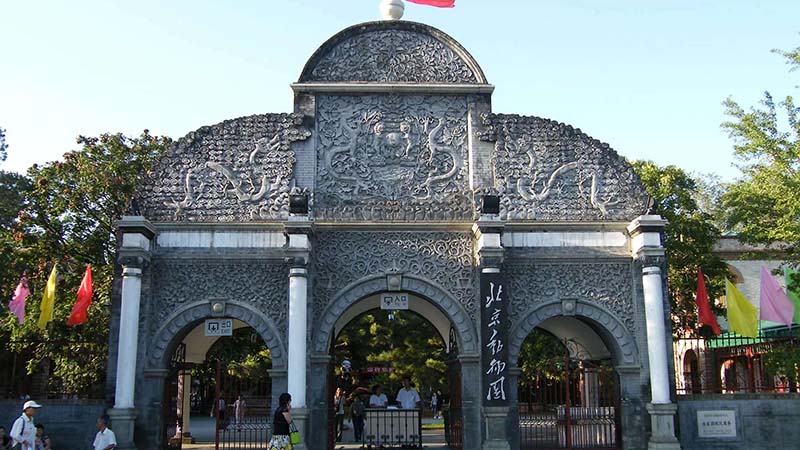
Beijing Zoo Founded in 1906, Beijing Zoo is a lush, historic park home to over 450 species, including the adorable giant pandas—China’s national treasure. The zoo’s classical Chinese gardens, lakes, and pavilions make it a pleasant escape for families. See rare animals like golden monkeys and South China tigers, and learn about conservation efforts in one of Asia’s oldest zoos.
Recommended Time: 2 hours
Best For: Families with children, animal lovers, couples
Guide or Solo? Guides can highlight animal facts, but families and solo travelers can enjoy the zoo independently.
-
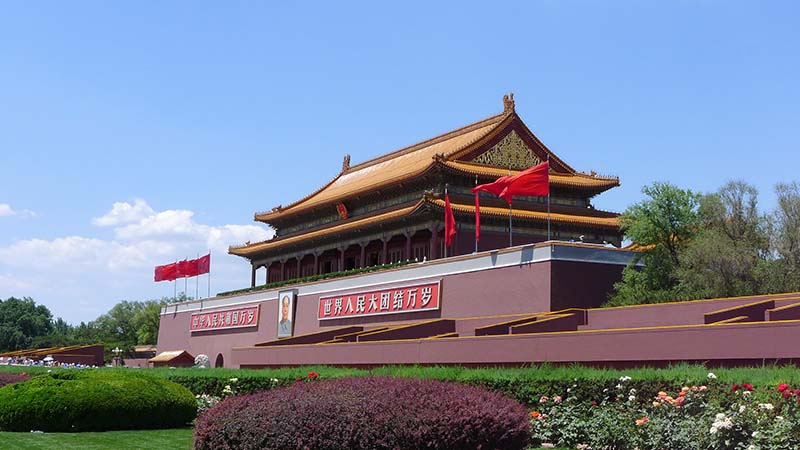
Tiananmen Square Tiananmen Square is the symbolic heart of modern China and the world’s largest public square. Surrounded by monumental buildings like the Great Hall of the People and the National Museum, it has witnessed historic parades, celebrations, and pivotal moments. Stand where millions have gathered for national events and feel the pulse of a nation’s history.
Recommended Time: 1 hour
Best For: History lovers, families, solo travelers
Guide or Solo? A guide brings history to life, but the square is open and easy to explore on your own.
-
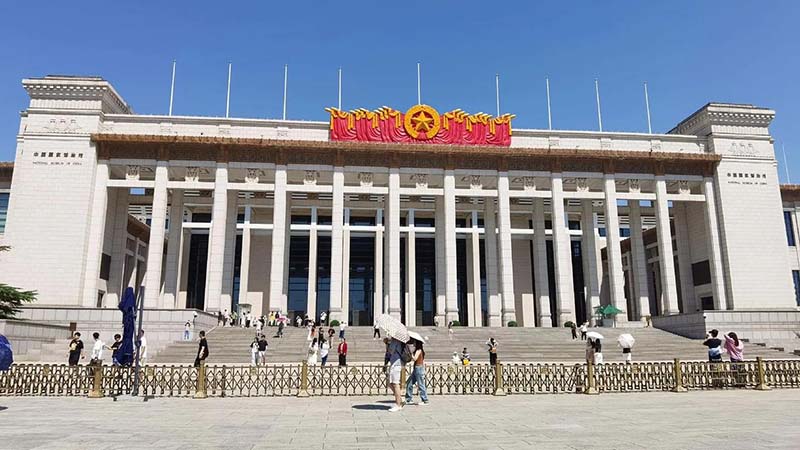
National Museum of China Located on the east side of Tiananmen Square, the National Museum of China is one of the world’s largest museums, with over a million artefacts spanning 5,000 years. From ancient jade and bronze to revolutionary relics, the museum’s exhibitions tell the epic story of China’s civilisation. It’s a must for anyone wanting to understand the depth and diversity of Chinese culture.
Recommended Time: 2 hours
Best For: History buffs, families with older children, students
Guide or Solo? Guided tours offer expert insights, but exhibits are well-labeled for self-guided visits.
Entertainment & Modern Experiences
-
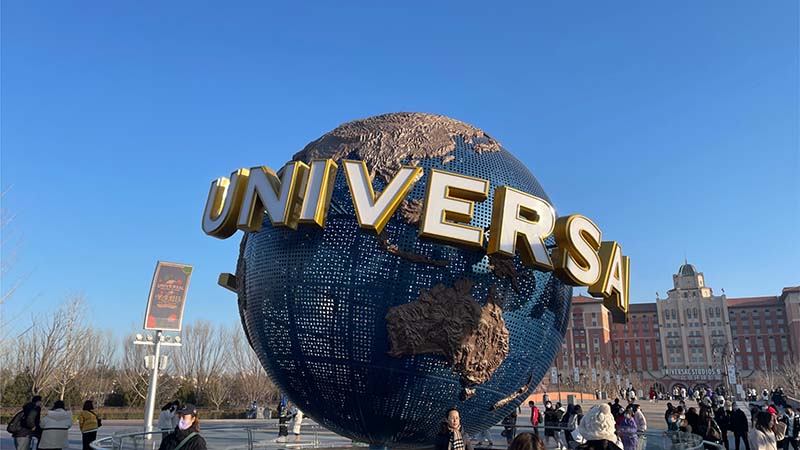
Universal Studios Beijing Opened in 2021, Universal Studios Beijing is a dazzling world of movie magic and adventure. With cutting-edge rides, immersive lands themed after Hollywood blockbusters, and spectacular shows, it’s a dream destination for families and thrill-seekers. Meet your favourite characters, brave roller coasters, and experience the excitement of a world-class theme park.
Recommended Time: Full day (6–8 hours)
Best For: Families, teenagers, groups, theme park lovers
Guide or Solo? No guide needed—just grab a park map and enjoy.
-
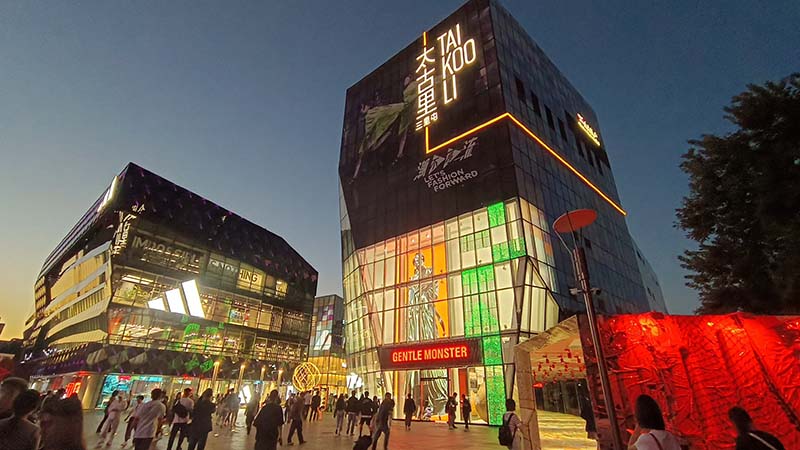
Sanlitun Bar Street Sanlitun is Beijing’s trendiest district, famous for its buzzing nightlife, international restaurants, and designer boutiques. It’s where locals and expats mingle, live bands play, and the city’s creative energy comes alive after dark. Whether you’re looking for a chic cocktail lounge or a lively dance club, Sanlitun is the place to experience Beijing’s modern, cosmopolitan side.
Recommended Time: 2–3 hours (evening)
Best For: Young adults, couples, solo travelers, nightlife enthusiasts
Guide or Solo? Best enjoyed independently.
-
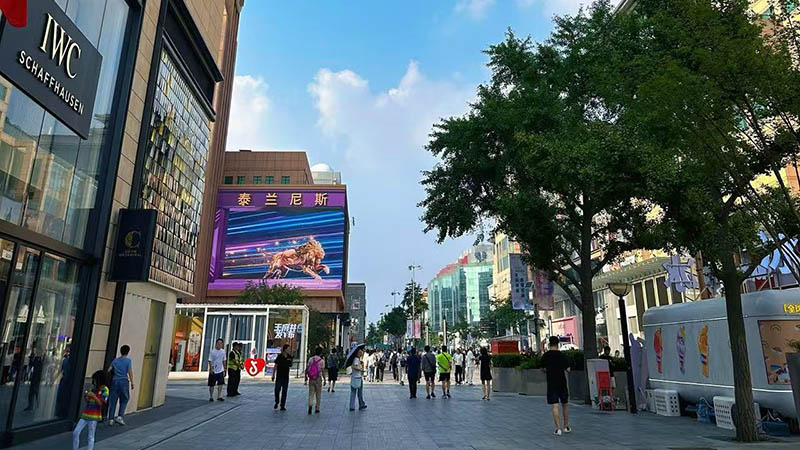
Wangfujing Snack Street Wangfujing is Beijing’s legendary shopping and food street, where neon lights, bustling crowds, and sizzling food stalls create an unforgettable sensory experience. Sample everything from crispy scorpions to sugar-coated fruit, and shop for souvenirs in one of the city’s oldest commercial districts. It’s a must for adventurous eaters and anyone wanting to taste authentic Beijing flavours.
Recommended Time: 1–1.5 hours
Best For: Foodies, families, adventurous eaters
Guide or Solo? Food tours are available, but solo sampling is fun.
-
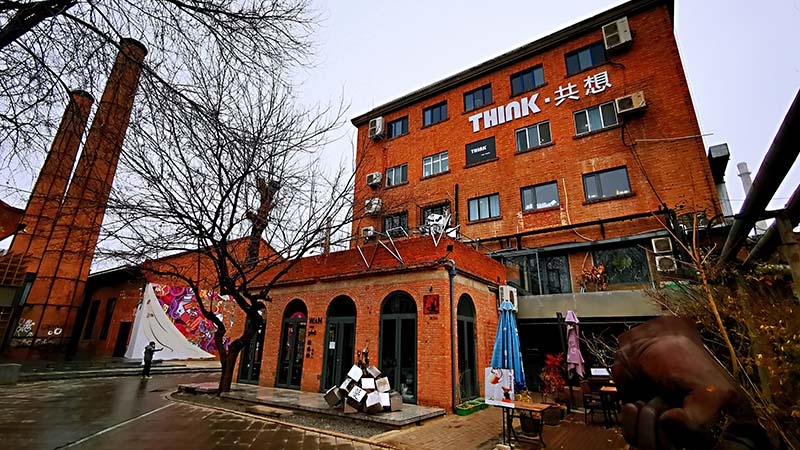
798 Art District Transformed from a 195s factory complex, the 798 Art District is Beijing’s creative heart. Its industrial spaces now house cutting-edge galleries, street art, quirky cafés, and design shops. Meet local artists, discover avant-garde exhibitions, and experience the pulse of China’s contemporary art scene in this vibrant, ever-evolving neighbourhood.
Recommended Time: 2 hours
Best For: Art lovers, couples, young adults, solo travelers
Guide or Solo? Art lovers may enjoy a guided tour, but wandering on your own is rewarding.
-
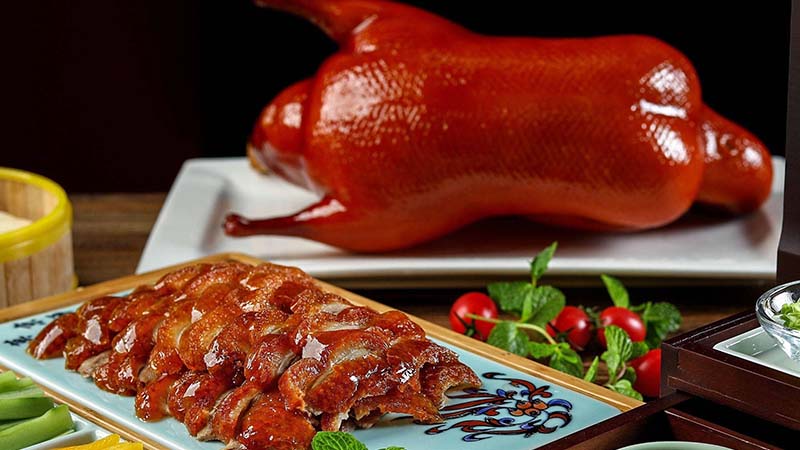
Peking Duck Restaurant Peking duck is more than a meal—it’s a centuries-old culinary ritual that once graced imperial banquets. Watch skilled chefs carve the crispy, golden duck tableside, then wrap slices in delicate pancakes with spring onion and sweet bean sauce. Dining on Peking duck in Beijing is a must for food lovers and a delicious way to connect with the city’s heritage.
Recommended Time: 1.5–2 hours (meal)
Best For: Foodies, families, couples, groups
Guide or Solo? No guide needed—just enjoy the experience.
Unique & Relaxing Experiences
-
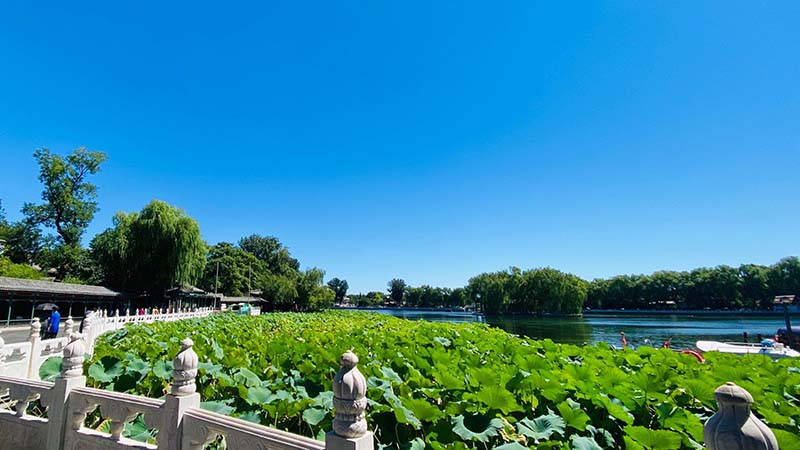
Houhai Lake Houhai Lake is a picturesque oasis in the heart of Beijing, surrounded by willow trees, historic mansions, and lively bars. Once part of the imperial waterways, today it’s a favourite spot for boating, lakeside strolls, and sunset views. In the evening, the area comes alive with live music and twinkling lights, making it perfect for a romantic or relaxing escape.
Recommended Time: 1.5–2 hours
Best For: Couples, families, solo travelers, photographers
Guide or Solo? Perfect for relaxing solo or with friends.
-
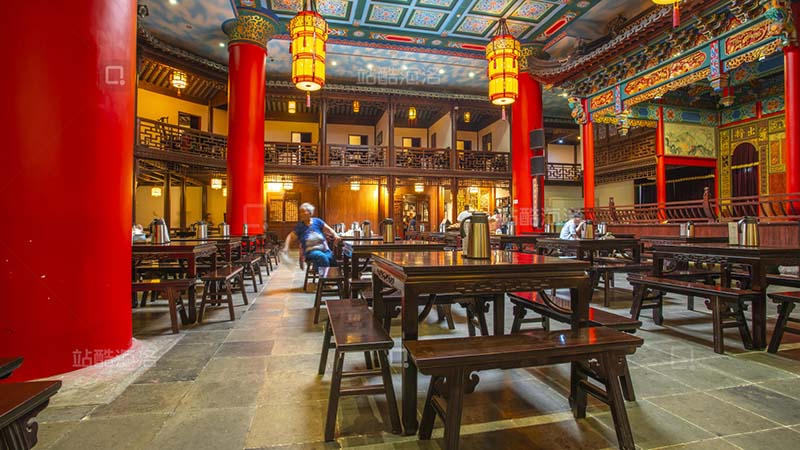
Traditional Teahouse Step into a traditional teahouse and experience the ancient art of Chinese tea. These serene spaces are filled with the aroma of rare leaves and the gentle sound of water boiling. Learn about tea ceremonies, taste unique blends, and chat with tea masters who share stories of culture and philosophy. It’s a peaceful retreat from the city’s rush.
Recommended Time: 1–1.5 hours
Best For: Couples, solo travelers, older adults, culture lovers
Guide or Solo? Tea masters often explain rituals, so you can enjoy with or without a guide.
-
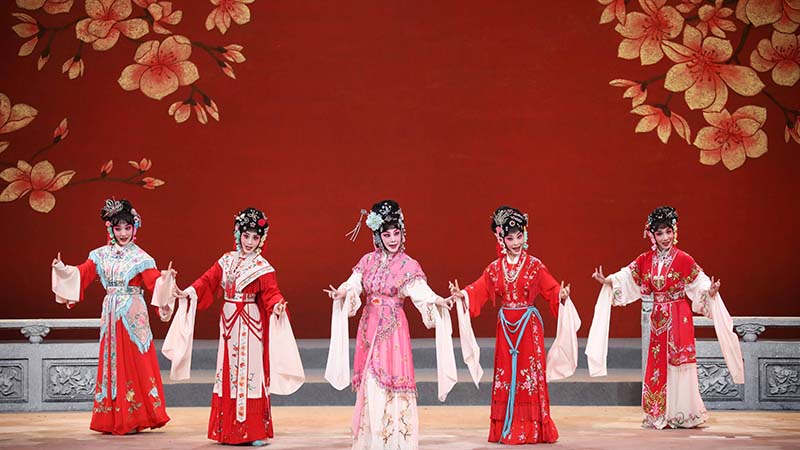
Beijing Opera Show Beijing opera is a dazzling spectacle of music, dance, and drama, with roots stretching back to the 18th century, making it a fascinating aspect of Chinese history. Performers in elaborate costumes and painted masks bring legendary stories to life through acrobatics and song. Attend a show in a historic theatre for a truly unforgettable cultural experience.
Recommended Time: 1.5–2 hours (show)
Best For: Culture lovers, couples, older travelers
Guide or Solo? Some venues offer English surtitles or audio guides, but a guide can enhance your appreciation.
-
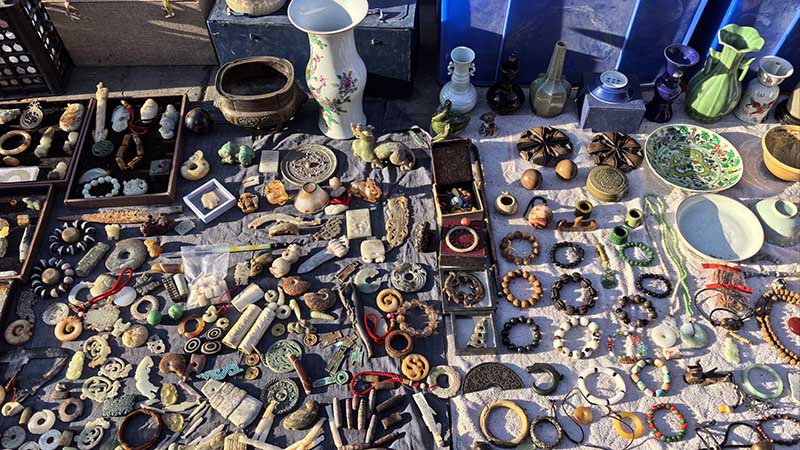
Panjiayuan Antique Market Panjiayuan is Beijing’s largest and most famous antique market, a treasure trove for collectors and the curious. Browse thousands of stalls selling everything from ancient jade and ceramics to vintage posters and calligraphy. The market’s lively atmosphere and endless discoveries make it a paradise for bargain hunters and culture enthusiasts.
Recommended Time: 1.5–2 hours
Best For: Collectors, families, bargain hunters, solo travelers
Guide or Solo? Go with a guide for expert tips, or enjoy the thrill of discovery on your own.
-
Jingshan Park Jingshan Park is a former imperial garden with a hill built from the earth excavated for the Forbidden City’s moat. Climb to the top for the best panoramic view of Beijing, especially at sunrise or sunset. The park’s peony gardens and ancient pines offer a peaceful retreat and a photographer’s dream.
Recommended Time: 1 hour
Best For: Families, couples, photographers, solo travelers
Guide or Solo? Easy to explore solo—just bring your camera for the views.
For Different Age Groups & Special Interests
-
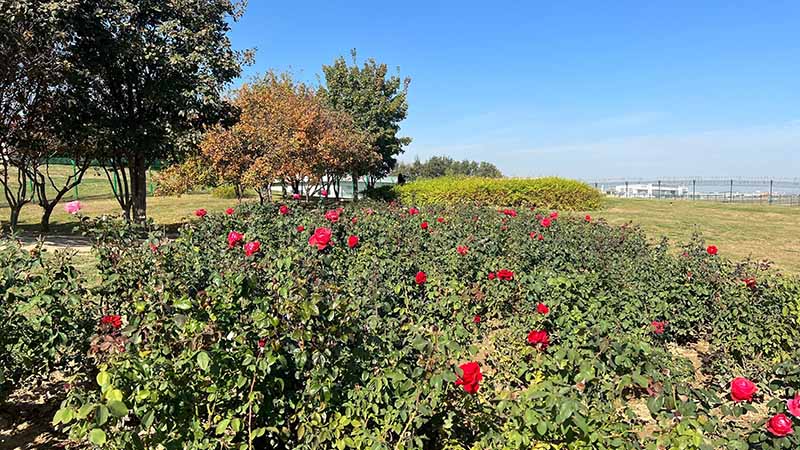
Plane Spotting at Beijing Capital International Airport One of the world’s busiest airports, Beijing Capital International is a marvel of modern engineering and a dream for aviation fans. For the best views of planes taking off and landing, head to dedicated lookouts like Xihuyuan Park (西湖园公园) or Tianzhu Leisure Trail Park (天竺休闲步道园), both located outside the airport grounds. Here, you can watch a parade of international flights—literally every minute, a plane will be landing or taking off. To make the most of your visit, check the flight schedule in advance and note which aircraft models you want to see, such as the A350 or Boeing 777, so you don’t miss your favourites.
Recommended Time: 1 hour
Best For: Aviation enthusiasts, families with children
Guide or Solo? No guide needed—just enjoy the spectacle.
-
Tour Beijing Daxing International Airport Designed by the legendary Zaha Hadid, Daxing Airport is an architectural wonder with a futuristic, starfish-inspired design. Explore its soaring atrium, innovative technology, and world-class amenities—a must for design lovers and curious travelers.
Recommended Time: 1 hour
Best For: Architecture fans, travelers, families
Guide or Solo? Guided tours are available, but you can explore public areas independently.
-
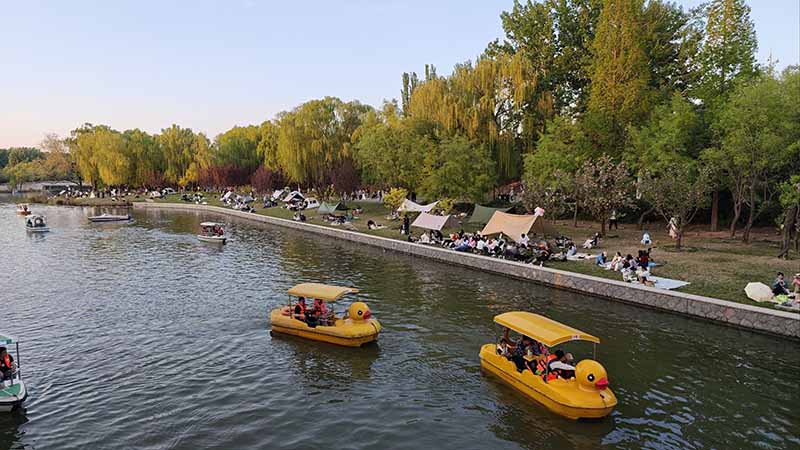
Chaoyang Park Chaoyang Park is Beijing’s largest urban park, offering lakes, gardens, amusement rides, and sports facilities. It’s a green haven for families, joggers, and anyone needing a breath of fresh air. Kids will love the playgrounds and open spaces, while adults can relax or join locals for tai chi.
Recommended Time: 2 hours
Best For: Families with children, couples, outdoor lovers
Guide or Solo? No guide needed—just enjoy the open spaces.
-
Self-Guided City Map Adventure Sometimes the best way to experience Beijing is to wander with a map in hand. Explore hidden temples, quirky shops, and local eateries off the tourist trail. Every corner holds a surprise, making this the perfect adventure for independent spirits and curious explorers.
Recommended Time: Flexible (1–3 hours)
Best For: Independent travelers, explorers, couples
Guide or Solo? Designed for solo adventurers—no guide required.
Organising Your Trip
Timing matters. Beijing seasons can be extreme: the weather in china beijing during winters is cold and dry, summers are hot and humid, with spectacular autumn leaves and spring blossoms in between. Here’s a simple weather reference:
|
Season |
Temperature Range |
Main Features |
|
Winter |
-8°C to 5°C |
Dry, cold, occasional snow; clear skies |
|
Spring |
5°C to 20°C |
Mild, windy, blooming parks |
|
Summer |
18°C to 35°C |
Hot, humid, occasional rainy days |
|
Autumn |
8°C to 22°C |
Crisp air, golden leaves, comfortable days |
Download an offline city map before arrival: it’ll save frustration (and data charges) when you’re suddenly lost in a warren of hutongs or navigating the subway.
Though both Beijing Capital and Daxing airports offer good transport into the city, allow extra time for passport checks and bag retrieval, especially during Chinese holidays.
Suggested Itineraries by Age & Interest
Making sense of a city this large can feel overwhelming, particularly for groups or families with different interests. Here are some quick suggestions to get the most from your time:
For History Lovers:
-
Forbidden City
-
Summer Palace
-
Lama Temple
-
Hutong walking tour
For Families:
-
Beijing Zoo (giant pandas)
-
Universal Studios Beijing
-
Houhai Lake boat rides
-
the Great Wall of China
-
Chaoyang Park
For Foodies:
-
Street food markets
-
Peking duck dinner
-
Tea house crawl
-
Panjiayuan Antique Market (for snacks and crafts)
For Nightlife & Modern Life:
-
Sanlitun Bar Street
-
Bird’s Nest Stadium light show
-
Modern art galleries and rooftop bars
For Adventurers:
-
Great Wall at Badaling or less-crowded sections
-
Independent exploration by city map
-
Plane spotting at the airports
Travel with Local Insight
No matter your focus, travelling with a reputable guide, such as those arranged through Three Bears travel, can transform a busy checklist of 20 things to do in Beijing into rich encounters. Local guides open doors to little-known treasures, translate cultural nuance, and help you cut queues or find the best seats in town.
From dynastic treasures to neon nights, old lanes to glossy airports, Beijing is a mosaic rich in Chinese history. Pack your curiosity, pace yourself, and leave room for a little surprise—Beijing rewards those who are open to the unexpected.
FAQ for Aussies and Kiwis Visiting Beijing
Planning your Beijing adventure from Australia or New Zealand? Here are deeper, practical FAQs tailored for Aussie and Kiwi travellers to help you feel confident and prepared for your journey.
What travel documents and ID do I need to bring?
You’ll need a valid passport with at least six months’ validity remaining and a Chinese visa (apply in advance). Always carry a copy of your passport and visa with you, as hotels and some attractions may require ID for entry.
Are there any cultural customs or etiquette I should be aware of?
Yes! Respect for elders and authority is important in Chinese culture. When visiting temples, dress modestly and avoid loud behaviour. It’s polite to greet with a slight nod or handshake, and always accept or offer items (like business cards) with both hands. Avoid discussing sensitive topics like politics or religion.
Can I get by with English in Beijing?
English is spoken at major hotels, Beijing tourist attractions, and some restaurants, but less so in local neighbourhoods and markets. It’s helpful to learn a few basic Mandarin phrases or use a translation app. Having your hotel address written in Chinese can be invaluable for taxis.
What’s the best time to visit Beijing?
Spring (March–May) and autumn (September–November) offer the most comfortable weather, which is ideal for experiencing the weather in China, especially in Beijing. Be aware that Chinese public holidays (especially Golden Week in early October and Chinese New Year) and Chinese school holidays can mean larger crowds at major attractions. Chinese school holidays typically occur in July and August (summer break) and in late January to mid-February (winter break, around Chinese New Year).
Is public transport easy to use?
Yes, Beijing’s metro and bus systems are extensive, affordable, and efficient. Metro signs and ticket machines are in English. Purchase a rechargeable Yikatong card at any train station for convenience. Avoid peak rush hours if possible.
Is there Uber in China? How do I get around by taxi or rideshare?
Uber does not operate in China. Instead, use Didi Chuxing (DiDi), China’s leading rideshare app, which offers an English interface. Taxis are plentiful, but always use official cabs and have your destination written in Chinese.
What essential apps should I download before my trip?
-
Alipay and WeChat: For mobile payments, messaging, and even translation. Most shops, restaurants, and attractions accept these apps.
-
Didi Chuxing (DiDi): For rideshare and taxi services.
-
Metro/Transit apps: Such as MetroMan Beijing or Explore Beijing for easy navigation.
-
Google Translate or Pleco: For language assistance.
Can I use my credit card everywhere?
International credit cards are accepted at major hotels and some high-end restaurants or shops, but most local places prefer mobile payments (Alipay/WeChat) or cash. Consider setting up Alipay or WeChat Pay before you go.
What power adapter do I need?
China uses Type A, C, and I power plugs (220V, 50Hz). Bring a universal adapter.
Are there any health or safety tips I should know?
Tap water is not safe to drink—use bottled water. Carry hand sanitiser and tissues, as some public toilets may not provide paper. Medical care is good in major hospitals, but travel insurance is essential.
How do I access the internet and social media?
Many Western websites and apps (Google, Facebook, Instagram) are blocked in China. Download a reliable VPN before you arrive if you need access. Free Wi-Fi is available in hotels and many cafés.
What should I know about money and tipping?
Tipping is not customary in China, except for tour guides or hotel porters. Most locals use mobile payments (Alipay or WeChat Pay) for nearly everything, and paper money is becoming less common. It’s wise to keep around 400 yuan in cash for small vendors or emergencies, but you’ll find ATMs widely available. Remember to notify your bank before travelling.
Are there any scams or tourist traps to watch out for?
Be cautious of overly friendly strangers inviting you to tea houses or art galleries—these can be scams. Only use official taxis and purchase tickets from authorised vendors.
What’s the best way to stay connected with family back home?
Buy a local SIM card or portable Wi-Fi device for reliable internet. Use WeChat or WhatsApp (with VPN) for messaging.
Pro Tip: Download offline maps of Beijing, keep your hotel’s business card with you, and have key phrases or addresses saved in Chinese on your phone for a smoother, more enjoyable trip!
Want more China travel itineraries? Click here!
If you have any other questions, feel free to click here and get in touch with us.
If you need a personalized travel plan, feel free to click here and let us help you.