

Minimum Guests
2 Person
Activate Day
13 Nights/ 14 Days
Fully Inclusive
Touring with Guides and entrance fees
Included Meals
Breakfasts: 14, Lunches: 9, Dinners: 0
Accommodation
13 nights in 4-star accommodation (city center/historical district locations)
Guide
English-speaking guide services as per the itinerary
Activies
Entrance fees for all mentioned sights and attractions, high-speed train tickets (Beijing-Datong, Datong-Pingyao, Pingyao-Xi'an, Xi'an-Luoyang, Luoyang-Nanjing), cable car ride at Mutianyu Great Wall- In-depth exploration of China's ancient capitals and core historical sites spanning millennia
- Witness world-class cultural heritage: Buddhist cave art, imperial palaces, ancient city walls and mausoleums
- Immersive experiences: Peking Opera, Shaolin Kung Fu performance, local home cooking, traditional craftsmanship
- Seamless travel via high-speed trains and private transfers across six historical destinations
- Knowledgeable guides to unravel the stories and context behind each historical site
Tour Timeline
If you need to increase or reduce the number of travellers, please contact us for customised arrangements.
- Enjoy a private pickup from your arrival point, with a guide accompanying you and providing support throughout the transfer
Recommended activities
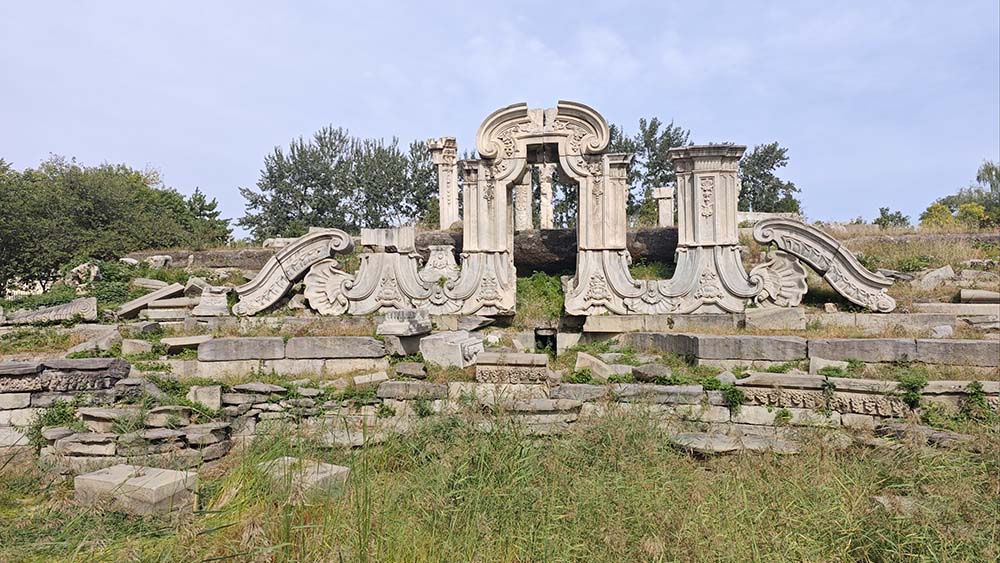
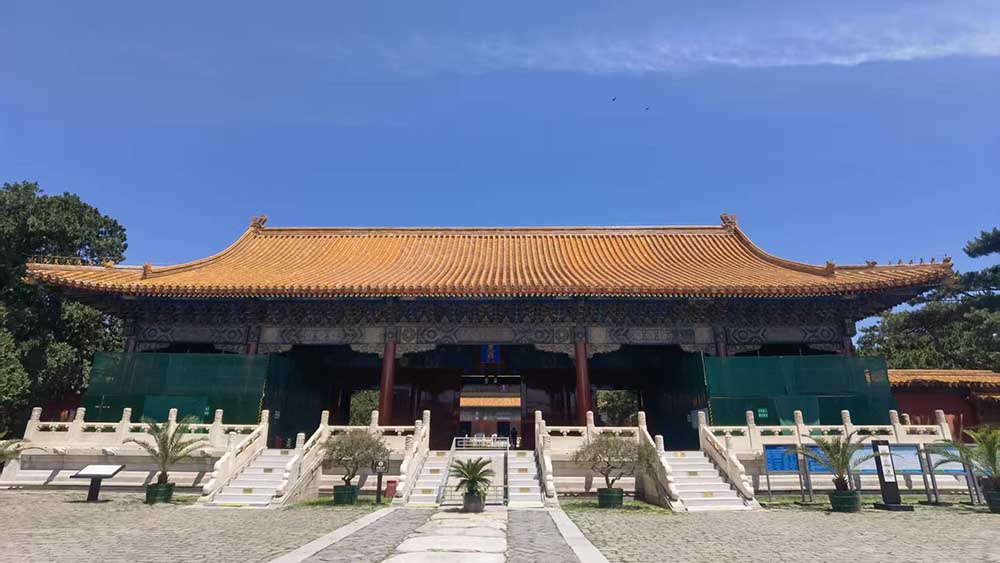
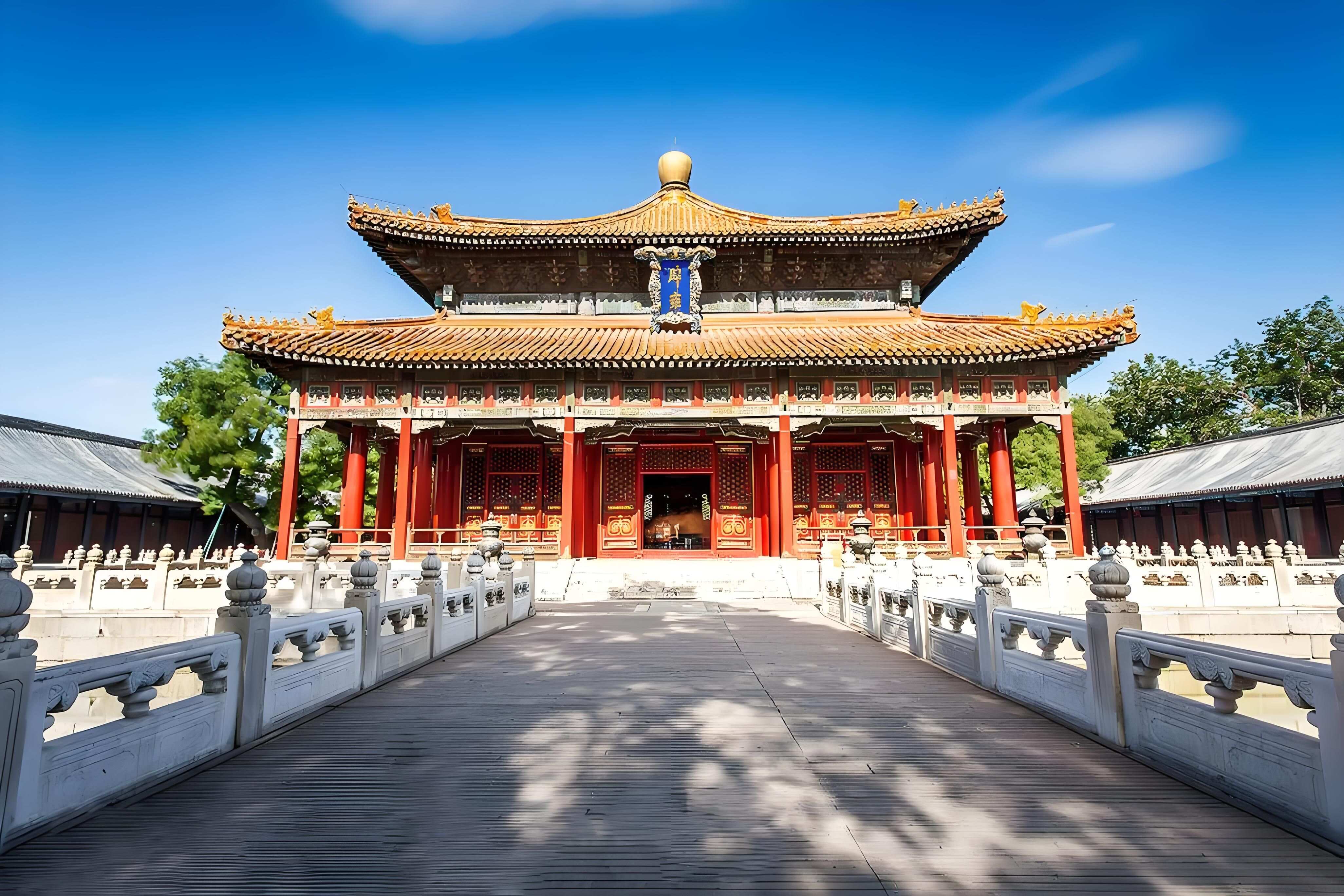
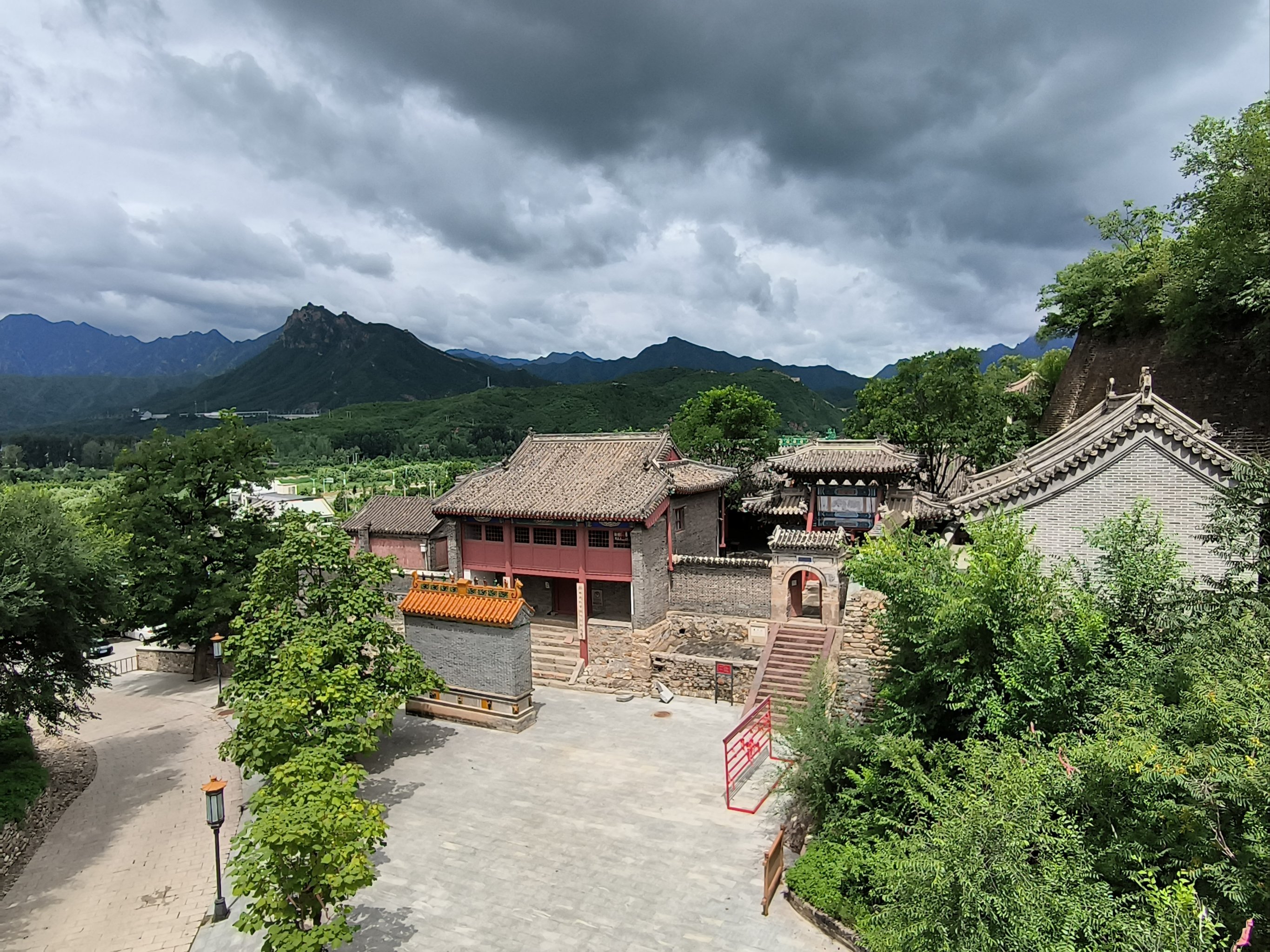
- None
- Private Van
- Full-day professional English-speaking local guide
-
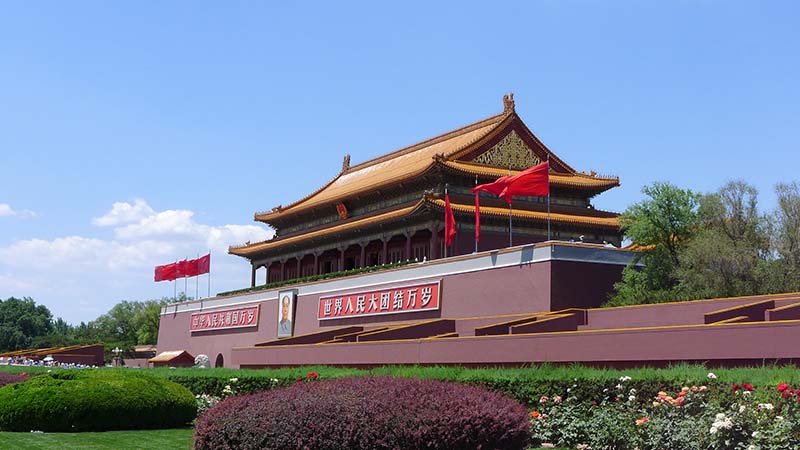
Tiananmen Square
Visit Tiananmen Square, one of the world’s largest public squares. Home to the Monument to the People’s Heroes and Mao Zedong’s Mausoleum, it represents modern China’s heart and history. Capture the spirit of Beijing at this iconic landmark surrounded by monumental architecture.
-
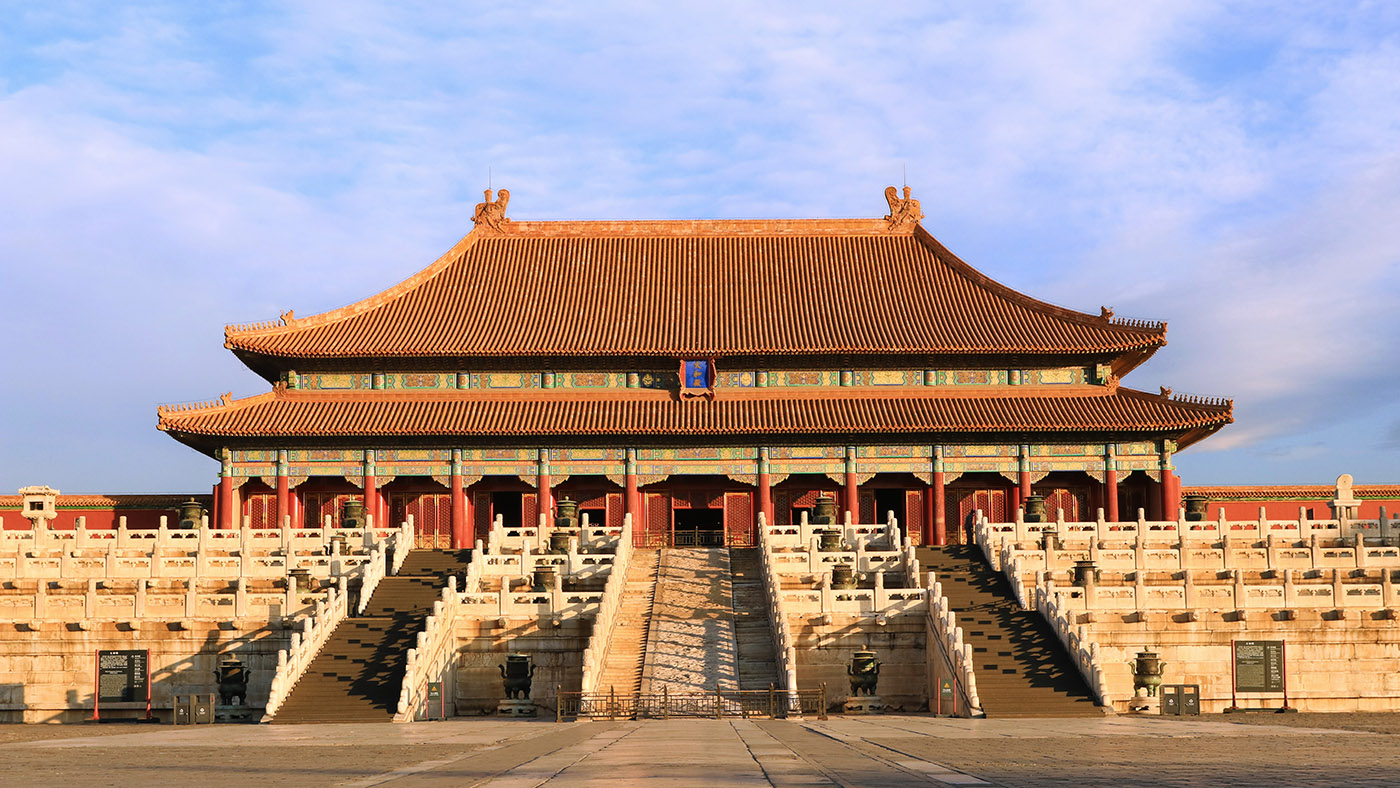
Forbidden City
Discover the Forbidden City, a UNESCO World Heritage Site with nearly 1,000 buildings, grand halls, and defensive walls. Built in the 15th century, it showcases imperial architecture, traditional Chinese craftsmanship, and fascinating history—a must-visit Beijing landmark and heritage site.
-
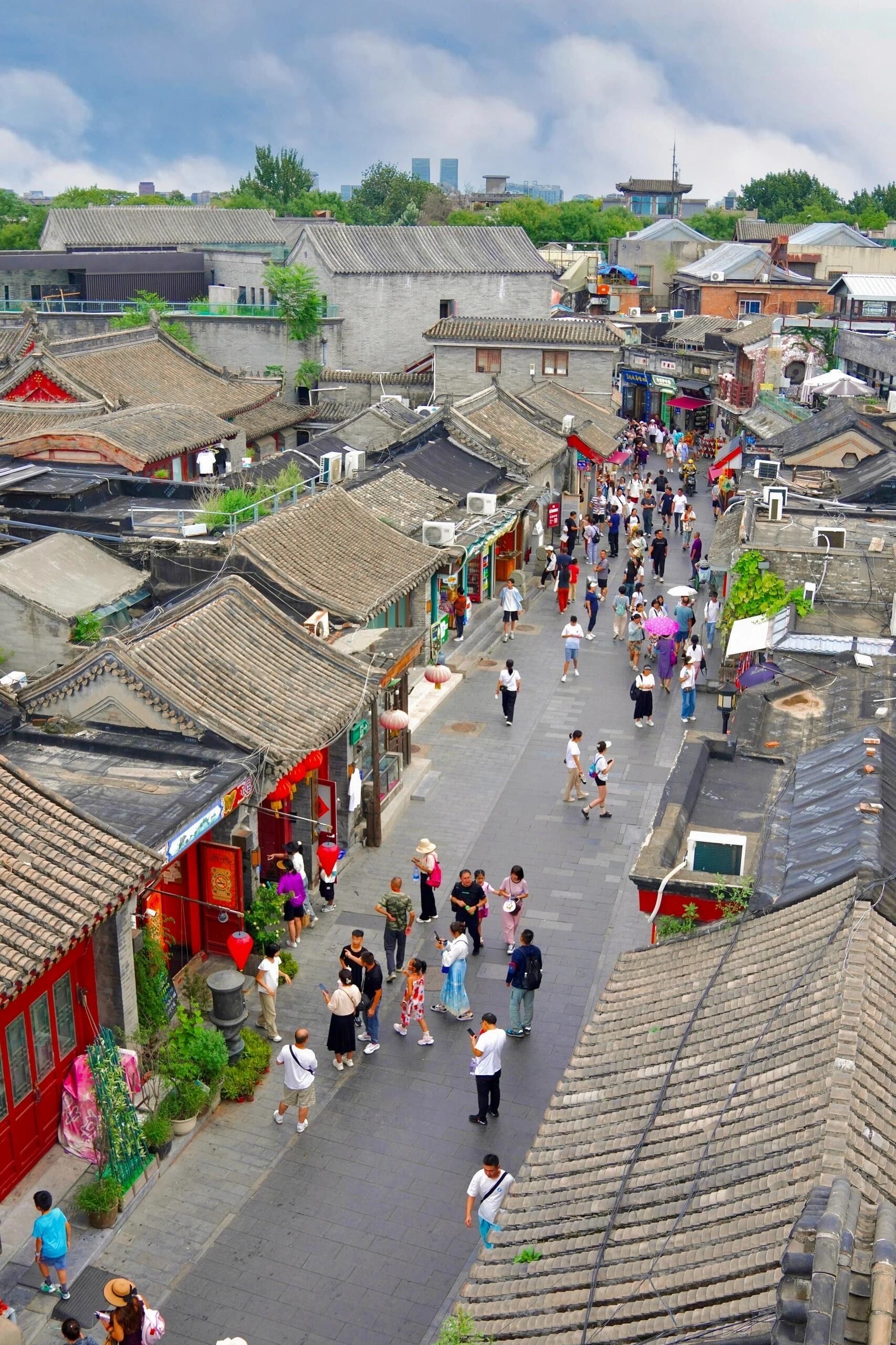
Shichahai Hutongs
Later, wander through the lively Shichahai Hutongs, where narrow alleys brim with local life, hidden courtyard residences (siheyuan), and quirky little shops. Visit a traditional siheyuan that was once home to celebrities, learning about the unique architectural style and living culture of old Beijing. As you meander through the lanes, you'll encounter locals going about their daily lives, from elders chatting on doorsteps to artisans crafting traditional handicrafts, offering an authentic glimpse into Beijing's living heritage.
-
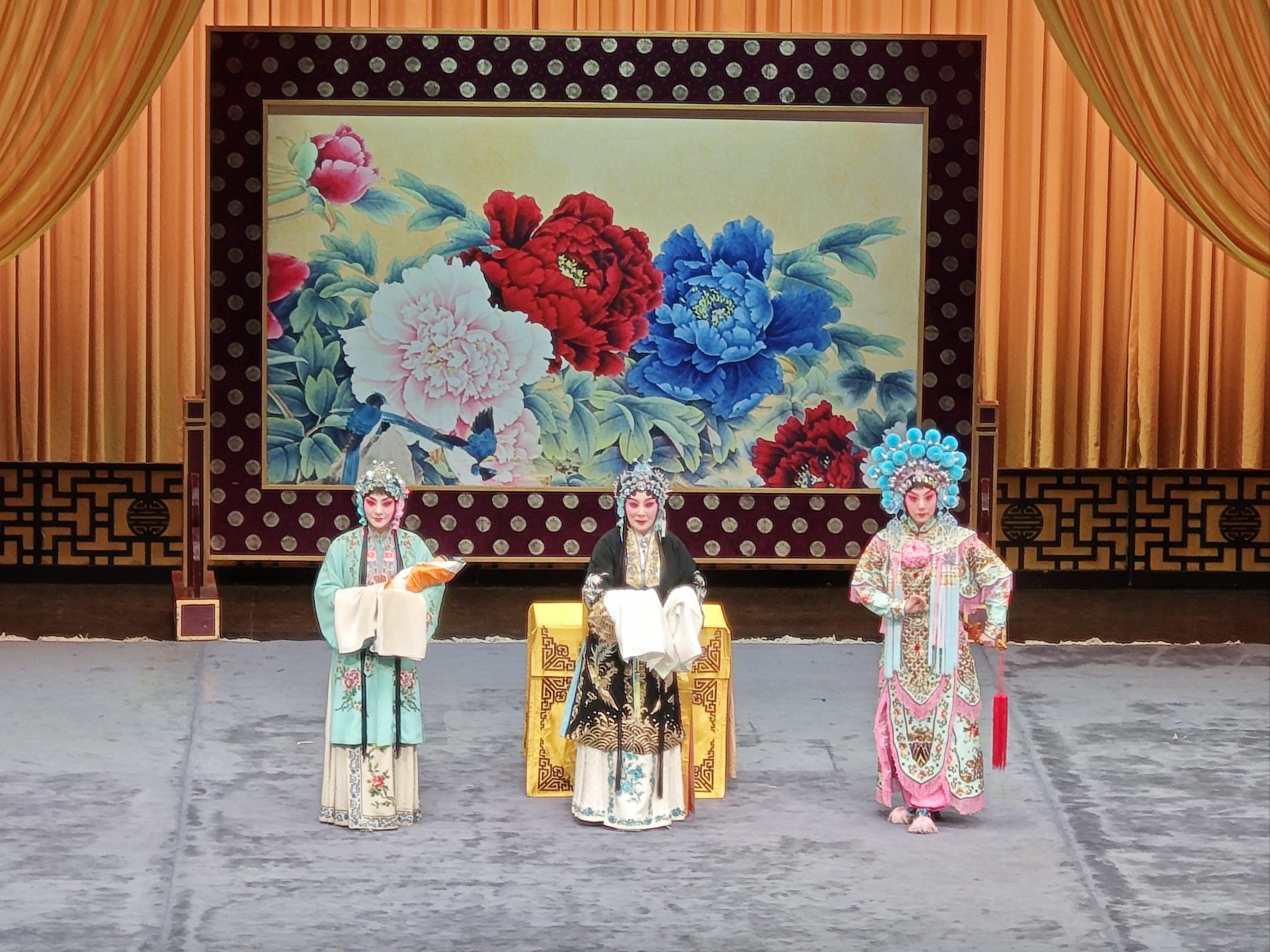
Peking Opera Experience
Conclude the day with a classic Peking Opera performance while sipping a signature cultural drink. Peking Opera, a national treasure of China, combines singing, reciting, acting, and acrobatics, with elaborate costumes and facial makeup that convey character traits. Your guide will explain the stories behind the performance, the symbolism of the costumes and makeup, and the historical context of this traditional art form, making the experience both entertaining and informative.
- Breakfast , Lunch
- Private Van
- Full-day professional English-speaking local guide
-
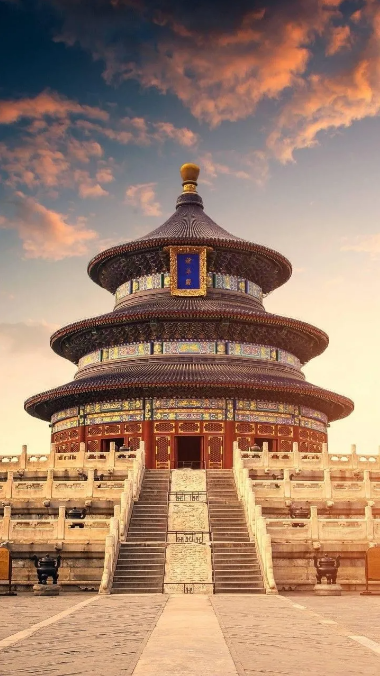
Temple of Heaven
Temple of Heaven Park, formerly known as "Temple of Heaven and Earth", is located at No. 7 Dongli, Temple of Heaven, Dongcheng District, Beijing. It was first built in the 18th year of the Yongle reign of the Ming Dynasty (1420) and renamed "Temple of Heaven" in the 9th year of the Jiajing reign of the Ming Dynasty (1530). It was the site for emperors of the Ming and Qing dynasties to "worship heaven" and "pray for valleys", with a total area of 273 hectares. It is the largest existing ancient sacrificial building complex in China and the largest and most well preserved ancient sacrificial building complex in the world. On January 1, 1918, it was designated as Temple of Heaven Park and opened to the public
-
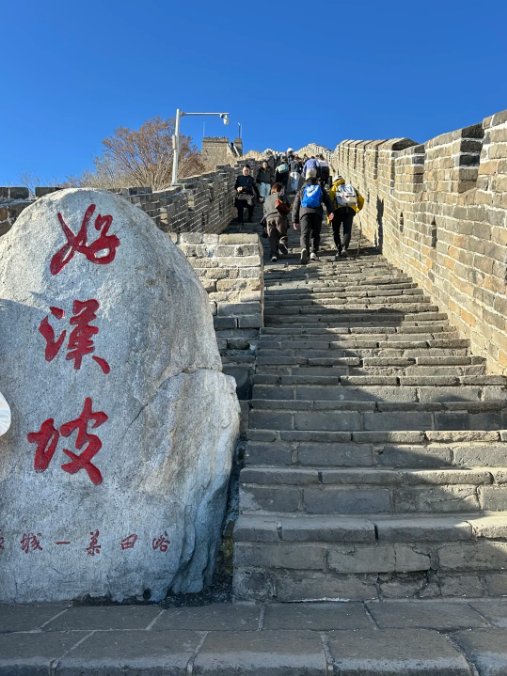
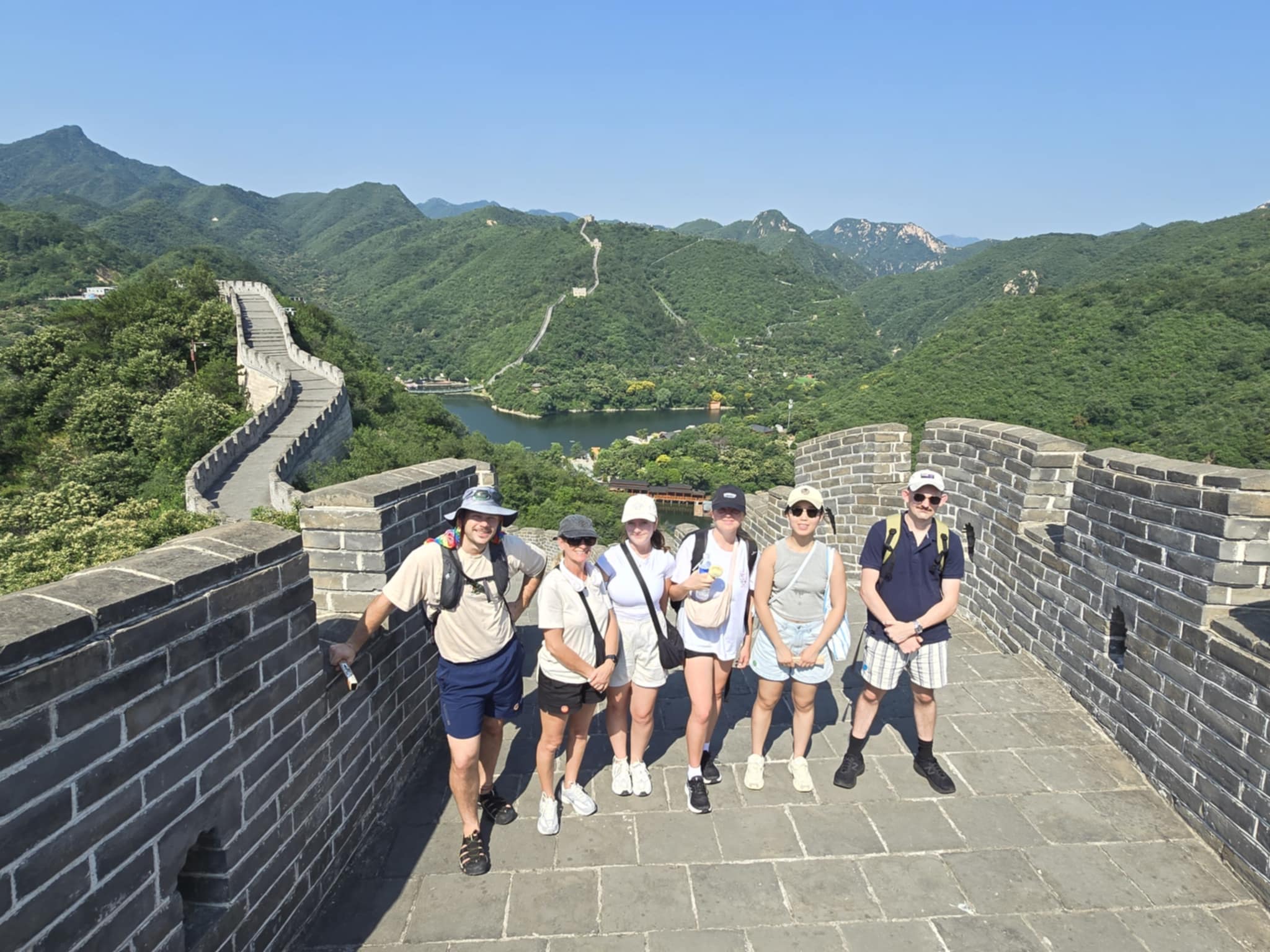
Mutianyu Great Wall Scenic Area
The Mutianyu Great Wall is located in Mutianyu Village, Bohai Town, Huairou District, Beijing, 73 kilometers away from the city center. It is known as the "Great Wall of Ten Thousand Miles, Mutianyu is the only one". The Mutianyu Great Wall, with a total length of 5400 meters, is the longest Great Wall in China and one of the sixteen scenic spots in Beijing. In the first year of the Hongwu reign of the Ming Dynasty (1368), the Mutianyu Great Wall was built under the supervision of General Xu Da, a subordinate of Zhu Yuanzhang, on the site of the Northern Qi Great Wall.
Mutianyu Great Wall is the essence of the Great Wall of the Ming Dynasty. This section of the Great Wall connects the Gubeikou in the east and Juyongguan in the west. Since ancient times, it has been a military important place to defend the capital, with Zhengguan Platform, Dajiaolou, eagle flying upside down and other landscapes. The wall of the Great Wall remains intact, which better reflects the ancient charm of the Great Wall, and has profound historical value and high cultural value.On the way back to the city in the late afternoon, you'll pass by the Olympic Bird Nest and Water Cube.
- Breakfast , Lunch
- Private Van
- Full-day professional English-speaking local guide
- Bullet Train to Datong (Beijing to Datong)
-
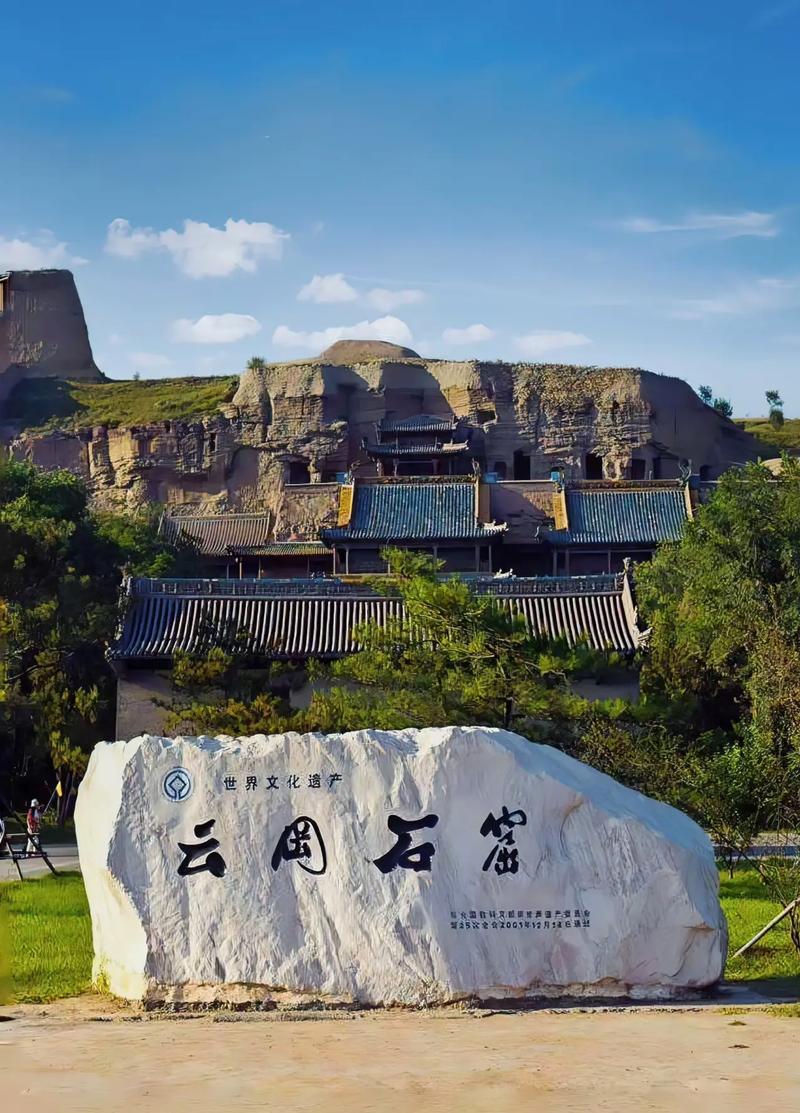
Yungang Grottoes
Visit the 1,500-year-old Yungang Grottoes, a UNESCO World Heritage Site and one of China's three great Buddhist grotto art treasures. Carved between the 5th and 6th centuries during the Northern Wei Dynasty, the grottoes feature 53 major caves and over 51,000 stone statues, ranging from 2 centimeters to 17 meters in height. Marvel at the grandeur of the Buddha statues, the intricate carvings, and the fusion of Indian, Central Asian, and Chinese artistic styles. Your guide will explain the historical background of the grottoes, the techniques used in their construction, and the religious significance of the Buddha images, bringing this ancient art treasure to life.
-
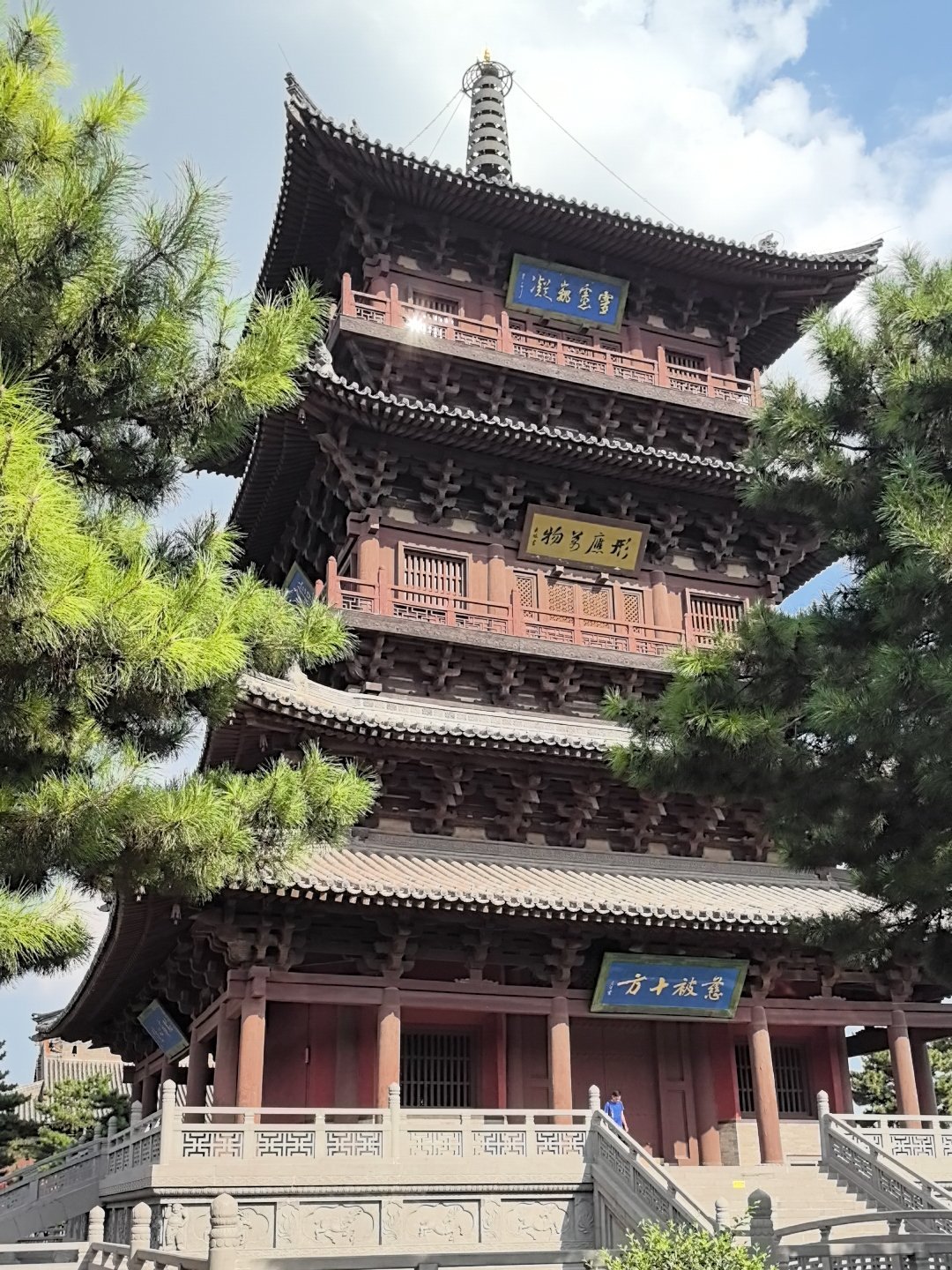
Huayan Temple
Visit Huayan Temple, split into upper monastery and lower museum. Built by the Khitan, it’s the largest and best-preserved temple of the Liao and Jin dynasties. Marvel at ancient halls, stone carvings, and unique Buddhist architecture. A living cultural heritage site, it offers insight into Northern China’s religious history and architectural mastery.
-
Nine Dragon Screen
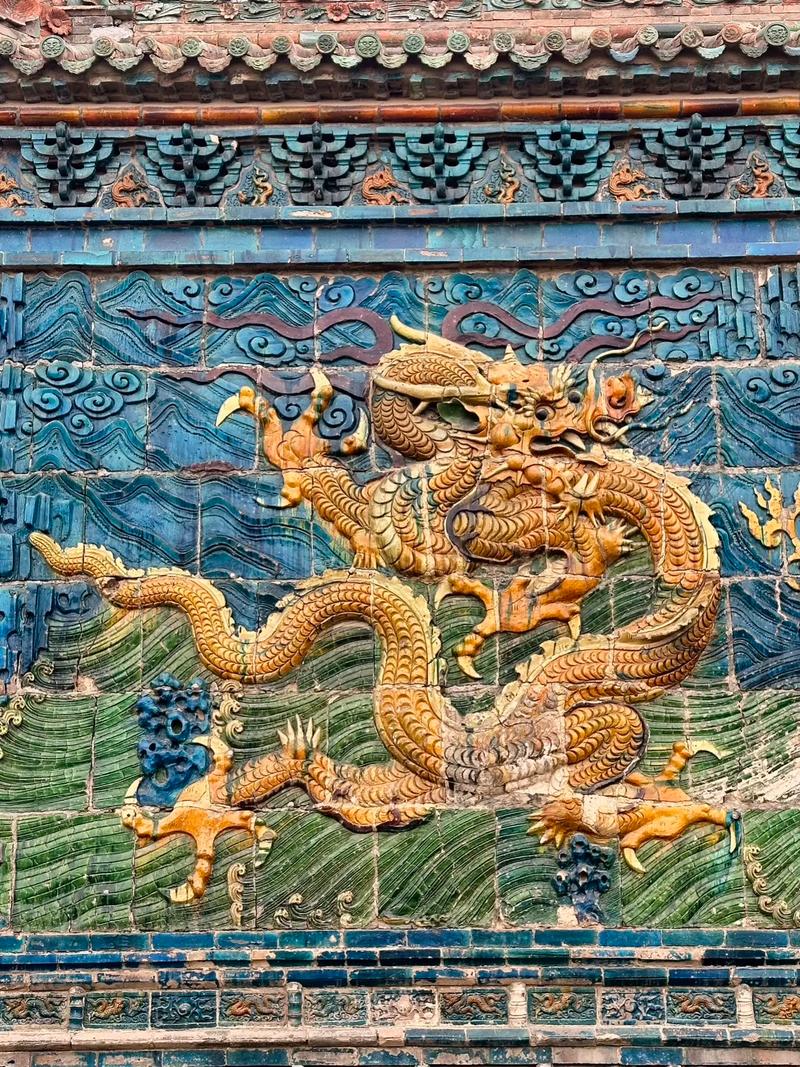
Make a short stop to see the Nine Dragon Screen, China's oldest extant glazed screen wall. Built in the 14th century during the Ming Dynasty, this 45.5-meter-long screen is decorated with nine vividly carved dragons, each playing with a pearl amidst clouds and waves. The glazed tiles shimmer in different colors under the light, showcasing the superb craftsmanship of ancient Chinese artisans. Your guide will explain the symbolism of the dragons in Chinese culture and the historical context of this unique architectural structure.
- Breakfast
- Private Van
- Full-day professional English-speaking local guide
-
Hanging Temple
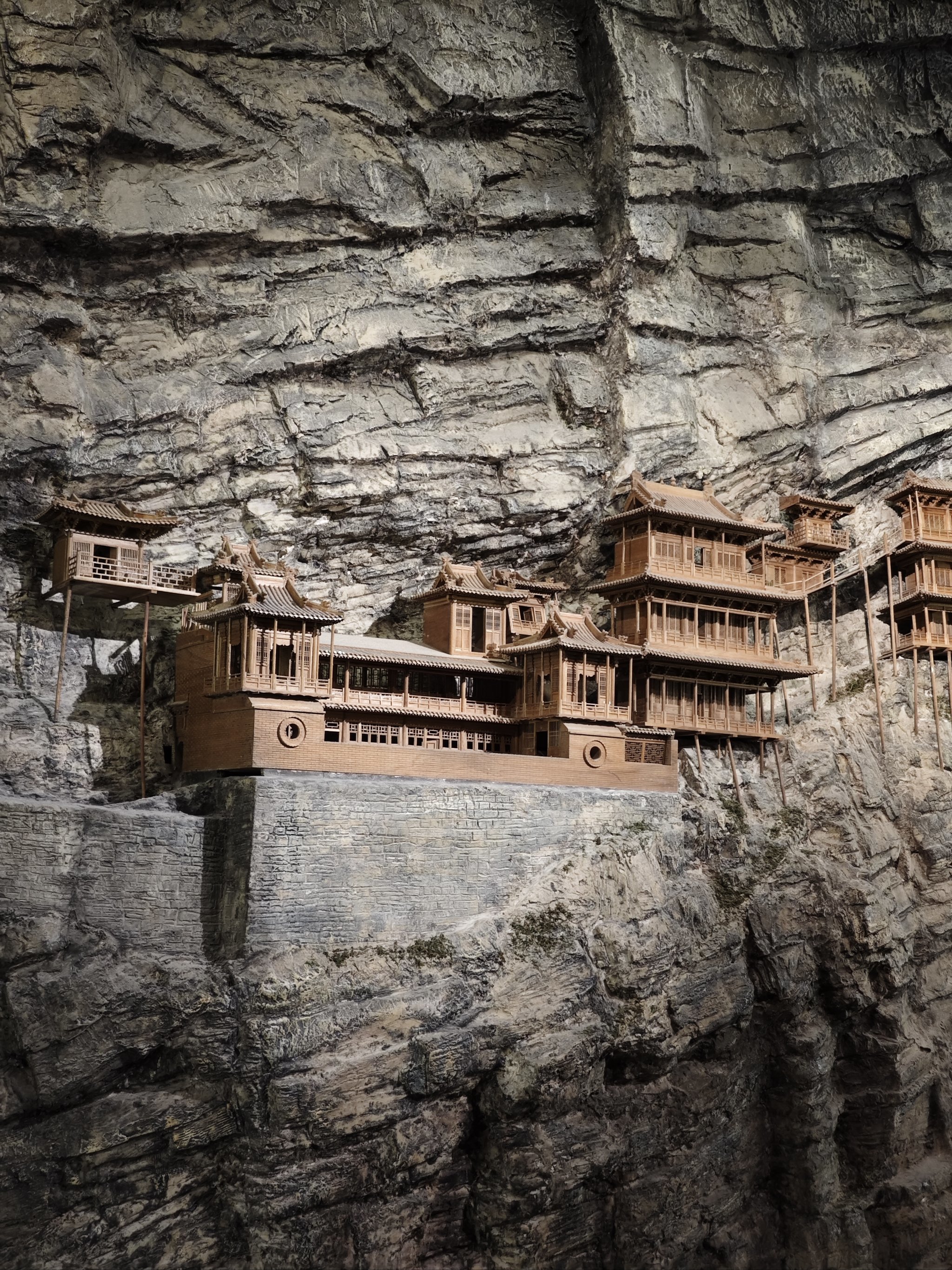
Witness the Hanging Temple, perched 50 meters above Jinxia Gorge, blending Buddhism, Taoism, and Confucianism. Built 1,500 years ago, it defies gravity and engineering expectations. Visitors can marvel at its wooden beams, cliffside walkways, and symbolic carvings—a must-see for architecture lovers and cultural explorers in China.
- Bullet Train to Pingyao (Datong to Pingyao)
- Breakfast
- Private Van
- Full-day professional English-speaking local guide
-
Pingyao Ancient City Wall
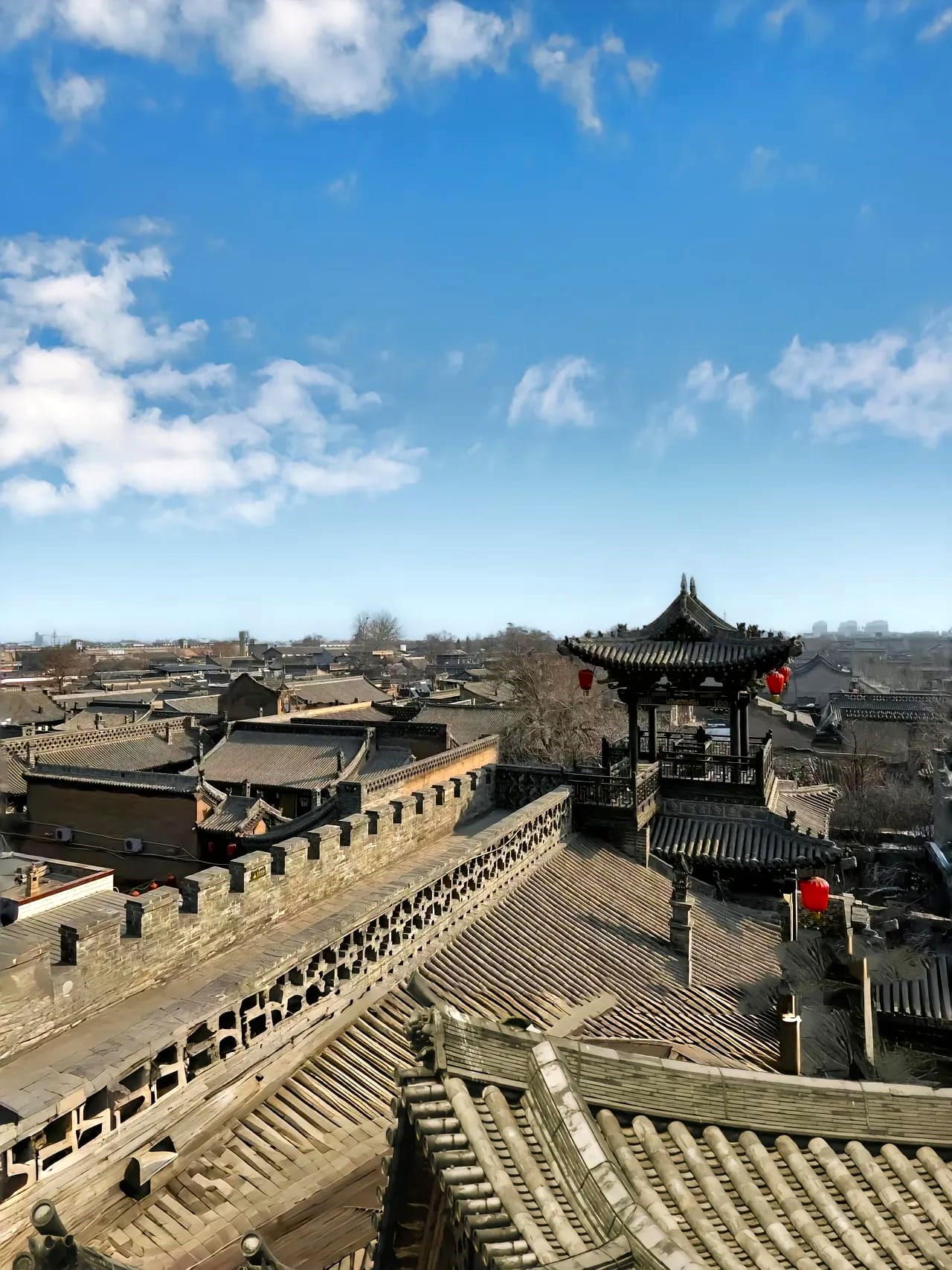
Begin your exploration of Pingyao Ancient City, a UNESCO World Heritage Site and one of the most complete ancient cities remaining in China. Climb the 6-kilometer-long city wall, built during the Ming Dynasty, for a panoramic view of the ancient city. The wall features 72 watchtowers and four main gates, reflecting the urban planning and defensive systems of the Ming and Qing Dynasties. As you walk along the wall, admire the traditional courtyard houses, ancient streets, and scattered temples that preserve the old charm of Pingyao.
-
Rishengchang Former Bank
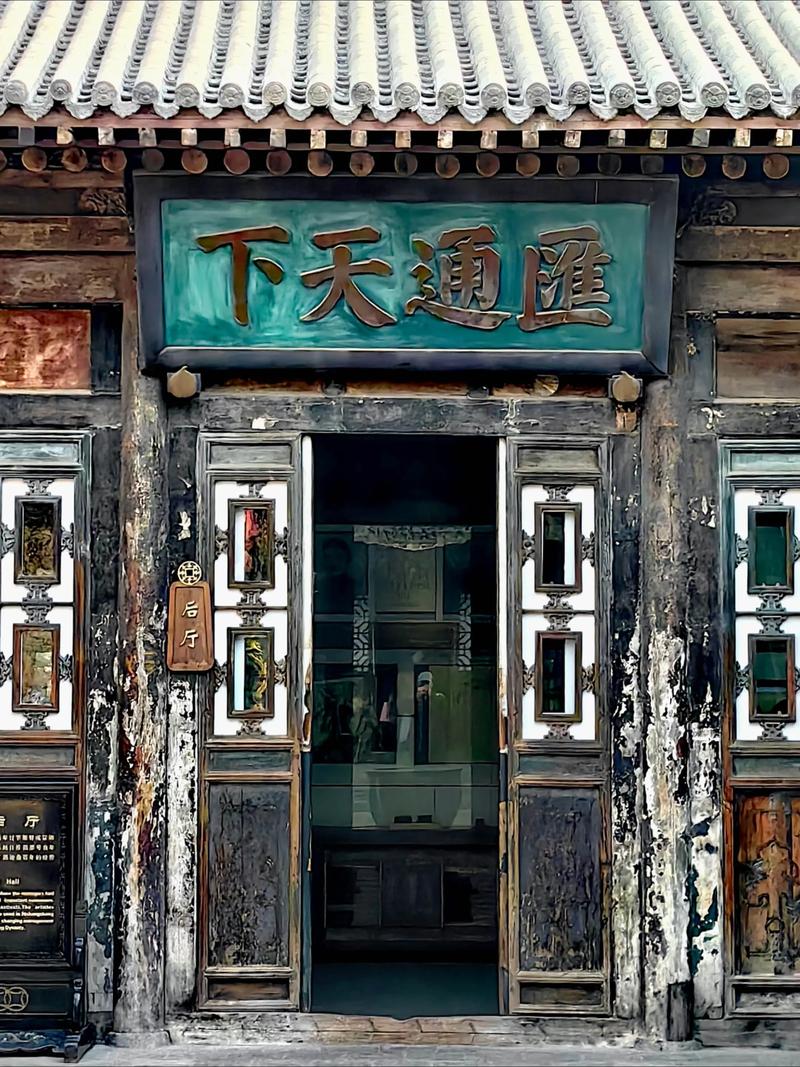
Visit Rishengchang Former Bank, widely regarded as the birthplace of China's banking industry. Founded in 1823 during the Qing Dynasty, it was the first modern bank in China, offering remittance, deposit, and loan services across the country. Explore the well-preserved bank premises, including the front office, accountancy department, treasure room, and living quarters for staff. Your guide will explain the sophisticated banking system, financial innovations, and business model of Rishengchang, which played a crucial role in promoting trade and economic development during the Qing Dynasty.
-
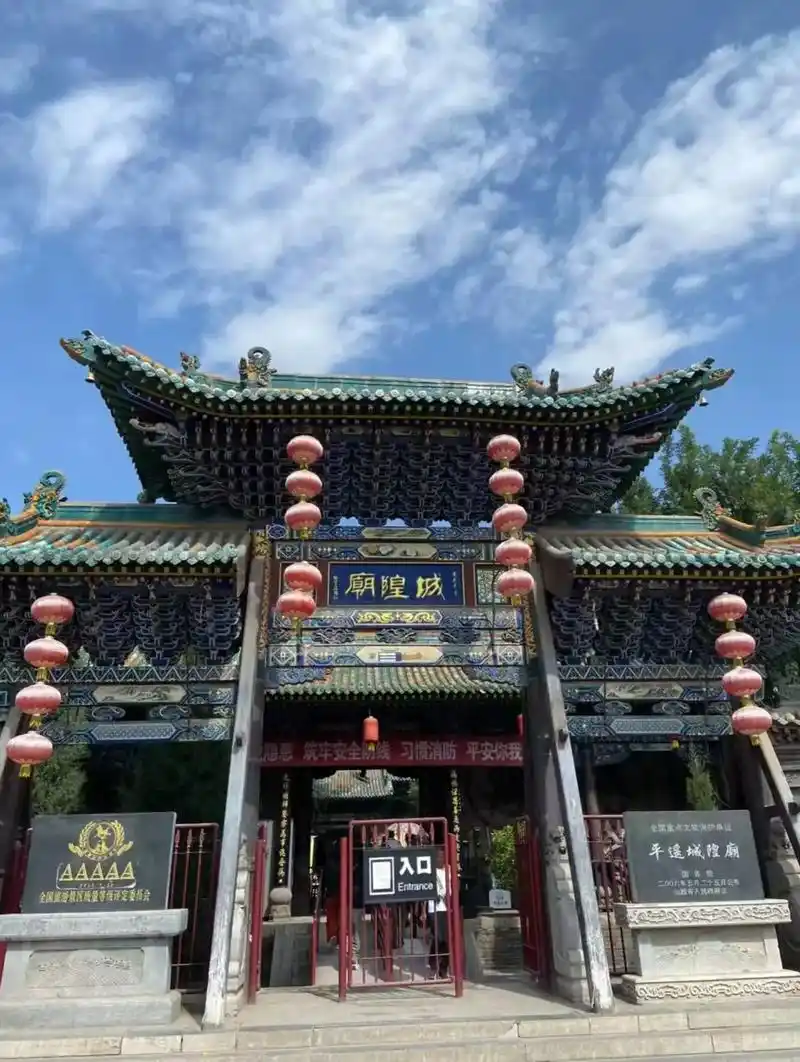
Temple of the City God
Proceed to the Temple of the City God, a well-preserved Taoist temple dedicated to the City God, who is believed to protect the city and its residents. Built during the Song Dynasty and renovated in subsequent dynasties, the temple features intricate architectural details, colorful murals, and exquisite statues. Learn about the Taoist beliefs and rituals associated with the City God, and admire the artistic craftsmanship of the temple's halls, pavilions, and courtyards.
-
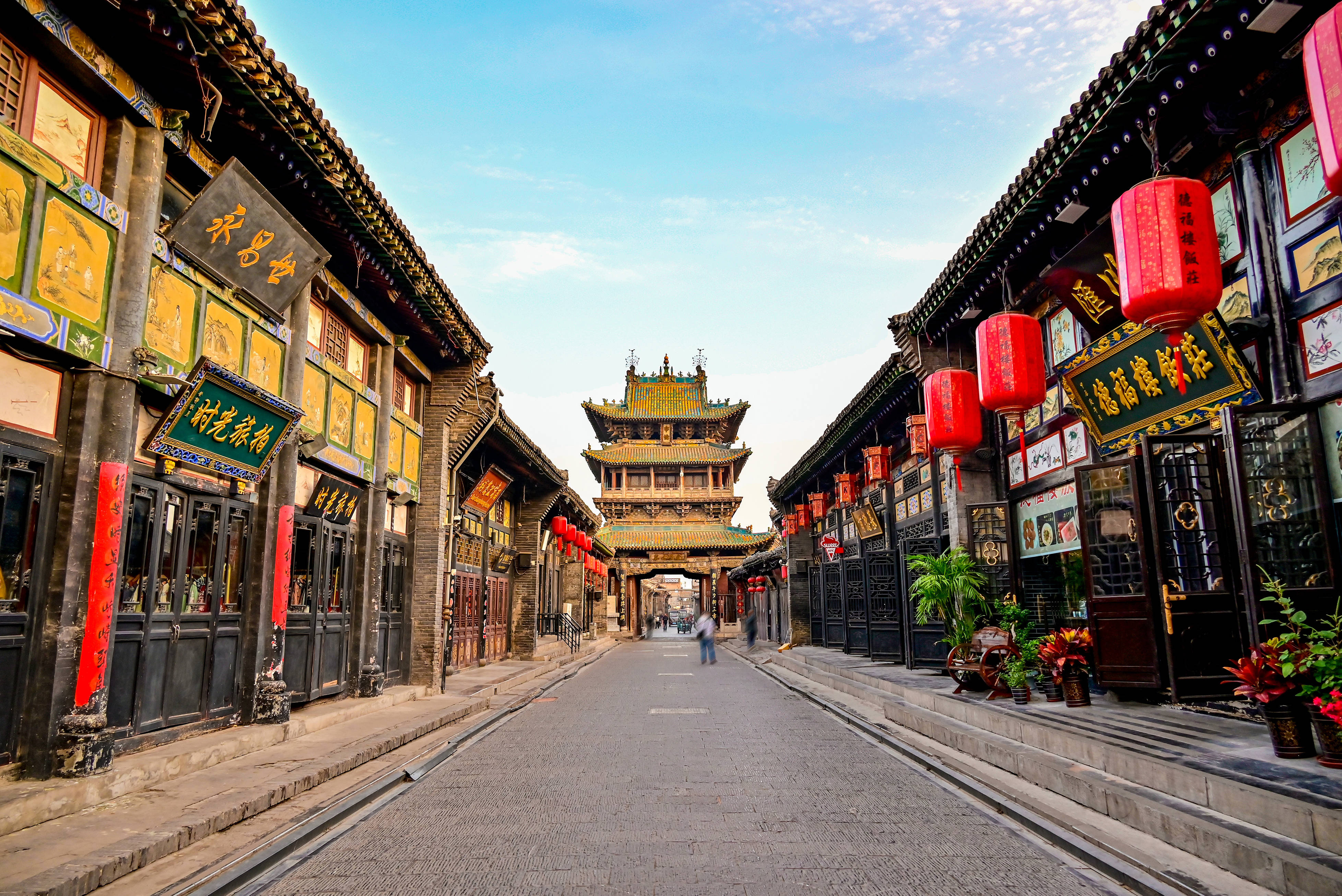
Ming and Qing Street
Stroll through Ming and Qing Street, the main commercial street of Pingyao Ancient City. This cobblestone street is lined with well-preserved ancient buildings housing traditional shops, restaurants, and handicraft workshops. Browse for local specialties such as Pingyao beef, hand-painted fans, and paper-cut art, and watch artisans demonstrate traditional crafts such as wood carving and lacquerware making. Immerse yourself in the lively atmosphere of this ancient commercial street, which has retained its historical charm for centuries.
-
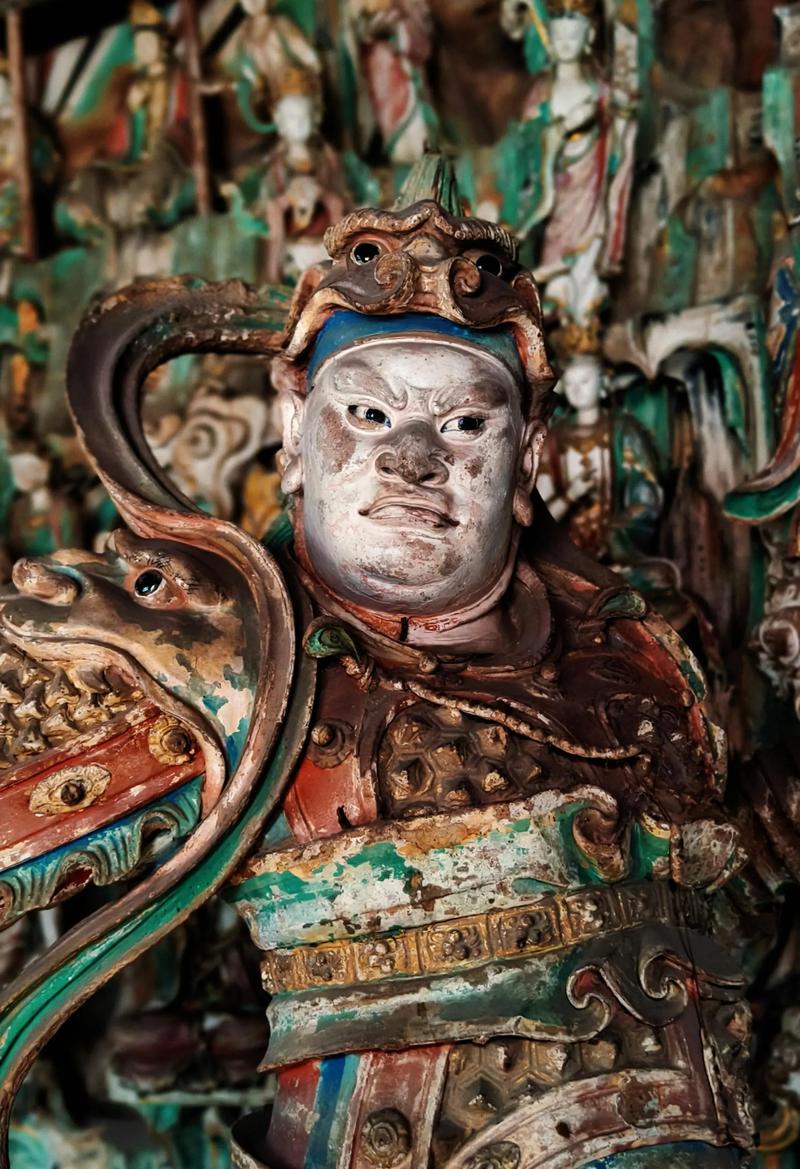
Shuanglin Temple
Drive about 15 minutes outside the ancient city to visit Shuanglin Temple, known as the "Museum of Painted Clay Sculptures". Founded during the Northern Wei Dynasty, the temple houses over 2,000 painted clay statues from the Song, Yuan, Ming, and Qing Dynasties. The statues depict Buddhist deities, arhats, and mythical figures, with vivid expressions, delicate gestures, and rich colors. Marvel at the artistic achievement of these sculptures, which are renowned for their lifelike appearance and profound cultural connotations. Your guide will explain the artistic styles and religious significance of the statues, making this a memorable cultural experience.
- Breakfast , Lunch
- Private Van
- Full-day professional English-speaking local guide
-
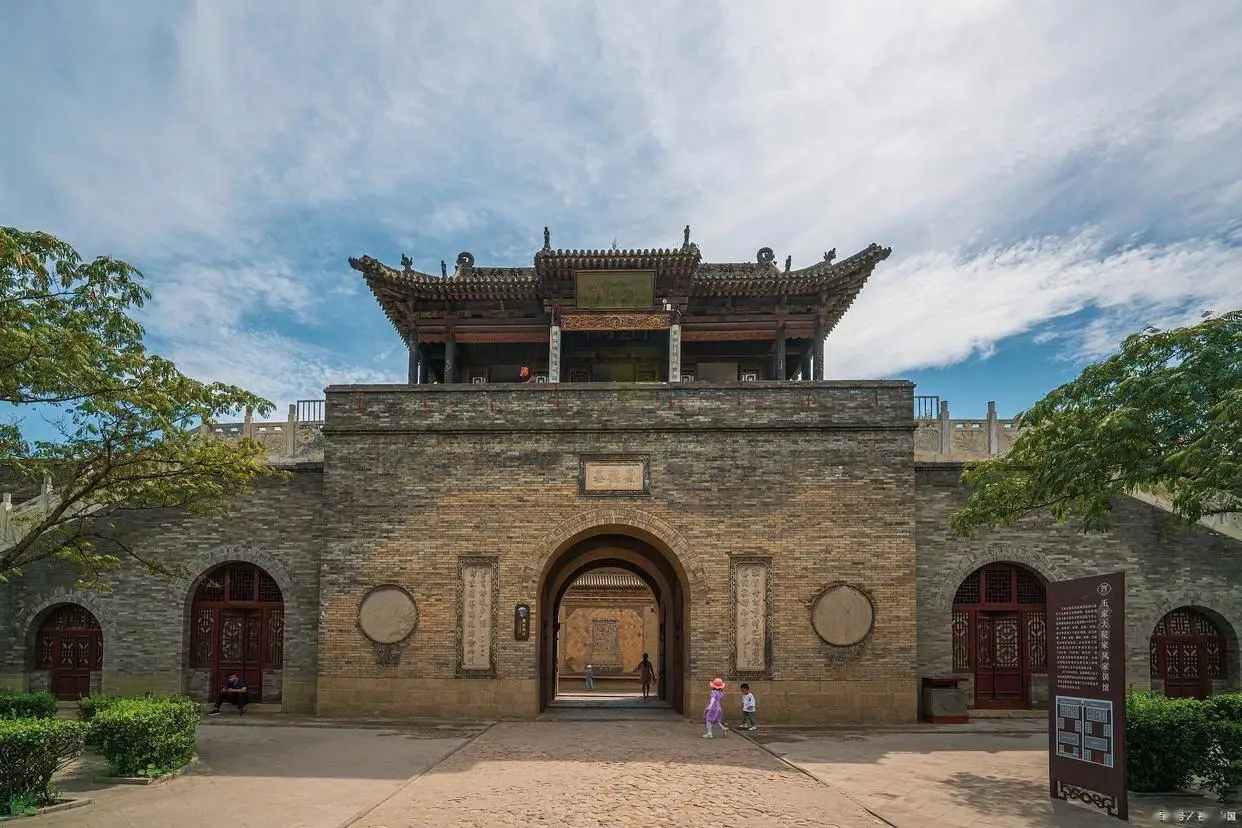
Zhangbi Ancient Castle
This morning, drive approximately one hour to Zhangbi Ancient Castle, a fortified village with a history dating back over 1,600 years. The castle is a unique combination of historical sites, ancient tunnels, tumuli complexes, traditional dwellings, and other cultural relics. The most impressive feature is the intricate network of fortress tunnels from the Northern Dynasty (386-581), which stretch for several kilometers and include living quarters, storage rooms, and defensive passages. Explore the tunnels and learn about their strategic role in military defense and daily life. Above ground, wander through the ancient streets, visit traditional courtyard houses, and admire the well-preserved temples and pagodas.
-
Wang's Family Compound
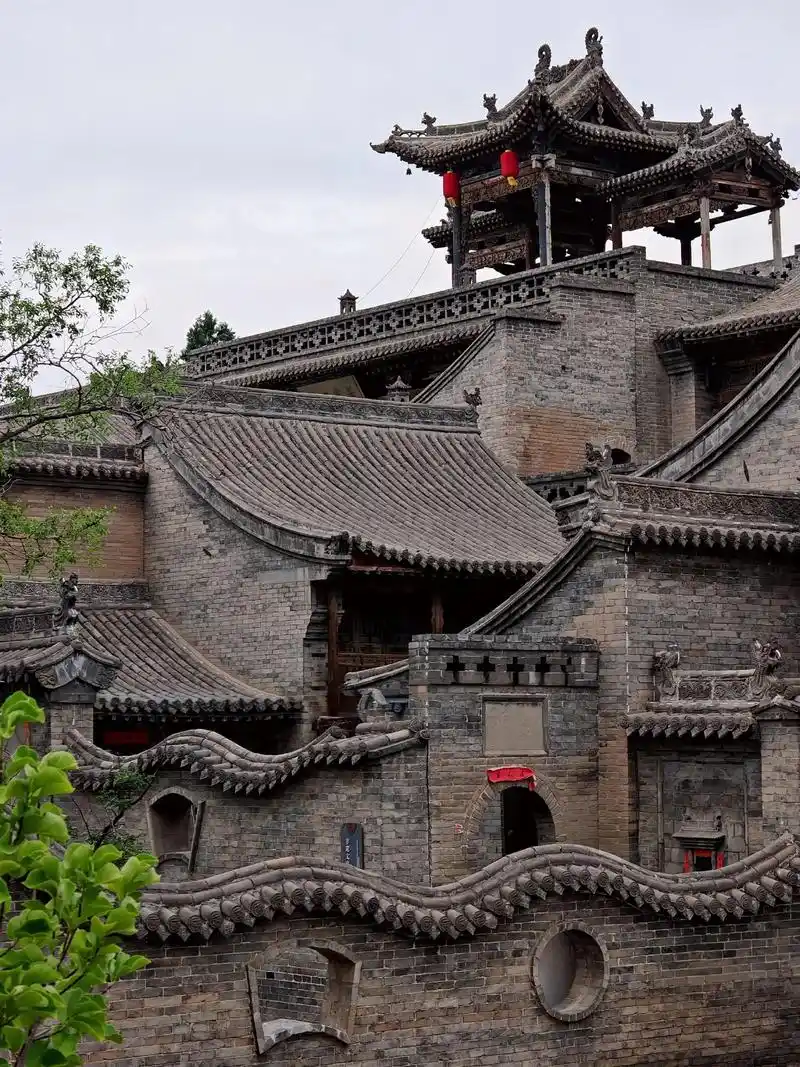
Continue to Wang's Family Compound, an extraordinary residential complex built by the Jingsheng Wang family over more than 300 years during the Ming and Qing Dynasties. Covering an area of 250,000 square meters, the compound consists of 231 courtyards and 2,078 rooms, along with auxiliary buildings such as ancestral halls and gardens. Renowned as an "art museum of traditional Chinese architecture" and "The Forbidden City in Folk", the compound showcases the exquisite craftsmanship and architectural style of northern Chinese courtyard residences. Admire the intricate carvings on doors, windows, and railings, which depict historical stories, mythical creatures, and auspicious patterns. Your guide will share the history of the Wang family and the cultural significance of the compound's design and layout.
- Bullet Train to Xi'an (Pingyao to Xi'an)
- Breakfast
- Private Van
- Full-day professional English-speaking local guide
-
Terracotta Warriors
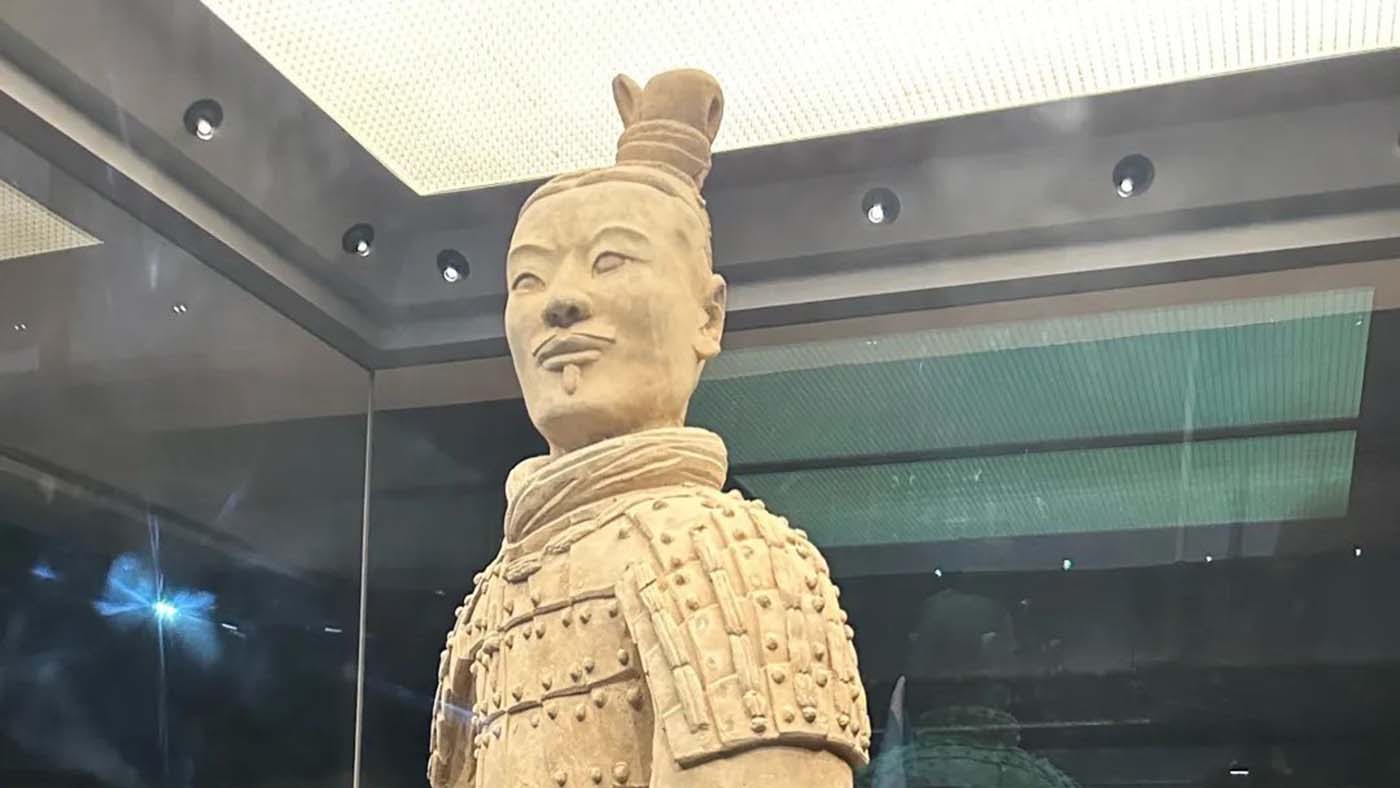
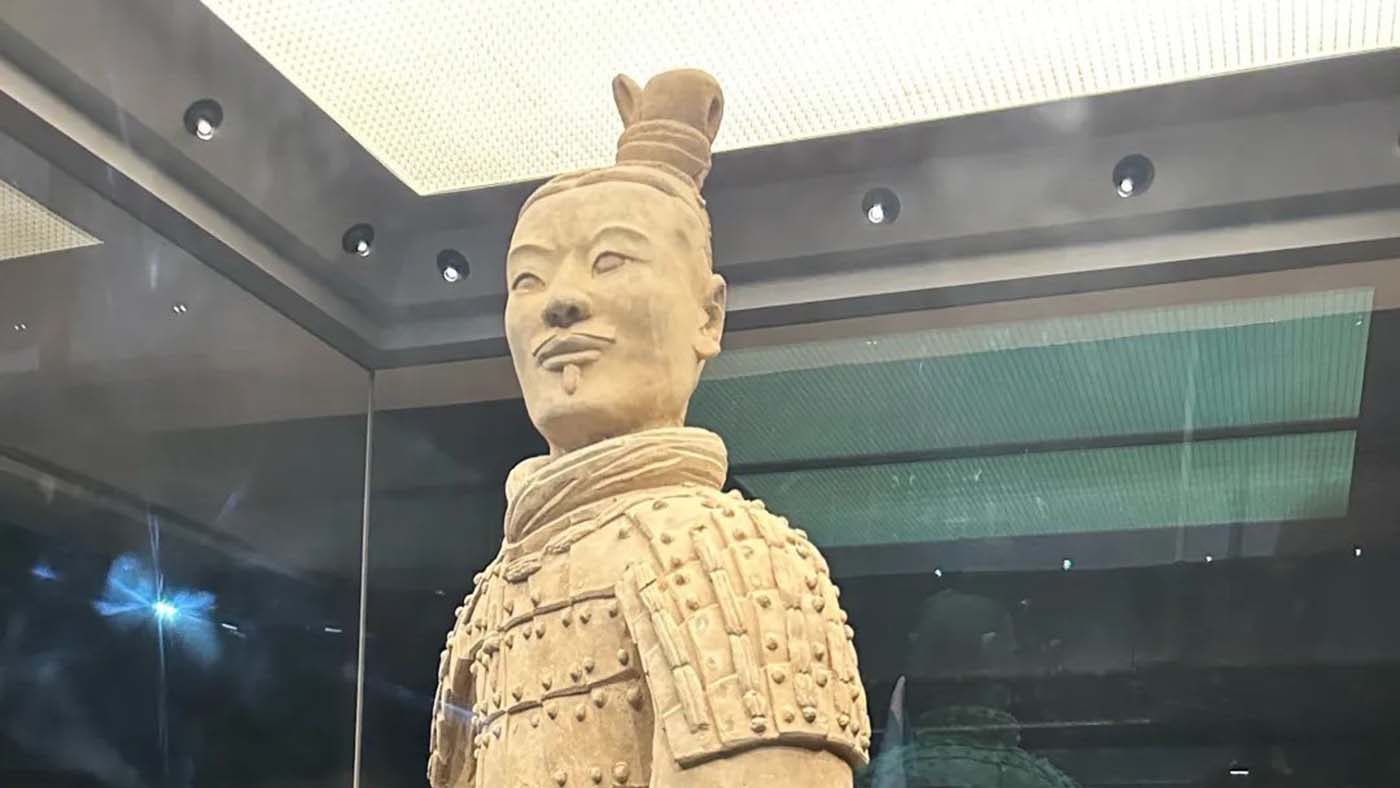
Marvel at the Terracotta Warriors, Qin Shi Huang’s army entombed to protect him in the afterlife. Each life-sized warrior has unique facial features and uniforms. Visit the nearby art ceramics and lacquer factory for souvenirs—a world-renowned archaeological treasure.
-
Muslim Quarter
The Muslim Quarter, also known as Fangshang, is a food and culture district located in Beiyuanmen Street, Lianhu District, Xi'an City, Shaanxi Province. It consists of streets such as Beiyuanmen, Beiguangji Street, Xiyangshi, Dapiyuan, Huajuexiang, and Sajinqiao. This area formed a Hui ethnic settlement from the late Northern Song Dynasty to the early Southern Song Dynasty, and developed into a traditional commercial activity area during the Ming and Qing Dynasties, named after the long-term settlement of Hui residents. In 1992, it was renovated into a bluestone pavement and a block imitating Ming and Qing architecture. In 1993, an antique cultural tourism street was built.
There are currently 10 mosques in the block, including the Huajue Lane Mosque. The architecture blends traditional Chinese and Islamic styles, reflecting the integration of multi-ethnic cultures and traces of ancient commercial exchanges. As a Muslim food gathering place in northwest China, it gathers featured snacks such as beef and mutton steamed buns, cured beef and mutton, and Jinggao, among which beef and mutton steamed buns are featured by manual breaking and old soup cooking.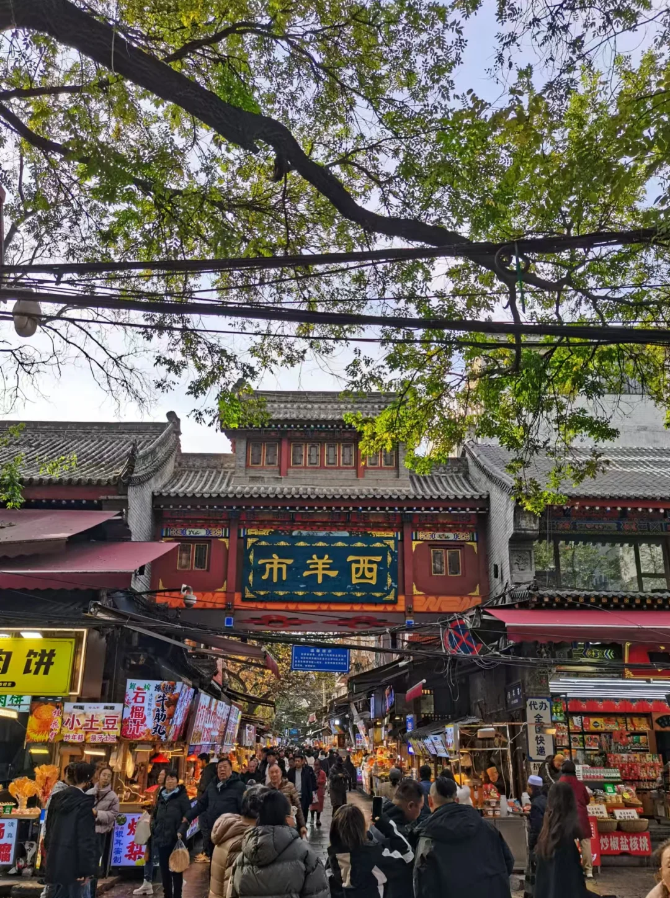
- Breakfast , Lunch
- Private Van
- Full-day professional English-speaking local guide
-
Local Family Visit & Cooking Class
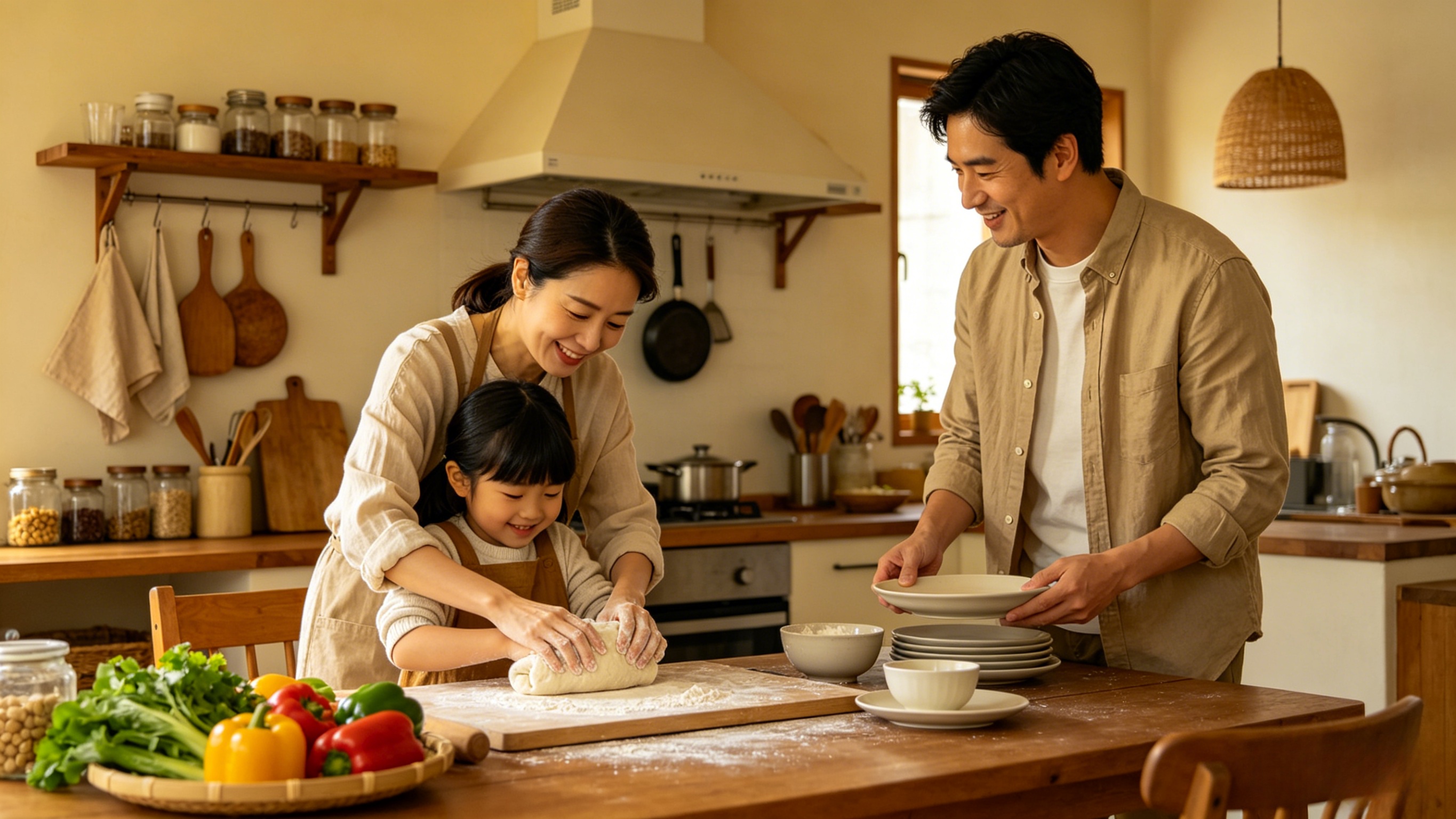
Visit a local Xi'an family and experience authentic Chinese home life. Learn to cook traditional homely food together, such as dumplings or hand-pulled noodles, under the guidance of the host family. This immersive experience allows the whole family to interact with locals, learn about Chinese family customs, and enjoy the fruits of your labor as part of the meal.
- Bullet Train to Luoyang (Xi'an to Luoyang)
- Breakfast
- Private Van
- Full-day professional English-speaking local guide
-
Shaolin Temple
The Shaolin Temple was founded in the 19th year of the Northern Wei Dynasty's Taihe era (495 AD), when Emperor Xiaowen, Tuoba Hong, ordered its construction at the northern foothills of Mount Shaoshi in Songshan to accommodate the Indian monk Batuo, who came to China to teach Hinayana Buddhism.
In the first year of the Yongping era (506 AD), the Indian eminent monks Lama Motie and Bodhi Ruzhi successively arrived at Shaolin Temple to establish translation centers, setting up a scripture translation hall at the stupa on the west terrace of the temple to translate Buddhist scriptures. Subsequently, Hui Guang propagated the teachings of the Four-Part Vinaya and other masters at Shaolin Temple. Over generations of development, the Four-Part Vinaya tradition was eventually formed in later generations.
In the third year of Xiaochang era of Emperor Xiaoming of the Northern Wei Dynasty (527 AD), Bodhidharma, the twenty-eighth disciple of Sakyamuni Buddha, arrived at the Shaolin Temple. Building upon the foundation established by Ba Tuo, he gathered a large number of followers and taught the Zen tradition. In the third year of Tianping era of Emperor Xiaojing of the Eastern Wei Dynasty, he passed on his teachings to Huike, marking the beginning of Zen's establishment and dissemination at the Shaolin Temple.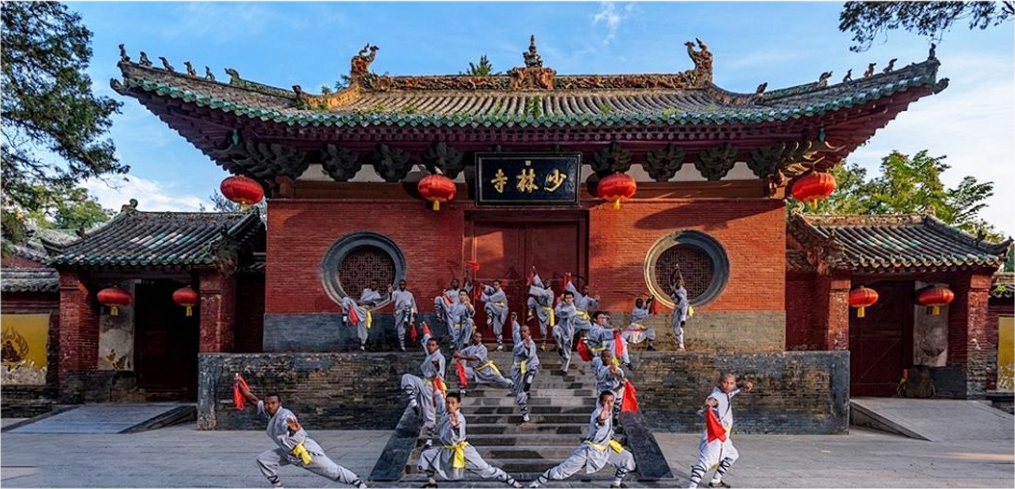
-
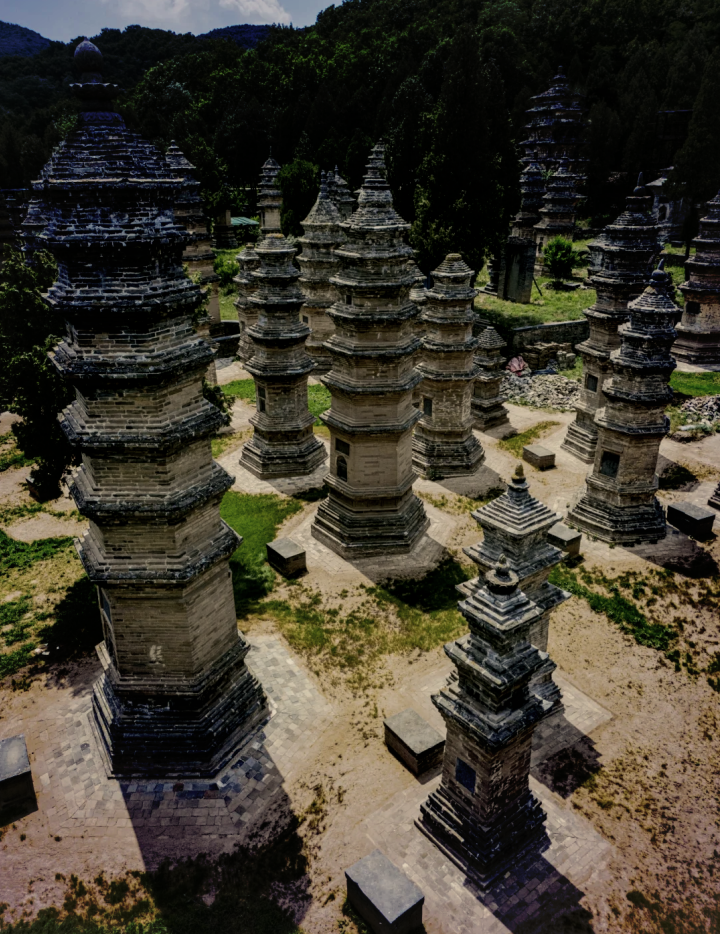
Forest of Dagobas
Discover the Forest of Dagobas, a cemetery for Shaolin abbots and eminent monks. With over 240 dagobas (Buddhist stupas) of different sizes and styles, built from the Tang Dynasty to the Qing Dynasty, it is a unique collection of ancient Chinese stupa architecture. Each dagoba has a unique design, reflecting the artistic style and architectural characteristics of its era. Your guide will explain the significance of the dagobas in Buddhist culture and the stories of the monks buried here, highlighting the great aesthetic value and profound cultural connotations of this site.
-
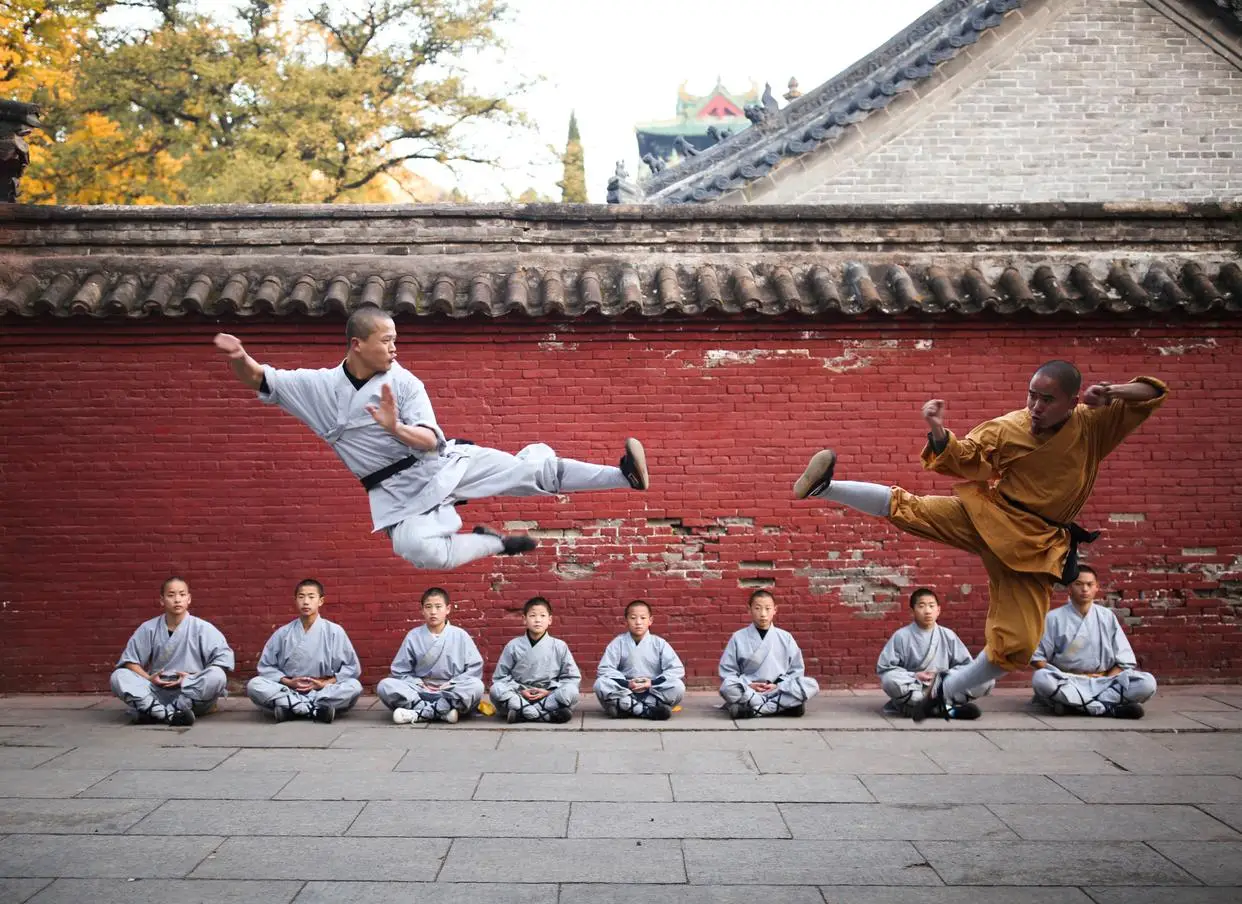
Shaolin Kung Fu Performance
Marvel at a stunning Shaolin Kung Fu performance by monks from the Shaolin Temple. Witness spectacular martial arts routines, including fist fights, weaponry demonstrations, and qigong performances, showcasing the power, speed, and precision of Shaolin Kung Fu. The performance also includes traditional forms and modern adaptations, demonstrating the evolution and versatility of this ancient martial art. Your guide will provide commentary on the different styles of Shaolin Kung Fu and their philosophical foundations, enhancing your understanding and appreciation of the performance.
-
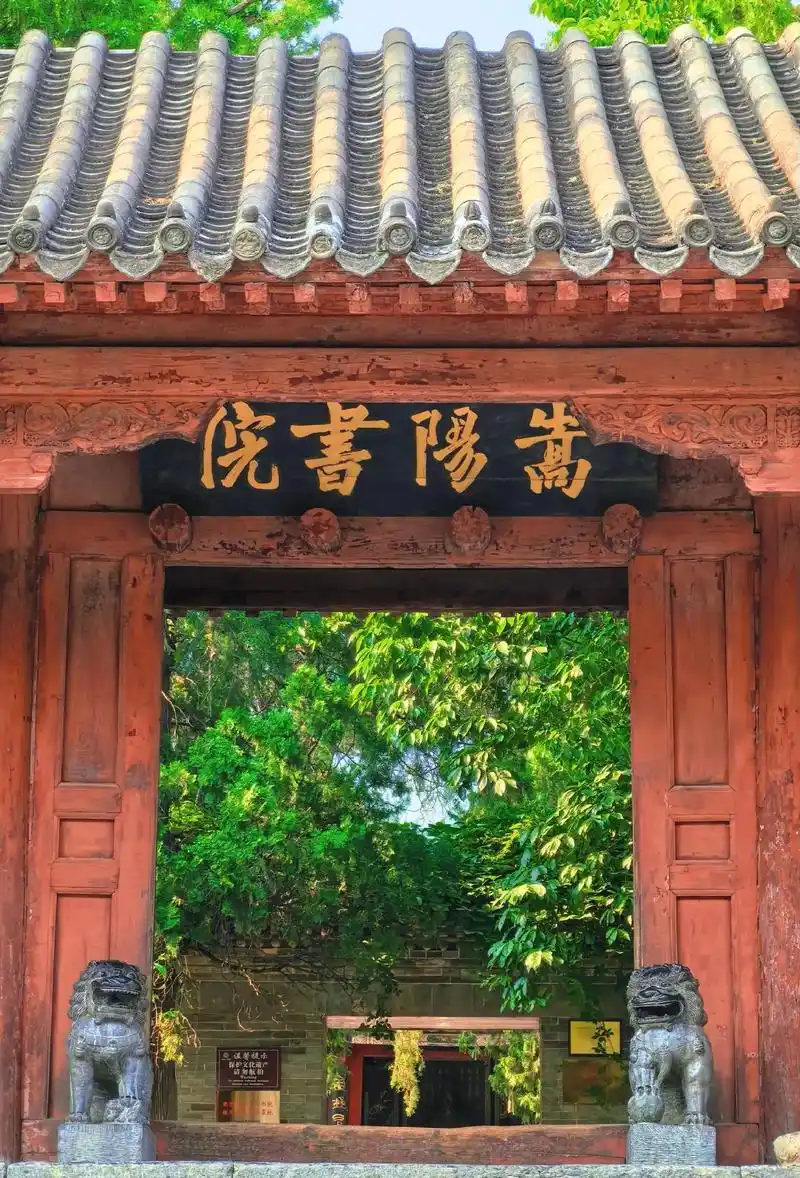
Songyang Academy
Continue the tour in Dengfeng with a visit to Songyang Academy, one of China's four great ancient academies, first built in 484 during the Northern Wei Dynasty. The academy is famous for promoting rationalistic Confucian philosophy and nurturing numerous scholars and officials throughout history. Explore the well-preserved courtyard complex, including lecture halls, libraries, and gardens, and learn about the academy's educational system, curriculum, and influence on Chinese culture and education. Admire the ancient cypress trees and stone inscriptions, which add to the academy's historical and cultural charm. Conclude the day with a transfer back to Luoyang.
- Breakfast , Lunch
- Private Van
- Full-day professional English-speaking local guide
-
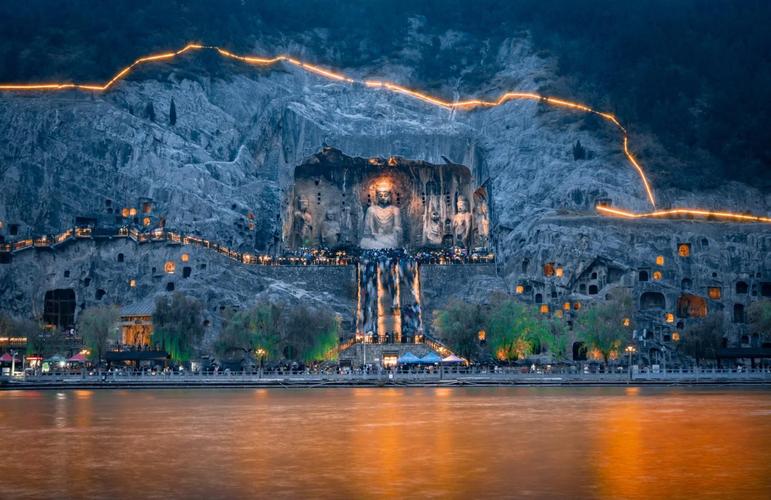
Longmen Caves
Visit UNESCO-listed Longmen Caves, home to thousands of Buddhist statues carved into limestone cliffs. Dating back to 493 AD, the grottoes represent a pinnacle of Chinese stone carving art. Admire sculptures from 1 inch to 57 feet tall—a true highlight of cultural heritage in China.
- Bullet Train to Nanjing (Luoyang to Nanjing)
- Breakfast
- Private Van
- Full-day professional English-speaking local guide
-
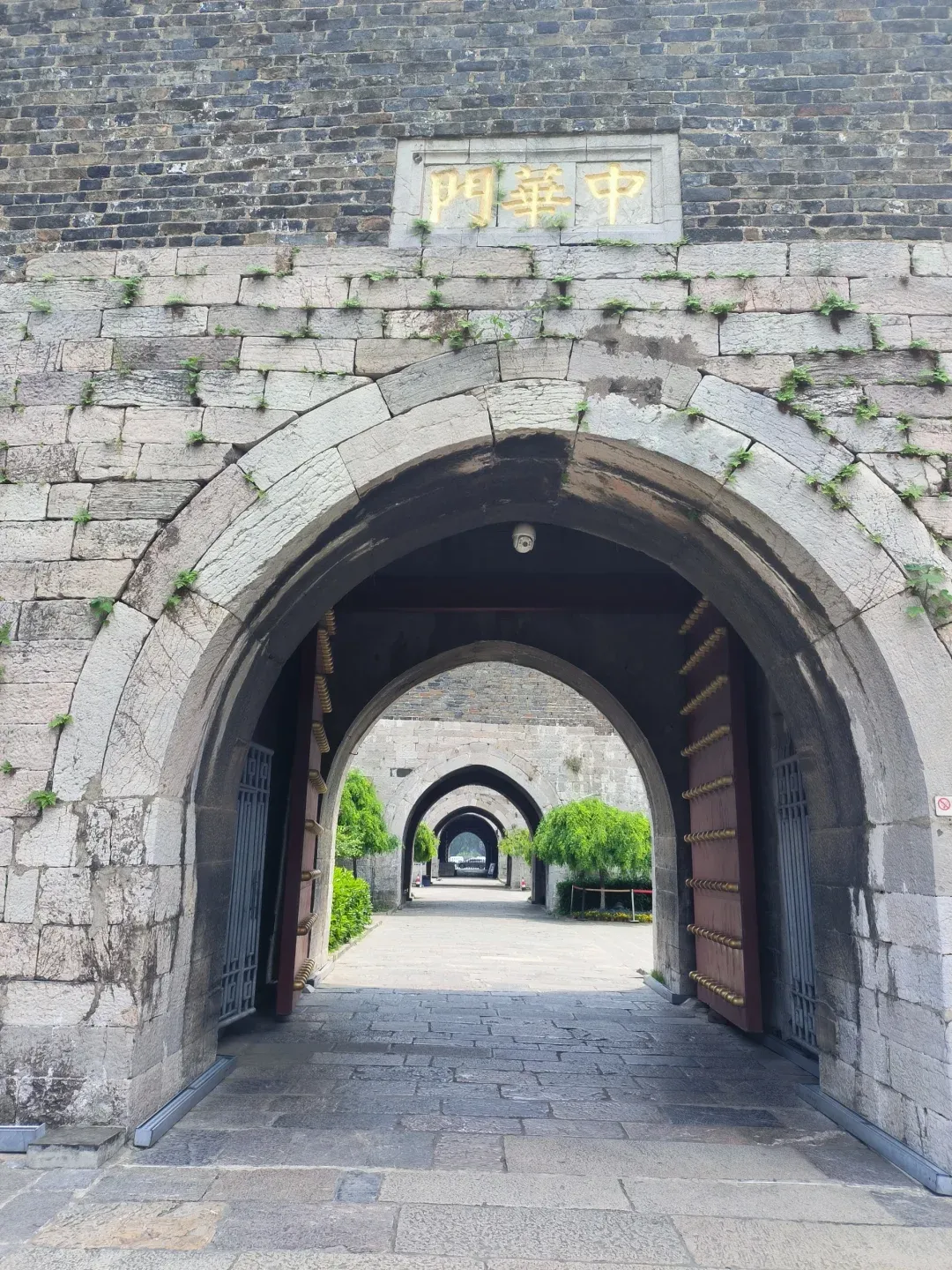
Zhonghua Gate
pend the day delving into Nanjing's history spanning different centuries, starting with a visit to Zhonghua Gate, a castle-like ancient city gate. Built during the Ming Dynasty, it is one of the largest and best-preserved ancient city gates in China, featuring massive masonry walls, deeply arched gateways, and an intricate defensive system including barbicans and moats. Climb to the top of the gate to admire the panoramic view of Nanjing's urban landscape and learn about the gate's strategic importance in ancient military defense. Explore the interior of the gate, including the horse-drawn carriages, ancient weapons, and historical exhibitions that showcase the gate's history and construction.
-
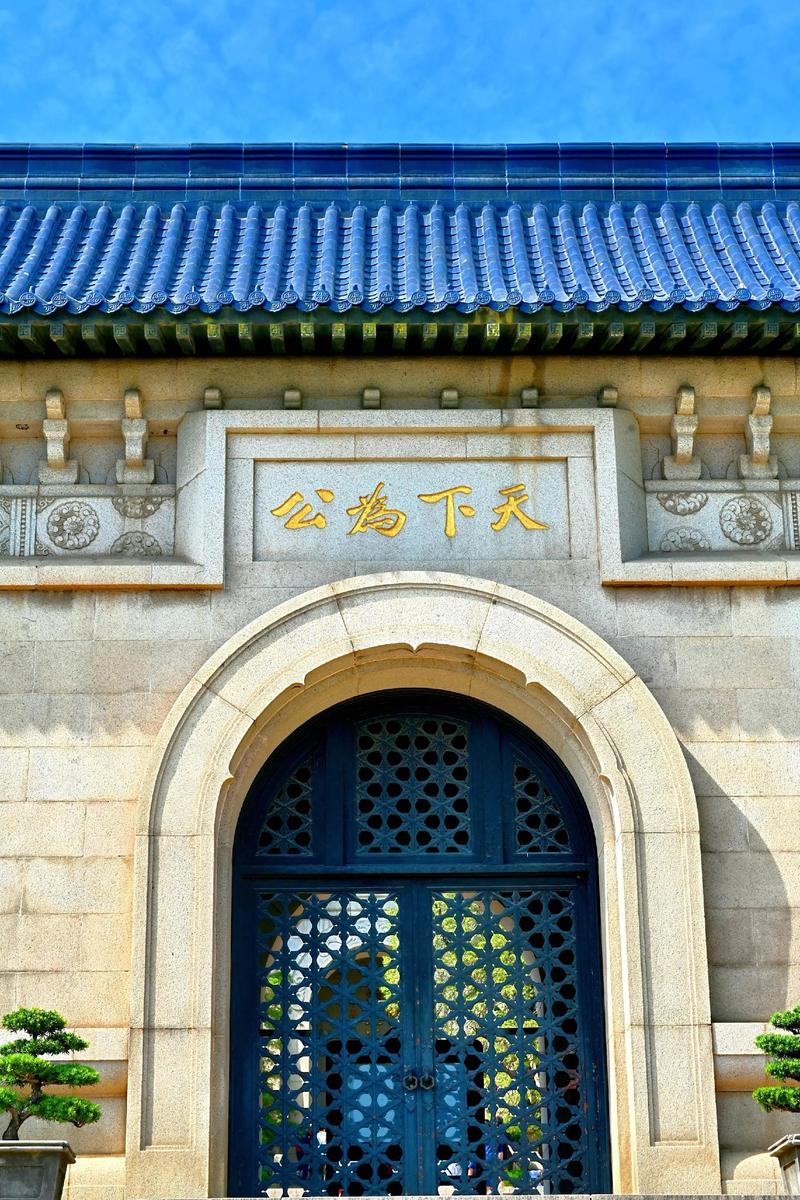
Sun Yat-sen Mausoleum
Move on to Sun Yat-sen Mausoleum, the final resting place of Dr. Sun Yat-sen, the great pioneer of China's democratic revolution. Located at the foot of Purple Mountain, the mausoleum is a magnificent architectural complex combining Chinese and Western styles, symbolizing Dr. Sun's vision of national independence and democracy. Climb the 392 steps to the main hall, where you'll find a statue of Dr. Sun and his coffin. Your guide will share Dr. Sun Yat-sen's life story, his contributions to China's revolution, and the historical context of the 20th century Chinese history, helping you understand the significance of his legacy.
-
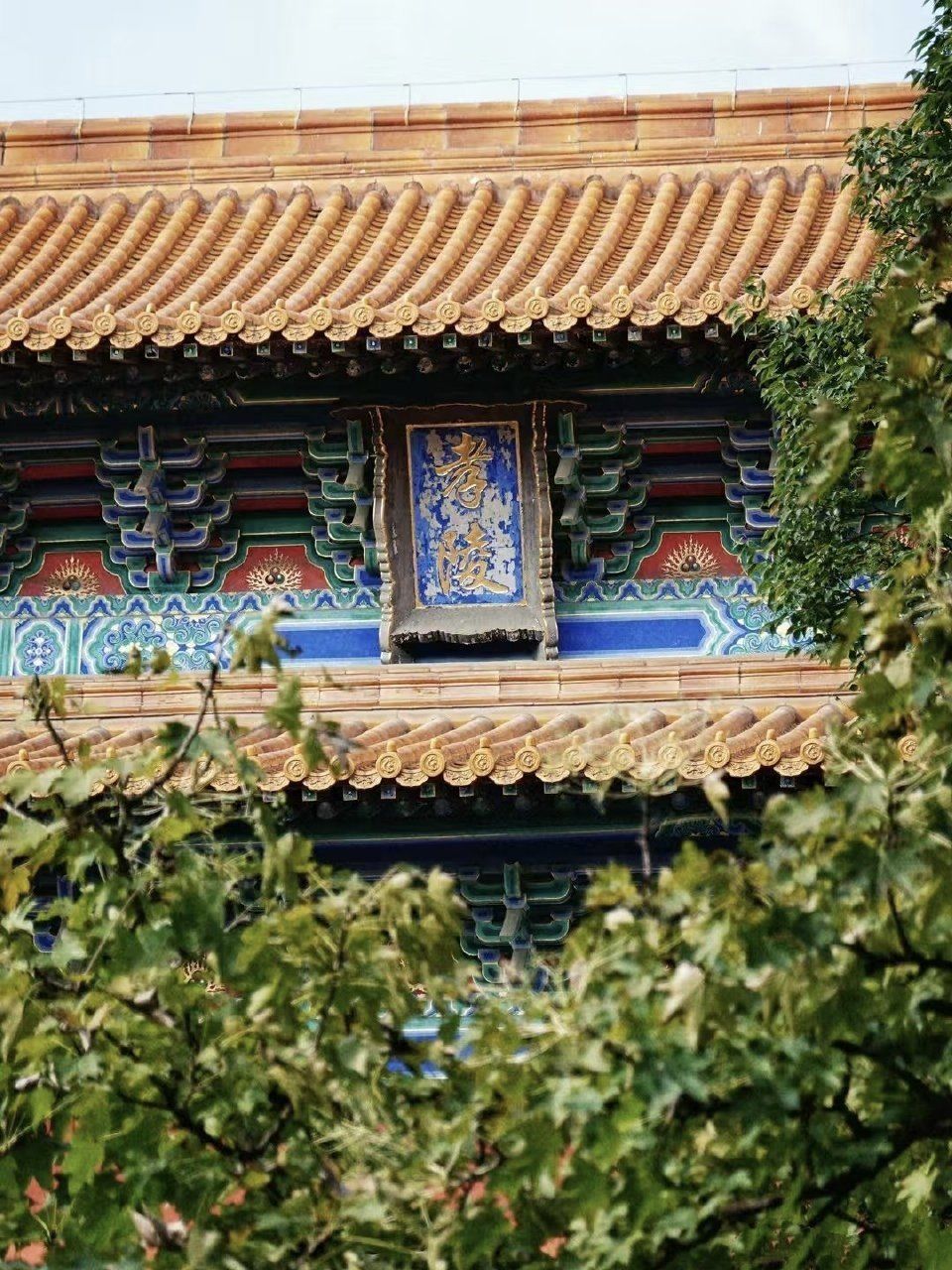
Ming Xiaoling
Explore Ming Xiaoling, the mausoleum of Zhu Yuanzhang, the founding emperor of the Ming Dynasty, and his empress. As the first imperial mausoleum of the Ming Dynasty, Ming Xiaoling is magnificent in scale and has influenced the design and structure of imperial mausoleums for over 500 years during the Ming and Qing Dynasties. The mausoleum features a long sacred way lined with stone statues of animals and officials, ancient pavilions, and a grand burial mound. Walk along the sacred way, admire the exquisite stone carvings, and learn about the imperial mausoleum system and funeral customs of the Ming Dynasty. The serene natural surroundings and historical atmosphere make this a peaceful and reflective site.
- Breakfast , Lunch
- Private Van
- Full-day professional English-speaking local guide
-
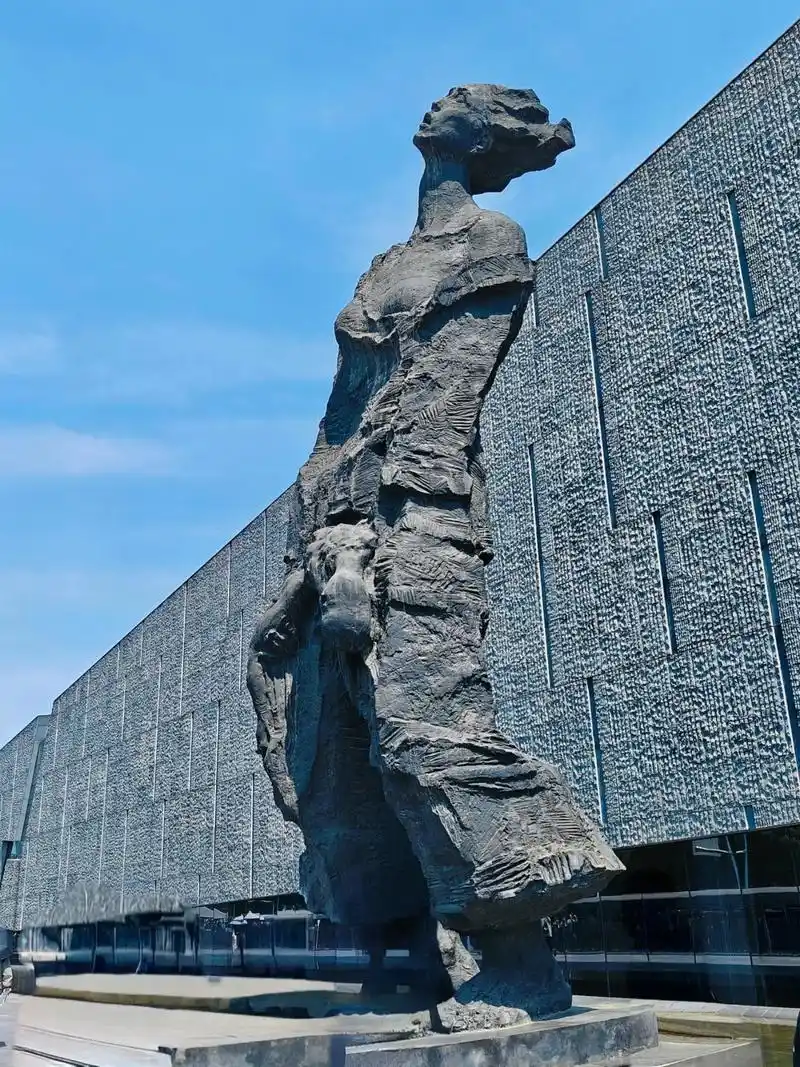
The Memorial of the Nanjing Massacre
The Memorial of the Nanjing Massacre:Start the day with a visit to The Memorial of the Nanjing Massacre, a solemn site dedicated to commemorating the more than 300,000 innocent civilians and prisoners of war who were brutally killed by Japanese troops during the Nanjing Massacre in the winter of 1937. The memorial features exhibition halls displaying historical photographs, documents, artifacts, and survivor testimonies, providing a powerful account of this tragic chapter in Chinese history. Walk through the memorial square, where the eternal flame of peace burns, and pay tribute to the victims at the mass grave site. This visit offers a profound opportunity to reflect on the horrors of war and honor the call for lasting world peace.
-
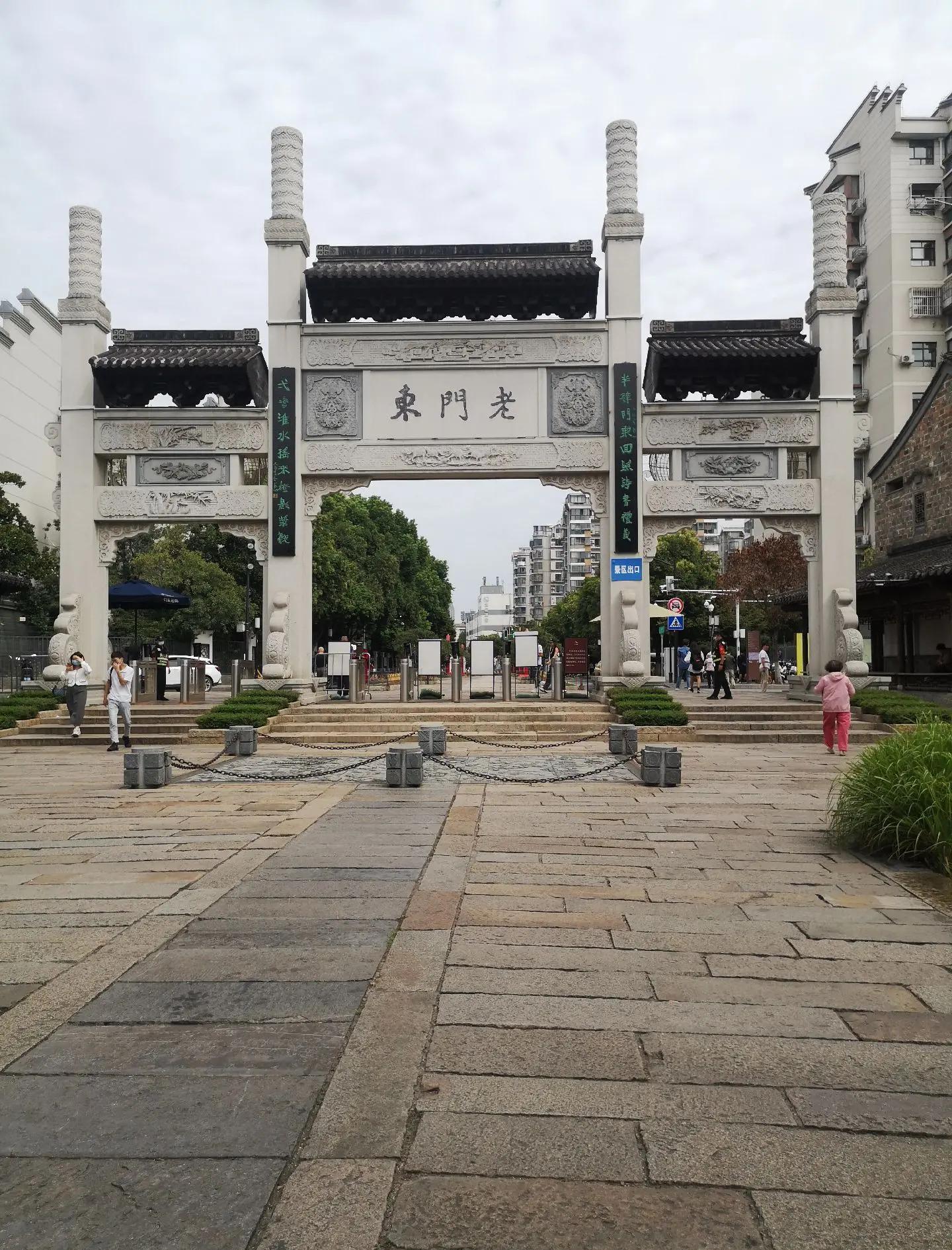
Laomendong
Later, unwind with a leisurely stroll through Laomendong, a renovated historical district that preserves the traditional architecture and lifestyle of old Nanjing. Wander through the narrow lanes lined with traditional courtyard houses, artisan shops, and local snack stalls. Watch craftsmen demonstrate traditional skills such as paper cutting, jade carving, and sugar painting. Sample local delicacies such as duck blood vermicelli soup, salted duck, and sesame cakes. The district's combination of historical charm and modern amenities creates a vibrant atmosphere that allows you to experience the living culture of Nanjing.
-
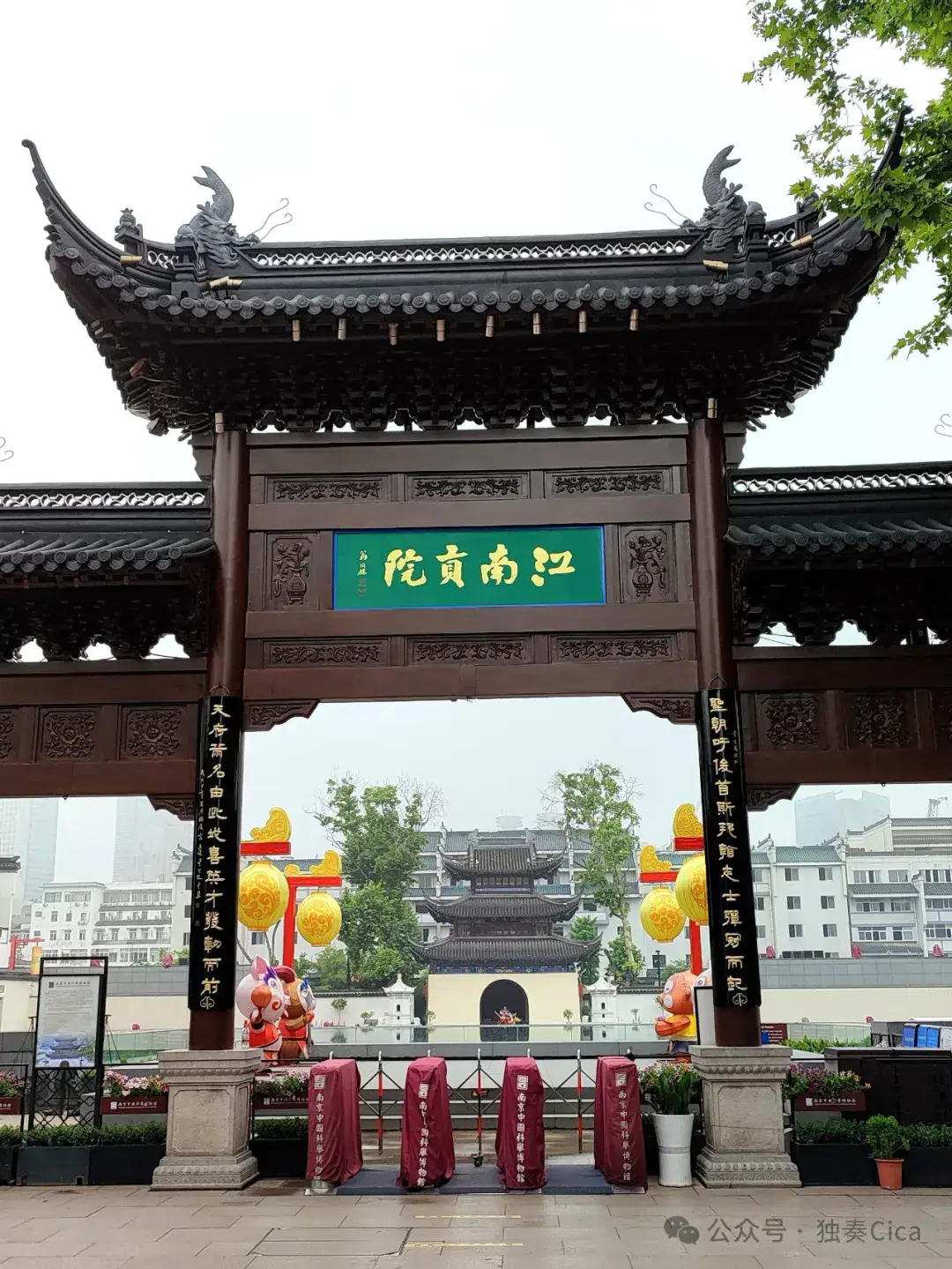
Jiangnan Examination Hall
Step into the Jiangnan Examination Hall, one of the largest and best-preserved imperial examination halls in ancient China. Built during the Southern Song Dynasty and expanded in subsequent dynasties, it was used for imperial examinations that selected government officials for over 500 years. Explore the vast complex of examination cells, lecture halls, and administrative buildings, and learn about the imperial examination system, which was a crucial part of ancient Chinese education and social mobility. Your guide will explain the examination process, the content of the exams, and the impact of the system on Chinese society and culture. Admire the historical artifacts and exhibitions that showcase the lives of ancient scholars and the significance of the imperial examinations.
- Breakfast , Lunch
- Private Van
- Full-day professional English-speaking local guide
- Enjoy a private drop-off from your hotel, with a guide accompanying you and assisting throughout the transfer to your departure point.
- Breakfast
- Private Van
- Full-day professional English-speaking local guide
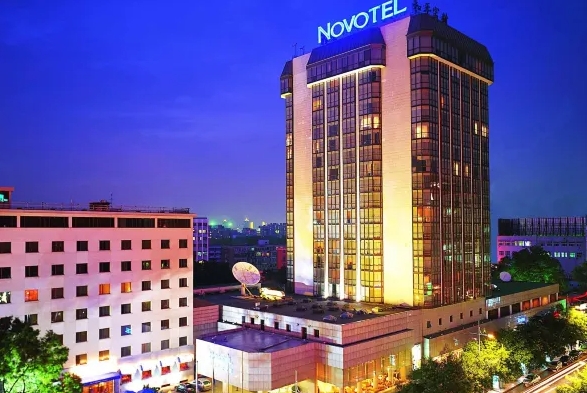
Accommodation
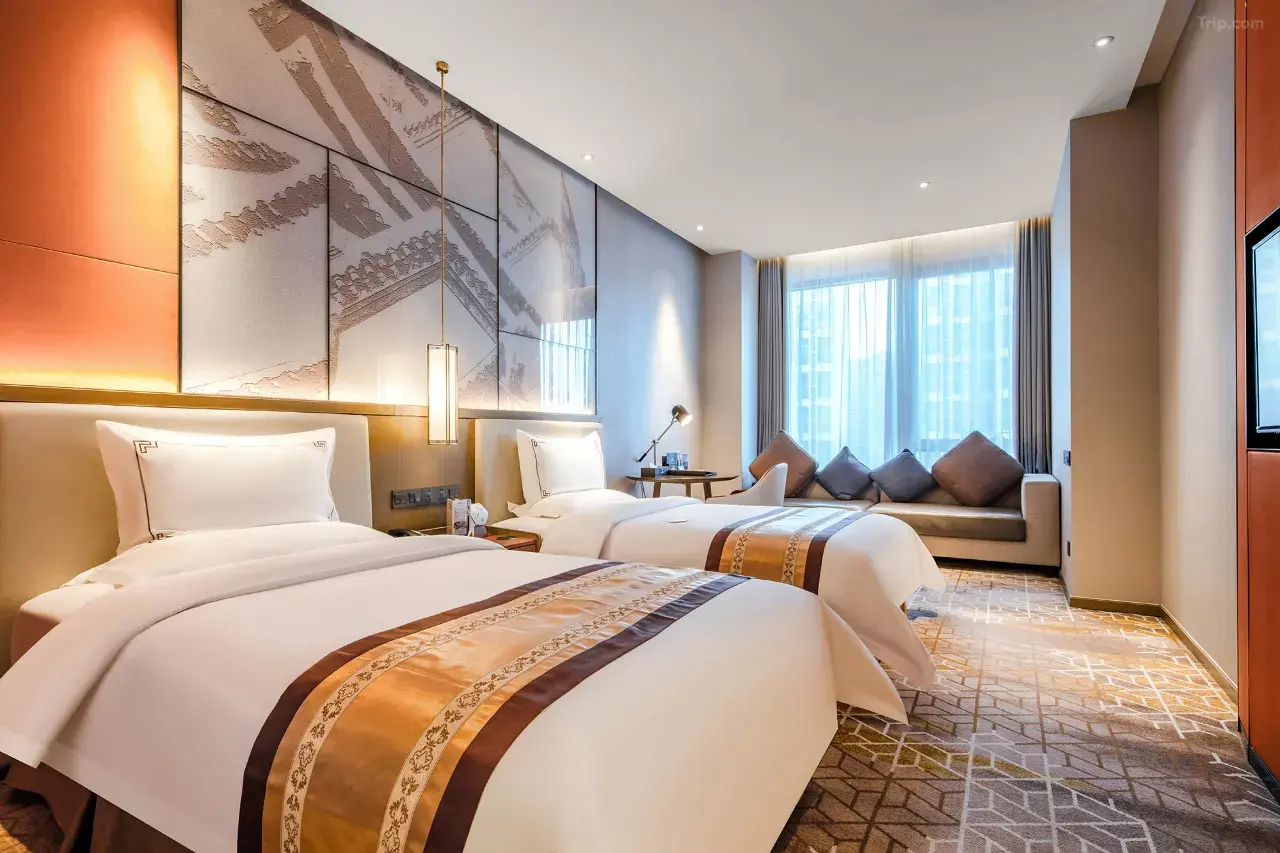
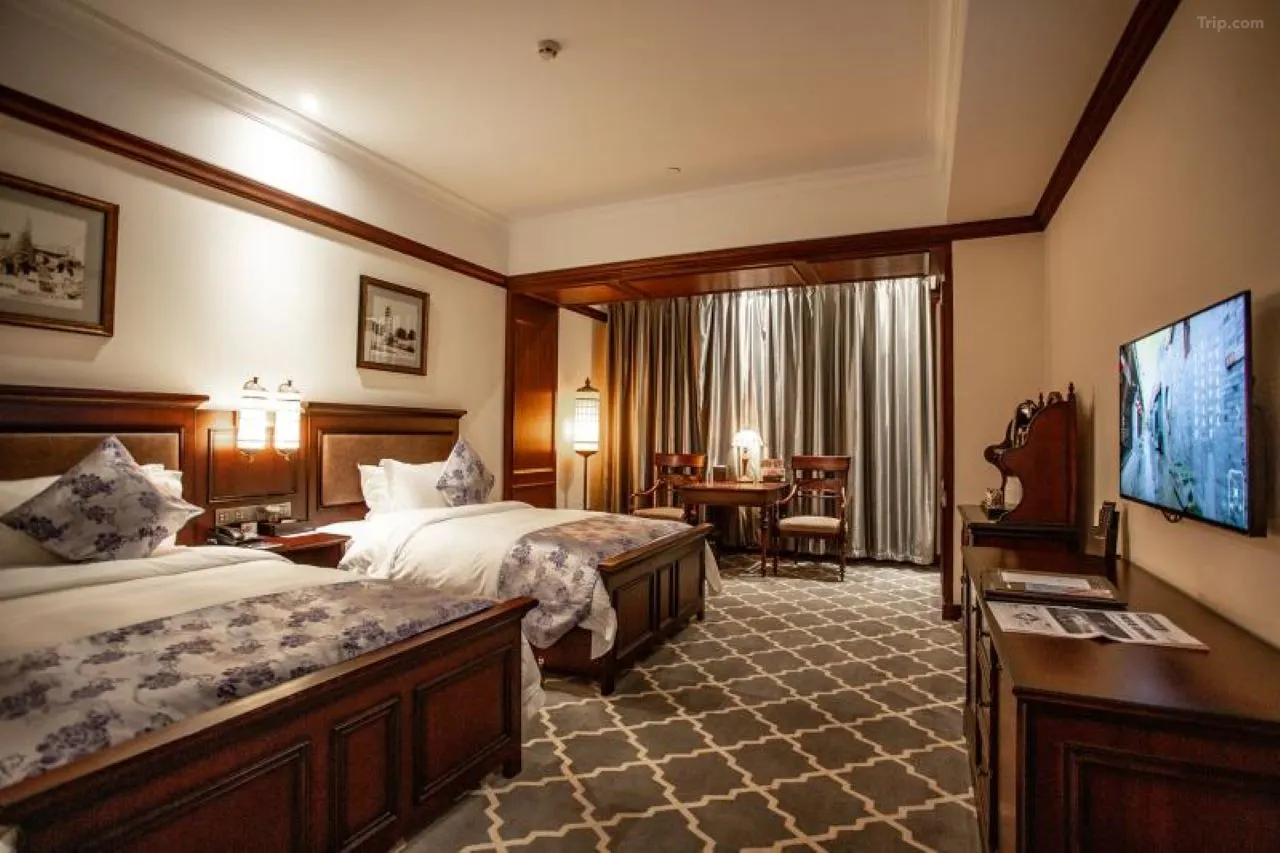
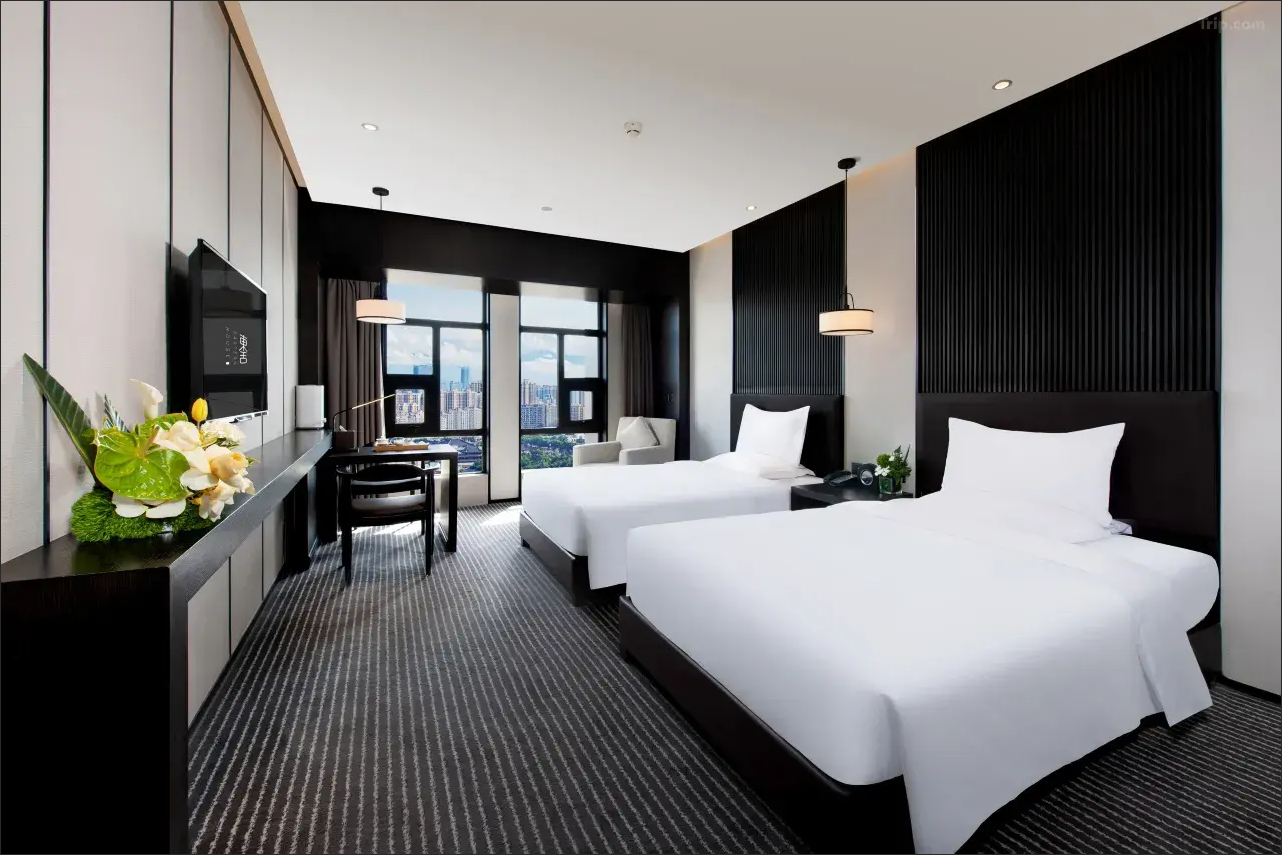
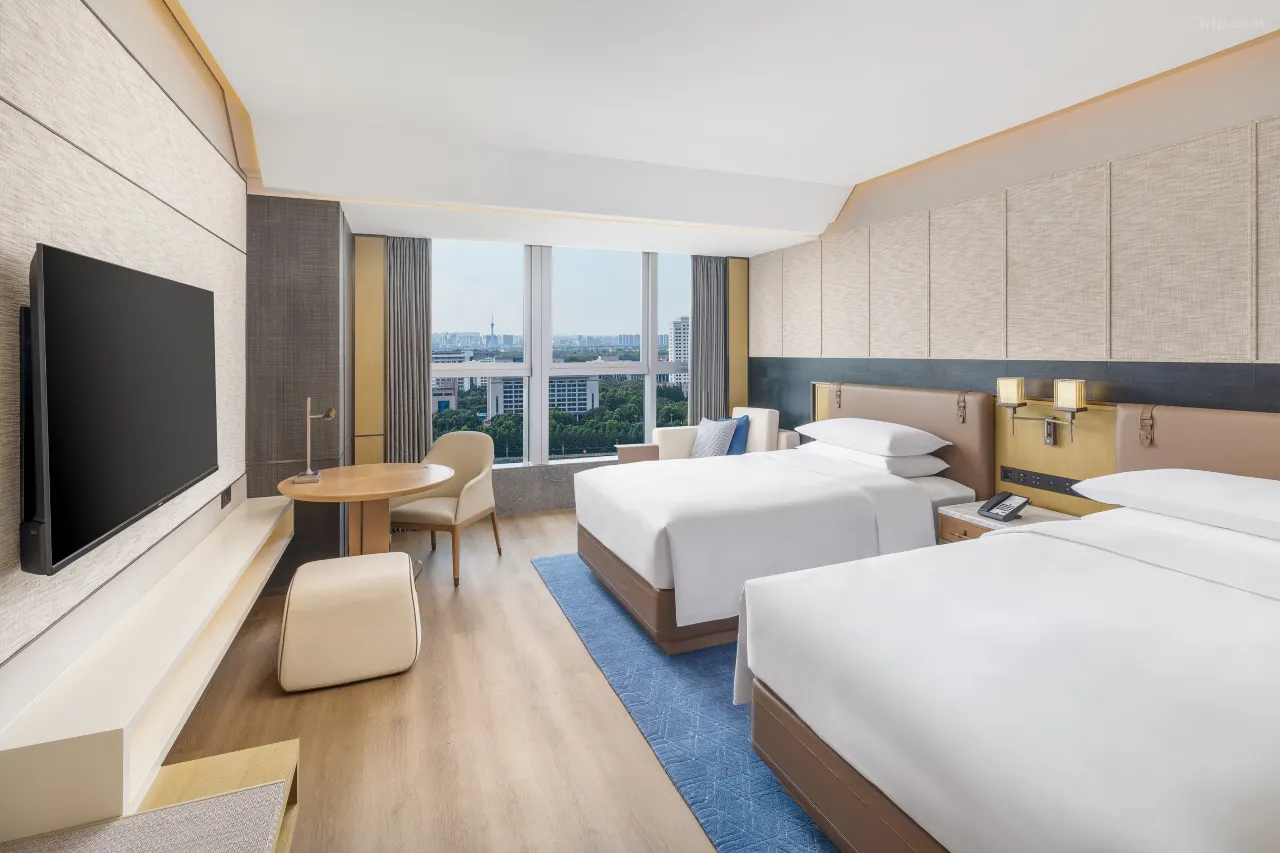
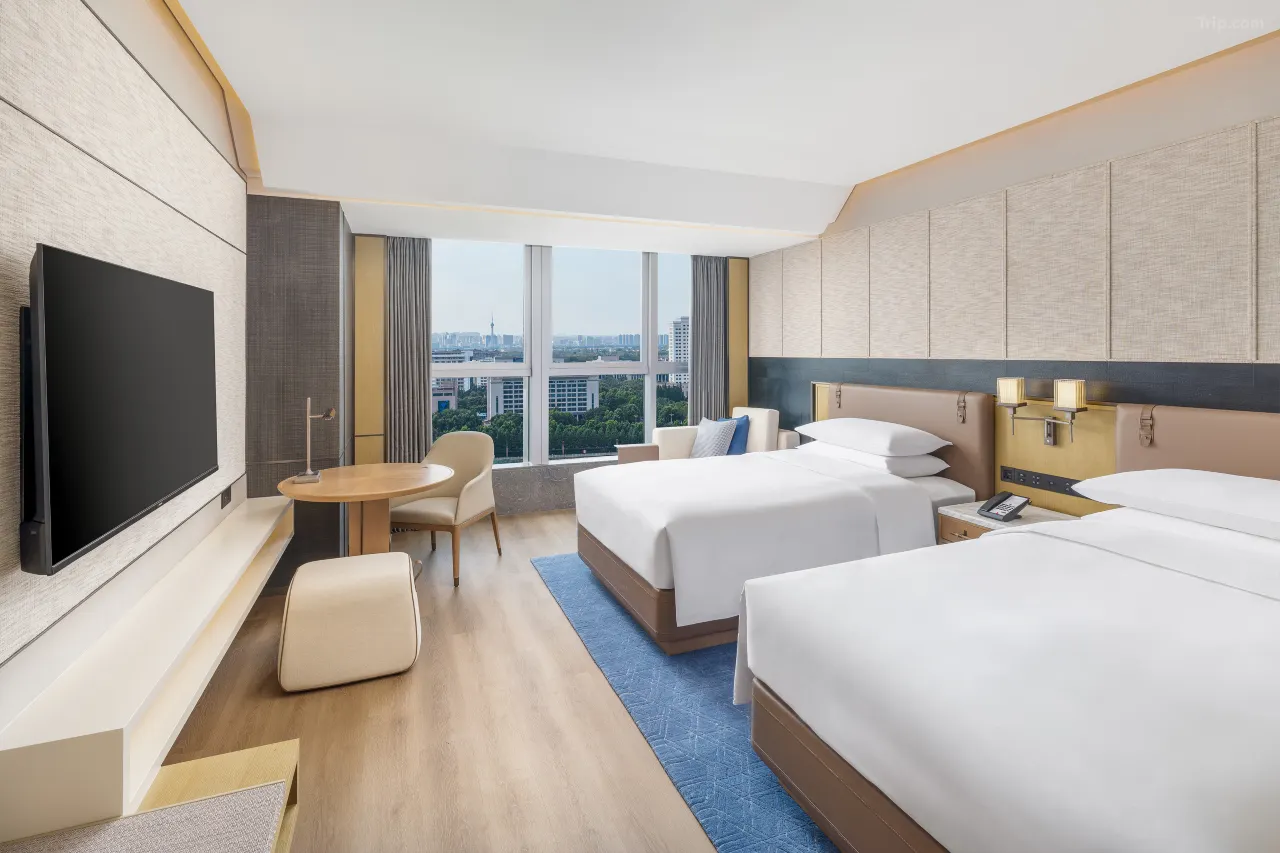
We draw from a wide range of hotels on our holidays, each one is chosen to suit the tour you are travelling on meaning your accommodation can range from a smart business hotel in one city to a family run guesthouse in a smaller town. Here are some examples of the type of hotel you can expect to find on this tour.
Tour Price
From AU$ 4,960 pp
Based on a private tour for 2 people including accommodation, local transportation and guided sightseeing/activities. Price may vary depending on the itinerary, travel date, number of travellers and selected hotel category.
Price includes:
- Full-journey private van transportation in each city
- Airport/train station pick-up and drop-off services in all destinations
- 13 nights of 4-star accommodation (Beijing/Datong/Pingyao/Xi'an/Luoyang/Nanjing)
- Daily breakfast, 9 lunches at local characteristic restaurants as per itinerary
- Professional English-speaking local guide service in each destination
- Entrance fees for all listed attractions and cultural experiences
- High-speed train tickets (Beijing→Datong, Datong→Pingyao, Pingyao→Xi'an, Xi'an→Luoyang, Luoyang→Nanjing)
- Cable car ride at Mutianyu Great Wall
- Cultural experiences: Peking Opera performance, Shaolin Kung Fu show, local home cooking class, calligraphy experience
Price Excludes:
- International flights
- The meals not mentioned in the trip plan
- Personal expenses
- Travel insurance, and repatriation insurance
- Optional excursions, activities, and optional tours
- Reservations marked as "reserved by traveler" are reservations that the traveler is responsible for directly.These items are not reserved or supported by Three Bears Travel and are included in the trip plan just for completeness.
- Any charges due at the hotel include local city taxes
Clients Reviews
★
★
★
★
★
We had an absolutely amazing trip!!! Every detail was meticulously planned by Ben. From our great drivers and guides to having the last seat of the bullet train reserved for our extra luggage. I never would have thought of doing that but it was a huge help since we bought a lot of souvenirs! Peter was our guide in Tokyo and Mt Fuji and he took the most beautiful photos of my daughter and I. It was so nice to be in the pictures instead of behind the camera and I am so thankful for those memories.We ate at several local restaurants that were fantastic and we were the only tourists there. I would never have found these places without my guides Peter and Takizawa.Peter and Takizawa went above and beyond my expectations as guides and Ben was so accommodating to my teenage daughters many requests and planned everything out so perfectly. The drivers were always on time and let me know their plate numbers and names on WhatsApp. They always offered to carry our luggage and were very polite. The cars were always clean and they drove safely. I was so happy that I didn't have to drive in that insane traffic!I could never have planned this on my own and I am so happy that I chose Three Bears Travel!

Miriam P.
May 02, 2026
★
★
★
★
★
I worked with Ben for a number of months to personalize a very special trip to Japan. He could not have been more accommodating, and he answered every question in a timely manner. He made wonderful suggestions, and we weren't disappointed anywhere along the line. We had three different guides, Ursula, Sorata, and Pitt - each lovely and knowledgeable. We enjoyed spending our days with them very much. Everything promised was delivered, and even more. Ben even arranged for a birthday cake for me - a delightful surprise. Our time in Japan was filled with wonderful memories, beautiful experiences, and gracious interactions. We can’t wait to come back!
Karen K.
May 02, 2026
★
★
★
★
★
We had such a memorable time in Japan. Ben really understood what my family's interests were and chose fantastic locations and experiences for a first trip to Japan. Our guid in Tokyo, Yoko was very knowledgeable and efficient at zigzagging us all over the city.In Kyoto, Ursula was amazing and was able to sneak in a few extra stops to maximize the sakuras at their peak. She was also helpful in giving us some tips on where to go in Osaka.
Lauren M.
Apr 26, 2026
★
★
★
★
★
THANK YOU for the trip, it was SO well planned, and clearly a LOT of thought went into it. We are so grateful, and we are now big Three Bears Travel fans! We travel a LOT, to all kinds of crazy places! It is unrealistic to travel across the world and expect things to NOT go wrong. What matters, and why we work with travel professionals like you, is to have support and back up when things DO go wrong – THAT is what matters! Three Bears Travel seamlessly fixed an issue on our travels, and they are THE BEST, and you can travel worry-free! Our planner Ben was remarkable - attentive, knowledgeable and friendly, and our guides Roy, H and Piter were exceptional. 10/10, DO recommend! Thank you, team Three Bears Travel, for an amazing experience and incredible 'whatever it takes' service!
John F.
Apr 23, 2026
★
★
★
★
★
My wife and I are celebrating our 10 year anniversary this July and I knew early on that a family of four trip to experience Japan for the first time together would be a once in a lifetime event. I knew well enough that I would not be able to plan and execute such an important trip myself so I feel so grateful that I stumbled upon Three Bears Travel and hit the ground running. Ben was my wonderful trip planner and from the first interaction, he was so extremely helpful and patient with my 1,000s of questions and itinerary changes. I wanted this Japan trip to be something that would be relatively stress free for me and my wife but also contain a variety of activities and experiences that our entire family would enjoy. Working with Ben to plan the entire trip was such a breeze. I felt completely at ease and comfortable with Ben's recommendations and suggestions. Every part of the trip was designed and planned wonderfully. From the meticulous selection of amazing hotels across the spectrum of Japanese styles (ryokan, onsens, apartment-style, mountain resorts) to all the fun hands-on activities for adults and kids alike (sushi-making, samurai museums, sumo shows, etc), this was a trip that none of us will ever forget. And I would be remiss without mentioning our incredible tour guides, Peter and Ursula. Peter was so on task and schedule with us during our Tokyo days and he was so patient and gracious with our children throughout the tours. I can't count how many times he and I would be carrying my napping daughter still in her stroller up and down various train station steps over multiple stations and transfers. He never failed to take care of our every need in this unfamiliar place. We had zero stress with Peter around that allowed us to soak up the joy of the experience 100%. Ursula was our amazing tour guide (and pseudo member of the family) in Kyoto/Osaka. Our family hit it off with Ursula right from the get go and she was always so flexible with our minor changes in scheduling and events as we did our best to adapt to our children's energy levels and attention spans. The extremely hot weather in Japan also put added pressure on everyone but both Ursula and Peter were always ready to lend a hand and make sure we all stayed healthy and happy throughout. This trip was planned as perfectly as I could have imagined and I owe Ben/Peter/Ursula/Kimkim a huge thank you on behalf of my entire family. The next time we want to take another adventurous trip, I would not hesitate for one second to work with Three Bears Travel again. I also highly recommend to anyone who wants to plan a milestone trip like ours without the hassle and stress. Thank you again Three Bears Travel team! Until we meet again!
Eric, Wanee, Easton, and Esther
Mar 10, 2026
★
★
★
★
★
Everything went off just as planned, and we were all pleased. Our guides were all great and went out of their way to see that we saw more, especially when they found out that we were not interested in the more highly crowded places. They patiently answered our questions and saw to our needs. Ben, our specialist, could not have been more attentive to our frequent questions and concerns. He was able to change events based on our interests even as the date of our departure approached. The only thing I would have changed is deleted some of the more crowd-impacted locales such as Nikko and put in more off the beaten path trips like our monastery stay in Minobu and the marvelous animated Festival Float museum in Takayama that our guide added in when he picked up on our interest. We learned and enjoyed much more in the less crowded venues, but this is Japan where it is truly hard to avoid the hoards of tourists. Overall, it was a wonderful trip. This is the second time Ben has helped us with a trip, and I will certainly turn to him again for any future trips.
Susan
Mar 05, 2026
★
★
★
★
★
Both of our guides were good. One we were with shortly and was a more focused day of getting to many places. He did a good job of coming up with some additional day of options and a great lunch rec. Young we had for 4 days and we really liked her. She was a bit soft spoken /quiet but very nice and knowledgeable and we found if we asked lots of questions we got lots of history and current info about not only the places she took us but also modern Japan life. Really enhanced our trip to learn about the history, shrines and temples. Getting around by train /bus was great for us and she had to work harder than if we had driver to navigate public transport for sure. Hotels were all nice. It was great. The only note is to warn guides we will want lots of restaurant recs (as where we’ll be is not always areas they’ve eaten. We had good luck using tablelog and AI ) and the food at the Hakone onsen was not very good. But we went out for great meals nearby.
Debbie J.
Mar 01, 2026
★
★
★
★
★
We just returned from our anniversary trip to Japan, and I can say with complete confidence that booking through Three Bears Travel was one of the best travel decisions we’ve ever made. In fact, this is our third trip using Three Bears Travel. From the very first planning email to the final farewell in Osaka, the entire experience was seamless, personal, and unforgettable.Ben, our travel specialist, was phenomenal. He helped us build the perfect itinerary—listening to everything we wanted, adding thoughtful suggestions, and tweaking the schedule along the way to fit our style. Thanks to him, our trip struck the perfect balance of culture, food, adventure, relaxation, and those “wow” moments we’ll be talking about for years.And then there were our guides: Peter and Ursula.These two were an absolute gift to our journey.Peter, our Tokyo & Hakone guide, made navigating Japan’s transportation system feel effortless. He taught us subway skills worthy of a Mario Bros. level-up, showed us how to experience Shibuya Crossing like locals, and gave us incredible historical context at temples and shrines. He even congratulated me on my sumo match at the lunch show (yes… I stepped into the ring and no, my training was not focused enough 😂).Ursula, our guide through Kyoto, Nara, and Osaka, was equally fantastic. From sake tastings in Fushimi to zen moments at the Golden Pavilion, she blended humor, storytelling, and deep cultural knowledge in a way that made every day feel like traveling with a friend. She helped us navigate the language barrier, made sure we didn’t get lost on trains, and offered endless tips to help us blend in better than we probably deserved. Both guides were great to pack in as much adventure each day while still leaving us with free time to roam and explore on our own.Every single day was packed with memorable highlights, many of which Three Bears Travel helped coordinate:✨ Sushi-making with a 4th-generation master (we are now “certified” Nigiri makers and have enough footage for a full-length documentary).✨ A tea ceremony and learning to whisk our own matcha at a university.✨ Visiting a capybara at a café—one of Emily’s bucket list items.✨ Riding the bullet train to Kyoto with snacks in hand and Mt. Fuji peeking through the clouds.✨ Walking through Arashiyama’s bamboo forest and a rickshaw ride through its historic streets.✨ A full cultural immersion day in Fushimi Inari, weaving through the famous vermilion torii gates.✨ A relaxing soak and stay in Hakone with incredible views of Mt. Fuji.✨ Exploring Osaka Castle and ending our trip at the Umeda Sky Building with panoramic nighttime views.And beyond the excursions, the guides helped us handle everything—from ordering meals to using the Suica card. They answered every question, solved every hiccup, and made us feel completely supported the entire way.Three Bears Traveldidn’t just plan a trip—they helped create a collection of memories that feel like a chapter from our own personal, globe-trotting storybook.If you’re considering a trip to Japan—especially if it’s a special occasion—book with Three Bears Travel. Ask for Ben, and if you’re lucky, you’ll get Peter and Ursula too. They helped make our anniversary adventure everything we dreamed of…and then some.Arigatou gozaimasu, Three Bears Travelteam.We’re already thinking about following the green light to our next chapter.—Ray & Emily
Ray & Emily
Feb 22, 2026
★
★
★
★
★
We wanted a customised trip instead of a standard tour group, and Three Bears Travel delivered exactly that. Norman took the time to understand what we liked and built an itinerary around food, shopping, and local experiences. It felt personal and flexible, not like a cookie cutter package.
Tom Harris
Feb 01, 2026
★
★
★
★
★
A huge thank you to Louise and Three Bear Travel for crafting such a fantastic Japan itinerary! Every moment was well thought out - whether it was the serene temples of Kyoto, the bustling streets of Tokyo, or the delicious food tours. The guides were knowledgeable, and the accommodations were excellent. We couldn’t have asked for a better travel experience!
Emily Carter
Feb 01, 2026
Travel Inspiration for Your Journey
Handpicked stories, guides and insights to help you shape your personalised trip. More...
- 06 Nov, 2025
Top Xi’an Attractions: Must-See Cultural Landmarks
Related Recommends

Enquire Now