Walk through the centre of Xi’an and you feel time stacked in layers. Pagodas rise above modern streets, clay soldiers hold their posts two millennia after they were buried, and one of the grandest walls in China still traces a near-perfect rectangle around the old quarters. Travellers who value context, detail, and well-planned days will find that the City of Xi’an rewards curiosity at every turn.
Exploring Xi’an’s Ancient Wonders: Terracotta Warriors and Historical Treasures
Xi’an Shaanxi China hosted emperors, merchants, monks, and artisans long before the term archaeology existed. Its role as the eastern terminus of the Silk Road set a rhythm of exchange that shaped cuisine, craft, and religious life. Today, Xi’an city China balances scholarship and storytelling, pride and preservation. From the Terracotta Warriors Xi’an to the Xi’an City Wall, the city’s most famous places are not simply static sights. They are working archives.
Travel with a thoughtful local operator like Three Bears Travel and you get more than entry tickets. You get historians who unlock small details that change the way you read a carving or a brick. You get routes that avoid bottlenecks, and you can ask the questions that guidebooks never answer.
Terracotta Warriors - a living legacy
When farmers digging a well struck an earthen pit in 1974, they did not expect to uncover the guards of a long-dead emperor. The Entombed Warriors of Xi’an, now part of a UNESCO World Heritage site, were conceived by Qin Shi Huang, the first emperor to unite warring states under one standard of coinage, measurement, and law. He ruled from the 3rd century BCE, and he planned for eternity.
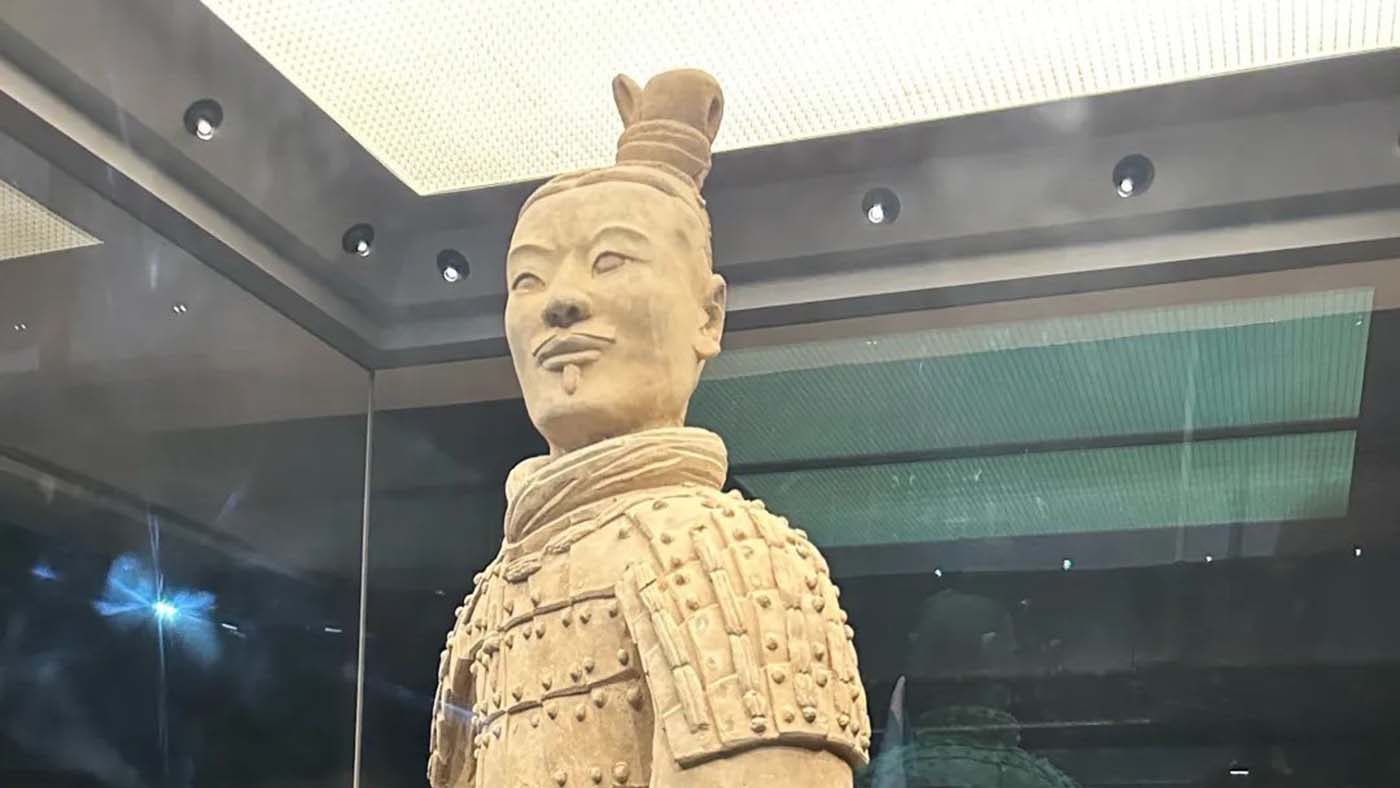
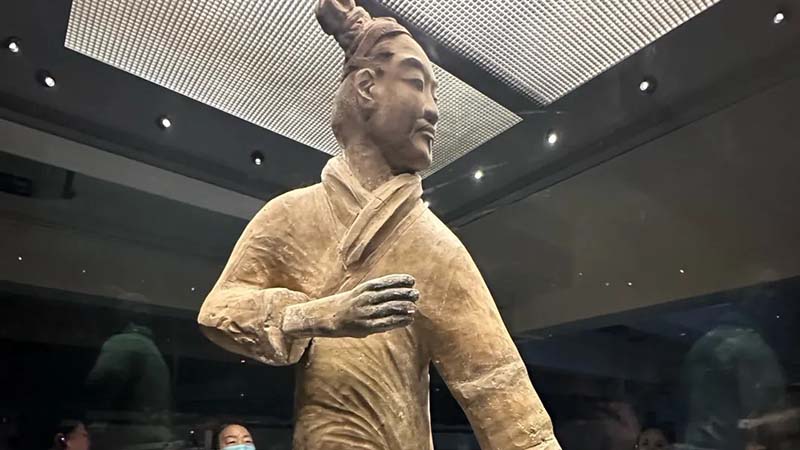
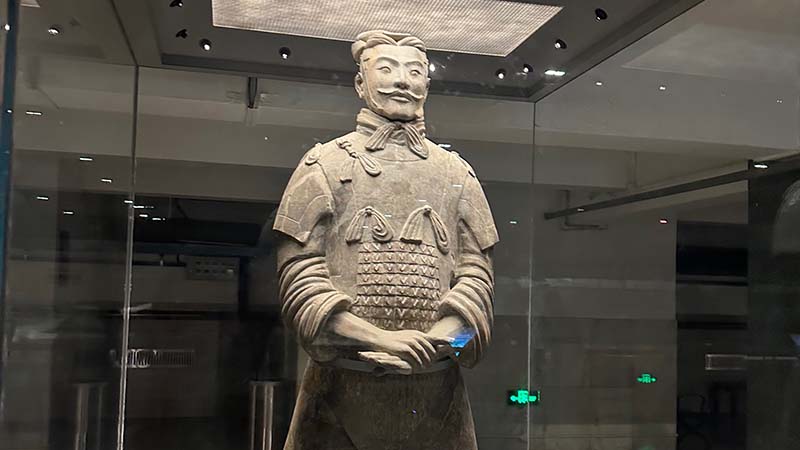
What you see at the Xi’an Warriors Museum is both immense and intimate. Rows of life-sized infantrymen, archers, cavalry, and officers line up with attention to rank and role. Each face is distinct, hairstyles vary, and the folds of armour and fabric were once colourful. Traces of pigments still cling to the fired clay, a reminder that this army originally stood in vivid paint and was not the monochrome grey we often imagine.
The site is actually a complex of pits, workshops, and exhibition halls that thread together technology and ritual. Bronze weapons, chariot fittings, and fragments of lacquer show the technical skill of Qin artisans. Restoration bays offer a behind-the-scenes view of ongoing conservation. The scale is almost cinematic, yet the human touch is everywhere. Fingerprints in the clay. The impression of a twine pattern on a soldier’s sole.
Specialists generally recommend visiting early in the day to see Pit 1 before crowds thicken. That first reveal feels monumental. Pit 2 and Pit 3 add richer detail on unit organisation and command, and the museum’s galleries pull the focus back to craft and context. With an expert guide, conversations often drift to the logistics of construction, from clay sourcing to kiln placement, and the labour of thousands of workers who shaped, fired, painted, and assembled this force.
What to expect during your visit
-
Clear displays that explain excavation history, firing techniques, and the pigments used on the figures
-
Hosted walks that cover the political and cultural story behind the entombed warriors of Xi’an
-
Ample places for photographers to frame the lines of soldiers, plus quieter corners for close-up detail
-
On-site replicas to touch, along with English-language signage and QR codes for extra background
-
A chance to see ongoing restoration, depending on the day’s schedule
Practical notes for the site
-
Getting there: The museum is located about 40 kilometres from the City of Xi’an. Private transfers cut travel time and allow an early start.
-
Timing: Two to three hours on-site is comfortable. History buffs often allocate four.
-
Tickets: Peak periods around Chinese national holidays book out. Reserve in advance.
-
Photography: Tripods are restricted. A fast lens helps in low light.
-
Comfort: The halls are large. Comfortable shoes and a light jacket suit most seasons.
Xi’an City Wall - cycling and panoramic views
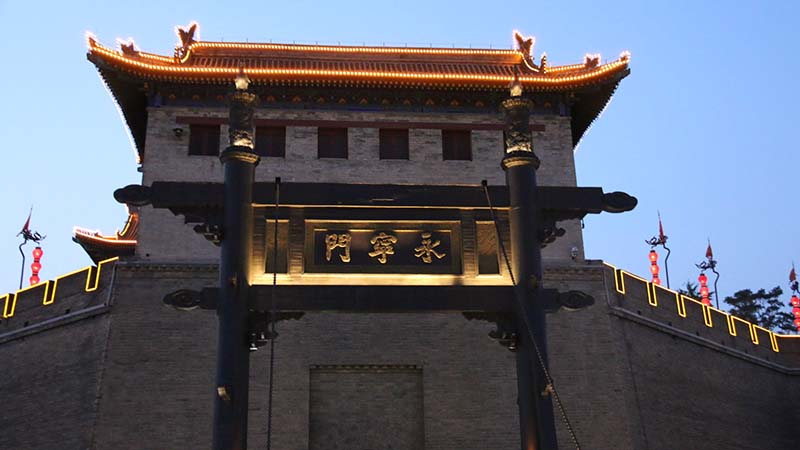
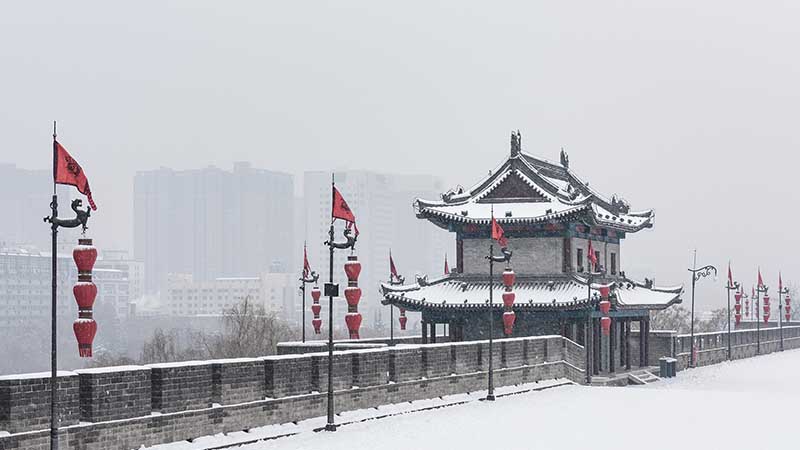
Few landmarks put the city’s story into perspective like the Xi’an City Wall. First built in the early Ming period and strengthened over the centuries, the wall stretches for about 14 kilometres, with battlements, watchtowers, and sturdy gates pointing to a time when defence depended on brick, earth, and engineering discipline.
You can walk the full circuit, which is tempting if you enjoy a steady four-hour stroll with regular pauses at gatehouses and corners. Many visitors choose to hire a bicycle on the wall, a classic Xi’an activity that turns history into a relaxed ride past tile roofs and modern skylines. The surface is flat but paved with old bricks, so ride with care.
Views shift as you go. Near the South Gate, the roofs of the old town spread out in a pattern of courtyards and alleys. In the centre, the Bell Tower and Drum Tower Xi’an China mark the traditional heart of town, where main streets still meet at a cross. Twilight is a favourite time, as lanterns brighten, tower lights switch on, and the wall’s silhouettes sharpen against the sky. Night cycling offers a fresh mood without the daytime heat.
Small touches give colour to the experience. Local families strolling together. Musicians rehearsing for a performance. Kites rising above the parapets on breezy days. If you have time, pause near a corner tower, lean on the battlements, and watch the movement below. It is easy to imagine sentries doing the same.
Xi’an Museum and the Beilin Museum - culture preserved
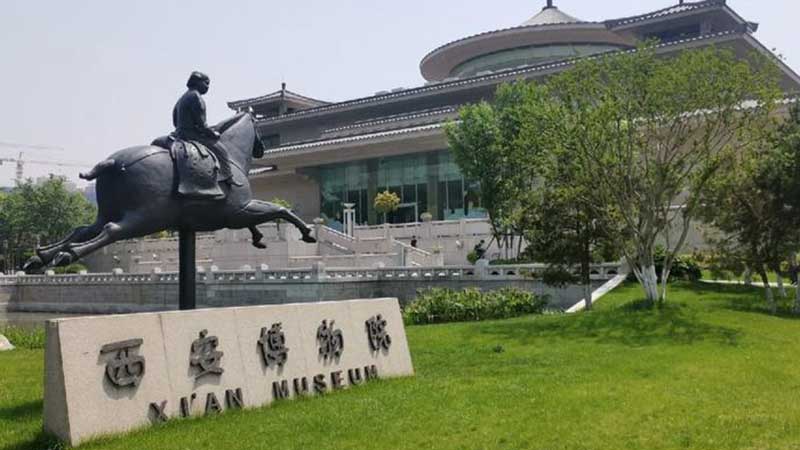
The Xi’an Museum brings the arc of Xi’an China into focus, from the Zhou and Qin periods through the Han and Tang, right up to the present. Located near the Small Wild Goose Pagoda, it combines a calm garden setting with carefully curated galleries. Bronze vessels with delicate inlay, glazed ceramics, and burial goods speak to everyday life as much as ceremony. Exhibits are arranged to show continuity and change, so you grasp how local aesthetics shifted while core skills endured.
One highlight is the room that traces poetry and scholarship through objects. You see the tools of scholars’ studios alongside artefacts that travelled along trade routes, a nod to the reach of Xi’an tourist attractions beyond mere monuments. The museum pairs well with a visit to the pagoda complex next door, where the gentle lean of ancient brickwork tells stories of earthquakes survived and repairs undertaken.
A short ride away, the Beilin Museum, also called the Stele Forest, is a sanctuary for stone inscriptions. Hall after hall of engraved tablets reveals calligraphy styles across dynasties, from the ordered grace of Ouyang Xun to the strong strokes of Yan Zhenqing. The museum is more than a collection. It is a classroom for the eye and a library in stone. Visitors often watch craftspeople take ink rubbings, a method that pulls characters off stone surfaces with lucid clarity.
Why prioritise these two stops? Because they build a deeper sense of the City of Xi’an as a place of ideas. Military power fades without the institutions that keep memory alive. The museums show the habits of writing, teaching, and exchange that sustained the city’s influence for centuries.
Tang Ever-Bright City – A Modern Landmark with Ancient Flair
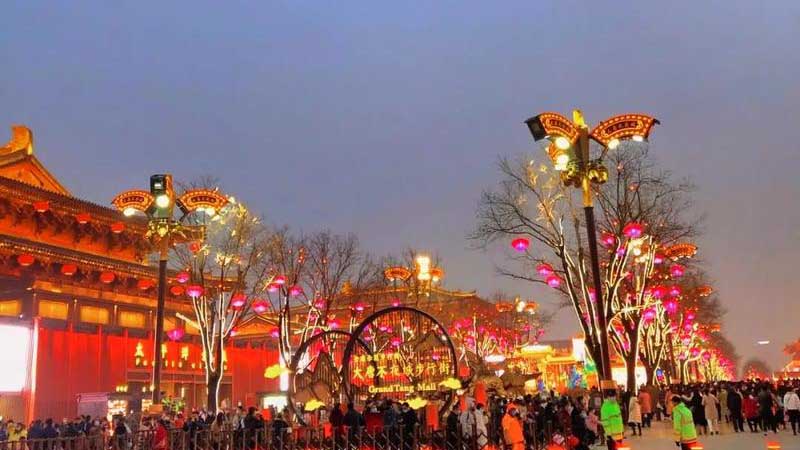
After immersing yourself in Xi’an’s museums, make your way to the Tang Ever-Bright City (大唐不夜城), a vibrant pedestrian boulevard that comes alive after sunset. This modern landmark draws inspiration from the splendour of the Tang Dynasty, blending dazzling lights, grand sculptures, and interactive art installations with a festive atmosphere. It’s a favourite spot for both locals and travellers to take photos, enjoy street performances, and sample local snacks.
One of the highlights here is the opportunity to experience Hanfu, the traditional clothing of ancient China. Visitors can rent Hanfu and stroll through the illuminated streets, feeling transported back to the days when Xi’an was the world’s most cosmopolitan city. The boulevard’s lively energy, cultural shows, and themed events make it a must-visit destination for anyone seeking to connect with both the ancient and contemporary spirit of Xi’an.
|
Site or area |
Best window |
Time to allow |
Highlights |
Handy notes |
|
Xi’an Warriors Museum |
Early morning |
3 to 4 hours |
Pit 1 reveal, pigments, weaponry |
Pre-book tickets, aim for opening time |
|
Xi’an City Wall |
Late afternoon to evening |
2 to 3 hours |
Cycling, sunset, tower lights |
Bring photo ID for bike hire |
|
Xi’an Museum + Small Wild Goose Pagoda |
Late morning |
2 hours |
Zhou to Tang artefacts, gardens |
Combine with a tea stop nearby |
|
Beilin Museum |
Mid afternoon |
1.5 to 2 hours |
Calligraphy masters, rubbings |
Rent audio guide or go with a specialist |
|
Bell Tower and Drum Tower |
Evening |
1 hour |
Night views, traditional performances |
Easy to pair with dinner nearby |
|
Tang Ever-Bright City (大唐不夜城) |
Evening |
1.5 to 2 hours |
Hanfu experience, illuminated sculptures, street performances |
Hanfu rental shops available, perfect for photos and cultural immersion |
With Three Bears Travel handling transfers and timed entries, you can keep momentum without rushing. They also match groups with guides who suit your interests, whether you lean toward military history, craft, architecture, or literature.
The Terracotta Army up close - details that reward attention
-
Hair and headgear are clues. Topknots and caps signal role and rank.
-
Armour is varied. Some soldiers wear lamellar plates, others robes suitable for archers.
-
Hands matter. Look at how fingers are shaped to grip spears, halberds, or bowstrings that no longer survive.
-
Footwear carries patterns. Soles show twine or tread marks that suggest different unit functions.
-
Bronze weapons are not props. Many were functional, with traces of chrome-like treatment that slowed corrosion.
Curators continue to refine how the pits are presented. New findings sometimes shift accepted timelines or techniques. That is why a return visit years later can still surprise you.
Reading the wall - architecture and purpose
The Xi’an City Wall is a machine for defence and communication. Spacing of crenellations, the shape of arrow slits, and the distance between towers reflect the range of weapons of the time. Get a guide to unpack how supplies moved, where signalling flags were placed, and how gates were managed during sieges. Small models at the wall’s visitor centres explain the logic with clarity.
A few practical touches:
-
Bike hire points exist at the main gates. Tandems are available for couples or families.
-
The full loop is about 14 kilometres. Cyclists often complete it in 90 minutes with photo stops.
-
Surfaces can be bumpy. A soft seat cover helps on longer rides.
-
In summer, heat reflects off the bricks. A late start avoids the midday sun.
-
In winter, bright blue skies and crisp air make for superb photos.
What museums add to the story
The Xi’an Museum anchors the big narrative while the Beilin Museum dives into texts and scripts. Seen together, they explain how ideas travelled and how administration functioned across centuries.
-
Trade routes brought motifs and materials. Look for Sogdian influences in metalwork.
-
Statecraft depended on records. The stele tradition kept decisions public and durable.
-
Education rested on calligraphy. Civil service exams rewarded specific script styles.
-
Religious life mixed. Buddhist, Daoist, and Confucian elements appear side by side.
For visitors with limited Chinese, audio guides and human guides are invaluable. Translations on plaques are improving, but an expert adds context that maps objects to broader politics and daily life.
Food and short breaks between big sights
Between the Xi’an tourist attractions sit entire neighbourhoods that repay a short wander. The area around the Drum Tower is a classic place to snack. Regional noodles, breads, and skewers appear on every corner. Pause for a bowl of biangbiang noodles or try roujiamo, a slow-cooked meat sandwich in a crisp flatbread. Tea houses close to the Small Wild Goose Pagoda offer quiet gardens and a seat to rest before you return to galleries.
Practical travel tips
-
Best seasons: Spring and autumn feel comfortable. Summer can be hot and winter cold but clear.
-
Crowd patterns: Weekends and national holidays draw large numbers. Weekday mornings are calmer.
-
Tickets and passes: Reserve key sites online ahead of time. Keep your passport handy for ID checks.
-
Moving around: The metro is clean and reliable, with signs in English. Taxis and ride-hailing apps are common.
-
Cash and cards: Mobile payments dominate in Xi’an China. International cards work at major hotels and some shops, but cash is useful in markets.
-
Language: Many staff at big attractions speak some English. A phrase app or a bilingual guide helps.
-
Accessibility: The wall has ramps at main gates. The Terracotta site and museums provide lifts and wheelchair access in most zones.
-
Photography etiquette: Flash can damage pigments. Keep a respectful distance from exhibits.
-
Safety: Xi’an generally feels safe. Standard common-sense precautions apply in busy areas.
Three Bears Travel coordinates timed entries, arranges door-to-door transport, and book guides who adapt to your pace. That matters when your day includes sites 40 kilometres apart and you want to arrive fresh, not frazzled.
Building a themed itinerary
If you enjoy a unifying thread as you plan, consider themes that tie sites together.
-
Craft and material culture: Start at the Xi’an Warriors Museum and focus on clay, bronze, and lacquer work. Continue to the Xi’an Museum to see related artefacts. End at Beilin to consider how artisans recorded texts that defined standards and taste.
-
Military architecture: Begin on the Xi’an City Wall, then visit the South Gate exhibition rooms, and round things out with a walk through gatehouses that explain siege tactics and city planning.
-
Text and scholarship: Spend longer at the Beilin Museum, attend a calligraphy demonstration, then return to the Xi’an Museum’s galleries that trace the exam system and scholarly life.
Each theme can be woven into a day or stretched across two. Three Bears Travel can adjust timings, add workshops, and arrange knowledgeable specialists where useful.
Beyond the headline sites
While the brief here centres on the ancient, the compact heart of the City of Xi’an invites relaxed walking. Courtyards hide small galleries. Markets sell hand-cut paper art and shadow puppets. In side streets, you might hear the clack of Go stones or the long roll of a tea pour. None of this replaces the big-ticket places. It rounds them out.
If your schedule allows, consider:
-
A quiet hour at the Small Wild Goose Pagoda gardens
-
A late-evening visit to see the Bell Tower from street level when traffic forms a luminous ring
-
A short calligraphy lesson after your time at Beilin
-
A morning ride on the wall before breakfast crowds arrive
A few words on context and respect
Preservation at sites in Xi’an Shaanxi China is a shared effort among archaeologists, local authorities, and visitors. Follow paths, avoid touching fragile surfaces, and heed signs that limit flash or restrict entry into restoration areas. Respect from visitors keeps access open and protects the work of teams who care for these places.
If you’re travelling with children or students, a guide who is skilled with young learners can turn a day of ruins and artefacts into active storytelling. Counting armour plates, spotting rank insignia, sketching a favourite stele character, or tracing city-walls on a map lifts engagement.
Why these places stay with you
Different travellers find different anchors for their memories. Some remember the hush inside the excavation hall when the army first comes into view. Others, the feeling of riding a bicycle above the traffic on bricks set in place centuries ago. Museum lovers often talk about the grace of a single inscription at Beilin or the curve of a Tang bowl in the Xi’an Museum.
What makes the Xi’an tourist attractions feel so complete is the way they connect. Soldiers and scholars, walls and words, craft and ceremony. Xi’an ties them together. With good planning, or with a partner like Three Bears Travel who takes care of the detail, your time becomes a sequence of clear moments rather than a rush of queues and maps.
Bringing it all together in the City of Xi’an
-
Start early at the Terracotta Warriors Xi’an to beat the rush.
-
Save late afternoon for the Xi’an City Wall and its west-facing sunset views.
-
Anchor your understanding at the Xi’an Museum, then deepen it at the Beilin Museum.
-
Thread your days with local food, tea, and short breaks to rest the feet and refresh the eye.
-
Let a knowledgeable guide tune the pace and context so you absorb more and wait less.
A few days with intention in Xi’an China can feel like a short course in empire, engineering, art, and urban life. The best itineraries balance headline sights with quiet rooms and simple rituals like a cup of tea before the next chapter. This is a city that rewards attention and gives it back many times over.
FAQ: Exploring Xi’an’s Attractions
Planning a trip to Xi’an offers an exhilarating peek into the depths of China’s historical heart. Below are some frequently asked questions to help you make the most of your journey through Xi’an’s captivating attractions.
What is Xi’an famous for?
Xi’an is renowned for being the starting point of the ancient Silk Road and home to the world-famous Terracotta Warriors. As the capital of several influential dynasties, Xi’an boasts a wealth of historical sites, including the ancient City Wall, the Big Wild Goose Pagoda, and vibrant Muslim Quarter. Its blend of ancient relics and living traditions makes it one of China’s most iconic cultural destinations.
Is Xi’an safe for tourists?
Yes, Xi’an is generally considered safe for tourists. The city welcomes millions of visitors each year and maintains a strong security presence at major attractions. As with any travel destination, it’s wise to stay aware of your surroundings, keep valuables secure, and follow local guidelines for a smooth and enjoyable experience.
How many Muslims are in Xi’an?
Xi’an is home to a significant Muslim community, with estimates ranging from 50,000 to 70,000 residents. The city’s Muslim Quarter is a vibrant hub of culture, history, and cuisine, reflecting centuries of Islamic influence since the Tang Dynasty. Visitors can explore historic mosques, sample halal delicacies, and experience the unique blend of Chinese and Muslim traditions.
What is the best time to visit Xi’an attractions?
The ideal time to explore Xi’an attractions is during spring (April to June) and autumn (September to November), when the weather is pleasant and crowds are manageable.
Can I rent a bike on the Xi’an City Wall?
Yes, bikes are available for hire at various points along the wall, offering a unique and leisurely way to experience this historical fortification.
Are there guided tours available at these attractions?
Guided tours are available and recommended for insights into the cultural and historical context of Xi’an’s landmarks.
Want more China travel itineraries? Click here!
If you have any other questions, feel free to click here and get in touch with us.
If you need a personalized travel plan, feel free to click here and let us help you.