Steam rises from a wok, cumin drifts across a lantern-lit alley, and the soundscape swings from the clack of cleavers to the rhythm of drums near the pagoda squares. That is dinner time in the City of Xi’an China, where food culture and nightlife flow into each other until you can’t quite tell where a tasting ends and an evening out begins.
Exploring Xi’an Through Food and Nightlife Experiences
Xi’an carries its history in the stones of its city wall and the voices of its markets. People visit for the Terracotta Warriors. They stay out late for grilled lamb, hand-pulled noodles, and the glow of Da Tang Bu Ye Cheng. The best way to read a city is to eat with it, and in Xi’an that means wandering, queuing with locals, and saying yes to one more snack.
Travellers with Three Bears Travel can stitch together a night that pairs food, performance, and street photography. Think of it as a tasting menu of neighbourhoods. Start where the spices crackle, end where the lights dance.
Xi’an Famous Foods – A Culinary Adventure
Locals will tell you that Xi’an food rewards appetite and curiosity. The flavours are bold, sturdy, and shaped by Silk Road traffic. Spice, vinegar, garlic, and slow-cooked meats are common threads, yet there is finesse in the balance.
-
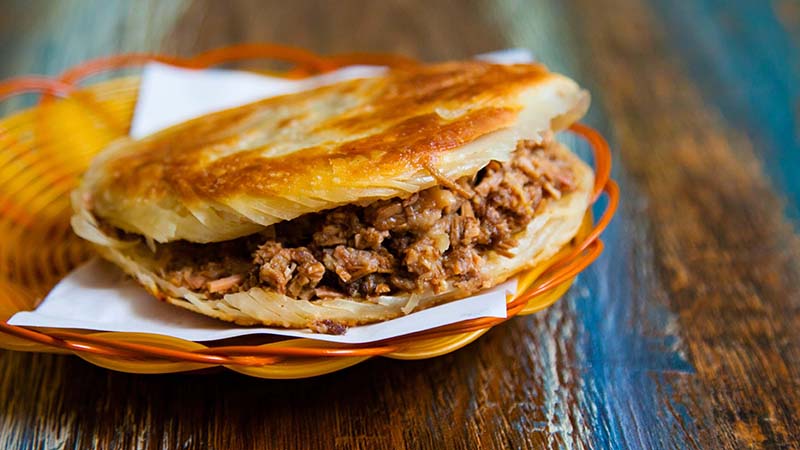
Roujiamo: a crisp, griddled flatbread filled with braised meat, usually pork or beef. It looks simple, then surprises with depth.
-
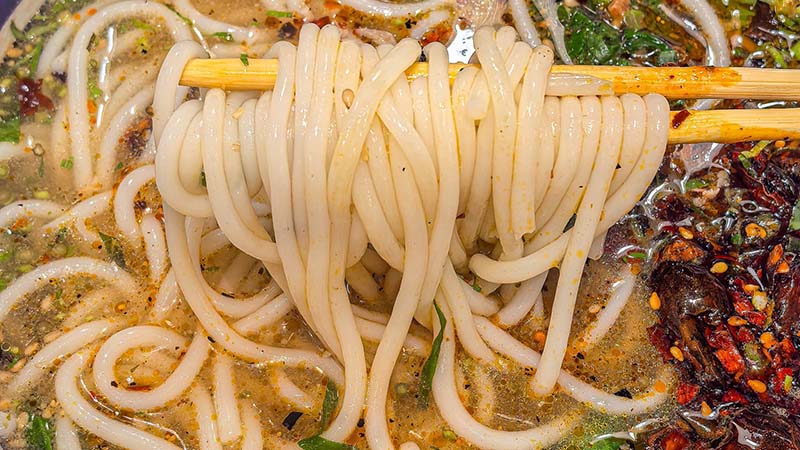
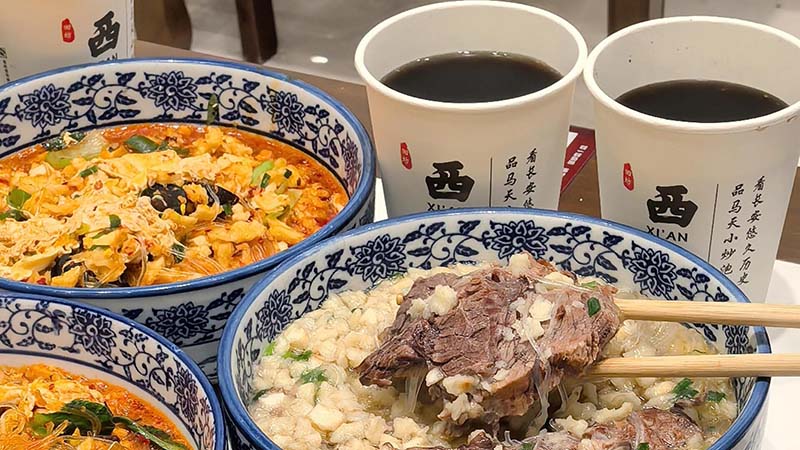
Biangbiang noodles: wide ribbons folded and slapped against a bench, then tossed with chilli, garlic, and hot oil. The character for biang is a playful challenge to write, and the dish feels equally large-hearted.
-
Yangrou Paomo: a lamb broth served with torn flatbread that softens in the bowl. Peppery, restorative, and loved by night workers and early risers alike.
-
Liangpi: cold skin noodles, silky and refreshing, dressed with vinegar, sesame, and chilli.
-
Dumpling Banquet: a feast of handmade dumplings, recognised as an intangible cultural heritage. Each dumpling is freshly wrapped and steamed or boiled to order, with a dazzling variety of shapes and fillings—each form offering a unique flavour. Sampling the different dumplings is considered a must for any visitor.
-
Pomegranate juice and persimmon cakes to cool and sweeten the edges.
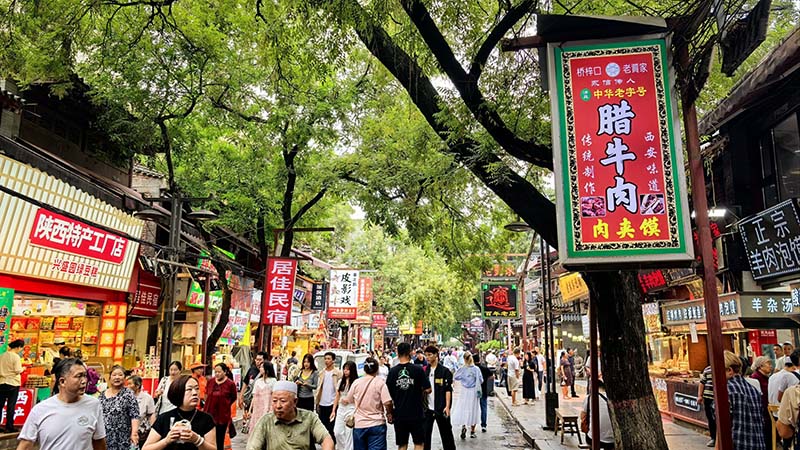
You will pass stalls advertising Xi’an famous food at every turn. Some are centuries old, others are upstarts with neon logos. Both can be great. Follow your nose and the longest lines.
Curious eaters also find Xiang cuisine scattered across the city, from hole-in-the-wall kitchens to smart dining rooms. Hunan peppers deliver a clean, floral heat that contrasts with the cumin and vinegar tones of Shaanxi classics. It makes for a lively change of pace on a longer stay.
Nanxiang outlets pop up in a few malls and near transit hubs, bringing Shanghai-style soup dumplings into the local mix. They are not native to Xi’an China, yet they have found fans among younger crowds who like to graze across regions in one evening.
Where to try it and what to expect
-
Muslim Quarter: Yes, it is busy and yes, you should go. Start on Beiyuanmen Street and branch into the side lanes. Grilled lamb skewers, sticky rice cakes, walnut cakes, and hand-stretched noodles set the pace. Many stalls are halal.
-
Yongxingfang: curated but full of charm. Watch noodle masters work, then climb a tower for a look across the bustle.
-
Defu Alley and Shuyuanmen: cafes, wine bars, and late snacks, with quieter pockets for conversation.
-
Small neighbourhood canteens outside the South Gate: no-frills, big bowls, everyday prices.
-
Dumpling Banquet Restaurants: For the famous dumpling banquet, head to renowned spots like De Fa Chang on Xi Dajie (West Street) or other specialist restaurants near the Bell Tower. Here, you can savour dozens of handmade dumplings in creative shapes and flavours, each freshly prepared and served as part of a must-try culinary experience.
Culinary Interaction
-
Hands-on dumpling classes where you pinch, fold, and steam under the eye of a patient auntie
-
Guided food walks through the Xi’an Muslim Quarter with stops you would miss on your own
-
Market tastings that pair snacks with tea and stories about ingredients, migration, and family recipes
Three Bears Travel builds these sessions into half-day or evening itineraries. Groups stay compact, leaving room to improvise when a queue looks promising or a vendor pulls out something seasonal.
A pocket guide to core dishes
|
Dish |
Chinese name |
What it is |
Typical price (RMB) |
Spice profile |
Where to try |
|
Roujiamo |
肉夹馍 |
Braised meat in flatbread |
12–25 |
Mild to medium |
Muslim Quarter, Yongxingfang |
|
Biangbiang noodles |
油泼扯面 |
Hand-pulled wide noodles with hot oil and chilli |
18–35 |
Medium to high |
Family-run noodle shops near South Gate |
|
Yangrou Paomo |
羊肉泡馍 |
Lamb soup with torn bread |
30–60 |
Mild, peppery |
Timeworn houses around Beiyuanmen |
|
Liangpi |
凉皮 |
Cold skin noodles with vinegar and sesame |
8–20 |
Mild to medium |
Street carts across the old city |
|
Lamb skewers |
羊肉串 |
Charcoal-grilled lamb, cumin and chilli |
3–6 per skewer |
Medium |
Night markets and late-night grills |
|
Persimmon cake |
柿子饼 |
Fried dough filled with sweet paste |
5–10 |
Sweet |
Mobile stalls near the Drum Tower |
|
Dumpling Banquet |
饺子宴 |
Assorted handmade dumplings in various shapes & flavours |
80–200+ per person |
Mild to medium |
De Fa Chang (Xi Dajie), Bell Tower area, specialist banquet restaurants |
Tip: If you prefer no chilli, say “bù yào là.” If you want a lot, try “duō là.”
Tang Dynasty City – Nightlife and Cultural Shows
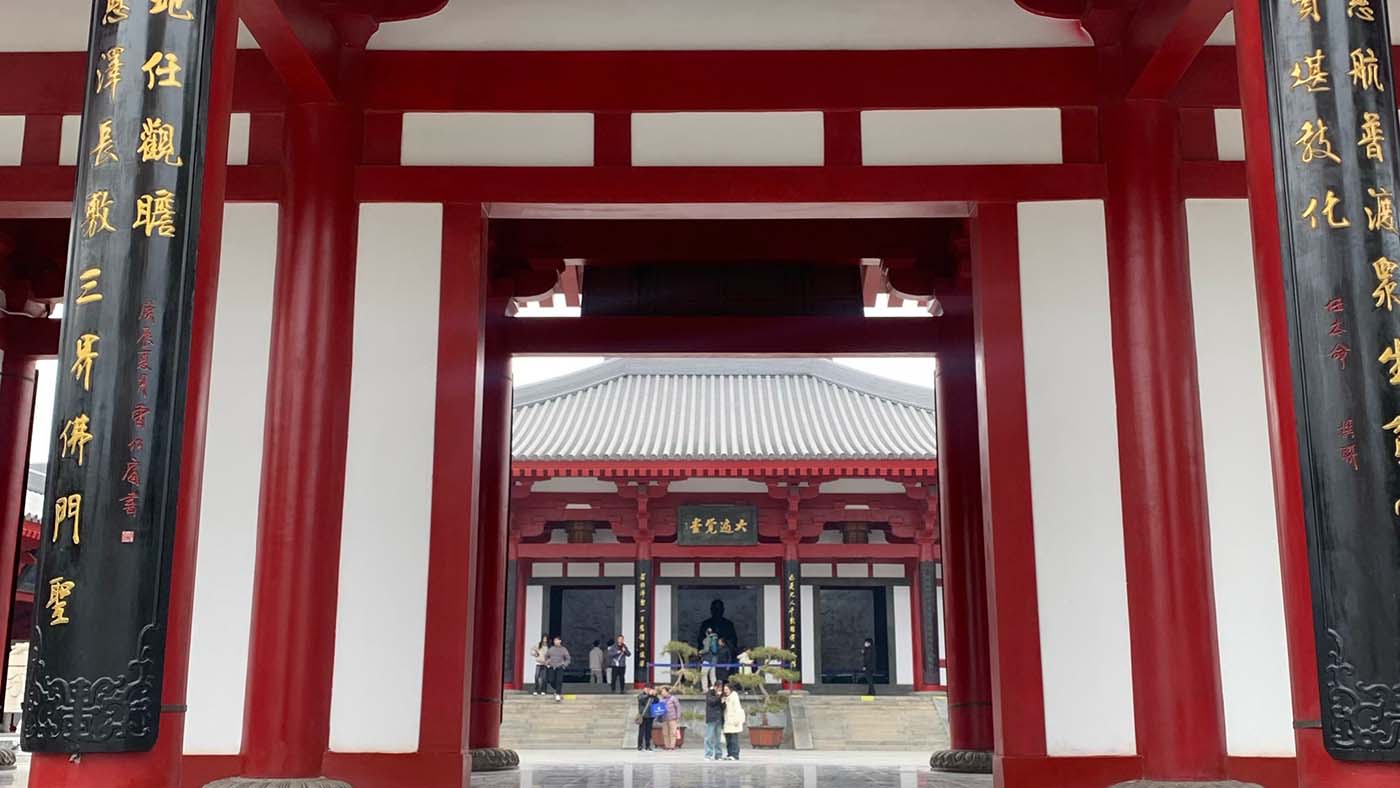
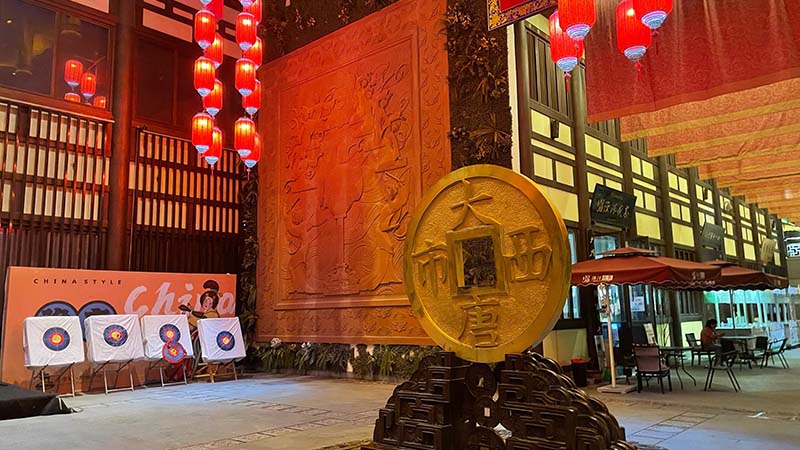
When the sun dips, the avenue near the Big Wild Goose Pagoda flickers to life. Da Tang Bu Ye Cheng, sometimes called Tang Dynasty City, invites you to wander under lit arches, pause for drum lines, and meet costumed performers who pose for photos with kids and elders alike.
This is where night photography goes wild. Sculptures glow, facades shift colour, and dancers spin fans under shifting projections. The shows range from quick street numbers to theatre-length performances with live orchestras. A few stages recreate Tang court dances with silk sleeves and measured grace. Others remix ancient motifs with modern soundtracks. Both draw a mix of locals, domestic visitors, and international guests.
What to expect as you wander:
-
Pop-up acrobats and mask-changing artists who pull a crowd in seconds
-
A tea seller aerating a pour from shoulder height
-
Street painters and calligraphers finishing a piece in a single breath
-
Snack carts that keep late-night appetites happy
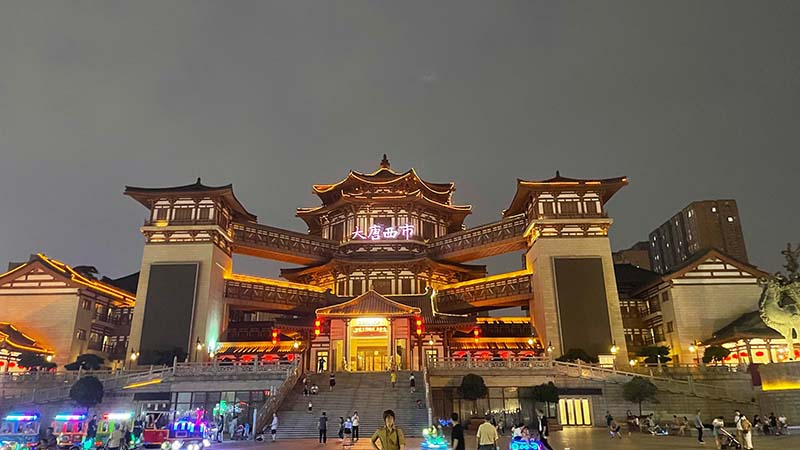
Three Bears Travel times visits here to catch the best light and a rotating set of shows. If you love photography, bring a wide-angle lens and a small tripod. Security is present and friendly, and most spaces are safe for solo travellers until late.
Xi’an night markets that keep the city buzzing
-
Muslim Quarter night lanes: a classic for grilled meats, stuffed flatbreads, and sweets. It’s rowdy, friendly, and loud.
-
Yongxingfang evening crowd: cleaner lines and easier photo angles, still plenty of smoke and spice.
-
Small community markets near the city walls: less showy, more local, often closing earlier.
-
Defu Alley bar strip: craft beer, live music, and a few wine bars tucked behind wooden screens.
Craft beer has found a foothold here. Look for taps pouring pale ales that cool off a chilli-heavy tasting run. Mix your night between stalls and a sit-down spot to rest your feet.
Street-level rituals that make meals sing
One bowl rarely arrives alone. Eating here is social and slightly theatrical.
-
Tear your bread into pea-sized bits for Yangrou Paomo before the broth arrives. It shows respect for the house and yields the best texture.
-
Watch the oil splash over biangbiang noodles, then toss quickly so the garlic doesn’t burn.
-
Try sugar garlic cloves alongside pork buns for contrast, even if it sounds odd.
Vegetarian and halal options are common, especially in the Muslim Quarter and student areas. Tofu skewers, mushroom noodles, vegetable paomo, and pomegranate salads keep things interesting without meat.
Practical Travel Tips
-
Xi’an weather favours spring and autumn for comfort. Winters get cold with dry air and bright light. Summers can feel hot and heavy.
-
Check Xi’an China weather the day before a hike or a night out. Temperatures drop quickly after sunset.
-
Wear comfortable shoes. You will stand in queues, wander through markets, and climb stairs to wall viewpoints.
-
Bring a wide-angle lens for streetfood shots and night scenes, plus a fast prime for performers in low light.
-
Cash still works for small snacks, though mobile payments rule. A few vendors accept cards in mall food courts.
-
Learn a couple of phrases: hello (nǐ hǎo), thank you (xièxiè), tastes good (hǎo chī), not spicy (bù yào là).
-
Keep small tissues or napkins in your day bag. Not every stall provides them.
-
Three Bears Travel offers combined food walks, cooking sessions, and culture nights that join up into an easy arc across the city.
A day-to-night tasting map
Morning
-
Walk the city wall while it is quiet. Hire a bike if you like. Views shift from rooflines to markets below.
-
Breakfast near South Gate: warm soymilk, jianbing, and a first look at noodle prep.
Late morning to lunch
-
Great Mosque area for architecture and a lighter snack. Seek out liangpi or a simple bun.
-
A museum stop if you want time indoors, or a walk through Shuyuanmen to watch artisans at work.
Afternoon
-
Rest. Xi’an afternoons can feel warm in summer. Save your energy for the night.
-
Coffee or tea near the Small Wild Goose Pagoda garden.
Evening
-
Yongxingfang for early bites and photos of noodle masters.
-
Enjoy a Dumpling Banquet at a renowned restaurant such as De Fa Chang near the Bell Tower, where you can savour a variety of handmade dumplings in creative shapes and flavours.
-
Walk or metro to Da Tang Bu Ye Cheng. Allow yourself to drift. Catch a short stage show or book a seat for a full performance.
-
Nightcap on Defu Alley, or another round of skewers if the mood calls.
Etiquette and small wins
-
Queue patiently. Turn-taking matters here and people notice.
-
Return bowls and trays to the counter if you ate at a shared table.
-
Try the house vinegar before adding extra chilli. Balance counts.
-
Ask before photographing stallholders up close. Most agree with a smile.
Families with kids do well at night markets because choices are flexible and portions are small. Couples find quiet corners around the pagoda squares. Solo travellers rarely feel out of place and meet friends quickly at standing tables.
Photography notes for night owls
-
Light levels vary wildly. A fast lens at f/1.8 or f/2.8 helps keep ISO tame.
-
Wide angle captures the scale of Tang Dynasty City, while a 50 mm frames performers without crowd clutter.
-
Reflections on wet pavement look fantastic. A light mist or post-rain walk can be a gift.
-
Respect private moments. Street food feels public, yet diners appreciate space.
Seasonal flavours and where they pop up
-
Spring: wild vegetable buns, pea shoots with garlic, first strawberries.
-
Summer: cold noodles everywhere, chilled mung bean soup, melons cut on the spot.
-
Autumn: persimmon cakes hit peak texture, pomegranates stacked shoulder-high, chestnut roasters perfuming alleys.
-
Winter: lamb stews, hot pot, and thicker noodles that stick to the ribs.
Vendors shift menus to match the calendar. That keeps regulars returning and gives visitors a sense of place that goes beyond monuments.
Getting around without fuss
-
Metro lines cover most Xi’an tourist attractions, including the pagoda areas and the North Railway Station. Stations are signed clearly in English and Chinese.
-
Taxis are abundant. Have destinations written in Chinese on your phone.
-
The city wall encircles the core. Gates make good reference points for meeting friends or guides.
-
Nights end a bit earlier on the metro. If you plan to stay out past 11 pm, check the last trains or set aside taxi fare.
Health, safety, and comfort
-
Street food is fresh because turnover is high. Choose stalls that cook to order and keep ingredients covered.
-
Bottled water is easy to find. Many hotels offer filtered water for reusable bottles.
-
Watch your pockets in dense crowds. Keep valuables in front.
-
Sensitive stomach? Ease in. Start with grilled meats and dry noodles before tackling raw salads or ice.
Working with Three Bears Travel
If you like the shape of a well-paced evening, ask for a Culinary and Culture Combo. It usually includes:
-
A guided food walk across two districts to compare flavours and styles
-
A street performance loop at Tang Dynasty City, with a reserved theatre option
-
Late-night snacks with tea or a local beer
-
Optional morning add-ons like a dumpling class or a market visit with a chef
We knows who’s cooking well this season and which shows are peaking, so your night feels polished without losing the thrill of chance.
Quick glossary for menus and signs
-
面 miàn: noodles
-
馍 mó: bread or bun
-
串 chuàn: skewers
-
汤 tāng: soup
-
辣 là: spicy
-
清真 qīngzhēn: halal
Keep a photo list on your phone to point and order. Vendors appreciate clarity during busy service.
Why evenings in Xi’an feel special
The city blends appetite with spectacle. Families stroll, students flirt over skewers, aunties shop for spice mixes, and drummers call people to gather. History isn’t tucked away in glass. It moves, sings, and feeds you. Xi’an tourism thrives on this everyday theatre, and visitors who eat where they stand become part of the cast.
Plan for more than one night out. Let the markets teach you how to taste, let Tang Dynasty City teach you how to look. When you come back down to the old streets, the first bowl will feel even better.
FAQ for Discovering Xi’an: Food, Nightlife & Local Life
Below are some frequently asked questions about experiencing the vibrant food scene, nightlife, and local culture in Xi’an, China. Dive in to find quick answers to enhance your journey.
What are must-try foods in Xi’an?
Roujiamo, Biangbiang noodles, and Yangrou Paomo are local favourites that offer a taste of Xi'an's bold flavours.
Where can I find the best street food in Xi’an?
The Muslim Quarter is famous for its street food, with Beiyuanmen Street being a standout spot.
What is Da Tang Bu Ye Cheng?
Also known as Tang Dynasty City, it is a hub for cultural performances and vibrant nightlife in Xi’an.
Is Xi’an safe for solo travellers at night?
Yes, areas like Tang Dynasty City and night markets are generally safe, with friendly security presence.
Want more China travel itineraries? Click here!
If you have any other questions, feel free to click here and get in touch with us.
If you need a personalized travel plan, feel free to click here and let us help you.