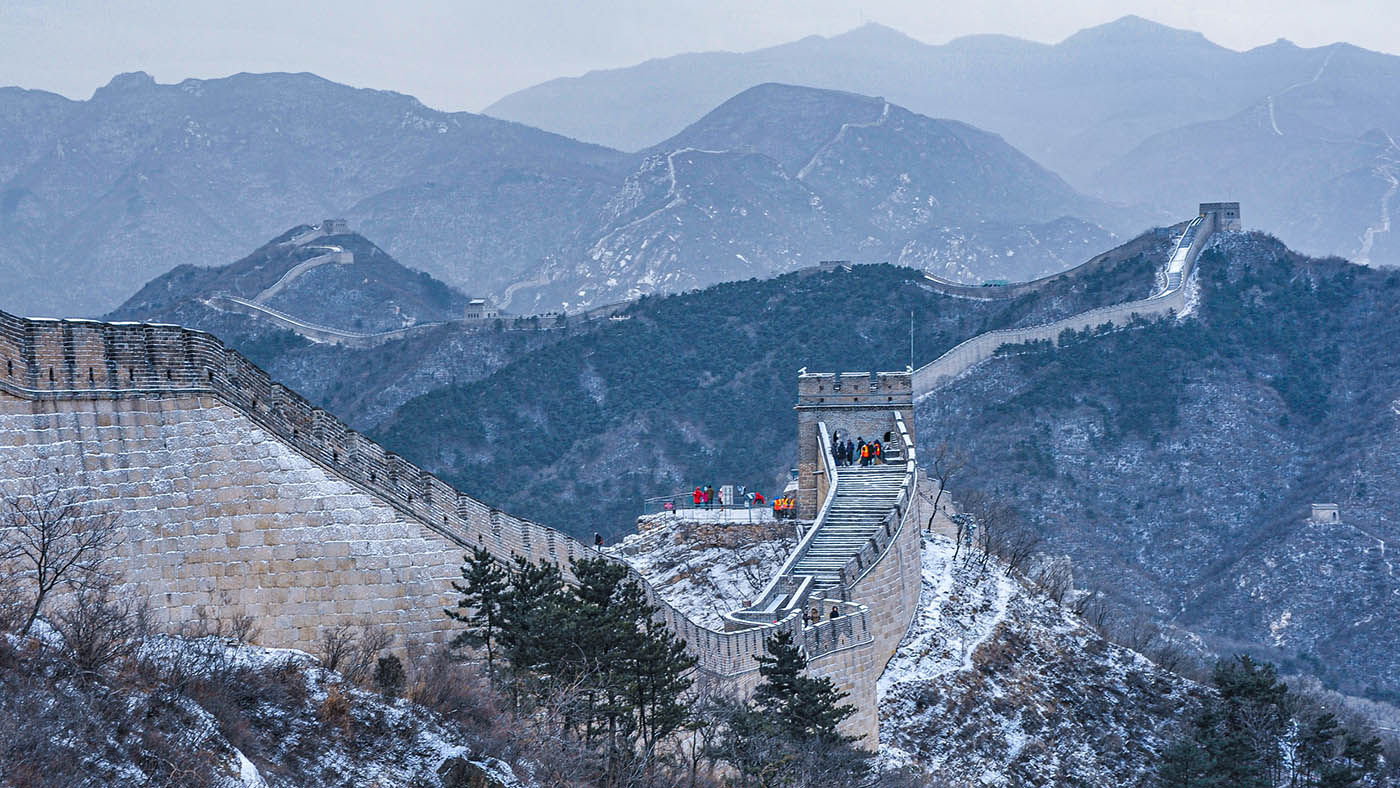
China rewards curiosity. Yes, the Great Wall deserves its place on any first itinerary, but it is only one piece of a much bigger picture. Young travellers often get the most from China when they move past the standard landmarks and spend time in the places where daily life is loud, late, social and full of surprise. For those seeking a seamless adventure, planning with Three Bears Travel can open doors to experiences that go far beyond the obvious.
That shift changes the whole trip. A night market meal, a sleeper train conversation, a sunrise cable car over karst peaks, or a hotpot dinner that leaves everyone laughing and reaching for more tea can end up being more memorable than the sights that fill postcards. If you are planning china experiences for young travellers, these are the moments worth chasing.

Why china experiences for young travellers feel richer beyond famous landmarks
The best parts of China are often the ones that are still slightly off-script. Not remote, not difficult, just less obvious. Young travellers usually want variety, good value, energy, and stories worth retelling. China offers all of that in abundance, especially when you combine major cities with food streets, mountain scenery, local neighbourhoods and overnight rail.
It also suits different travel styles. Some want fast-paced city breaks, others want landscapes and hiking, and plenty want both on the same trip. China makes that possible in a way few countries can. High-speed trains shrink huge distances, city food remains affordable, and every region has its own look, flavour and rhythm.
That is why china beyond great wall is such a strong way to think about a first visit.
Night markets and street food are essential things to do in China under 25
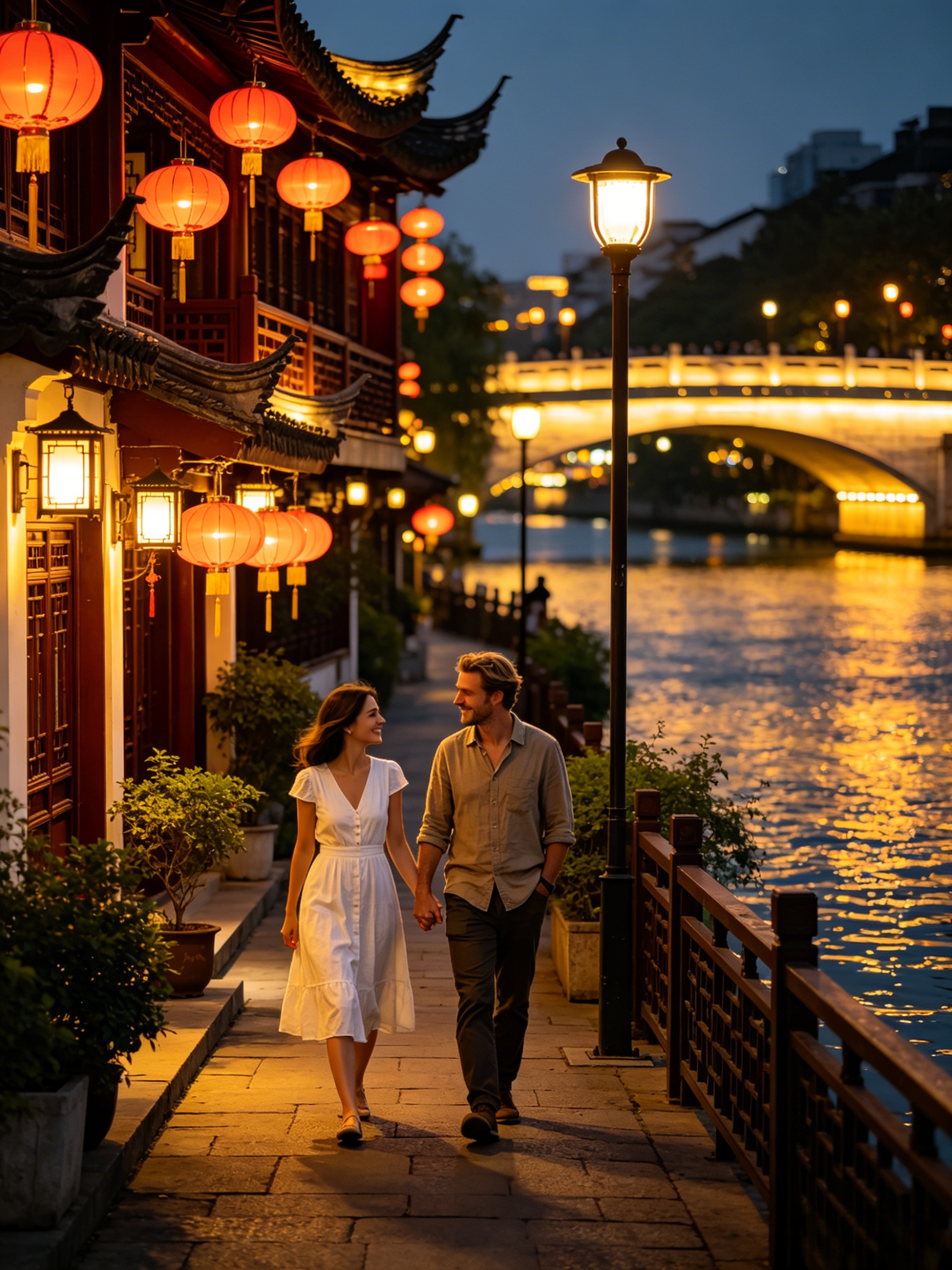
If there is one experience that instantly brings China to life, it is eating outside at night. Tables spill onto the footpath, steam rises from bamboo baskets, skewers hiss over charcoal, and groups of friends order far more than they need. It is social, cheap and very local.
Xi’an’s Muslim Quarter is one of the best-known examples, and for good reason. The atmosphere after dark is electric. You can move from hand-pulled noodles to grilled lamb skewers to flatbreads stuffed with beef, all within one walk. Chengdu’s Jinli area is more polished, though still lively and fun, especially if you want snacks and people-watching in one place. In Shanghai, Yuyuan Bazaar blends old-style architecture with a busy food scene, while Guilin’s nightlife strips offer an easy mix of casual dining, bars and late evening wandering.
Street food in many cities still feels remarkably affordable, often around AU$2 to AU$5 per dish for simple favourites. That leaves room to taste widely rather than commit to one large meal. It is one of the smartest ways to stretch a budget without feeling like you are compromising.
A few classics are worth hunting down on a first trip:
· Biang biang noodles
· Soup dumplings
· Lamb skewers
· Scallion pancakes
· Sichuan-style cold noodles
· Fresh fruit teas
The trick is to go where the turnover is high and the queues are local. A busy stall with a focused menu is usually a good sign. If a place specialises in one or two things and keeps serving them quickly, it tends to be doing something right.
Zhangjiajie is one of the top adventurous China travel experiences
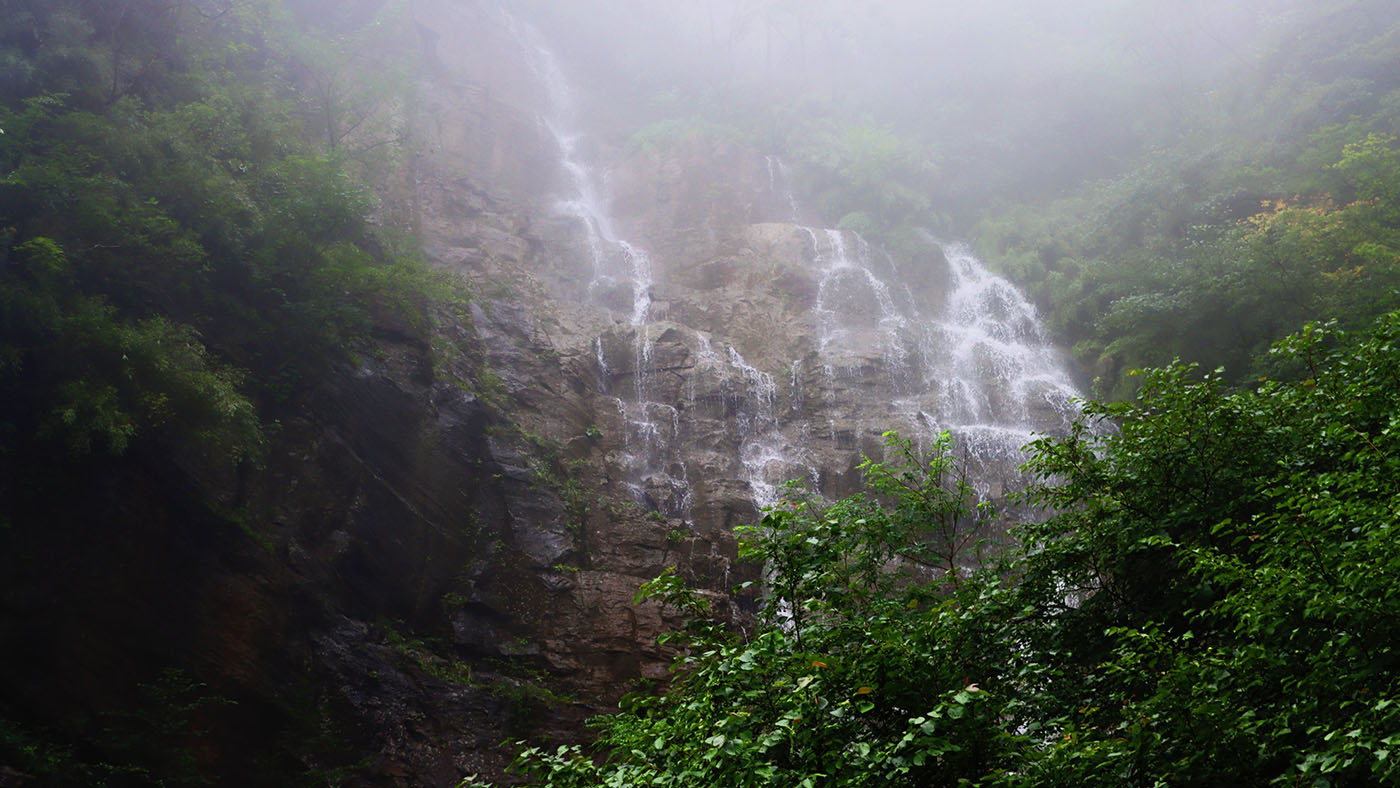
For travellers chasing scenery that feels almost unreal, Zhangjiajie is hard to beat. The sandstone pillars rise straight into mist and cloud, creating that dramatic landscape often linked with the floating mountains seen in Avatar. Photos are impressive. Standing there is something else entirely.
This is one of the best examples of adventurous china travel that still fits comfortably into a broader holiday. You do not need to be a technical hiker or an extreme sports fan. Cable cars, viewing platforms and well-developed park infrastructure make the area accessible, while the scale of the place still feels thrilling. The glass bridge is the obvious test of nerve. It is genuinely confronting when you look down and realise just how far away the valley floor is.
Weekdays are the smarter choice, especially outside Chinese public holiday periods. You will spend less time in queues and more time actually looking at the landscape. The easiest route for many visitors is via Changsha, then a high-speed train of roughly 1.5 hours, which makes Zhangjiajie much more manageable than many first-timers expect.
Here is a quick planning snapshot:
|
Experience |
Why it stands out |
Best timing |
Travel note |
|
Zhangjiajie National Forest Park |
Towering pillars, cloud-wrapped views |
Weekday mornings |
Pair with 2 to 3 nights |
|
Glass Bridge |
Adrenaline, huge valley views |
Early session |
Go before peak crowds |
|
Tianmen Mountain cable car |
Big panoramic ride |
Clear weather |
Great for first-time visitors |
|
Changsha to Zhangjiajie |
Easy connection |
Any day except peak holidays |
High-speed train around 1.5 hours |
For younger travellers who want a story that sounds slightly unreal when told back home, this region delivers every time.
Chengdu offers relaxed china experiences for young travellers
Some cities impress with speed. Chengdu wins people over with ease. It has big-city depth, famous food, and a noticeably calmer rhythm than Shanghai or Beijing. That makes it ideal for travellers who want plenty to do without feeling pushed from one attraction to the next.
The panda base is the obvious draw, and it really is worth the early start. Aim to arrive by 8am, when the pandas are more active and the heat is lower. Late morning is far busier, and the animals are usually less interested in performing for anyone. Watching them climb, eat and tumble around is one of those experiences that sounds almost too cute to justify the hype, until you are actually there.
By evening, the city belongs to hotpot. A local restaurant, rather than a place shaped mainly for tour groups, usually gives a better sense of the real thing. The broth is fiery, the atmosphere is noisy, and the meal becomes part challenge, part celebration. Even travellers who are cautious with spice tend to enjoy the theatre of it.
Kuanzhai Alley adds another side of Chengdu. It is lively and visitor-friendly, but it also points to the wider teahouse culture that shapes the city’s mood. Sitting down for tea, even briefly, changes the pace of the day in the best possible way.
A smart way to structure a day in Chengdu looks like this:
· Go early: arrive at the panda base before the main tour buses and warmer weather.
· Eat locally: choose a busy hotpot venue where the crowd is mostly local groups and families.
· Slow down: leave space for a teahouse stop instead of trying to cram in too many sights.
That combination of pandas, hotpot and tea gives Chengdu an identity that feels complete, rather than just busy.
Shanghai shows china beyond great wall through old and new city life
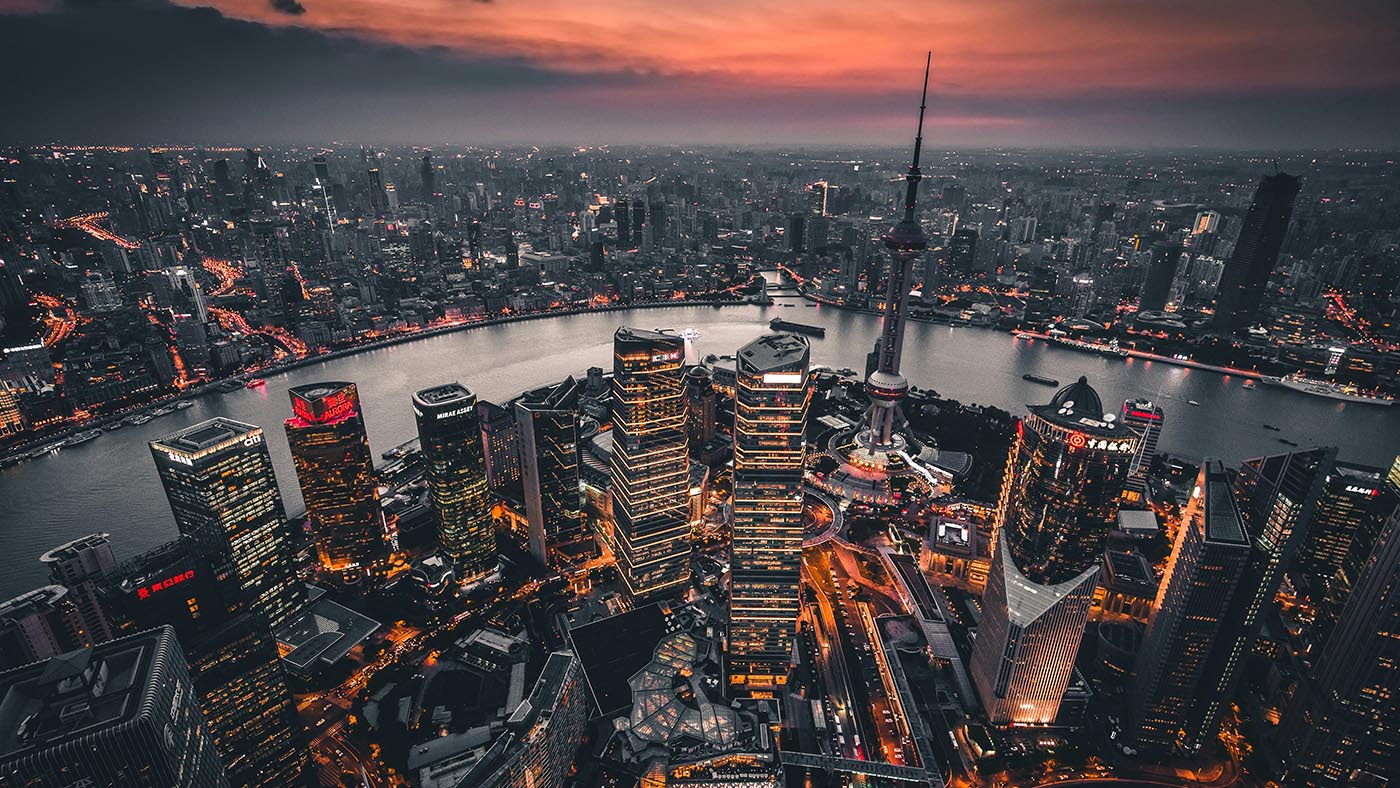
Shanghai is often described as modern China, and that is true, though only partly. What makes it so exciting for younger visitors is the contrast. One hour can take you from historic lanes and old stone houses to futuristic towers and riverfront skylines that look almost cinematic.
The Bund at night is still one of the great city views in Asia. Across the river, Pudong and Lujiazui rise in glass and light, while the waterfront itself holds onto a more classical grandeur. It is easy to see why so many first-time visitors start there. Yet the city gets more interesting once you leave the obvious photo spots.
The French Concession offers tree-lined streets, café culture, brunch spots, vintage shopping and a more intimate scale. Tianzifang brings in art studios, smaller boutiques and laneway energy. These neighbourhoods suit younger travellers well because they invite wandering. You do not need a strict checklist. You just move, stop, eat, browse and keep going.
That split personality is what makes Shanghai one of the strongest unique china experiences for first-time visitors. It is polished without feeling sterile, and historic without feeling frozen.
China nightlife for young travellers in Shanghai, Beijing and Chengdu
Nightlife in China can be brilliant, but it helps to arrive with realistic expectations. The scene varies sharply by city. Shanghai has the broadest international-style nightlife, with rooftop bars, clubs, live music and cocktail venues that can stand beside those in any major global city. Beijing’s Sanlitun remains a strong choice for bar-hopping and late nights, while Chengdu leans more towards laid-back bars, conversation and a slower social energy.
Drink prices also vary. In top-tier Shanghai venues, expect pricing closer to other large global cities. Casual bars and local beer-focused spots are usually more manageable. Club entry depends on the venue and the night, with some charging and others relying on table bookings or guest lists. KTV, or karaoke, is a major part of nightlife culture too, and it is often more group-focused than the bar-to-bar pattern many Australian travellers know.
A quick guide helps set expectations:
|
City |
Nightlife style |
Best for |
Budget feel |
|
Shanghai |
Clubs, rooftops, cocktails, live music |
Big nights out |
Mid to high |
|
Beijing |
Bar districts, energetic crowds |
Social groups |
Mid |
|
Chengdu |
Chill bars, local hangouts, late meals |
Relaxed evenings |
Low to mid |
The key is to match the city to the kind of night you actually want, rather than assuming every major city in China behaves the same way.
Unique China experiences that stay with you for years
Some memories come from famous places. Others arrive in quieter, stranger, more personal ways. China has plenty of those. A sleeper train between cities is a good example. It is practical, often budget-friendly, and unexpectedly social. You wake up in a new province with a new accent, new breakfast and a different landscape outside the window.
Guangdong offers another classic: dim sum breakfast done properly. Not a rushed snack, but a table slowly filling with baskets, tea and conversation. In Beijing, learning a few calligraphy strokes in a hutong adds a different kind of connection, one that slows the trip and roots it in tradition. In Guilin, a dawn cable car above karst peaks gives you the kind of morning that barely needs a filter or description.
These are the kinds of moments that give shape to a trip:
· Night train sleeper between major cities
· Dim sum breakfast in Guangdong
· Calligraphy session in a Beijing hutong
· Dawn cable car above Guilin’s karst scenery
They do not always sound dramatic on paper. In memory, they often outlast the bigger-ticket attractions.
For a curated journey that brings these moments together, consider exploring options with Three Bears Travel, where local expertise helps you discover China’s hidden gems.
Practical tips for adventurous China travel on a young traveller budget
China rewards a little planning. Booking intercity trains in advance matters, especially on popular routes and around public holidays. Weekday visits are usually better for major scenic areas like Zhangjiajie. Early starts are often worthwhile, not only for lower crowds but also for cooler weather and more active wildlife in places like Chengdu’s panda base.
Mobile payment is now central in China, though travellers can still work around this with the right set-up before arrival. Reliable data access, translation tools and train bookings make a real difference. If you prefer less friction on the ground, private transfers and local guidance can also save a surprising amount of time, especially when moving between stations, parks and hotels.
A few habits make the trip smoother from day one:
· Travel light: stations, stairs and older streets are easier with one manageable bag.
· Eat strategically: big lunch, lighter dinner can work well if nightlife is part of the plan.
· Build variety: mix one major sight with one local food or neighbourhood experience each day.
· Early starts
· Weekday scenic visits
· Cash backup for smaller purchases
For young travellers, China works best when the itinerary leaves room for both structure and spontaneity. See the big names, absolutely. Then make space for the food street, the night train, the teahouse, the mountain cable car and the neighbourhood you had not planned on loving. That is usually where the trip becomes your own.