

Pandas and peppercorns. Ancient streets and bamboo groves. A city where wildlife conservation sits comfortably alongside tea houses and hotpot steam. Chengdu China is a rare place that lets you spend the morning with giant pandas and the afternoon tasting Chengdu Cuisine in a centuries-old lane. If that sounds like your kind of trip, you’re in the right place.
Exploring Chengdu: Giant Pandas, Panda Base Tours, and Wildlife Adventures
There’s a reason photos of Chengdu Pandas circle the globe. The city has built thoughtful, well-funded sanctuaries where visitors can see how conservation science actually works. But this is not a one-note destination. Chengdu City Sichuan holds its own with a rich food scene, Temple culture and accessible green spaces that reward slow travel and curiosity.
Below is a practical guide to panda bases, wildlife experiences, city highlights, maps and transport, and a few on-the-ground tips to help you plan days that feel both relaxed and rewarding.
Chengdu’s Iconic Panda Attractions
Chengdu Research Base of Giant Panda Breeding
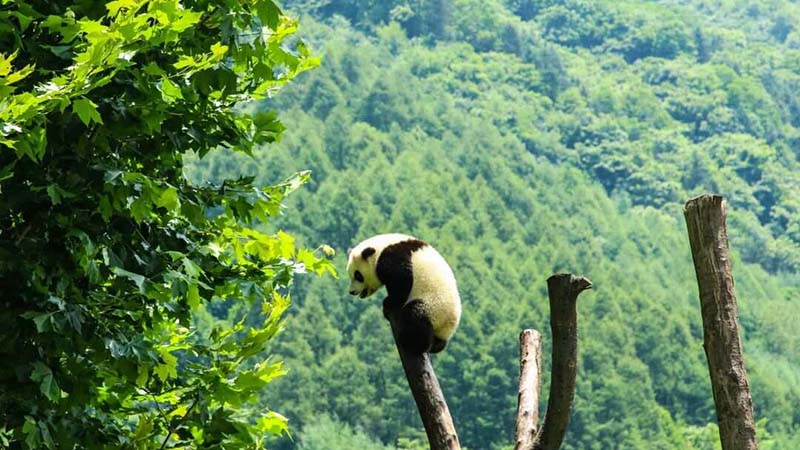
This is the Chengdu Panda Base most travellers picture when they think of pandas. Officially named the Chengdu Research Base of Giant Panda Breeding, and often shortened to Panda Research Base Chengdu or Chengdu Giant Panda Base, it sits within easy reach of the city centre and offers remarkably natural-looking enclosures, extensive bamboo stands and quiet viewing paths.
-
Best time to visit: early morning. Pandas are most active before midday, especially during the first two hours after opening. In summer, heat sends them indoors by late morning.
-
What you’ll see: adults lounging or climbing, adolescent pandas engaging in lively tussles, and, at certain times of year, viewing windows where keepers care for newborn cubs.
-
Don’t miss: the red panda enclosures, the on-site museum that explains habitat loss and genetics in plain language, and the nursery corridors when they are open to visitors.
Tickets often sell out on peak days. Three Bears Travel can pre-arrange timed entries and schedule a hotel pick-up that gets you to the gates just as they open. The benefit is simple: quieter paths, clearer views, better photos, and, if the timing lines up, a chance to watch feeding sessions without a crowd pressing behind you.
A few etiquette notes go a long way. Keep voices low, avoid tapping glass, and never feed the animals. The bases have worked hard to reduce stress on the pandas; thoughtful visitors help that effort continue.

China Panda Reserve & Sanctuaries
While the Chengdu Panda Base is the easiest option within Chengdu City, there are sanctuaries nearby that feel closer to the wild mountains where pandas evolved.
-
Dujiangyan Panda Base: around 1 to 1.5 hours from central Chengdu. This centre focuses on rehabilitation and has programs where visitors can learn about diet, health checks and habitat. Volunteer experiences are sometimes offered under strict supervision and with no direct handling of pandas.
-
Wolong Shenshuping Base: set in a valley that once held completely wild populations, about 2.5 hours from the city, within the wider Sichuan Giant Panda Sanctuaries UNESCO area. Views are spectacular and the air feels sharp with alpine green.
-
Bifengxia: further out again, with dramatic gorge scenery and a quieter feel.
These sites fall within what many travellers refer to as the China Panda Reserve Chengdu region, and some tours describe them collectively as the Chengdu Panda Sanctuary network. Naming conventions can confuse first-timers, so check whether a tour is heading to the urban Chengdu Research Base or one of the mountain reserves.
If your time is limited to one morning, the Chengdu Research Base offers the highest return per hour. If you can spare a full day, pairing Dujiangyan with a local lunch and a stroll along its riverside old town adds depth and scenery to the wildlife focus.
Tips for Visiting the Panda Bases
Be ready before sunrise. It sounds early, but the reward is real.
-
Book ahead: tickets can sell out, especially during Chinese public holidays and school breaks.
-
Carry your passport: you may need ID for ticket collection.
-
Wear comfortable walking shoes: grounds are spread out, with many shaded paths.
-
Bring layers: mornings can be cool, even in summer. In winter, gloves make photographing easier.
-
Pack a lightweight poncho or small umbrella: showers are common in the warmer months.
-
Cameras: a lens in the 70 to 200 mm range gives flexibility. A phone with good zoom works well at the closer enclosures.
-
Respect distance: stick to marked paths and viewing spots. Staff are strict for good reasons.
Three Bears Travel runs small-group and private panda tours that time your visit for feeding and playful periods, then weave in short bamboo forest walks and red panda viewing. If you prefer independent travel, download a Map of Chengdu with offline access, set an early alarm, and use a pre-booked ride to beat the rush.
Chengdu City & Nearby Attractions
City Highlights
Chengdu City is built for strolling. After a morning with Chengdu Pandas, aim for a light lunch and a city wander.
-
Jinli Ancient Street: lanterns, timber storefronts, and snack stalls serving everything from sesame cakes to spicy skewers. It is touristy, but undeniably photogenic, and late afternoon light suits it well.
-
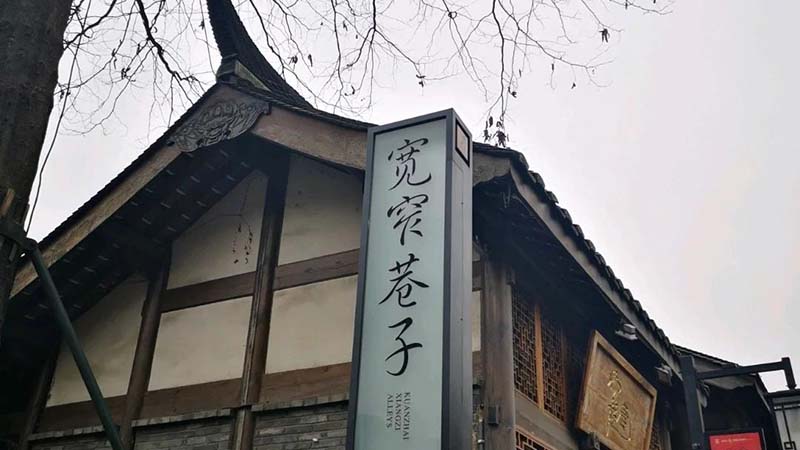
Wide & Narrow Alleys: known locally as Kuan Zhai Xiangzi. Courtyard houses, boutique shops, and roasters wafting coffee aromas into alleys lined with ginkgo trees.
-
Wuhou Shrine: a calm counterpoint to busy streets. Historical displays link the site to the Three Kingdoms era, and gardens offer shaded spots for a breather.
-
People’s Park: tea houses under mature trees, lake views, and the delightful everyday theatre of ear-cleaners, card games and dance groups.
These Chengdu City Attractions slot neatly into a single afternoon from most hotels. If you’re building a list of Things to Do in Chengdu, include a visit to a tea house at People’s Park to watch mahjong pros at work.
Cultural Experiences
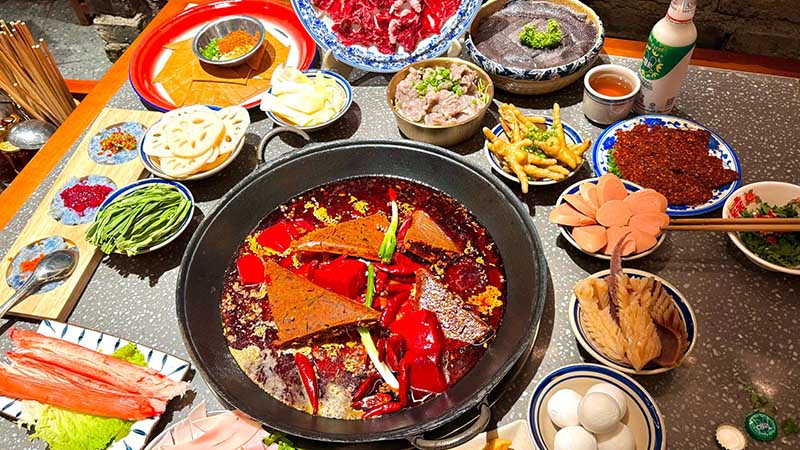
Chengdu Cuisine stands on a firm foundation of spice, balance and craft. The dance between chilli and the citrusy tingle of Sichuan pepper sets the tone, yet there is far more range than fiery heat alone.
Order a mix of well-known plates alongside local favourites. Try:
-
Hotpot with a red broth and a milder mushroom pot for contrast, plus thinly sliced beef, lotus root and handmade noodles
-
Mapo tofu with silken tofu cubes and a numbing-savory sauce
-
Dan dan noodles with a slick of sesame, chilli oil and minced pork
-
Twice-cooked pork with leeks and fermented beans
-
Chuan chuan skewers simmered in a fragrant broth
-
Rabbit head and cold mung bean jelly if you’re feeling adventurous
-
Candied hawthorn or brown sugar rice cakes when you’re ready for something sweet
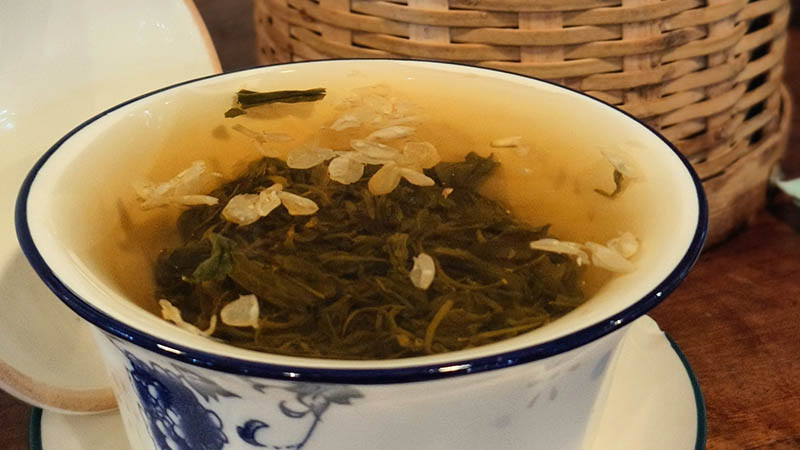
Tea houses are woven into daily life. Sit in a bamboo chair, sip a delicate green or a smoky fermented brick, and let the rhythm of the city pass by. In the evening, consider a Sichuan opera show to see face-changing and fire-breathing performed up close. Many venues offer a short, curated program that fits easily after dinner.
If you want to learn to cook, short classes taught by local chefs run most days. They are hands-on, generous with tips, and a relaxed way to bring Chengdu Famous Food back to your home kitchen.
Day plans that blend nature and city
A well-tuned plan gives you space to linger where it counts.
Option A: One perfect day
-
6.30 am: Hotel pick-up for the Chengdu Panda Base
-
7.30 to 10.30 am: Panda viewing and short bamboo walk
-
11.30 am: Light lunch near the base or in town
-
Early afternoon: Wuhou Shrine and a tea house at People’s Park
-
Late afternoon to evening: Wide & Narrow Alleys, then hotpot dinner
Option B: Two days with a mountain sanctuary
-
Day 1 morning: Chengdu Research Base of Giant Panda Breeding
-
Day 1 afternoon: Jinli Ancient Street and an opera show
-
Day 2: Dujiangyan Panda Base with a local lunch and riverside old town walk, return to Chengdu for a late bowl of dan dan noodles
Working with a specialist like Three Bears Travel can tidy up transfers, entry times and mealtimes, while independent travellers can combine metro rides and ride-hailing with some strategic walking to keep days flowing.
Travel & Transport Essentials
Airports & Connectivity
Chengdu is served by two major airports. Older materials and some booking engines still refer to CTU Chengdu Airport for Shuangliu, while the newer Chengdu Tianfu International Airport now carries a growing share of domestic and international traffic.
Here’s a quick comparison to help with planning:
|
Airport |
Code |
Typical drive to city centre |
Typical drive to Chengdu Research Base |
Public transport options |
Notes |
|
Chengdu Shuangliu Airport |
CTU |
35 to 60 minutes |
50 to 70 minutes |
Metro Line 10 to Line 3 and 2 combinations, airport buses, taxis, ride-hailing |
Closer to central Chengdu City; many domestic flights |
|
Chengdu Tianfu International Airport |
TFU |
50 to 80 minutes |
60 to 90 minutes |
Metro Line 18 to inner-city interchanges, high-speed rail link, airport buses, taxis |
Newer facilities, expanding international routes |
Travel times vary with traffic. If your flight lands in the evening and you plan an early panda visit, staying in a hotel on the north-eastern side of town can reduce the morning drive by 20 to 30 minutes.
Many itineraries fly into CTU Chengdu Airport and out of Chengdu Tianfu International Airport. That approach can unlock better fares or convenient flight times.
Getting around the city and reserves
Chengdu’s metro is fast, clean and intuitive for visitors. Stations have English signage, tap-and-go payment works with many international cards, and trains arrive often. For short distances or late nights, taxis and ride-hailing apps provide reliable options.
-
Metro: check Line 3 and Line 7 for handy links between attractions
-
Taxi and ride-hailing: Didi is widely used; hotel staff can assist with pick-up spots
-
High-speed rail: services reach nearby cities and gateways for mountain reserves
-
Buses: useful for local hops, though routes can be harder for first-time visitors to interpret
To reach Dujiangyan or Wolong, a private car or small-group tour saves time. Roads into the mountains can be narrow, and having a driver lets you watch the scenery rather than the next switchback.
Maps & Navigation
Before you land, save an offline Chengdu Map so you can check directions without a signal. Apple Maps has good coverage in Chengdu China, while Baidu Maps and Amap provide more detail but require some familiarity with Chinese characters. Many travellers keep a simple Map of Chengdu screenshot in their phone gallery that pinpoints key spots:
-
Chengdu Research Base of Giant Panda Breeding
-
Wide & Narrow Alleys
-
Wuhou Shrine
-
People’s Park tea houses
-
Jinli Ancient Street
-
A few metro interchanges near your hotel
If you prefer print, hotel concierges often offer clear bilingual maps with street names in both languages. That can be a real help when showing a driver your destination.
A closer look at wildlife ethics
Thoughtful travel choices support long-term conservation. When visiting any Chengdu Panda Sanctuary or reserve, keep these points in mind:
-
No handling of giant pandas: ethical programmes have moved away from staged photos or holds. Respect centres that prioritise the animals’ health.
-
Keep voices low: stress can affect feeding and rest patterns.
-
Follow staff instructions: trails and viewing decks are placed to protect both animals and people.
-
Support conservation: gift shops at the bases fund research and habitat work; donations count.
-
Choose tours carefully: ask operators how they manage group sizes, timing and animal welfare. Three Bears Travel outlines its approach openly and keeps groups small.
If you’re keen to learn more about the science behind breeding and reintroduction, look for talks or exhibits at the bases that explain wild corridor mapping, bamboo cycle studies and genetic diversity safeguards. These displays connect your visit to the bigger picture of survival in the wild.
Weather, seasons and what to pack
Chengdu sits in a basin with humid summers and mild winters. Spring and autumn bring comfortable temperatures and softer light for photography. During peak summer, start earlier than you think and plan indoor breaks by midday.
Useful items to pack:
-
Lightweight rain jacket or poncho
-
Reusable water bottle
-
Comfortable walking shoes with good grip
-
Sunscreen, hat and sunglasses
-
Small power bank for your phone
-
A scarf or light layer for air-conditioned metro rides
-
Packet of tissues and hand sanitiser for on-the-go stops
If you’re heading into mountain reserves, bring a warmer layer regardless of season. Weather can shift quickly with altitude.
Budgeting and practical costs
Prices vary by season and availability, but a rough guide helps with planning:
-
Panda base entry: modest, with online pre-booking fees on some platforms
-
Guided day tours: range from budget-friendly group options to private vehicles with specialist guides
-
Metro rides: inexpensive, capped by distance
-
Taxis and ride-hailing: good value within the city; agree on using the meter
-
Meals: local eateries are affordable and generous; multi-course dinners at popular restaurants are still friendly on the wallet
Plan a little extra for snacks at Jinli, a tea session at People’s Park, and a small bag of peppercorns or locally roasted beans to take home.
Sample photo spots and timing
Photographers often ask where to stand and when. A few ideas:
-
Chengdu Research Base: arrive just before opening, walk straight to the outdoor enclosures nearest the main gates, then loop clockwise as crowds build. Soft morning light filters through bamboo.
-
Wide & Narrow Alleys: arrive late afternoon for long shadows and lit shopfronts. Night shots can be lively with warm, even light.
-
People’s Park: mid-morning for tea houses in full swing and relaxed expressions.
-
Wuhou Shrine: early or late for quiet pathways and reflective water.
Keep your kit light. A single body with a versatile zoom and a fast prime covers most scenarios without strain. Tripods are often restricted in busy areas.
Resources and booking tips
-
Official sites: check opening hours and ticketing for the Chengdu Research Base of Giant Panda Breeding and any mountain reserves you plan to visit
-
Airport info: confirm arrivals at Chengdu Shuangliu Airport or Chengdu Tianfu International Airport and plan transport accordingly
-
Tours: compare timings, group sizes and what’s included; Three Bears Travel focuses on customised group tours, which suits panda viewing
-
Maps: save an offline Map of Chengdu and mark your hotel, metro lines and key sights
-
Food: shortlist a few spots for Chengdu Famous Food near your planned afternoon walks to reduce the risk of hangry decisions
Chengdu City offers that rare mix of wildlife access and cultural depth. Spend your mornings with bamboo-munching icons, your afternoons under plane trees and alley eaves, and your evenings at tables filled with steam and stories. It’s a place that stays with you long after your last bite of hotpot and your final photo of a sleepy black-and-white face.
Want more China travel itineraries? Click here!
If you have any other questions, feel free to click here and get in touch with us.
If you need a personalized travel plan, feel free to click here and let us help you.