Planning a trip to China for medical care or a wellness reset can feel surprisingly exciting. The country’s top cities pair sophisticated hospitals and clinics with transport networks that make appointments, recovery time, and a bit of sightseeing genuinely workable, even on a short schedule.
The key is choosing a city that suits your health needs, your comfort level with language and logistics, and the kind of downtime you want once the serious parts of the itinerary are done.
What Makes a City Good for Medical Tourism in China?
A great medical tourism destination is not only about a famous hospital. It is about how smoothly your whole stay runs, from landing at the airport to getting back to your accommodation after an appointment.
A practical way to judge a city is to look at the full ecosystem around care: international departments, English support, modern diagnostic equipment, pharmacy access, safe transport, and calm places to recover.
After weighing those basics, these factors usually decide which city is the best fit:
· Short travel times between appointments and accommodation
· Language access: English-speaking clinicians, interpreters, and bilingual paperwork
· Clinical strengths: where the city tends to have deeper specialist coverage
· Recovery comfort: quiet hotels, parks, waterfronts, and easy meal options
· Follow-up ease: good telehealth options and direct flights home when needed

Shanghai: the easiest starting point for many international travellers
Shanghai often feels like the most straightforward entry into China’s healthcare system for overseas visitors. The city has a strong concentration of international clinics and hospitals that routinely support foreign patients, with processes that can feel familiar to Australians and New Zealanders.
Logistics are a big part of the appeal. Neighbourhoods around major medical precincts have abundant hotels, serviced apartments, cafés with simple menus, and transport that is easy to arrange. When you need multiple visits over several days, that convenience matters.
Shanghai is also a comfortable city for gentle recovery days. A slow walk along the riverside, time in a peaceful garden, or an early night in a quiet hotel can sit neatly alongside your appointment schedule.
Beijing: complex care, big institutions, and a deep cultural backdrop
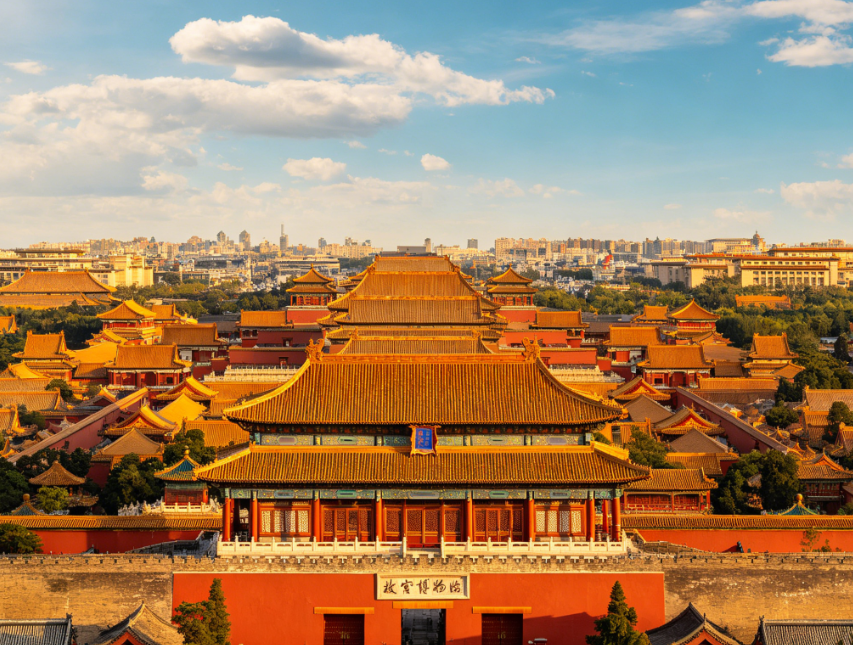
Beijing is home to some of China’s most prominent hospitals and research-driven medical centres. If you are seeking specialist input, second opinions, or care that benefits from large multidisciplinary teams, Beijing is often shortlisted.
The city can feel more intense than Shanghai, simply because distances are larger and traffic can be heavier. Yet for many travellers, the trade-off is worthwhile: you can combine consultations with one of the richest cultural landscapes in Asia.
It is also a strong city for travellers who enjoy structure. With the right planning, it is possible to keep appointment days efficient, then reserve lower-energy days for calmer experiences like parks, temples, and curated museum visits.
Guangzhou: a southern hub with strong clinical networks and traditional medicine roots
Guangzhou has long been a major healthcare centre, with broad specialist coverage and a reputation for clinical depth in many fields. It is also a key city for travellers who want access to both modern hospital care and traditional Chinese medicine in a region where that heritage is deeply woven into daily life.
For wellness-minded travellers, the food culture is a quiet advantage. When you are recovering, appetite and digestion matter. Guangzhou makes it easy to find gentle soups, steamed dishes, and lighter options alongside its famous Cantonese highlights.
The city is also well-positioned for side trips in the Greater Bay Area, which can be helpful if you want a change of scenery once the medical portion is complete.
Shenzhen: modern, fast-moving, and convenient near Hong Kong
Shenzhen is one of China’s most modern cities, built for speed and practicality. Its healthcare offering has grown quickly, including facilities that cater to expatriates and international visitors, and the city’s infrastructure can make day-to-day movement feel efficient.
Its proximity to Hong Kong is a real benefit for some travellers. That can mean simpler international flight options, easier access to certain international services, and a broader range of accommodation styles. It also suits people who want a contemporary urban feel during recovery, with waterfront promenades, large green parks, and short drives to coastal escapes.
If you are balancing a tight schedule, Shenzhen can work well as a base where appointments and downtime fit neatly into a compact plan.
Guilin: Scenic Tranquility for Mindfulness, Meditation, and Deep Relaxation
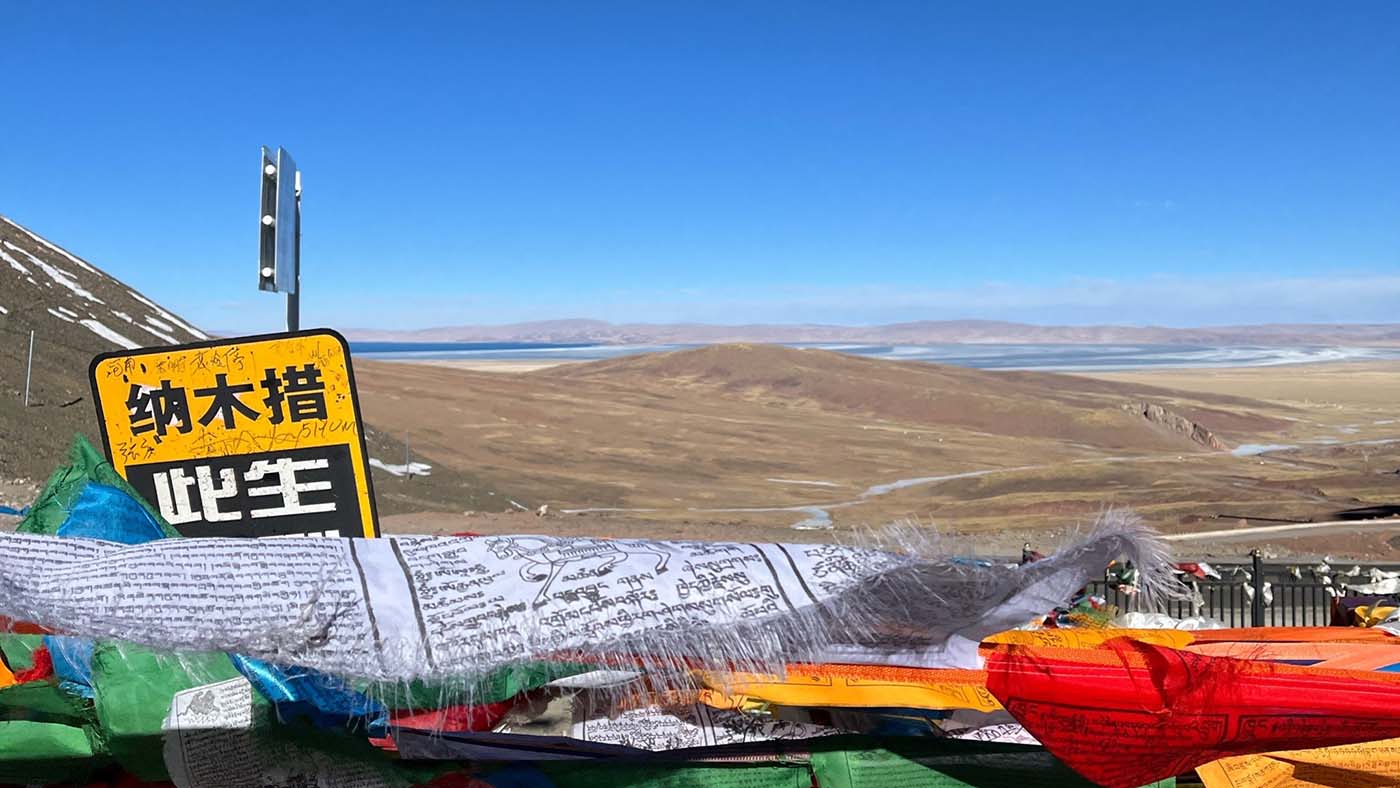
Guilin stands out as one of China’s most picturesque destinations, renowned for its breathtaking karst mountains, winding rivers, and lush greenery. While Guilin may not have the same concentration of major hospitals as Shanghai or Beijing, it excels as a wellness and recovery retreat—especially for travellers seeking a restorative environment after medical appointments in larger cities.
The natural beauty of Guilin creates an ideal setting for mindfulness practice, meditation, and relaxation. The serene landscapes—limestone peaks reflected in the Li River, peaceful bamboo groves, and tranquil lakes—offer a calming backdrop that supports both physical and emotional healing.
Guilin is particularly well-suited for:
· Mindfulness and meditation retreats: Numerous resorts and wellness centres offer guided meditation, yoga, and tai chi sessions amidst nature.
· Nature walks and gentle activity: Scenic walking and cycling routes along the riverbanks and through the countryside encourage gentle movement and stress relief.
· Restorative stays: Quiet boutique hotels and riverside guesthouses provide peaceful spaces for rest, reflection, and recovery.
· Cultural immersion: Local tea ceremonies, calligraphy classes, and traditional music performances add depth to the wellness experience.
For those looking to complement medical care with holistic recovery, Guilin’s tranquil atmosphere and stunning scenery make it an exceptional choice. It is especially recommended for travellers who value a slower pace, fresh air, and the opportunity to reconnect with nature as part of their wellness journey.
Quick Comparison: Top Medical Tourism Cities in China
The best city is the one that supports your care plan with the least friction. This table is a starting point for conversations with providers and planners, rather than a definitive ranking.
|
City |
Often chosen for |
Travel and access |
Wellness and recovery style |
Notes for planning |
|
Shanghai |
International clinics, general check-ups, outpatient diagnostics |
Major international airport, strong metro, wide hotel range |
Riverside walks, gardens, modern comforts |
Great for first-time visitors who want simple logistics |
|
Beijing |
Large public hospitals, complex specialties, second opinions |
Major airport, longer drive times within the city |
Parks, historical sites, slower cultural days |
Build in buffer time for traffic and bigger distances |
|
Guangzhou |
Broad specialist networks, TCM interest, long-standing medical hubs |
Major airport, strong rail links in the south |
Food culture, mild winters, regional day trips |
Good for pairing care with a “softer” recovery rhythm |
|
Shenzhen |
Modern facilities, expat-friendly services, proximity to Hong Kong |
Easy cross-border options, efficient transport |
Coastal parks, contemporary city breaks |
Works well for tight schedules and multi-city itineraries |
|
Chengdu |
Wellness pace, TCM heritage, relaxed recovery |
Major airport, improving international links |
Teahouses, parks, slower days |
Often suits travellers prioritising rest and routine |
|
Hangzhou / Suzhou |
Post-appointment recovery, scenic downtime near Shanghai |
High-speed rail access from Shanghai |
Lakes, gardens, low-key walking |
Strong add-on options when you want calm after treatment |
|
Guilin |
Mindfulness, meditation, nature-based recovery |
Regional airport, high-speed rail from major cities |
Karst landscapes, river walks, meditation retreats |
Ideal for deep relaxation and connecting with nature after medical care |
Best Chinese Cities for Recovery and Wellness Retreats
Not every trip needs to focus on a mega-city. Many travellers prefer to do their key appointments in Shanghai, Beijing, Guangzhou, or Shenzhen, then shift to a calmer place for recovery.
Chengdu is a common pick for a slower pace without losing modern conveniences. It can suit travellers who want quiet mornings, predictable routines, and gentle activity between follow-up checks.
Hangzhou and Suzhou work beautifully as add-ons from Shanghai. They are close enough for easy rail transfers, yet feel more restorative, with lakeside strolls, classical gardens, and a softer daily tempo.
Coastal and nature-oriented choices can also make sense when the care plan allows it. Some travellers look to places like Xiamen for sea air and low-stress walking routes, or Yunnan destinations for mild weather and scenic stays, as long as clinical needs are already met in a larger centre.
Wellness can be many things, and China gives you a wide menu. Common choices that pair well with medical travel include:
· Hot springs and spa-focused resorts
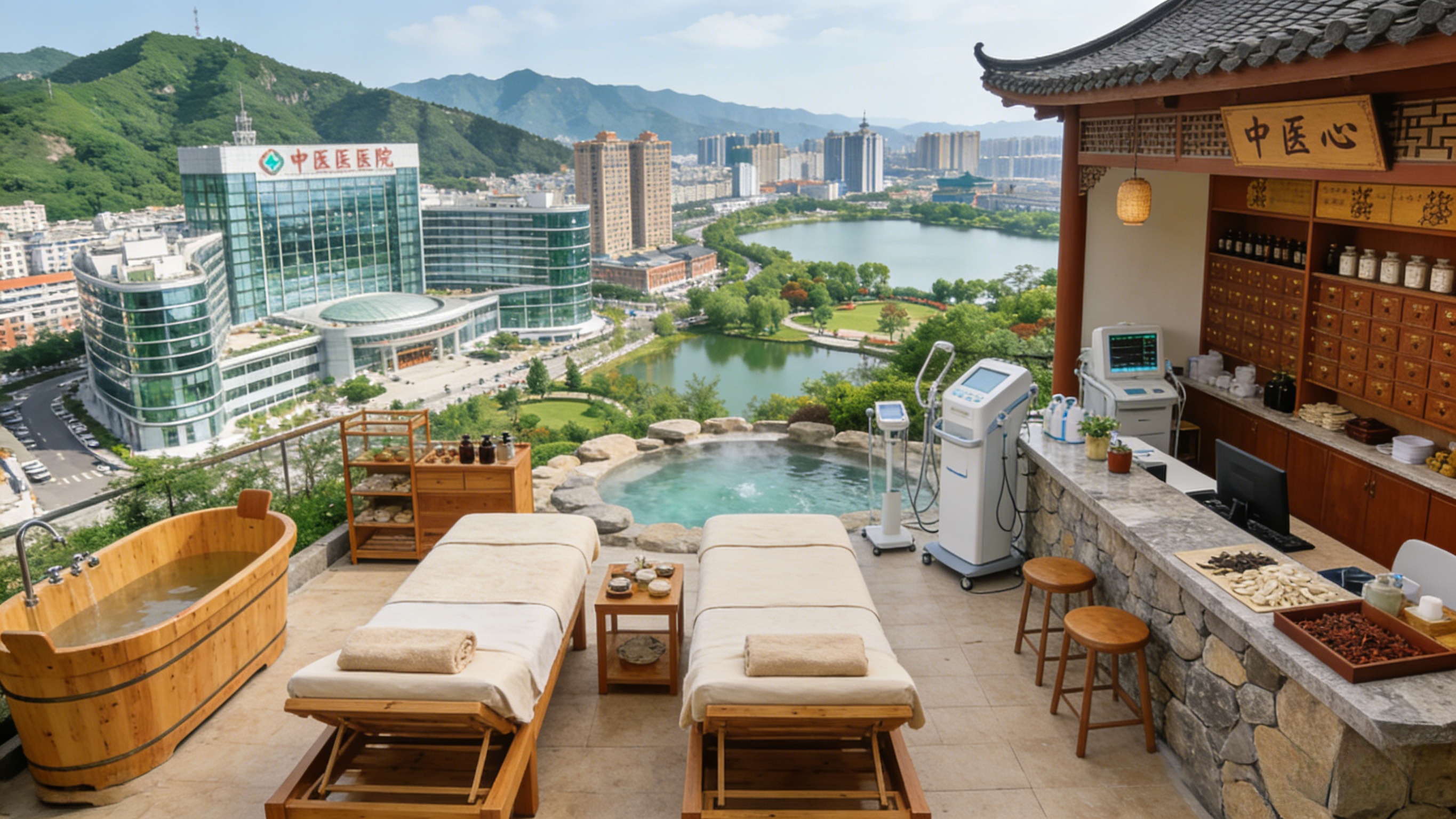
· TCM wellness: acupuncture, tuina massage, herbal consultations with reputable practitioners
· Mind-body recovery: tai chi sessions, guided breathing, gentle stretching routines
· Scenic, low-impact walking routes (gardens, waterfronts, lakeside paths)
How to Choose the Right City for Your Treatment
Choosing a city becomes simpler when you start with the medical “shape” of your trip.
If you are planning outpatient diagnostics, routine screenings, dental work, dermatology, or a short series of appointments, convenience often becomes the deciding factor. Cities with strong international patient services, clear scheduling, and nearby accommodation will keep your days calmer.
If you are chasing a specialist team, advanced imaging, or multidisciplinary consults, a major research-driven hospital environment can matter more than neighbourhood charm. In those cases, Beijing and other large-centre options are often discussed early.
If your priority is wellness with a medical component, like health checks paired with restorative downtime, it can be smart to split your stay: do the appointments first, then move to a quieter destination where sleep, food, and gentle movement come easily.
Planning a Medical Trip to China: What International Travellers Should Know
A well-run medical trip feels almost boring in the best way. Appointments happen on time, paperwork is ready, and you always know what comes next.
Before you book flights, it helps to map the care pathway: consultation, tests, procedure (if any), recovery days, follow-ups, then travel days with realistic energy levels.
Many travellers also benefit from having support on the ground, whether that is a bilingual guide, an interpreter arranged through a clinic, or a private planner who can coordinate transport and accommodation near the right precinct. Boutique travel companies that operate in China, including specialist operators like Three Bears Travel, often build these itineraries so medical schedules and cultural time do not compete with each other.
A simple pre-trip checklist usually reduces stress:
· Medical records: bring summaries, imaging, medication lists, and key history in English (and translated if possible)
· Appointment strategy: cluster tests on one day, keep the next day lighter for rest
· Payments and receipts: confirm accepted cards, bank transfer rules, and the documents needed for insurance claims
· Aftercare plan: arrange follow-up contact, clear escalation steps, and a quiet accommodation option
· Food and mobility needs: choose neighbourhoods with easy meals and low-effort transport
How Three Bears Travel Helps You Plan Medical & Wellness Trips to China
Medical appointments can dominate the calendar if you let them. A better approach is to design “bookends” around your care: gentle arrival days, efficient appointment blocks, and calming recovery time in settings that match your energy.
In Shanghai, that might mean staying close to the clinic for the appointment phase, then shifting to a quieter riverside hotel for a couple of nights. In Beijing, it can mean keeping cultural visits short and timed for low-crowd hours, saving your energy for clinical days. In Guangzhou and Shenzhen, it often means using the city’s food, parks, and waterfronts as your recovery routine.
The best plans respect the reality that wellness travel is still travel. You want moments of beauty and interest, yet you also want predictability, comfort, and enough margin that you never feel rushed between care and rest.
FAQ on Medical & Wellness Tourism in China
Embarking on a medical or wellness journey in China opens up exciting possibilities, blending world-class healthcare with rich cultural experiences. Below are some frequently asked questions that might help guide your planning.
Which are the top medical tourism cities in China?
Shanghai, Beijing, Guangzhou, and Shenzhen are leading choices due to their advanced healthcare facilities and international services.
Why choose Shanghai for medical tourism?
Shanghai offers convenience for international travellers with numerous English-speaking clinics and hotels near medical precincts.
What makes Beijing appealing for wellness travel?
Beijing combines cutting-edge medical care with deep cultural experiences, perfect for structured travellers seeking both consultancy and exploration.
What amenities support a medical trip in China?
Look for cities with international departments, bilingual staff, short travel times between accommodations and clinics, and robust telehealth options.