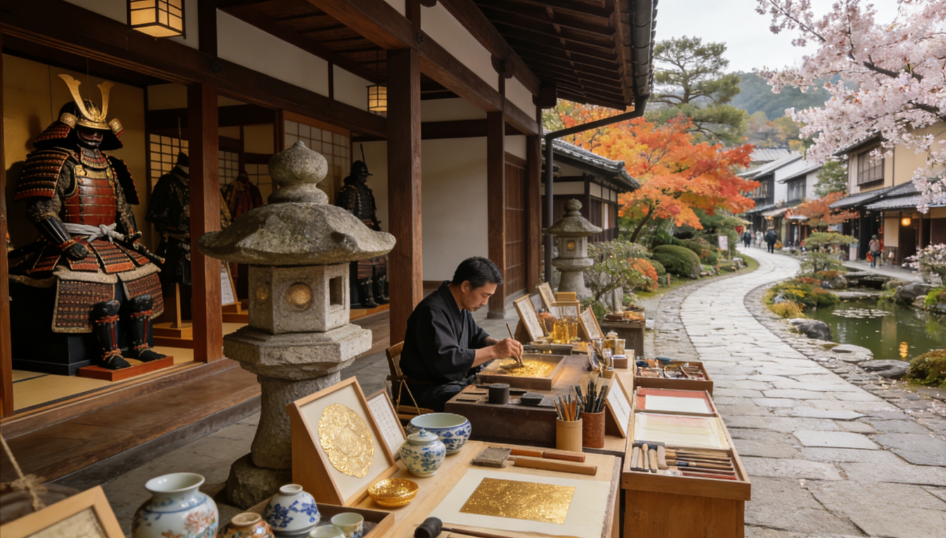
Kanazawa has a way of winning people over quietly. You can spend the morning in a formal landscape garden, turn a corner into a samurai lane lined with earthen walls, then finish the day watching craftspeople apply gold leaf thinner than paper. It feels polished, calm, and deeply Japanese, without the constant crowds that can make other heritage cities feel rushed.
For Australian and New Zealand travellers building a Japan itinerary, it often sits in the “maybe” basket, especially when time is tight. The good news is that Kanazawa is compact, easy to move around, and rewarding even on a short stay.
What makes Kanazawa different from Kyoto (and why that matters)
Kanazawa is sometimes compared to Kyoto because it has geisha teahouse districts, traditional arts, and strong Edo-period character. The key difference is rhythm. Kanazawa’s centre is walkable and noticeably less hectic, so you can take in details: rain-dark timber, stone drainage channels, tiny shrine gates tucked into residential streets, and the careful way everything seems maintained.
Kanazawa was also largely spared wartime destruction, which helps explain why its historic neighbourhoods feel cohesive rather than “recreated”. That preservation gives the city an authenticity you can sense even if you’re not a history buff.
After a few big-city days in Tokyo or Osaka, Kanazawa can feel like a reset.
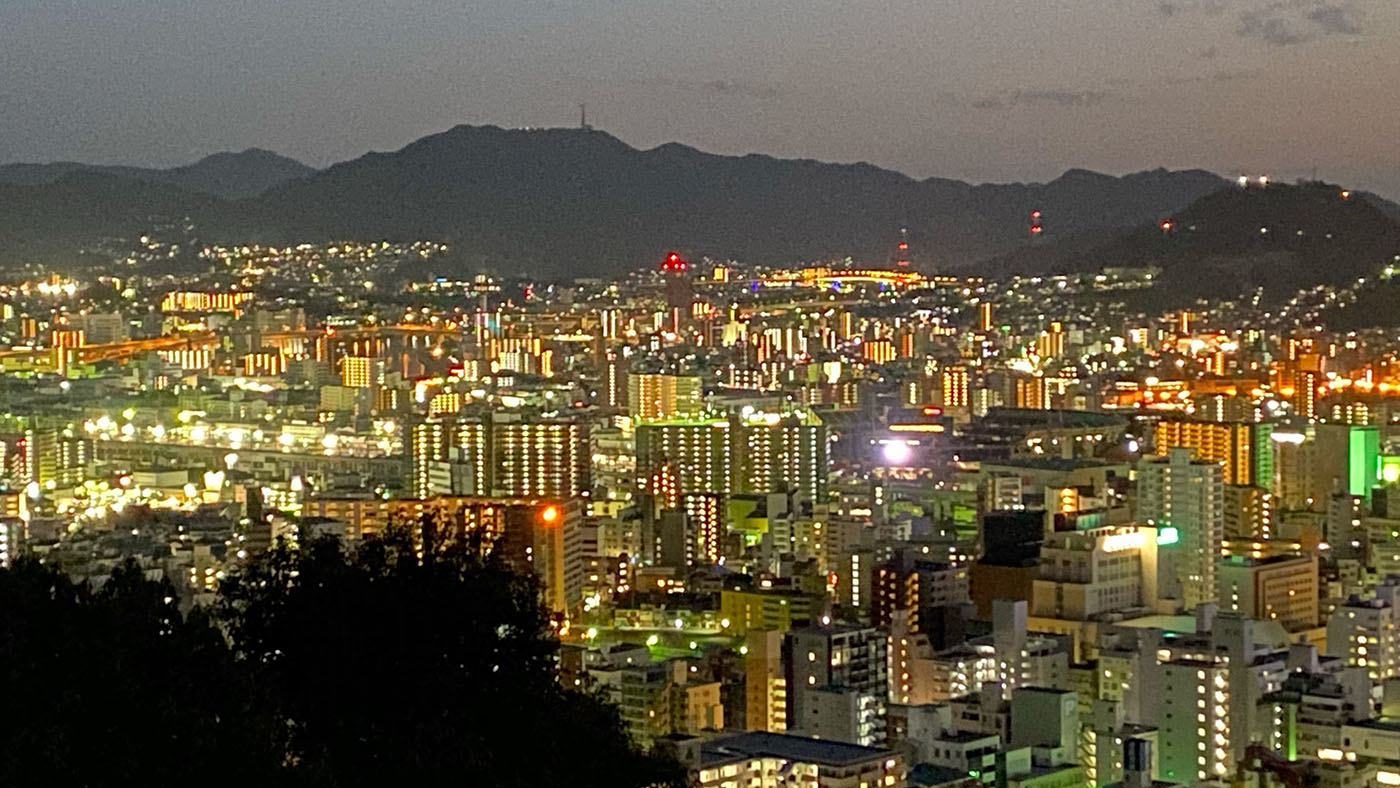
Kanazawa at a glance
|
Topic |
What to expect |
Handy tip |
|
Best for |
History, gardens, crafts, seafood |
Plan one “slow” block each day for wandering |
|
Time needed |
2 days suits most travellers |
1 day works if you keep to a tight walking loop |
|
Getting there |
Fast rail links from Tokyo; easy connections from Kyoto/Osaka |
Stay near Kanazawa Station for simple arrivals and day starts |
|
Getting around |
Walking + local bus |
The city’s main sights cluster into a few zones |
|
Vibe |
Polished, calm, traditional |
Evenings are great for quiet strolls and photos |
Is Kanazawa worth visiting?
Yes, especially if you value living culture over a checklist of famous landmarks. Kanazawa delivers “classic Japan” experiences in a smaller area, so you spend less time commuting and more time actually seeing things.
A few reasons it earns a place on many well-designed routes:
· Walkable historic districts
· One of Japan’s great gardens
· Craft traditions you can still watch up close
· Food that feels region-specific, not generic “tourist Japan”
If you’re travelling as a couple or pair, it’s also a city where private guiding can make a big difference. A short historical walk through the samurai area or a craft-focused afternoon can add context you won’t pick up from signage alone.
The historic heart: castle town planning you can still read today
Kanazawa grew as a powerful castle town under the Maeda clan. When you walk between Kanazawa Castle, the old samurai district, and the merchant areas, the city’s social layout becomes visible: who lived close to the centre of power, who worked in trade, and where entertainment districts developed.
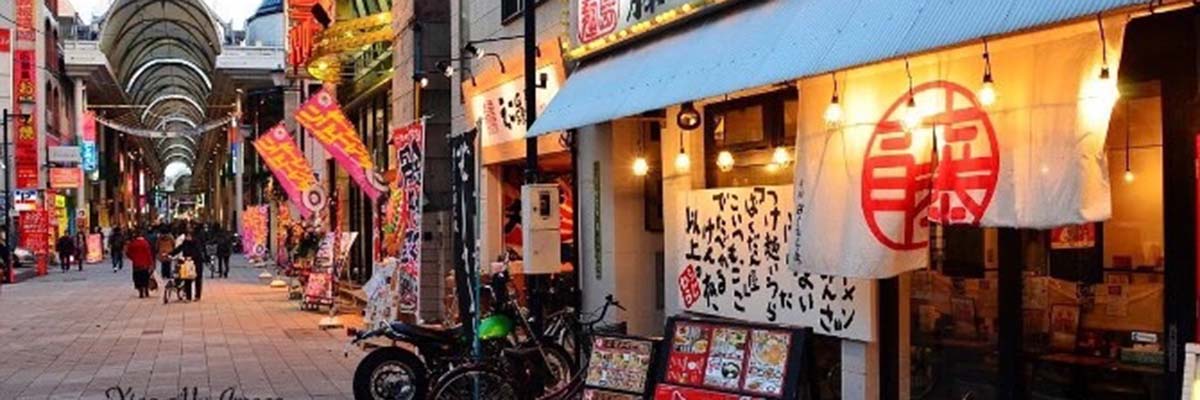
Kanazawa Castle
Much of the castle you see today is reconstructed, though it’s still worth your time. The detail is the point. Timber joinery, plaster work, rooflines, and defensive gates show traditional building methods that are hard to appreciate from a book.
Pairing the castle grounds with a guided explanation can turn it from “nice buildings” into a story about strategy, wealth, and aesthetics.
Kenrokuen Garden
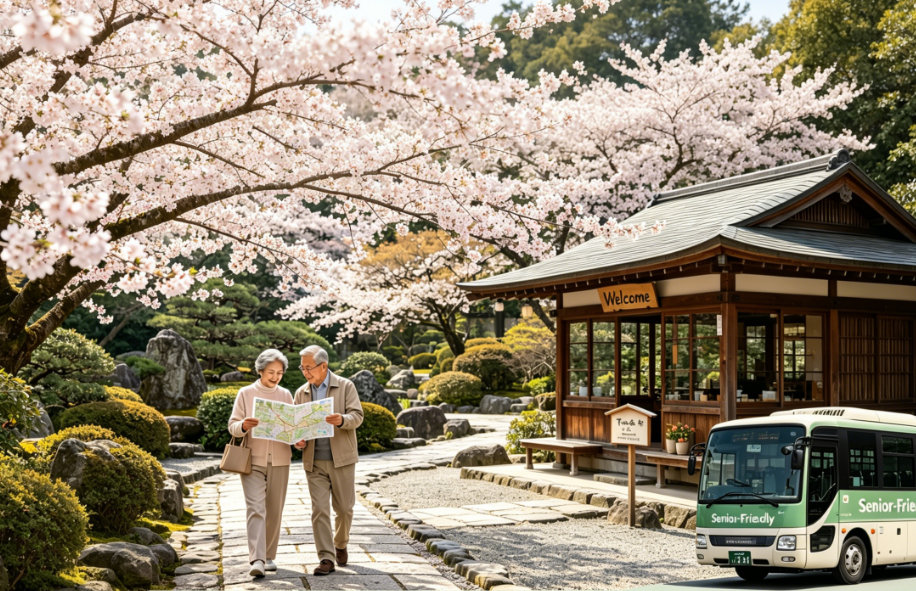
Kenrokuen is often listed among Japan’s top gardens, and it earns that reputation through careful composition rather than sheer scale. Ponds, stone bridges, pine supports, and borrowed scenery from surrounding hills create a landscape that changes with weather and season.
Go early if you want the quiet. Go late afternoon if you want softer light.
Samurai history you can walk through: Nagamachi
Nagamachi is where Kanazawa’s samurai legacy feels most real. Narrow lanes, mud walls, and small canals create a restrained atmosphere that matches the class’s formal ideals.
Some former residences are open, and they’re worth considering even if you’ve visited castles elsewhere. The interest is domestic: room layout, gardens designed for contemplation, and subtle design choices that signal rank.
A small note for travellers who love photos: rain suits Nagamachi. Wet stone and dark walls add texture, and the streets can feel almost cinematic.
Chaya districts: teahouse culture without the crush
Kanazawa has several preserved chaya districts, with Higashi Chaya being the most visited. These streets are pretty in daylight, though they’re at their best when you treat them as more than a quick snapshot.
Pop into a teahouse interior if you can, or choose a quiet time of day and simply walk. If you’re interested in traditional music and performance culture, a private guide can help explain what a teahouse was, who it served, and how that world functioned socially.
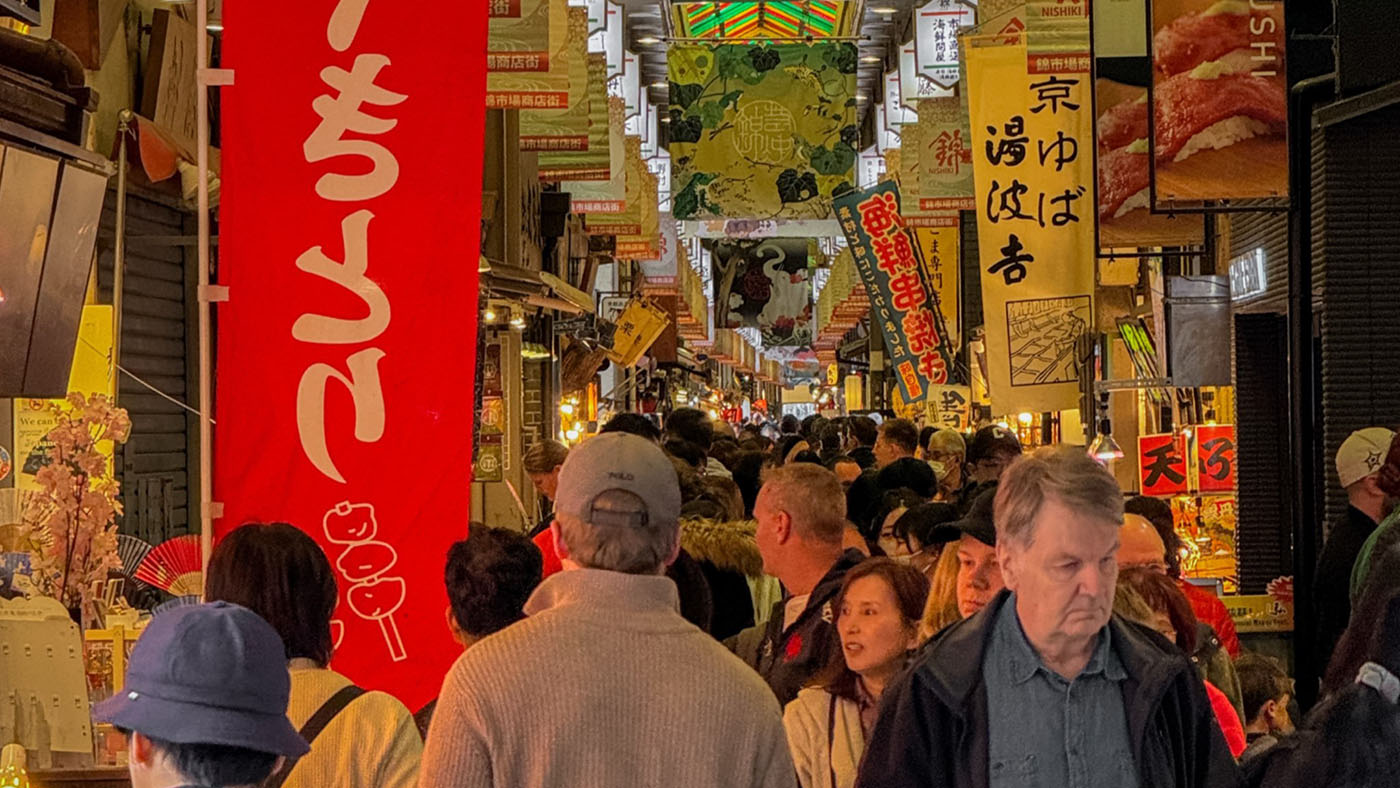
Crafts that are still living traditions
Kanazawa is known for refined handwork, supported historically by the Maeda clan’s patronage of the arts. The city remains a centre for gold leaf, lacquerware, Kutani ceramics, and silk dyeing, and many studios are still active.
If you like experiences that involve learning by doing, Kanazawa is a strong choice. These activities also fit well into a couple’s itinerary because they’re indoor, weather-friendly, and naturally paced.
Here are a few craft experiences that tend to suit short stays:
· Gold leaf application: Try placing gold leaf on a small item (often chopsticks or a dish)
· Lacquerware studio visit: Learn how layers build depth and shine over time
· Kutani ware painting: Hand-paint a small ceramic piece to take home
· Yuzen-style dyeing: See how pattern and colour are applied with control and patience
If you prefer browsing to workshops, craft shops in Kanazawa often stock high-quality everyday items, not just souvenirs.
Food in Kanazawa: seafood, markets, and calm dining
Kanazawa’s coastal access and winter conditions shape its food culture. Seafood is a highlight, and the city does a good line in seasonal dining that feels local rather than staged.
Omicho Market
Omicho Market is often called Kanazawa’s kitchen. You can snack your way through in under an hour or linger longer for a sit-down bowl of seafood on rice. Going earlier in the day gives you the best sense of it as a working market.
Kaiseki and quiet counters
If you enjoy multi-course meals, Kanazawa is a good place to book a kaiseki dinner. You’ll also find excellent small restaurants where the focus is a few perfectly done dishes rather than a long menu. If you have dietary needs, planning ahead matters more here than in bigger cities, where options are broader.
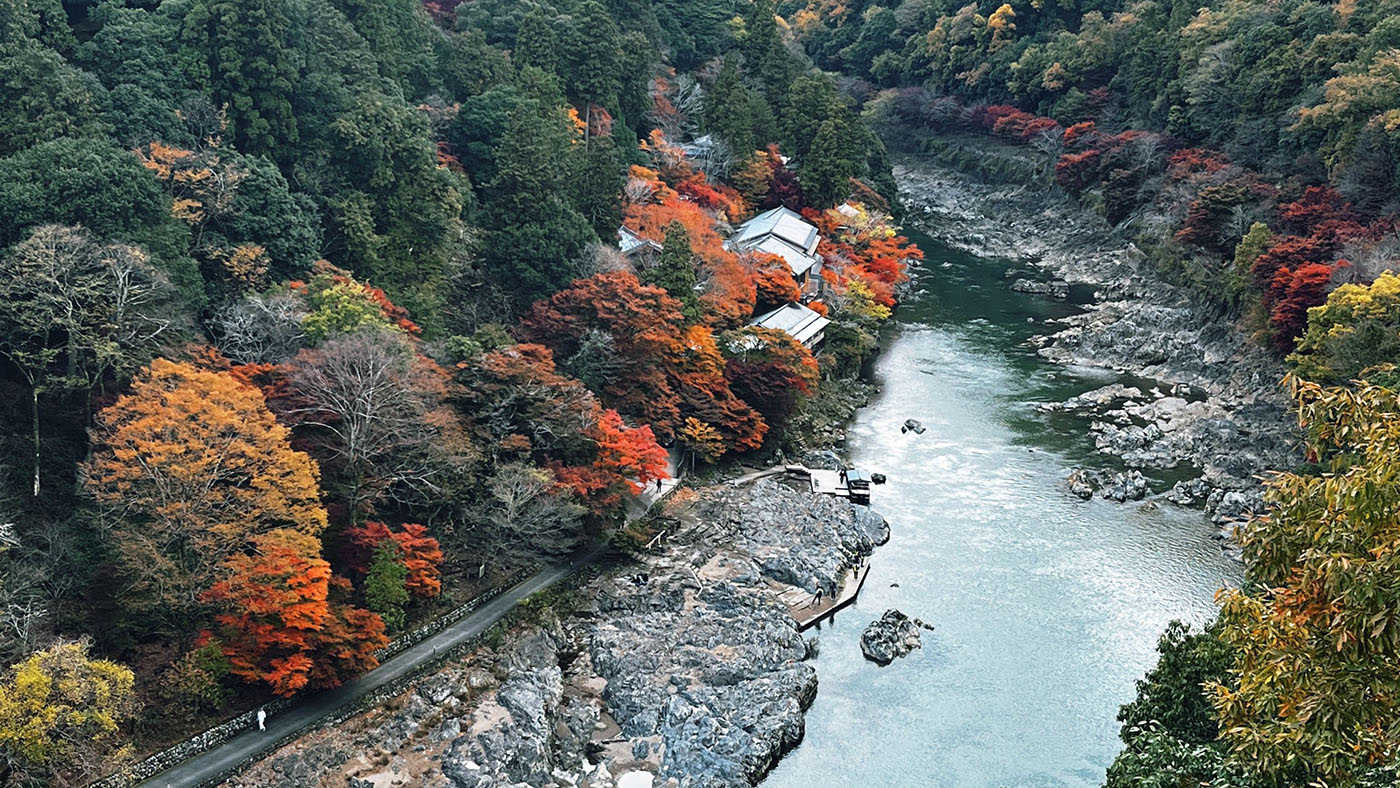
A practical way to see Kanazawa in one full day
If your itinerary is tight, you can still get a rich Kanazawa experience by keeping your route compact and avoiding backtracking. This order suits most travellers staying near the station or in the city centre:
1. Kenrokuen Garden early, before tour groups
2. Kanazawa Castle grounds and key gates
3. Lunch at Omicho Market
4. Nagamachi Samurai District mid-afternoon
5. Higashi Chaya toward late afternoon, staying into early evening
This is a full day, though it won’t feel frantic if you keep museum time selective.
Two or three days: the sweet spot for couples and culture lovers
Two days is ideal for most people. It lets you slow down, include a craft session, and enjoy dinner without feeling like you’re racing daylight.
Three days can make sense if you want a deeper craft focus or a nearby side trip. Options can include coastal scenery, hot springs in the wider region, or pairing Kanazawa with the Japanese Alps.
Private trip design can help here, because transport connections, luggage handling, and timing can make the difference between “busy” and “pleasant”.
Kanazawa or Takayama: which suits you better?
This comparison comes up a lot because both are popular add-ons between Tokyo and Kyoto.
Kanazawa suits travellers who want a cultured city base: gardens, museums, craft lineages, and historic districts that are easy to reach from a comfortable hotel.
Takayama suits travellers who prefer a smaller mountain-town feel: timber streetscapes, alpine food culture, and access to rural villages.
Many itineraries work beautifully with both, using Kanazawa for heritage city experiences and Takayama for countryside contrast. The order depends on season, train timetables, and whether you want to minimise hotel changes.
When to go, and what each season feels like
Kanazawa is a year-round destination, though the atmosphere shifts a lot.
Spring brings fresh greenery and soft light in the garden. Autumn is crisp and colourful, with comfortable walking temperatures. Winter has its own charm, especially when snow dusts Kenrokuen and the seafood is at its peak, though you’ll want warm layers and weather flexibility. Summer is lively but humid, so early starts and indoor craft time can be a smart plan.
Getting there and getting around, without fuss
From Tokyo, the Hokuriku Shinkansen makes Kanazawa straightforward. From Kyoto and Osaka, routes are still easy, though they may involve a transfer depending on current rail services. If you’re travelling with larger luggage, consider forwarding bags so you can move between cities without dragging cases through stations.
In town, walking does a lot of the work. For longer hops, local buses are practical, and taxis are useful when you want to protect time or avoid hills and heat.
How Three Bears Travel can fit Kanazawa into a Japan route
Kanazawa is a good example of a place that benefits from thoughtful pacing. It’s not hard to “see”, yet it’s easy to miss what makes it special if you rush between photo spots.
Three Bears Travel designs private, tailor-made Japan trips for two travellers, often using Kanazawa as a cultural counterpoint to Tokyo’s energy and Osaka’s food scene. With local guidance, a private vehicle when it suits, and help booking craft sessions or dining, the city becomes less about logistics and more about texture: materials, stories, and the small choices that make Kanazawa feel distinct.
Quick FAQs
Is Kanazawa good for first-time visitors to Japan?
Yes. It’s calm, clearly signposted in key areas, and compact enough that you won’t spend half your day in transit.
How long should you spend in Kanazawa?
One full day covers the main sights. Two days is comfortable. Three days suits travellers adding craft workshops or nearby excursions.
What is Kanazawa best known for?
Kenrokuen Garden, samurai-era districts, gold leaf production, refined crafts, and excellent seafood.
Is Kanazawa Castle original?
Many parts have been reconstructed, though the workmanship and layout still communicate the scale and style of a major castle town.
Is it still worth visiting if you’ve been to Kyoto?
Yes, because the experience is different. Kanazawa has similar cultural depth, with a quieter pace and its own craft identity.