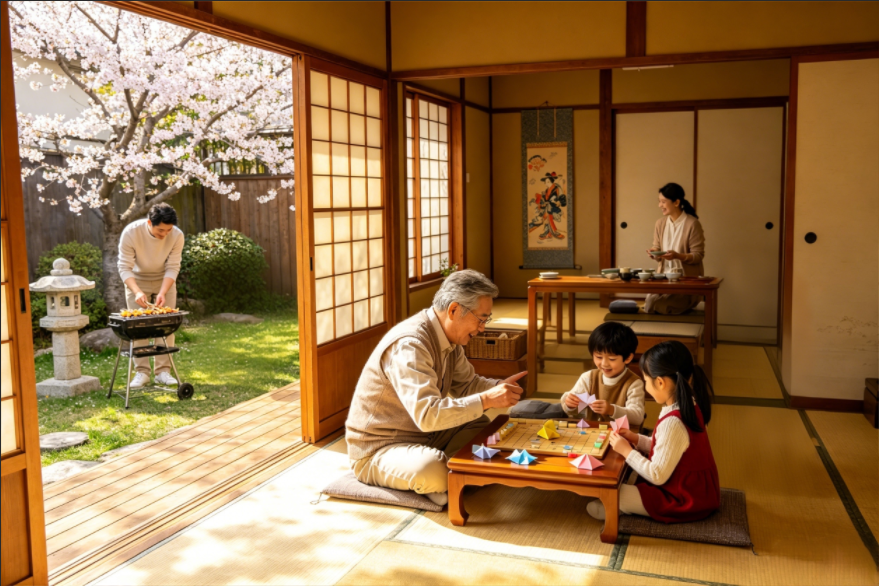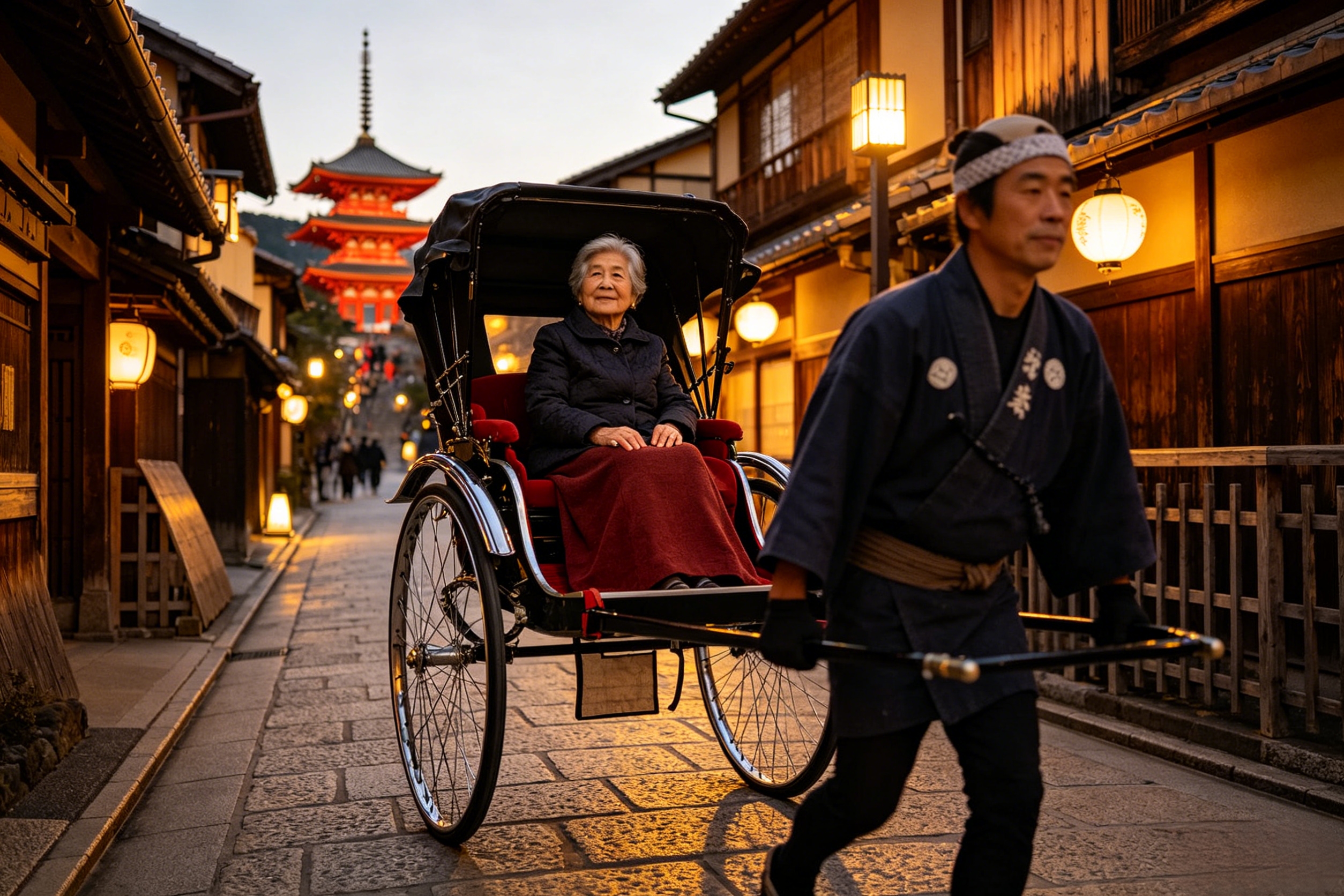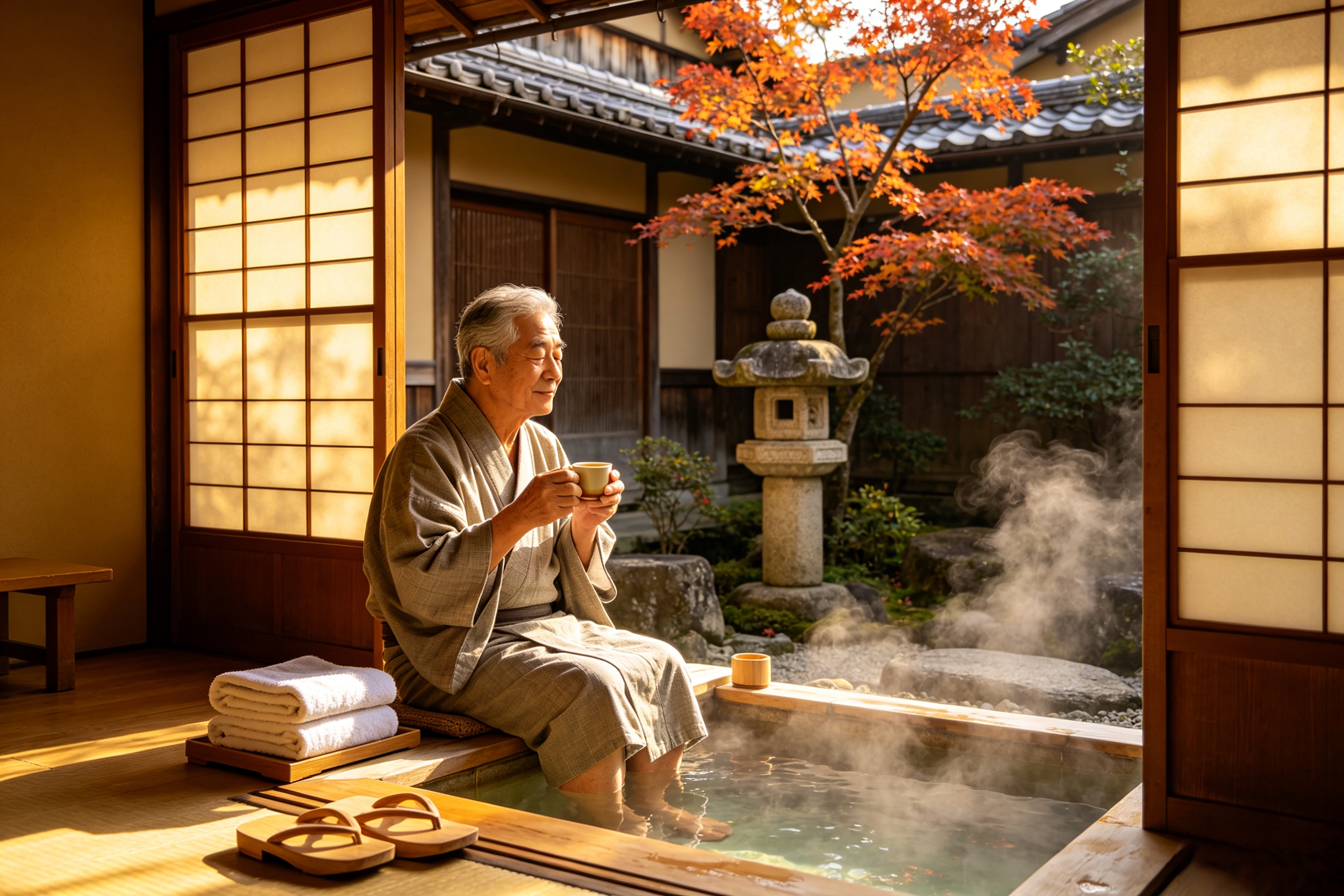
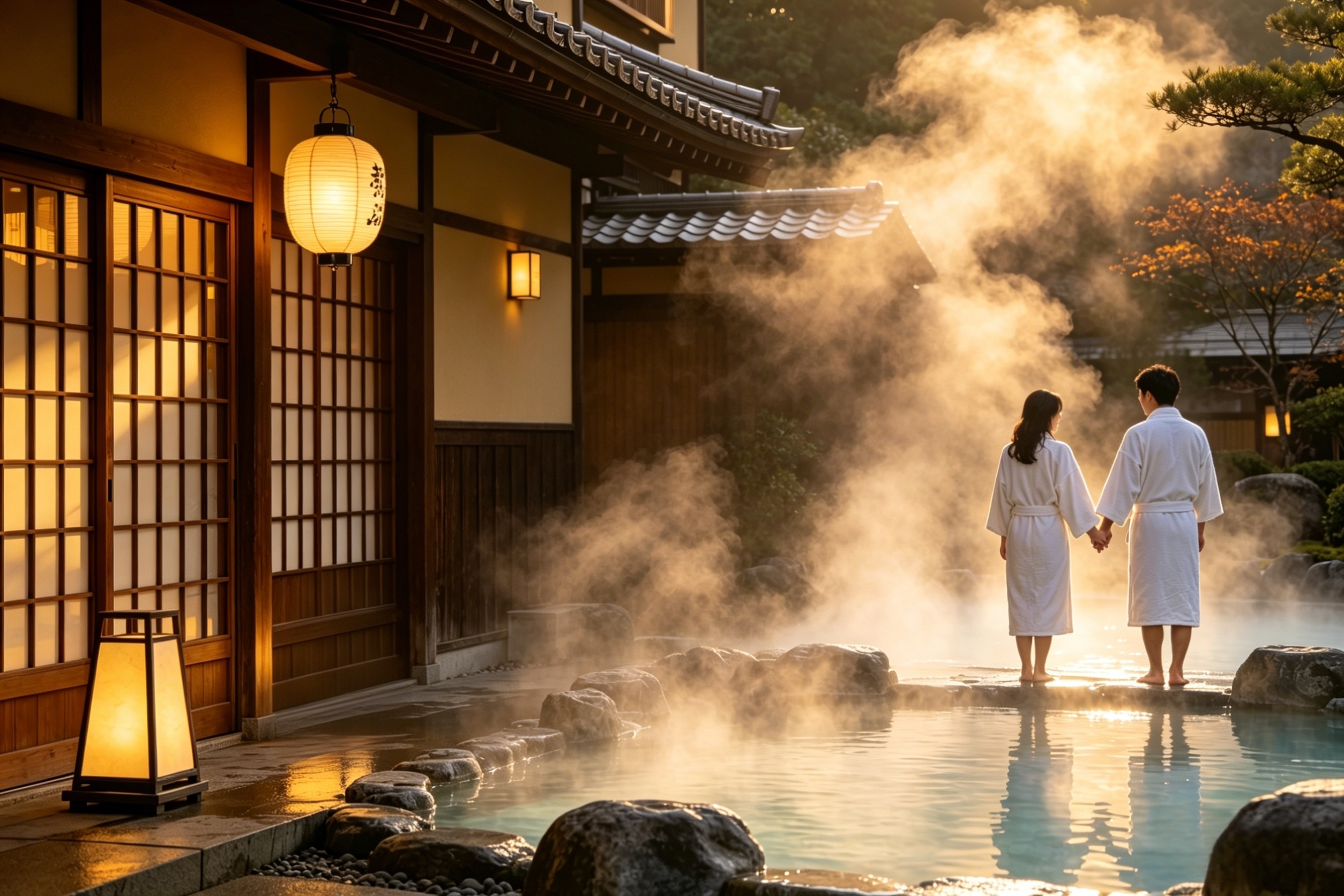
Japan has a rare kind of romance. It is quiet rather than flashy, refined rather than overstated, and full of moments that feel deeply personal. A lantern-lit lane in Kyoto, a private bath facing a cedar forest, a late-night sushi stop in Osaka after hours of walking hand in hand—these are the memories that tend to stay with couples long after the flight home.
For couples planning a japan honeymoon australia trip, that balance is especially appealing. Japan feels exciting without feeling chaotic, luxurious without always being extravagant, and beautifully structured for two. With the right pacing, a honeymoon here can move from city glamour to mountain calm and back again, all with remarkable ease. For a seamless and personalised experience, many couples choose to plan their journey with Three Bears Travel, a specialist in crafting romantic Japan itineraries.
Why Japan is ideal for a honeymoon from Australia
Japan suits Australian and New Zealand travellers for practical reasons as well as romantic ones. Flight connections are straightforward, travel standards are high, and the country feels safe and orderly. That matters on a honeymoon. You want novelty and beauty, but you also want the trip to feel easy.
There is also a cultural quality that makes Japan stand out. Hospitality is not treated as a performance. It is built into the experience. In a good ryokan, every detail is considered, from the way tea is served on arrival to the timing of dinner and the way your room is prepared for the evening. For couples, that level of care feels intimate in the best possible way.
A well-planned romantic japan trip can give you several different versions of romance in one holiday. Tokyo offers style, rooftop views and hidden cocktail bars. Hakone brings mountain air and private onsen. Kyoto adds ceremony, beauty and stillness. Kinosaki Onsen gives you the old-world charm of strolling through town in yukata. Osaka rounds things out with brilliant food and a more playful energy.
|
Season |
Why couples love it |
Things to keep in mind |
|
Late March to early April |
Cherry blossoms, soft light, iconic scenery |
Peak demand and higher prices |
|
May |
Pleasant weather, fresh greenery |
Popular holiday periods can affect availability |
|
October to November |
Autumn leaves, crisp air, fewer crowds than sakura peak |
Top ryokan still book early |
|
December to February |
Snowy onsen settings, cosy ryokan atmosphere |
Cold weather, some rural areas need more planning |
What a ryokan stay adds to a honeymoon in Japan
A ryokan is not just accommodation. It changes the pace of the trip. Shoes come off, voices lower, meals become an event, and time slows down. For many couples, this becomes the emotional centre of the honeymoon.
The traditional details are part of the appeal. Tatami flooring, futon bedding, yukata robes, sliding doors and seasonal kaiseki dining all create a sense of occasion. Yet the most memorable part is often the rhythm. You arrive, settle in, soak, dine, rest, then wake to a Japanese breakfast and another bath before the day begins. It is restorative and quietly romantic.
For an onsen honeymoon japan experience, the room itself matters as much as the property. Some ryokan are elegant but not especially private. Others are ideal for honeymooners, with open-air baths attached to the suite, garden views and dining served in-room or in a secluded setting. That privacy can make a major difference.
When comparing options, it helps to focus on a few key features:
· Private bath: an in-room onsen or rotenburo gives you complete privacy
· Meals included: kaiseki dinner and breakfast often deliver excellent value
· Setting: forest, mountain, river or garden views create a stronger sense of retreat
· Dedicated room attendant
· Easy station transfers
· Adult-focused atmosphere
The phrase best ryokan honeymoon japan means different things to different couples. Some want polished luxury and famous names. Others want authenticity, warmth and a beautiful bath without a sky-high rate. The best choice is the one that fits your pace, budget and idea of romance.
If you’re seeking expert guidance on selecting the perfect ryokan or arranging private experiences, Three Bears Travel’s Japan honeymoon specialists can help you find the ideal match for your style and budget.
 A 14-day Japan honeymoon itinerary with romance built in
A strong japan honeymoon itinerary should feel layered rather than rushed. You do not need to tick off every major city. Honeymoons work best when there is enough time to settle into each place, dress for dinner, take the long route back to the hotel, and leave room for serendipity.
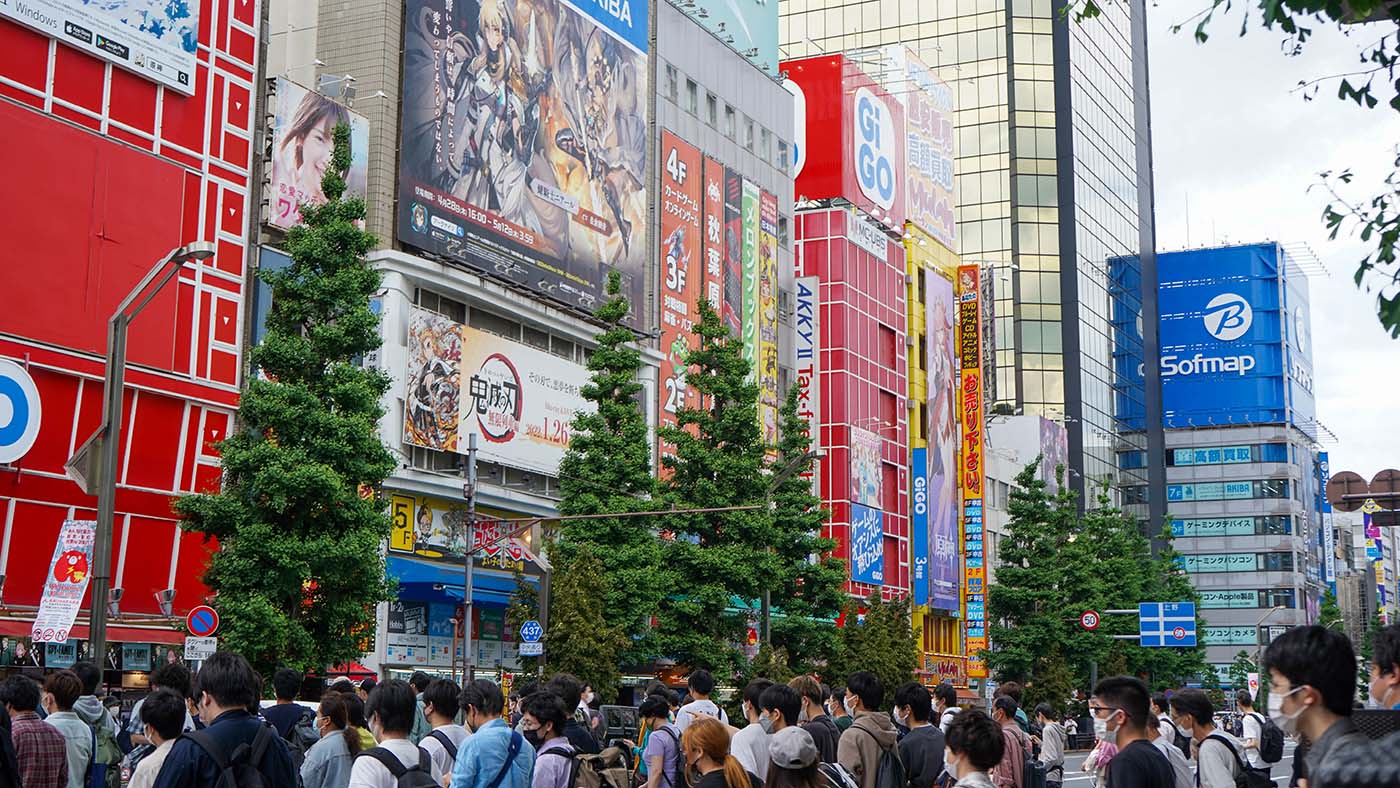
Days 1 to 3: Tokyo for style, energy and indulgence
Tokyo is a smart starting point. After arriving from Australia, it offers comfort, excellent hotels and enough variety to ease into the trip without pressure. Base yourselves in an area like Ginza, Marunouchi or Shibuya if you want a polished city stay.
A honeymoon version of Tokyo might include a private sake tasting, a dinner omakase experience, a slow afternoon in Daikanyama or Aoyama, and drinks in a discreet Ginza bar where the service feels almost theatrical. Tokyo also does luxury exceptionally well, so it is a good place to begin with a few splurges.
Days 4 to 6: Hakone for Mt Fuji views and private onsen
Hakone is one of the classic honeymoon stops for good reason. It is accessible from Tokyo, scenic, and home to some of the country’s most romantic ryokan. If the weather is clear, Mt Fuji adds a cinematic backdrop. Even when it is hidden by cloud, the area still feels special.
This is the point in the itinerary where the honeymoon slows. Check into a ryokan with a private bath, arrive early enough for a long soak before dinner, and leave space for doing very little. A lake cruise or a ropeway ride can be lovely, though many couples remember the hours spent at the ryokan more vividly than the sightseeing.
Days 7 to 9: Kyoto for beauty, ritual and early-morning stillness
Kyoto feels made for couples. Its romance is not loud. It appears in stone lanes after rain, temple gardens at first light, and the calm formality of a tea room. Staying in Higashiyama or nearby keeps you close to some of the city’s most atmospheric walks.
A private dawn visit to a temple or shrine can be extraordinary, especially when the usual crowds have not yet arrived. Fushimi Inari at sunrise with a local guide is a strong option. So is a private tea ceremony for two, where the pace and attention to detail turn a cultural activity into something much more intimate.
Days 10 to 11: Kinosaki Onsen for classic hot-spring town charm
Kinosaki Onsen offers a different mood again. It is compact, traditional and easy to enjoy as a couple. The town’s appeal lies in simplicity: willow-lined canals, wooden bridges, yukata robes, and a gentle routine of bath-hopping and snacking between soaks.
There are seven public baths, and many ryokan also have private bathing options. You can spend the day moving slowly through town, stopping for crab in season, local sweets or a quiet coffee, then return to your inn for dinner. If you want your honeymoon to include one place that feels distinctly old Japan, Kinosaki earns its place.
Days 12 to 14: Osaka for food, playfulness and a modern finish
Osaka is an excellent final stop. After the stillness of ryokan stays and temple districts, it brings a lighter mood. It is sociable, delicious and easy to enjoy without overplanning. That makes it a lovely place to end a honeymoon.
A Michelin-starred dinner can sit comfortably alongside street food and late-night bites. One evening might be refined and elegant; the next could be takoyaki, kushikatsu and conveyor-belt sushi after a long wander. Romance does not always need candles and hushed dining rooms. Sometimes it is sharing excellent food in a city that feels alive around you.
 Best ryokan and onsen areas for honeymooners
Not every ryokan town offers the same experience. Some are ideal for a single indulgent night, while others deserve a longer stay. Choosing the right region can shape the tone of the whole honeymoon.
Hakone remains one of the most reliable choices for first-time visitors. It works well logistically, and the quality of ryokan is high. Kyoto is less about onsen culture and more about intimacy, design and history. Kinosaki Onsen feels more traditional and immersive, especially if you like the idea of wearing yukata around town.
|
Area |
Honeymoon style |
Typical price guide |
Best for |
|
Hakone |
Luxury ryokan, private baths, mountain scenery |
From about AU$700+ for top properties |
Classic romantic escape |
|
Kyoto |
Historic boutique ryokan, refined service |
Wide range, often premium in peak season |
Culture and atmosphere |
|
Kinosaki Onsen |
Traditional onsen town, bath-hopping |
Mid-range to luxury |
Old Japan charm |
|
Kyoto budget option |
Smaller ryokan with private bath access |
Around AU$250+ in some seasons |
Value-focused romance |
A few names are frequently mentioned by honeymooners for good reason. Gora Kadan in Hakone is known for polished luxury and excellent dining. Tawaraya in Kyoto has an almost legendary reputation for intimacy and heritage. Nishimuraya in Kinosaki Onsen suits couples who want a classic town ryokan experience. Budget-conscious couples often look at smaller Kyoto ryokan that offer private onsen sessions and warm, personal service.
Private experiences that make a romantic Japan trip feel personal
Japan already has atmosphere, but private experiences can turn a beautiful trip into one that feels distinctly yours. They create space, reduce friction and let you experience places at a gentler pace.
A few ideas stand out for honeymoons:
· Private tea ceremony in a garden setting
· Sunrise visit to Fushimi Inari before the crowds
· Couples cooking class for sushi or ramen
· Private sake brewery visit in Kyoto’s Fushimi district
Dining deserves its own attention as well. Kaiseki is often treated as the pinnacle of romantic dining in Japan, and with good reason. The pacing, precision and seasonality make it feel ceremonial. Booking well ahead matters, especially in Kyoto. A top restaurant can be full months in advance.
That said, not every memorable meal needs to be formal. Some of the best honeymoon evenings are the relaxed ones.
· Kaiseki dinner: ideal for your ryokan nights and special city reservations
· Izakaya evening: intimate, social and excellent for sharing many small plates
· Late-night sushi: perfect after an evening walk in Osaka or Tokyo
· Hotel bar nightcap: an easy way to add glamour without overplanning the night
Japan honeymoon planning tips for Australian couples
The best Japan honeymoons look effortless on the surface because the planning was done early. This matters most for cherry blossom season, autumn foliage periods and high-end ryokan with private baths. The most desirable rooms are limited, and they do not linger.
Flights from Australia are straightforward, but the ground arrangements deserve real care. Ryokan meals, train timings, luggage forwarding, station pickups and special dining reservations all shape the flow of the trip. A private travel specialist or local expert can take much of that off your plate, which leaves more room to enjoy the trip itself.
A few practical tips can make a real difference:
· Book early: top ryokan and best-value flights can go quickly, especially for sakura and autumn
· Mix stay styles: combine city hotels with ryokan nights so the honeymoon has contrast
· Pack lightly: Japan is easy to move through when you are not hauling large cases
· Check onsen rules: tattoos, private bath options and gender-separated baths vary by property
· Leave breathing room: one unscheduled afternoon in each stop often becomes a favourite memory
For many couples, November hits a sweet spot. The colours are rich, the air is crisp and the crowds are often more manageable than peak blossom season. Late March and early April remain iconic, though they require the earliest booking window and a little more patience.
The real luxury on a honeymoon is not only where you stay. It is how the trip feels. When the right rooms, private experiences and train connections are set up properly, Japan gives couples the rare chance to be fully present with each other in one of the most romantic settings in the world.
For more inspiration and to start planning your dream honeymoon, explore the curated itineraries and expert advice from Three Bears Travel.
 Japan Honeymoon FAQ
Embarking on a Japan honeymoon from Australia promises an unforgettable experience filled with romance, unique cultural encounters, and breathtaking landscapes. Here are some frequently asked questions to help guide your planning.
What makes Japan a great honeymoon destination for Australians?
Japan’s blend of beauty, safety, and diverse experiences makes it a standout destination. It's a place where you can seamlessly transition from vibrant cities to tranquil natural settings.
When is the best time to plan a honeymoon in Japan?
Late March to early April for cherry blossoms or October to November for autumn foliage are ideal, though each season offers its own charm.
How can couples make their honeymoon feel personal?
Incorporate private experiences like a tea ceremony, sake brewery tour, or a private temple visit to add a personal touch to your honeymoon.
What is the difference between a ryokan and a regular hotel?
A ryokan offers a traditional Japanese experience with tatami mat rooms, yukata robes, and multi-course meals, often featuring private onsen baths and a more intimate atmosphere.
How should couples structure their Japan honeymoon itinerary?
Balance is key. Blend city adventures with serene ryokan stays, allowing time to immerse in each locale without hurrying.
How important is it to book experiences and accommodations in advance?
Advance booking is crucial, especially during peak seasons, to secure the best accommodations and dining experiences.
Are there any cultural considerations for ryokan stays?
Yes, it’s essential to adhere to customs like off-shoes policy, wearing yukata, and observing onsen etiquette.