

Traveling to China is an adventure filled with breathtaking landscapes, vibrant cities, and rich cultural experiences. For international visitors—especially those from Australia, New Zealand, and North America—peace of mind about healthcare is an important part of planning a worry-free trip. Whether you’re simply curious about local healthcare or want to combine travel with a health check-up or specialist consultation, understanding China’s healthcare efficiency can help you make the most of your journey.

Discovering China: A Destination for Modern Travellers
China’s allure lies in its seamless blend of ancient wonders and modern marvels. From the Great Wall and the Terracotta Warriors to the bustling streets of Shanghai and the tranquil gardens of Suzhou, every corner offers something unique. As you plan your itinerary, it’s natural to consider your wellbeing on the road. For many travellers, knowing that efficient, high-quality healthcare is available adds an extra layer of confidence and comfort.

Why Healthcare Efficiency Matters for Travellers
When you’re far from home, the last thing you want is to spend days waiting for appointments or test results. Healthcare efficiency is about how quickly and smoothly you can be seen, tested, and treated—minimising disruption to your travel plans and maximising your enjoyment of China’s rich culture and scenery.
For visitors from Australia and New Zealand, where public healthcare systems are trusted but often slow for non-urgent issues, China’s approach can be a welcome surprise. In major Chinese cities, it’s common to see a doctor, complete diagnostic tests, and receive results all in one day—even in large public hospitals.
Comparing Healthcare Efficiency: China vs Australia & New Zealand
The Australian and New Zealand Experience
Australia and New Zealand are known for their high clinical standards and universal healthcare. Residents benefit from systems that prioritise long-term health, prevention, and continuity of care. However, these systems often involve waiting for non-urgent GP appointments, specialist referrals, and diagnostic tests. For travellers, this can mean more time spent waiting and less time exploring.
· GP appointments: Can take several days to secure, especially in busy urban areas.
· Specialist access: Usually requires a GP referral, followed by additional waiting periods.
· Diagnostics: Tests may require separate appointments, with results sometimes taking days to return.
· Elective procedures: Prioritised by clinical need, not convenience, leading to long waiting lists for non-urgent care.
China’s Efficient Healthcare System
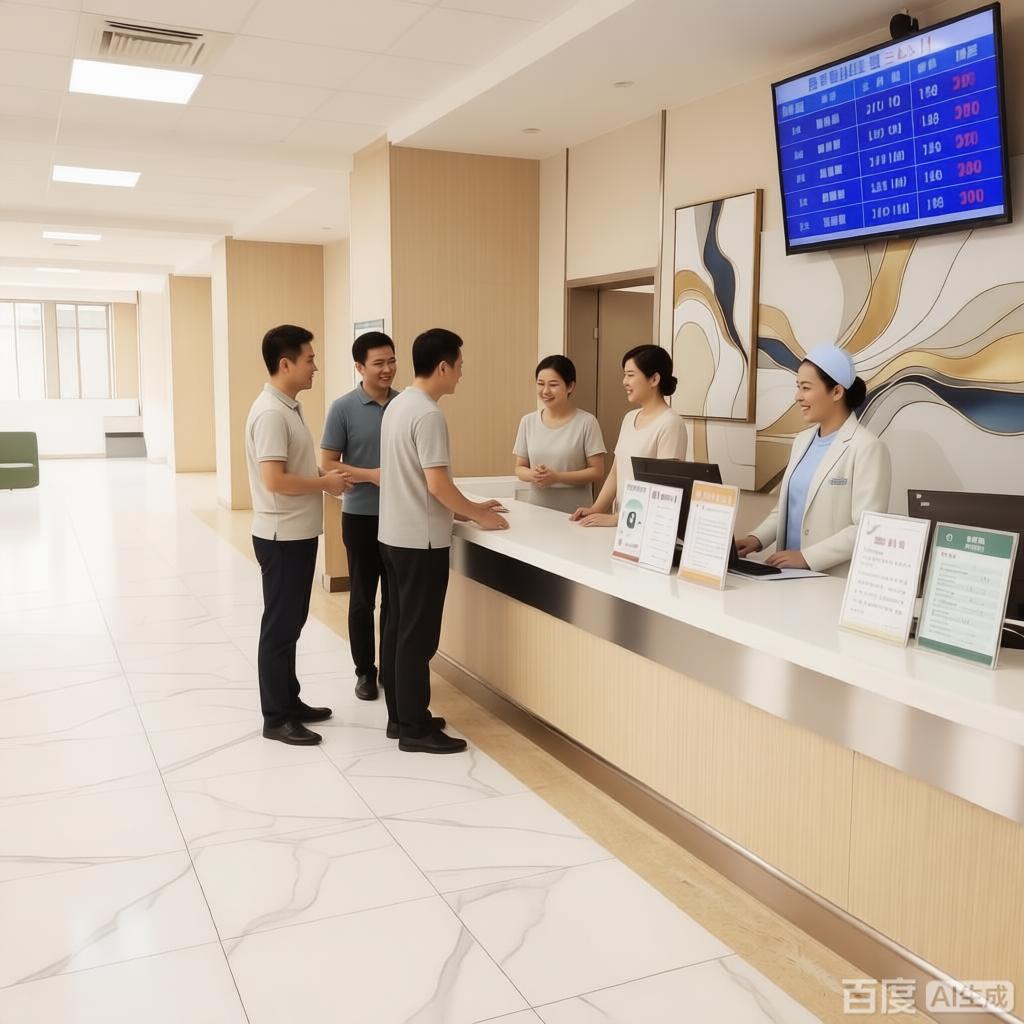
China’s healthcare system is hospital-centred, especially in major cities. Patients often go directly to hospital outpatient departments, register, and see a clinician—no GP referral required. Hospitals in major cities are designed for high patient volumes, with many specialties available under one roof. This structure allows for rapid movement from assessment to diagnostics and treatment, making it especially attractive for travellers with limited time.
· Direct access: Patients can see specialists without a referral, often on the same day.
· On-site diagnostics: Blood tests, X-rays, and ultrasounds are usually performed in-house, with results available within hours.
· International clinics: Many hospitals in cities like Beijing, Shanghai, and Guangzhou have international departments with English-speaking staff and Western-style care standards.
· Flexible payment: Most facilities accept major credit cards, and documentation is provided for insurance claims.
Fact: According to the World Health Organization, China’s average waiting time for outpatient specialist appointments in urban hospitals is typically less than 48 hours, compared to several weeks in Australia and New Zealand.
|
Indicator |
China |
Australia |
New Zealand |
Source |
|
Doctors per 1,000 people |
2.4 |
4.1 |
3.6 |
|
|
Nurses per 1,000 people |
3.6 |
12.4 |
12.9 |
|
|
Healthcare spending per capita (USD) |
~$800 |
~$6,800 |
~$5,400 |
|
|
Average outpatient visit cost |
$9–$80 USD |
$50–$100 AUD (private, without Medicare) |
$50–$100 NZD (private, without public funding) |
|
|
Avg. wait for specialist appointment |
< 48 hours (urban hospitals) |
30–60 days (public system) |
38–60 days (public system) |
|
|
Avg. ER wait time |
~1 hour |
50% seen within 19 min; 90% within 2 hours |
80% seen within 6 hours |
|
|
Hospital equipment investment |
Rapid growth, especially in urban tertiary hospitals; strong government digital health push |
$7.3 billion AUD in medical equipment manufacturing (2024–25) |
Growing, with strong focus on exports and imports |
|
|
Doctors’ average weekly working hours |
50+ (urban hospitals, estimate) |
40–46 |
44.5 |
All figures are the latest available as of 2024–2025. For public system costs in Australia and New Zealand, residents may pay less or nothing due to government funding; private and overseas visitor rates are shown for comparison.

What to Expect: The Patient Journey in China
For visitors, the efficiency of China’s healthcare system is most noticeable in the speed of outpatient care and diagnostics. Here’s what a typical experience might look like:
1. Registration: Present your passport and register at the hospital or clinic. Many facilities now offer digital registration and payment options.
2. Consultation: See a clinician, often without a prior appointment. In international clinics, appointments can be booked in advance for added convenience.
3. Diagnostics: Blood tests, X-rays, and ultrasounds are usually performed on-site, often within the same day.
4. Results and Treatment: Results are typically available within hours, allowing for immediate follow-up and treatment planning.
5. Payment: Payment is made at the point of service. Most international clinics accept major credit cards and can provide documentation for insurance claims.
Practical Tips for Travellers
· Bring your travel insurance details, a list of current medications (with generic names), and a brief medical history.
· Many hospitals offer translation services, but having key information ready in English and Chinese can speed up your visit.
· If you have a chronic condition, consider carrying a letter from your GP summarising your health status and treatment plan.

Healthcare Efficiency in Action: Real-World Scenarios
Imagine you develop a minor health concern while exploring Beijing or Shanghai. In Australia or New Zealand, you might wait days for a GP appointment, then more days for a specialist or test results. In China, you could walk into a hospital outpatient department, see a doctor, complete tests, and receive a diagnosis—all within a single day. This efficiency means less time worrying and more time enjoying your trip.
For those interested in preventative care, China’s hospitals and international clinics offer comprehensive health screenings, dental check-ups, and even wellness consultations in traditional Chinese medicine. These services can be easily integrated into your travel itinerary, allowing you to combine sightseeing with proactive health management.

Safety and Quality: Choosing the Right Facility
China’s healthcare system includes a wide range of facilities, from large public hospitals to private international clinics. Tertiary hospitals in major cities are equipped with advanced technology and highly trained specialists. International clinics offer a more familiar environment for foreign visitors, with English-speaking staff and Western-style care standards.
Fact: Many Chinese hospitals are accredited by the Joint Commission International (JCI), a global standard for healthcare quality and safety.
When selecting a facility, consider your location, language needs, and the complexity of your medical issue. In major cities, you’ll find a concentration of internationally accredited hospitals and clinics, making it easy to access high-quality care.

Integrating Healthcare and Travel: A Modern Approach
Today’s travellers are increasingly interested in combining health and wellness with their journeys. Whether you want a routine check-up, a dental cleaning, or a consultation with a specialist, China’s efficient healthcare system makes it possible to fit these services into your itinerary without sacrificing sightseeing or relaxation. A tour like this balances gentle cultural sightseeing, natural healing landscapes and relaxation-focused wellness activities.
· Wellness retreats: Many destinations offer spa treatments, traditional Chinese medicine, and wellness programs.
· Health screenings: Comprehensive check-ups can be scheduled alongside your travel plans.
· Dental and vision care: High-quality clinics in major cities provide services at competitive prices.
By planning ahead, you can enjoy peace of mind and make the most of your time in China.

Frequently Asked Questions
Do I need to arrange medical appointments before I travel? Not always. For routine check-ups or wellness services, appointments can often be made on short notice, especially in international clinics.
Is healthcare in China safe for international travellers? Yes. Major cities have hospitals and clinics that meet international standards, with many accredited by global organisations.
Can I combine sightseeing with a health check or treatment? Absolutely. Many travellers schedule medical appointments in the morning and spend the rest of the day exploring.
What should I bring? Your passport, travel insurance details, and a list of any medications or health concerns. Having this information ready can streamline your visit.
How does payment work for international travellers? Most international clinics and hospitals accept major credit cards. You’ll pay at the point of service and can claim reimbursement from your travel insurance provider.
What if I don’t speak Chinese? Many international clinics have English-speaking staff. For public hospitals, translation support is available, but navigating the system can be challenging without local language skills or cultural knowledge.
The Value of Local Support
While China’s healthcare efficiency is a major advantage, navigating a new system in a different language and culture can be daunting. Registration processes, payment systems, and even finding the right department can be confusing if you’re not familiar with local practices. Language barriers may make it difficult to communicate symptoms or understand medical advice, and cultural differences can add another layer of complexity.
This is where having local guidance can make all the difference. A knowledgeable local guide or travel planner can help you:
· Choose the right hospital or clinic for your needs
· Arrange appointments and translation support
· Assist with registration, payment, and insurance documentation
· Ensure you understand your treatment options and follow-up care
Three Bears Travel offers this kind of support as part of our commitment to making your journey in China as smooth and enjoyable as possible. With our help, you can focus on the adventure, knowing that expert assistance is always close at hand.
Travel Well, Explore More
China’s efficient healthcare system is just one of the many reasons to visit this remarkable country. Whether healthcare is a priority or simply a reassurance, knowing you can access high-quality, timely care allows you to travel with confidence. By understanding the differences between China’s healthcare system and those in Australia and New Zealand, you can make informed choices and enjoy a seamless, enriching travel experience.
If you’re ready to explore China with confidence, consider how local expertise and support can enhance your journey. With the right preparation—and a little help from those who know the system best—you can experience the best of China, comfortably, safely, and at your own pace.