

A growing number of international travellers are planning trips that include medical appointments, not just sightseeing. Sometimes it starts with a long wait for a specialist at home. Other times it is the chance to book multiple tests quickly while already being overseas for work, family visits, or a long-planned holiday.
China sits in an interesting spot in this space. It is not widely sold as a “hospital plus resort” destination. Instead, it tends to appeal to practical travellers who want access to mainstream hospital care, reliable diagnostics, and efficient scheduling, then get back to their trip.
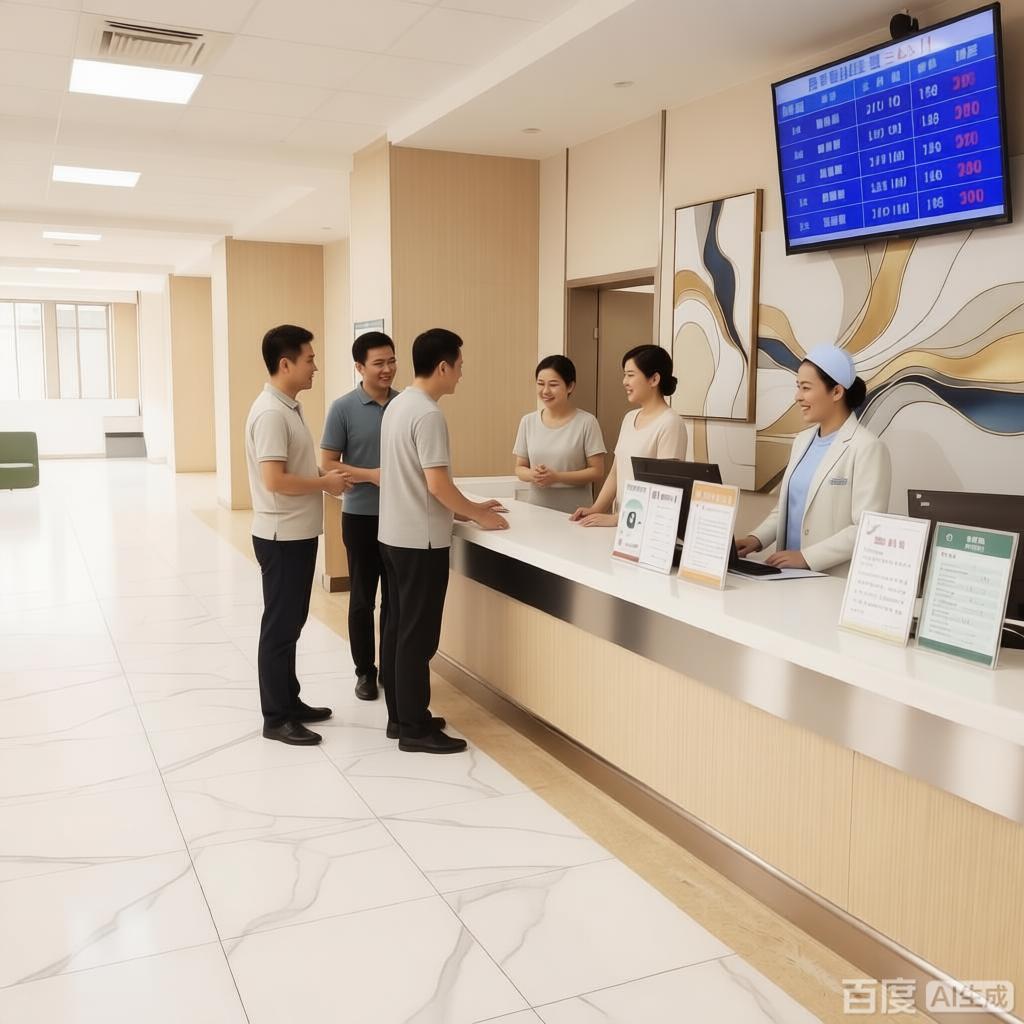
What medical tourism looks like in China
In China, medical tourism most often means arranging diagnostics, specialist consults, or follow-up care within large public hospitals and major city medical centres. These are typically busy, clinically focused environments designed primarily for local patients.
That shapes the experience in two ways. First, the care setting is usually straightforward rather than luxury. Second, the “tourism” element is often about fitting healthcare into a wider itinerary, not building a holiday around a recovery retreat.
Travellers who do best with this model are those comfortable with a city-hospital atmosphere and clear, practical goals: get tests done, speak to the right clinician, confirm a plan, then keep travelling.
Why some Australians and New Zealanders consider China for care
People from Australia and New Zealand often raise similar issues when they look at overseas medical options: wait times, limited specialist availability in their area, or the need to coordinate multiple tests across different appointments.
China can appeal because large hospitals in major cities may be able to schedule consults and investigations quickly, sometimes within the same day or over a short run of days. That can be valuable for travellers who want answers and a documented medical summary to take back to their GP or specialist at home.
Cost can be part of the equation, though it varies widely depending on the city, hospital tier, and what you need. It is also important to factor in translation support, transport, accommodation close to the hospital, and the practicalities of paying fees.

Who medical tourism in China suits (and who it doesn’t)
The best fit tends to be access-driven. That means people who mainly want timely appointments and testing, rather than a premium recovery setting.
The table below is a helpful way to sense-check whether the model matches your needs.
|
Traveller profile |
Why it can work in China |
Watch-outs to plan for |
|
Long waiting lists at home |
Faster access to consults and diagnostics in major city hospitals |
You still need copies of results in English, plus a plan for follow-up back home |
|
Travellers needing efficient testing |
Multiple tests can sometimes be done over 1 to 3 days |
Some tests require fasting, preparation, or repeat visits |
|
Long-stay visitors combining travel and care |
Appointments can be spaced out while you explore |
Fatigue, mobility limits, and transport time in big cities |
|
People seeking spa-style recovery |
Limited fit |
Public hospitals are clinical and busy, and recovery “packages” are not the norm |
|
Complex surgery requiring long inpatient stays |
Possible in some settings, but higher planning demands |
Post-op support, insurance exclusions, continuity of care, and medical clearance for flights |
A single sentence that matters: if you expect a resort environment, China’s mainstream hospital experience may feel confronting.
What to expect inside a public hospital
Major public hospitals in China are often high-volume and tightly organised. Many have international clinics or VIP departments that can simplify booking and communication, though availability differs by city and hospital.
You can also expect a more transactional flow than many Australians are used to: register, pay, attend the consult, then move to tests or pharmacy. That flow can be efficient, but only if you know where to go and how to move between departments.
Common appointment types that travellers plan around include:
· Specialist consultation
· Imaging and pathology
· Second opinion
· Follow-up review
· Medication review
If you have limited mobility, anxiety about hospital environments, or you are managing pain or fatigue, this is where private transport and a flexible daily plan make a real difference.
Do you need a medical tourism company or coordinator?
Some travellers are comfortable organising everything themselves, especially if they speak Mandarin and are familiar with local systems. Many are not, and that is where a coordinator can be useful.
A medical coordinator in China is often less about “selling” medicine and more about making the process workable for foreigners. They may assist with hospital selection, appointment scheduling, interpretation, and collecting records.
When you assess coordination support, look for practical scope and clear boundaries:
· Hospital matching: shortlisting suitable departments or clinicians for your needs
· Interpretation: in-consult support and help with forms and instructions
· Records management: requesting results, summaries, and translations where available
· Logistics: transport timing, appointment reminders, and payment guidance
· Limits: clarity on what they cannot do, including clinical decision-making
A coordinator should not replace medical advice. They should help you access it.
Fitting appointments into a travel itinerary without losing the holiday
One reason China can work for access-driven medical travel is that appointments and tests may be completed quickly, leaving genuine time to enjoy the destination. That said, “quick” does not mean “effortless”. Hospital visits can involve queues, walking between buildings, and sudden schedule changes.
A calmer approach is to plan your trip with breathing room. Think shorter sightseeing blocks, accommodation near the hospital, and a driver on standby on appointment days. If you are travelling as a couple, it also helps to plan a few low-energy options so the non-patient partner is not stuck in a waiting room all day.
Private, tailor-made touring is well suited to this style of travel because the pace can be adjusted day by day. A boutique operator like Three Bears Travel can build an itinerary around fixed medical bookings, then thread in cultural highlights, food experiences, or scenic day trips at a comfortable rhythm, with private guiding and transport so you are not juggling public transit on a high-stress day.
A practical pacing approach that works well
On appointment days, many travellers prefer a “one major thing” rule: one hospital visit, one simple outing, then rest. The outing might be a short neighbourhood walk, a relaxed garden visit, or an early dinner near the hotel.
On non-appointment days, you can expand into fuller sightseeing, while still keeping an exit plan if you are waiting on results, managing side effects, or simply feeling worn down.
Paperwork, payments, and planning details that matter
Good preparation usually makes the difference between a smooth experience and a frustrating one. This is also the point where you should speak with your GP or treating specialist at home, because overseas testing and treatment only helps if your local care team can use the results and support follow-up.
Before locking in flights, a short checklist can help:
1. Gather medical records: referral letters, imaging discs/links, medication list, allergies, and a brief timeline of symptoms or prior treatment.
2. Ask about documentation: what language your results will be in, and whether a written summary can be provided for your doctor at home.
3. Check insurance carefully: many policies exclude planned medical treatment overseas, even if they cover emergencies.
4. Plan payments: ask what methods are accepted, whether deposits are required, and what refunds look like if plans change.
5. Build a recovery buffer: schedule rest days and avoid tight connections right after procedures or invasive tests.
If you are considering anything that may affect your ability to fly, seek medical clearance and airline guidance early, not the week you depart.
FAQs
Is China a popular medical tourism destination?
China has rapidly become an increasingly popular destination for medical tourism. The country’s healthcare system is developing quickly, with large hospitals offering efficient services, advanced technology, and highly skilled specialists. In addition, China’s thousands of years of traditional Chinese medicine provide unique treatment options that attract international patients. Whether seeking modern medical care or traditional therapies, travellers to China benefit from efficient, professional, and diverse healthcare services.
Are medical tourism companies necessary?
Medical tourism companies or local assistants are highly recommended—if not essential—for travellers who do not speak Chinese or are unfamiliar with China’s healthcare system and payment processes. Navigating hospital appointments, paperwork, and communication can be challenging without local support. Services like Three Bears Travel provide valuable assistance with interpretation, coordination, and logistics, ensuring a smoother and less stressful experience for international patients.
Can foreigners access public hospitals easily?
Foreigners can access many public hospitals, though the experience varies by location and department. Some hospitals have international or VIP clinics that are simpler for non-Mandarin speakers. Even with access, the process can feel unfamiliar, so plan extra time and bring identification and records.
Is medical tourism in China regulated?
China’s healthcare system includes regulation, licensing, and hospital oversight, though the level of transparency and the patient experience can feel different from Australia or New Zealand. If you are arranging care, focus on reputable hospitals, clear documentation, and realistic expectations about communication and follow-up.
Setting realistic expectations while keeping care front and centre
Medical travel works best when it is planned like a purpose-built trip, not an add-on squeezed between tours. That means choosing accommodation for convenience, being honest about energy levels, and treating appointment days as the main event, which is covered like this trip.
If you keep the goal simple, access timely care and bring home usable records for your local doctors, China can be a sensible option for international travellers who want answers without putting their life on hold.