Sending a teenager to China or Japan can feel like a big step, especially if it is their first trip without family. Excitement sits right beside worry. Parents usually ask the same things: Is it safe? Will they be able to contact home? What happens if they get sick, lose their card, or end up in the wrong part of the city?
Those are sensible questions. They also have sensible answers. For Australian families thinking about teen travel in Japan or China, the picture is often more reassuring than expected. Both countries are well organised, widely travelled, and far easier for young visitors than many parents imagine.
Is Japan safe for teenagers and how does China compare?
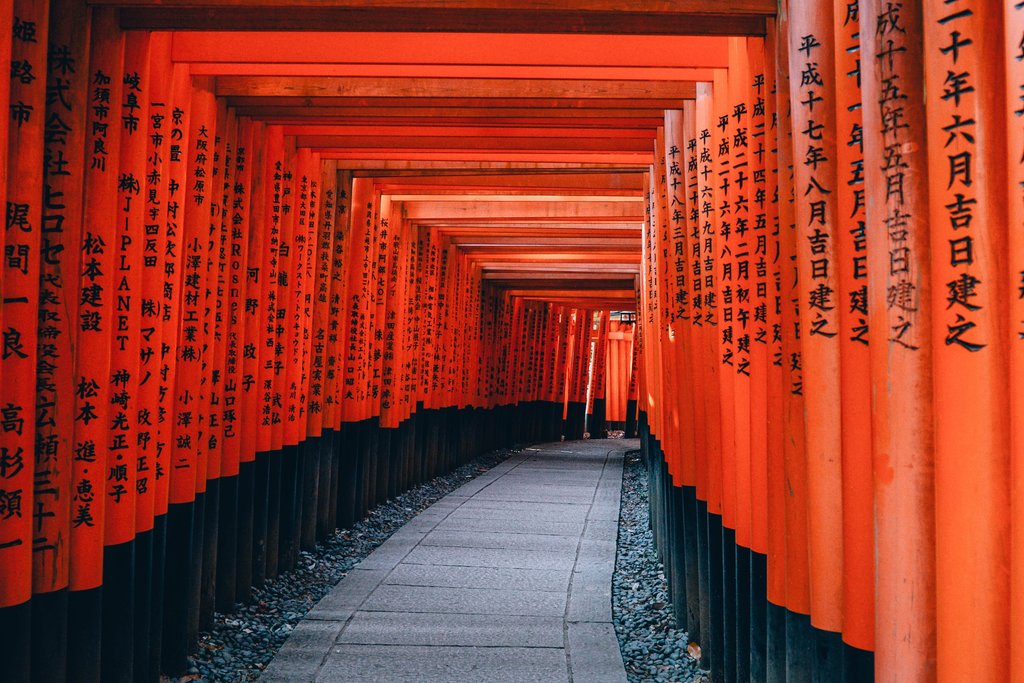
For many Australian parents, the first question is simple: is Japan safe for teenagers? In broad terms, yes. Japan is regularly rated among the safest countries in the world, with very low violent crime, reliable public transport, and strong public order. Teen travellers often notice how calm stations feel, how clean streets are, and how willing people are to help when someone looks lost.
China has a different rhythm, though it is often safer for visitors than headlines suggest. In major tourist cities and established travel areas, the risk profile is low for young Western travellers. Public places are busy, monitored, and structured. The more likely problems are practical ones: getting overcharged, taking the wrong train exit, dealing with language barriers, or misunderstanding local payment systems.
That does not mean parents should switch off their judgment. Teenagers still need a proper safety briefing before departure, just as they would for Europe or the United States. A good trip begins with realistic expectations, not fear.
Before they fly, it helps to cover the most common risks in both countries:
· Pickpockets in crowded transport hubs
· Phone battery running flat late in the day
· Getting separated from friends
· Small tourist scams around famous sights
· Drinking too much freedom too quickly
A lot of safe teen travel comes down to behaviour. Late-night impulsiveness, poor planning, and weak communication create more problems than the destination itself. A teenager who knows how to move carefully, stick to known areas, and ask for help confidently is already in a strong position.
Parent guide to Japan travel for teens: communication and staying in touch
Parents are often less worried about sightseeing than silence. If a teenager goes quiet for twelve hours, the mind goes straight to the worst-case scenario. A communication plan matters more than frequent messaging.
Japan is easy on this front. WhatsApp works normally, mobile data is simple to arrange, and free Wi-Fi is common in hotels, stations, and many public areas. A Japanese eSIM or travel SIM is often enough for a smooth trip.
China needs a little more preparation. Many Western apps, including WhatsApp and Instagram, do not work without a VPN. If your child wants access to those services, they need to set up a reliable VPN before landing. Leaving this until arrival can create frustration very quickly.
The best approach is to agree on a check-in routine before departure rather than negotiate it mid-trip.
· Daily check-in time: Set one fixed time based on local time, not a vague promise to message “later”.
· Primary app: Choose the app both sides will use first.
· Backup option: Add a second method, like email or SMS, if the main app fails.
· Power plan: Carry a power bank every day.
· Location habits: Share hotel names, train details, and major day plans.
Many families also create a simple “if I do not hear from you” rule. That might mean waiting until the next agreed contact time, then checking with the hotel, then the insurer, then the embassy if needed. Clear steps reduce panic.
Useful contacts to save before departure include the Australian Embassy in Tokyo on +81-3-3232-4111 and the Australian Embassy in Beijing on +86-10-514-4111. Teenagers should save these in their phone and also carry them on paper.

Health and medical care for teens in Japan and China
One of the biggest concerns around sending kids to Asia is medical care. Here, both countries compare well, especially in major cities.
Japan has excellent healthcare, and larger cities have hospitals and clinics that are used to international patients. English-speaking staff are easier to find in Tokyo, Osaka, Kyoto, and other major centres. Care can be very efficient, though upfront payment is sometimes required if insurance details are not accepted immediately.
China’s healthcare system is broader and more varied. For a young traveller in Beijing, Shanghai, Guangzhou, or another major city, international hospitals and private clinics can offer standards familiar to Australians. In smaller cities, language and process may be more difficult, so a good plan matters.
Travel insurance is not optional for teen travel in Japan or China. It should include medical treatment, emergency assistance, and medical evacuation. Parents should also check age rules, activity exclusions, and whether the policy covers independent travel by under-25s.
Here is a practical reference for families.
|
Topic |
Japan |
China |
|
Police |
110 |
110 |
|
Ambulance |
119 |
120 |
|
General health standard |
Excellent nationwide |
Strong in major cities, more variable elsewhere |
|
English-speaking care |
Common in major cities |
Best in international hospitals and top-tier clinics |
|
Payment expectations |
Upfront payment can happen |
Upfront payment can happen |
|
Best preparation |
Travel insurance, hotel address, medical notes |
Travel insurance, VPN, hospital plan, translated details |
If a teenager has allergies, asthma, medication needs, or a mental health history, parents should prepare a short written medical summary. Keep one copy in the phone, one in a day bag, and one with the passport. Even a calm, capable teen can struggle to explain a medical issue under stress.
Money and finances for teen travel in Japan Australia planning
Money problems are far more common than serious safety incidents. Cards get blocked. Cash disappears faster than expected. A teen underestimates train costs and ends up with too little left for the week.
Japan is still easier with a mix of card and cash, though card acceptance has improved a great deal. China is highly digital and often works best through mobile payment platforms. For young travellers, this means setup matters. If it is done well before departure, daily spending becomes much simpler.
A Wise travel card is a practical option for many Australians because parents can top it up remotely if needed. That reduces the need for large cash reserves and gives a teenager a safer financial buffer. It also allows a parent to step in quickly if plans change.
A few money habits are worth setting before the flight:
· Main card: Keep it in a wallet used daily.
· Backup card: Store it separately from the main wallet.
· Emergency cash: Carry a modest amount, not a large stash.
· Spending cap: Set a rough daily limit.
· Receipts and screenshots: Keep proof of bookings and major purchases.
China requires more setup because payment apps can feel unfamiliar at first. If Alipay is linked and tested before travel, many everyday purchases become very easy.
As the payments firm CardPayGo notes in its explainer on card-present vs card-not-present payments, most mobile wallet purchases are processed as the latter, so sensible limits and a backup method matter if a phone is lost or locked. That said, it is still smart to carry some cash and at least one physical card as backup.
Parents should also talk through common financial traps. Not every teen will think about ATM withdrawal fees, dynamic currency conversion, or the risk of lending money to new friends halfway through a trip. A simple briefing can save a lot of stress.
China trip for young people safety and the value of local support
Independence does not have to mean being entirely alone. This is where some families choose a middle ground, especially for a first visit.
Booking a private guide for the first one or two days in each city can make a big difference. Three Bears Travel specialises in this flexible support for families. A teenager still gets freedom, though they begin the trip with local orientation, a clearer sense of neighbourhoods, practical transit tips, and someone to answer the questions they forgot to ask at home. In China, where language and digital systems can be more demanding, this can be especially reassuring.
This option suits parents who want confidence without removing the sense of adventure. It also suits teens who are capable travellers but would benefit from a structured landing. Meeting a trusted local guide early can turn a confusing arrival into a much smoother start.
China Private Tours - Three Bears Travel offers this flexible model for families who want partial support rather than a fully escorted trip. That can include a private guide and vehicle, custom planning, and local on-the-ground support, while still leaving plenty of independent time for the young traveller.
Sending kids to Asia: documents, backups, and emergency planning
A well-prepared teenager looks more independent because they are more prepared, not because they are more reckless. Small systems matter.
Passport photos, visa documents, insurance details, flight confirmations, and hotel addresses should all be photographed and stored in at least two places. One should be the phone. Another should be cloud storage or email. A printed copy is still useful, especially if the phone is lost or dead.
Parents should also make sure their child knows how insurance claims work. Many teens assume they can fix the paperwork later. In reality, insurers often want prompt contact, hospital details, receipts, and a record of what happened. A teenager should know to call the emergency assistance line as soon as there is a significant medical issue or major theft.
A strong pre-departure checklist often includes the basics below:
1. Passport, visa, and insurance checked twice
2. Embassy numbers saved in phone and written on paper
3. VPN installed before flying to China
4. First hotel address saved in English and local language
5. Bank notified of travel dates
6. Family check-in plan agreed in writing
7. Copies of documents shared with a parent or guardian
This kind of preparation does more than reduce risk. It also gives a teenager a better travel experience. They spend less time panicking, less time solving avoidable problems, and more time doing the things they actually travelled for: eating well, seeing new places, making friends, and growing in confidence.
For many Australian families, that is the real shift. The question starts as “Is this safe enough?” and slowly becomes “How do we help them do this well?” Japan and China can both be very rewarding places for young travellers, especially when independence is paired with structure, communication, and a plan that has been thought through properly.