In recent years, China has become one of Asia’s fastest-growing destinations for medical tourism, with millions of international travellers each year combining travel with healthcare. For families, this can mean something as simple as a routine check-up, a dental clean, or a specialist consultation that’s easier to arrange in a major Chinese city than back home.
But family medical tourism isn’t about major surgeries or lengthy hospital stays. It’s about smart, preventive, and time-efficient care - woven seamlessly into your travel plans. The real challenge? Making sure that while one family member is at an appointment, the rest of the family is still enjoying their holiday to the fullest. With the right planning, you can have both: a trip that’s healthy, memorable, and truly stress-free for everyone.
Why Family Medical Tourism in China Needs Custom Planning
Family travel has moving parts: different ages, different energy levels, different comfort needs, and different ideas of what a “good day” looks like. Add even a single medical appointment and the value of a tailored plan jumps.
Different Family Members Have Different Travel and Health Needs
A couple travelling together can often adapt on the fly. A family group can’t always do that, because one person’s small issue becomes everyone’s schedule change.
Think about the mix that turns up in real itineraries:
· Grandparents who walk slowly, need more breaks, and prefer lifts over stairs
· Parents who want predictable logistics and minimal waiting around
· Kids who do best with routine, snacks, and short transit times
· One family member who wants to fit in a check-up without it becoming the “theme” of the trip
A well-built plan makes room for these differences without making anyone feel like they are “holding the group back”.
Why Custom Itineraries Matter More for Families Than Solo Travellers
With families, the hidden cost is downtime. An appointment that looks like “one hour” can become half a day once you add traffic, registration, translation, payments, and recovery time.
Custom planning helps in three practical ways:
· Time placement: booking healthcare on a lower-intensity day, or near the hotel
· Location logic: choosing clinics close to key sights to avoid zig-zagging across a city
· Comfort control: keeping the day calm so the rest of the group still enjoys it
If you’re aiming for family friendly travel China experiences, the plan needs to feel like a holiday first, with healthcare fitted in quietly and efficiently. That’s why choosing a reliable Chinese travel agency is so important - they can help you coordinate medical appointments, navigate local healthcare options, and design an itinerary that keeps every family member happy and relaxed. With expert support, you can focus on making memories together, knowing that both your travel and health needs are in good hands.
What Medical Tourism Looks Like for Families Travelling in China
“Medical tourism” can mean many things. For family trips, it’s helpful to define the boundaries clearly: the safest, most realistic approach is usually preventive or minor care that doesn’t carry heavy recovery needs.
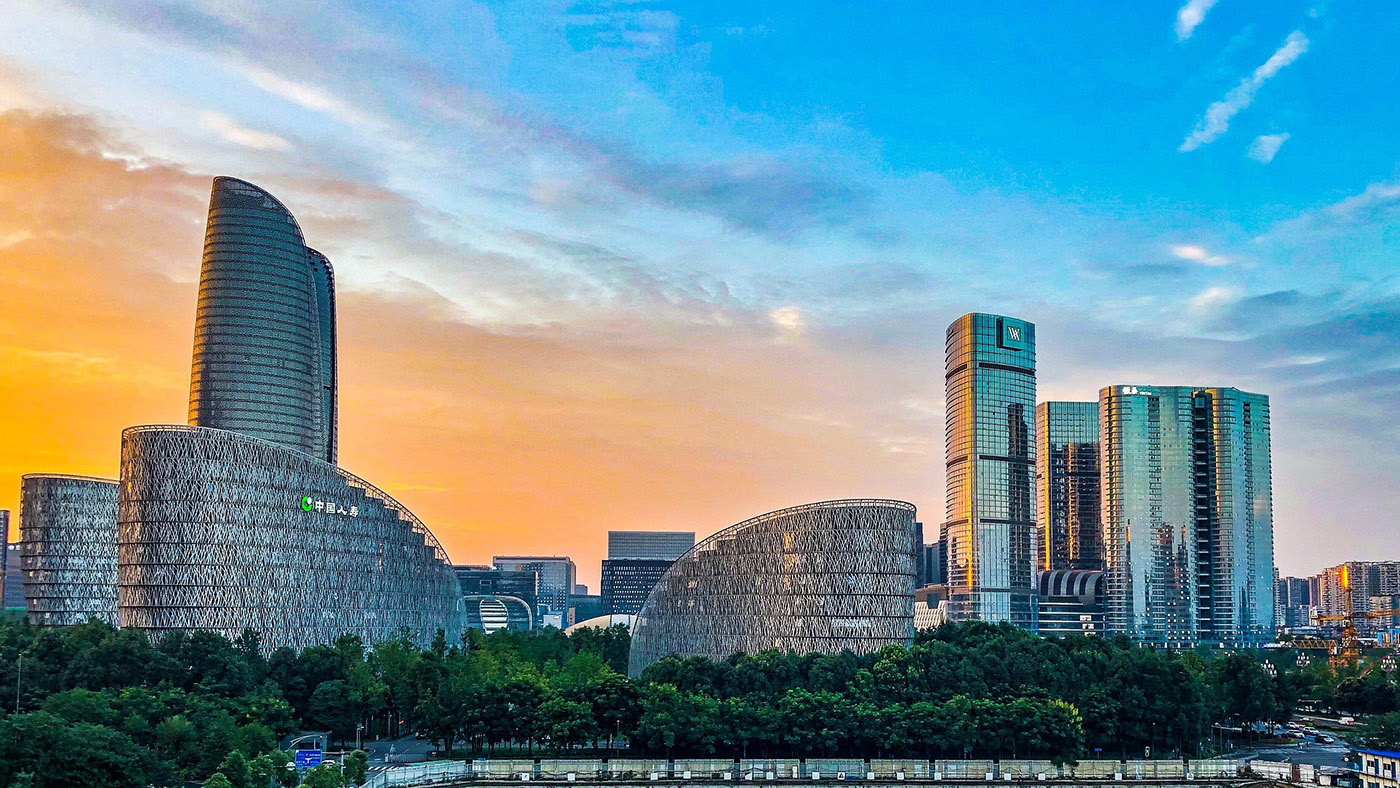
Light, Preventive, and Time-Efficient Medical Services
Families most often look at services that are predictable in timing and low disruption. Depending on your situation, that might include check-ups, basic screening, dental services, or a specialist consult where you already know what you need to ask.
A simple way to think about it is: services that still let you enjoy dinner together that night.
Here’s a planning view of common “light” options versus what they mean for the day.
|
Service type (typical examples) |
Planning impact for families |
Best day to schedule |
|
Health screening or check-up |
Often half-day including admin and waiting |
Arrival buffer day or mid-trip “easy” day |
|
Dental clean or minor dental work |
Usually predictable timing, may need short recovery |
Afternoon with a calm evening |
|
Specialist consultation |
Time varies, paperwork can add friction |
Morning slot, then flexible afternoon |
|
Pharmacy visit for basics |
Quick if planned, slow if unplanned |
Anytime, best near hotel |
This is general travel information, not medical advice. For anything health-related, it’s wise to speak with your clinician at home and confirm what’s appropriate for you.
Why Major Treatments Are Not Suited to Short Family Trips
Major procedures, surgery, and complex treatments rarely match the reality of a family holiday. The challenges are not just medical; they’re practical.
A short family trip often lacks:
· enough recovery time in one place
· the right environment for rest and follow-up
· the emotional bandwidth for everyone else in the group
· flexibility if plans must change suddenly
If a medical goal is the main purpose of travel, the trip usually needs a different structure than a family sightseeing itinerary. For most travelling families, it’s better to keep healthcare light and low-risk.
Healthcare Access in China During Family Travel
China’s major cities have a wide range of medical facilities and pharmacies, yet the experience can feel unfamiliar for Australian and New Zealand travellers. The key is reducing friction so healthcare doesn’t take over the day.
Accessing Basic Healthcare Without Disrupting Family Itineraries
When people ask about healthcare in China for families, they often mean: “If something small happens, can we handle it quickly and get back to the trip?”
In many cases, yes, if you plan around three factors:
· where your hotel is located
· whether you have language support when you need it
· how payments and receipts work for your insurance
A private guide can be helpful here, not to replace medical professionals, but to smooth the non-medical steps: directions, check-in flow, and making sure the rest of the group stays comfortable.
Planning for Minor Health Needs While Travelling
Minor needs are the most common reality on family travel: a child develops a fever, someone gets a stomach upset, a grandparent needs blister care, or hay fever flares up.
A practical approach is to plan for the predictable, then keep contingency space for the unpredictable.
After you’ve mapped your main route, it can help to do a quick “family health readiness” check:
· Medications: enough supply, plus a copy of prescriptions
· Allergies: written notes in English and Chinese where relevant
· Rest rhythm: not every day should be a dawn-to-night schedule
· Pharmacies: know what’s near your hotel in each city
This keeps small issues from becoming stressful decisions in the moment.
Parallel Itinerary Design: A Key Advantage for Family Travel
One of the most useful ideas for families is a parallel itinerary: the trip continues in a way that suits everyone, even when one person needs to step out for an appointment or rest.
How Parallel Activities Support Family Medical Tourism
Parallel planning means the group doesn’t have to choose between “patient-first” and “holiday-first”. You can do both, in the same half-day.
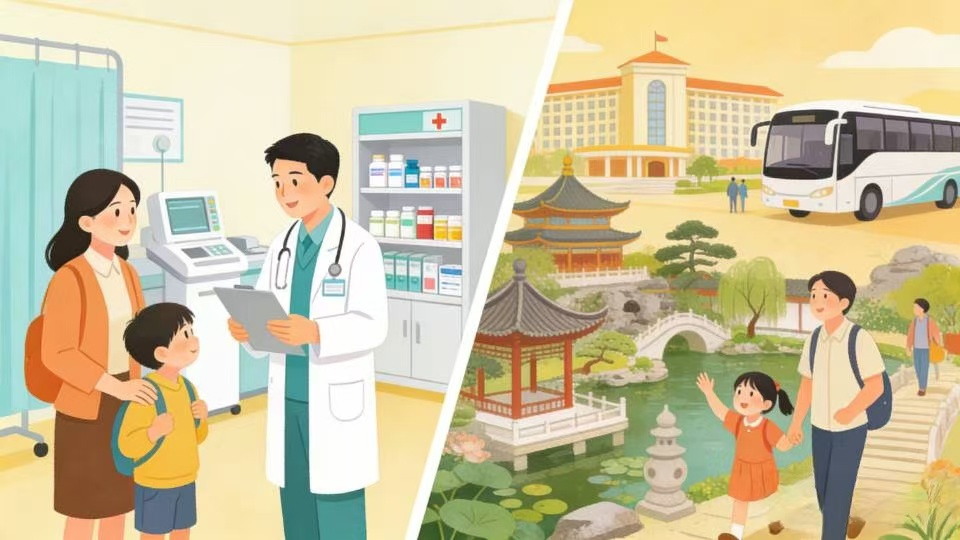
A simple example: one parent joins an appointment while the other takes the kids to an aquarium, a park, or a hands-on museum. Everyone meets for lunch, and the day still feels complete.
This is especially valuable for couples travelling with extended family, where different generations have different priorities.
Balancing Medical Appointments with Sightseeing and Rest Time
The balancing act is not only about time. It’s also about energy.
A good parallel design usually includes:
· A calm base: hotel location that reduces transit time
· A flexible afternoon: so you’re not racing from clinic to a timed ticket
· A “quiet win” activity: tea tasting, a river walk, a short cruise, a neighbourhood market
When rest is treated as part of the plan, families often report that everyone enjoys the cultural side more, not less.
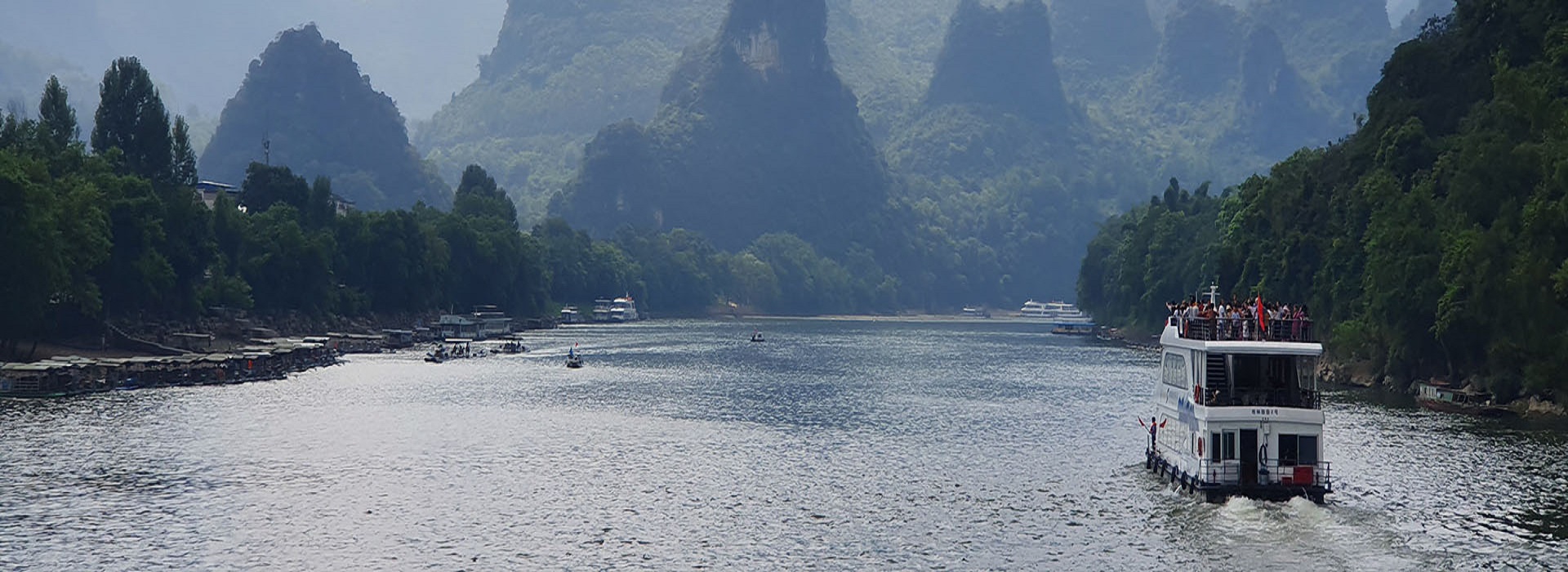
Travelling with Elderly Family Members
Multi-generational trips can be deeply rewarding in China, especially in historic cities where storytelling and shared moments matter more than ticking boxes. The planning style needs to be gentle and realistic.
Slower Pacing and Comfort-Focused Travel Design
Elderly friendly travel China planning often comes down to pace and access.
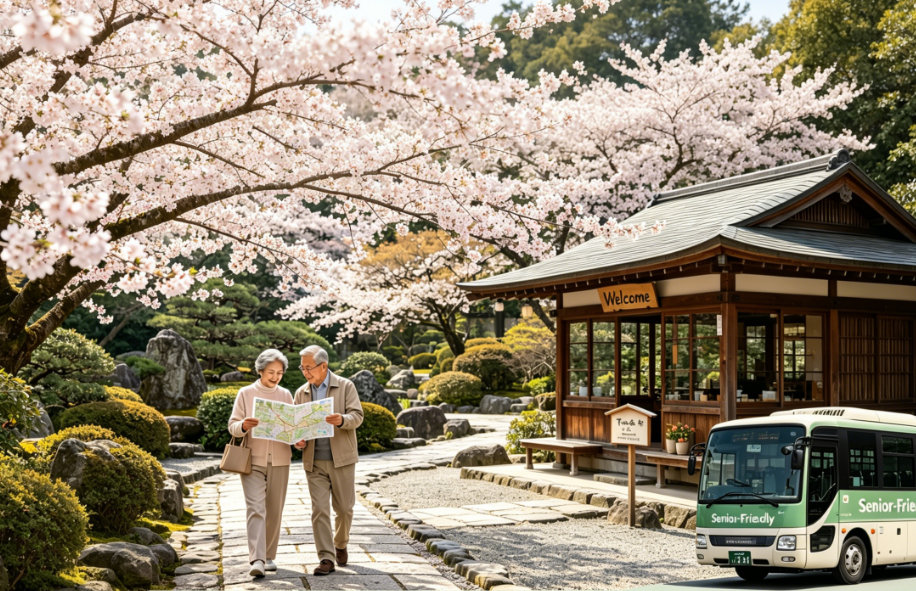
Comfort-first design can include shorter walking loops, fewer hotel changes, later starts, and more time in places with seating and shade. It can also mean choosing the right transport so grandparents don’t need to manage stairs in metro stations during peak hours.
A private vehicle can reduce fatigue significantly, which helps the whole family stay in good spirits.
Healthcare Planning That Prioritises Comfort Over Intervention
With older travellers, “healthcare planning” is frequently about prevention and reassurance. That might mean keeping a day light in case someone needs extra rest, knowing where a clinic is near the hotel, or building in time to pick up supplies without rushing.
It’s also about avoiding over-ambitious schedules that push people past their comfort zone. Many families find that the trip feels richer when it includes slow meals, scenic drives, and time to simply be together.
Travelling with Children in China
Kids can thrive in China when days are structured with variety and downtime. When health needs pop up, parents usually want quick, straightforward options.
Family-Friendly Healthcare Considerations During Travel
If you’re thinking about medical services for children China tourist situations, most scenarios are routine: colds, minor infections, stomach upsets, or a need for children’s medication.
Helpful planning choices include:
· staying in central areas with easy access to pharmacies
· keeping travel days shorter between cities
· carrying a small kit for basics that you prefer from home
If a clinic visit is needed, having language support can make a meaningful difference to speed and clarity.
Keeping Family Travel Predictable and Low-Stress
Predictability is underrated. A “perfect” itinerary that’s too tight often leads to conflict and exhaustion, especially with children.
A calmer pattern usually works better:
· one major activity per day
· one simple, repeatable meal option the kids like
· one flexible block for naps, swims, or playground time
When the trip feels manageable, you’re less likely to feel thrown by a minor health bump.
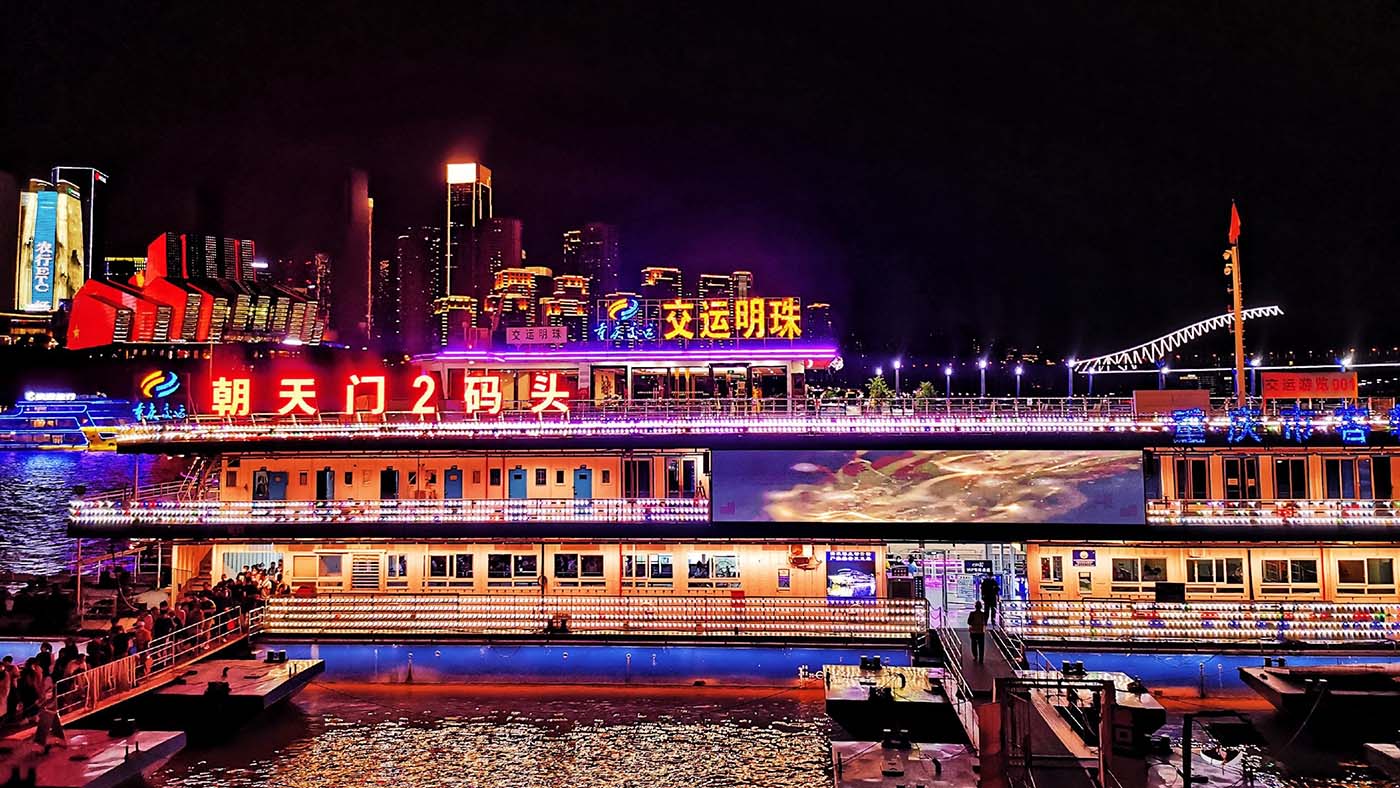
How Three Bears Travel Designs Family Medical Tourism Itineraries
For families who want to include light medical appointments without sacrificing the holiday, private planning makes the logistics far easier to handle. Three Bears Travel focuses on private, tailor-made tours in China and Japan, designed around travellers’ pace, interests, and comfort, with local expertise and end-to-end support.
Customising Travel Around Individual Family Needs
Family groups rarely fit a standard template. Planning tends to start with practical questions, then build the fun around them.
That can include:
· Pace: slower mornings, fewer late nights, realistic walking distances
· Priorities: cultural highlights plus hands-on activities for kids
· Health timing: placing appointments near low-intensity sightseeing
· Support: clear guidance on what to prepare before departure
The goal is family friendly travel China planning that feels personal, not improvised.
Why Private Travel Makes Family Medical Tourism Easier
Private travel gives families control over timing, stops, and comfort. It also makes parallel itinerary design simpler, because the day can split and rejoin without the stress of coordinating within a large group.
For many couples and small family groups, having a dedicated guide and private transport can reduce the small frictions that make healthcare appointments feel harder than they need to be.
Is Family Medical Tourism in China Right for Your Trip?
Not every family trip should include healthcare. The best choice depends on the purpose of travel, your comfort level, and how much time you have.
When Family Medical Tourism Makes Sense
It tends to suit families when the healthcare goal is modest, planned, and time-efficient, and when the rest of the itinerary can stay enjoyable.
It may be a good fit if you want:
· Preventive care: a check-up timed around other city plans
· Convenience: seeing a specialist while already travelling through a major hub
· Reassurance: knowing support options exist for elderly relatives
When to Focus on Travel Experience Only
Sometimes the best healthcare plan is to keep it simple and enjoy the trip.
Consider skipping medical appointments if:
· the itinerary is already tight across multiple cities
· the family is travelling with very young kids who need routine
· anyone in the group feels anxious about medical settings while away
· the appointment could lead to follow-ups that disrupt the holiday
A travel-first trip can still include sensible preparation for minor issues, without scheduling clinical time.
Conclusion: Family Medical Tourism in China with the Right Travel Planning
The most successful family trips are built around shared experiences, with enough flexibility to care for each person along the way. If light medical needs are part of your planning, the aim is simple: protect the holiday while making healthcare practical, calm, and time-efficient.
That usually means tailoring the pace, choosing the right bases, and designing parallel options so everyone has a good day, even when plans temporarily split.
Frequently Asked Questions About Family Travel and Medical Tourism
Is China suitable for family medical tourism?
For light, preventive, and time-efficient services in major cities, it can be suitable, provided you plan carefully and keep expectations realistic. It’s wise to speak with your clinician before travel and confirm how insurance, payments, and documentation will work.
Will medical appointments affect family sightseeing plans?
They can, unless the day is designed around them. Many families protect the trip by scheduling appointments on lower-intensity days, staying centrally, and using parallel activities so the rest of the group still enjoys the day.
Can healthcare be planned into a family itinerary in advance?
Yes. The earlier you plan, the easier it is to place appointments in the right location and time window, and to build the day around comfort, rest, and realistic travel times. For families, this is often the difference between a smooth experience and a stressful one.