

Minimum Guests
2 Person
Activate Day
15 Nights/ 16 Days
Fully Inclusive
Touring with Guides and entrance fees
Included Meals
Breakfasts 16, Lunches 10, Dinners 0
Accommodation
15 nights 4-star hotels (city center / scenic area)
Guide
English-speaking guide services as per the itinerary
Activies
Entrance fees for all mentioned sights and attractionsIn-depth exploration of Chinese classic culture and unique ethnic minority customs· Perfect combination of historical sites, natural scenery, minority villages and modern cities· Must-see UNESCO World Heritage Sites and iconic attractions· Private transport, professional English guide and flexible itinerary· Immersive ethnic culture experience: Miao villages, Dong villages, local customs and crafts
Tour Timeline
If you need to increase or reduce the number of travellers, please contact us for customised arrangements.
- Enjoy a private pickup from your arrival point, with a guide accompanying you and providing support throughout the transfer
Recommended activities
- None
- Private Van
- English-speaking guide services as per itinerary
-
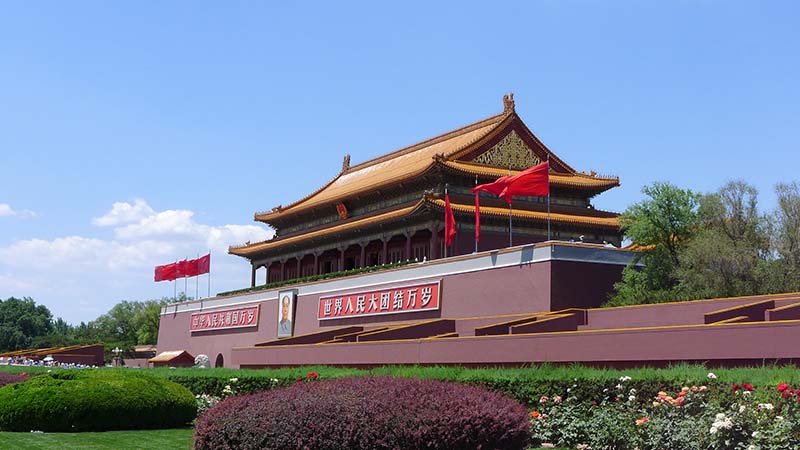
Tiananmen Square
Visit Tiananmen Square, one of the world’s largest public squares. Home to the Monument to the People’s Heroes and Mao Zedong’s Mausoleum, it represents modern China’s heart and history. Capture the spirit of Beijing at this iconic landmark surrounded by monumental architecture.
-
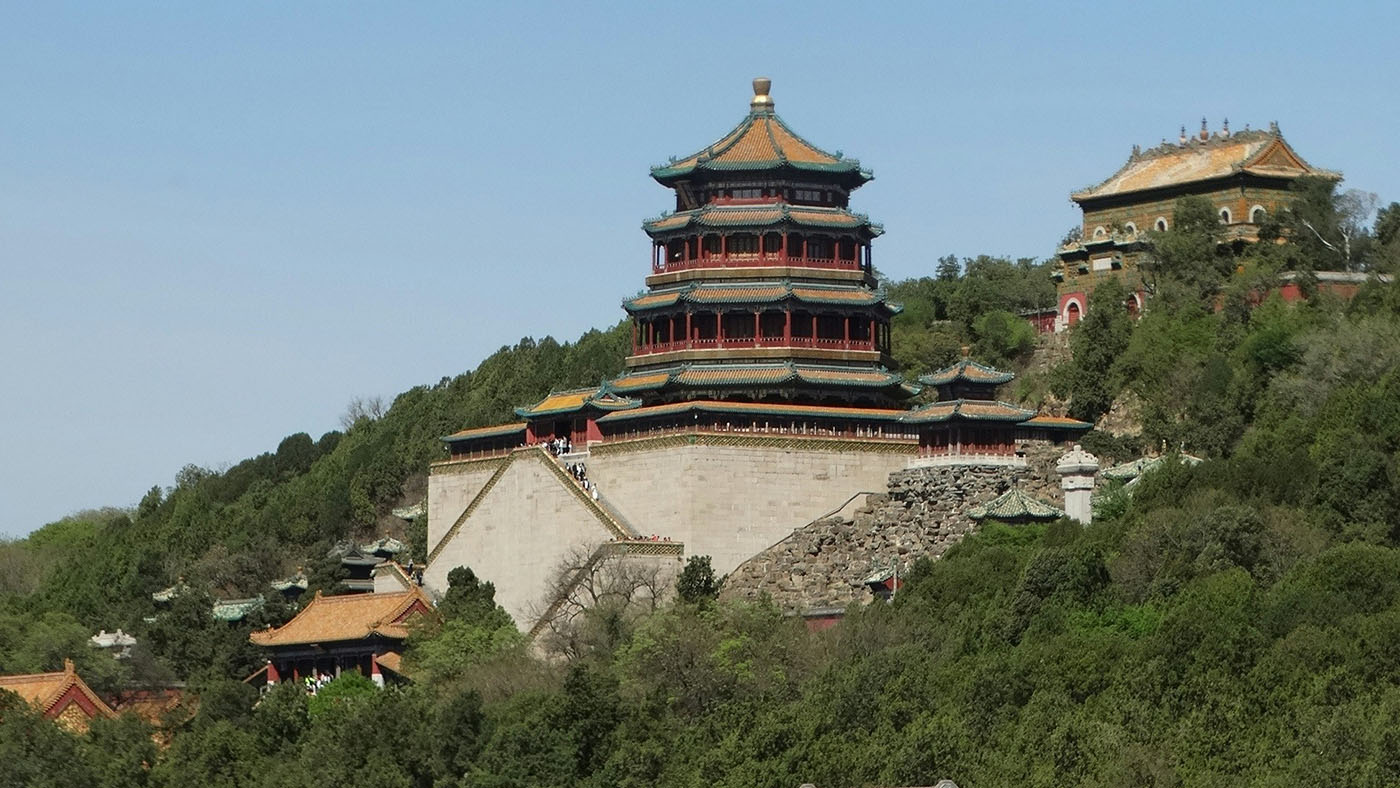
Summer Palace
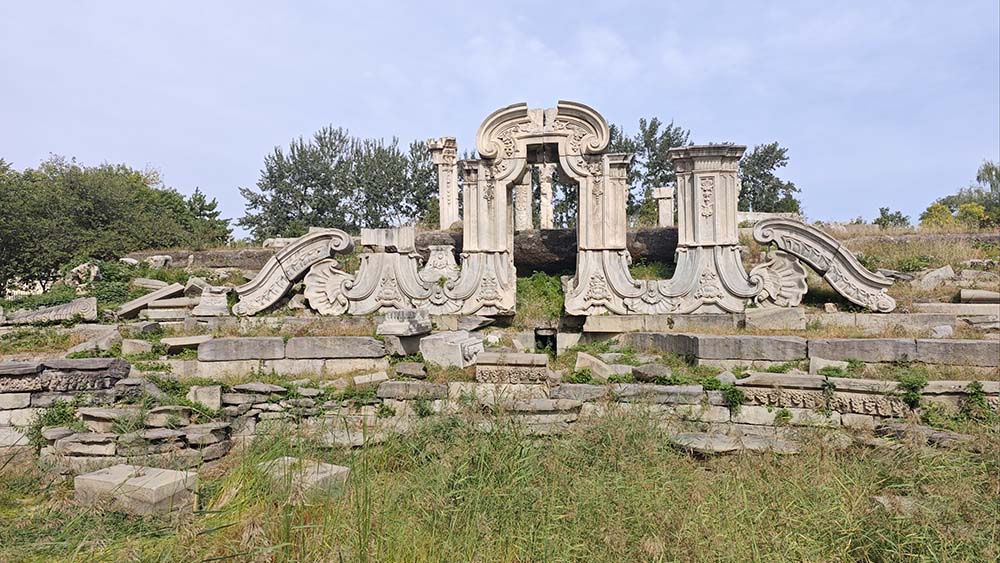
Stroll through the enchanting Summer Palace, China’s largest royal garden. Cruise across Kunming Lake, admire the marble boat, and walk the world’s longest painted corridor. With over 3,000 ancient structures, it’s a tranquil blend of nature and imperial grandeur—perfect for a Beijing sightseeing day.
-
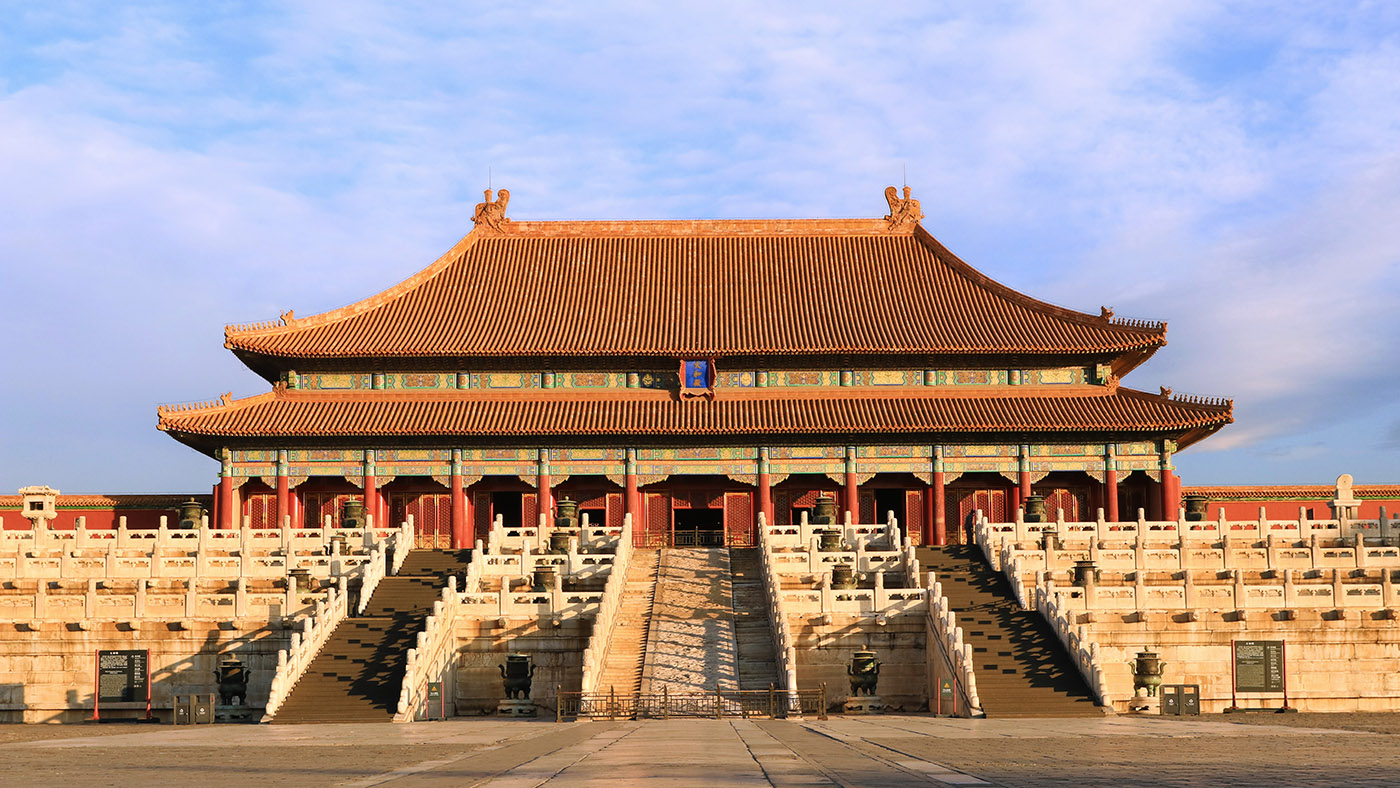
Forbidden City
Discover the Forbidden City, a UNESCO World Heritage Site with nearly 1,000 buildings, grand halls, and defensive walls. Built in the 15th century, it showcases imperial architecture, traditional Chinese craftsmanship, and fascinating history—a must-visit Beijing landmark and heritage site.
- Breakfast , Lunch
- Private Van
- English-speaking guide services as per itinerary
-
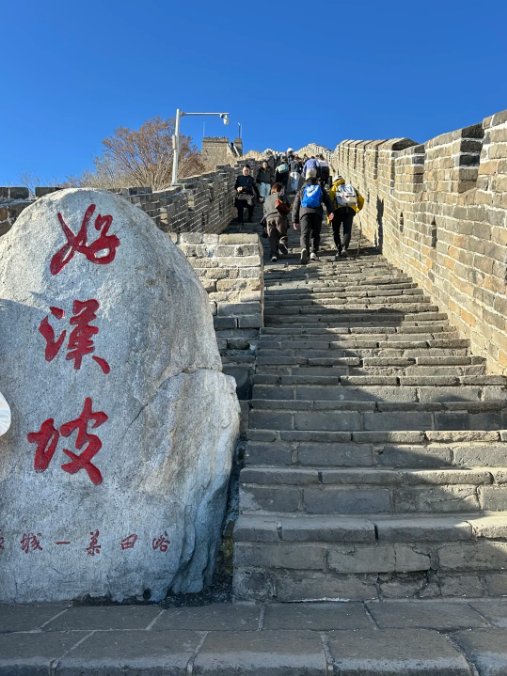
Mutianyu Great Wall Scenic Area
The Mutianyu Great Wall is located in Mutianyu Village, Bohai Town, Huairou District, Beijing, 73 kilometers away from the city center. It is known as the "Great Wall of Ten Thousand Miles, Mutianyu is the only one". The Mutianyu Great Wall, with a total length of 5400 meters, is the longest Great Wall in China and one of the sixteen scenic spots in Beijing. In the first year of the Hongwu reign of the Ming Dynasty (1368), the Mutianyu Great Wall was built under the supervision of General Xu Da, a subordinate of Zhu Yuanzhang, on the site of the Northern Qi Great Wall.
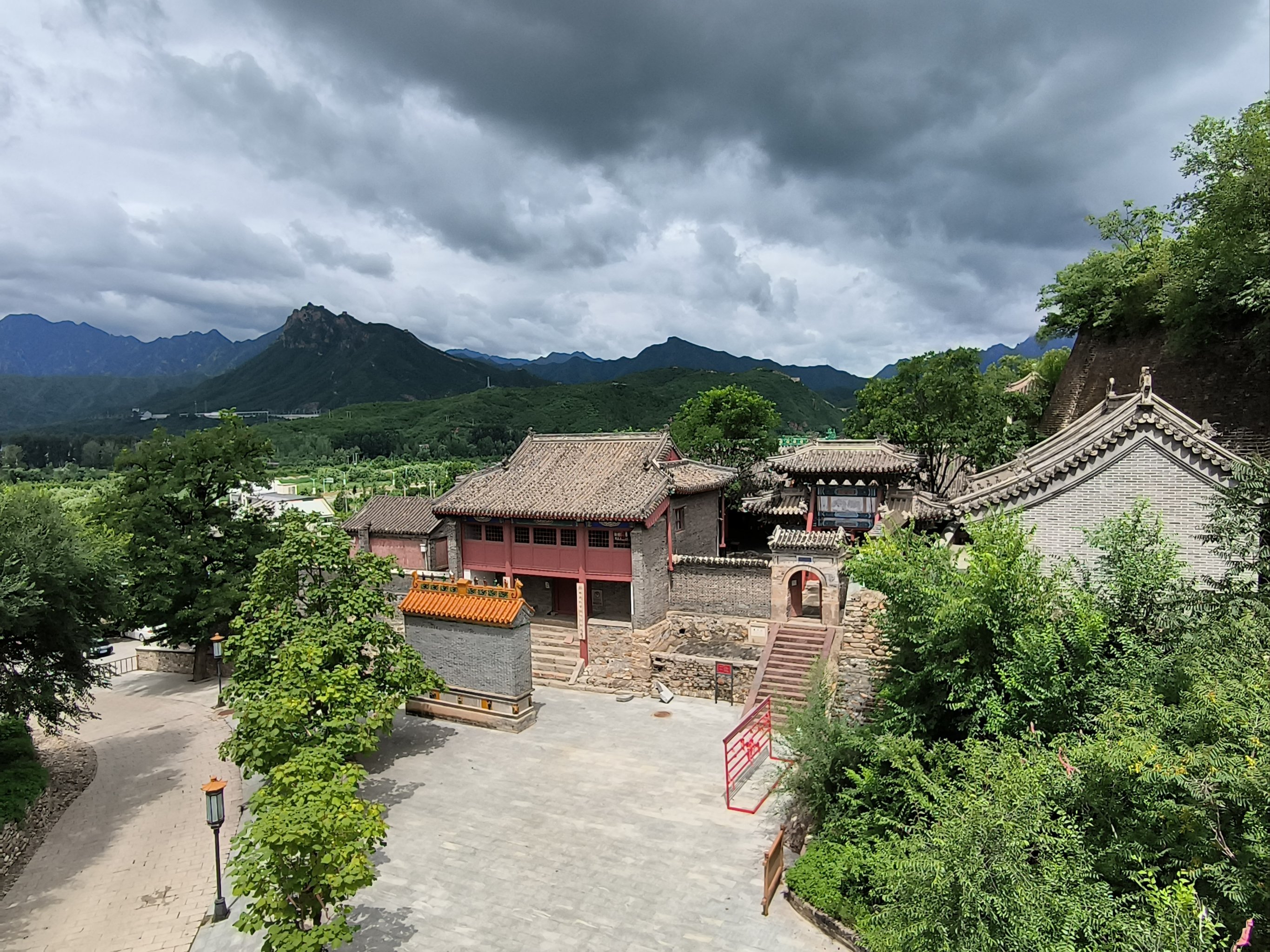
Mutianyu Great Wall is the essence of the Great Wall of the Ming Dynasty. This section of the Great Wall connects the Gubeikou in the east and Juyongguan in the west. Since ancient times, it has been a military important place to defend the capital, with Zhengguan Platform, Dajiaolou, eagle flying upside down and other landscapes. The wall of the Great Wall remains intact, which better reflects the ancient charm of the Great Wall, and has profound historical value and high cultural value.On the way back to the city in the late afternoon, you'll pass by the Olympic Bird Nest and Water Cube.
-
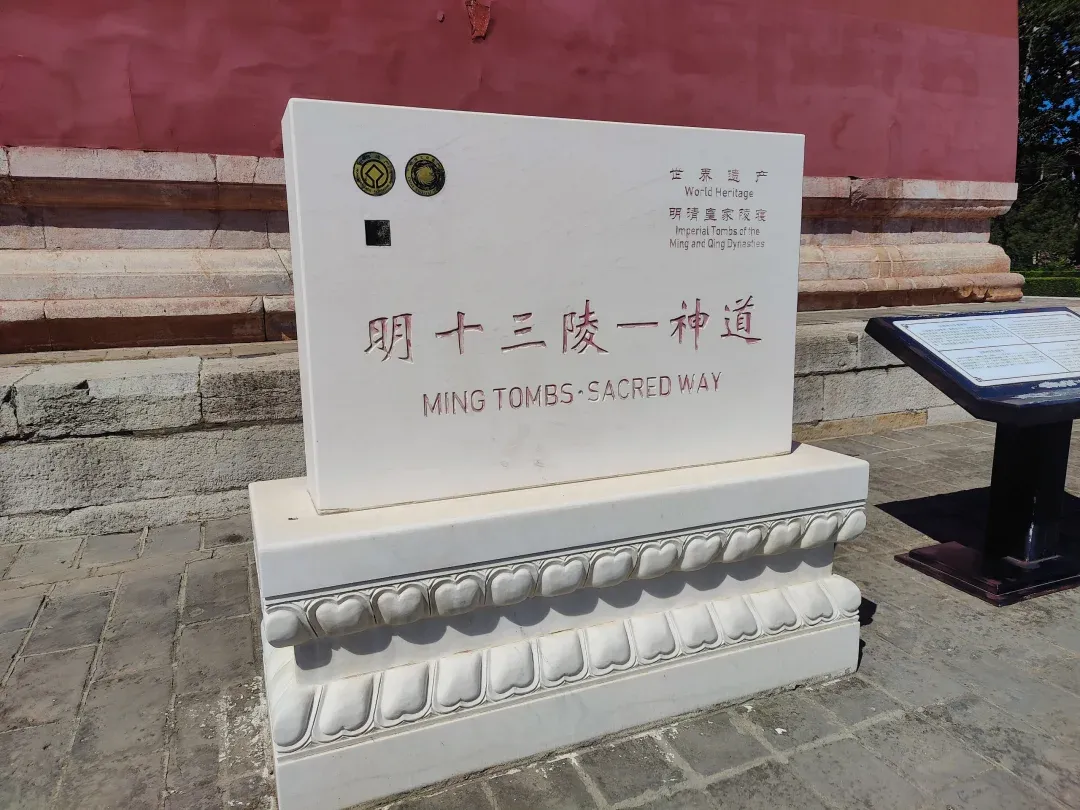
Ming Tombs and the Sacred Way
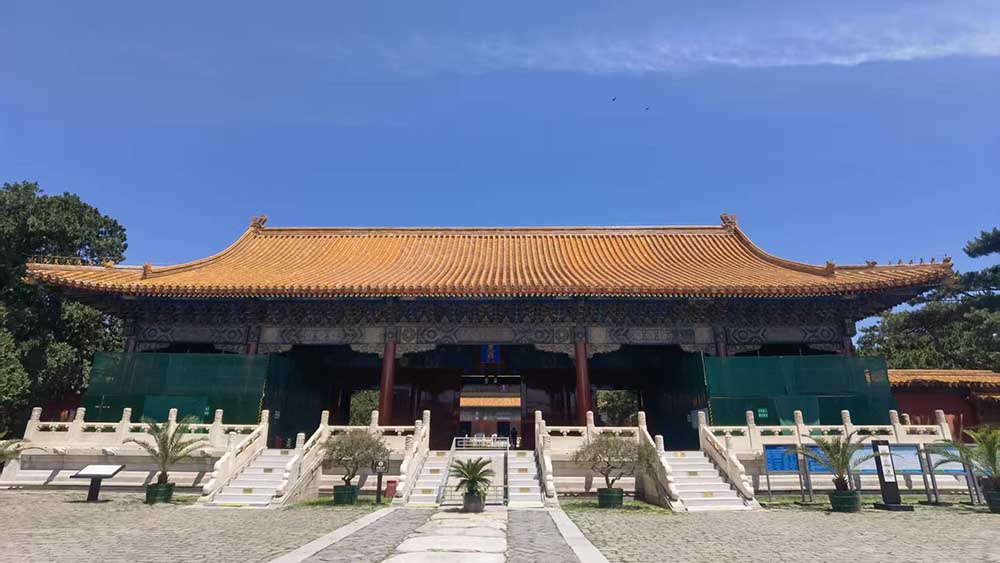
Visit the Ming Tombs, final resting place of 13 Ming emperors, and stroll along the Sacred Way guarded by majestic stone statues. This UNESCO-listed site offers a profound journey through imperial history and traditional feng shui design—one of Beijing’s most impressive heritage attractions.
- Breakfast , Lunch
- Private Van
- English-speaking guide services as per itinerary
-
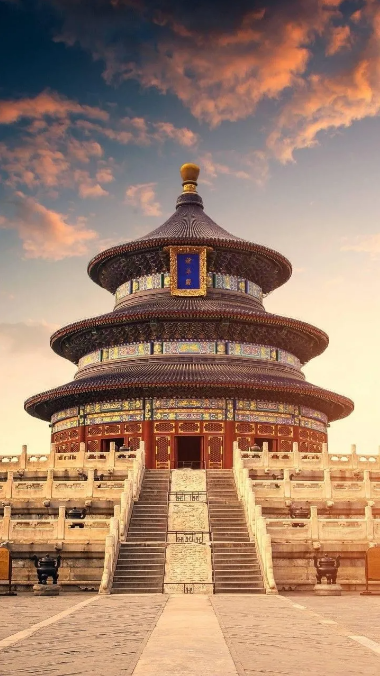
Temple of Heaven
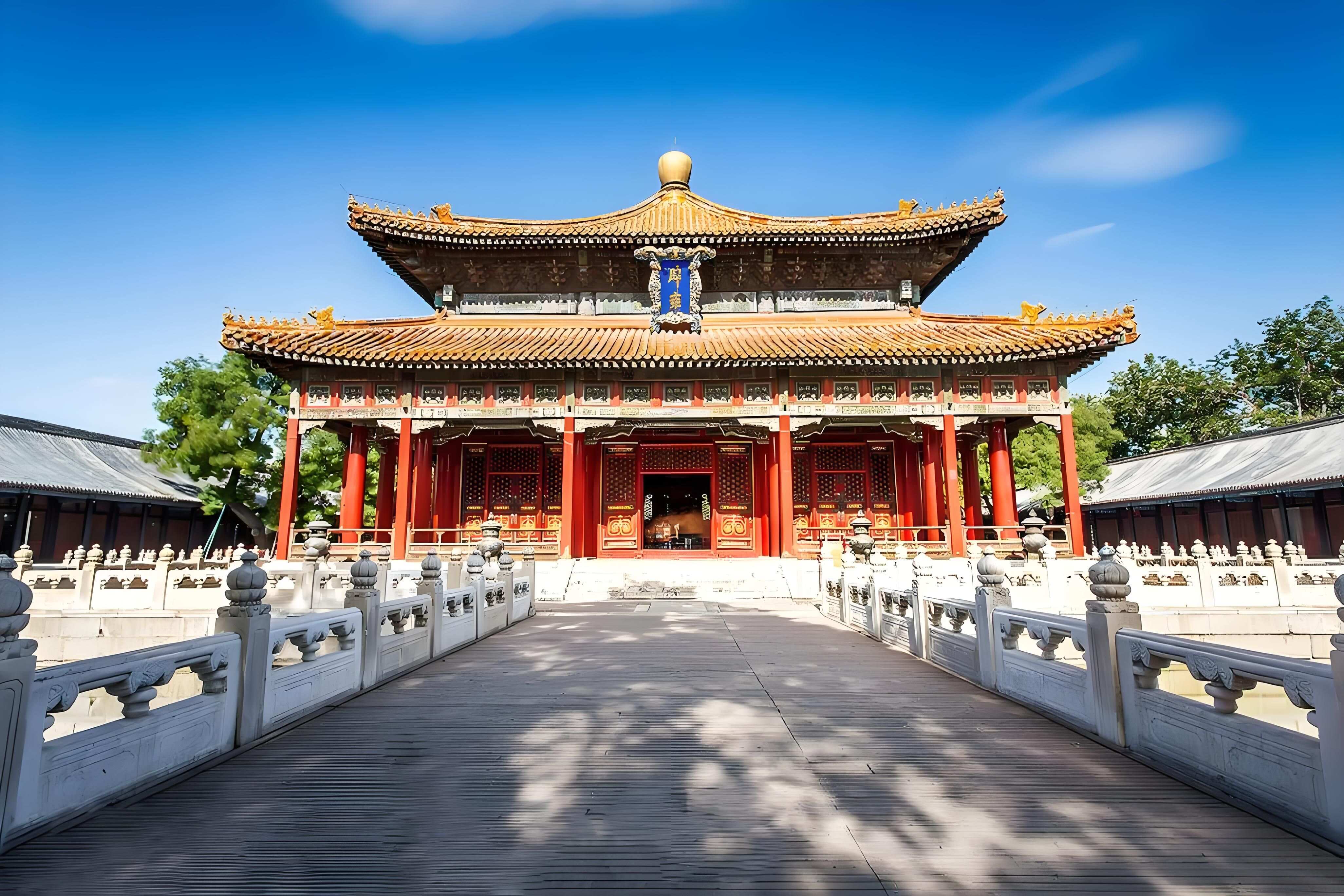
Temple of Heaven Park, formerly known as "Temple of Heaven and Earth", is located at No. 7 Dongli, Temple of Heaven, Dongcheng District, Beijing. It was first built in the 18th year of the Yongle reign of the Ming Dynasty (1420) and renamed "Temple of Heaven" in the 9th year of the Jiajing reign of the Ming Dynasty (1530). It was the site for emperors of the Ming and Qing dynasties to "worship heaven" and "pray for valleys", with a total area of 273 hectares. It is the largest existing ancient sacrificial building complex in China and the largest and most well preserved ancient sacrificial building complex in the world. On January 1, 1918, it was designated as Temple of Heaven Park and opened to the public
- Beijing to Xi’an by Bullet Train (Beijing to Xi'an)
- Breakfast , Lunch
- Private Van
- English-speaking guide services as per itinerary
-
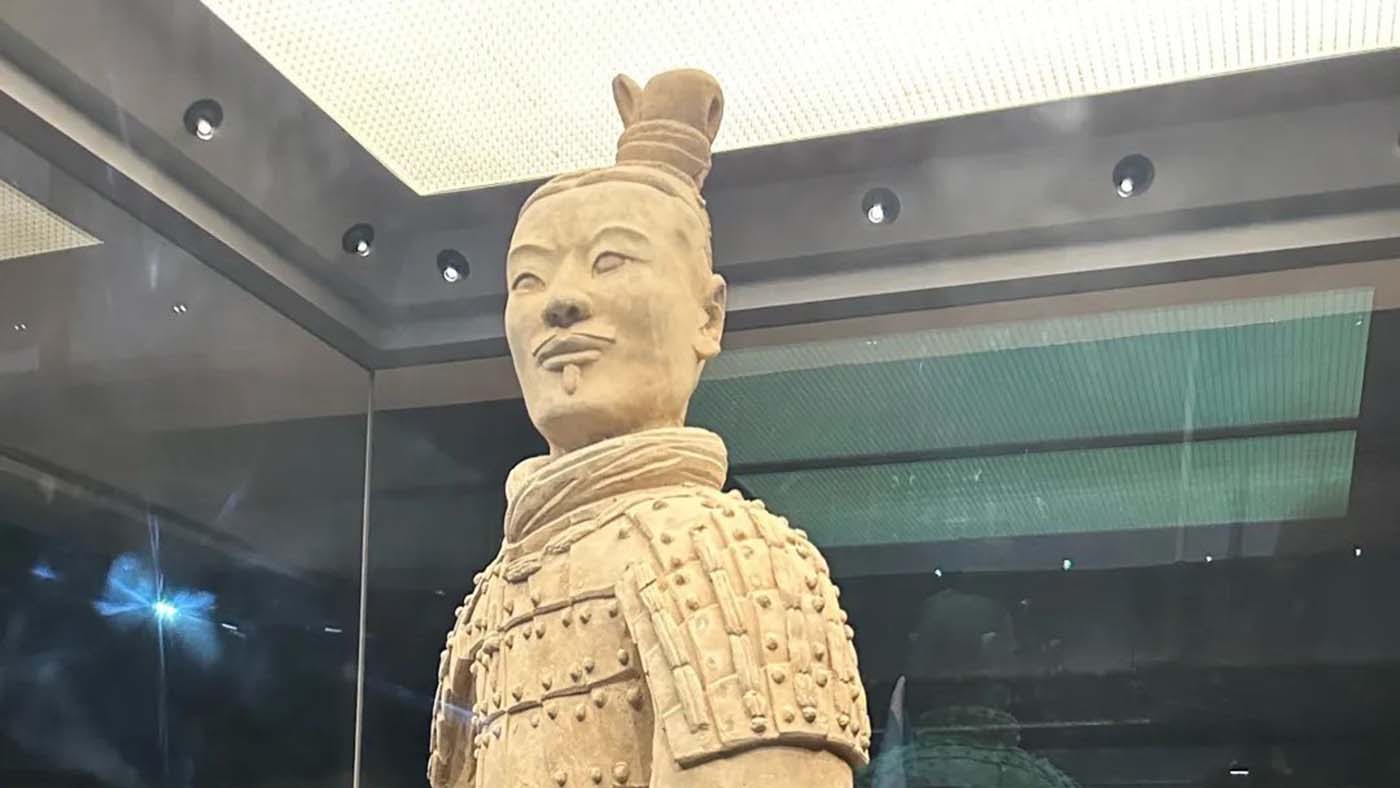
Terracotta Warriors
Marvel at the Terracotta Warriors, Qin Shi Huang’s army entombed to protect him in the afterlife. Each life-sized warrior has unique facial features and uniforms. Visit the nearby art ceramics and lacquer factory for souvenirs—a world-renowned archaeological treasure.
-
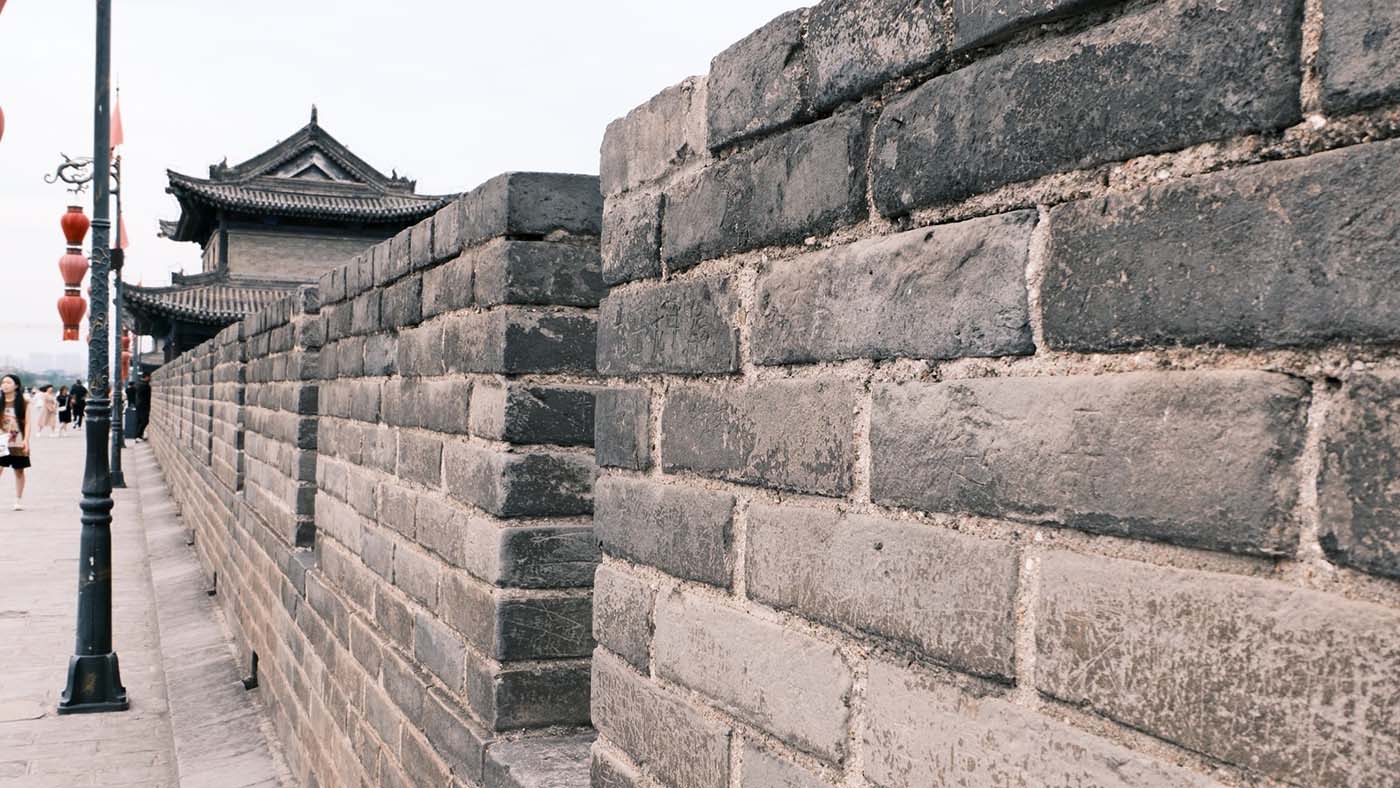
Ancient City Wall (Xi’an)
Walk along Xi’an’s Ancient City Wall, built in 1370 with 12-meter-high walls and 98 watchtowers. Take in sweeping city views, explore well-preserved ramparts, and appreciate the defensive ingenuity of this historic fortification—a must-do cultural experience in Xi’an.
-
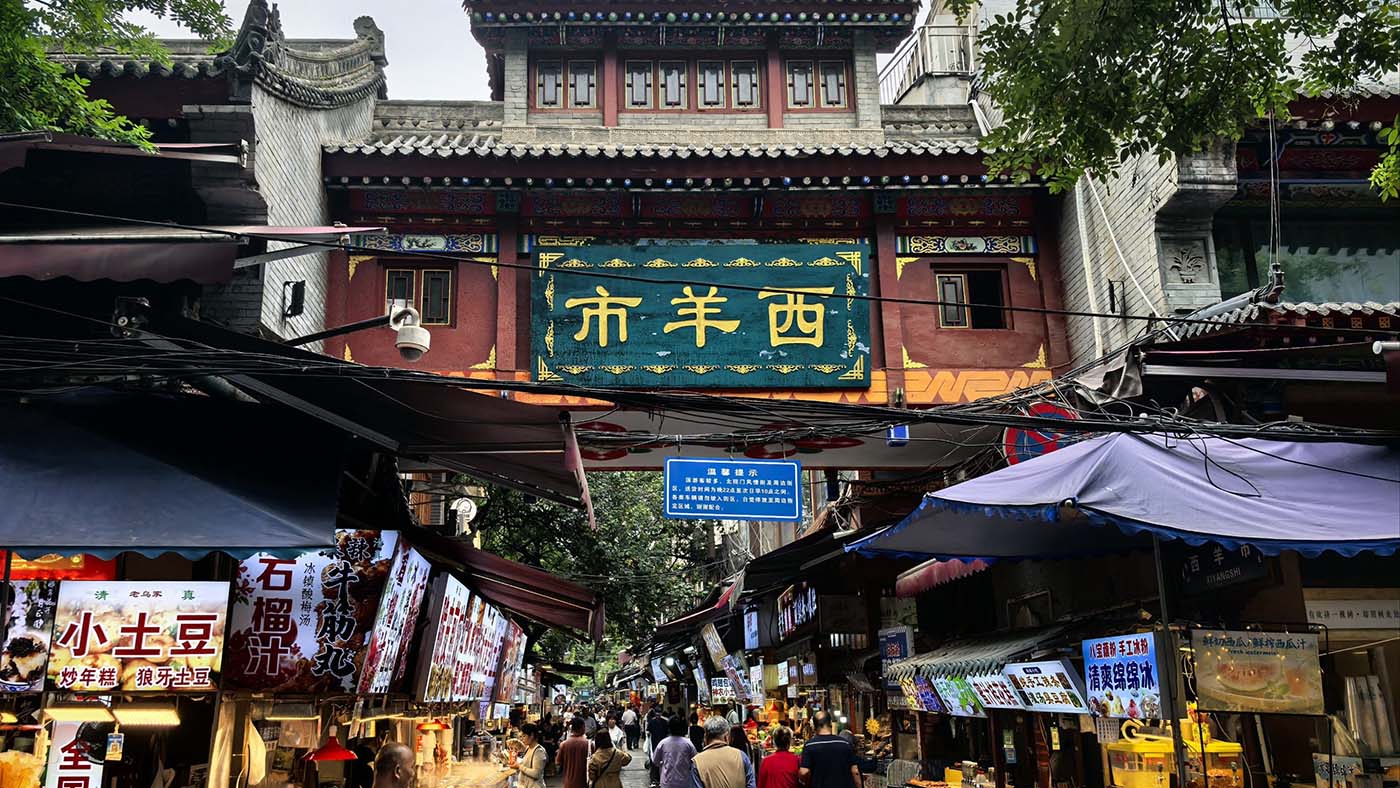
Xian Muslim Quarter
Stroll through Xi’an Muslim Quarter inside the city wall. Explore narrow lanes filled with local stalls, Islamic food shops, and vibrant street life—a sensory and cultural experience reflecting Xi’an’s Silk Road heritage.
- Breakfast , Lunch
- Private Van
- English-speaking guide services as per itinerary
-
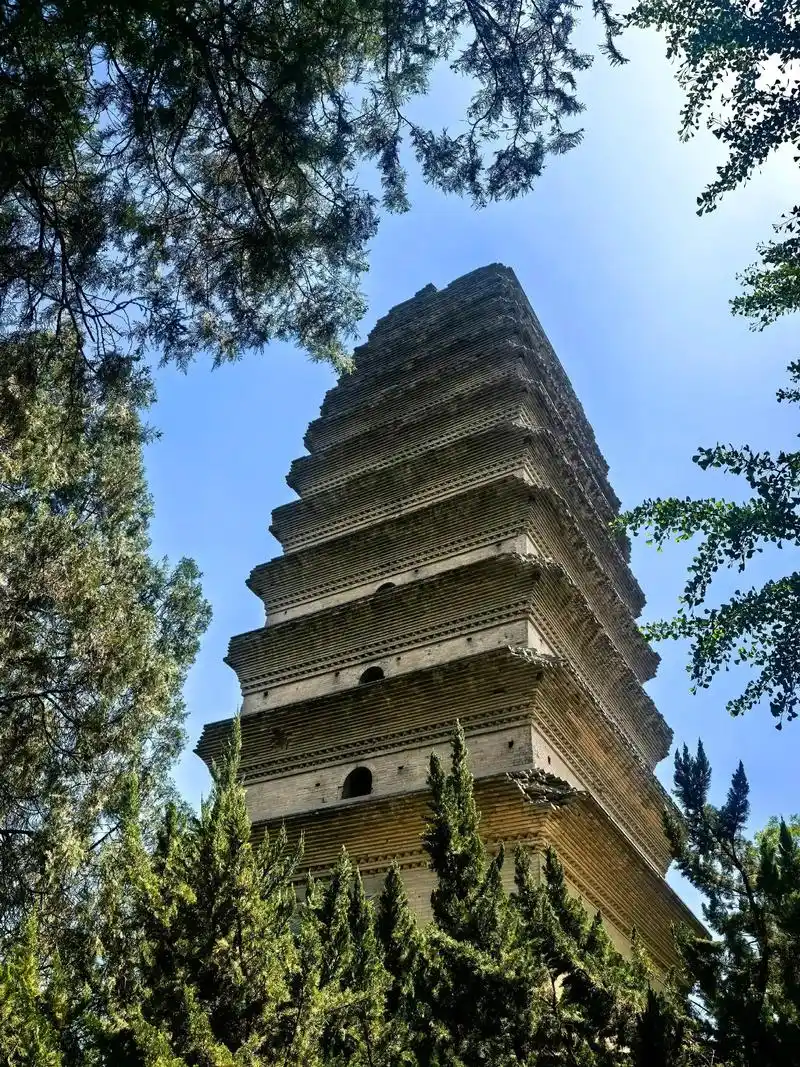
Little Wild Goose Pagoda
Visit the Little Wild Goose Pagoda, surviving a massive Tang Dynasty earthquake. Explore ancient gardens and pagoda architecture, and enjoy a serene oasis amid bustling Xi’an—a site rich in Buddhist history and culture.
-
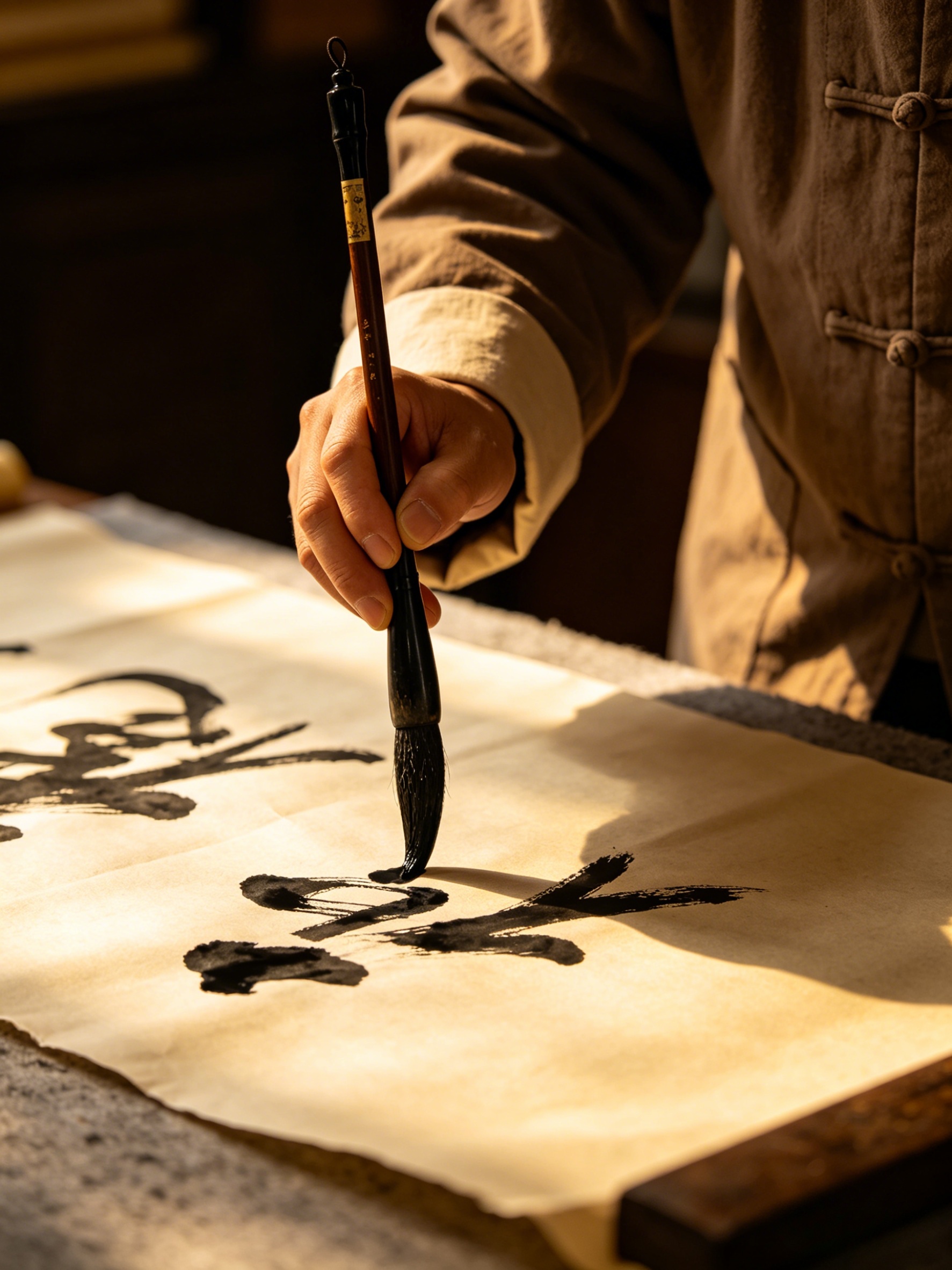
Chinese Calligraphy Experience
Participate in a hands-on Chinese calligraphy experience, where the whole family can learn to write Chinese characters with a brush pen. Under the guidance of a professional instructor, create your own calligraphy works as unique souvenirs, making sweet family memories through this traditional art form.
-
The Hanyangling Museum(Han Dynasty)
The Hanyangling Museum of Emperor Jing of Han is located on the banks of the Wei River in the northern suburbs of Xi'an, and was established based on the national key cultural relic protection unit Hanyangling. It was completed and opened on September 30, 1999, with a total area of 20 square kilometers. It is now a national first-class museum, a national archaeological site park, and a national AAAA level tourist attraction. Hanyang Mausoleum is a cemetery where Emperor Jing of the Western Han Dynasty, Liu Qi, and Empress Wang were buried together in a different tomb. It was first built in 153 BC and completed in 126 BC. The total area of the cemetery is 20 square kilometers, and the construction time lasted for 28 years. The institute has four basic exhibitions: Archaeological Exhibition Hall, Imperial Mausoleum Outer Pit Site Protection Exhibition Hall, Nanquemen Site Protection Exhibition Hall, and Ancestral Temple Site, displaying more than 10000 cultural relics.
In April 1963, the Yangling Mausoleum of Emperor Jing of Han was announced as the first batch of key cultural relics protection units in Shaanxi Province. On June 25, 2001, the Yangling Mausoleum of Emperor Jing of Han was announced by the State Council as the fifth batch of national key cultural relics protection units. In May 2008, the Yangling Museum of Emperor Jing of Han was awarded the title of "National First Class Museum". On October 9, 2010, the Yangling Museum of Emperor Han Jing was announced by the National Cutural Heritage Administration as the first batch of national archaeological sites parks. On May 18, 2024, the Yangling Museum of Emperor Jing of Han won the "Top 100 Overseas Influential Museums" award and was included in the "Top 10 Overseas Influential Museums of Cultural Relics and Historical Sites" list.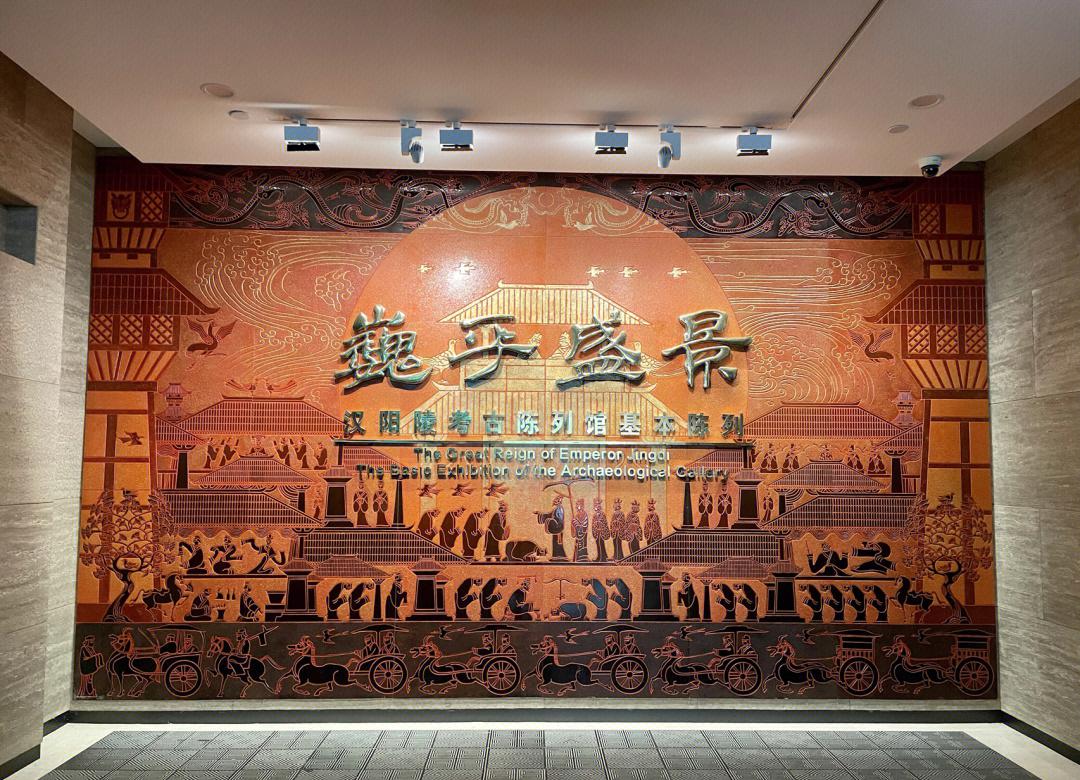
- Xi'an to Guiyang by Flight (Xi'an to Guiyang)
- Breakfast , Lunch
- Private Van
- English-speaking guide services as per itinerary
-
Huangguoshu Waterfall
Huangguoshu Waterfall, also known as Huangguoshu Waterfall. Formerly known as Baishuihe Waterfall, also known as "Huanggeshu" Waterfall or "Huanggeshu" Waterfall, the myth of Huangguoshu Waterfall has been passed down among the people of Guizhou since ancient times. The name Huangguoshu Waterfall comes from the tree that bears the "yellow fruit" in this myth. It is located in Zhenning Buyi and Miao Autonomous County, Anshun City, Guizhou Province, China. It belongs to the water system of Baishui River section at the lower reaches of Kebu River, a tributary of Dabang River, a tributary of Beipan River, a tributary of the Pearl River water system. It is the largest first-class waterfall in Huangguoshu Waterfall Group and one of the world famous waterfalls. Known for its vast water flow. The height of the waterfall is 77.8 meters, of which the main waterfall is 67 meters high; The waterfall is 101 meters wide, with the main waterfall top being 83.3 meters wide. Huangguoshu Waterfall belongs to the erosion fissure type waterfall in karst landforms.
The fame of Huangguoshu Waterfall began with the Ming Dynasty traveler Xu Xiake, and through the travels and dissemination of famous figures throughout history, it has become a well-known scenic spot.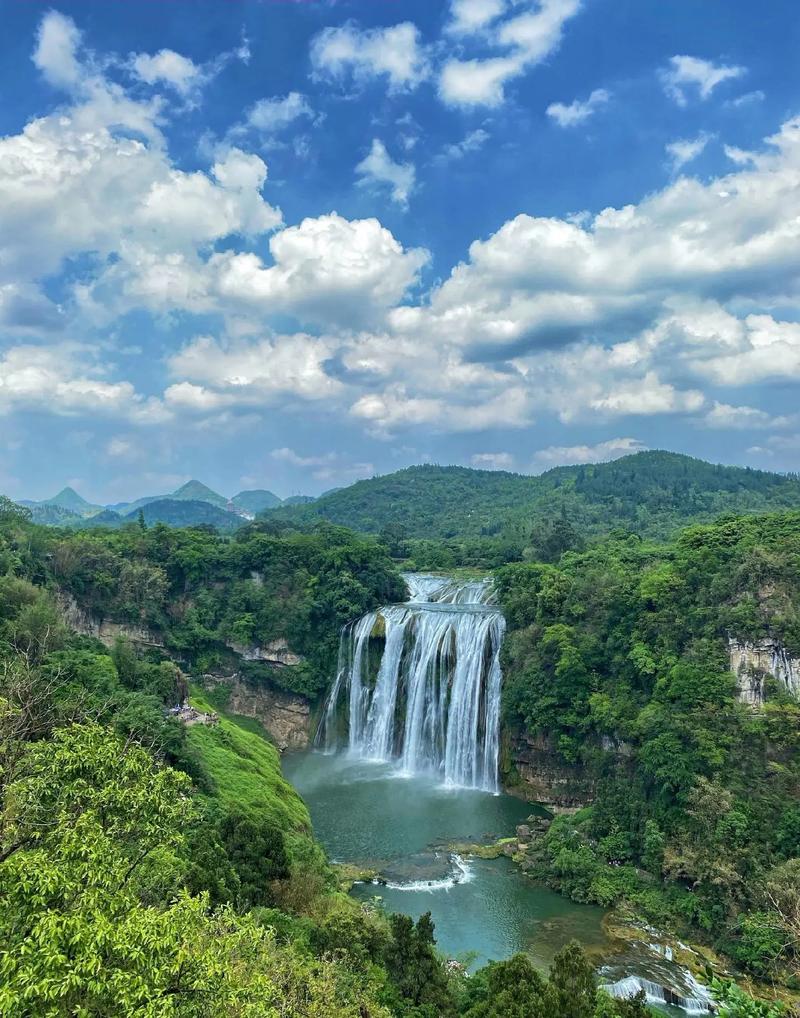
-
The Tianlong Tunbao Scenic Area(Tianlong Tunpu Ancient Town)
The Tianlong Tunbao Scenic Area is located in Tianlong Town, Pingba District, Anshun City, Guizhou Province, about 60 kilometers away from Guiyang City, 30 kilometers away from Anshun City, and 13 kilometers away from Pingba City. It is a living relic of the Ming Dynasty Tunbao culture and has a long history of 600 years. Its history can be traced back to the early Ming Dynasty's military campaign of "transferring north to conquer south". Descendants of border guards and civilians preserved the Jianghuai architectural style and customs, forming defensive settlements represented by stone houses, watchtowers, and cat windows. Women wear Fengyang Han costumes and three strand headpieces, continuing the characteristics of Ming Dynasty clothing; Di Xi uses plays such as "The Three Kingdoms" and "Yang Family Generals" as carriers, retaining the military Nuo performance form. The Yuan Dynasty was an important post station on the Shunyuan Ancient Post Road. The existing main street runs through the core village, connecting ancient buildings such as gatehouses, Yanwu Hall, Tea Post Station, and Shen Wansan's former residence. The layout of the alleyways still has military defense functions
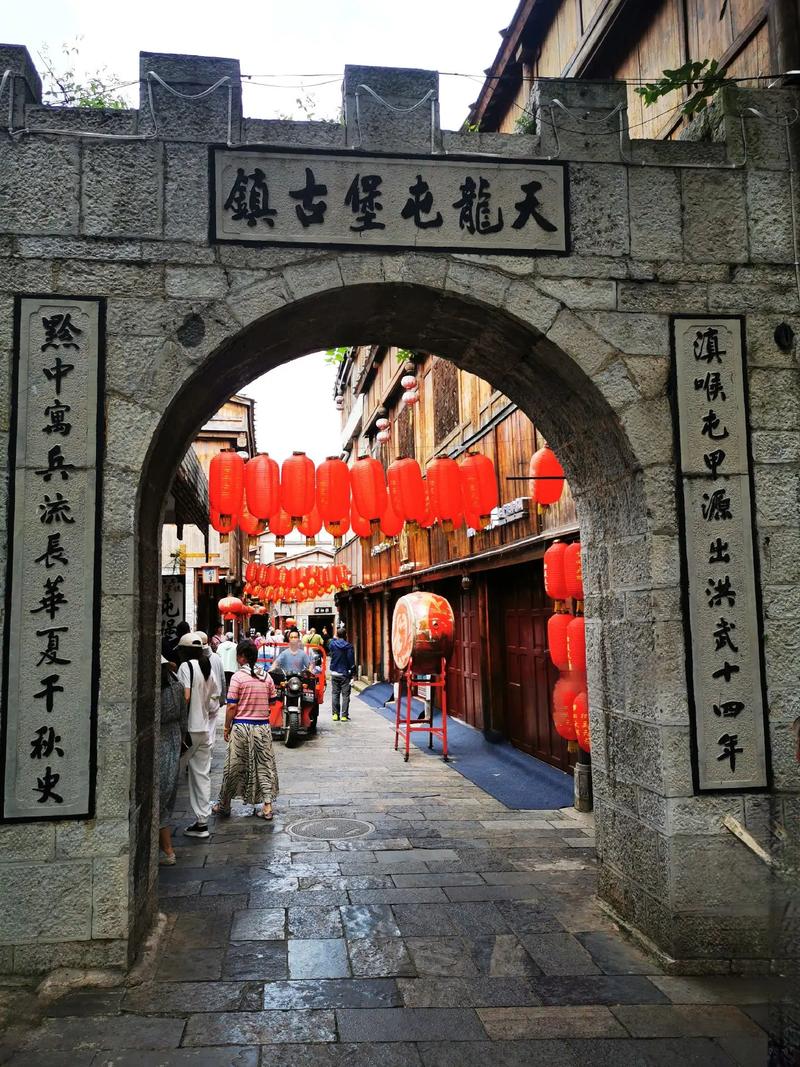
- Breakfast , Lunch
- Private Van
- English-speaking guide services as per itinerary
-
Kaili Folk Museum(The Ethnic Museum of Qiandongnan Prefecture)
The Ethnic Museum of Qiandongnan Prefecture is a comprehensive museum located at No. 5 Guangchang Road, Kaili City, Guizhou Province. It started construction in 1985 and was opened on July 23, 1988. In 2009, it was opened for free, covering an area of 11000 square meters with a building area of 7421 square meters. The exterior of the museum combines the Miao and Dong art styles, with the central tower adopting the double eave form of Dong drum towers and the east and west towers adopting the form of Miao stilted buildings.
There are four basic exhibition halls in the museum, namely "State Love Hall," "Ethnic Culture Hall," "Clothing Hall," and "Intangible Cultural Heritage Hall," as well as a "Temporary Exhibition Hall." There are more than 12000 collections, including 24 first level cultural relics, 211 second level cultural relics, and 257 third level cultural relics, covering Miao and Dong ethnic costumes and ancestral worship utensils from the Yuan, Ming, and Qing dynasties. The cultural relics are classified into unearthed, revolutionary social construction, and production and life categories. After a year long re exhibition, it will resume opening to the public on July 13, 2022. The museum became a tourist attraction for foreign affairs in Guizhou Province in 1989, was awarded the title of Guizhou Province Patriotic Education Base in 2000, was rated as a national ethnic unity and progress education base in 2007, was rated as a national second level museum in 2013, was listed as a historical building in Kaili City in 2019, and was selected as one of the first national science and education bases on March 30, 2022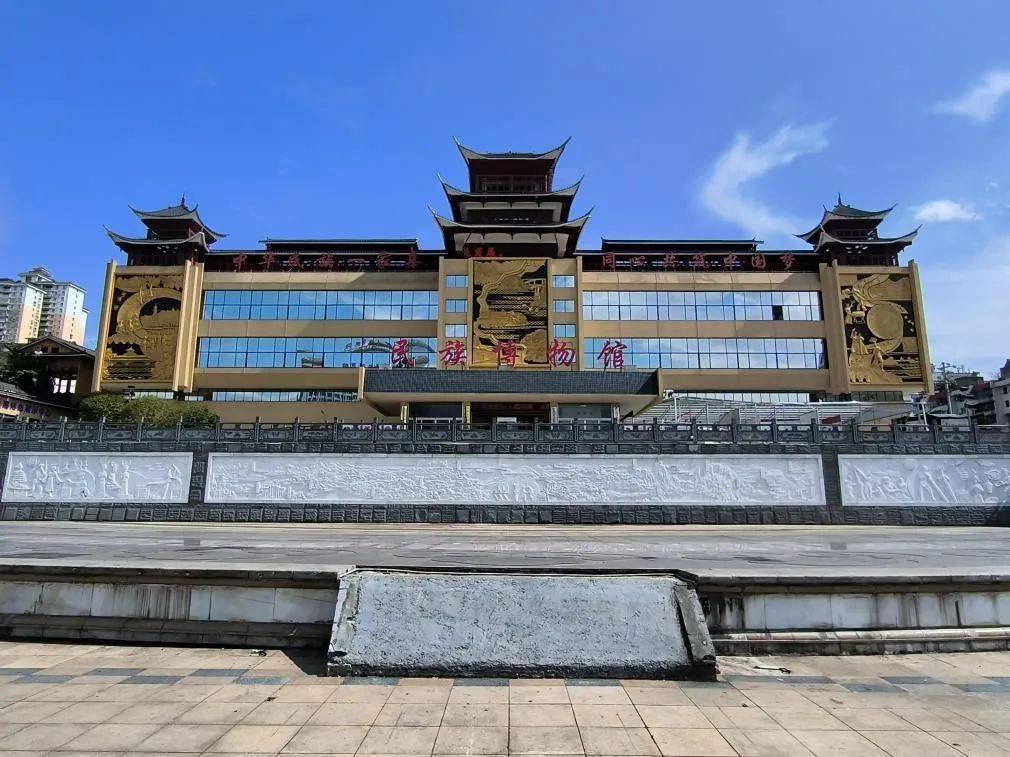
-
Matang Gejiazhai
Matang Gejiazhai is located in Pingzhai Village, Longchang Town, Kaili City, Qiandongnan Miao and Dong Autonomous Prefecture, Guizhou Province. It is about 19-21 kilometers away from the city center and is the largest Gejiazhai in Kaili City. There are about 400-500 revolutionary families living in the village. The Ge family is a unique ethnic group that claims to be descendants of the ancient sun shooting hero Hou Yi, and has its own unique language, clothing, and customs. At present, the Ge family is temporarily classified as a branch of the Miao ethnic group by the government, but the Ge family itself does not recognize this classification.
Surrounded by mountains, Matangzhai boasts a serene and pleasant environment. Bamboo, wood, flowers, and plants are planted in front and behind the houses, creating a charming scenery throughout the year. Matanggejiazhai is one of the first ethnic cultural tourism villages developed in Guizhou Province, and is listed as one of the 18 ethnic cultural protection zones in the world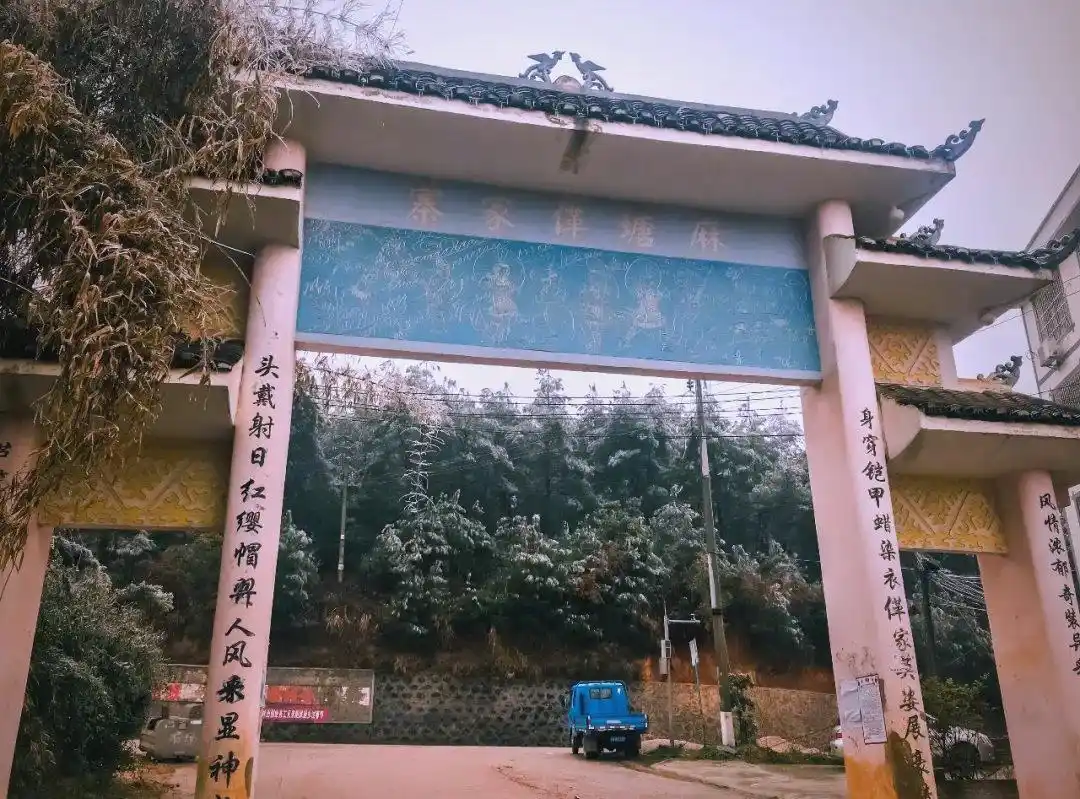
-
Qingman Village
Qingman Village is an administrative village under the jurisdiction of Zhouxi Town, Kaili City, Guizhou Province. It is located in the southwest of Kaili City, about 25 kilometers away from the city center. It is situated in the middle of the Changlinggang Mountain Range and is crossed by the Qinglang River. The village was founded in the Yongle period of the Ming Dynasty, and now governs four natural villages, with a registered residence population of 1678, 96% of which is Miao. The village is built along the mountain, with a group of trapezoidal tile roofed hanging wooden buildings. It was rated as a "Chinese Ethnic Minority Characteristic Village" in 2019 and was approved as a national 3A level tourist attraction in 2021.
The local area belongs to the unique branch of the Miao ethnic group in southeastern Guizhou, where women's short skirts and Tang Dynasty headwear coexist. It is known for its flat embroidery and crepe embroidery techniques, and its brocade weaving skills have been selected for the national intangible cultural heritage list, earning it the title of "hometown of Miao embroidery". Traditional festivals such as the Lusheng Festival and the Festival of Worshiping You have been preserved, while folk activities such as bronze drum dance and folk songs have continued to this day. There are historical relics such as the ancient Yingpan site and the Caifern Hall in the village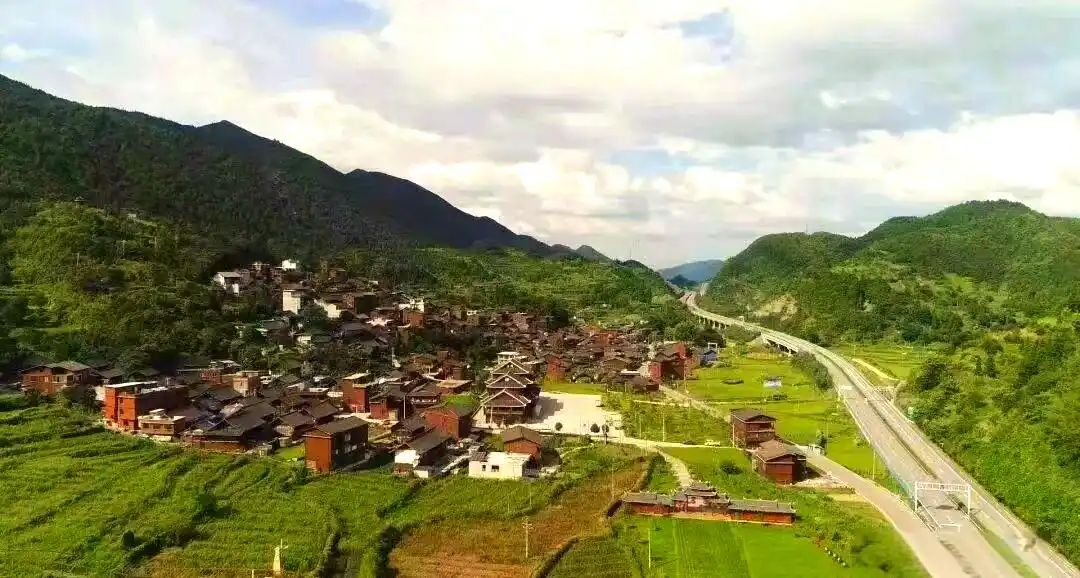
- Breakfast , Lunch
- Private Van
- English-speaking guide services as per itinerary
-
Danzhai Shiqiao Town
Danzhai Shiqiao Town is located in Shiqiao Village, Nangao Township, Danzhai County, Qiandongnan Miao and Dong Autonomous Prefecture, Guizhou Province, with a total area of 241.38 hectares. It is 35.5 kilometers away from Danzhai County and 34 kilometers away from Kaili City. The scenic area is centered around the national intangible cultural heritage of "Stone Bridge Ancient Paper Making", integrating tourism resources such as ancient paper culture, Miao ethnic customs, landscape, pastoral scenery, and Cambrian fossil groups to form a "living museum" of ancient paper making. In 2006, Shiqiao Ancient Paper Manufacturing was included in the first batch of national intangible cultural heritage protection list; The scenic area was rated as a national 3A level tourist attraction in 2017, and Shiqiao Village was selected as a provincial-level rural tourism key village in 2021.
The paper-making technology in this area can be traced back to the Tang Dynasty, with a history of 1500 years. It uses bark, fir roots, and spring water as raw materials, and the process is highly similar to the techniques recorded in "Tiangong Kaiwu". The scenic area includes natural stone bridges, wind and rain bridges built with mortise and tenon structures, as well as ancient paper-making sites through caves. The caves are over 1500 meters deep and have both stream landforms and geological research value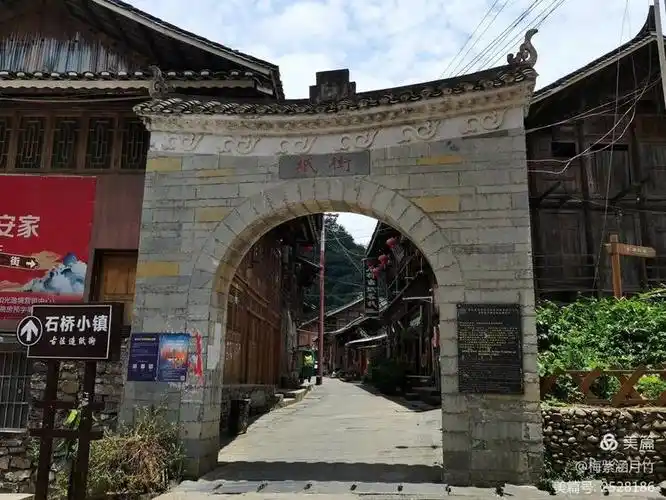
-
Jidao Miao Village
Jidao Miao Village is located in Sankeshu Town, Kaili City, Qiandongnan Miao and Dong Autonomous Prefecture, Guizhou Province, on the banks of the Bala River, 20 kilometers southeast of the city center. It is a traditional village inhabited by the Miao ethnic group. The village is divided into upper and lower villages, with approximately 110 households and nearly 500 people, mainly surnamed Pan. The history of the village is about 220 years. The Miao language name "Jid Dob Vangl Eb" means "deep pool", named after the deep pool of the Bala River at the foot of the village. The village is surrounded by mountains and water, preserving the architectural complex of stilted houses, as well as the century old ancient path, ancient trees and other landscapes.
During the reign of Emperor Daoguang of the Qing Dynasty, in order to prevent theft and fire, villagers relocated scattered grain warehouses to the banks of rivers, forming the existing century old grain warehouse group. The village preserves relics such as ancient flower streets and immortal caves, and folk legends such as cow and horse footprints and buried altar mountains are passed down. The local inheritance of Miao ancient songs covers the origin of the universe and ethnic history, and is famous for its double needle winding embroidery technique [2-3]. In 2014, it was included in the list of traditional Chinese villages, and in 2004, it became a key village in the Bala River rural tourism area. Tourists can experience hiking along the ancient path and taste specialty dishes such as sour soup and fish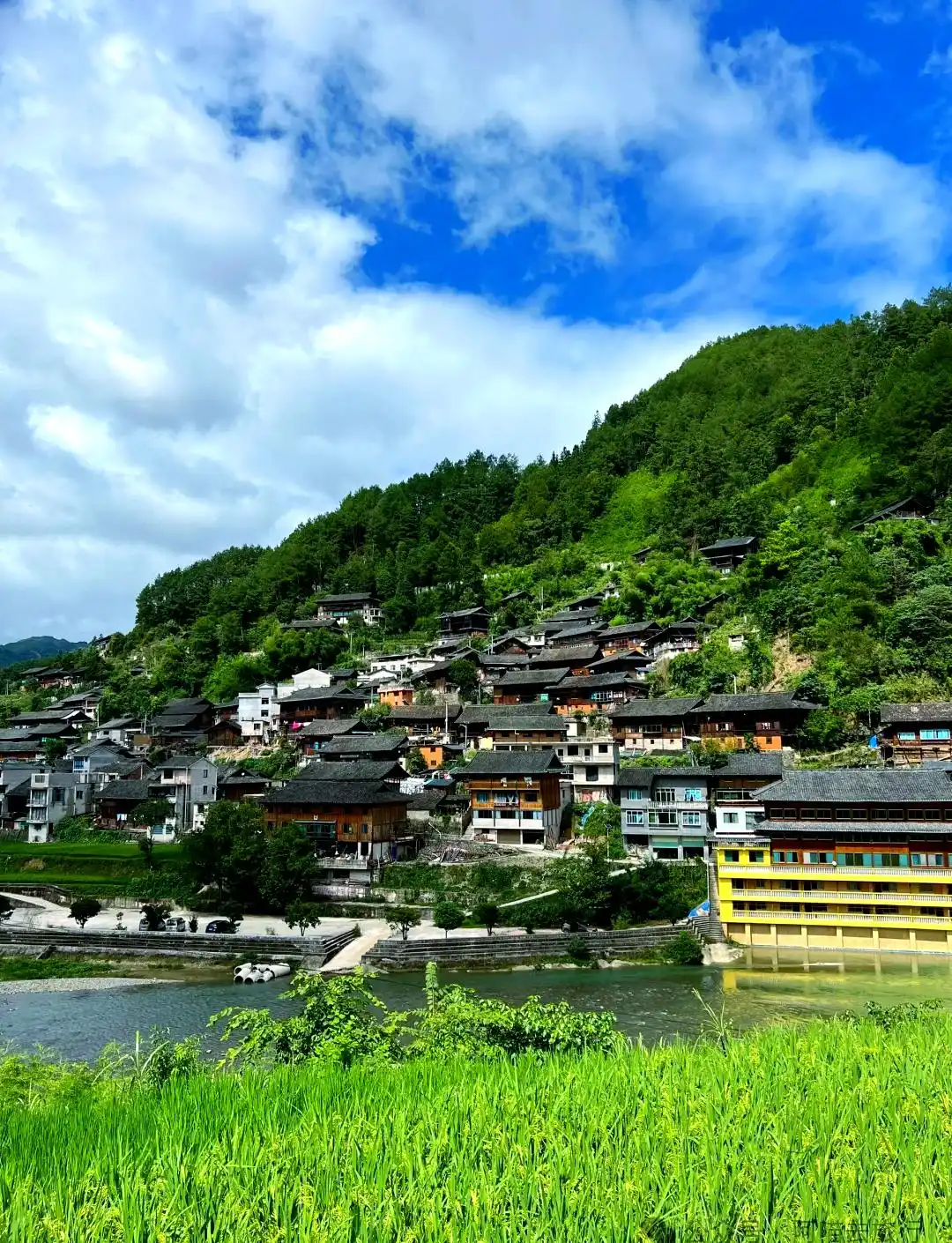
-
Paika Miao Village
Paika Miao Village, also known as the hometown of lusheng production, is a Miao village located approximately 3 kilometers from Leishan County in Guizhou Province, adjacent to the Leishan Rongjiang Highway. In Miao language, "pai" refers to a village on a slope, and "ka" means lusheng. There are currently 80 households with more than 400 people in the village, including 12 households that make lusheng.
This village is famous for the production of lusheng, and currently has 12 professional production households. Its craftsmanship covers more than 40 processes, with the core being the production of reeds. The sound of Lusheng is simple and elegant, with a smooth sound quality. It needs to be tuned and tested to achieve a standard of 50 reed vibrations per second. The products range from 20 traditional types to 26 innovative stainless steel sleeves. In 2006, the production technique of Miao lusheng was included in the first batch of national intangible cultural heritage list. The inheritor Mo Yanxue broke the old custom of "passing on the inside but not the outside". In 2008, he was awarded the honorary title of national intangible cultural heritage inheritor. He led the entire village to complete 7000 orders and was busy completing more than 1000 orders of lusheng before the 2017 Miao New Year.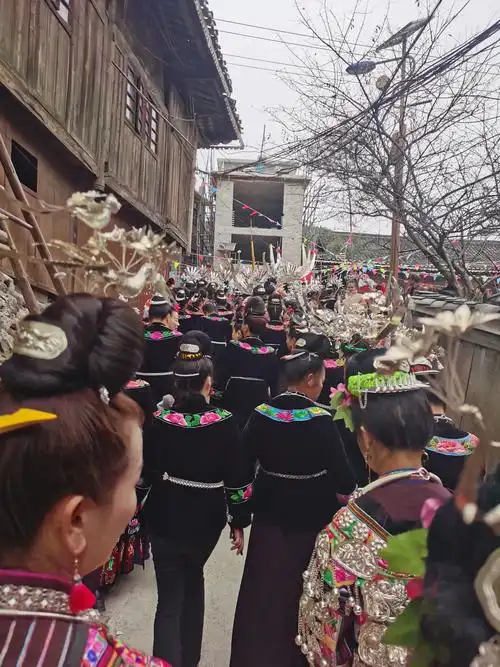
- Breakfast , Lunch
- Private Van
- English-speaking guide services as per itinerary
- take a private transfer (3.5 hrs' drive) to Rongjiang (Kaili to Rongjiang)
-
Chejiang Dong Village
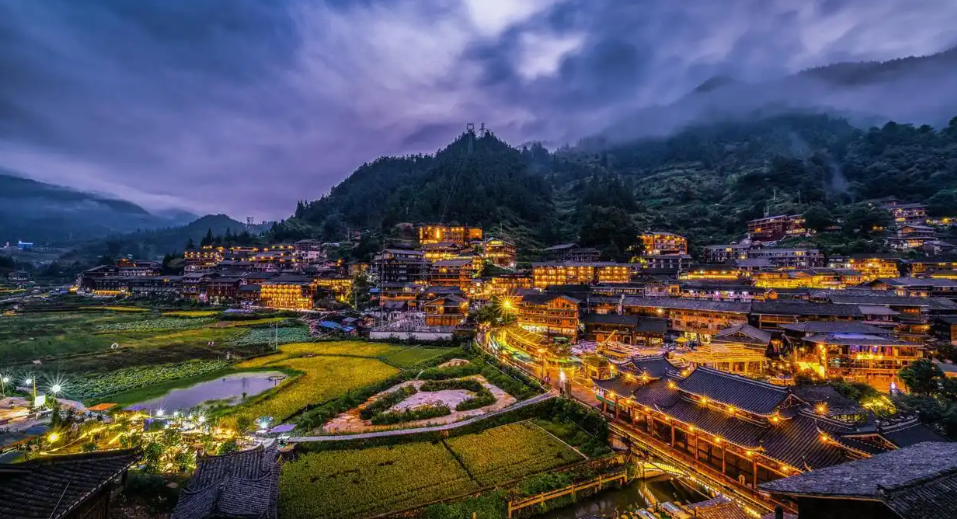
Chejiang Dong Village, also known as "Qianhu Dong Village", is located along the Haohe River in the northern part of Rongjiang County, Guizhou Province. It consists of five villages along the river and stretches for about 15 kilometers. The population density of the Dong ethnic group ranks first in the country and is known as the "first Dong village in China". The core scenic area includes Zhanglu, Zhaitou, and Motang villages, with a total of over 800 households and more than 3000 people.
The village preserves 38 ancient banyan trees from the Qianlong period of the Qing Dynasty, forming a unique landscape with interconnected root systems. The largest existing group of ancient banyan trees is distributed from Yintang to the banks of Zhanglu River. The cultural landscape includes the cobblestone paved "Twelve Zodiac" flower street, the beautiful sculpture of Zhulang Niang, and the "Sama Temple" and other Dong ethnic cultural relics. The Drum Tower is a characteristic building of the Dong ethnic group. The Chezhai Drum Tower was first built in the third year of the Guangxu reign of the Qing Dynasty, and in recent years, the scale of newly built Drum Towers has become the largest in the Dong ethnic group.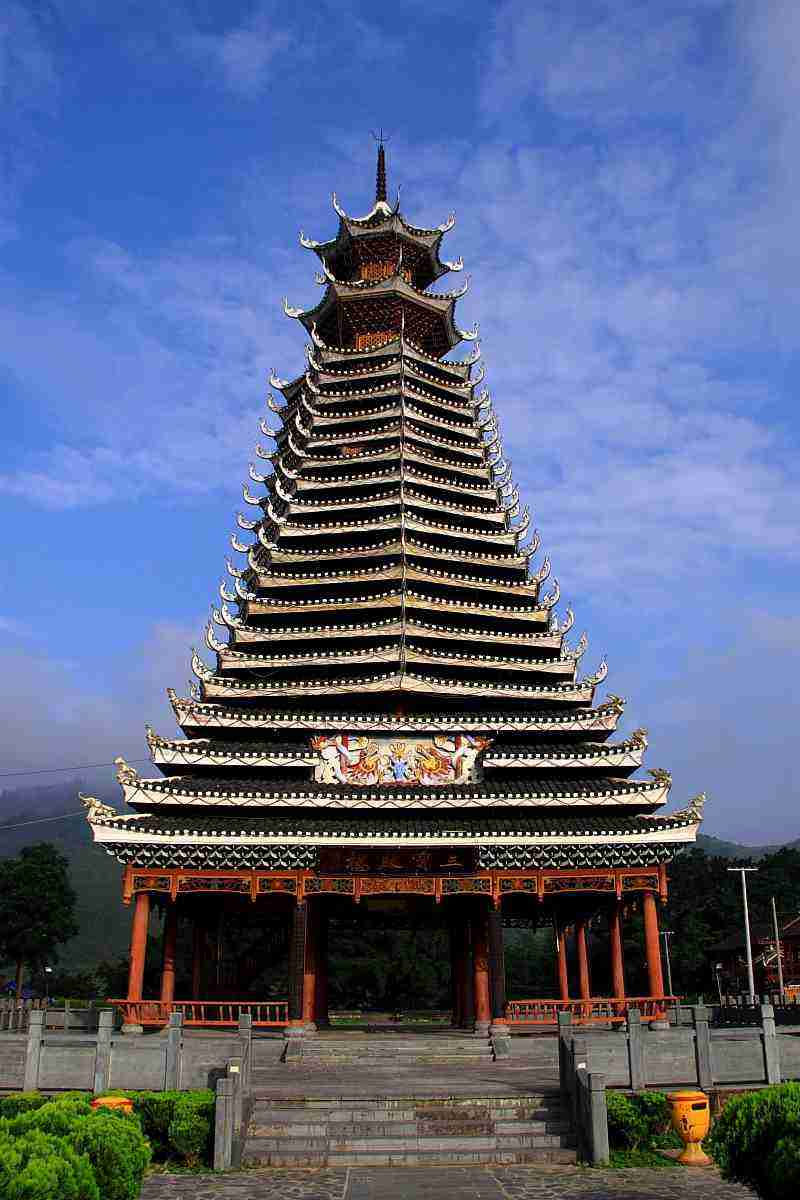
- Breakfast , Lunch
- Private Van
- English-speaking guide services as per itinerary
- take a private transfer to zhaoxing (Rongjiang to Zhaoxing)
-
Basha Miao Village (English name: Biasha)
Basha Miao Village (English name: Biasha), also known as the "Last Spearman Tribe", is located in Bingmei Town, Congjiang County, Qiandongnan Prefecture, Guizhou Province. It consists of five natural villages including Dazhai and Zaigexin Village, with a total area of 15 square kilometers and a permanent population of about 2548 people. Miao language is the main language of communication. Located at an altitude of 550 meters at the foot of the Moon Mountain, it belongs to a subtropical humid climate. The village preserves customs such as sickle shaving, wearing firearms (approved by the public security organs), and worshiping ancient trees. The male hair bun "hu stick" is an ancient hairstyle inherited from the Chiyou era. In 1976, the millennium camphor tree was presented as a tribute to Chairman Mao's Memorial Hall and a memorial pavilion was built.
The local traditional festivals include the Lusheng Festival and the Eating Festival, and the "girl making" activity in wedding customs is unique. Basha implements tree burial, planting trees in tombs as monuments, and forest protection regulations stipulate that loggers must be fined "three hundred and twelve". The village strictly prohibits indiscriminate logging and is a national 4A level tourist attraction and a famous historical and cultural village in China. In recent years, measures such as optimizing the format of scenic spots and forming intangible cultural heritage performance teams have been taken to promote the integration of culture and tourism, and villagers have achieved income growth through tourism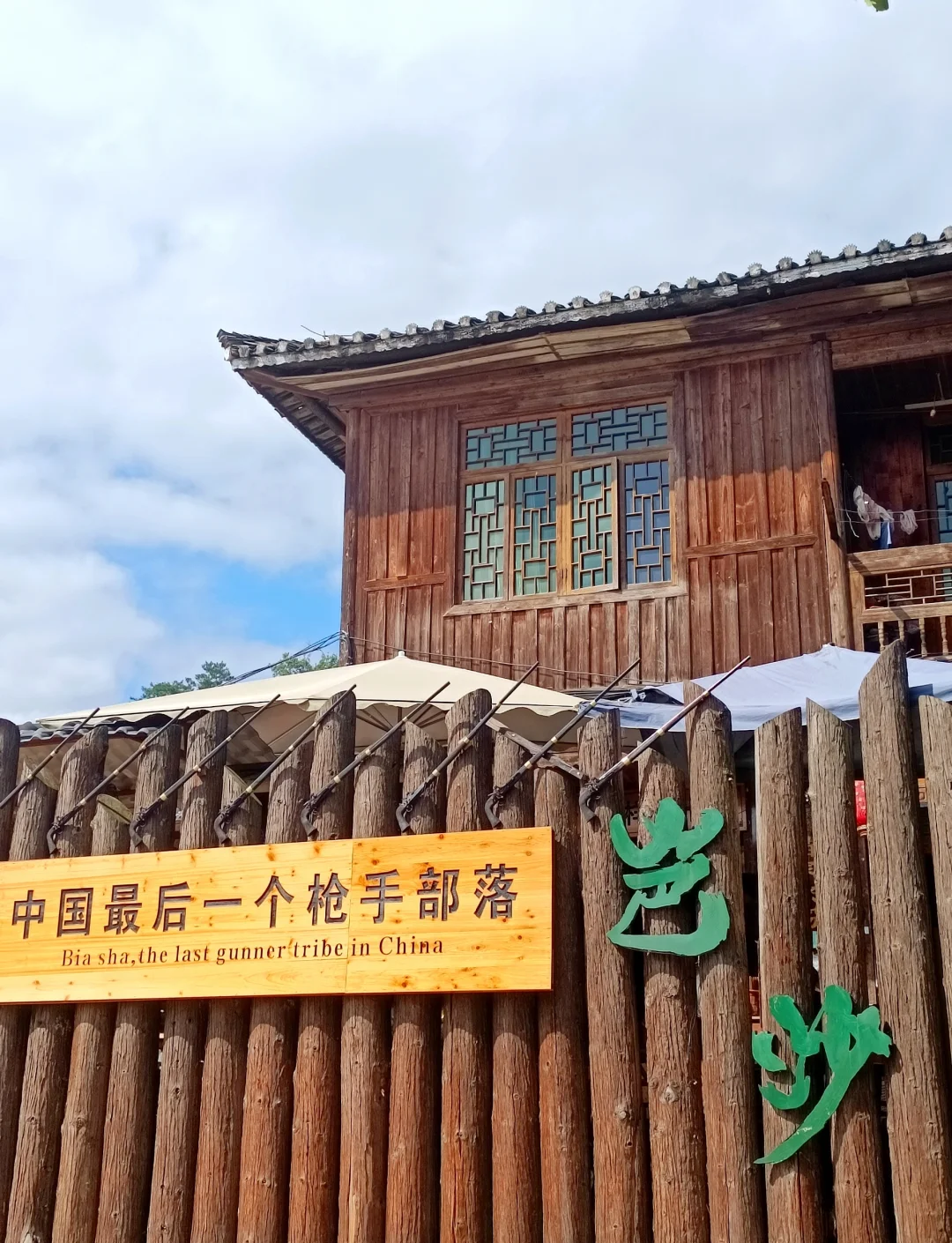
-
Yintan Dong Village
Yintan Dong Village, also known as Yintan Village, is located in Guping Township, Congjiang County, Qiandongnan Miao and Dong Autonomous Prefecture, Guizhou Province, 20 kilometers north of the county seat. In December 2012, it was included in the first batch of the list of traditional Chinese villages. The village has three natural villages, Yinshang, Yinzhong and Yinxia, with a registered residence population of 2212 and a common Dong language. The exit of the Xiarong Expressway passes through Zhaibei, and the Jiangguping Highway runs through Zhaibei District. In December 2014, the Guiyang Guangzhou high-speed railway passed through our doorstep.
The village is located in a valley, surrounded by green mountains. A stream runs through the village, and there are 452 households of wooden stilted houses on both sides. The village is surrounded by orderly rice paddies and streams, which reflect a silver light under the sunshine, hence the name Yintan. There are currently three drum towers, among which the 13 story drum tower is a landmark in the village. There are 146 national first-class protected plants of Taxus chinensis distributed around the village, with the largest plant diameter of 1.8 meters. The traditional architectural complex includes a floating grain silo, a trapezoidal rice drying rack, and a Qing Dynasty ancient well engraved with yin-yang fish patterns. There are wind and rain bridges and over 40 small bridges connecting the two banks across the river in the village.
The local customs of marriage and love, such as the "Golden Road Carrying Officials" ceremony and the swinging of the yew tree to convey emotions, continue with Dong opera performances and "eating lovesickness" social activities. The main festivals include Dong New Year, June 6th, and Guzang Festival. The Double Support Dong Opera Tour entered Yintan Village. In daily life, traditional scenes of villagers weaving, pounding rice, spinning threads, etc. can be seen.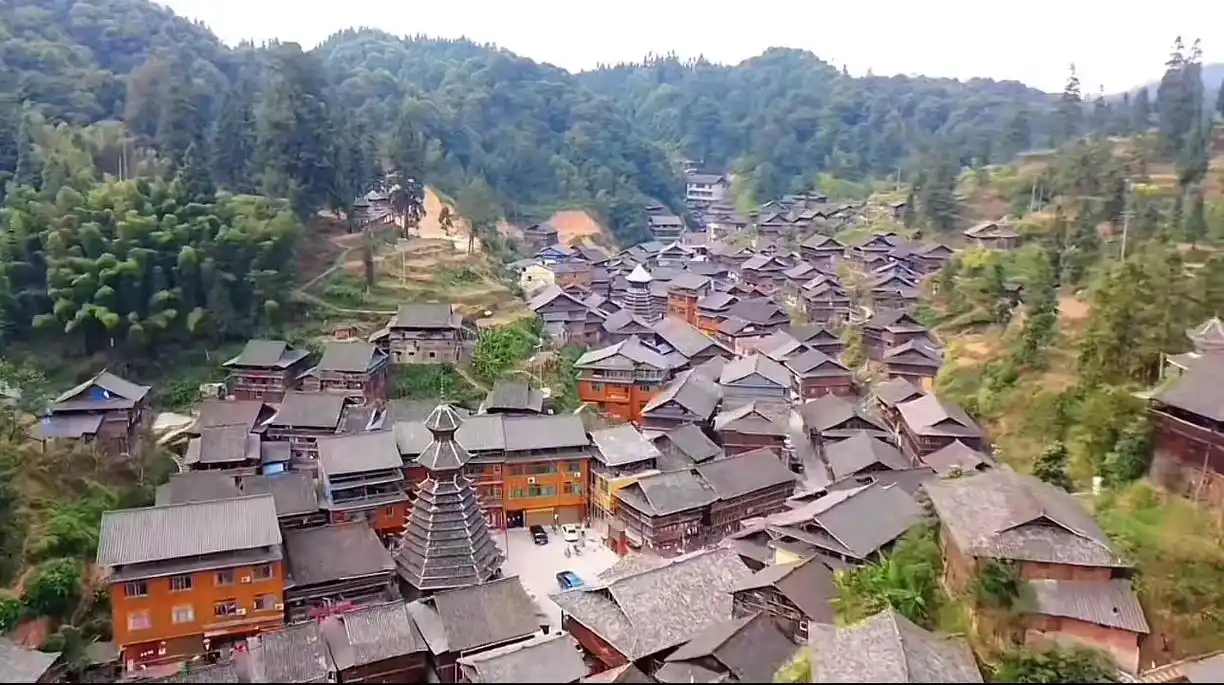
-
Zhaoxing Dong Village
Zhaoxing Dong Village was first built in the third year of Yongxi in the Northern Song Dynasty (986 AD), with a history of more than 1000 years. During the 11th Five Year Plan period, Liping County officially included the development of Zhaoxing Dongzhai Scenic Area in its planning, and began large-scale construction after the 12th Five Year Plan period. It was officially opened to the public in January 2014
Zhaoxing Dong Village is surrounded by mountains on all sides, and the village is built in a central basin. Two small streams converge to form a small river that runs through the village. The houses in the village are stilted buildings in the form of dry railings. They are arranged in rows and are all made of fir. The gable roof is covered with small green tiles, which is simple and practical. Zhaoxing Dong Village is divided into internal surnames and external surnames, with all members being the Lu Dong ethnic group. It is divided into five major Fang ethnic groups and is located in five natural areas, known locally as "Tuan". It is divided into five groups: benevolence group, righteousness group, ritual group, wisdom group, and faith group.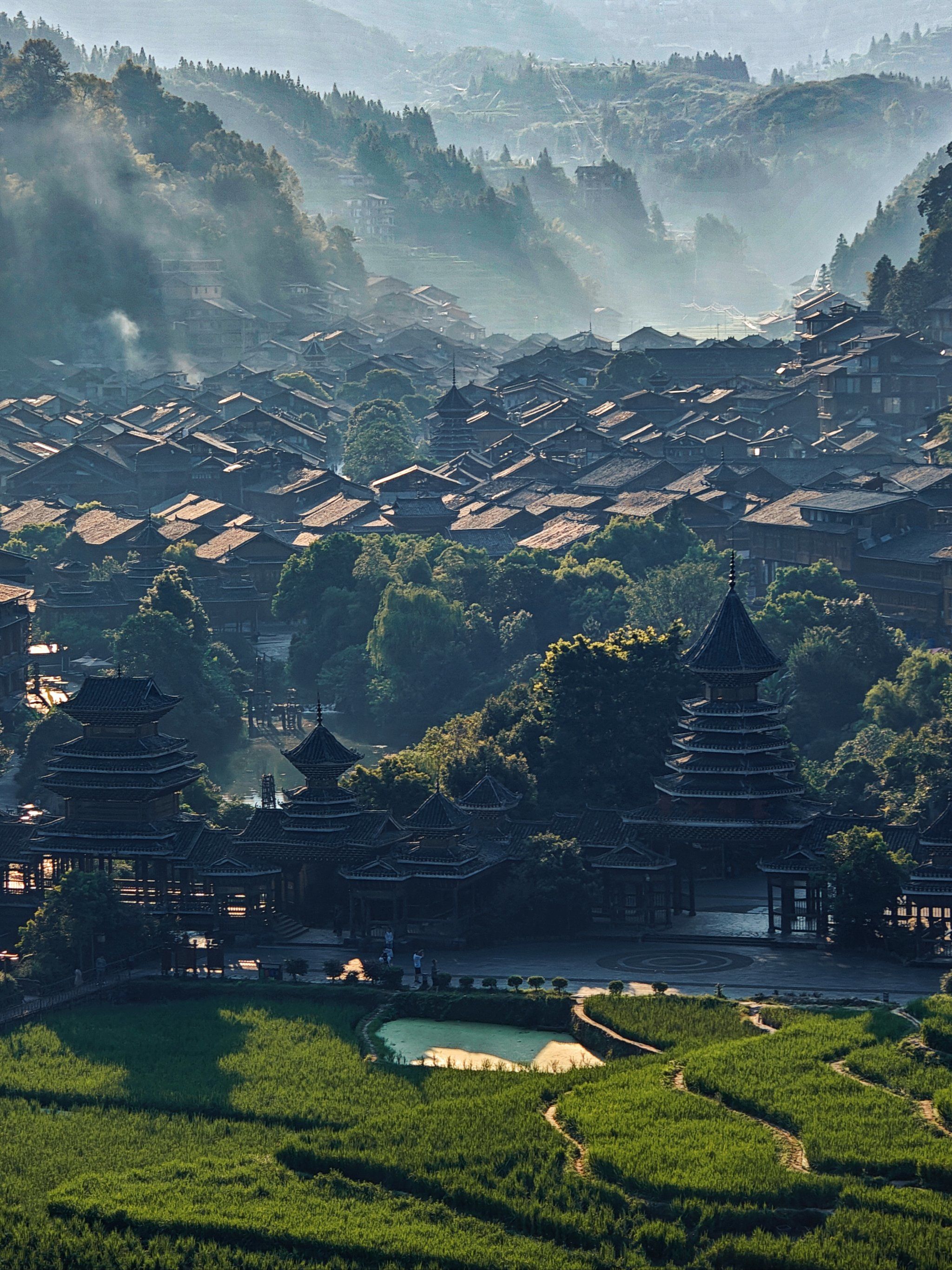
- Breakfast , Lunch
- Private Van
- English-speaking guide services as per itinerary
- zhaoxing to guilin by Bullet Train (Zhaoxing to Guilin)
-
Reed Flute Cave
The Ludi Scenic Area is located on the banks of the Taohua River in the northwest of Guilin City, 5 kilometers away from the city center. It is a core component of the Lijiang Scenic Area and was designated as one of the first national key scenic spots by the State Council in November 1982. In 2000, it was rated as one of the first national AAAA level scenic spots.
The Ludi Cave is 240 meters deep and has a travel distance of 500 meters. Inside the cave, there are a large number of beautiful and translucent stalagmites, stalactites, stone pillars, stone curtains, and stone flowers, all of which are dazzling and form landscapes such as Shiling Chaoxia, Hongluobao, Panlong Pagoda, primitive forest, crystal palace, and Huaguo Mountain. It is like a fairyland and is known as the "Palace of Art of Nature".
Since the Tang Dynasty, there have been traces of tourists throughout history, and there are currently 77 murals in the cave from various dynasties.
Since its discovery and development in 1959, Guilin has now built restaurants, tea rooms, water pavilions, lakes, and curved bridges, as well as boats and plants. It has become a must visit tourist hotspot for both domestic and foreign tourists visiting Guilin.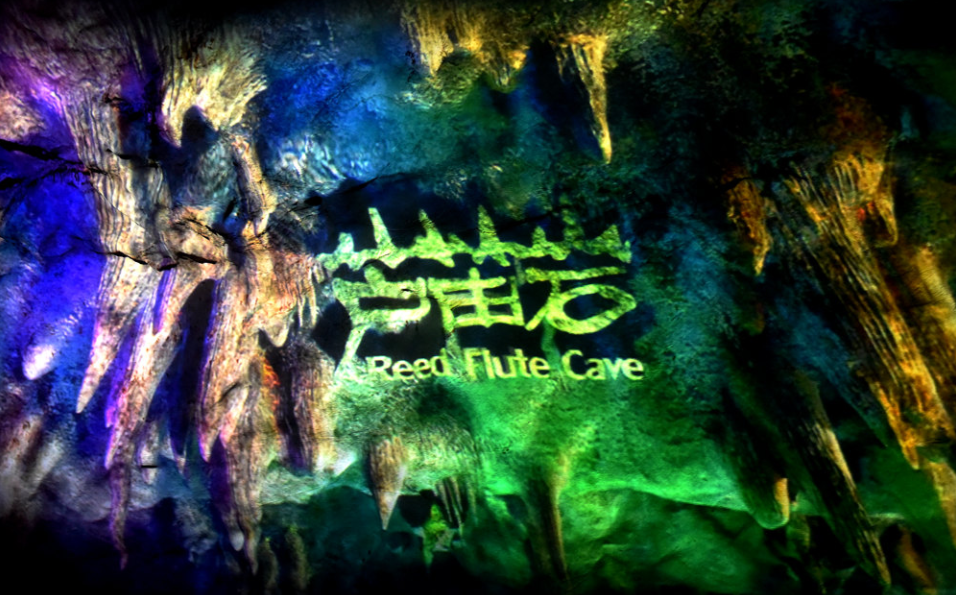
- Breakfast , Lunch
- Private Van
- English-speaking guide services as per itinerary
-
Lijiang Cruise
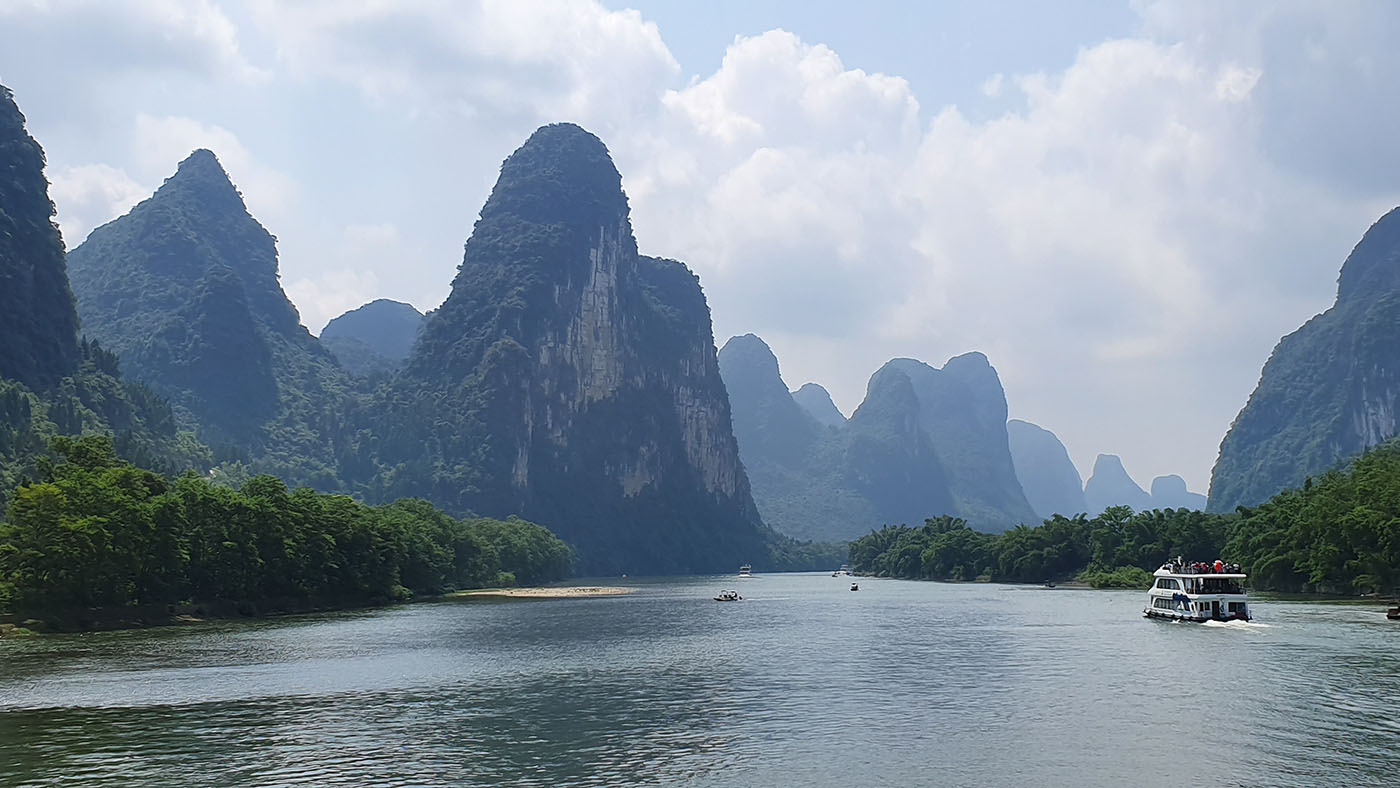
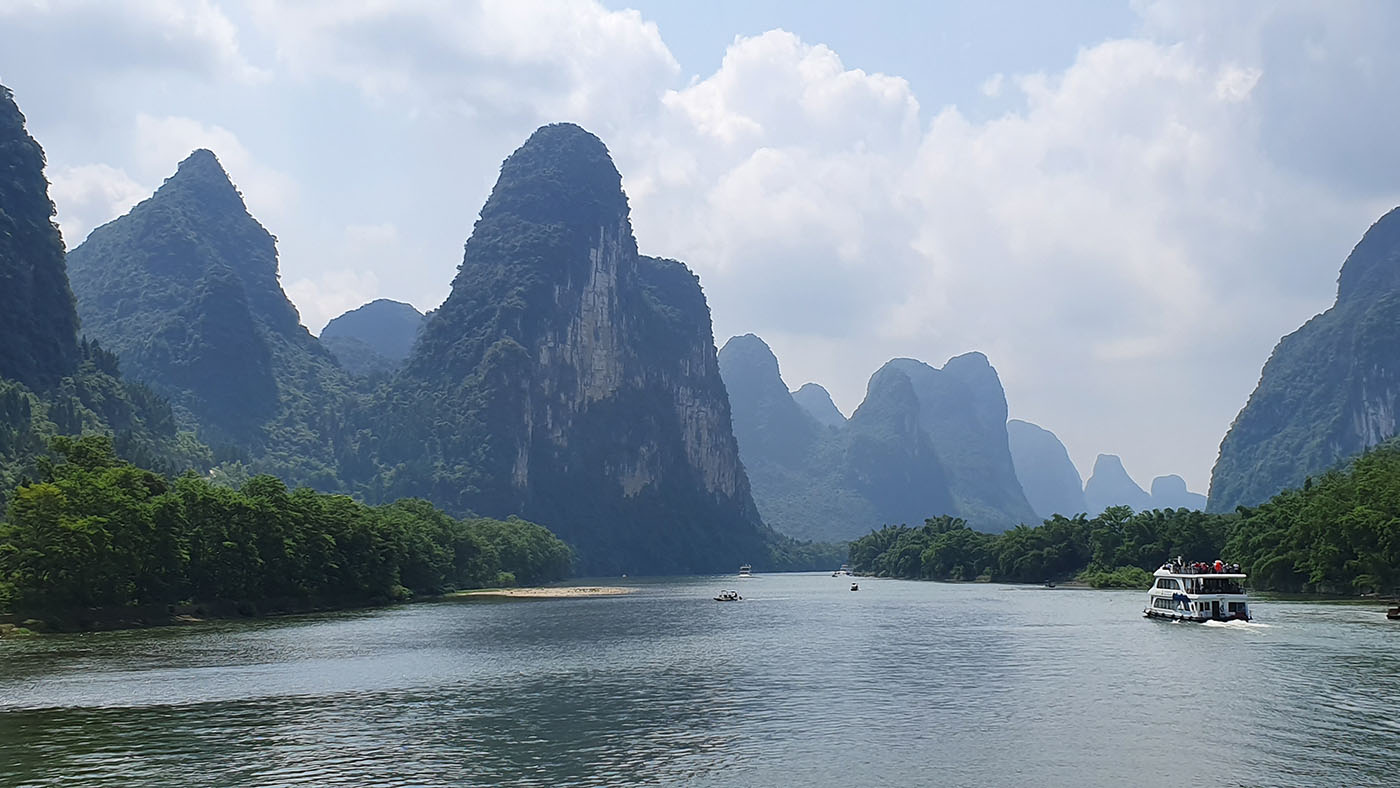
Embark on a scenic Li River Cruise from Guilin to Yangshuo. Glide past towering karst peaks, rice paddies, and tranquil villages, capturing iconic landscapes seen in Chinese ink paintings. This immersive cruise is one of the most scenic Guilin attractions and offers a peaceful way to admire the region’s natural beauty.
-
West Street
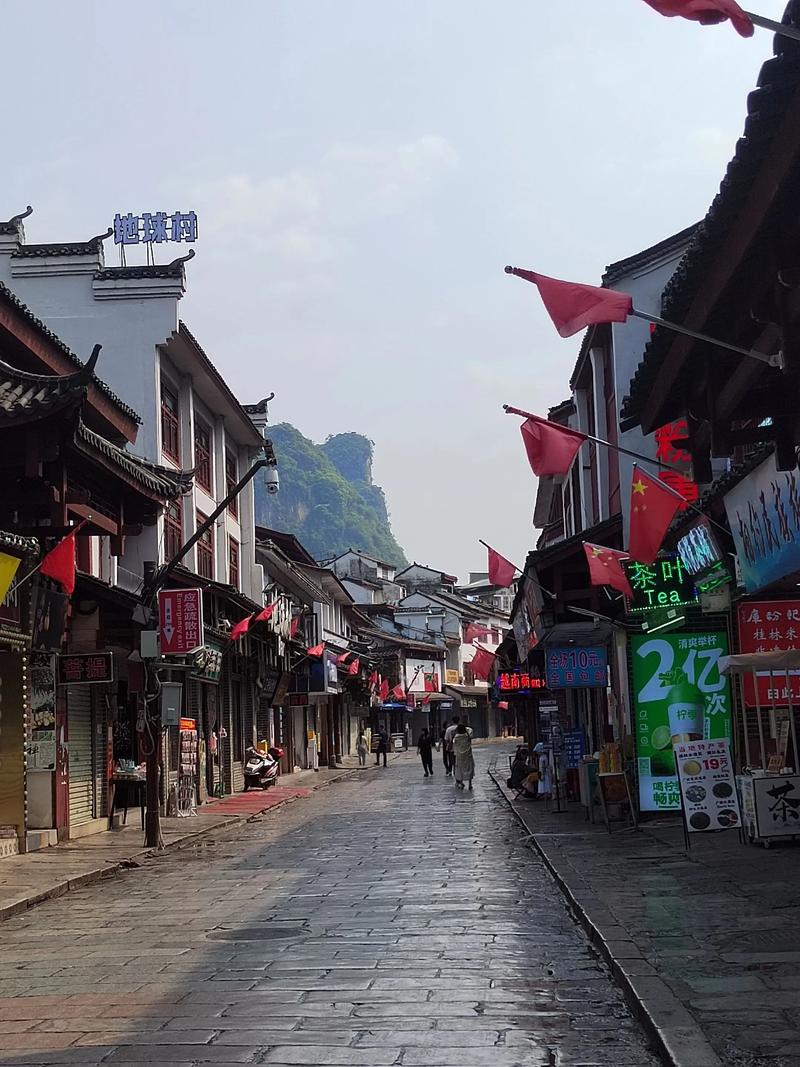
take a leisurely stroll through lively West Street. The street is pedestrian-only, flat and lined with cafés, shops and restaurants. Take your time to wander, browse for souvenirs, or relax in a quiet café with a cup of tea. Yangshuo's laid-back atmosphere and beautiful surroundings make it a perfect place to unwind before being transferred to your senior-friendly hotel for check-in and rest.
- Breakfast , Lunch
- Private Van
- English-speaking guide services as per itinerary
-
Yangshuo Countryside Biking
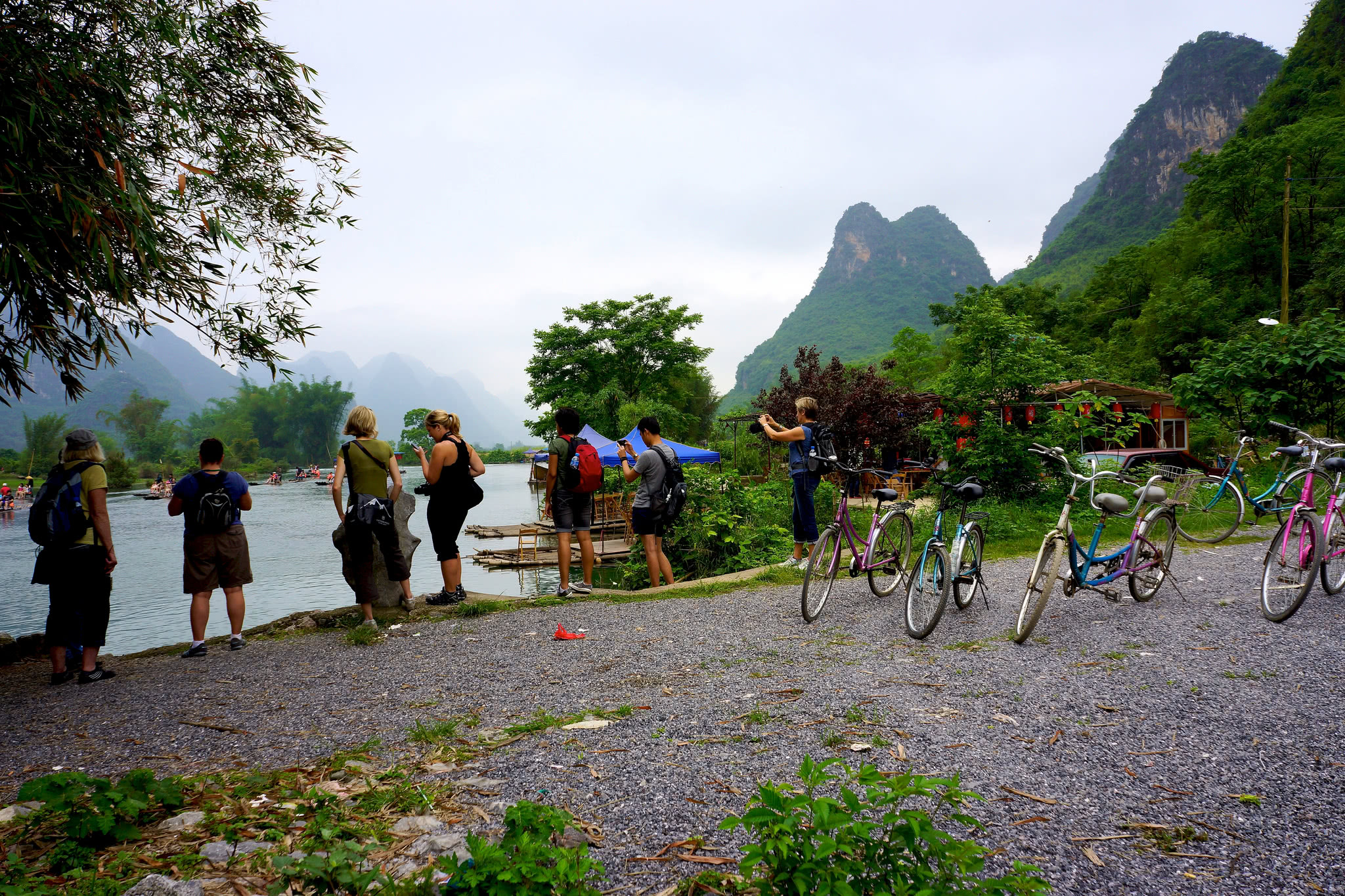
Spend the day in the enchanting countryside of Yangshuo with a family biking adventure, following parts of the renowned "Thousand Miles of Rivers and Mountains, Riding in the Painting" outdoor sports route. Rent comfortable bicycles suitable for all ages, including child seats or tandem bikes, and discover quaint villages, vibrant farmland, and gurgling streams with floating bamboo rafts. The flat, well-maintained country roads offer a safe and enjoyable biking experience, with stunning karst scenery surrounding you at every turn, and you can even catch a glimpse of the majestic Jiuma Huashan from different angles along the way.
- Enjoy your flight from Guilin to Shanghai. (Guilin to Shanghai)
- Breakfast
- Private Van
- English-speaking guide services as per itinerary
-
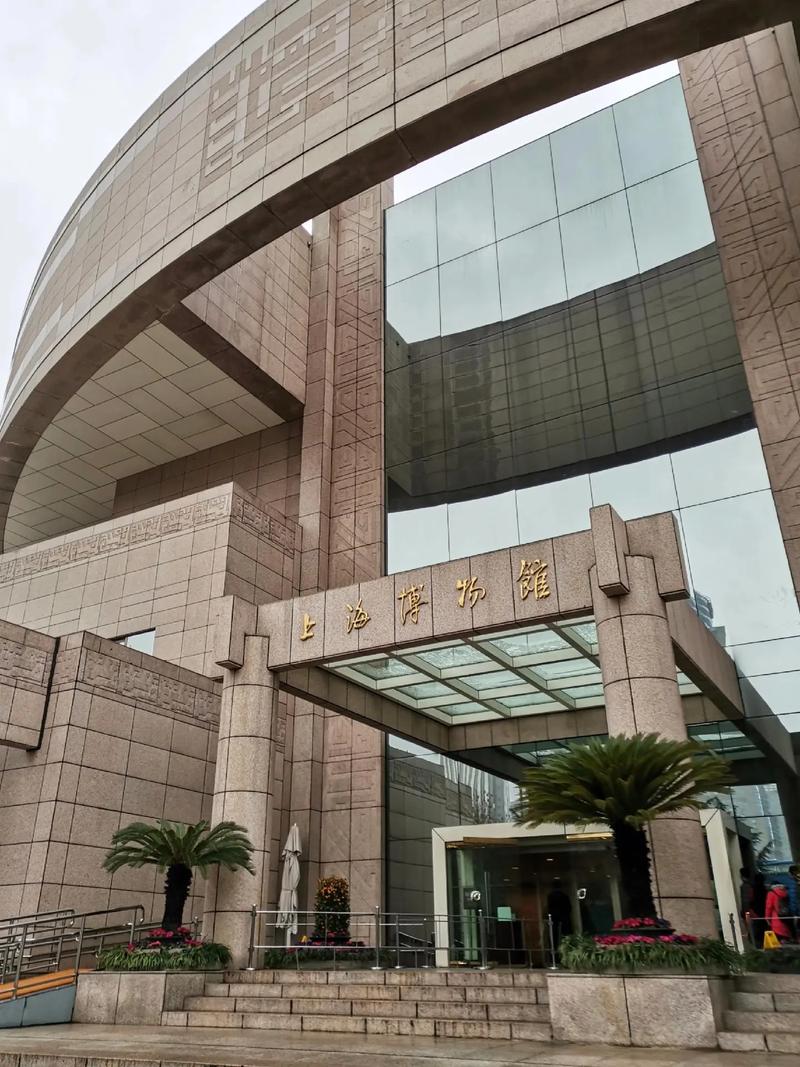
The Shanghai Museum
Explore the Shanghai Museum at People’s Square, home to a vast collection of ancient Chinese art across five floors. Designed to resemble a traditional Ding vessel, it’s an essential cultural stop for visitors seeking history, art, and Shanghai heritage.
-
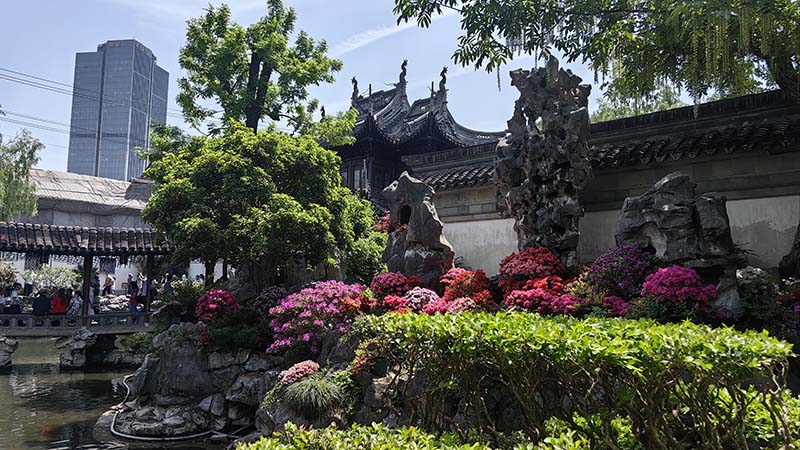
Yu Gardens
Explore Yu Gardens, a classic Ming Dynasty garden built as a retirement gift for Pan Yunduan’s father. Stroll past koi ponds, jade rocks, and ornate pavilions while soaking in traditional Chinese landscaping. A peaceful Shanghai cultural experience perfect for photography and history lovers.
-
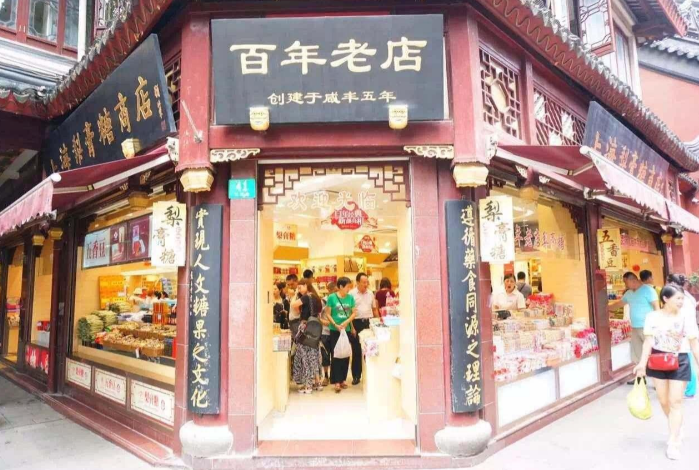
Yuyuan Market
Stroll through the bustling Yuyuan Market adjacent to Yu Garden, a vibrant bazaar filled with traditional snack shops, handicraft stores, souvenir stalls and local vendors. Immerse yourself in the lively atmosphere and experience authentic Shanghai street culture while browsing a variety of unique goods and tasting local delicacies.
-
French Concession
The Shanghai French Concession was a French concession established in Shanghai from 1849 to 1943, and was the largest of the four French concessions in China in terms of area. Its initial area covered 986 acres, and after multiple expansions, it reached 15000 acres by 1914. The concession is famous for French wutong street trees, Parisian style building planning and independent municipal management system. Jinling East Road, as the first major road in the French concession, has become a commercial center. The building's exterior walls are mostly marked with municipal facilities marked with the words "CMF".
After the establishment of the French Concession in 1849, the Shanghai Anglo American French Land Charter was signed in 1854 to break away from the joint concession system. In 1869, the autonomy was established through the Organizational Charter of the Public Council. During the Battle of Shanghai in 1937, it was not occupied by the Japanese army due to the deterrence of the French navy. In 1943, it was transferred from the Vichy French regime to the Wang puppet government and ended. There are police agencies such as the Marand Police Station located within the concession. The authorities of the French Concession had protected the publication of revolutionary publications and participated in mediating cases related to prominent residences of the Kuomintang. The Provisional Government of South Korea was established in the Shanghai French Concession in 1919 and set up offices in multiple locations within the concession. Among them, No. 4, Lane 306, Madang Road was its longest used and most well preserved office.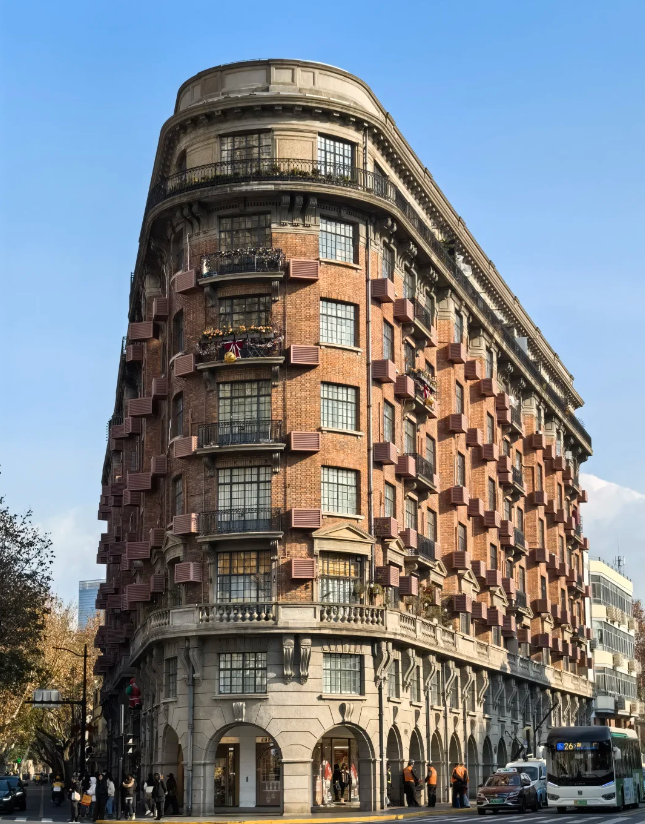
-
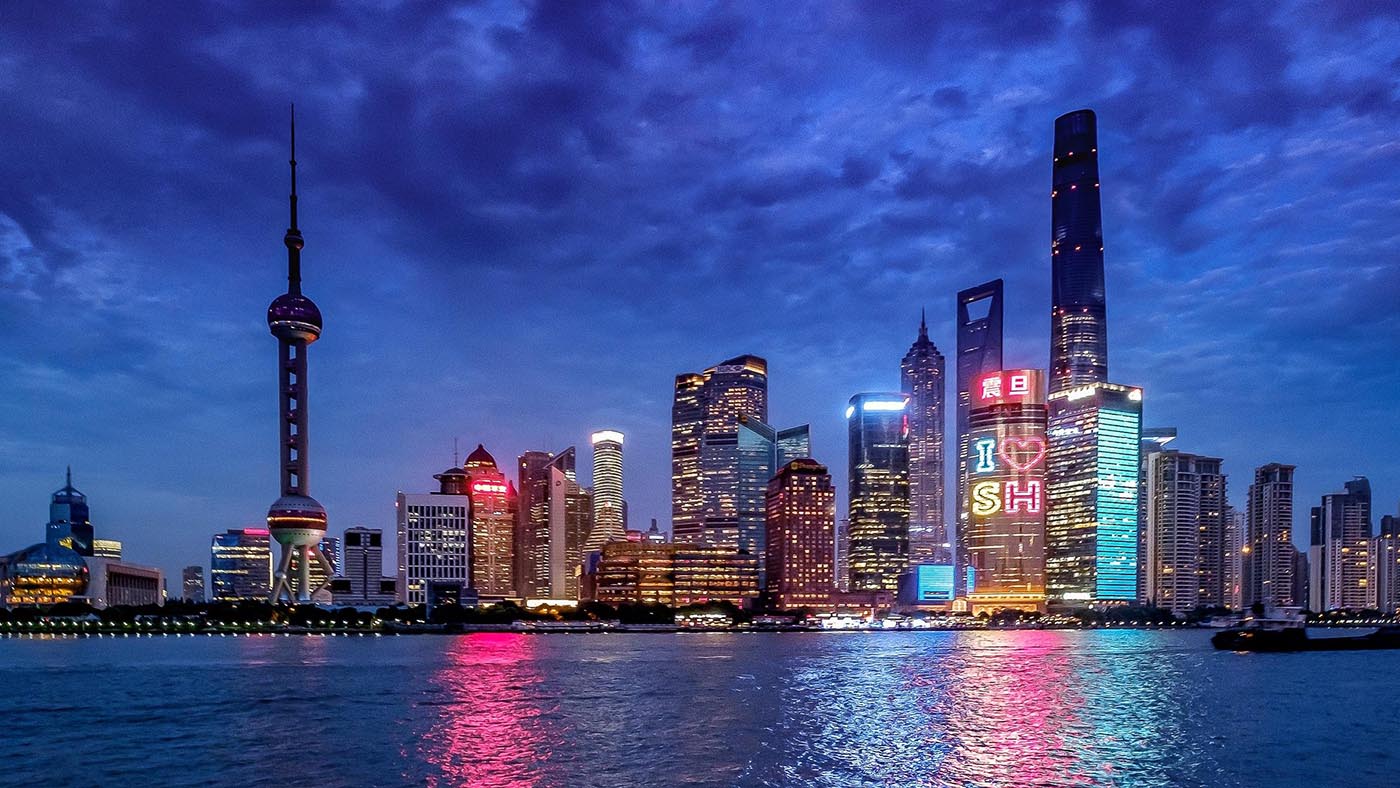
The Bund
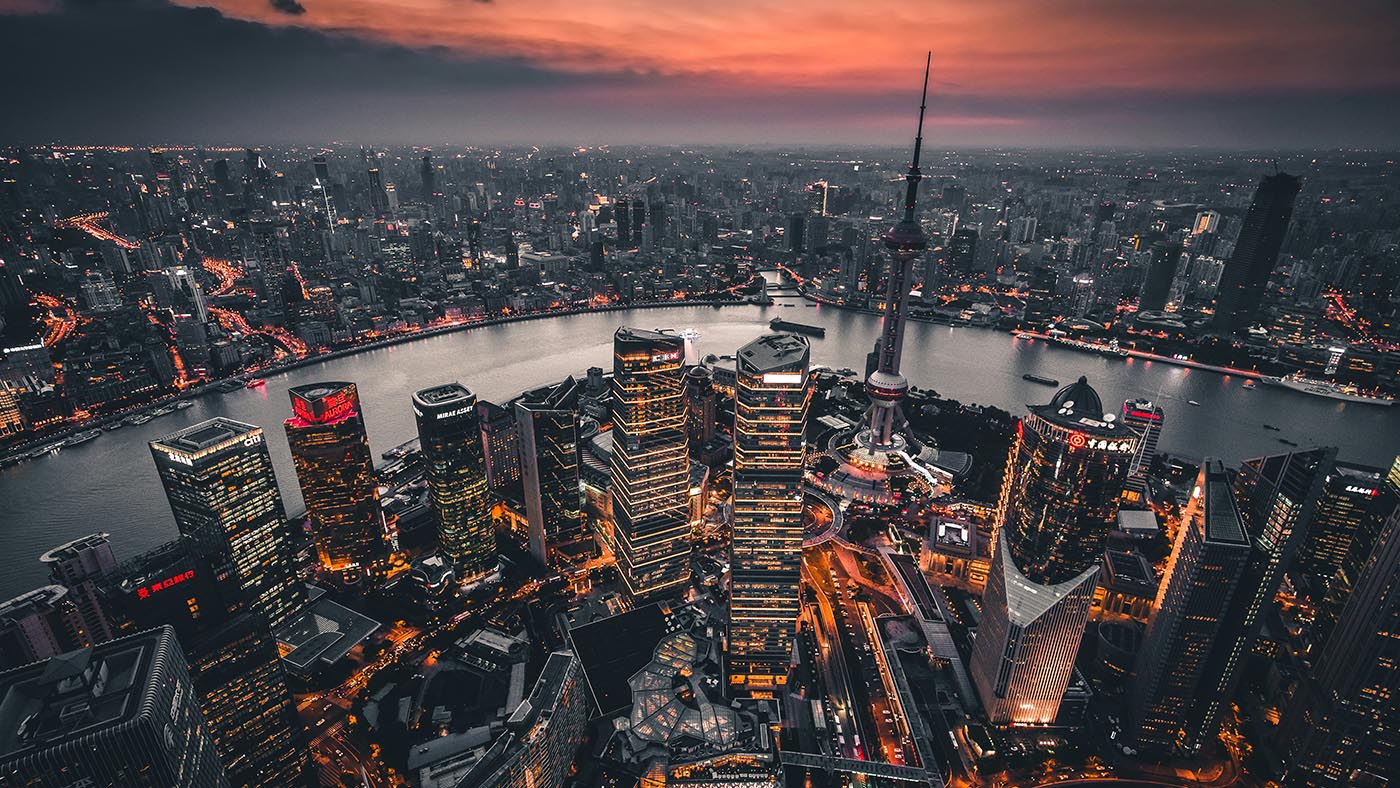
Stroll along the Bund to admire Shanghai’s colonial architecture, from 1850s trade houses to glamorous 1920s Art Deco buildings. This waterfront promenade showcases the city’s rich history and cultural heritage, contrasting with the futuristic Pudong skyline—an iconic Shanghai attraction for photography and history lovers.
- Breakfast , Lunch
- Private Van
- English-speaking guide services as per itinerary
- Enjoy a private drop-off from your hotel, with a guide accompanying you and assisting throughout the transfer to your airport/train station
- Breakfast
- Private Van
- English-speaking guide services as per itinerary
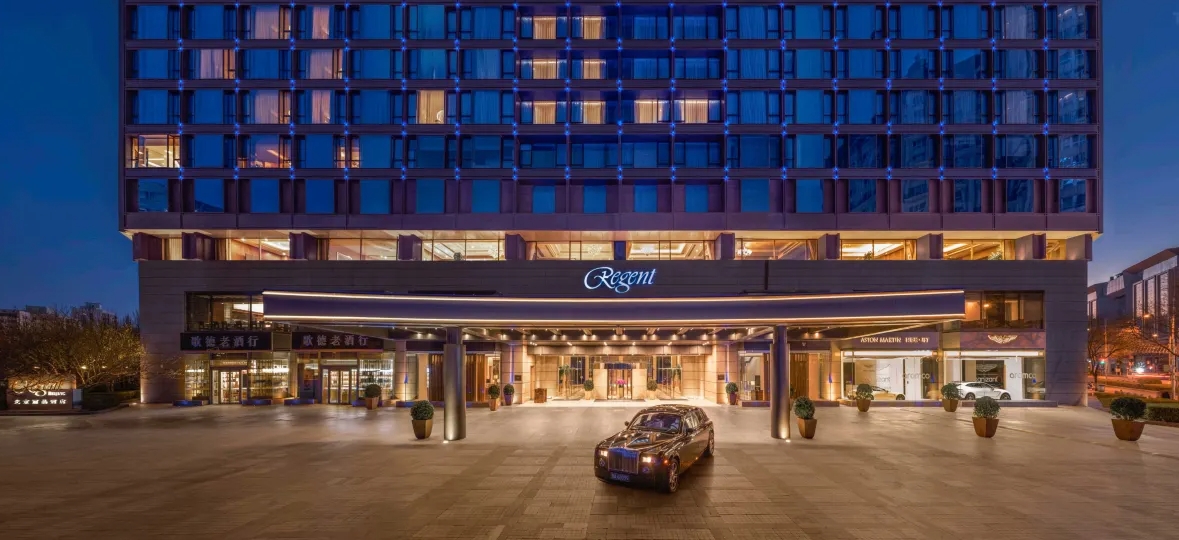
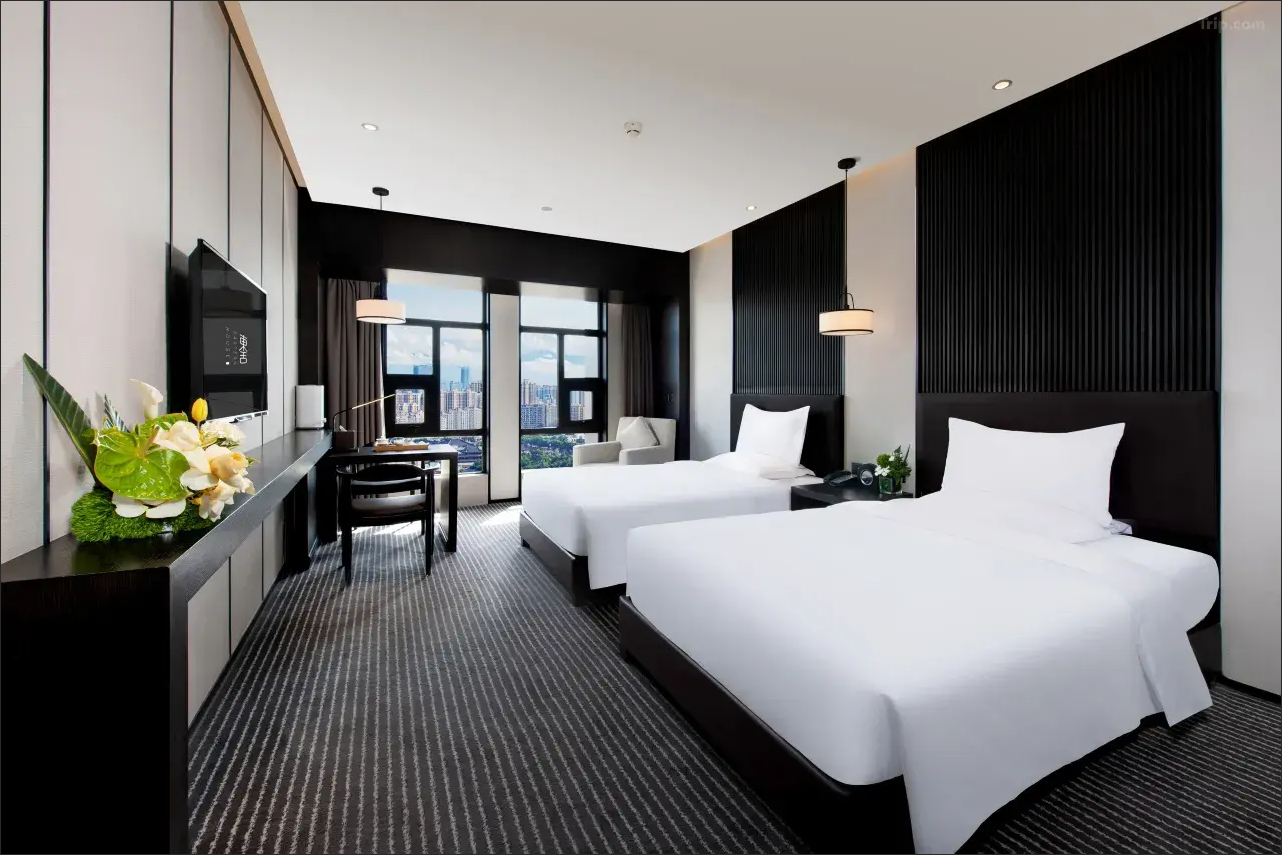
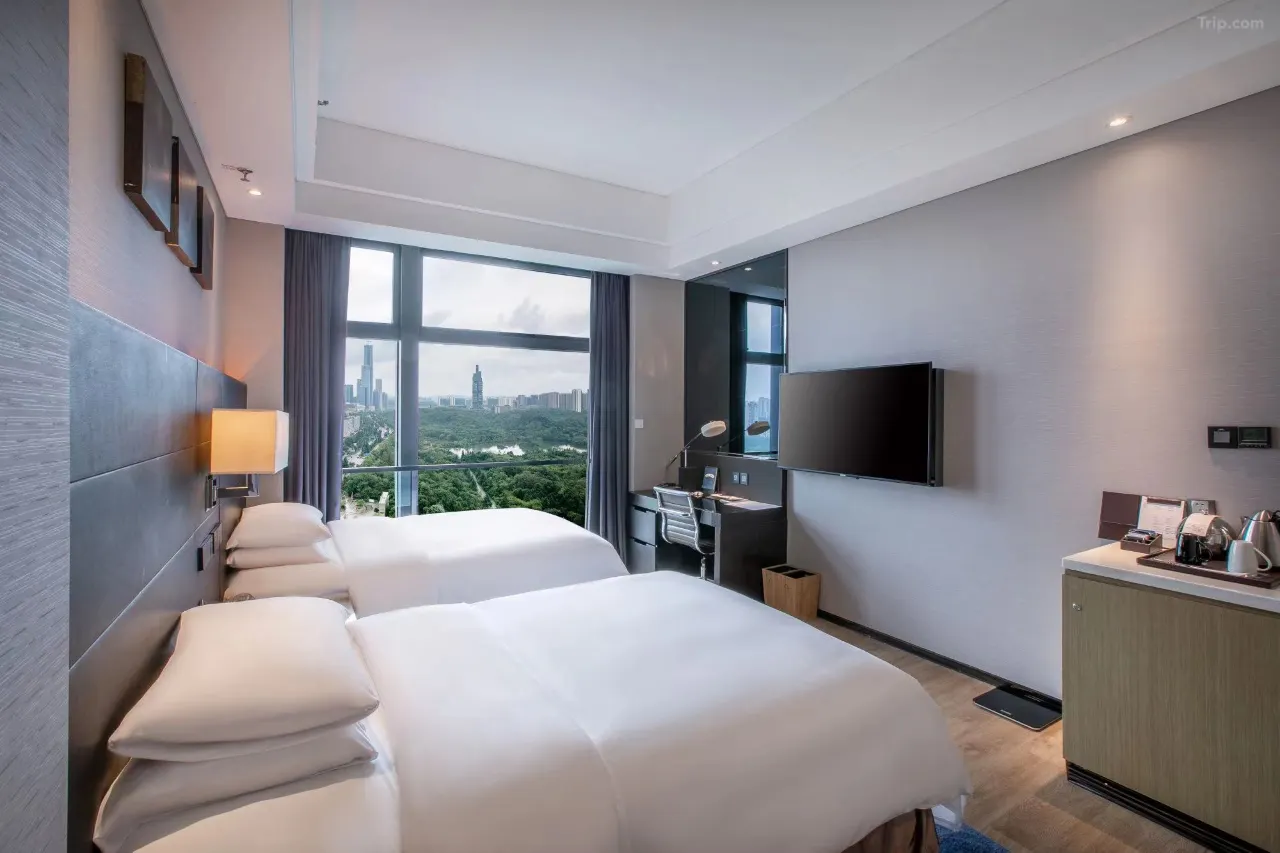
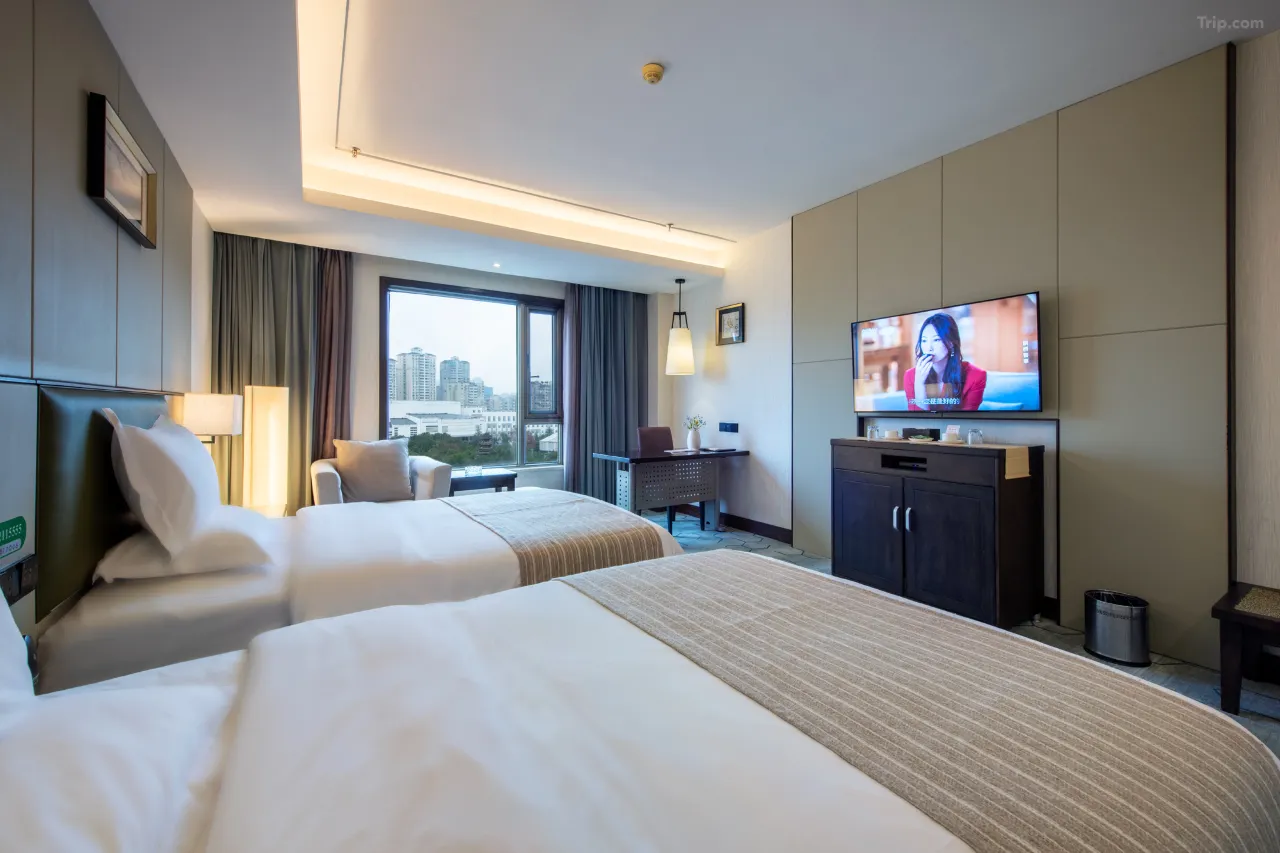
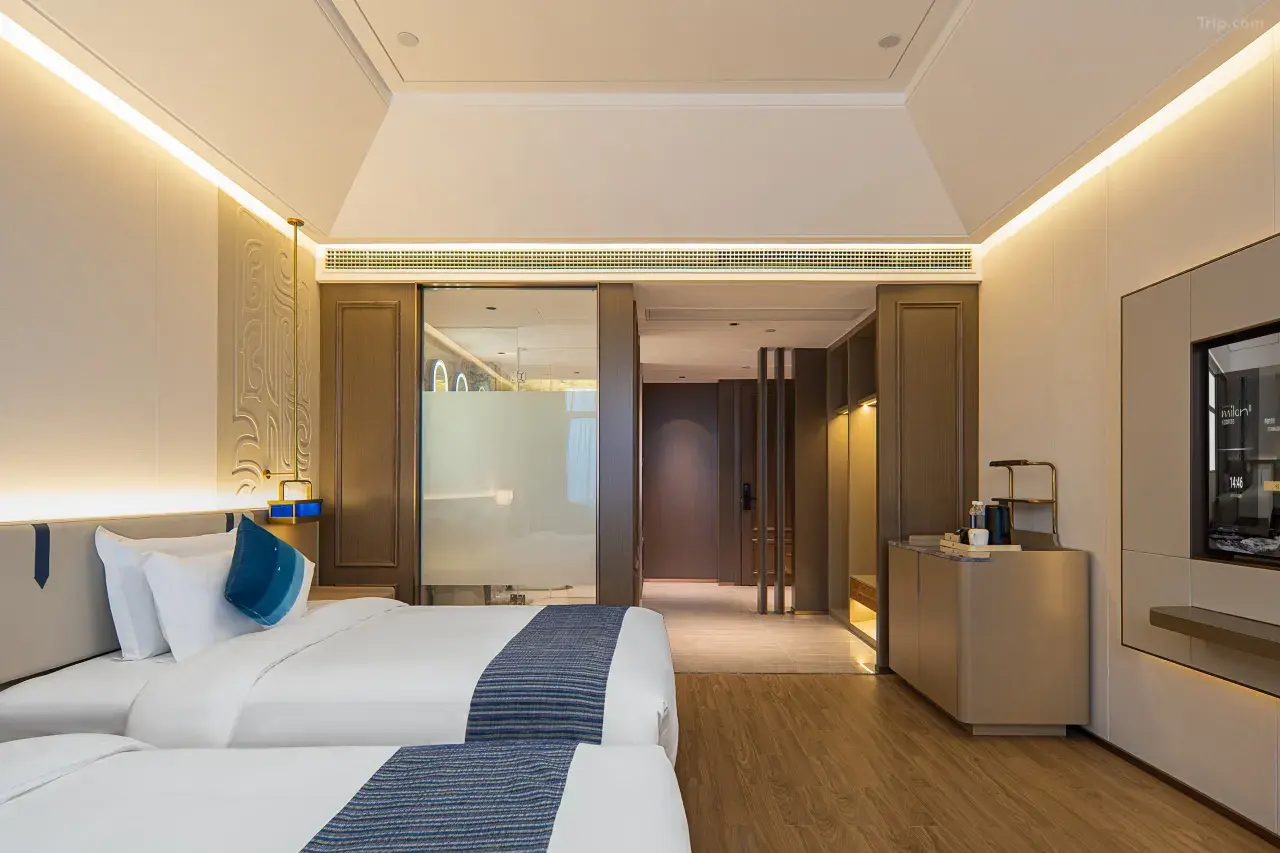
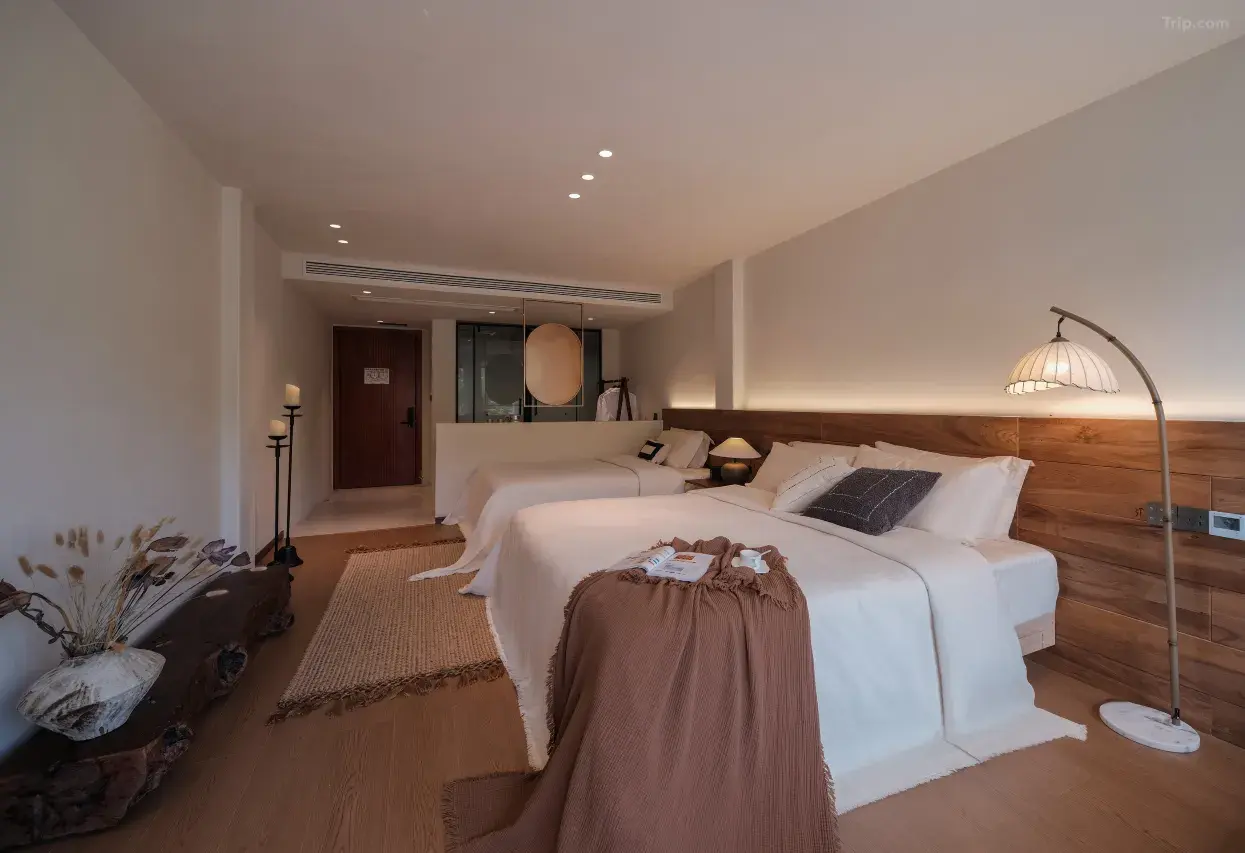
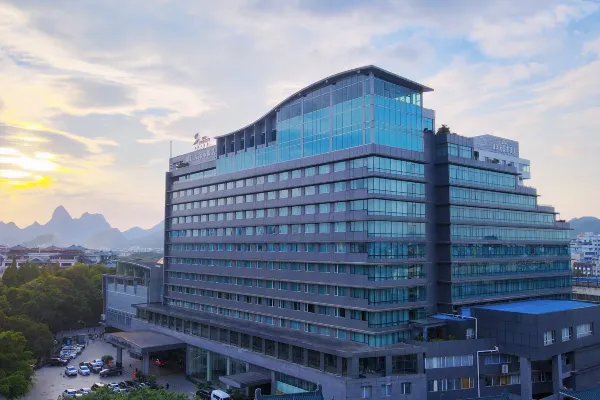
Accommodation
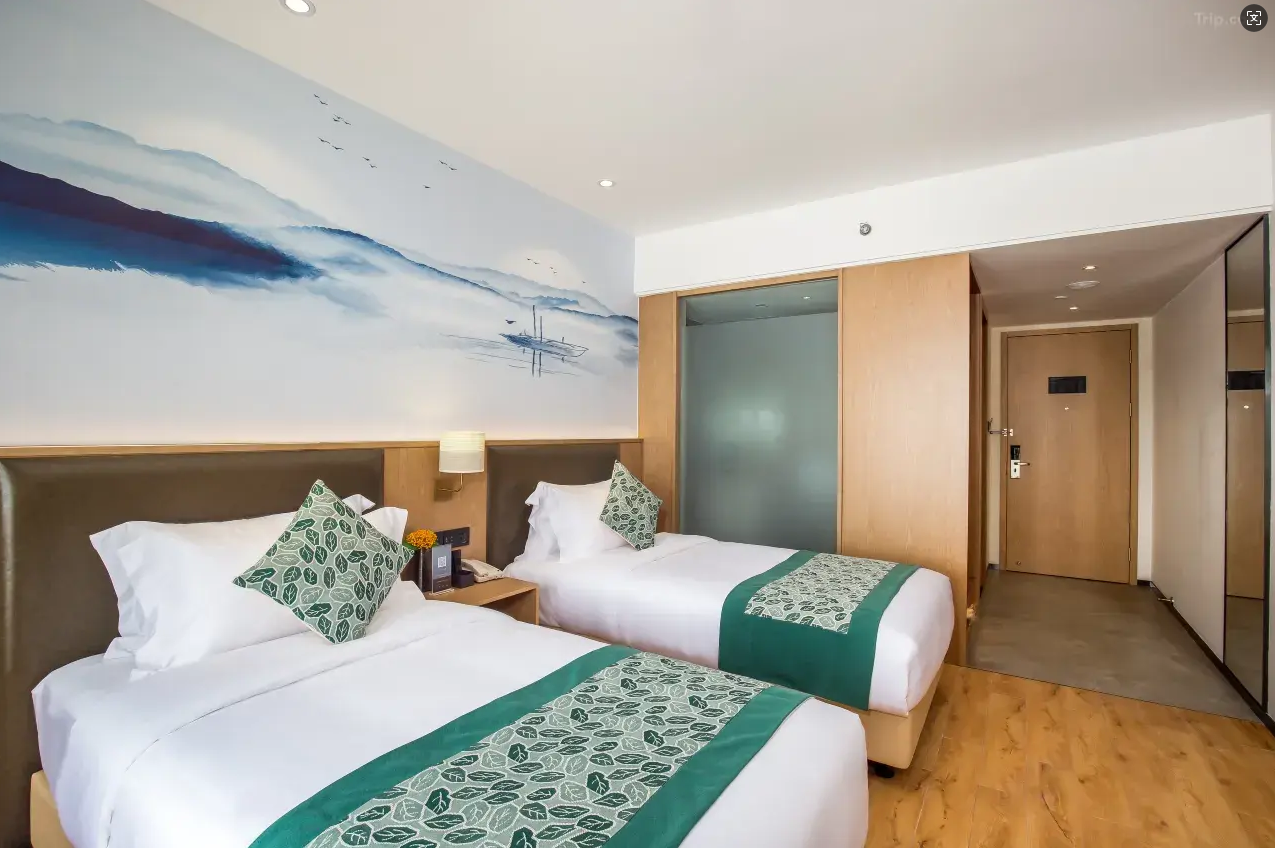
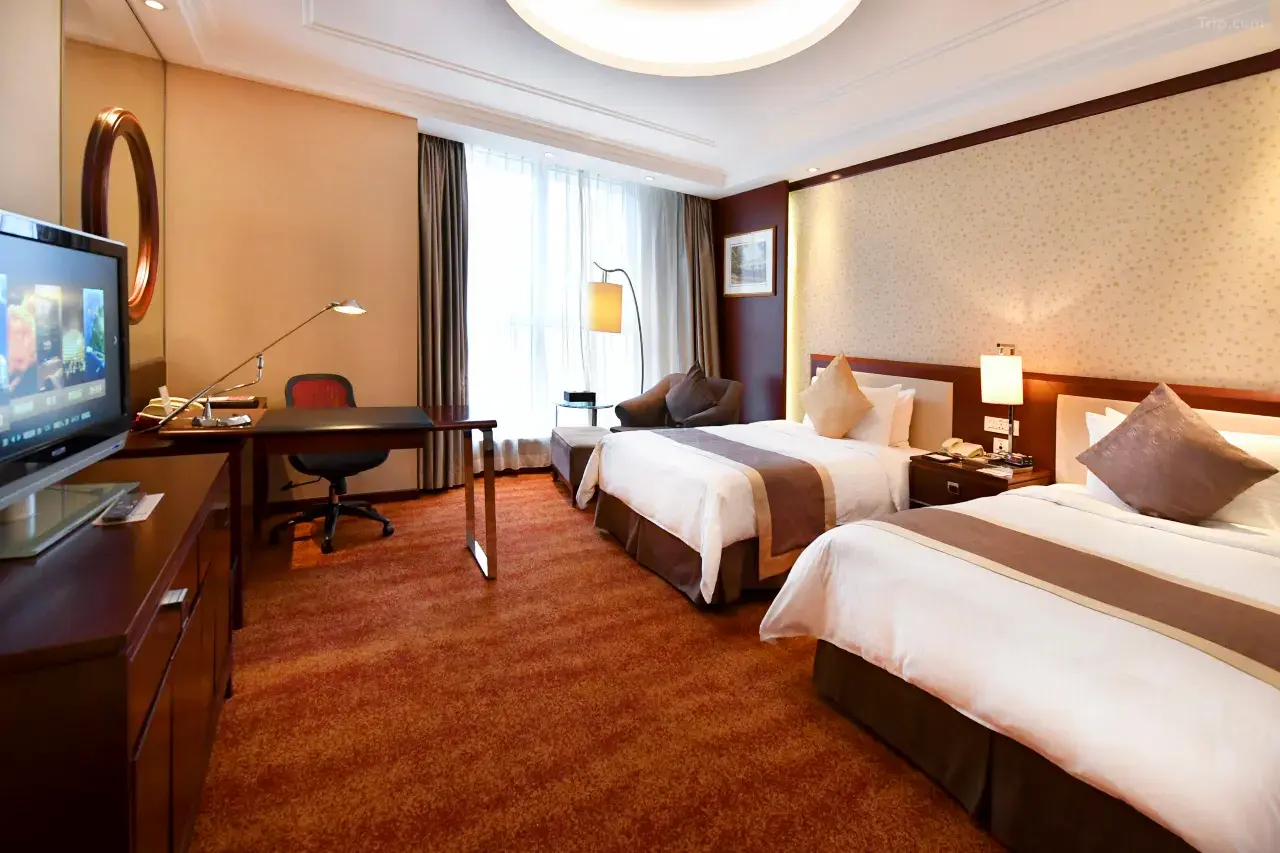
We draw from a wide range of hotels on our holidays, each one is chosen to suit the tour you are travelling on meaning your accommodation can range from a smart business hotel in one city to a family run guesthouse in a smaller town. Here are some examples of the type of hotel you can expect to find on this tour.
Tour Price
From AU$ 6,350 pp
Based on a private tour for 2 people including accommodation, local transportation and guided sightseeing/activities. Price may vary depending on the itinerary, travel date, number of travellers and selected hotel category.
Price Excludes:
- International flights
- The meals not mentioned in the trip plan
- Personal expenses
- Travel insurance, and repatriation insurance
- Optional excursions, activities, and optional tours
- Reservations marked as "reserved by traveler" are reservations that the traveler is responsible for directly.These items are not reserved or supported by kimkim and are included in the trip plan just for completeness.
- Any charges due at the hotel include local city taxes
Clients Reviews
★
★
★
★
★
We had an absolutely amazing trip!!! Every detail was meticulously planned by Ben. From our great drivers and guides to having the last seat of the bullet train reserved for our extra luggage. I never would have thought of doing that but it was a huge help since we bought a lot of souvenirs! Peter was our guide in Tokyo and Mt Fuji and he took the most beautiful photos of my daughter and I. It was so nice to be in the pictures instead of behind the camera and I am so thankful for those memories.We ate at several local restaurants that were fantastic and we were the only tourists there. I would never have found these places without my guides Peter and Takizawa.Peter and Takizawa went above and beyond my expectations as guides and Ben was so accommodating to my teenage daughters many requests and planned everything out so perfectly. The drivers were always on time and let me know their plate numbers and names on WhatsApp. They always offered to carry our luggage and were very polite. The cars were always clean and they drove safely. I was so happy that I didn't have to drive in that insane traffic!I could never have planned this on my own and I am so happy that I chose Three Bears Travel!

Miriam P.
May 02, 2026
★
★
★
★
★
I worked with Ben for a number of months to personalize a very special trip to Japan. He could not have been more accommodating, and he answered every question in a timely manner. He made wonderful suggestions, and we weren’t disappointed anywhere along the line. We had three different guides, Ursula, Sorata, and Pitt - each lovely and knowledgeable. We enjoyed spending our days with them very much. Everything promised was delivered, and even more. Ben even arranged for a birthday cake for me - a delightful surprise. Our time in Japan was filled with wonderful memories, beautiful experiences, and gracious interactions. We can’t wait to come back!
Karen K.
May 02, 2026
★
★
★
★
★
We had such a memorable time in Japan. Ben really understood what my family's interests were and chose fantastic locations and experiences for a first trip to Japan. Our guid in Tokyo, Yoko was very knowledgeable and efficient at zigzagging us all over the city.In Kyoto, Ursula was amazing and was able to sneak in a few extra stops to maximize the sakuras at their peak. She was also helpful in giving us some tips on where to go in Osaka.
Lauren M.
Apr 26, 2026
★
★
★
★
★
THANK YOU for the trip – it was SO well planned, and clearly a LOT of thought went into it. We are so grateful, and we are now big Three Bears Travel fans! We travel a LOT, to all kinds of crazy places! It is unrealistic to travel across the world and expect things to NOT go wrong. What matters, and why we work with travel professionals like you, is to have support and back up when things DO go wrong – THAT is what matters! Three Bears Travel seamlessly fixed an issue on our travels, and they are THE BEST, and you can travel worry-free! Our planner Ben was remarkable - attentive, knowledgeable and friendly, and our guides Roy, H and Piter were exceptional. 10/10, DO recommend! Thank you, team Three Bears Travel, for an amazing experience and incredible 'whatever it takes' service!
John F.
Apr 23, 2026
★
★
★
★
★
My wife and I are celebrating our 10 year anniversary this July and I knew early on that a family of four trip to experience Japan for the first time together would be a once in a lifetime event. I knew well enough that I would not be able to plan and execute such an important trip myself so I feel so grateful that I stumbled upon Three Bears Travel and hit the ground running. Ben was my wonderful trip planner and from the first interaction, he was so extremely helpful and patient with my 1,000s of questions and itinerary changes. I wanted this Japan trip to be something that would be relatively stress free for me and my wife but also contain a variety of activities and experiences that our entire family would enjoy. Working with Ben to plan the entire trip was such a breeze. I felt completely at ease and comfortable with Ben's recommendations and suggestions. Every part of the trip was designed and planned wonderfully. From the meticulous selection of amazing hotels across the spectrum of Japanese styles (ryokan, onsens, apartment-style, mountain resorts) to all the fun hands-on activities for adults and kids alike (sushi-making, samurai museums, sumo shows, etc), this was a trip that none of us will ever forget. And I would be remiss without mentioning our incredible tour guides, Peter and Ursula. Peter was so on task and schedule with us during our Tokyo days and he was so patient and gracious with our children throughout the tours. I can't count how many times he and I would be carrying my napping daughter still in her stroller up and down various train station steps over multiple stations and transfers. He never failed to take care of our every need in this unfamiliar place. We had zero stress with Peter around that allowed us to soak up the joy of the experience 100%. Ursula was our amazing tour guide (and pseudo member of the family) in Kyoto/Osaka. Our family hit it off with Ursula right from the get go and she was always so flexible with our minor changes in scheduling and events as we did our best to adapt to our children's energy levels and attention spans. The extremely hot weather in Japan also put added pressure on everyone but both Ursula and Peter were always ready to lend a hand and make sure we all stayed healthy and happy throughout. This trip was planned as perfectly as I could have imagined and I owe Ben/Peter/Ursula/Kimkim a huge thank you on behalf of my entire family. The next time we want to take another adventurous trip, I would not hesitate for one second to work with Three Bears Travel again. I also highly recommend to anyone who wants to plan a milestone trip like ours without the hassle and stress. Thank you again Three Bears Travel team! Until we meet again!
Eric, Wanee, Easton, and Esther
Mar 10, 2026
★
★
★
★
★
Everything went off just as planned, and we were all pleased. Our guides were all great and went out of their way to see that we saw more, especially when they found out that we were not interested in the more highly crowded places. They patiently answered our questions and saw to our needs. Ben, our specialist, could not have been more attentive to our frequent questions and concerns. He was able to change events based on our interests even as the date of our departure approached. The only thing I would have changed is deleted some of the more crowd-impacted locales such as Nikko and put in more off the beaten path trips like our monastery stay in Minobu and the marvelous animated Festival Float museum in Takayama that our guide added in when he picked up on our interest. We learned and enjoyed much more in the less crowded venues, but this is Japan where it is truly hard to avoid the hoards of tourists. Overall, it was a wonderful trip. This is the second time Ben has helped us with a trip, and I will certainly turn to him again for any future trips.
Susan
Mar 05, 2026
★
★
★
★
★
Both of our guides were good. One we were with shortly and was a more focused day of getting to many places. He did a good job of coming up with some additional day of options and a great lunch rec. Young we had for 4 days and we really liked her. She was a bit soft spoken /quiet but very nice and knowledgeable and we found if we asked lots of questions we got lots of history and current info about not only the places she took us but also modern Japan life. Really enhanced our trip to learn about the history, shrines and temples. Getting around by train /bus was great for us and she had to work harder than if we had driver to navigate public transport for sure. Hotels were all nice. It was great. The only note is to warn guides we will want lots of restaurant recs (as where we’ll be is not always areas they’ve eaten. We had good luck using tablelog and AI ) and the food at the Hakone onsen was not very good. But we went out for great meals nearby.
Debbie J.
Mar 01, 2026
★
★
★
★
★
We just returned from our anniversary trip to Japan, and I can say with complete confidence that booking through KimKim was one of the best travel decisions we’ve ever made. In fact, this is our third trip using KimKim. From the very first planning email to the final farewell in Osaka, the entire experience was seamless, personal, and unforgettable.Ben, our travel specialist, was phenomenal. He helped us build the perfect itinerary—listening to everything we wanted, adding thoughtful suggestions, and tweaking the schedule along the way to fit our style. Thanks to him, our trip struck the perfect balance of culture, food, adventure, relaxation, and those “wow” moments we’ll be talking about for years.And then there were our guides: Peter and Ursula.These two were an absolute gift to our journey.Peter, our Tokyo & Hakone guide, made navigating Japan’s transportation system feel effortless. He taught us subway skills worthy of a Mario Bros. level-up, showed us how to experience Shibuya Crossing like locals, and gave us incredible historical context at temples and shrines. He even congratulated me on my sumo match at the lunch show (yes… I stepped into the ring and no, my training was not focused enough 😂).Ursula, our guide through Kyoto, Nara, and Osaka, was equally fantastic. From sake tastings in Fushimi to zen moments at the Golden Pavilion, she blended humor, storytelling, and deep cultural knowledge in a way that made every day feel like traveling with a friend. She helped us navigate the language barrier, made sure we didn’t get lost on trains, and offered endless tips to help us blend in better than we probably deserved. Both guides were great to pack in as much adventure each day while still leaving us with free time to roam and explore on our own.Every single day was packed with memorable highlights, many of which KimKim helped coordinate:✨ Sushi-making with a 4th-generation master (we are now “certified” Nigiri makers and have enough footage for a full-length documentary).✨ A tea ceremony and learning to whisk our own matcha at a university.✨ Visiting a capybara at a café—one of Emily’s bucket list items.✨ Riding the bullet train to Kyoto with snacks in hand and Mt. Fuji peeking through the clouds.✨ Walking through Arashiyama’s bamboo forest and a rickshaw ride through its historic streets.✨ A full cultural immersion day in Fushimi Inari, weaving through the famous vermilion torii gates.✨ A relaxing soak and stay in Hakone with incredible views of Mt. Fuji.✨ Exploring Osaka Castle and ending our trip at the Umeda Sky Building with panoramic nighttime views.And beyond the excursions, the guides helped us handle everything—from ordering meals to using the Suica card. They answered every question, solved every hiccup, and made us feel completely supported the entire way.KimKim didn’t just plan a trip—they helped create a collection of memories that feel like a chapter from our own personal, globe-trotting storybook.If you’re considering a trip to Japan—especially if it’s a special occasion—book with KimKim. Ask for Ben, and if you’re lucky, you’ll get Peter and Ursula too. They helped make our anniversary adventure everything we dreamed of…and then some.Arigatou gozaimasu, KimKim team.We’re already thinking about following the green light to our next chapter.—Ray & Emily
Ray & Emily
Feb 22, 2026
★
★
★
★
★
We wanted a customised trip instead of a standard tour group, and Three Bears Travel delivered exactly that. Norman took the time to understand what we liked and built an itinerary around food, shopping, and local experiences. It felt personal and flexible, not like a cookie cutter package.
Tom Harris
Feb 01, 2026
★
★
★
★
★
A huge thank you to Louise and Three Bear Travel for crafting such a fantastic Japan itinerary! Every moment was well thought out - whether it was the serene temples of Kyoto, the bustling streets of Tokyo, or the delicious food tours. The guides were knowledgeable, and the accommodations were excellent. We couldn’t have asked for a better travel experience!
Emily Carter
Feb 01, 2026
Travel Inspiration for Your Journey
Handpicked stories, guides and insights to help you shape your personalised trip. More...
- 08 Nov, 2025
Shanghai Travel Guide: Navigate the City with Ease
- 07 Nov, 2025
Explore Guangxi China: Natural Wonders Await
Related Recommends

Enquire Now