Few places in China stir the imagination quite like Guilin, nestled in Guangxi Province. Its otherworldly karst landscapes and lush riverside villages have inspired poets and painters for centuries, and today, it draws visitors seeking both adrenaline and awe. Beyond its celebrated vistas, Guilin pulses with a vibrant local culture, time-honoured culinary traditions, and a quietly adventurous spirit, making it an ideal destination for country side sightseeing. Whether you have a penchant for the wild or an eye for culture, the area offers a thrilling range of things to see and do, including a list of 15 things to do in Guilin that captures the essence of this remarkable place. Here’s a collection of 15 experiences that capture Guilin’s magic, perfect for those who crave both adventure and authenticity.
Li River Cruise to Yangshuo: A Fairytale Journey
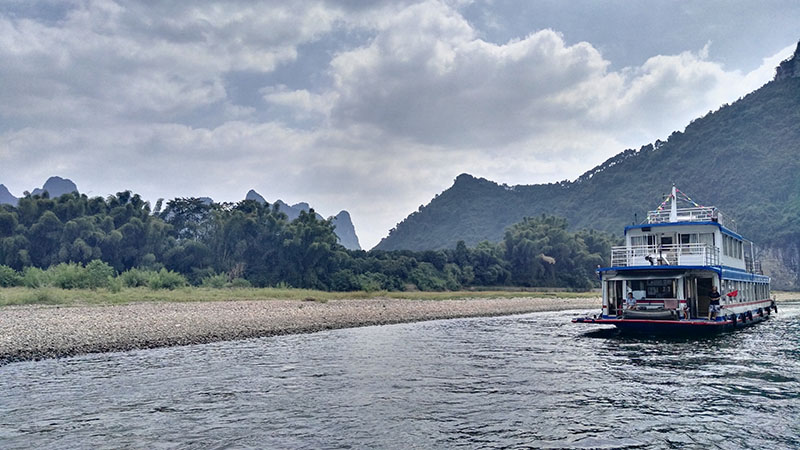
Rivers in China have always been lifelines, but the Li River is pure magic—its dreamlike scenery feels lifted from a painting. Begin your adventure at Guilin’s piers, where slow-moving boats set off through a living gallery of limestone peaks. The reflections of these towering spires ripple across emerald waters, creating vistas so iconic they’re featured on the 20-yuan note.
For the most enchanting experience, set out early in the morning or late in the afternoon to avoid crowds and bask in the golden magic hour light. The classic cruise is breathtaking, but you can elevate your journey by choosing a smaller vessel or adding a bamboo raft segment for a more tranquil, up-close adventure.
Once you arrive in Yangshuo, don’t miss the chance to try bamboo rafting along the quieter stretches of the Yulong River. This quintessential Guilin experience lets you glide gently past lush countryside and dramatic karst formations, surrounded by the peaceful rhythms of rural life. As you relax on the bamboo raft, the towering limestone cliffs and verdant landscapes create a truly cinematic backdrop—offering a unique, intimate perspective on the region’s natural beauty.
Whether by cruise or bamboo raft, the journey from Guilin to Yangshuo is an unforgettable immersion into one of China’s most spectacular landscapes.
Walk Among the Longji Rice Terraces
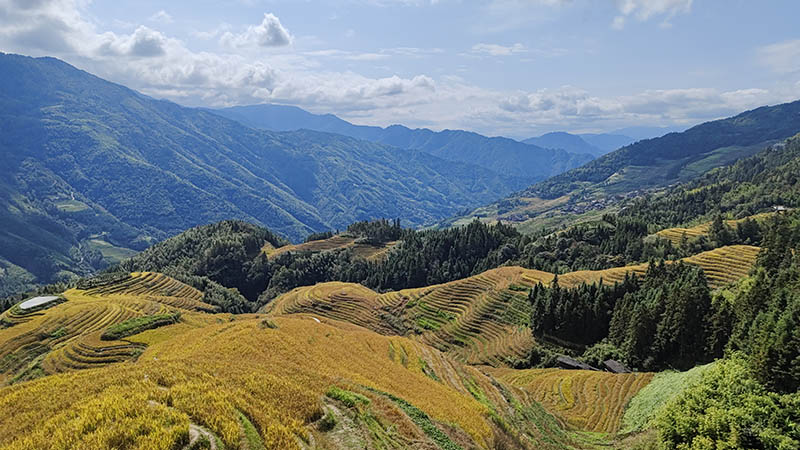
A couple of hours from central Guilin, the Longsheng Rice Terraces (also known as Longji or “Dragon’s Backbone” terraces) offer an extraordinary perspective on rural ingenuity. The terraces cascade down verdant mountain slopes in hypnotic bands, reflecting the sky at certain times of year or glowing gold as the rice ripens.
Small Zhuang and Yao minority villages dot the hillsides, where traditional stilt houses and handwoven textiles provide a chance to connect with local heritage. Bring sturdy shoes, as the best views are reserved for those who don’t mind a bit of a climb.
Elephant Trunk Hill: Guilin’s Living Landmark
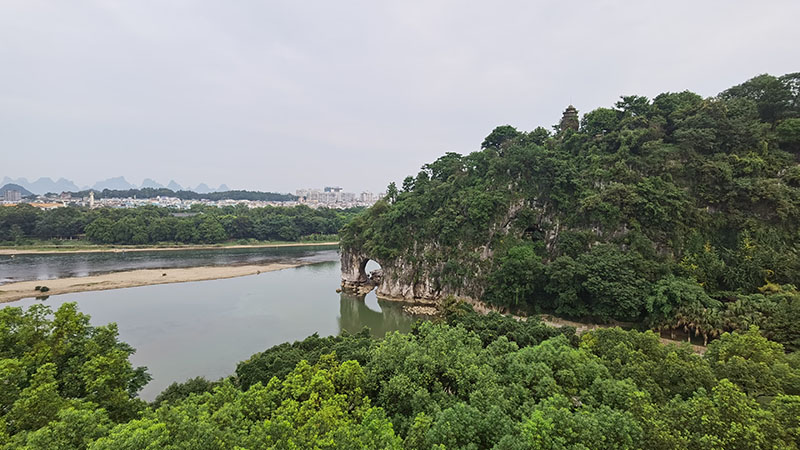
No visit to the city is complete without exploring the famous Seven Star Park and standing before the renowned Elephant Trunk Hill — a giant limestone formation shaped like an elephant dipping its trunk into the Li River. Surrounded by leafy parks and gardens, this spot is popular with both tourists and locals, who come to enjoy a gentle stroll or take part in tai chi by the water.
Keep your camera handy. The vistas here change with the seasons, and a slight mist only adds to the poetry of the scene.
Reed Flute Cave: Art Beneath the Earth
If the karst peaks inspire awe above ground, wait until you venture beneath them. Reed Flute Cave opens up a dazzling underground world of stalactites and stalagmites, made all the more surreal by clever lighting. Paths wind through vast chambers, each formation shaped over millennia and named for their mythical or animal appearance.
English-speaking guides are available and enrich the experience by sharing local folklore and geological insights.

Hike Through the Karst Mountains
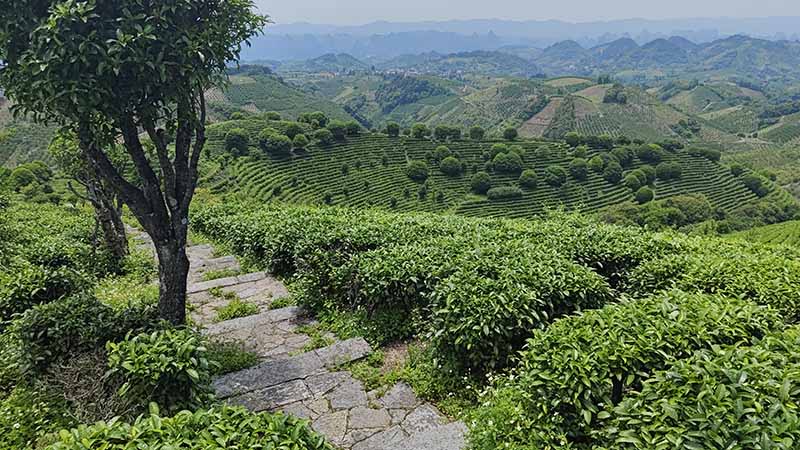
Trampers and climbers are spoilt for choice in Guilin, with the stunning Guilin mountains offering a breathtaking backdrop. The region’s limestone mountains are riddled with hiking trails that meander past caves, bamboo groves, and hidden lookouts offering spellbinding panoramic views.
Yangshuo’s Moon Hill is a favourite for a half-day challenge, while those after a quieter trail might try the lesser-known peaks near Xinping. Remember to pack water and start early to avoid midday heat.
Strolling in Guilin Town and City
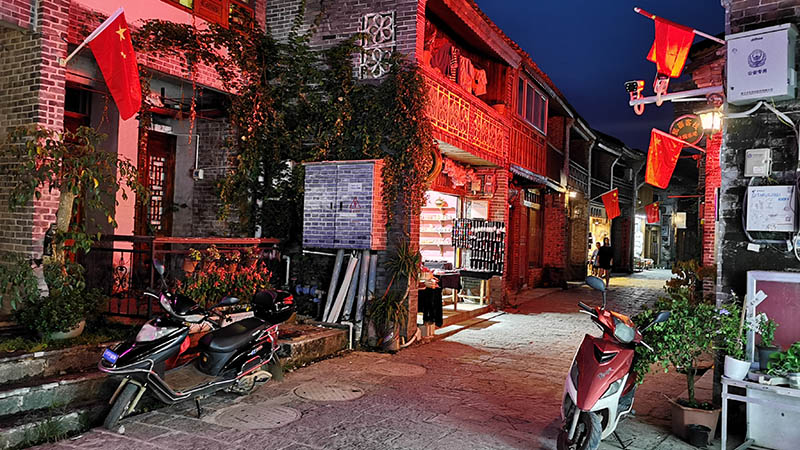
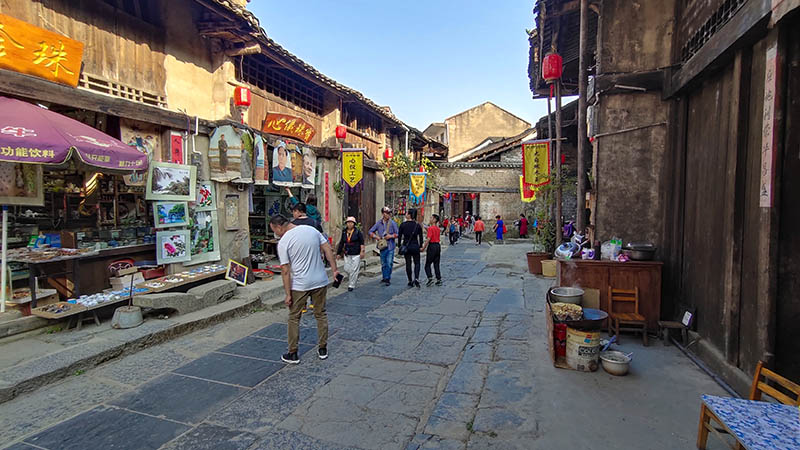
Guilin is more than just sweeping landscapes. At street level, you’ll find a fusion of history and youthful energy. Roam pedestrian streets lined with street food stalls, and stumble upon hundred-year-old stone gateways. The city’s riverside pathways are ideal for leisurely evening walks, especially when lanterns start to glow.
Market squares come alive with vendors peddling snacks and crafts — you never quite know what you’ll find, so let your curiosity guide you.
Countryside Sightseeing Beyond the City
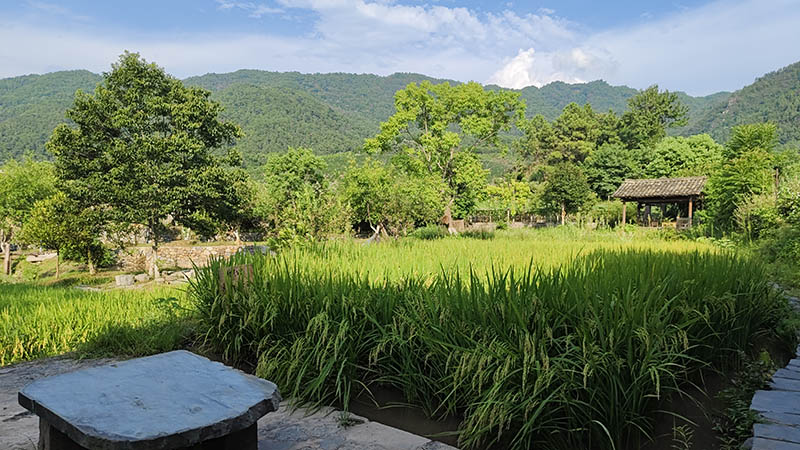
A short bike ride or electric scooter trip whisks you into Guilin’s tranquil countryside, surrounded by the dramatic beauty of the Guilin mountains. The rural scenery morphs from rolling rice fields to small fish farms, with water buffalo ambling about or farmers tending ducks. Pop into a local tea house, or just lounge by the river while marveling at the slow pace of rural life.
Look out for seasonal festivals or local markets where handmade pickles, bamboo crafts, and homegrown vegetables take centre stage.
Meet the Farmers in Their Village
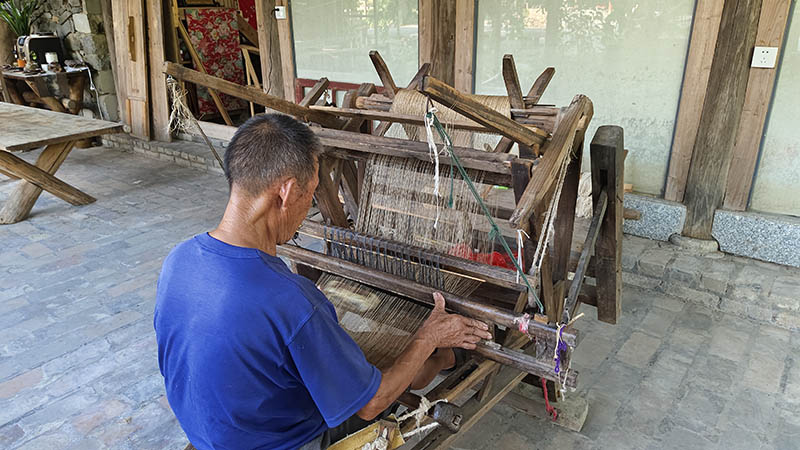
Real connections happen over a shared bowl of rice or while learning a traditional craft from a patient elder. Several villages welcome outsiders to observe daily routines or lend a hand in the fields. Depending on the time of year, you might help plant seedlings, harvest rice, or join a communal festival.
Many of these villages have small schools, where children in years 1–3 are often eager to greet visitors and practice their English. Bringing along notebooks or small gifts for the students is a thoughtful way to support their education and contribute to the local community.
It’s a respectful and rewarding way to understand the area’s enduring traditions and make a meaningful impact during your visit.
Village Activities May Include:
-
Watching traditional silver jewelry making
-
Learning to cook bamboo rice
-
Experiencing folk dances and music
-
Joining a tea picking or tasting ceremony
-
Visiting the local village schools and interacting with students
Sip Coffee in a Natural Cave
True to the region’s quirky personality, some of Guilin’s trendiest coffee shops are tucked inside karst caves. This delightful collision of geology and café culture offers a memorable spot to recharge, with a cup of locally-roasted beans in hand and stone walls for company.
Don’t be surprised if you stumble on pop-up art exhibits or live acoustic sets echoing softly through the chambers.
Cormorant Fishing — A Living Tradition
See history in motion watching fishermen on slender wooden rafts use cormorants (large black water birds) to catch fish by torchlight. The practice traces back centuries and looks almost mystical played out against the moonlit Li River.
While the tradition now straddles the divide between living heritage and performance, select families are happy to discuss its origins and answer questions in a respectful setting.
|
Element |
What to Look For |
Best Time to See |
|
Cormorant rods |
Carved bamboo poles held by fishermen |
Evening, after sunset |
|
Lanterns |
Hanging from rafts, casting warm light on the water |
Dusk, just after 7pm |
|
Bird handling |
The cormorants diving and returning with fish |
Usually after dark |
Guilin Local Food Feast
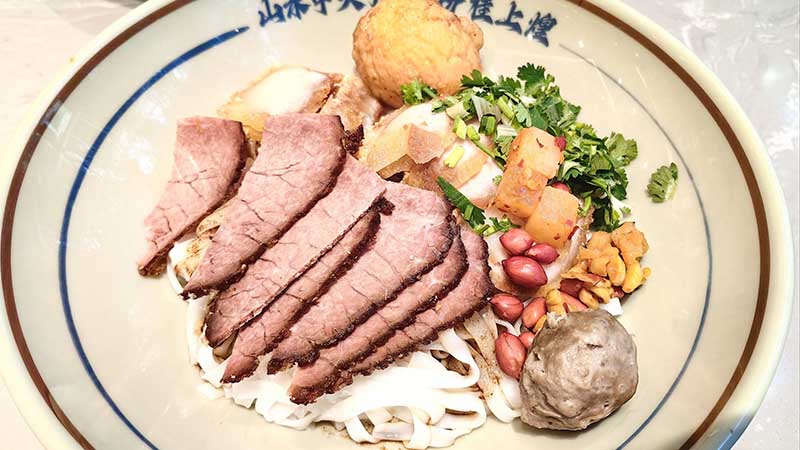
In Guilin, food is at the heart of local life, and nothing captures the city’s spirit quite like a steaming bowl of rice noodles. As dusk falls, the night markets come alive—especially in the heart of town and along lively Xi Street in Yangshuo. Here, the air is thick with the aroma of simmering broths and sizzling toppings, drawing locals and visitors alike to the city’s favourite comfort food.
But Guilin’s culinary scene goes far beyond noodles. For adventurous foodies, the night markets and local eateries offer a dazzling array of regional specialties:
-
Guilin Rice Noodles: Silky, chewy rice noodles in a savoury broth with marinated pork, peanuts, pickled greens, and chilli oil. 10–20 RMB ($2–$4 NZD/AUD) per bowl.
-
Beer-Infused Dishes (Beer Fish): Yangshuo’s signature dish—river fish simmered in local beer with tomatoes, peppers, and herbs. 60–120 RMB ($12–$24 NZD/AUD) per serving.
-
Oil Tea (Youcha): Nicknamed “Chinese coffee,” this savoury tea is brewed with tea leaves, peanuts, puffed rice, and herbs. 10–15 RMB ($2–$3 NZD/AUD) per bowl.
-
Stuffed Delicacies: Snails, bitter melon, eggplant, and tofu stuffed with seasoned pork or beef, then steamed or fried. 15–30 RMB ($3–$6 NZD/AUD) per plate.
-
Bamboo Tube Cuisine: Sticky rice and chicken cooked inside bamboo tubes for a subtle, earthy aroma. 20–35 RMB ($4–$7 NZD/AUD) each.
-
Sanhua Liquor: Guilin’s signature rice liquor, smooth and aromatic. 10–20 RMB ($2–$4 NZD/AUD) per glass.
-
Taro Dishes: Lipu taro with braised pork, a melt-in-your-mouth classic, or candied taro for a sweet finish. 25–50 RMB ($5–$10 NZD/AUD) per serving.
For the most authentic taste, head to the bustling morning markets, night markets in town, or explore the food stalls along Xi Street, where vendors serve up these local favourites. Pull up a stool, savour each bite, and let the vibrant energy of Guilin’s food scene become one of your favourite travel memories.
If you want to dive even deeper into Guilin’s culinary culture, Three Bears Travel offers immersive local food tours that take you beyond the tourist trail—introducing you to hidden eateries, family-run kitchens, and the true flavours of the region.
Glittering Night Cruise on Two Rivers and Four Lakes
When dusk arrives, Guilin’s centre shimmers into a lively nocturne. Step aboard a night boat and float through the jewel-like chain of lakes and rivers connecting the city centre. Illuminated bridges arch gracefully across the water, while lantern-lit trees and pavilions are reflected in perfect symmetry.
The cruise departs right from the heart of town, just steps away from the bustling food markets. After indulging in local delicacies at the night market, don’t miss the chance to cap off your evening with this magical journey. Or, if you prefer to experience Guilin like a local, simply stroll along the lakeside promenades—soaking in the vibrant lights and tranquil atmosphere at your own pace. Both options offer an unforgettable way to enjoy Guilin’s enchanting nightlife.
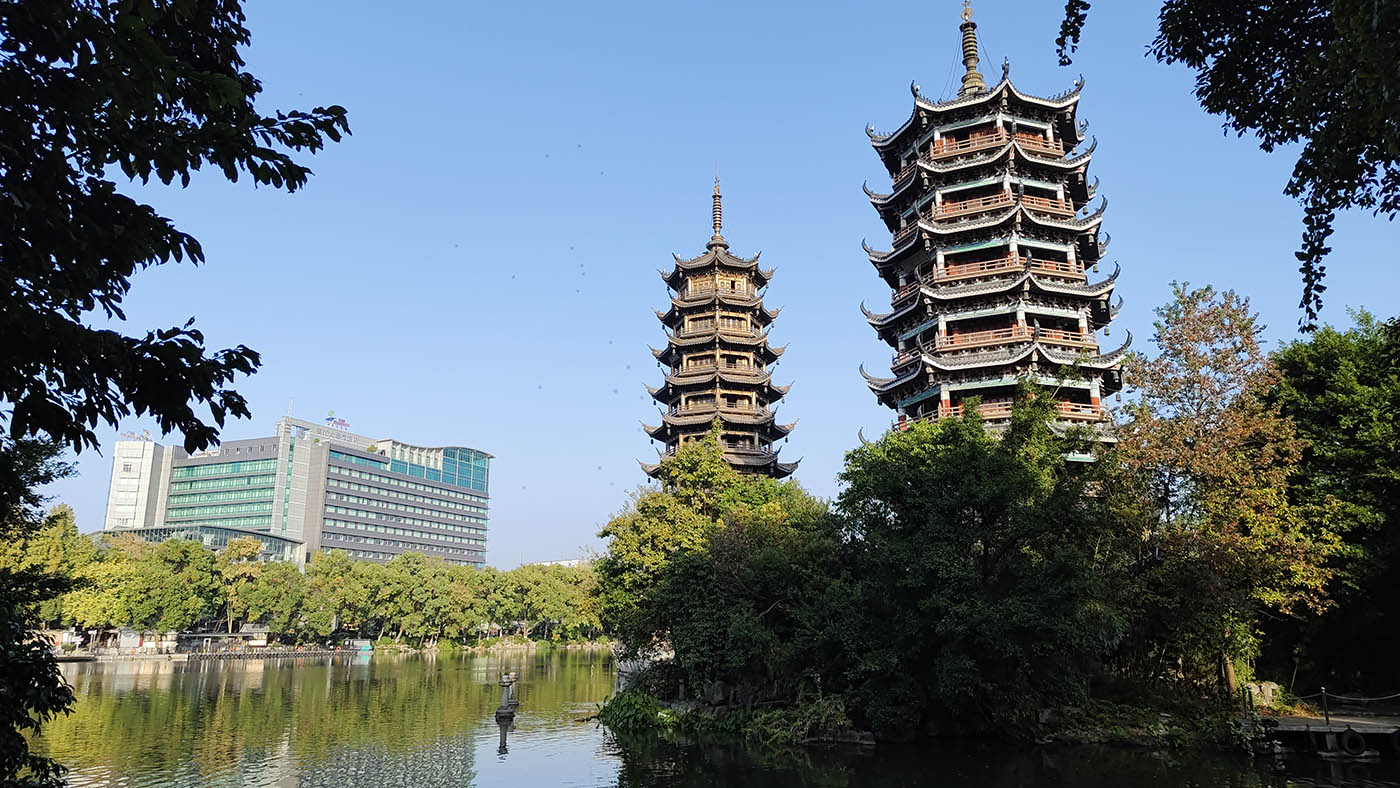
Don’t forget to visit the iconic Sun and Moon Twin Towers rising from the lakes. You can even walk through an underwater tunnel to enter the towers themselves, where panoramic views and glowing interiors await. Whether by boat or on foot, this lakeside wonderland is an essential part of Guilin’s enchanting nightlife.

Wine Tasting in the Heartland
Just beside Chuanshan Park, a hidden gem awaits wine enthusiasts—a family-run winery built into natural caves. These underground cellars provide perfect, constant temperature and humidity, ideal for storing rice spirits and fruit wines. Visitors can taste the carefully crafted beverages right in the cave, surrounded by rows of aging bottles, making the experience both immersive and unique.
Wine in Guilin is more than just a drink—it’s deeply tied to local tradition and ceremony. Rice wine has long played a role in religious rituals, ancestral offerings, and festive celebrations, symbolising respect, gratitude, and community. During tastings, the passionate makers often share stories of these customs, allowing each sip to connect you to generations of heritage.
The winery offers a fascinating variety: robust rice wines, often ranging from 30% to 50% alcohol by volume, sit alongside subtler infusions with honey, osmanthus, or wild berries. Sampling them in the cave, surrounded by centuries of tradition and perfectly stored vintages, is truly a sensory journey.
A friendly reminder: the local spirits can be deceptively strong—enjoy the tasting, but please don’t drive afterwards. Let the flavours linger and travel safely.
Dress Up and Step into a Photograph
Certain experiences linger long after you leave, and joining a local photo tour dressed in traditional Guangxi costumes is high on the list. Photographers know the best vantage points and can set you against dreamlike backdrops—be it the Guilin mountains enveloped in mist or riverbanks dotted with lotus flowers.
Even the process of donning embroidered jackets or headdresses is a window onto the region’s colourful tapestry of minority cultures. This style of photography is especially popular and trending on China’s TikTok, making it a must-try for visitors. It’s a meaningful and memorable experience, creating deep memories for everyone coming from the other side of the world.
Take the Stress Out of Planning
While Guilin rewards rambling, some hidden corners only open up with the right local guides. Agencies such as Three Bears Travel stand out by offering custom adventures tailored to your pace, fitness, and curiosity. From secret hiking trails to immersive village visits, they ensure you access the lesser-known delights that make Guilin so memorable.
Having someone else coordinate logistics leaves you free to focus on each moment, each meal, each conversation, each impossible-to-miss view.
A short list of what local experts can organise:
-
Private river rafting or cycling tours
-
Farm-to-table dining in remote villages
-
Exclusive access to minority festivals
-
Professional photo shoots in traditional costume
-
Hands-on culinary or craft workshops
With so much to do and see, Guilin confidently fulfills the promise of adventure. From floating beneath arching limestone peaks and wandering ancient terraces, to sampling flavours unique to the province or sipping coffee in a cool cave, you’re sure to witness why so many travellers cherish their time in this landscape of legends.
Guilin Adventure FAQ
Guilin, with its surreal landscapes and vibrant culture, is a destination that invites deeper exploration. Here are answers to the questions most relevant for Aussie and Kiwi travellers, designed to help you plan an immersive and memorable journey.
Do I need a visa to visit Guilin, China?
Yes, Australian and New Zealand passport holders generally require a tourist visa to enter China. It’s best to apply at least a month in advance through the Chinese consulate or a visa centre. Some cities offer 72- or 144-hour visa-free transit, but Guilin is not typically included—so plan accordingly.
How many days should I spend in Guilin?
To truly experience Guilin’s highlights and hidden gems, plan for at least 3 to 5 days. This allows time for a Li River cruise, exploring rice terraces, venturing into caves, and soaking up the local culture in both Guilin and Yangshuo.
When is the best time to visit Guilin?
The ideal months are April to June and September to November. These periods offer mild weather, lush scenery, and fewer crowds. Summer (July–August) can be hot and humid, while winter is cooler but still beautiful, especially in the rice terraces.
Is English widely spoken in Guilin?
English is spoken in major hotels and by some tour guides, but less so in rural areas or local markets. Learning a few basic Mandarin phrases or using a translation app can make your trip smoother and more rewarding.
What is the cost of living in Guilin? How much is a bowl of rice noodles?
Guilin is very affordable compared to major Chinese cities. A bowl of authentic Guilin rice noodles costs around 10–20 RMB (about $2–$4 NZD/AUD). Street food, local cafes, and even boutique experiences are budget-friendly, making it easy to indulge without breaking the bank.
How do I get from Guilin to Yangshuo?
The most scenic way is by taking a Li River cruise, which takes about 4–5 hours and offers breathtaking views. Alternatively, you can take a high-speed train (about 30–40 minutes) or a bus. Private transfers and cycling tours are also available for those seeking flexibility and adventure.
Does Yangshuo have a train station?
Yes, Yangshuo has a high-speed train station (Yangshuo Railway Station), located about 20 km from the town centre. From there, you can take a taxi or shuttle bus into town.
What are the signature flavours of Guilin cuisine?
Guilin cuisine is known for its bold, slightly spicy, and aromatic flavours. Must-try dishes include Guilin rice noodles (often with pickled vegetables and chilli), beer fish, and spicy stir-fries. The food is flavourful but generally milder than Sichuan cuisine, making it approachable for most palates.
How can I experience authentic village life?
Join a guided tour to local farmer villages, where you can participate in rice planting, traditional cooking, and handicraft workshops. These immersive experiences offer a genuine connection to rural Guangxi life.
What’s the best way to get around Guilin and Yangshuo?
Biking and electric scooters are popular for exploring the countryside at your own pace. Taxis, buses, and private drivers are also readily available. For longer distances, high-speed trains and river cruises provide comfort and scenic views.
What cultural experiences should I not miss?
Don’t miss a traditional costume photography tour—trending on Chinese social media—or a cormorant fishing performance on the Li River. Both offer a unique window into local heritage and create unforgettable memories.
How does a night cruise differ from a daytime Li River cruise?
Daytime cruises showcase the dramatic karst landscapes, while night cruises on the Two Rivers and Four Lakes reveal Guilin’s illuminated bridges, pagodas, and city lights—a magical, almost cinematic experience.
Are custom tours available for unique explorations?
Absolutely. Local experts like Three Bears Travel can craft bespoke itineraries tailored to your interests, whether you’re after adventure, food, culture, or off-the-beaten-path discoveries.
Any tips for first-time visitors from Australia or New Zealand?
Bring comfortable walking shoes, a rain jacket (especially in spring), and a sense of adventure. Try the local street food, be open to new experiences, and don’t hesitate to interact with locals—they’re welcoming and curious about visitors from Down Under!
Want more China travel itineraries? Click here!
If you have any other questions, feel free to click here and get in touch with us.
If you need a personalized travel plan, feel free to click here and let us help you.