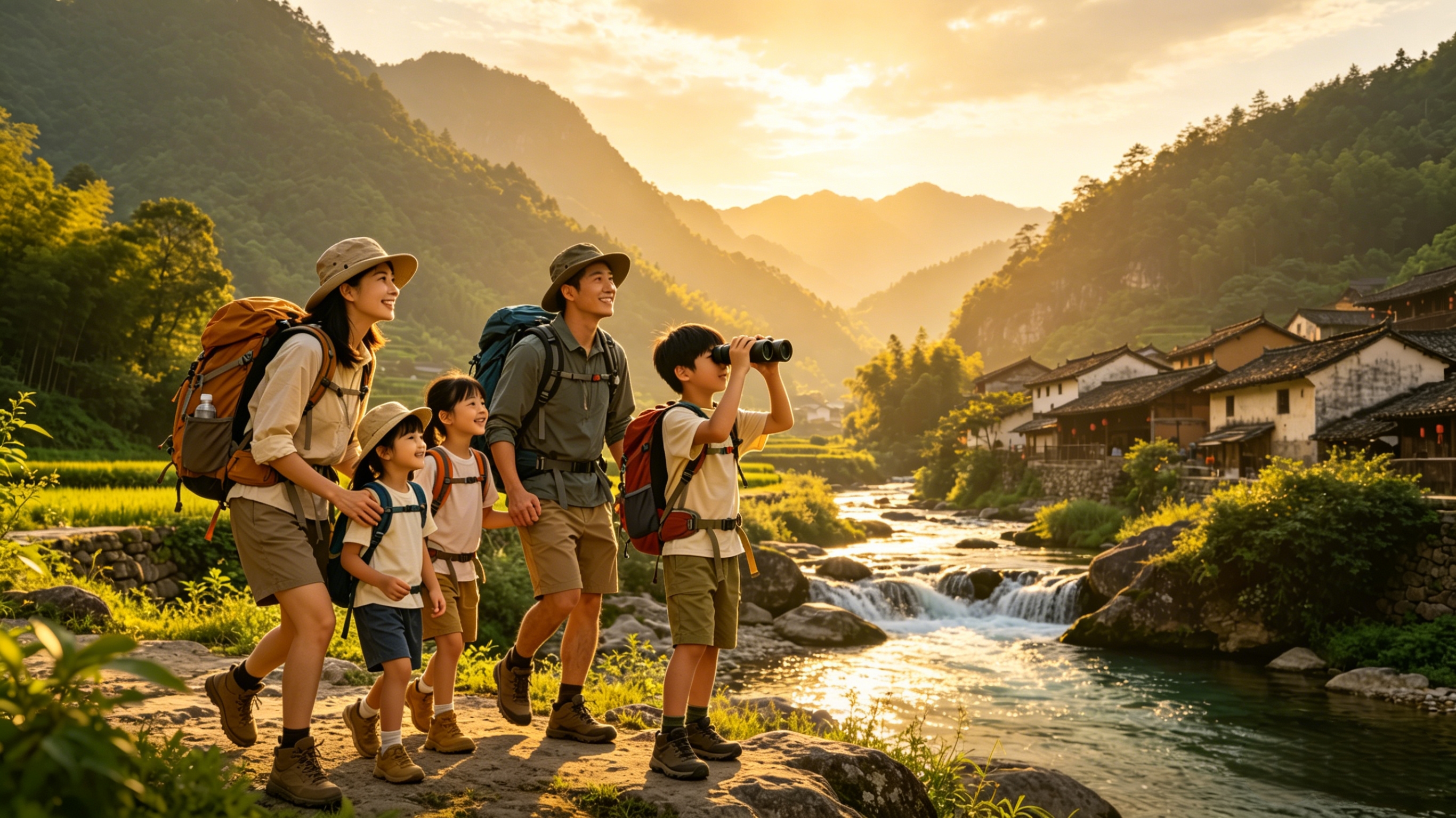

Yunnan, in China’s southwest, has become a celebrated destination not only for its breathtaking landscapes and vibrant cultures but also as a top choice for weddings and travel photography. Couples from across China—and increasingly from New Zealand, Australia, and beyond—are drawn to Yunnan’s romantic scenery, diverse traditions, and dramatic natural beauty. Whether you’re seeking the perfect backdrop for wedding photos, planning a destination wedding, or simply yearning for an immersive travel experience, Yunnan offers a tapestry of unforgettable moments.
Where Is Yunnan? A Crossroads of Cultures and Geography
Yunnan’s border sets it apart geographically and culturally. Facing three Southeast Asian neighbours—Vietnam, Laos, and Myanmar—it’s a natural crossroads that has absorbed and exchanged influences for thousands of years. The province covers more than 394,000 square kilometres, making it larger than Germany. Travellers could spend weeks and only begin to scratch the surface of its wonders. From the vibrant capital of Kunming, to mountain-ringed Dali, ancient Lijiang, the cloudswept Tibetan Plateau in Shangri-La, and the golden canola fields of Luoping County, adventure tourism here takes many forms.
Yunnan’s Location and Geographical Richness
A quick look at any Yunnan province China map reveals extraordinary topography. This is where the Himalayas drift eastwards, colliding with lush lowlands and deep river valleys. Many of Asia’s great rivers, including the Mekong, Yangtze, and Salween, slice through the province, shaping dramatic gorges and nourishing jungles.
Yunnan’s climate is just as varied as its landscape. Catch the first flushes of spring in Kunming, rice paddies shimmering with early morning mist. In Shangri-La, you might wake to frost and yak herders’ calls. This creates a dynamic patchwork of biodiversity that rivals anywhere else in China—and explains why Yunnan is considered the country’s ecological wonderland.
Key Cities and Signature Experiences
|
City / Region |
Altitude |
Known for |
Signature Experience |
|
Kunming Shi Yunnan China |
1,900m |
“Spring City,” gardens, markets |
Green Lake Park, Yuantong Temple |
|
Dali Yunnan Province |
2,000m |
Erhai Lake, Cangshan Mountains, Bai culture |
Old Town cycling, Three Pagodas |
|
Lijiang Yunnan China |
2,400m |
Naxi heritage, cobbled streets, Jade Dragon Snow Mountain |
Ancient Town, Black Dragon Pool |
|
Shangri-La Yunnan China |
3,300m |
Tibetan plateau, Songzanlin Monastery, alpine scenery |
Tibetan villages, hiking |
|
Luoping County Yunnan |
1,650m |
Canola flowers, rivers, karst landscape |
Spring flower fields, Nine Dragons Waterfall |
Kunming: The Welcoming City of Eternal Spring
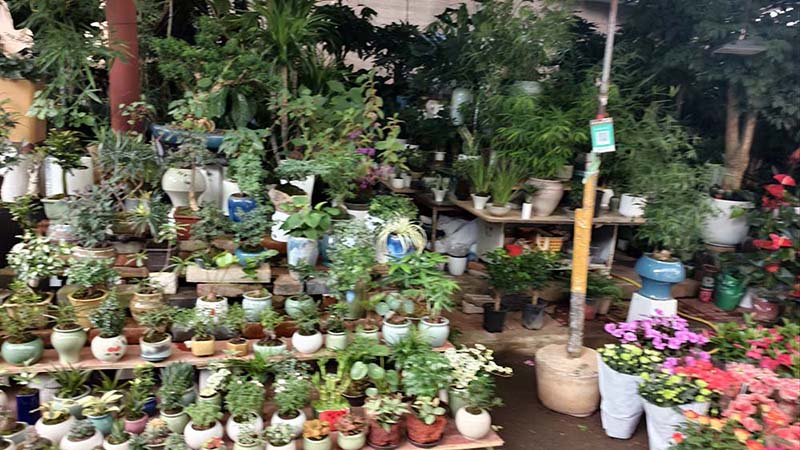
Kunming, sometimes called “Spring City” for its pleasing weather year round, is Yunnan’s capital and the perfect introduction to the region. A stroll through the bustling Bird and Flower Market offers a sensory feast. Wander to the ancient Yuantong Temple—dating from the 8th century—where a calm pond reflects curling rooftops and the fragrance of incense lingers.
The city’s acclaimed Green Lake Park buzzes with locals: tai chi groups at dawn, old couples feeding koi carp, and student orchestras by afternoon. This is also a culinary haven, where the diverse local cuisine offers unique Yunnan specialties like steamed rice noodles and “crossing the bridge noodles” (过桥米线, guoqiao mixian). Starting your Yunnan adventure here makes practical sense for travel connections, but linger long enough to soak up its easygoing vibe and welcoming people.
Dali: Lakeside Charm and Cultural Openness
Dali stands as a vibrant centre of art, music, and ethnic minority culture. Ringed by the Cangshan Mountains and facing the crystal expanse of Erhai Lake, it has drawn poets, artists, and wanderers for centuries. Immerse yourself in the ancient Bai community’s heritage, cuisine, and architecture, exploring narrow streets lined with white-washed houses and colourful doorways. The Three Pagodas, rising serenely against the backdrop of snow-capped peaks, are a snapshot-worthy emblem of Dali.
Cycling around Erhai Lake is a prime example of adventure tourism, revealing small fishing villages, fields of garlic and sunflowers, and temples perched at cliff edges. Time your visit with a local festival if possible—the Bai Torch Festival is a riot of fire and music.
Lijiang: Timeless Allure and Naxi Mystique
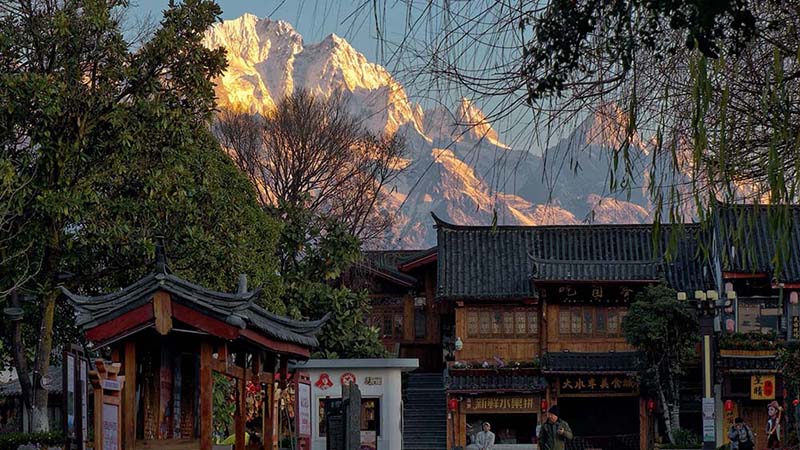
Lijiang feels like stepping into a painting. Its old town, now a UNESCO World Heritage Site, weaves a puzzle of cobblestone alleys and gurgling streams. Red lanterns sway gently above doorways, while the clean sound of the Naxi baisha music fills the air. This city is an important centre for Naxi people, whose unique Dongba pictographic script and matriarchal traditions are still practised.
Rise early and climb up to Lion Hill for a panoramic view of sloping tiled rooftops, then set out for Jade Dragon Snow Mountain, which looms in the near distance. The mighty peak, shrouded in cloud and legend, is sacred in local culture and offers breathtaking hiking and cable car rides to pristine alpine meadows.
Shangri-La: Gateway to the Tibetan World
Known locally as Xianggelila, Shangri-La sits at the edge of the Tibetan Plateau. The air at 3,300 metres feels fresh and brisk, and a stroll through the old town presents scenes of spinning prayer wheels, monks in maroon robes, and homes painted in vivid shades. The Songzanlin Monastery, the largest Tibetan Buddhist monastery in Yunnan, is a labyrinth of incense-filled halls, golden statues, and monks’ chants echoing through the valley.
Venture into local nomad villages dotted across the grasslands, where families welcome visitors with yak butter tea. The region’s nature is just as compelling, with wildflower meadows, turquoise lakes, and forests where red pandas and golden monkeys hide.
Natural Wonders: Yunnan’s Extravagant Landscape
Yunnan’s natural attractions are world-class, often left blissfully uncrowded compared to more famous destinations in China. Tiger Leaping Gorge, a dramatic river canyon deeper than the Grand Canyon in places, is a favourite among trekkers, with breathtaking trails hugging cliffs above the churning Jinsha (upper Yangtze) River.
Enchanting forests like Shilin (the Stone Forest) showcase a magical universe where karst pinnacles thrust skywards. Walkways thread between limestone spires, pine trees cling to rocky crevices, and legends about Ashima—the brave Sani girl—blend with the surreal landscape.
Don’t overlook Luoping County in spring, where vast landscapes of canola burst into gold, attracting photographers and nature lovers. Rivers wind through yellow valleys, while karst hills punctuate the horizon.

Why Yunnan Sits Apart: Ethnic Diversity and Way of Life
Yunnan’s beating heart is, without question, its people. While the rest of China is dominated by the Han majority, Yunnan is different. It’s home to 25 of China’s 56 recognised ethnic groups, each with their own language, customs, and festivals.
The Bai, Naxi, Yi, Dai, Hani, and Tibetan cultures interweave across the province, reflected in distinctive textiles, lively markets, minority villages, and vibrant dances. Experiencing local hospitality—sharing tea in a Bai courtyard, watching a Tibetan horse festival, or joining a Yi torchlight parade—leaves lasting memories.
Local Markets: A Taste of Diversity
-
Dali: crispy cheese, fresh tofu, wild mushrooms
-
Lijiang: rose cakes, yak skewers, barley wine
-
Xishuangbanna: tropical fruits, sticky rice, pu’er tea
Getting the Most from Yunnan China Travel
So much variety can feel overwhelming, which is where tailored travel experiences shine. Choosing a specialist like Three Bears Travel ensures your itinerary blends city highlights with less-travelled paths, whether that’s sunrise over Erhai Lake, old town walks in Lijiang, or tea tastings in a local grower’s home. Transport, accommodation, and language logistics are handled for you, letting the beauty and culture take centre stage.
Yunnan’s diversity also means it’s important to plan ahead, especially if you’re considering a destination wedding or a photography trip.
Tips for Travellers
-
Distances are deceptive; Yunnan is huge, so plan extra days for overland journeys.
-
Bring sunblock, hats, and extra layers; altitude and weather can swing quickly.
-
Local food is fresh, spicy, and unique—try everything at least once.
-
Learn a few key words in Mandarin or local dialects, as English is rare outside main tourist areas.
For trip planning, the Yunnan China map is your friend. Spot key transport links—Kunming’s international airport, long-distance buses, and high-speed rail—to map out your adventure. Yunnan province China map resources online help visualise the diversity and layout of must-see regions.
Fresh Horizons in Yunnan
As China’s other regions modernise rapidly, Yunnan still provides glimpses of another rhythm, one more closely tied to mountain, river, landscapes, and tradition. It offers something rare: the feeling that the world is wider and more alive than you might have guessed. Here, travel is less about ticking boxes, and more about the unexpected warmth of a tea house welcome, the stillness of a lake at dawn, or the ripple of wind through a stand of ancient pines.
Those seeking more than postcards, who crave landscapes and cultures with soul, will find in Yunnan a province that rewards every step. Whether through the ancient alleyways of Lijiang Old Town, the mountain trails above Shangri-La, or the flower fields of Luoping County, Yunnan invites you to see China through a new lens—one filled with colour, kindness, and awe-inspiring beauty.
Want more China travel itineraries? Click here!
If you have any other questions, feel free to click here and get in touch with us.
If you need a personalized travel plan, feel free to click here and let us help you.