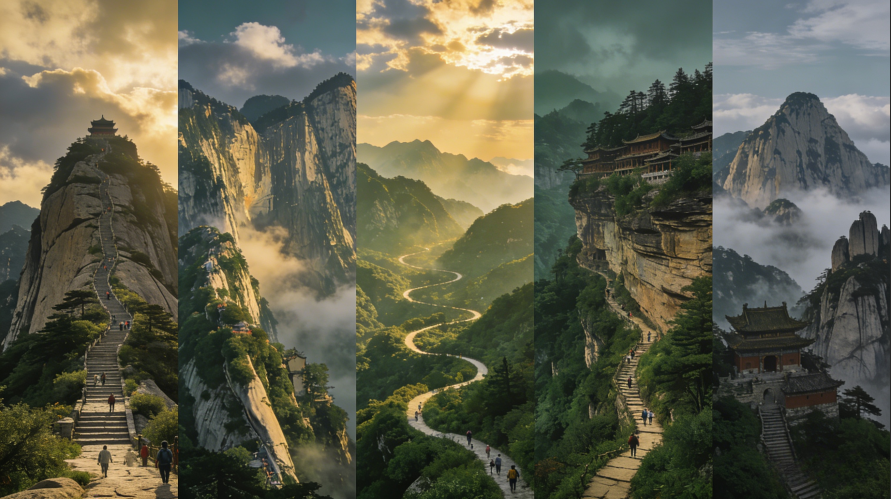
China’s mountain ranges don’t just sit in the background. They shape the way towns were built, where temples were placed, and how people have travelled for centuries. You can be climbing through mist one moment, then rounding a corner to a centuries-old stairway lined with incense and calligraphy the next.
For Australian and New Zealand travellers, the trick is choosing a mountain that matches your pace, your comfort with heights, and how much cultural context you want built into the day. China has epic wilderness, but many of its most famous peaks are “living landscapes”: part nature, part pilgrimage route, part engineering feat.
Why mountains in China feel so different to hikes at home
If your mental picture of hiking is a dirt track, a quiet ridge, and long stretches without services, some of China’s iconic mountains will surprise you. These places often have established stone stairways, viewpoints with railings, snack stalls, and cable cars that help you skip the hardest vertical sections.
That doesn’t make them easy. In fact, endless stairs can be tougher on legs and knees than uneven ground, especially on the descent. The upside is that you can tailor the effort. Many travellers mix cable cars with walking so they still get a real hike without turning the day into a suffer-fest.
Another difference is atmosphere. On certain peaks you are sharing the climb with photographers chasing sunrise, older locals doing a fitness circuit, and pilgrims moving at a steady, purposeful rhythm.
Sacred peaks and the Five Great Mountains
Several mountains hold a special place in Chinese culture because they are tied to spiritual practice, poetry, art, and imperial history, with some even designated as UNESCO World Heritage Sites. Among the most influential are Mount Tai, Mount Hua (Huashan), Mount Huang (Huangshan), Mount Emei, and Mount Wutai.
A classic framework is the Five Great Mountains, linked to the cardinal directions and the centre:
· Mount Tai (East)
· Mount Hua (West)
· Mount Heng (South)
· Mount Heng (North)
· Mount Song (Centre)
Even if you are not travelling for religious reasons, you feel the meaning in the infrastructure: processional routes, temple clusters, and historic inscriptions that make the ascent feel like stepping through layers of time.
A quick comparison of standout mountain experiences
Not sure where to start? This table gives a practical snapshot. Times assume a comfortable pace and typical sightseeing stops.
|
Mountain |
Best for |
Effort level |
Access style |
Time to allow (typical) |
|
Mount Huang (Huangshan) |
Photography, dramatic scenery, sunrises |
Moderate (stairs, optional cable cars) |
Cable cars + ridge walks |
1–2 days |
|
Mount Tai (Taishan) |
History, ritual sites, classic pilgrimage climb |
Moderate to high (long stair climb) |
Stairs, road access, cable car options |
1 day (overnight for sunrise) |
|
Mount Hua (Huashan) |
Adrenaline, narrow ridges, big views |
High (exposure, steep sections) |
Cable cars + hiking routes |
1 day (or overnight) |
|
Mount Emei (Emeishan) |
Buddhism, temples, forested trails |
Moderate (varies by route) |
Road + cable car + walking |
1–2 days |
|
Mount Wutai (Wutaishan) |
Temple circuit, cultural depth |
Low to moderate |
Driving between temple areas + short walks |
1–2 days |
Choosing the right mountain for your travel style
The “best” mountain is the one that suits how you like to travel. A great plan also considers where you are coming from, because transit time can decide whether a visit feels relaxed or rushed.
Here are a few ways to match a mountain to your priorities:
· Best scenery for classic China landscapes: Huangshan
· Deep cultural weight and a sense of ceremony: Mount Tai
· Heights, narrow paths and brag-worthy photos: Huashan
· Temple-rich routes in lush, green surroundings: Emei
· A pilgrimage region with multiple sites, not one single summit push: Wutai
If you are travelling as a pair, it can be worth choosing one feature peak and then balancing it with calmer days in nearby historic cities. That rhythm helps with recovery, and it gives context to what you’re seeing on the mountain.
What hiking in China is actually like on the ground
Many famous routes are built around staircases. On busy days, you may move in a steady stream of people, which changes how you pace yourself. The best strategy is to start early, take short breaks, and treat it as a long day on your feet rather than a “summit mission”.
Expect these common features:
· Stone stairways that go on and on
· Cliffside sections cut into rock
· View platforms designed for photos and rest
· Teahouses and simple food stalls
· Cable cars linking key viewpoints
To many travellers’ surprise, the logistics are often harder than the hiking itself. Ticketing, queue patterns, local transport connections, and finding the right trail junctions can be confusing if you do not read Chinese.
Spotlight on Huashan: legendary, intense, and manageable with planning
Huashan has a global reputation for exposure: narrow ridges, steep ascents, and sections where the path is carved into sheer rock. The famous plank-style walkway (where available and open) is the image most people have in mind, but it is only one part of a larger trail network.
It’s also more controlled than people assume. There are regulated entry points, defined routes, staff presence, and safety infrastructure like chains and cables on the most exposed sections. You still need to be honest about your comfort with heights. A fear response can be more limiting than fitness.
One sentence that helps when deciding: Huashan is less about distance and more about nerves, footing, and steady pacing.
How long does Huashan take?
Time depends on whether you do a full ascent on foot or use cable cars to conserve energy for the ridge walking.
A practical planning guide:
1. Full climb up and down on foot: roughly 8–10 hours for many travellers, depending on rests and crowding
2. Cable car one way, hike between peaks: roughly 4–6 hours on the mountain
3. Overnight for sunrise: physically demanding, best if you are comfortable with long stair climbs and cooler night temperatures
Crowds can add a surprising amount of time, especially at pinch points and photo spots. Building in buffer time reduces stress and keeps the day enjoyable.
When to go: weather, visibility, and crowd patterns
Mountain weather in China can change quickly. Clear skies can turn into fog, wind, or rain, and visibility is a big part of why people go in the first place. If you have one “must-see” sunrise, plan more than one morning near the mountain so you can move things around.
Season matters too. Summer can be hot and humid on lower slopes, while winter brings ice risk on stairs and shaded sections. Shoulder seasons often give the best mix: crisp air, decent visibility, and manageable crowds.
A small detail that makes a big difference: aim for weekdays where possible, and start early even if you are using cable cars.
Packing for comfort and safety (without overdoing it)
You do not need expedition gear for most of China’s famous peaks, but you do need the basics that keep you steady on stairs and comfortable in changing temperatures.
Bring what matches the season and your route plan:
1. Shoes with grip: runners can work on dry days, but hiking shoes feel more secure on steep stairs
2. Layers: a light jacket can be essential at viewpoints, even when the base is warm
3. Water and simple snacks: queues and long stair sections make regular fueling helpful
4. Gloves (cool months): useful for chains and railings on steep sections
5. A small daypack: keep it light, keep hands free
If you are prone to sore knees, trekking poles can help on long descents, especially on mountains with relentless stairways.
Common mistakes travellers make with China’s mountains
Most regrets come down to pacing and logistics, not bravery.
People often underestimate how tiring stairs can be, and they overestimate how quickly they can get from a major city to the trailhead and still have a meaningful day on the mountain. Another common issue is locking in a single, inflexible schedule when weather is the key ingredient.
It also pays to be realistic about crowds. A “quiet hike” is possible, but it usually requires smart timing, route choice, or picking a mountain region that is less famous internationally.
Building a mountain-focused itinerary that still feels like a holiday
A well-paced plan usually includes an overnight stay near the mountain, then a calmer day afterwards. That rhythm gives you time to catch sunrise if you want it, and it protects you from transport delays.
Many travellers also appreciate private support for these regions: clear route selection based on fitness and comfort with heights, help with ticketing and timing, and someone to troubleshoot when weather changes plans. Companies like Three Bears Travel design private, tailor-made trips with local guidance and on-the-ground support, which can make mountain days feel straightforward rather than chaotic. That can be especially valuable when you are combining a big hike with cultural stops in places like Xi’an, Luoyang, Chengdu, or smaller ancient towns nearby.
A good planner will also talk you out of cramming in too much. One memorable mountain day is often better than three rushed ones.
FAQ
Are China’s mountains suitable for beginner hikers? Yes, many are accessible because paths are established and cable cars can reduce the hardest climbs. Beginners still need to prepare for stairs, which can be deceptively demanding.
Which mountain is best for photography? Huangshan is the classic choice for granite peaks, twisting pines, and sea-of-cloud views. Staying overnight increases your chances of catching good light.
Is Huashan actually dangerous? It can feel confronting due to exposure, but it’s regulated and set up with defined routes and safety features. The safest approach is choosing a route that matches your comfort level and avoiding bad weather.
How much time should I allow for a mountain visit? If the mountain matters to you, plan at least one night nearby. It reduces rushing, gives you flexibility for weather, and makes sunrise options realistic.