Travelling through Japan or China after 60 can be one of the most satisfying trips you ever take. Many Australians find it suits this stage of life beautifully: you are more selective, more curious, and often more willing to travel at a thoughtful pace rather than rush from one landmark to the next.
What changes is not whether the trip is possible, but how you prepare for it. The strongest senior travel health tips are practical ones: plan for medication timing, choose the right season, think honestly about walking distances, and make sure your insurance matches your medical history. With that groundwork in place, travel Asia over 60 Australia becomes far less daunting and far more enjoyable.
Why travel Asia over 60 from Australia can feel easier than expected
Japan and China are often imagined as intense destinations, yet both can work very well for older travellers. Japan offers impressive public order, clean cities, strong transport systems, and a hospitality culture that values care and precision. China brings extraordinary history, regional food, modern high speed rail, and major attractions that are increasingly set up for international visitors.
Age can also improve the experience. Travellers in their 60s and beyond often prefer quality over volume. That matters in Asia, where long queues, crowded group itineraries, and rushed hotel changes can wear anyone down. A slower schedule, private transfers, central accommodation, and realistic daily walking plans can transform the trip.
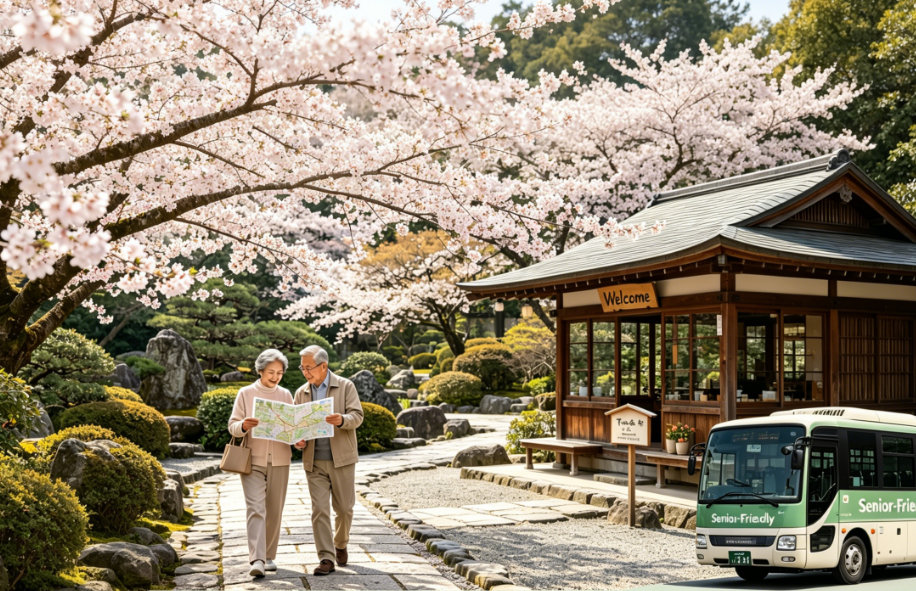
It also helps that expectations can be adjusted early. You do not need to “do everything”. A well-paced itinerary with built-in rest time often leaves room for the moments people remember most: a tea house in Kyoto, a quiet garden in Suzhou, a local lunch in a small neighbourhood, or a relaxed evening stroll rather than another museum.
Pre-trip health preparation for Asia seniors before departure
The best health preparation Asia seniors can make starts with a GP appointment about six to eight weeks before departure. That timing gives you room to review prescriptions, update any recommended immunisations, and sort out documents without last-minute stress.
This check-up is especially useful if you have any chronic condition that is well managed at home but could become harder to handle while flying long-haul or adjusting to a new routine. Blood pressure, diabetes, heart conditions, arthritis, sleep apnoea, and circulation issues all deserve a quick review before you lock in plans.
A GP discussion should cover more than “am I fit to travel?” It should focus on the details that affect day-to-day travel across Japan or China.
· Current medications: ask for a full written list using generic names, not just brand names, in case you need support overseas
· Immunisations: check whether your destination or stopover points call for any updates
· Flight fitness: discuss blood clot risk, especially for flights longer than eight hours
· Altitude: seek medical clearance before considering Tibet or high mountain regions
· Mobility limits: mention how far you can comfortably walk in a day and whether stairs are a problem
If you use hearing aids, CPAP equipment, glucose monitoring devices, or any regular medical technology, confirm power requirements and battery needs as well. Small practical checks at home are much easier than solving problems after arrival.
 Managing medications and long-haul flights when travelling Japan and China in your 60s
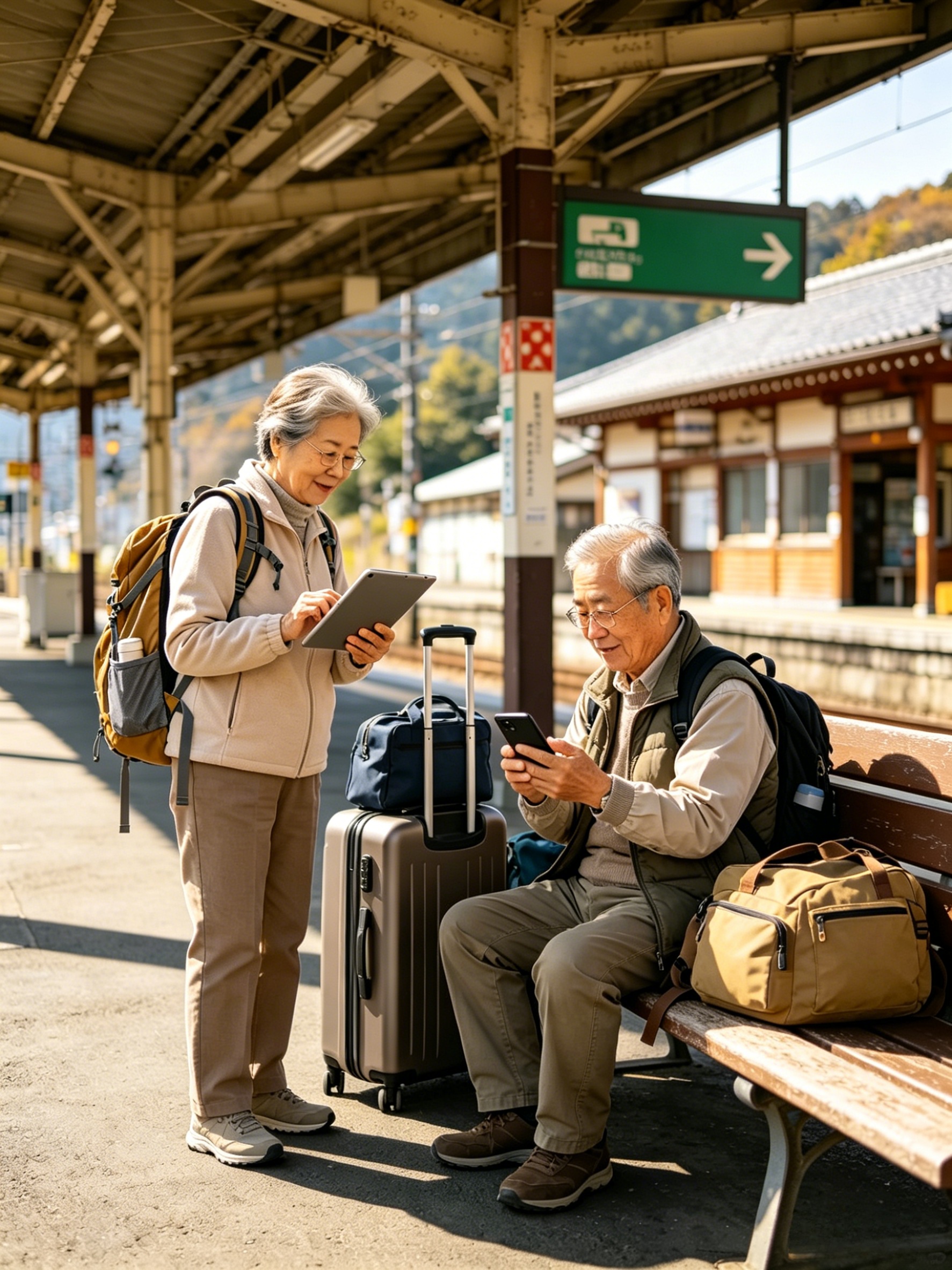
Time zones can complicate medication schedules, particularly for medicines that must be taken at consistent intervals. A simple method is to build your schedule in Australian time first, then convert it into local time for your destination. Once you arrive, set phone alarms so you do not need to rely on memory while tired or distracted.
Carry more medication than you expect to need. Delays happen, bags go astray, and weather can interrupt travel plans. A good rule is to take at least double the amount required for the trip, split between your carry-on and checked luggage. Your carry-on supply matters most, since that remains with you during flight disruptions.
Long-haul flights themselves deserve planning. Compression socks are strongly recommended for flights of eight hours or more, and they can also help on heavy walking days. Keep moving during the flight, stretch your calves, drink water regularly, and be careful with alcohol if you are prone to dehydration or light-headedness.
A few carry-on items can make the first 24 hours much easier:
· Medications for several days
· Compression socks
· Refillable water bottle
· Basic snacks
· Prescription list
· Travel insurance details
· Portable charger
If you have had recent surgery, a history of deep vein thrombosis, or any condition affecting circulation, ask your GP whether you need a more specific in-flight plan.
Travel insurance choices for Australians over 60 visiting Asia
Travel insurance is not the place to cut costs. For older Australians, the main trap is assuming a standard policy covers pre-existing conditions when it may not. If you have declared a condition, make sure it has been formally assessed and accepted in writing, rather than assumed.
Medical cover should be generous, and evacuation cover matters more than many people realise. Even in countries with excellent hospitals, the right treatment may not be in the city where you happen to be staying. Trip cancellation and interruption cover are also worth close attention, especially if you have booked private touring, internal flights, or specialist accommodation.
Australians often compare providers including Cover-More, Allianz Australia, and NIB Travel, though the right choice depends on your own health profile and itinerary. The key is not the brand name. It is whether the policy actually covers the risks you carry.
|
Insurance feature |
Why it matters for over 60 travel in Asia |
|
Unlimited or high medical cover |
Hospital care abroad can become expensive very quickly |
|
Medical evacuation |
Essential if specialist treatment or transfer is needed |
|
Pre-existing condition cover |
Many claims fail without formal acceptance |
|
Trip cancellation |
Protects prepaid flights, tours, and accommodation |
|
24/7 emergency assistance |
Useful when language barriers and time zones add pressure |
Read the exclusions carefully. If a condition is not listed as covered, treat it as uncovered until confirmed otherwise.
 Mobility aids and accessibility planning in Japan and China
Mobility planning is one of the smartest parts of an over 60 travel guide Asia. It is not only about wheelchairs. It also includes walking sticks, joint pain, fatigue after long sightseeing days, trouble with stairs, and the simple fact that some historic sites were never built with accessibility in mind.
Japan’s major stations usually have lifts and strong signage, though not every route is equally easy. A platform may be accessible while a nearby exit is not. That is why route knowledge matters. China’s major international tourist sites have improved their accessibility steadily, but smaller old towns, uneven lanes, and heritage districts can still be challenging.
If you use a cane, walking stick, wheelchair, or foldable mobility aid, say so at booking stage. For travellers arranging a private itinerary with Three Bears Travel, notifying the team early helps shape hotel selection, transport planning, and realistic sightseeing flow. In many cases, the right route and timing make more difference than the destination itself.
Private guide support is particularly valuable here. Instead of spending energy working out station lifts, taxi access points, or the least demanding entrance, you can use that energy on the actual experience. Three Bears Travel specialises in crafting accessible, senior-friendly journeys that ensure comfort and peace of mind throughout your trip.
Best seasons and physical demands for senior travel in Asia
Season matters a great deal when travelling Japan China 60s. Summer, especially from June to August, can be hot, humid, and physically draining. Heat tolerance often changes with age, and even travellers in good shape may find long walking days more demanding than expected.
Spring and autumn are usually the safest choices for comfort. March to May and September to November tend to offer mild temperatures, clearer sightseeing conditions, and a more pleasant walking experience. Winter can work well in major cities if you pack properly, though icy streets and cold winds may be a factor in some areas.
|
Season |
Japan and China conditions |
Senior travel note |
|
Spring |
Mild temperatures, blossoms, comfortable walking weather |
Excellent for city touring and gardens |
|
Summer |
Heat, humidity, heavier crowds in some periods |
Best avoided if heat affects your energy or circulation |
|
Autumn |
Cool to mild air, stable conditions, beautiful foliage |
One of the best times for longer sightseeing days |
|
Winter |
Cold in many cities, but manageable with layers |
Suitable for urban trips with shorter outdoor periods |
Altitude deserves its own warning. Beijing and many popular parts of China are at low altitude, so they are not usually the concern. Tibet is different. It should be avoided unless you have proper medical clearance and a very clear sense of how your body handles altitude.
Packing essentials for senior travel health tips in Asia
Packing well after 60 is less about quantity and more about reducing friction. You want fewer things that work harder: shoes you have already worn in, layers you can adjust easily, and a day bag that keeps essentials within reach without straining your shoulders.
Supportive walking shoes are non-negotiable. New shoes are a gamble, even if they feel fine at home. Break them in well before departure. A lightweight day bag should carry water, snacks, medication, sunscreen, a hat, and a power bank, especially if you rely on your phone for translation, maps, or emergency contacts.
Keep backups of key documents stored separately from the originals. That includes your passport photo page, insurance policy, medication list, and emergency contacts. A medical alert card in Japanese or Chinese can also be very helpful if you have allergies, diabetes, a pacemaker, or any condition that may need quick explanation.
A sensible packing list often includes:
· Compression socks: for long flights and high-walking days
· Document copies: paper and digital versions kept apart from originals
· Portable charger: useful when translation apps and maps drain your phone
· Regular snacks: handy if meal timing changes or blood sugar drops
· Simple first aid items: blister care, pain relief, and any approved personal essentials
Try to keep luggage manageable enough that you can handle it yourself for short periods, even if guides and drivers assist most of the time.
 Private touring support for senior travellers in Japan and China
A private itinerary can be especially helpful for older travellers because it removes avoidable strain. Group tours often assume a standard pace, standard interests, and standard mobility. Real travellers are rarely standard.
Private guide and vehicle arrangements allow for practical choices that matter: later starts after a long flight, shorter transfers, breaks between attractions, and restaurant stops that fit your dietary needs or medication schedule. If one site involves too many stairs, the day can be adjusted. If a market is too crowded, an alternative can be chosen without derailing the whole trip.
For many Australians and New Zealanders, that is the real value in a well-designed plan. It is not only comfort. It is confidence. When the route, timing, support, and pace fit your body as it is now, not as it was twenty years ago, Asia opens up in a very real way.
That can mean a short city stay with minimal hotel changes, a food-focused itinerary built around easy transport, or a cultural trip that balances iconic highlights with proper rest. The result is not a smaller experience. Often, it is a better one. Three Bears Travel can help you design a journey that matches your pace and interests, ensuring every detail is tailored for your comfort and enjoyment.
FAQ for Travelling to Asia After 60
Embarking on a journey to Asia in your 60s can be an incredibly fulfilling experience. Here are quick tips and answers to common questions to help streamline your travel planning.
How early should I prepare for a trip to Japan or China?
Begin planning your travel preparations around 6–8 weeks in advance. This allows ample time to address health checks, insurance, and itinerary adjustments.
What should I discuss with my GP before travelling?
Discuss your current medications, required immunisations, potential altitude issues, and any travel-related health concerns.
How do I manage my medications with time zone changes?
Create a medication schedule based on Australian time and convert it to local time. Utilize phone alarms to maintain consistency.
What should my travel insurance cover when visiting Asia over 60?
Ensure your policy includes unlimited medical cover, medical evacuation, trip cancellation, and coverage for pre-existing conditions.
Is Asia accessible for mobility aids?
While major sites in Japan and China are accessible, plan routes in advance and notify travel services about mobility tools you require.
When is the best time to travel?
Opt for spring (March–May) or autumn (September–November) for milder weather and fewer crowds.
What essential items should I pack as a senior traveller?
Pack comfortable walking shoes, compression socks, a portable charger, document copies, and a small first aid kit.
How can private tours enhance my travel experience?
Private tours offer flexibility for scheduling, transport, and activities tailored to your personal pace and preferences, ensuring a more comfortable journey.