Japan rewards good timing. Time it right and you catch soft sakura skies, gold and crimson hillsides, uncrowded shrines, steamy onsen in the snow, fireworks over summer seas, and powder so dry it squeaks. The best time to visit Japan depends on why you are going, how much you want to spend, and how comfortable you are with heat, cold, or crowds. This guide lays out the seasons, the highlights, the sweet spots for flights, and the practical steps that make a trip from Australia or New Zealand smooth.
Best Time to Visit Japan for an Unforgettable Experience
Think about Japan in layers. National holidays that move the whole country. Regional climate bands from subtropical Okinawa to snowy Hokkaido. Festivals that light up a month. And your own preferences, whether that is a Japanese mountain retreat, a buzzy city break, or a powder-filled week in Niseko.
The headline windows many travellers love are late March to mid April for cherry blossoms, late October to late November for autumn colours, and January to early March for skiing. That said, May, early June, and late September can be brilliant for value and calmer streets.
Understanding Japan Seasons
Japan experiences four distinct Japan seasons, and each brings a different rhythm.
-
Spring, March to May
-
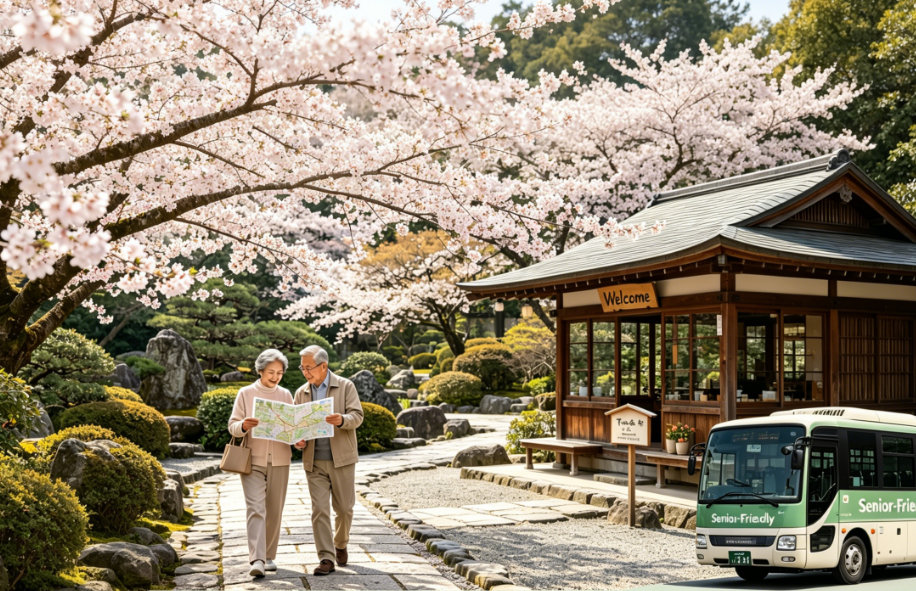
Cherry blossom season Japan sits at the heart of spring. Expect mild days, cool nights, and parks full of picnics. Sakura blossom Japan usually peaks late March in Tokyo and early April in Kyoto, sliding later the further north you go.
-
Summer, June to August
-
Early summer begins with tsuyu, the rainy season, mostly in June. July and August turn hot and humid on Honshu, gentler in Hokkaido. Festivals fill the calendar and islands beckon with warm seas.
-
Autumn, September to November
-
Clear air, comfortable temperatures, and maples that turn mountain valleys into art. Kyoto, Nara, and the Japanese Alps are favourites for photographers.
-
Winter, December to February
-
Crisp city days, empty castles, snow in the north, and unbeatable skiing. Japan ski packages to Hokkaido and Nagano sell fast in school holidays, while onsen Japanese inns glow at night with lanterns and steam.
A few countrywide factors are worth marking on your calendar:
-
Golden Week, late April to early May, very high domestic travel.
-
Obon, mid August, peak summer homecoming.
-
New Year, late December to early January, some closures and premium pricing.
-
Typhoon season risk, August to early October, more noticeable in Kyushu and Shikoku.
Cherry Blossom Season Japan 2026
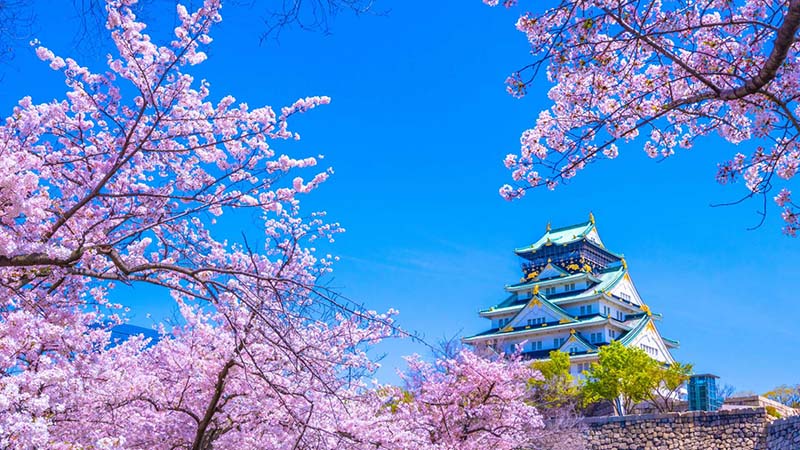
Cherry blossoms bloom in harmony with the rhythms of nature, not the calendar. Each year, the timing shifts slightly, guided by weather patterns and temperature. For cherry blossom season Japan 2026, forecasts suggest that Tokyo will see its first blooms in late March, with Kyoto and Osaka following in early April. These dates are based on historical trends and recent climate models, but always check for the latest updates as your travel dates approach.
Here’s a snapshot of expected cherry blossom peaks for 2026:
|
Region/City |
Expected First Bloom |
Expected Full Bloom |
Highlights |
|
22–27 March |
29 Mar–4 Apr |
Shinjuku Gyoen National Garden Tokyo Japan is a classic hanami destination with spacious lawns |
|
|
29 Mar–3 Apr |
5–11 Apr |
Pontocho Alley Kyoto Japan offers magical evenings after blossom viewing |
|
|
30 Mar–4 Apr |
6–12 Apr |
Riverside parks glow with evening illuminations |
|
|
27 Mar–1 Apr |
2–8 Apr |
Combine with a Miyajima island visit |
|
|
Fukuoka |
22–28 March |
29 Mar–4 Apr |
Kyushu’s early blooms |
|
Sendai |
10–17 April |
16–22 Apr |
Tohoku’s later season |
|
Sapporo |
30 Apr–6 May |
5–11 May |
Hokkaido’s late spring spectacle |
|
Naha, Okinawa |
Mid January |
Late January |
Japan’s earliest cherry blossoms |
Top hanami spots for 2026:
-
Shinjuku Gyoen National Garden Tokyo Japan: Expansive lawns and curated gardens.
-
Meguro River Tokyo: Evening illuminations and riverside cafés.
-
Ueno Park: Lively, festive, and perfect for group gatherings.
-
Philosopher’s Path Kyoto: A tranquil canal walk beneath the blossoms.
-
Pontocho Alley Kyoto Japan: Historic charm and riverside dining after sunset.
Essential etiquette and planning tips:
-
Arrive early to secure a picnic spot—blue tarps are traditional, but always keep walkways clear.
-
Take all rubbish with you, as bins are limited during peak season.
-
Treat the cherry trees with care—never shake branches or climb on roots.
-
Reserve hotels and train tickets well in advance; Japan tours and popular ryokan near major parks are often booked out months ahead.
-
Don’t miss seasonal treats—sakura mochi and limited-edition Japanese desserts are a spring highlight.
If you’re planning to experience cherry blossom season Japan 2026 from Australia or New Zealand, start monitoring flights and accommodation early. School holidays and public breaks drive demand, so early planning is key. Three Bears Travel can help you secure a flexible Japan holiday package 2026, ensuring you enjoy the very best of sakura season with expert guidance and seamless arrangements.
Best Months to Travel to Japan
You can visit Japan any week of the year. Picking your month sharpens the experience and helps your budget.
-
March to April
-
Widely viewed as the best time to visit japan for first-timers. Comfortable Japan weather, longer daylight, and city life in full swing. Prices rise around peak bloom weeks.
-
May to June
-
May is a quiet gem after Golden Week. Gardens are lush, mountain trails open, and there is elbow room at headline sites. Early June can be calm too, before heavy tsuyu days kick in.
-
September to November
-
A favourite for repeat travellers. September warms up the food scene with new harvests, then October and November bring colour and cool air. Fewer school groups, steadier pricing.
-
December to February
-
Winter lights, hot springs, and pristine slopes. If you are chasing powder, January is king. City sightseeing is blissfully uncrowded on many weekdays.
Quick season-by-season snapshot:
|
Season |
Temperature feel |
Crowds |
Trip style highlights |
Value notes |
|
Spring |
Mild days, cool nights |
High in bloom weeks |
Sakura, tea houses, city festivals |
Book early for central stays |
|
Summer |
Hot on Honshu, mild Hokkaido |
Moderate to high during festivals |
Beaches, fireworks, alpine escapes |
Good value in June, spikes mid Aug |
|
Autumn |
Comfortable, dry air |
Moderate, higher in late Nov |
Foliage, hikes, culture |
Strong value in early Oct |
|
Winter |
Cold, snow in north |
Low in cities, high at ski resorts |
Ski, onsen, illuminations |
Deals in early Dec and late Feb |
Planning Your Flights to Japan
From Australia and New Zealand, a direct hop makes Japan very reachable.
-
Flights to Japan from Sydney
-
Direct services to Tokyo run around 9 to 10 hours. Osaka and Sapporo have seasonal or connecting options. Booking 3 to 5 months ahead suits most spring and autumn trips.
-
Flights to Japan from Brisbane
-
Directs are around 9 hours to Tokyo. Watch for overnight options that put you in Tokyo early morning, which pairs well with rail transfers.
-
Melbourne to Japan flights
-
Directs to Tokyo average 10 hours. Keep an eye on fare sales around late winter in Australia, often good for cherry blossom bookings the following March.
Useful booking tactics:
-
Avoid departing the Thursday or Friday before Easter or school holidays, if your dates are flexible.
-
Lock flights first for cherry blossom and autumn colour trips, then stack hotels and rail.
-
Consider multi-city tickets, into Tokyo and out of Osaka or vice versa, which save backtracking.
-
Mix cash fares with points on one leg if prices climb near your dates.
-
Popular airlines often publish early-bird promotions. Three Bears Travel monitors fare drops and packages flights with rail and stays for better value.
Must-Do Experiences During Your Visit
A few things to do in Japan that fit many itineraries:
-
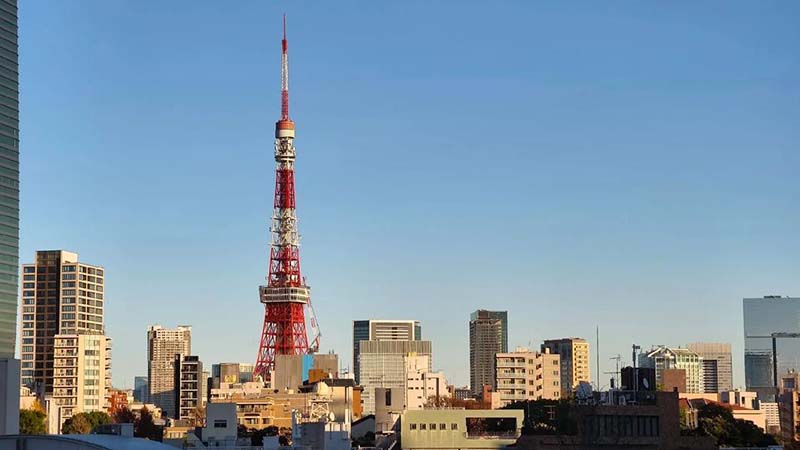
Tokyo Skytree Sumida Tokyo Japan for a sweeping view that makes the city layout click.
-
Fushimi Inari Shrine Kyoto Japan at sunrise or after dusk, when the torii glow and the crowds thin.
-
A night of street and riverside dining near Pontocho Alley Kyoto Japan.
-
A soak in onsen Japanese hot springs in Hakone or Beppu, with a lakeside view or a sand bath.
-
A Japanese mountain retreat in the Alps, from Kamikochi walks to a stay in Takayama.
-
Ski days in Hokkaido or Nagano with Japan ski packages that tie together lifts, transfers, and a cosy ryokan.
-
A food focus day: sushi at a local counter, Japanese hot pot food like shabu shabu or sukiyaki, then a roam for Japanese desserts, maybe taiyaki, daifuku, or warabi mochi.
-
A sumo morning practice viewing, a baseball game for crowd culture, or a tea ceremony for quiet detail.
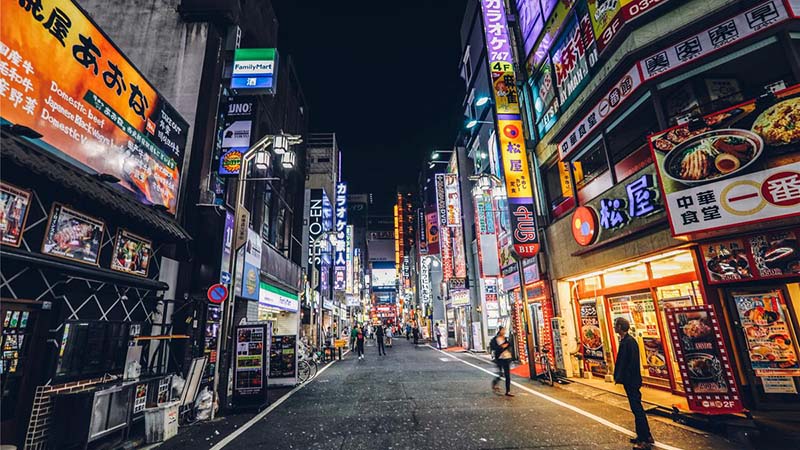
If you prefer a planned structure with room for pleasant surprises, Japan tours can make logistics effortless while keeping your pace personal. Booking with Three Bears Travel brings curated routes, timely restaurant holds, and hands-on help as your days shift.
Where to Go by Season and Region
Japan rewards regional focus. Here is how to match your month with places that shine.
-
Hokkaido
-
January to March for powder and quiet cities. Late May to July for flower fields in Furano and Biei, cooler summer hikes, and seafood at its peak.
-
Tohoku
-
Late April blossoms in Hirosaki extend the season. October is stellar for colour drives and lake walks.
-
Kanto, Tokyo region
-
Spring for urban hanami, summer for coastal day trips to Kamakura and Enoshima, winter for crisp views from Tokyo Skytree Sumida Tokyo Japan.
-
Kansai, Kyoto and Osaka
-
Spring blossoms and autumn colours are the headline, but May and early June bring calmer visits to temples before the heat. Evening dining near the Kamo River or in side streets off Pontocho Alley Kyoto Japan is lovely in warm months.
-
Chubu, Japanese Alps
-
Late June to September for alpine trails, cool evenings, and traditional towns. A Japanese mountain retreat in Hakuba or Kamikochi pairs well with a ryokan and onsen Japanese baths.
-
Chugoku and Shikoku
-
Spring and autumn offer friendly weather for the Shimanami Kaido cycling route and island-hopping art in Naoshima.
-
Kyushu
-
Year-round onsen in Beppu and Yufuin, early blossoms in March, and strong food culture. Winters are milder here than in the north.
-
Okinawa
-
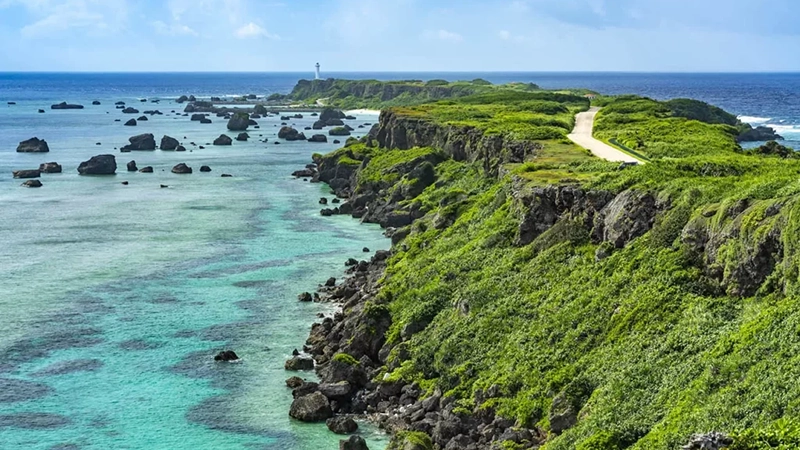
January blossoms kick off the year, then beach season runs April to October. Late June to early July can be wet, and typhoon weeks can appear late summer.
Budget and Crowd Tips by Month
Sensible timing lowers costs and tension without trimming highlights.
-
Book cherry blossom and autumn colour hotels 4 to 8 months ahead near key sights.
-
Golden Week, roughly 29 April to 5 May, sees packed trains and premium pricing. Avoid it if you can.
-
Obon, mid August, pushes up fares and fills rural routes. City museums can still be calm early in the day.
-
Early December and late February are quiet and good for deals in major cities.
-
JR Pass pricing has changed, so run the maths. On many itineraries, regional passes or point-to-point tickets now beat a national pass.
-
Bring a Suica or Pasmo app on your phone for easy local transit, and a small coin purse for temple offerings and lockers.
A short note on Japan weather comfort:
-
If humid heat drains you, keep major outdoor sightseeing to spring and autumn, and plan summer mornings with indoor afternoons.
-
If cold motivates you, winter city walks with coffee stops and an evening soak are a joy.
Food Moments That Mark the Seasons
Food is a calendar you can eat.
-
Spring
-
Sakura bento under trees, fresh young bamboo shoots, strawberry Japanese desserts in department stores.
-
Summer
-
Cold noodles, grilled eel day, fireworks snacks, and beachside izakaya nights.
-
Autumn
-
Matsutake mushrooms, chestnut sweets, and sweet potato everything.
-
Winter
-
Japanese hot pot food at its cosy best, shabu shabu, sukiyaki, oden, and creamy crab in Hokkaido.
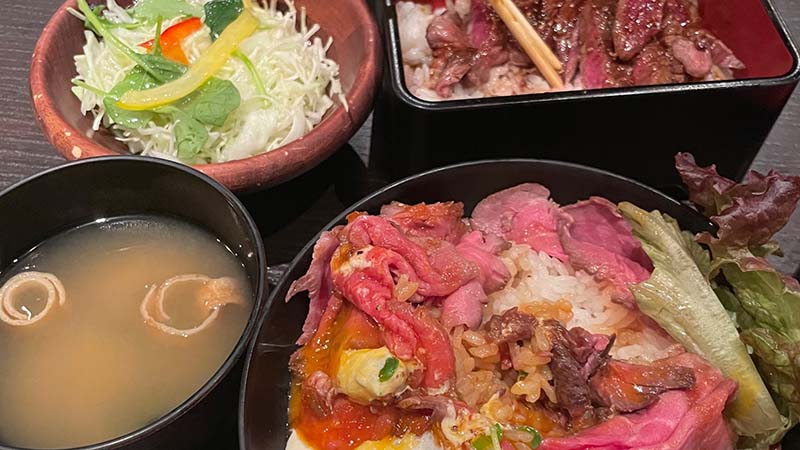
If you travel with Japan tours that prioritise cuisine, a guide can reserve small counters that are hard to access in English, and time your meals around market hours.
Quick Planning Checklist
-
Dates
-
Pick your core theme, blossoms, colours, ski, or festivals.
-
Avoid Golden Week if flexibility allows.
-
Flights
-
Compare flights to Japan from Sydney, flights to Japan from Brisbane, and Melbourne to Japan flights. Look at multi-city options to trim backtracking.
-
Stays
-
Mix business hotels for value with one or two standout ryokan nights.
-
Trains
-
Price point-to-point tickets against regional passes. Reserve shinkansen seats during busy weeks.
-
Connectivity
-
eSIM or pocket Wi-Fi, and the Suica or Pasmo app for tap-on transit.
-
Money
-
Cash is still handy in rural areas, though cards are accepted more widely each year.
-
Packing
-
Layers for spring and autumn, light fabrics for summer, thermal base for winter city walks. Compact umbrella for June.
-
Culture
-
Carry a small bag for rubbish, be mindful of quiet on trains, and take shoes off where asked.
-
Admin
-
Check Japan visa requirements for Australian citizens and New Zealand citizens on the MOFA site, complete Visit Japan Web, confirm travel insurance.
-
Extras
-
Reserve any must-do restaurants and experiences near your travel date. Consider luggage forwarding to lighten long transfer days.
Ready to visit Japan on your terms, with the right season and the right pace? Three Bears Travel brings together flights, rail, stays, and insider timing so the best time to visit japan matches the way you like to travel.
FAQ: Your Guide to Visiting Japan
Navigating the best time to visit Japan can elevate your travel experience to an unforgettable level. Here's a quick FAQ to help guide your planning:
When is the best time to visit Japan for cherry blossoms?
Cherry blossom season in Japan typically occurs from late March to early April. Tokyo sees blooms from around March 22–April 4, while Kyoto follows soon after.
What's the off-peak season for fewer crowds and better prices?
Travelling in May to June and late September offers fewer tourists, lush landscapes, and more budget-friendly prices on Japan holiday packages.
Which months are ideal for autumn foliage?
Japan's autumn colours peak from late October to late November, particularly stunning in regions like Kyoto and Nara.
What's the best time for skiing in Japan?
January to early March is prime ski season, with Hokkaido and Nagano offering exceptional conditions and Japan ski packages.
Do Australians need a visa to visit Japan?
Yes, Australian and New Zealand travellers should check the latest Japan visa requirements as most short-term visits require a visa, though exemptions and e-visa options may apply.
Want more Japan travel itineraries? Click here
If you have any other questions, feel free to click here and get in touch with us.
If you need a personalized travel plan, feel free to click here and let us help you.