A year in Japan never looks just the same twice. From snowy mountain villages to lively city festivals, vibrant cherry blossoms to fiery maples, the country’s seasons shape both landscape and life with remarkable clarity. Picking the ideal window to visit depends heavily on personal priorities: are you looking for the best period to go to Japan for iconic scenery, fewer crowds, cultural immersion, or a taste of everything?
No matter your answer, there’s a part of the Japanese calendar that’s built for you. This guide brings together local insights, seasonal highlights, travel tips, and practical tips for visitors from New Zealand, Australia, or anywhere else. Whether planning a solo adventure, couple's getaway, or family holiday, consider opting for a Japan trip package to ensure you find moments designed to linger in memory.
Spring: A Nation Draped in Pink
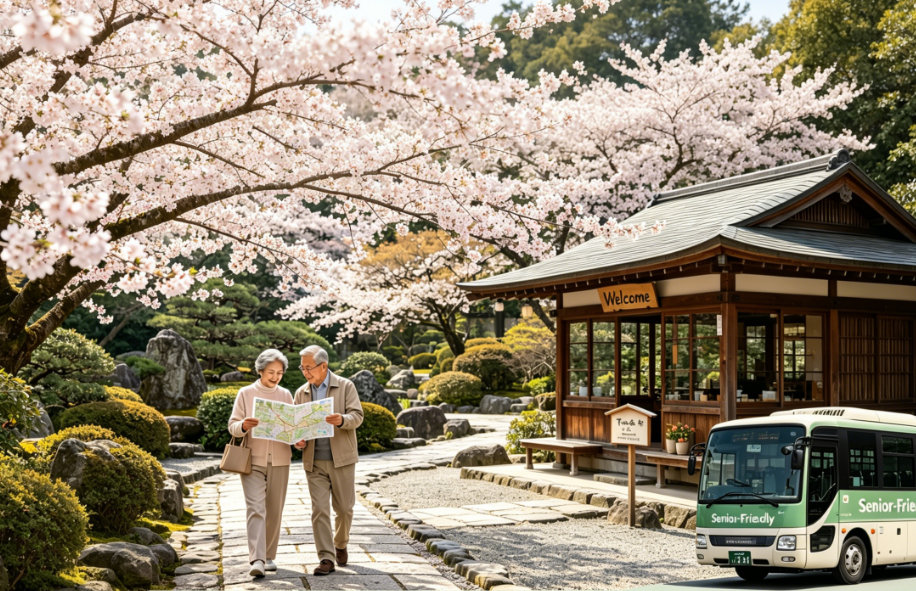
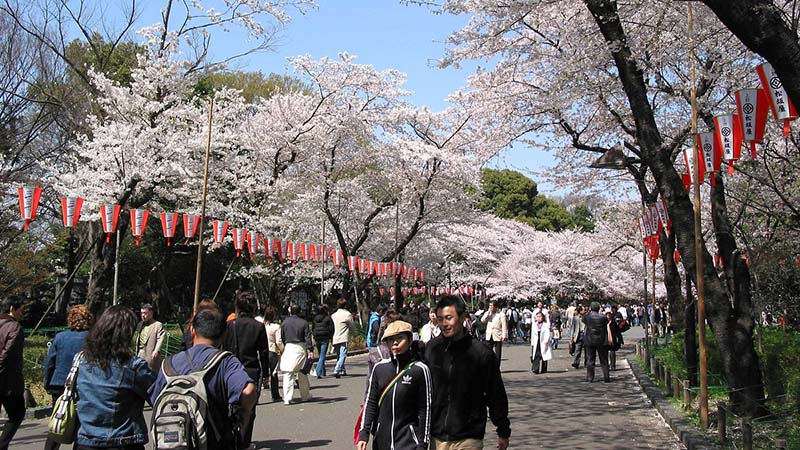
If visions of gently falling cherry blossoms have drawn you to Japan, spring is unrivalled for spectacle. From late March through early May, cities and countryside transform as thousands of trees bloom, celebrated by millions of locals and visitors.
What to Expect:
-
Mild daytime temperatures averaging 12–24°C
-
Sakura festivals with nighttime illuminations
-
Parks, temples, and riversides blanketed in pink
What to Pack: Bring layered clothing, a light jacket, and a compact umbrella or raincoat for occasional showers. Comfortable walking shoes are essential for exploring parks and gardens.
Top Spots for Hanami (Blossom Viewing):
-
Tokyo: Ueno Park, Shinjuku Gyoen, Sumida River
-
Kyoto: Philosopher’s Path, Maruyama Park, Kiyomizu-dera temple gardens
-
Osaka: Osaka Castle Park’s trees frame the iconic keep
-
Nara: Cherry blossoms plus roaming deer in Nara Park
Locals and visitors alike throw picnics beneath the blossoms, and the air often buzzes with laughter, singing, and even the occasional impromptu poetry reading. For those travelling with children, this is a perfect time: public parks are alive with colour, local snacks are on offer, and the festivities are as welcoming as they are picturesque.
A Note on Timing: While Japan’s sakura “front” slowly shifts northward over several weeks, timing a trip for maximum blossom can be tricky. Tokyo and Kyoto often peak in the last week of March or first week of April, while Hokkaido’s turn comes in early May. Checking updated forecasts (and allowing some flexibility) can pay dividends.
Summer: Festivals and the Call of the Coast
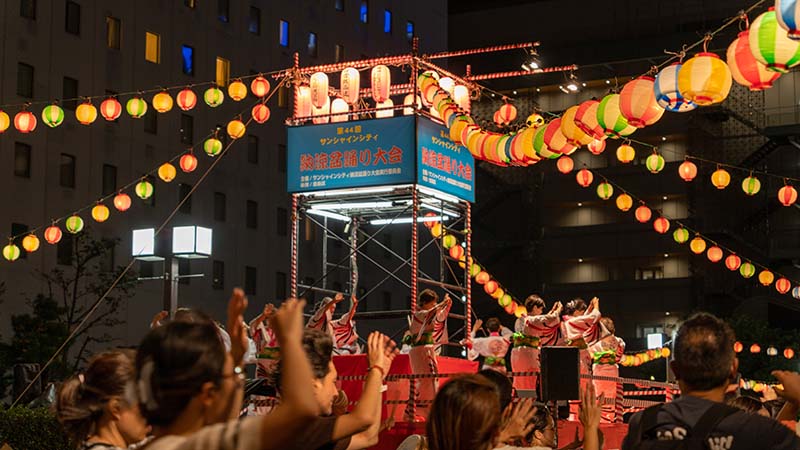
Japan’s summers are both a time of exuberance and, in some places, tropical warmth, influenced by the diverse climate across the archipelago. Rainy season arrives in June, departing just in time for July’s festivals and fireworks.
The Season’s Signatures:
-
Warm to hot temperatures, typically 20–32°C (can be humid)
-
Temples decked out in lanterns
-
Streets alive with parades & colourful yukata
-
Lush mountain landscapes and blooming fields
What to Pack: Opt for lightweight, breathable clothing, a hat, sunglasses, and sunscreen. A portable fan and a reusable water bottle help beat the heat. Pack a rain jacket or compact umbrella for the rainy season in June.
Top Destinations and Events:
-
Hokkaido: Escape the southern humidity in Japan’s northernmost prefecture, especially among Furano’s lavender fields.
-
Kyoto: Gion Matsuri (July) draws crowds with intricate floats and historic processions.
-
Tokyo: Watch the night skies erupt with fireworks during Sumida River Festival.
-
Okinawa: Crystal-clear beaches perfect for diving, snorkelling, and relaxing.
Summer offers unique options for every traveller. Early summer is quieter, with clear mountain trails and wisteria blooms. From mid-July, festivals crowd the streets, and fireworks fill the evening sky. For beach lovers, August on Okinawa rivals any Pacific island holiday.
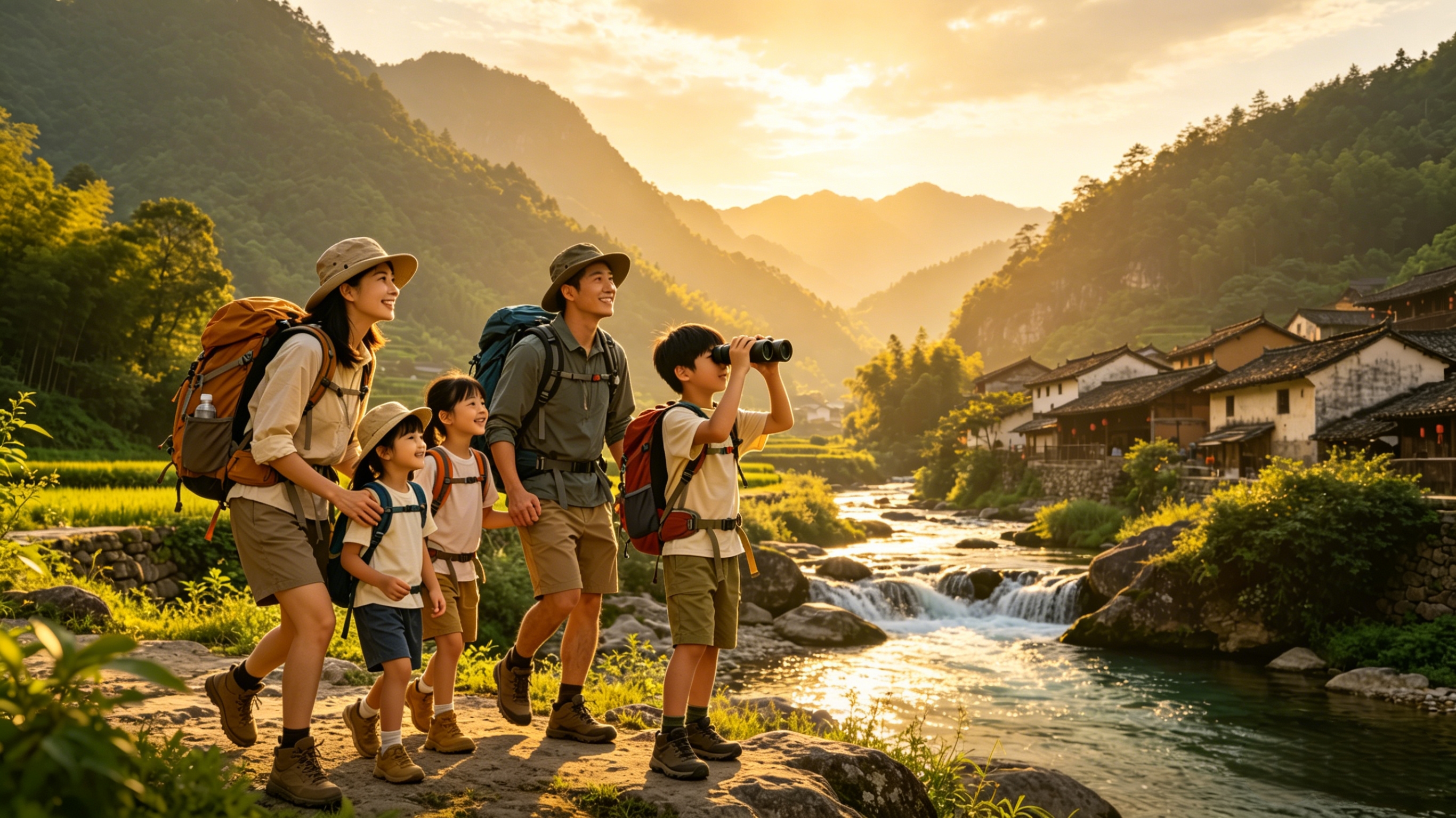
Travelling with Families: School holidays make summer popular for families, especially those combining cultural outings in cities with days of seaside fun. Many tour operators provide travel tips for families, including hands-on experiences in local crafts or packages focused on festival participation and wildlife exploration.
Autumn: Red, Gold, and Tranquil Days
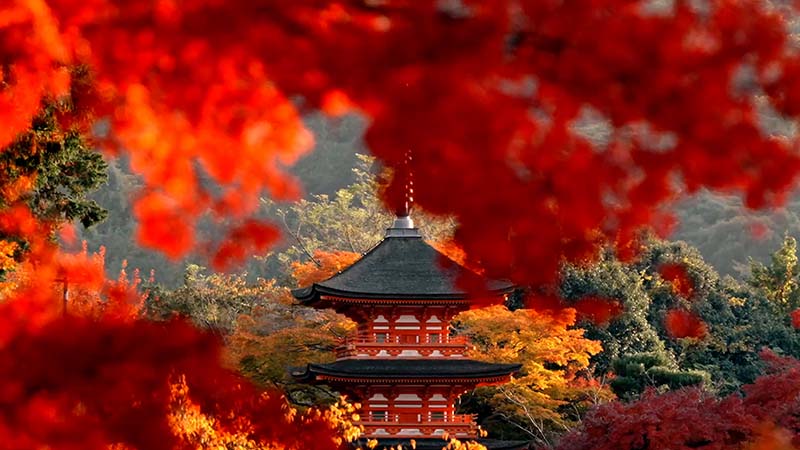
While many consider spring to be the best time to visit Japan for cherry blossoms, those who come back often choose autumn for its comfort and vibrancy. Late September through November is when Japan’s forests and city parks are set ablaze with red, orange, and saffron foliage.
Why Go in Autumn?
-
Pleasant weather: clear skies, cool but comfortable temperatures (12–22°C)
-
Dramatic mountain landscapes made more striking
-
Wide range of food festivals and harvest celebrations reflecting the rich culture
-
Fewer international tourists versus spring
What to Pack: Bring layers, including long-sleeve shirts, a light sweater or jacket, and a scarf for cooler evenings. Waterproof shoes or boots are helpful for exploring parks and gardens.
Must-See Spots for Autumn Foliage:
-
Kyoto: Tofuku-ji Temple and Arashiyama are renowned for their breathtaking autumn colours.
-
Hakone: Lake Ashi and the Hakone Museum of Art showcase vibrant foliage.
-
Tokyo: Rikugien Garden and the Meiji Shrine area offer stunning displays of autumn leaves.
-
Hiroshima: Shukkeien Garden and Miyajima Island are tranquil spots to enjoy the changing colours.
-
Nara: Nara Park and Mount Wakakusa glow with gold and crimson hues.
-
Osaka: Minoo Park and Osaka Castle Park provide spectacular autumn scenery.
Temple gardens, mountain passes, and river valleys all gather crowds armed with cameras and sketchbooks. Outdoor cafés and onsen resorts offer special menus and extended hours.
Walks in the ancient capital of Kyoto combine respite from heat with a world of autumn shades reflected in still ponds and shining off traditional rooftops. Hiroshima’s gardens and the maple groves of Miyajima Island offer tranquil beauty, while Nara’s parks and hillsides glow with gold and crimson. In Osaka, vibrant foliage frames historic castles and scenic trails, making autumn a spectacular time to explore.
Winter: Snow, Steam, and Subtle Beauty
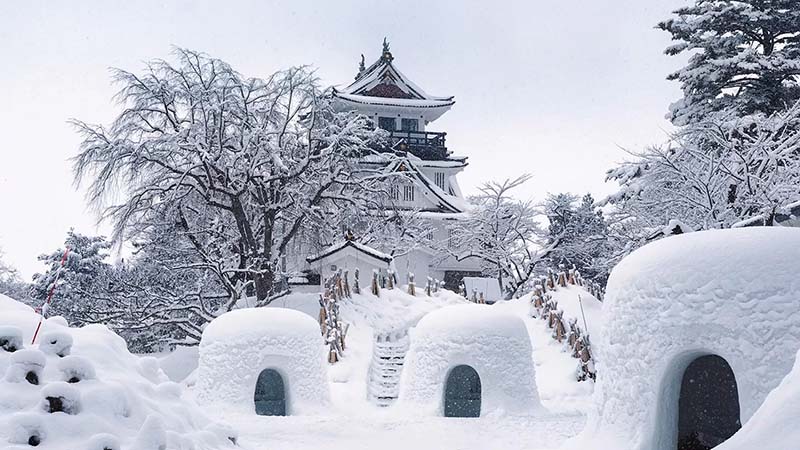
When temperatures fall, Japan reveals a quieter sort of magic. Snowfall transforms alpine villages, steam rises from open-air onsen, and some of the country’s clearest nights create perfect city skylines after dusk.
Winter Drawcards:
-
Cold temperatures, often –10°C in most regions (colder in the north and mountains)
-
Pristine powder for skiing and snowboarding (December–February)
-
Traditional onsen villages in the mountain heartlands
-
Winter illuminations at temples and city parks
-
Seasonal cuisine: hotpots, grilled street foods, and sake
What to Pack: Pack a down jacket or warm coat, thermal layers, gloves, a beanie, and waterproof boots. Don’t forget a swimsuit for onsen visits and a scarf for extra warmth.
Destination Highlights:
-
Hokkaido & Niseko: Among the world’s most reliable snow destinations, offering terrain for all levels and lively après-ski
-
Nagano & Hakuba: Olympic quality slopes plus access to snow monkeys soaking in natural hot springs
-
Kyoto / Tokyo: Subdued, with illuminated shrines and smaller crowds at top attractions
The winter season also attracts those after unique Japanese experiences: visiting traditional villages like Takayama, snow festivals (Sapporo’s massive snow and ice sculpture event is legendary), and sitting in an outdoor onsen as snow drifts over bamboo screens.
Family groups often combine city touring with days of skiing or snow play, and several resorts cater specifically to English-speaking visitors from New Zealand and Australia, offering valuable travel tips to enhance your experience.
Public Holidays and Regional Variations
Knowing the national calendar can make or break a trip. Some national holidays (Golden Week in late April/early May, Obon in mid-August, and the New Year period) see huge domestic travel, higher prices, and busy attractions. On the flip side, local festivals can offer once-in-a-lifetime moments that make any crowd worthwhile.
Tips for Timing Your Visit:
-
Crowds flock to famous sites during the cherry blossom, golden week, and maple leaf seasons in Japan
-
Airfares and hotel rates vary, with discounts available in late May, early June, and late November
-
Some traditional inns, temples, and gardens restrict access during private festivals — last-minute schedule checks are handy
When to Book, What to Pack, and Special Experiences
Knowing when is the best time to travel to Japan is crucial, as timing is everything when planning a Japanese holiday. Flights and accommodation are usually best secured three to six months in advance, especially for cherry blossom or snow season. Flexible travellers may find good deals during the intermediary weeks between seasons.
Packing List by Season:
-
Spring & Autumn: Layered clothing, light jacket, rain gear
-
Summer: Lightweight, breathable clothes, hat, sunscreen, portable fan
-
Winter: Down jacket, thermal layers, waterproof boots, gloves, swimsuit for onsen visits
Don’t Miss:
-
Local train trips through mountain valleys and rural towns (especially scenic in autumn)
-
Visits to smaller cities and islands to dodge big-city crowds and see another side of Japan
-
Trying regional specialties: from Hokkaido seafood and Sapporo ramen in winter to Osaka’s street food in summer
For a seamless experience, consider booking with Three Bears Travel. We offer a wide range of customisable tour packages tailored for solo travellers, couples, and families, all at local prices and guided by knowledgeable local experts. Whether you want a fully guided adventure or a flexible itinerary, Three Bears Travel ensures you experience Japan’s highlights and hidden gems with authentic insight.
Whatever motivates your visit, having even a touch of Japanese language or etiquette knowledge can open doors to unexpected kindnesses and experiences, especially outside the biggest cities.
Throughout the country, regardless of dates or destinations, what stays constant is the Japanese love of seasonality. The timing of your arrival does more than shape what you see — it becomes a part of what you remember and cherish about Japan.
Essential FAQs for Travelling to Japan
Choosing the perfect time to visit Japan can elevate your journey, offering unforgettable scenic beauty unique to each season. Here’s a concise FAQ based on the most common questions Australians and New Zealanders ask, helping you plan a smooth and memorable trip.
When is the best time to travel to Japan for scenic beauty?
For cherry blossoms, spring (March–May) is ideal. Autumn (September–November) offers stunning foliage and comfortable weather.
Do Australians and New Zealanders need a visa for Japan?
Tourists from Australia and New Zealand do not need a visa for stays up to 90 days, provided you’re not undertaking paid work.
Is Japan expensive to visit? What’s a typical budget?
Three Bears Travel offers a range of packages designed to suit different budgets and travel styles. Whether you’re looking for affordable group tours, mid-range family adventures, or luxury private experiences, there’s an option for everyone. Packages include thoughtfully selected accommodation, local transport, and curated activities—plus the added value of local guides and insider tips. With transparent pricing and flexible inclusions, Three Bears Travel makes it easy to plan your ideal Japan trip without unexpected costs.
How easy is it to get around and do people speak English?
Major cities have excellent public transport and English signs in tourist areas. However, English is not widely spoken, especially in rural regions. Using translation apps like Google Translate or DeepL can help you communicate and read menus or signs. Learning a few basic Japanese phrases is also helpful and appreciated.
What should I do in case of emergency?
Japan is very safe, but always have travel insurance. Emergency numbers: Police 110, Ambulance/Fire 119. Register with Smartraveller (Australia) or SafeTravel (NZ) for updates and support.
What should I pack for my trip to Japan?
Pack layered clothing for spring and autumn, lightweight attire for summer, and warm clothes for winter. Comfortable shoes are essential for walking.
How early should I book flights and accommodation?
Book three to six months in advance for peak seasons like cherry blossom and snow periods. Flexible travellers may find deals in shoulder seasons.
Are there travel packages available?
Yes, Three Bears Travel offers a variety of customisable tour packages for solo travellers, couples, and families, all at local prices and with expert local guides. Whether you want a fully guided adventure or a flexible itinerary, they can tailor your experience.
How long is the flight from Australia or New Zealand to Japan?
Direct flights from Australia to Japan typically take 9 to 10 hours from cities like Sydney, Melbourne, or Brisbane to Tokyo or Osaka. From New Zealand, direct flights from Auckland to Tokyo usually take about 11 to 12 hours. Flight times may vary depending on your departure city and airline.
Is Japan safe for tourists?
Japan is one of the world’s safest countries, but always take standard precautions with valuables and be aware of local customs.
Do I need to know Japanese customs or etiquette?
Understanding basic etiquette—such as bowing, removing shoes indoors, and being polite—will enhance your experience and interactions, as Japanese culture highly values these practices.
image
For a seamless and enriching journey, consider booking with Three Bears Travel for local expertise, flexible packages, and authentic experiences tailored to your needs.
Want more Japan travel itineraries? Click here
If you have any other questions, feel free to click here and get in touch with us.
If you need a personalized travel plan, feel free to click here and let us help you.