

Minimum Guests
2 Person
Activate Day
15 Nights/ 16 Days
Fully Inclusive
Touring with Guides and entrance fees
Included Meals
Breakfasts: 15 , Lunches: 14 , Dinners: 1
Accommodation
15 nights in 4 star accommodation
Guide
English-speaking guide services as per the itinerary
Activies
Entrance fees for all mentioned sights and attractions· Comprehensive 16-day itinerary covering 8 iconic Chinese destinations
· Perfect blend of ancient history (Beijing/Xi’an), hiking adventures (Great Wall/Tiger Leaping Gorge), ethnic cultures (Lijiang/Longsheng) and modernity (Hong Kong)
· Thoughtful arrangements: comfortable 3-4 star hotels, private transfers, flexible walking schedules and multilingual guides
· Immersive experiences: Great Wall hiking, hutong rickshaw rides, Naxi music shows, minority village visits, Li River cruises
· Suitable for active travelers seeking adventure, with balanced hiking levels and cultural exploration
Tour Timeline
If you need to increase or reduce the number of travellers, please contact us for customised arrangements.
- Enjoy a private pickup from your arrival point, with a guide accompanying you and providing support throughout the transfer
Recommended activities
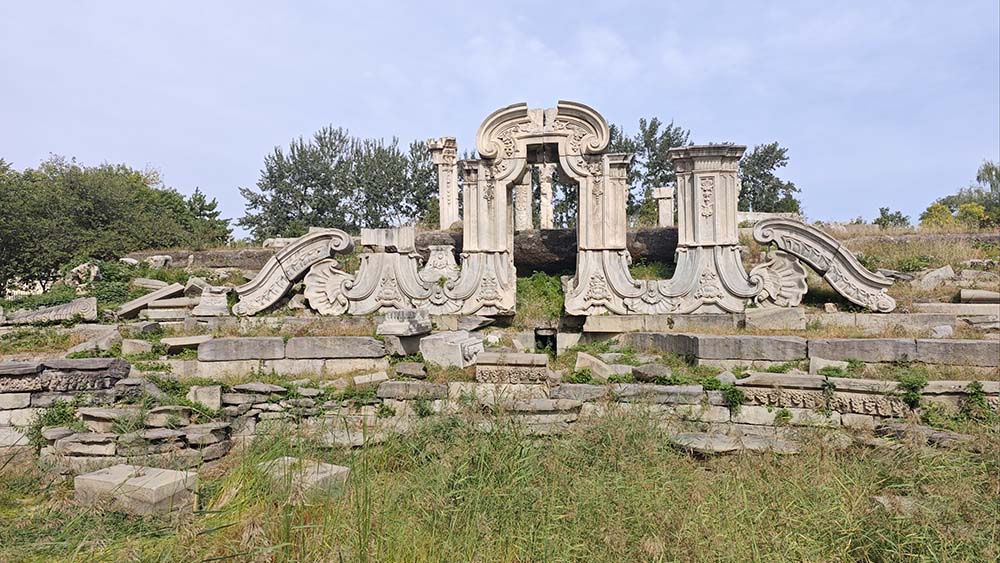
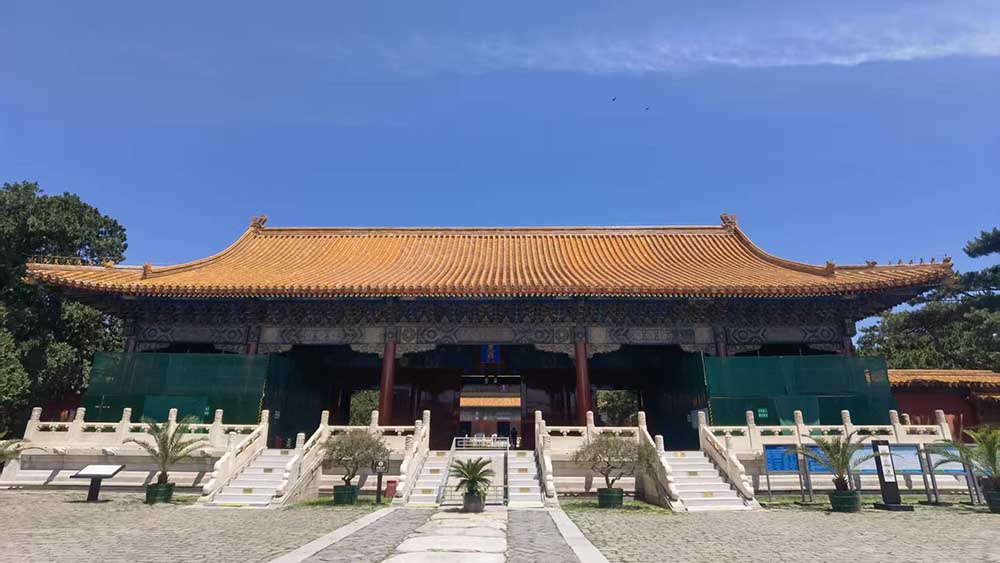
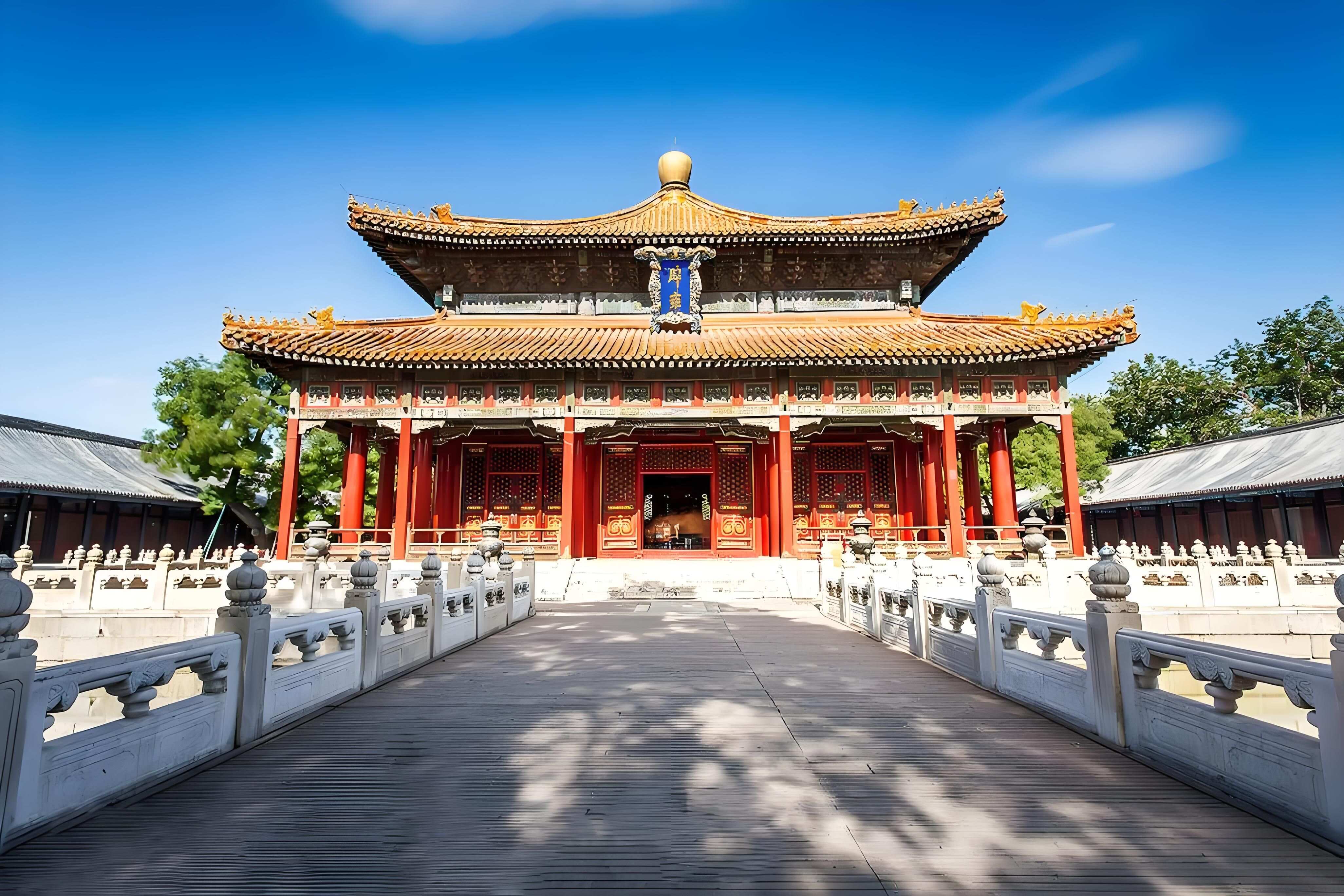
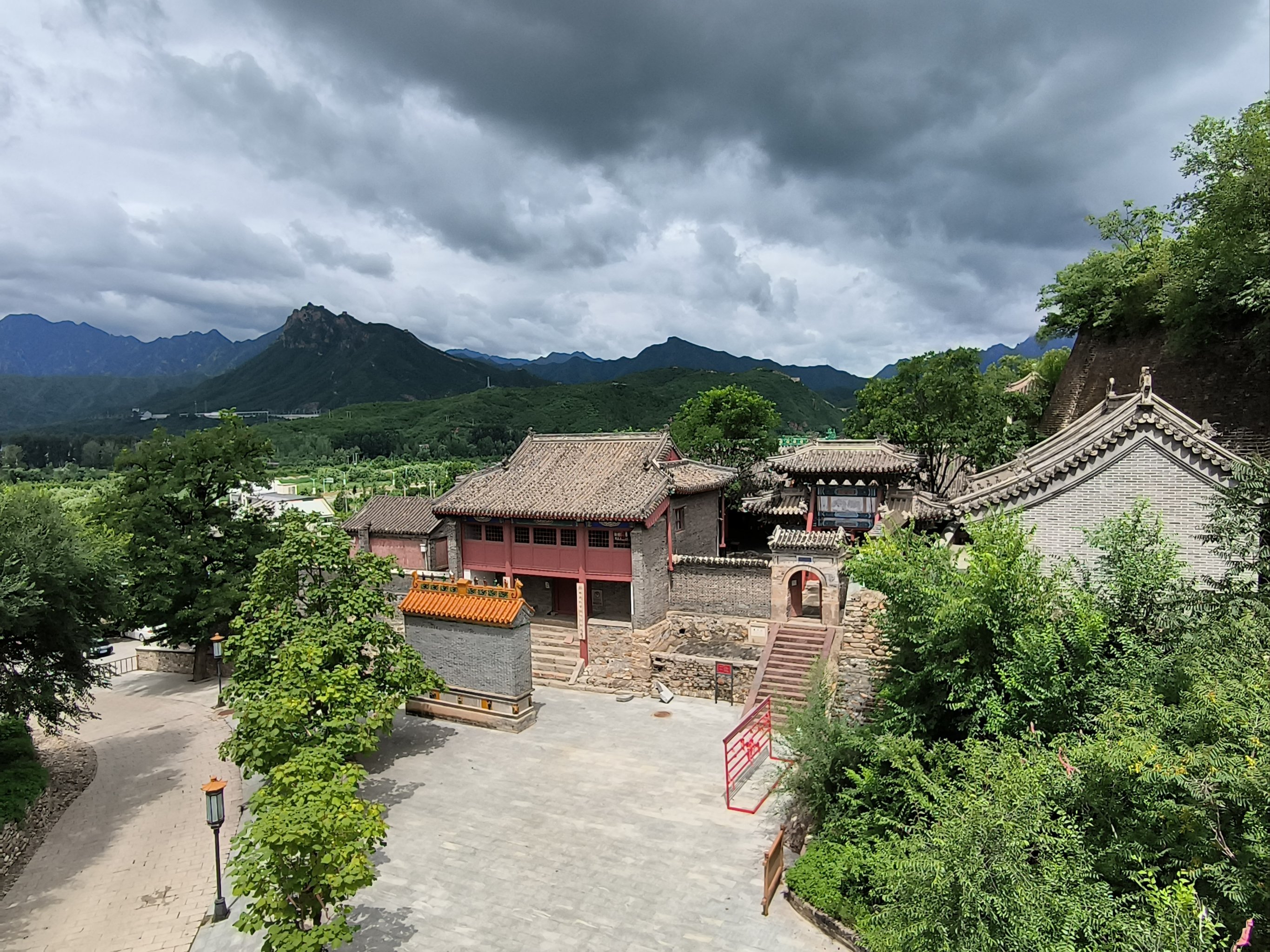
- None
- Private Van
- Full-day professional English-speaking local guide
-
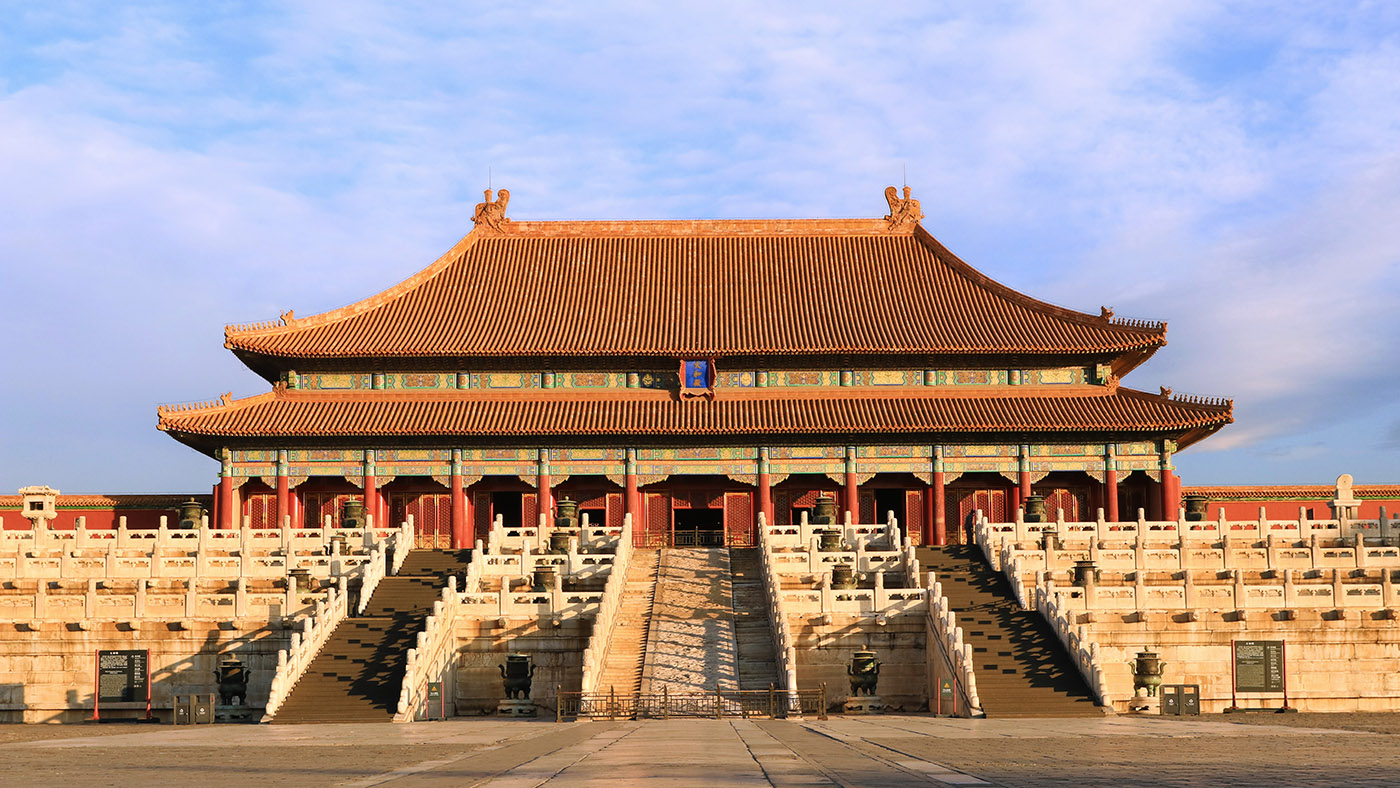
Forbidden City
Discover the Forbidden City, a UNESCO World Heritage Site with nearly 1,000 buildings, grand halls, and defensive walls. Built in the 15th century, it showcases imperial architecture, traditional Chinese craftsmanship, and fascinating history—a must-visit Beijing landmark and heritage site.
-
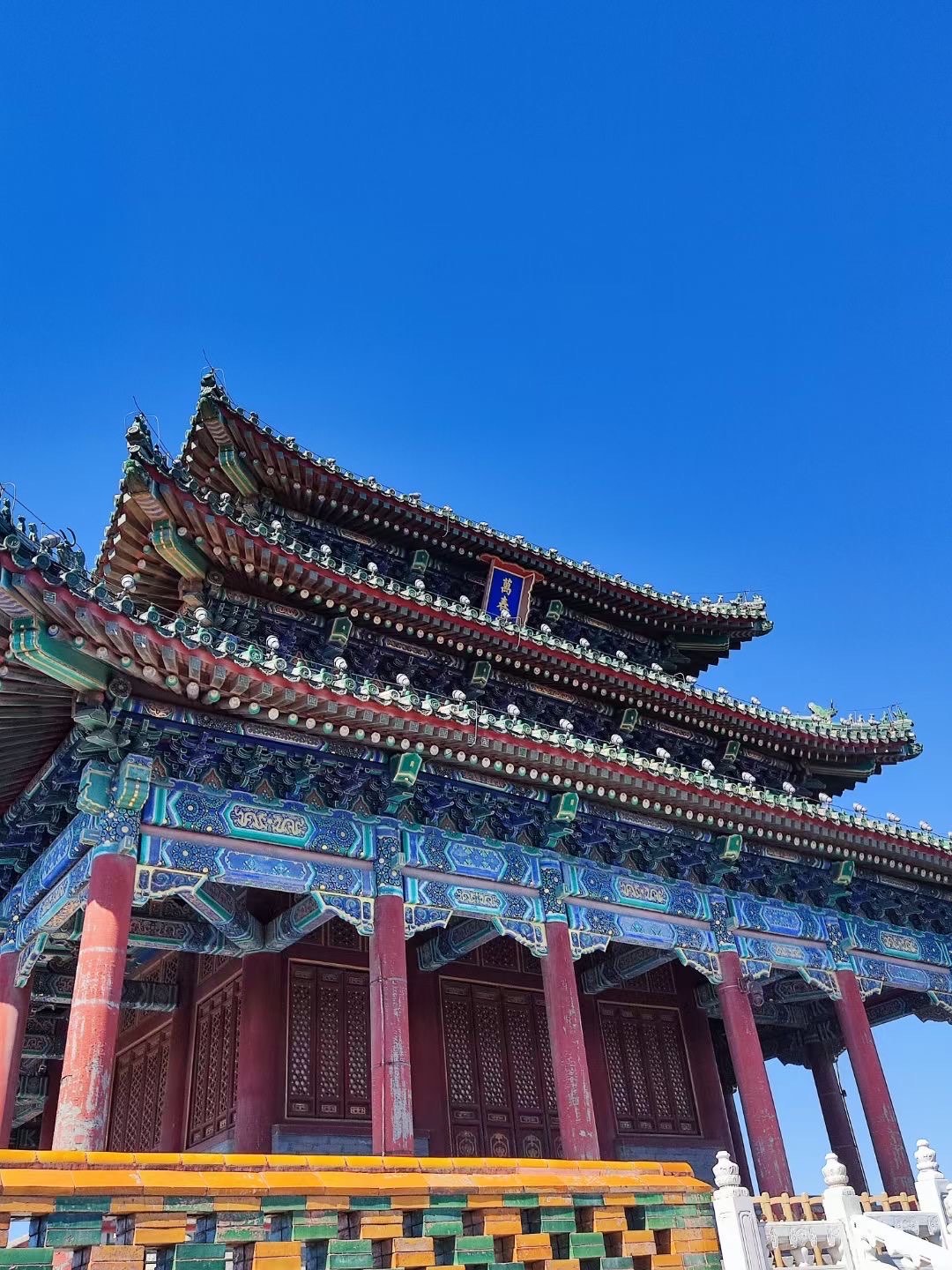
Jingshan Park
Climb to the top of Jingshan Park for one of the best panoramic views of Beijing, overlooking the Forbidden City’s golden roofs. Once an imperial garden, this lush park offers a peaceful escape and a glimpse into ancient royal leisure life.
-
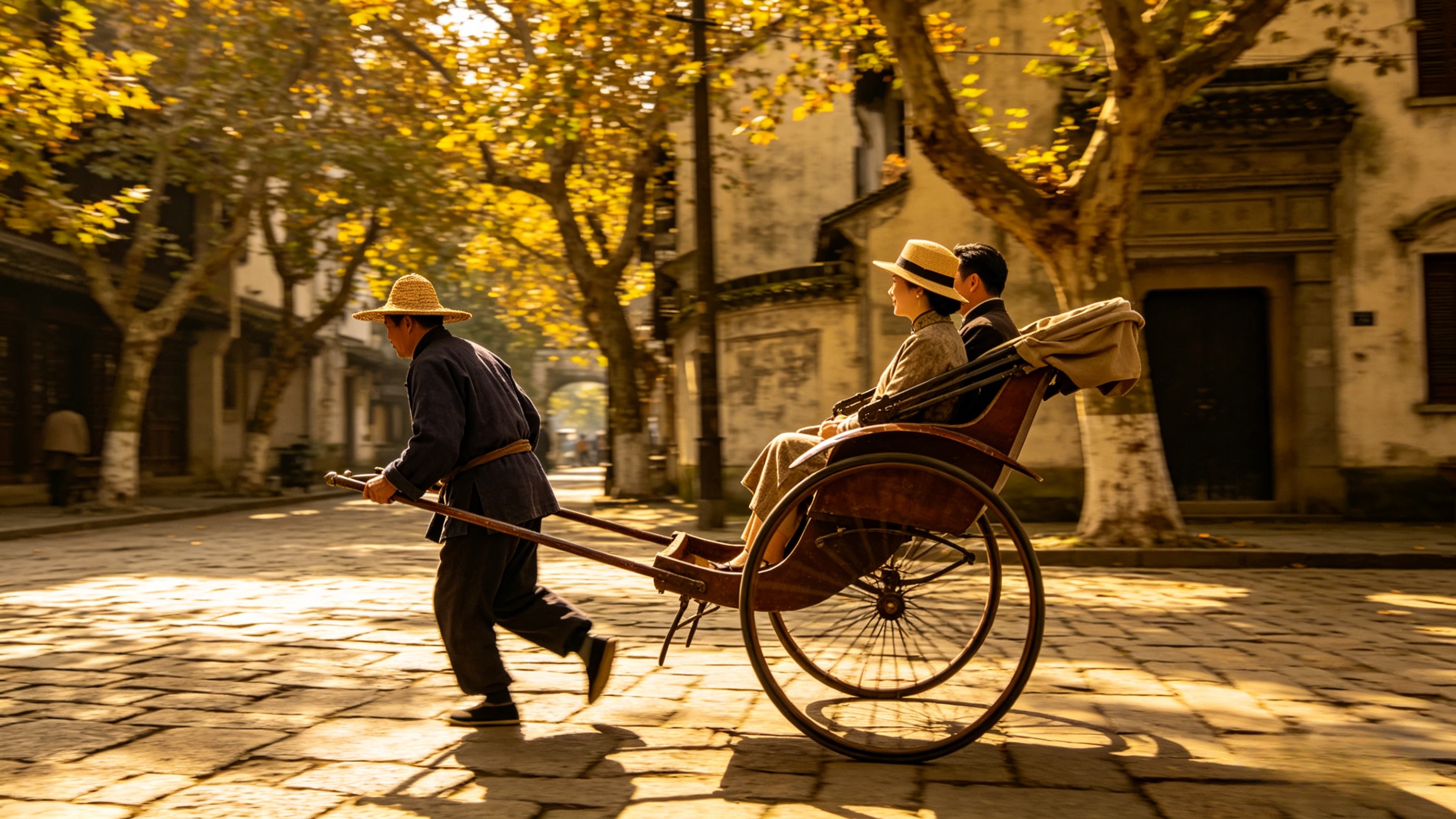
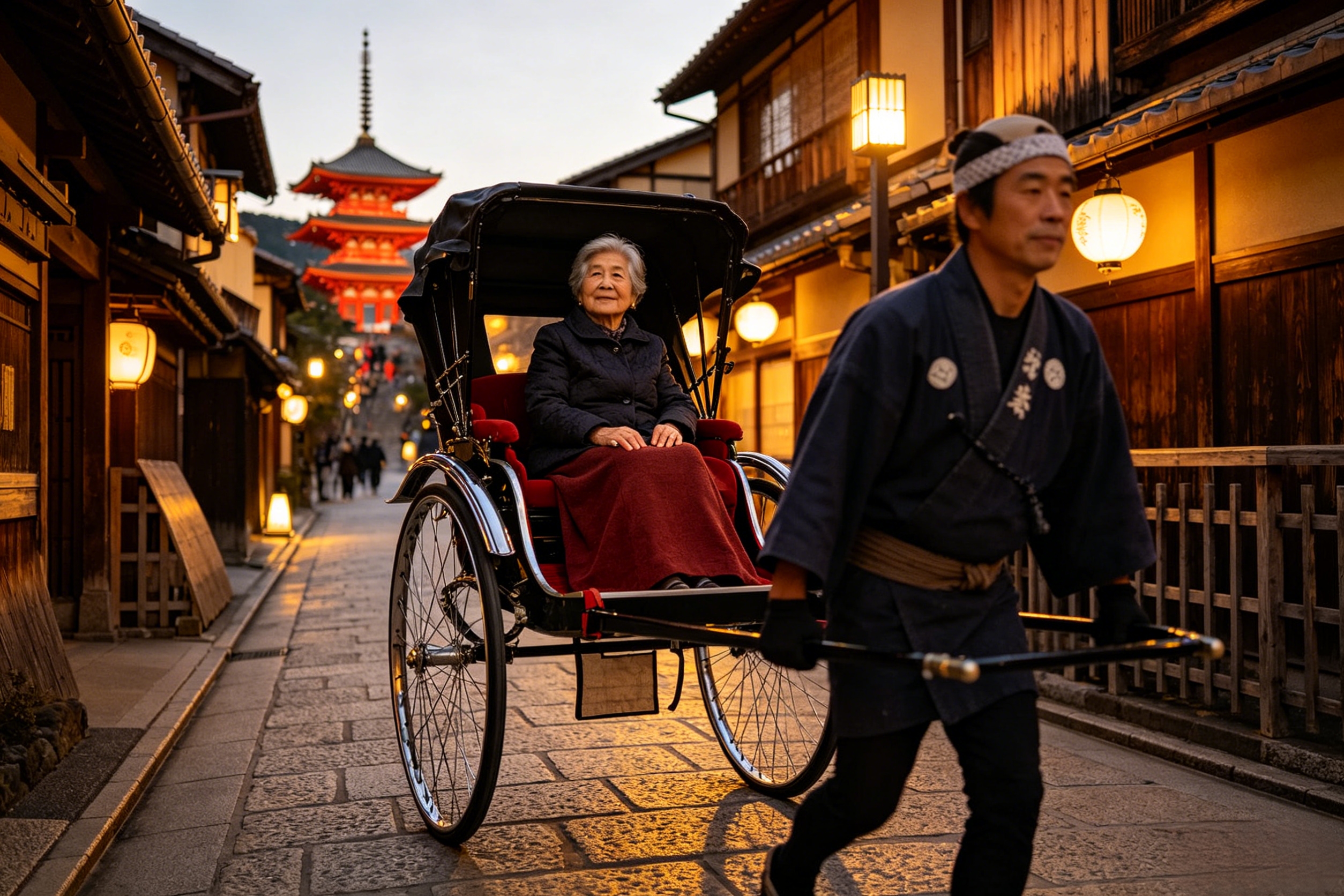
Rickshaw Ride
Meander through the labyrinthine Hutongs, the traditional alleyways of old Beijing. Enjoy a fun family rickshaw ride through the narrow streets, passing by courtyard homes and local shops, and get a glimpse of authentic Beijing life that's far from the modern cityscape.
- Breakfast , Lunch
- Private Van
- Full-day professional English-speaking local guide
-
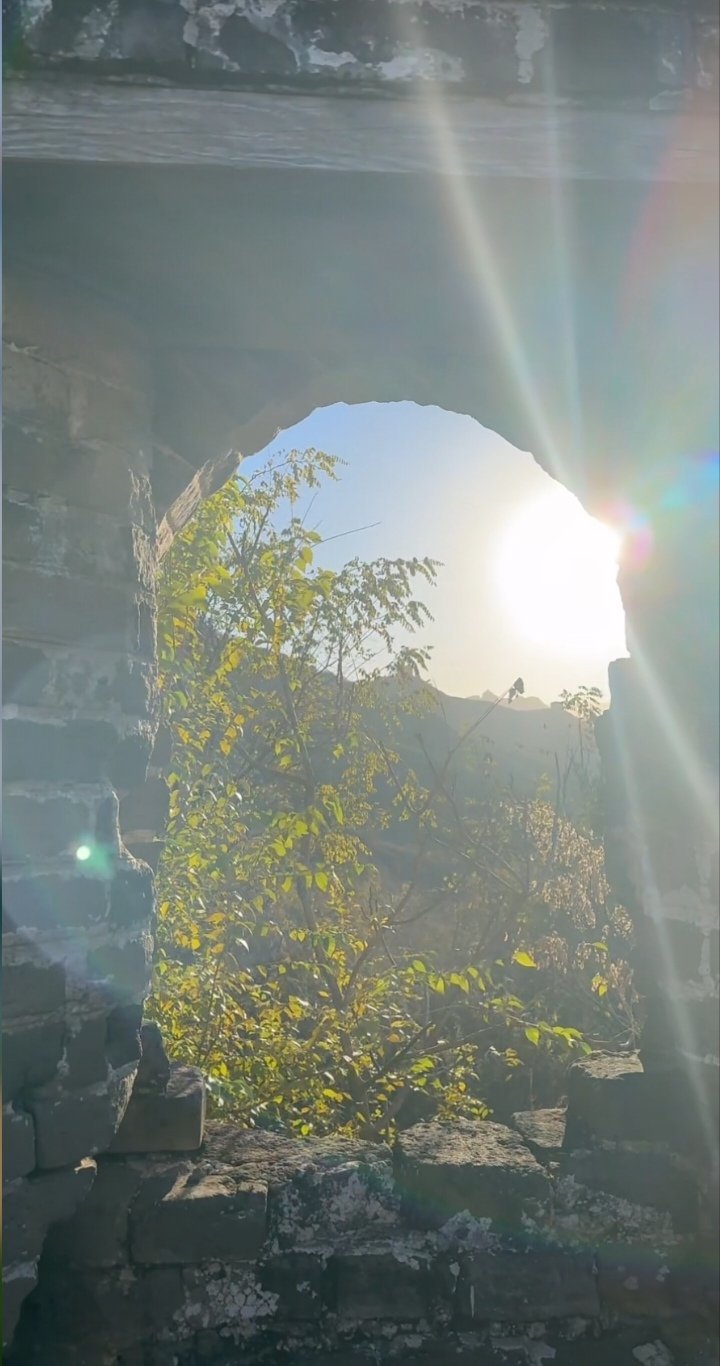
Jinshanling Great Wall
Hike Jinshanling, a beautifully restored Ming-era Great Wall section 78 miles from Beijing. Experience dramatic mountain scenery and watchtowers. Less crowded than other sections, it provides insight into the Wall’s historical purpose while offering incredible views and photo opportunities.
- Breakfast , Lunch
- Private Van
- Full-day professional English-speaking local guide
-
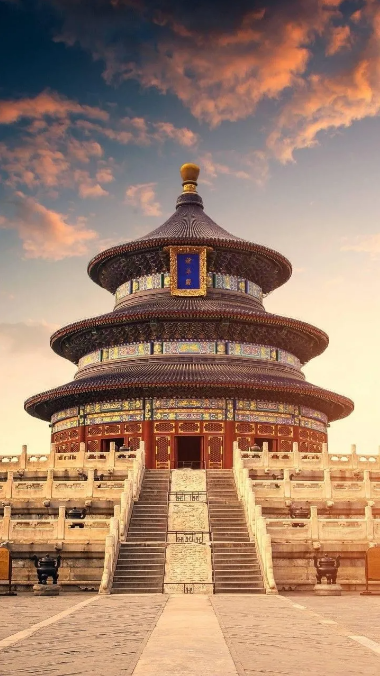
Temple of Heaven
Temple of Heaven Park, formerly known as "Temple of Heaven and Earth", is located at No. 7 Dongli, Temple of Heaven, Dongcheng District, Beijing. It was first built in the 18th year of the Yongle reign of the Ming Dynasty (1420) and renamed "Temple of Heaven" in the 9th year of the Jiajing reign of the Ming Dynasty (1530). It was the site for emperors of the Ming and Qing dynasties to "worship heaven" and "pray for valleys", with a total area of 273 hectares. It is the largest existing ancient sacrificial building complex in China and the largest and most well preserved ancient sacrificial building complex in the world. On January 1, 1918, it was designated as Temple of Heaven Park and opened to the public
- Beijing to Xi’an by Bullet Train (Beijing to Xi'an)
- Breakfast , Lunch
- Private Van
- Full-day professional English-speaking local guide
-
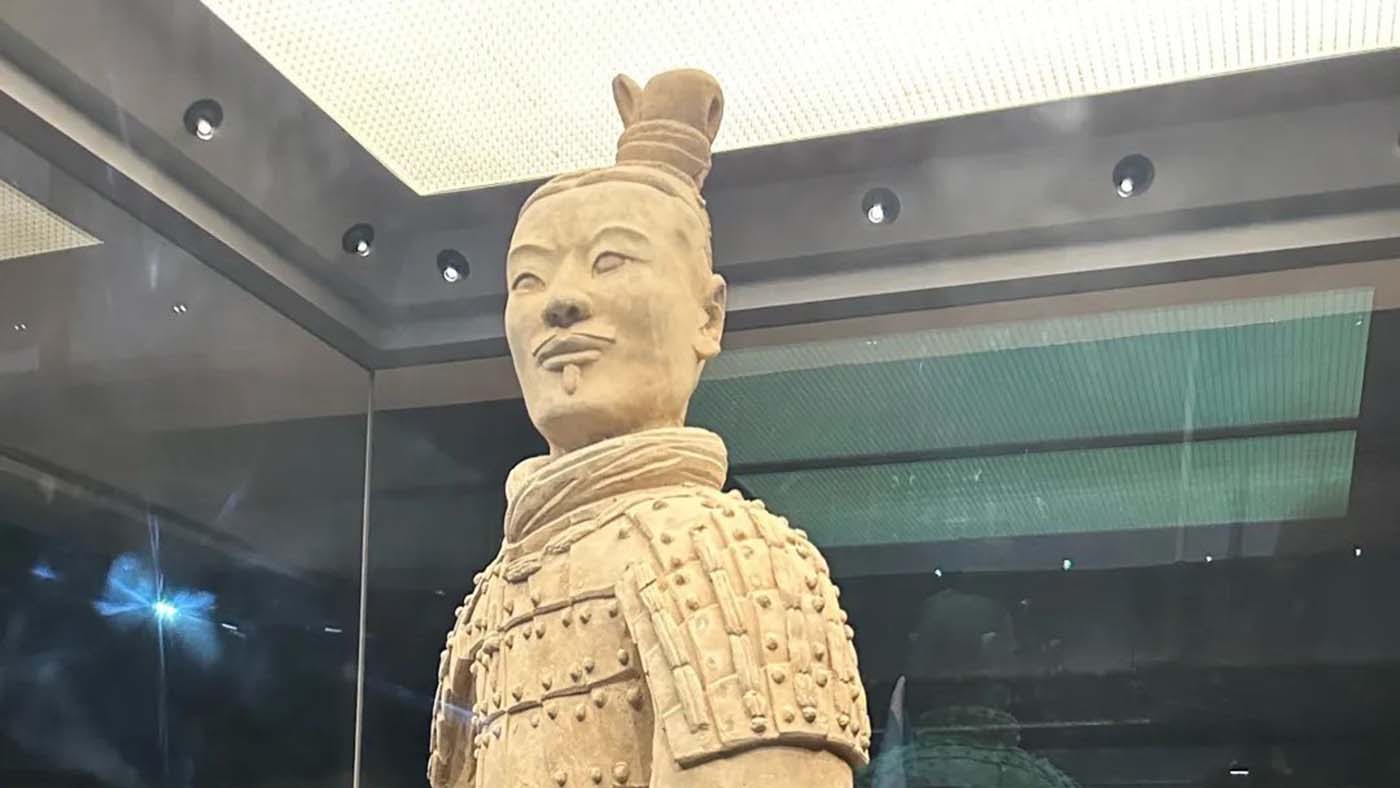
Terracotta Warriors
Marvel at the Terracotta Warriors, Qin Shi Huang’s army entombed to protect him in the afterlife. Each life-sized warrior has unique facial features and uniforms. Visit the nearby art ceramics and lacquer factory for souvenirs—a world-renowned archaeological treasure.
-
Muslim Quarter
The Muslim Quarter, also known as Fangshang, is a food and culture district located in Beiyuanmen Street, Lianhu District, Xi'an City, Shaanxi Province. It consists of streets such as Beiyuanmen, Beiguangji Street, Xiyangshi, Dapiyuan, Huajuexiang, and Sajinqiao. This area formed a Hui ethnic settlement from the late Northern Song Dynasty to the early Southern Song Dynasty, and developed into a traditional commercial activity area during the Ming and Qing Dynasties, named after the long-term settlement of Hui residents. In 1992, it was renovated into a bluestone pavement and a block imitating Ming and Qing architecture. In 1993, an antique cultural tourism street was built.
There are currently 10 mosques in the block, including the Huajue Lane Mosque. The architecture blends traditional Chinese and Islamic styles, reflecting the integration of multi-ethnic cultures and traces of ancient commercial exchanges. As a Muslim food gathering place in northwest China, it gathers featured snacks such as beef and mutton steamed buns, cured beef and mutton, and Jinggao, among which beef and mutton steamed buns are featured by manual breaking and old soup cooking.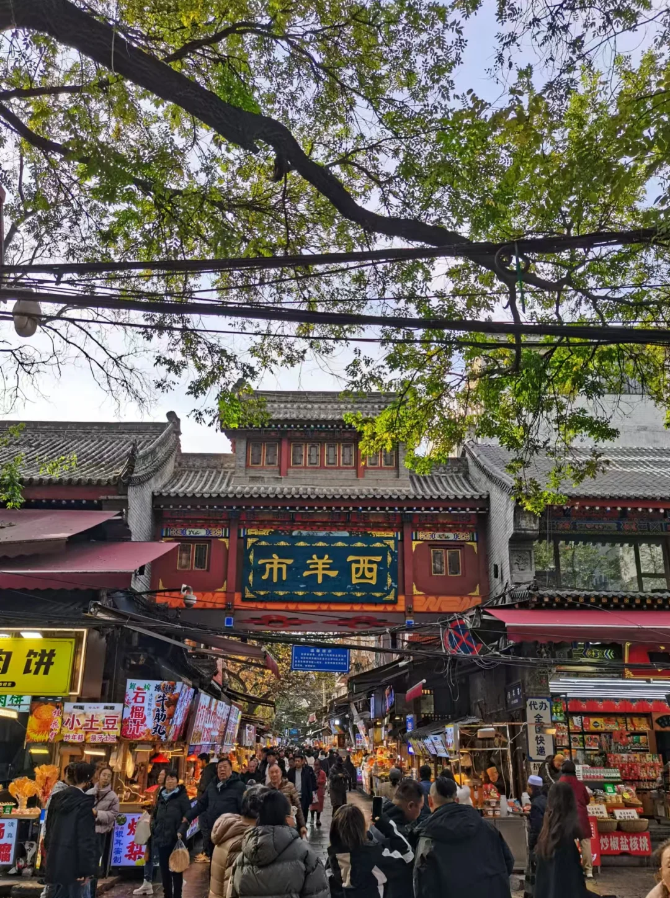
-
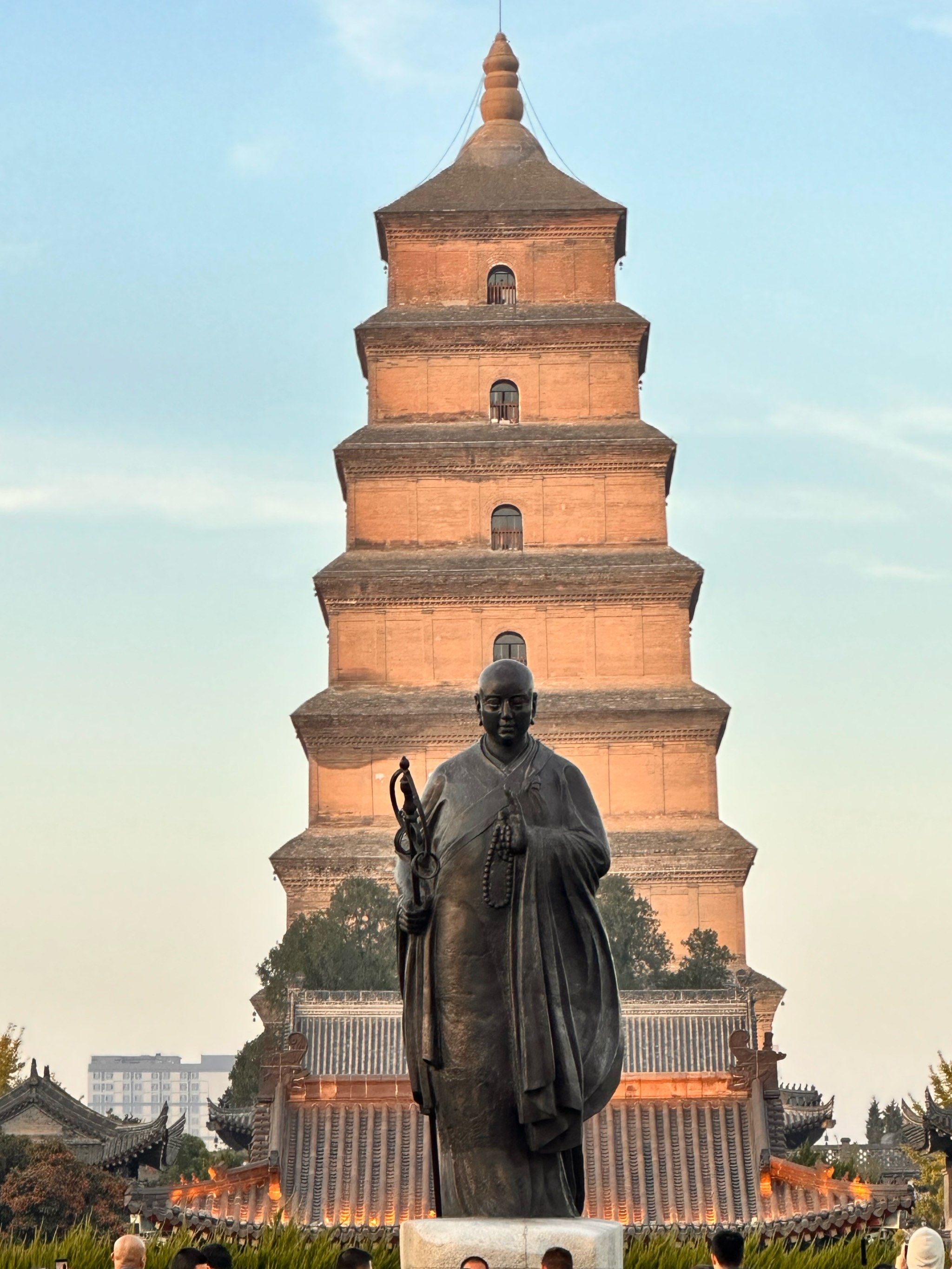
Wild Goose Pagoda climbing
Climb Da Ci’en Temple near the Big Wild Goose Pagoda. Built in 648, it commemorates the emperor’s mother and offers impressive architecture and scenic views—a spiritual and historical site of Xi’an.
- Breakfast , Lunch
- Private Van
- Full-day professional English-speaking local guide
-
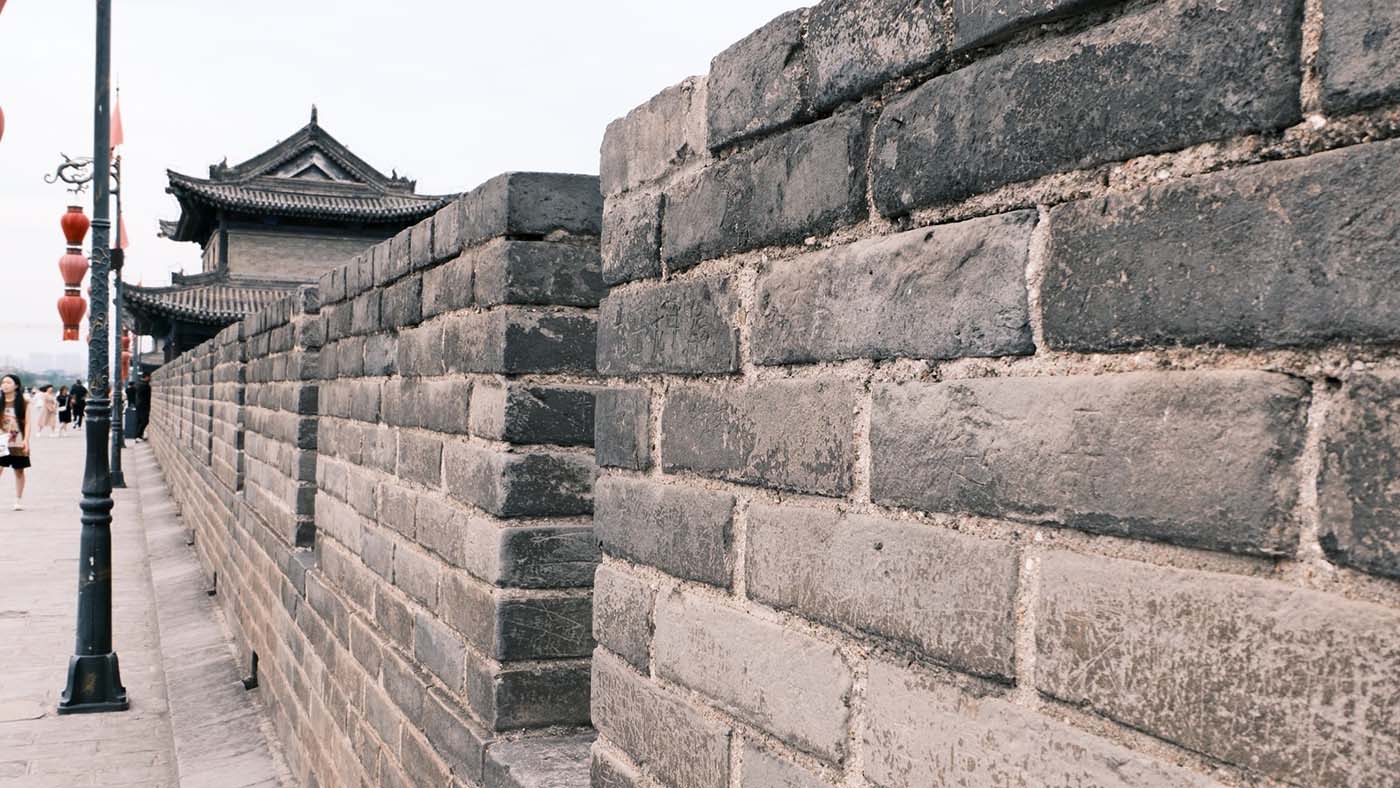
Ancient City Wall (Xi’an)
Walk along Xi’an’s Ancient City Wall, built in 1370 with 12-meter-high walls and 98 watchtowers. Take in sweeping city views, explore well-preserved ramparts, and appreciate the defensive ingenuity of this historic fortification—a must-do cultural experience in Xi’an.
-
The Hanyangling Museum(Han Dynasty)
The Hanyangling Museum of Emperor Jing of Han is located on the banks of the Wei River in the northern suburbs of Xi'an, and was established based on the national key cultural relic protection unit Hanyangling. It was completed and opened on September 30, 1999, with a total area of 20 square kilometers. It is now a national first-class museum, a national archaeological site park, and a national AAAA level tourist attraction. Hanyang Mausoleum is a cemetery where Emperor Jing of the Western Han Dynasty, Liu Qi, and Empress Wang were buried together in a different tomb. It was first built in 153 BC and completed in 126 BC. The total area of the cemetery is 20 square kilometers, and the construction time lasted for 28 years. The institute has four basic exhibitions: Archaeological Exhibition Hall, Imperial Mausoleum Outer Pit Site Protection Exhibition Hall, Nanquemen Site Protection Exhibition Hall, and Ancestral Temple Site, displaying more than 10000 cultural relics.
In April 1963, the Yangling Mausoleum of Emperor Jing of Han was announced as the first batch of key cultural relics protection units in Shaanxi Province. On June 25, 2001, the Yangling Mausoleum of Emperor Jing of Han was announced by the State Council as the fifth batch of national key cultural relics protection units. In May 2008, the Yangling Museum of Emperor Jing of Han was awarded the title of "National First Class Museum". On October 9, 2010, the Yangling Museum of Emperor Han Jing was announced by the National Cutural Heritage Administration as the first batch of national archaeological sites parks. On May 18, 2024, the Yangling Museum of Emperor Jing of Han won the "Top 100 Overseas Influential Museums" award and was included in the "Top 10 Overseas Influential Museums of Cultural Relics and Historical Sites" list.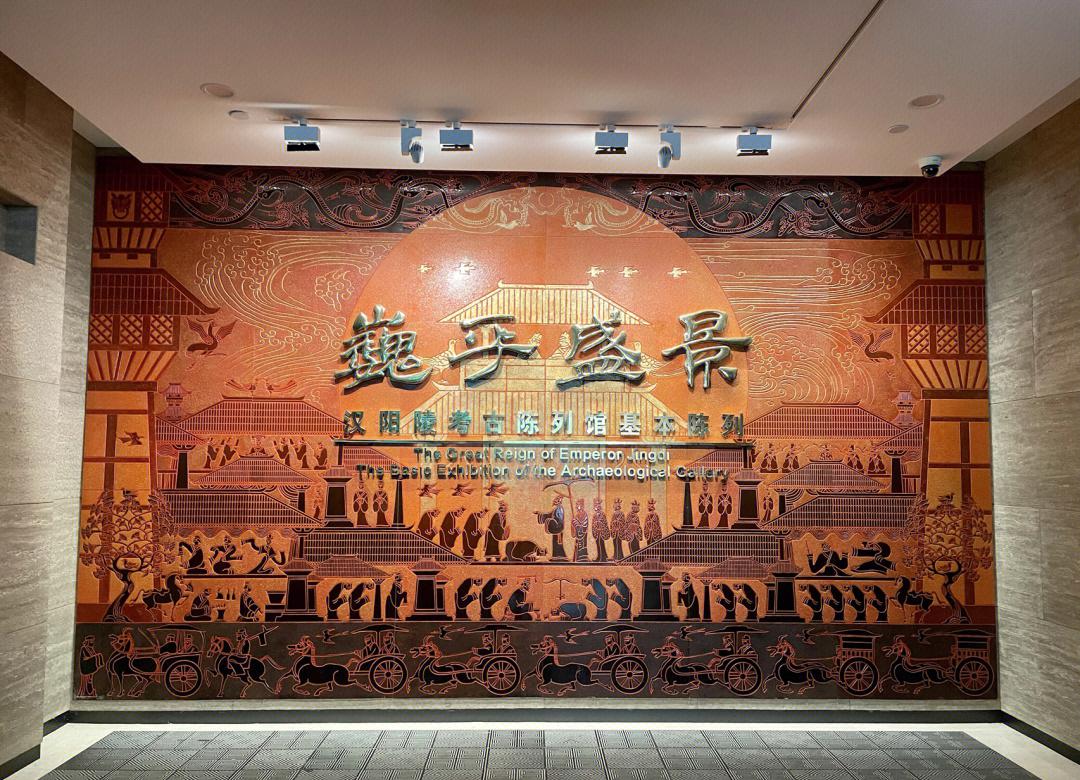
- xi'an to lijiang by Flight (Xi'an to Lijiang)
- Breakfast , Lunch
- Private Van
- Full-day professional English-speaking local guide
-
Lijiang Ancient Town(The Old Town of Lijiang)
The Old Town of the Old Town of Lijiang, located in the ancient city district of Lijiang City, Yunnan Province, is located in Bazi, the Old Town of Lijiang. In a narrow sense, it refers to Dayan Ancient City. The world cultural heritage "the Old Town of Lijiang" includes Dayan Ancient City (including Black Dragon Pond), Shuhe Ancient Buildings, and Baisha Ancient Buildings. The Old Town of Lijiang covers an area of 7.279 square kilometers.
The Old Town of Lijiang was built at the end of the Song Dynasty and the beginning of the Yuan Dynasty. The ancestors of Lijiang Mu family moved their ruling center from Baisha Ancient Town to Shizishan, and began to build a housing city, called "Daye Market". In the Ming Dynasty, the establishment, consolidation and improvement of the chieftain system made the Old Town of Lijiang enter the first brilliant period in its history. In the Qing Dynasty, with the improvement of agricultural productivity and the development of handicrafts, the Old Town of Lijiang gradually developed into a commercial center. Since the Republic of China, there have been more than 1200 businesses in the Old Town of Lijiang. In December 2002, the State Council officially approved the removal of land from the Old Town of Lijiang and the establishment of Lijiang as a city. The Old Town of Lijiang has integrated the essence of Han, Bai, Yi, Tibetan, Naxi and other ethnic groups from the overall layout of the city to engineering and architecture. There is no regular road network and strict city walls in the city. The streets within the ancient city of Dayan are built along the mountains and waters, paved with red breccia. There are attractions such as the Wangu Tower, Mufu, Wufeng Tower, Heilongtan, Wenchang Palace, Fang Guoyu's former residence, Puji Temple, Sifang Street, Kegongfang, and Xueshan Academy. In April 2026, the Old Town of Lijiang was named by the Ministry of Culture and Tourism due to management services and other issues.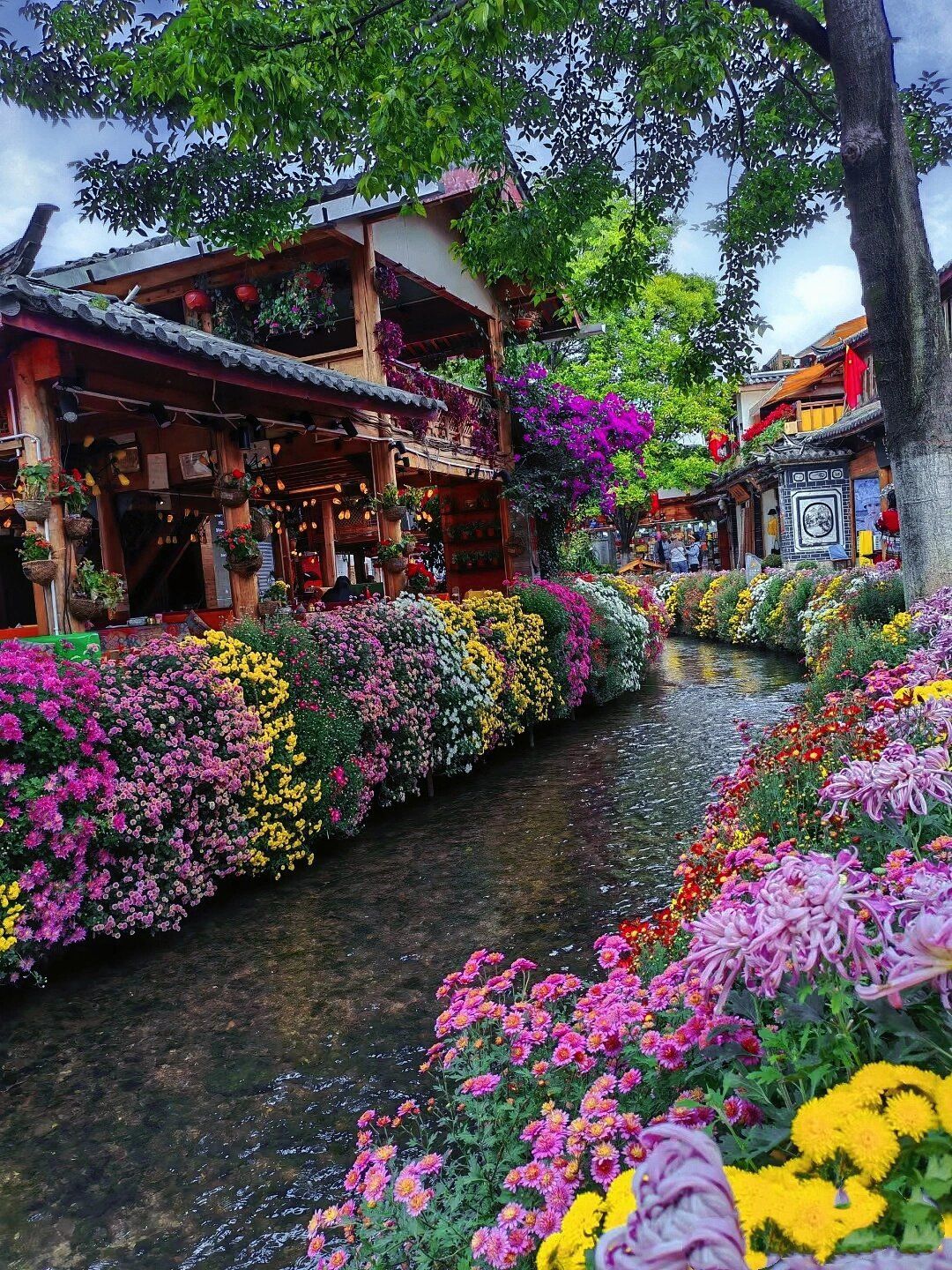
-
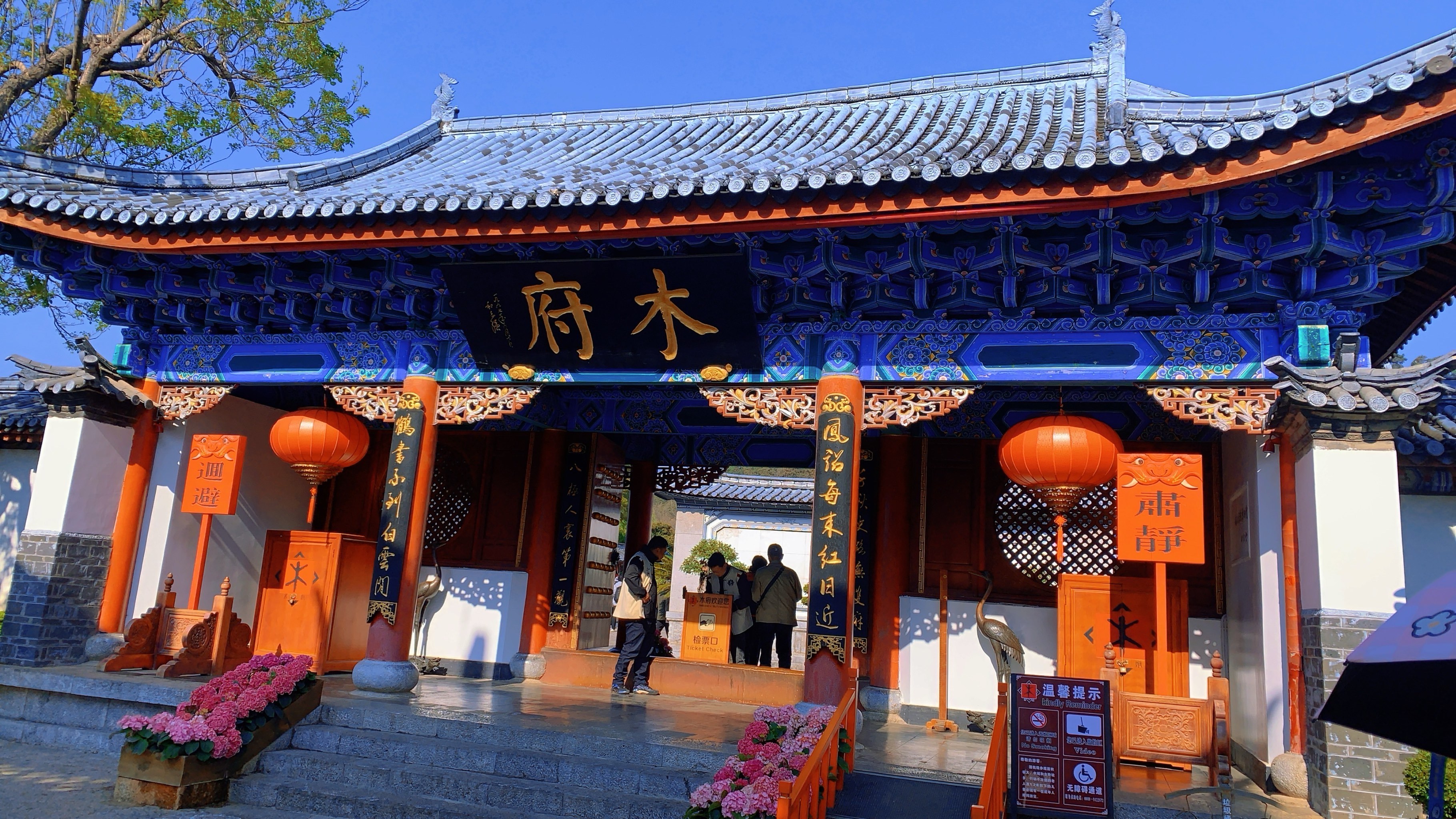
The Mu Palace(The Mu Mansion)
The Mu Mansion fully reflects the charm and temperament of Ming Dynasty Central Plains architecture, while retaining the rustic and rough charm of Tang and Song Dynasty Central Plains architecture. The layout of the mansion's waterways and flowing water also witnesses the spirit of Naxi traditional culture. The central axis of Mufu is 369 meters long, facing west and east, "welcoming the rising sun and gaining wood energy". To the left is Qinglong Mountain (Yulong Mountain), to the right is Baihu Mountain (Tiger Mountain), backed by Xuanwu Mountain (Lion Mountain), and to the southeast is Guishan Mountain. Snake Mountain faces each other and guards the pass. Mufu embraces the ancient city, and along the central axis, there are 15 buildings built according to the terrain, including Zhongyi Fang, Yimen, Qianhui Hall, Wanjuan Tower, Hufa Hall, Guangbi Tower, Yuyin Tower, Sanqing Hall, Supporting Hall, Attic, Stage, Cross Street Tower, Family Courtyard, Corridor, Palace and Post Station, with a total of 162 rooms. There are eleven plaques bestowed by several emperors in the yamen, which read "Loyalty and Righteousness", "Sincere Service to the Country", "Ji Ning Border", etc
-
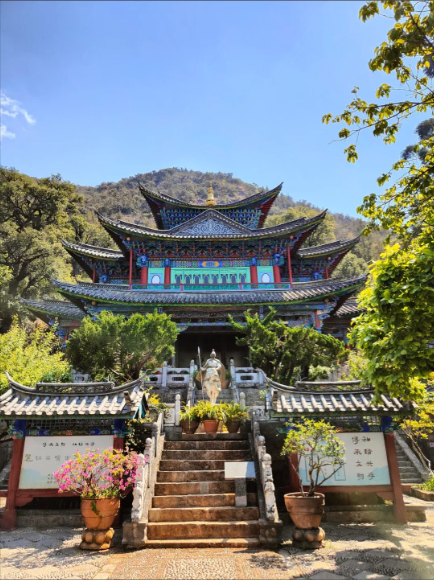
The Lijiang Naxi Dongba Cultural Museum
The Lijiang Naxi Dongba Cultural Museum was established in 1984, formerly known as the Lijiang County Museum, and is the first county-level museum in Yunnan Province. The museum is located next to Heilongtan Park in Lijiang City, Yunnan Province, covering an area of 7 acres. The building adopts the traditional Naxi layout of "three squares and one screen wall" and "four in five courtyards". There are over 12000 cultural relics in the collection, including 67 national first-class cultural relics and nearly 3000 Naxi Dongba cultural relics. It is an important Dongba cultural relics collection institution. Permanent exhibitions such as the "Naxi Dongba Culture Exhibition" and the collection of Dongba ancient books and documents were included in the Memory of the World Heritage List in 2003
-
Black Dragon Pool Park
Black Dragon Pond, also known as Yuquan Park and Dragon King Temple, is located at the foot of Xiangshan Mountain in the ancient city area of the Old Town of Lijiang City, Yunnan Province. It was built in the second year of Qianlong's reign in the Qing Dynasty (1737). After many renovations in the 60th year of Qianlong's reign in the Qing Dynasty (1795) and the 18th year of Guangxu's reign (1892), it is the source of the water system of the ancient city of Lijiang. The spring water converges into a pool with an area of nearly 40000 square meters.
The park is home to ancient buildings from the Ming and Qing dynasties, such as the Dragon God Temple, Deyue Tower, Suocui Bridge, and Yuhuang Pavilion. The remains of the Ming Dynasty, such as the Wufeng Tower and Jiefang Linmen Tower, were relocated in the later period, forming a complex of buildings that integrates Han, Tibetan, and Naxi styles. It was listed as a provincial-level cultural relic protection unit in 1996 and upgraded to a key national cultural relic protection unit in 2006. In the 17th year of the Jiaqing reign (1812) and the 15th year of the Guangxu reign (1889), he was twice granted the title of "Dragon God" by imperial decree. After the Republic of China, historical buildings such as Guangbi Tower and Wenming Square gradually moved in. In 1963, Guo Moruo wrote plaques and couplets for Deyue Tower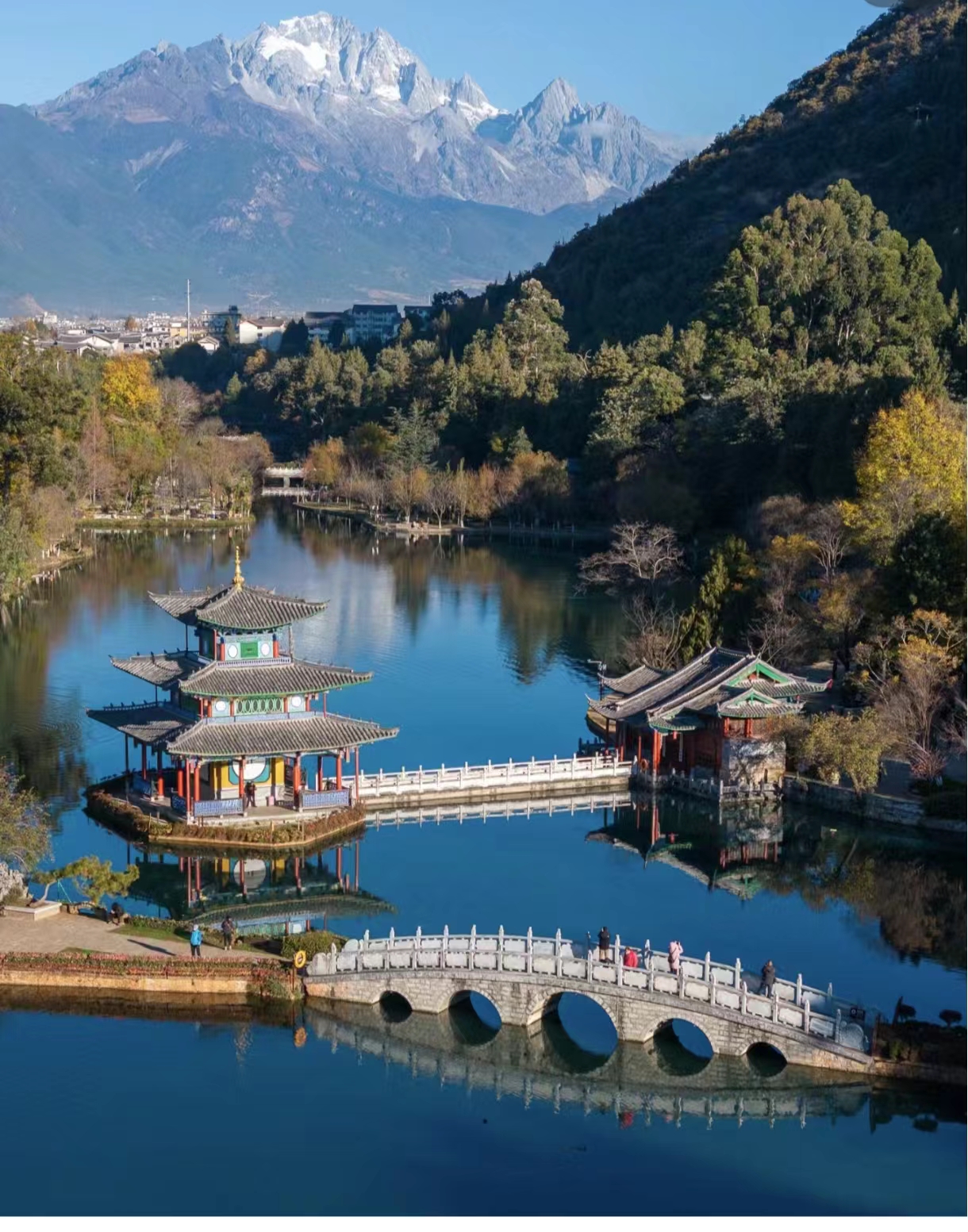
- Breakfast , Lunch
- Private Van
- Full-day professional English-speaking local guide
-
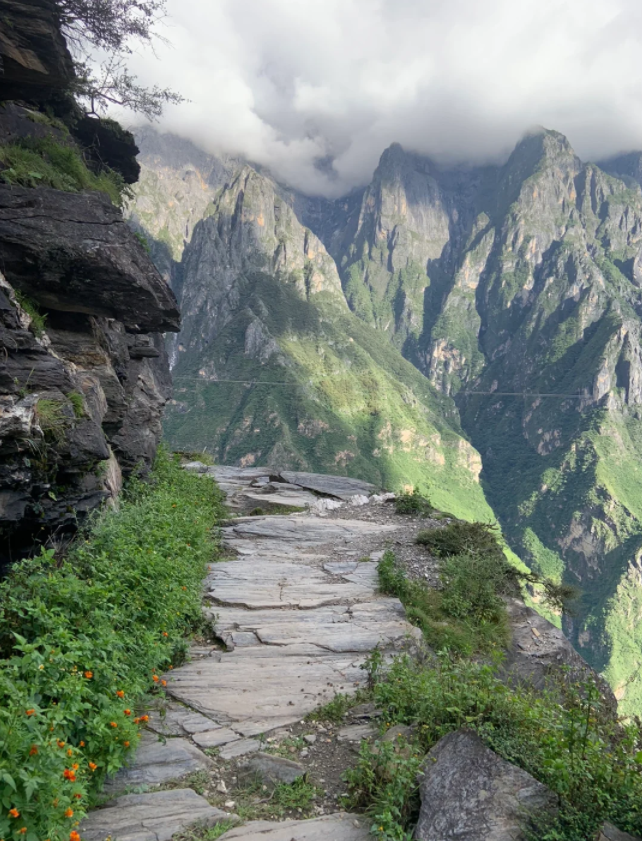
Guided Tiger Leaping Gorge Trekking Tour (The first paragraph)
Today it is time to trek Tiger Leaping Gorge where the Yangtze River surges through one of the world's deepest gorges. It is known as one of the best hikes in China and beyond. The walk starts at Changping village on a series of steep switchbacks. Walk on the high road above Yangtze River, to take in stunning wild scenery. And you may encounter horse wranglers. The hiking trail takes us first to Naxi Guesthouse for lunch and then to our overnight accommodation at Tea Horse Guesthouse or the same class.
- Breakfast , Lunch , Dinner
- Private Van
- Full-day professional English-speaking local guide
-
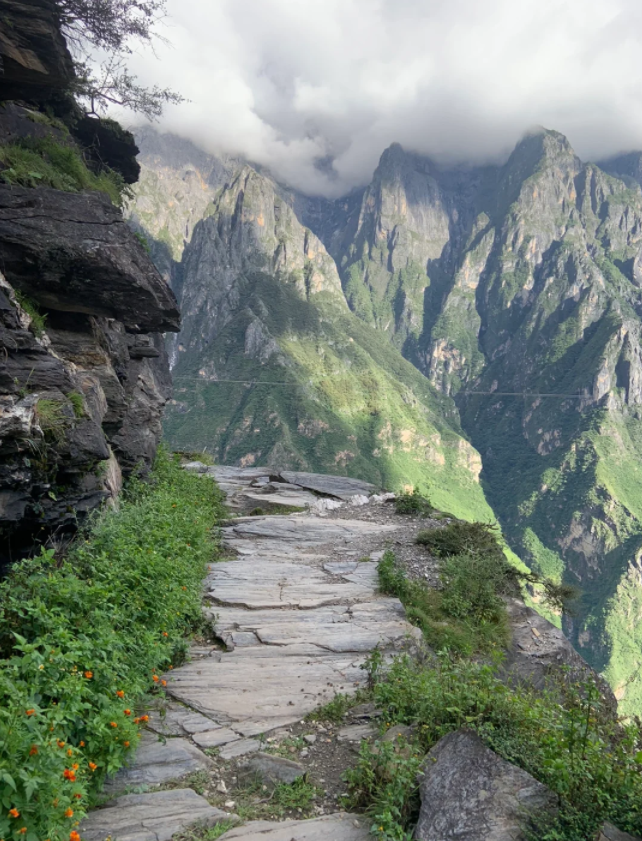
Guided Tiger Leaping Gorge Trekking Tour (The second paragraph)
Wake up from a long sleep to enjoy superb views of Tiger Leaping Gorge, and the surrounding snow-capped mountains, which are the holy mountain of local Naxi People. Continue your trek up and dowm, immersing into a fresh natural world. End drive back to Lijiang.
- Breakfast , Lunch
- Private Van
- Full-day professional English-speaking local guide
- lijiang to Guilin by Flight (Lijiang to Guilin)
-
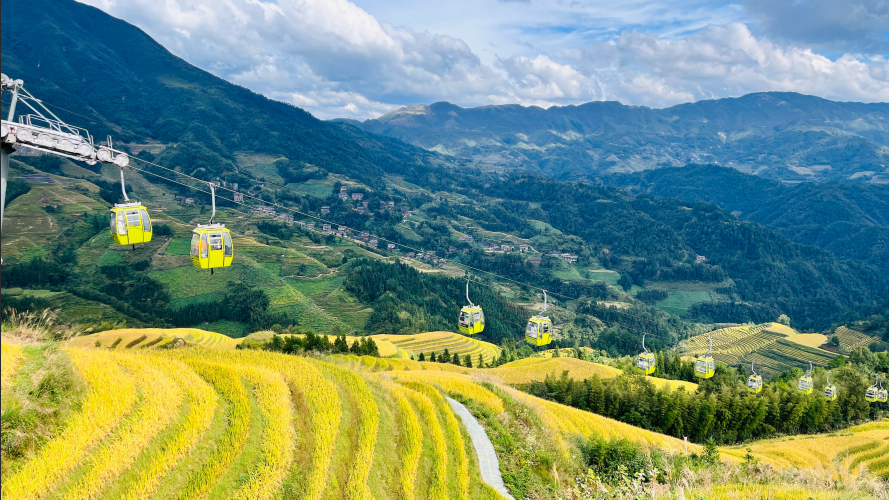
Longji Terraces (Jinkeng with Single Cable Car)
Visit the spectacular Longji Terraces with one-way cable car included, enjoying panoramic mountain and terrace scenery.
- Breakfast , Lunch
- Private Van
- Full-day professional English-speaking local guide
-
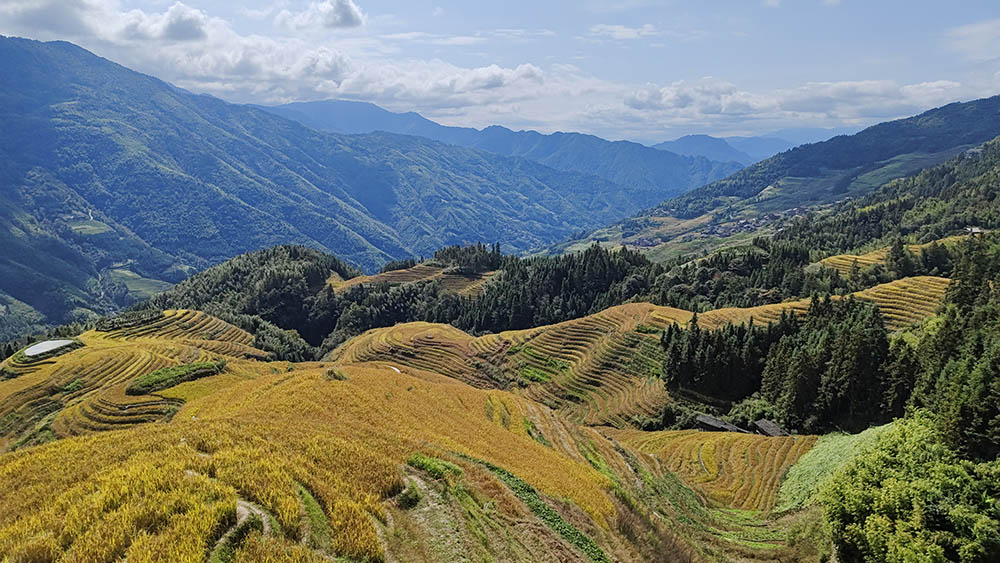
Longji Rice Terrace (Dragon’s Backbone)
Explore Longji Rice Terraces, carved 500 years ago into hillsides near Guilin. Trek from Ping An village, passing scenic steps and panoramic viewpoints, and meet Yao women with their iconic long hair. A must-visit for Great Wall-style scenic walks, photography, and authentic cultural encounters.
-
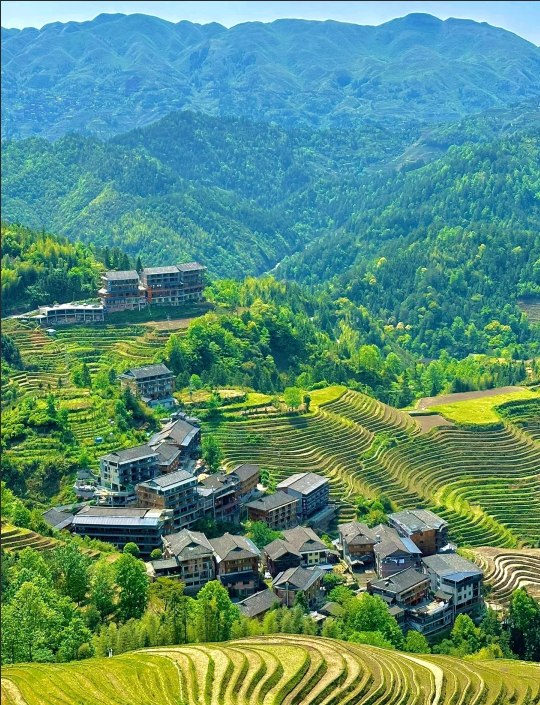
Guided Hiking Tour from Ping'an Village to Dazhai
Enjoy the walking tour from Ping'an Village to Dazhai today. Starting from No. 1 sightseeing point to view sunrise in the morning, and then walk 12km and takes about 4hrs to Dazhai Village. Altitude changes between 450m and 1150m. On the way, you'll take in the incredible view of terraced fields again, and witness yourself the local way of living and farming. Meet your car and drive to Guilin city in the afternoon.
- Breakfast , Lunch
- Private Van
- Full-day professional English-speaking local guide
-
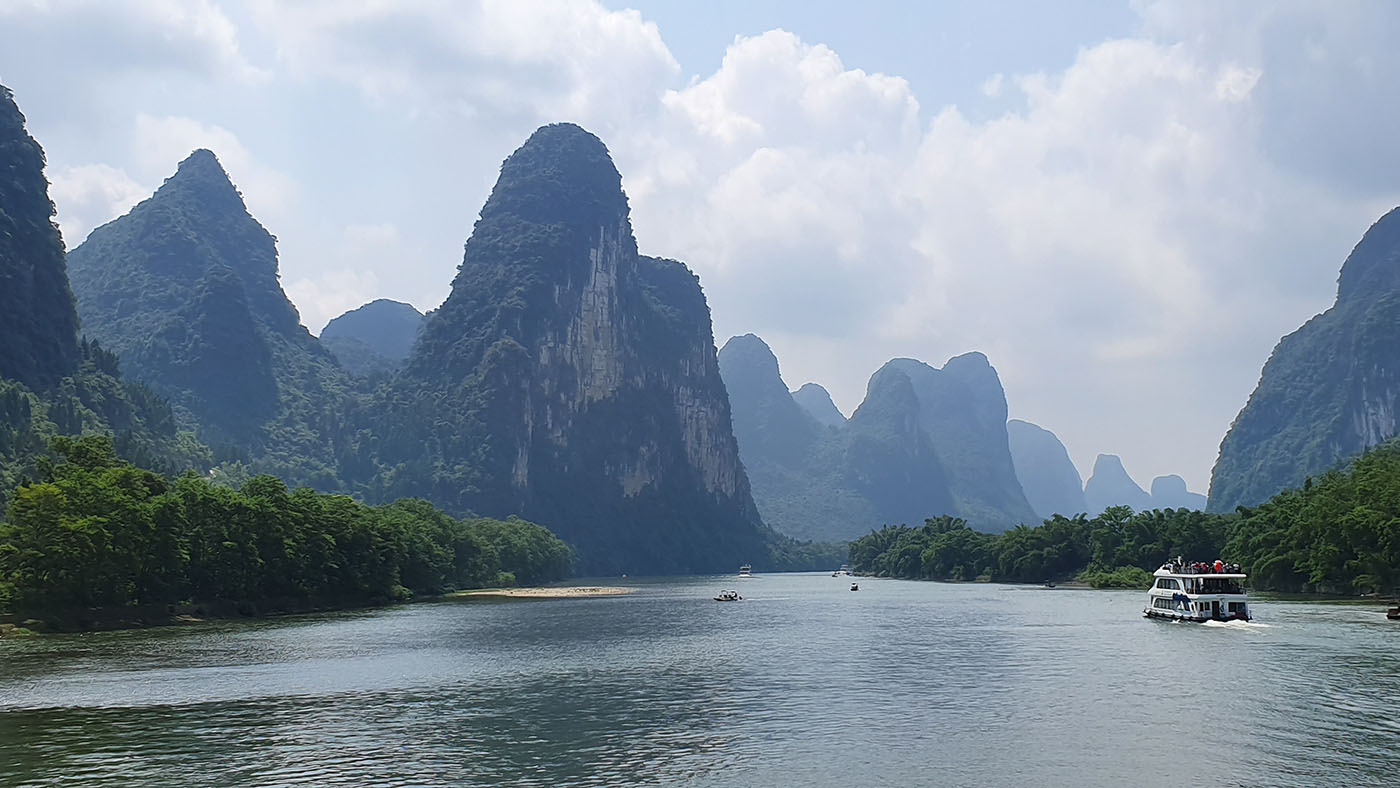
Lijiang Cruise
Embark on a scenic Li River Cruise from Guilin to Yangshuo. Glide past towering karst peaks, rice paddies, and tranquil villages, capturing iconic landscapes seen in Chinese ink paintings. This immersive cruise is one of the most scenic Guilin attractions and offers a peaceful way to admire the region’s natural beauty.
-
Moon Hill
Moon Hill, also known as Moon Hill in English, is located in Fenglou Village, Gaotian Town, Yangshuo County, Guilin City, Guangxi Zhuang Autonomous Region. It is the endpoint of the Ten Mile Gallery Landscape Belt, with its main peak reaching an altitude of 380 meters.
There is a natural stone arch that runs through the mountain top, with an average height and width of about 50 meters. It was formed during the Quaternary glacial period and exhibits dynamic changes from the first quarter moon to the second quarter moon due to differences in perspective. The mountain belongs to the karst landform, and the stalactites at the top of the cave resemble Wu Gang and Yu Tu. In the Qing Dynasty, Xu Tingzheng wrote a poem praising the "Moon Hanging on the Peak", and historical relics such as the San Dishui Neolithic Site are distributed around it.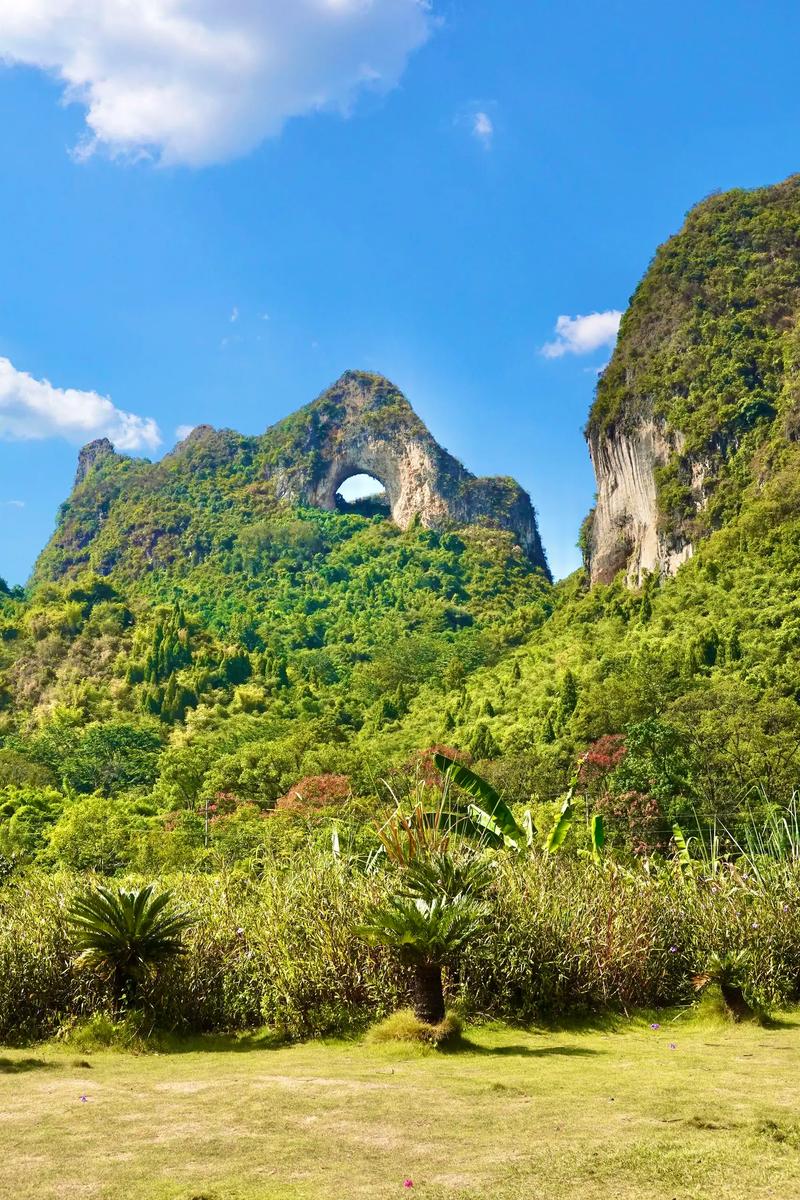
- Breakfast , Lunch
- Private Van
- Full-day professional English-speaking local guide
-
Yulong River Walking Trip
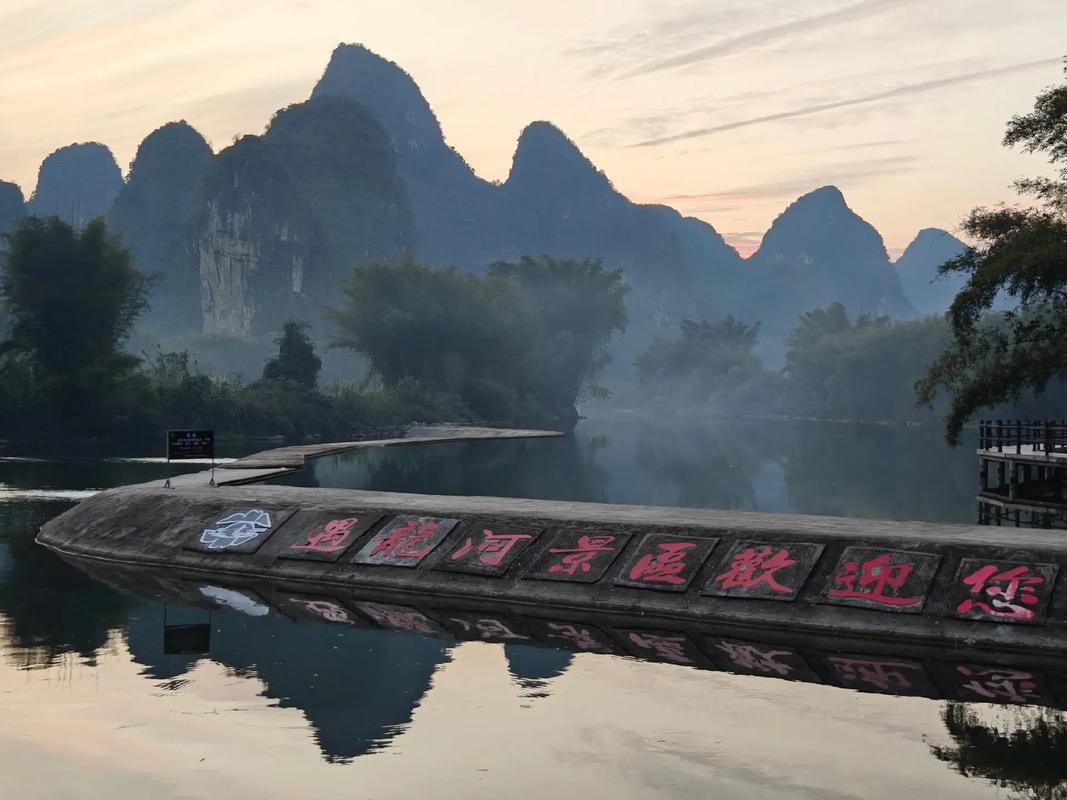
Today, we transfer to Yulong Bridge for a lovely walk alongside the Yulong River, a tributary of Li River, with even more beautiful landscape. We follow the trail through the Yangshuo countryside - of limestone peaks, rural farmlands, orchard, authentic villages - to knock on the door of a local family. Chat with the friendly host to understand local life. Then enjoy a tasty luch at a local restaurant. After that, return to Yangshuo for free time to explore the town.
- Breakfast , Lunch
- Private Van
- Full-day professional English-speaking local guide
-
Guilin Art Museum
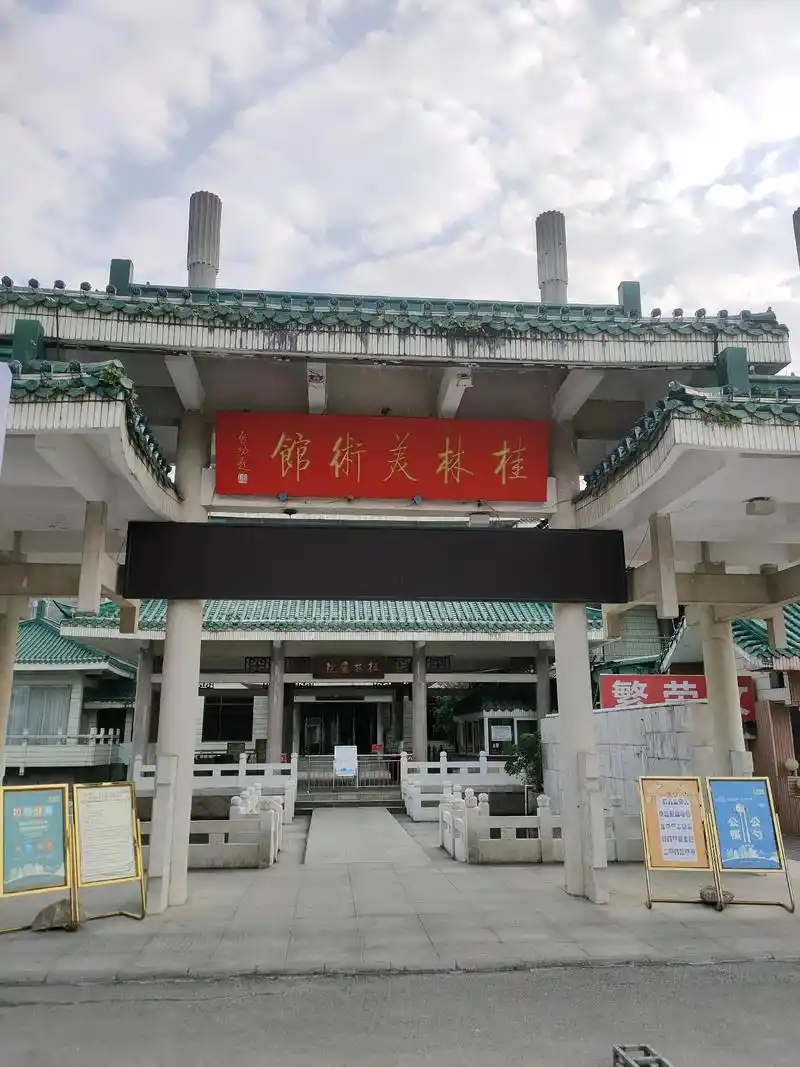
Guilin Art Museum, formerly known as Guilin Exhibition Hall, was built and put into use in 1964. It is a cultural landmark building in Guilin after the founding of the People's Republic of China. The museum is located on the east side of Jiefang Bridge in Guilin City, adjacent to the Li River and Seven Star Scenic Area. It is surrounded by mountains and waters, creating a peaceful atmosphere amidst the hustle and bustle. The overall architecture integrates the residential buildings of northern Guangxi, Suzhou gardens, and Huizhou architectural styles. It is the only remaining architectural model with historical and cultural value in Guilin, designed by Chinese master architect Liang Sicheng, led by Wang Dianli, and designed by Yang Hongxun, Lu Chushi, Zhou Peizheng, and others. Its architectural manuscript has been included in Chinese architectural textbooks and used for teaching architecture majors at universities such as Tsinghua University.
- guilin to hongkong by Train (Guilin to HongKong)
- Breakfast , Lunch
- Private Van
- Full-day professional English-speaking local guide
-
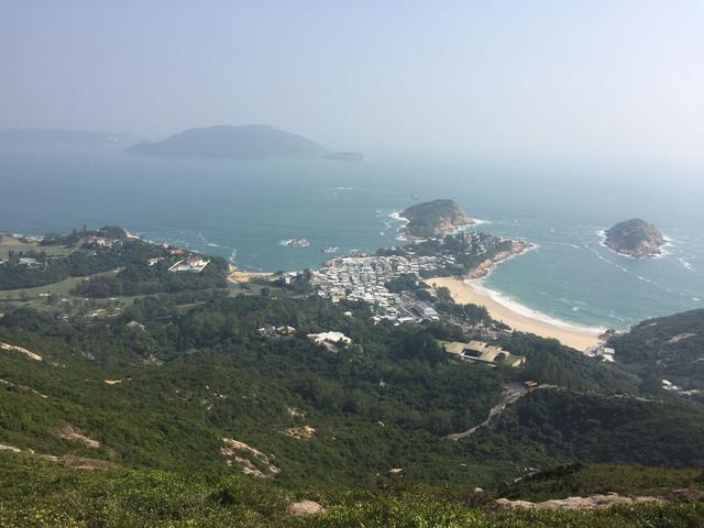
The Dragon's BackIn the metropolis Hong Kong, there are also amazing hiking trails. Take a full day guided hiking tour of Dragon's Back, to take in beautiful coastal scenery. The Dragon's Back trail provides stunning views of Shek O, Tai Long Wan, Stanley, Tai Tam and the South China Sea, to glimpse into the modernity and past of Hong Kong. You'll find the walking experience today is quite different from those of previous days.
- Breakfast , Lunch
- Private Van
- Full-day professional English-speaking local guide
- Enjoy a private drop-off from your hotel, with a guide accompanying you and assisting throughout the transfer to your airport/train station.
-
The Peak Tram
Tai Ping Shan is the highest mountain on Hong Kong Island, with an elevation of 552 meters. At the beginning of the 19th century, Victoria Peak had become a landmark waterway for cargo ships entering ports. Due to the hot and humid climate in Hong Kong, Tai Ping Shan has naturally become a summer resort for many high-ranking officials and nobles.
Around 1868, the sixth Governor of Hong Kong, Sir Murray MacIntyre, selected this location to build a summer villa. Moving to Taiping Mountain has become a trend favored by the wealthy, prominent, and famous gentlemen. At that time, when officials and ladies had to travel back and forth to the mountaintop, they would hire human powered sedans carried by sedan chair bearers in neat uniforms as a means of transportation. In 1904, residing in Taiping Mountain was officially designated as an exclusive right of the upper class and foreign diplomats.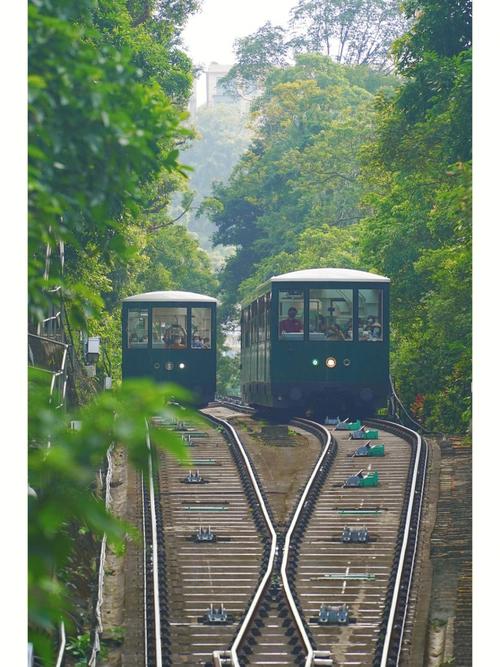
- Breakfast
- Private Van
- Full-day professional English-speaking local guide
Accommodation
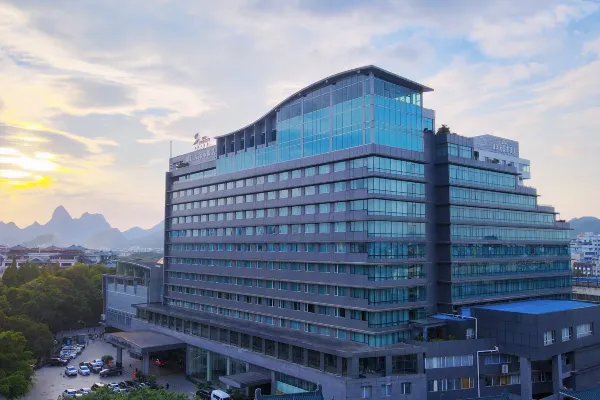
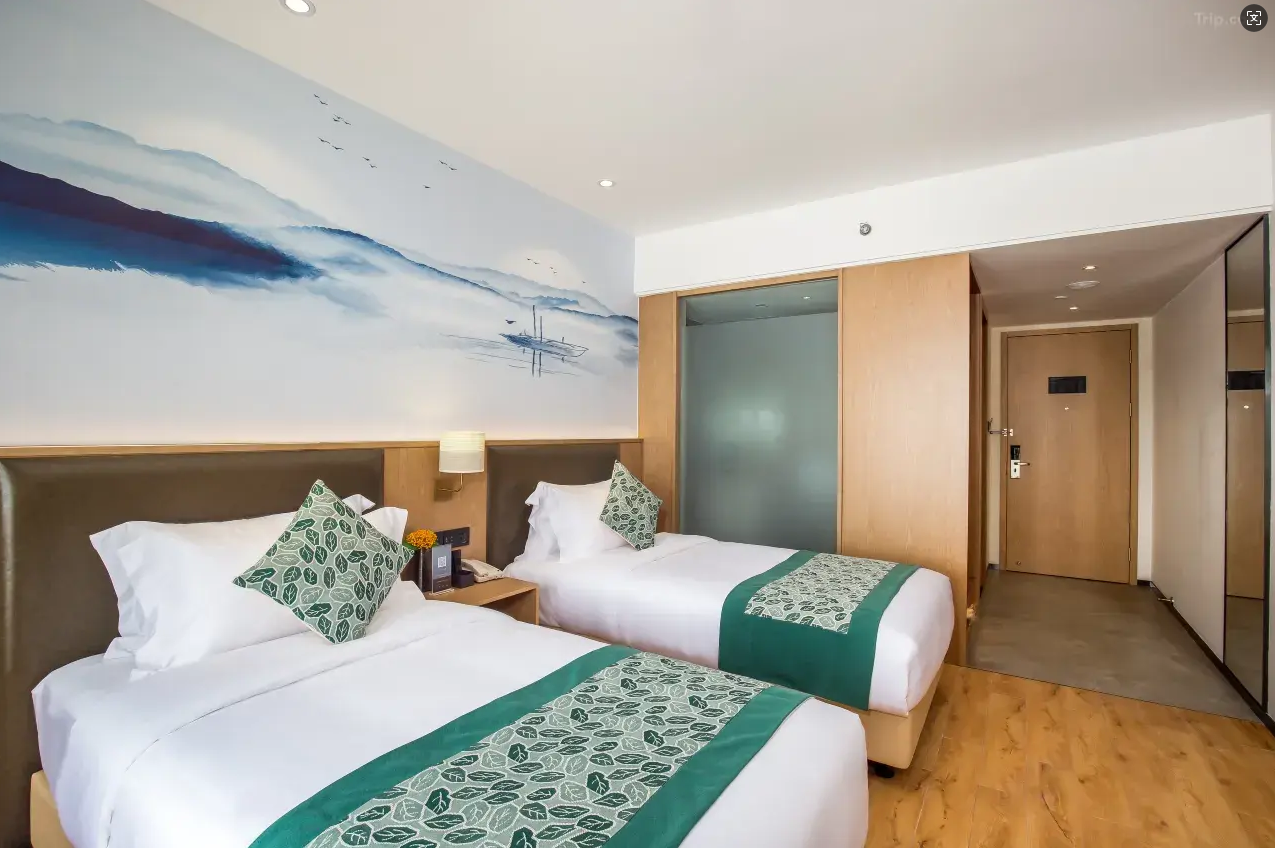
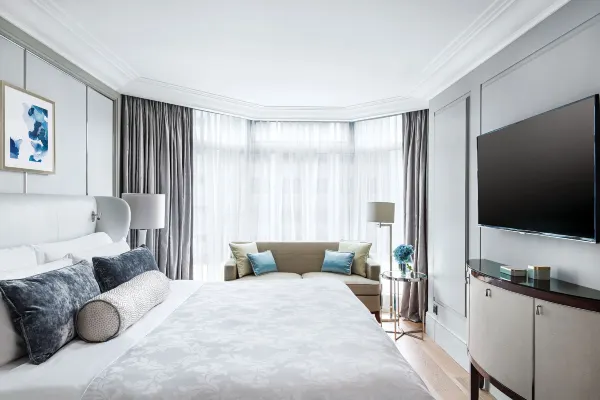
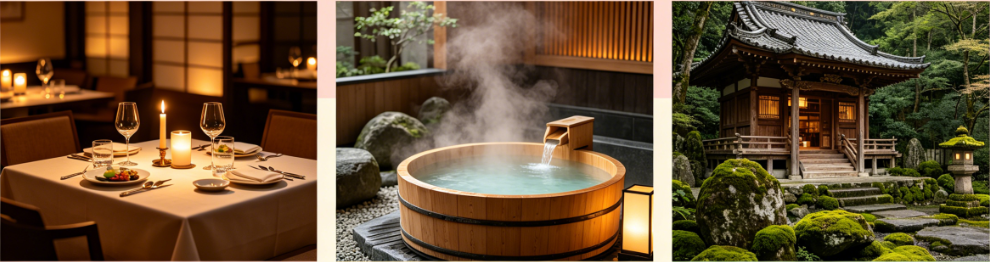
We draw from a wide range of hotels on our holidays, each one is chosen to suit the tour you are travelling on meaning your accommodation can range from a smart business hotel in one city to a family run guesthouse in a smaller town. Here are some examples of the type of hotel you can expect to find on this tour.
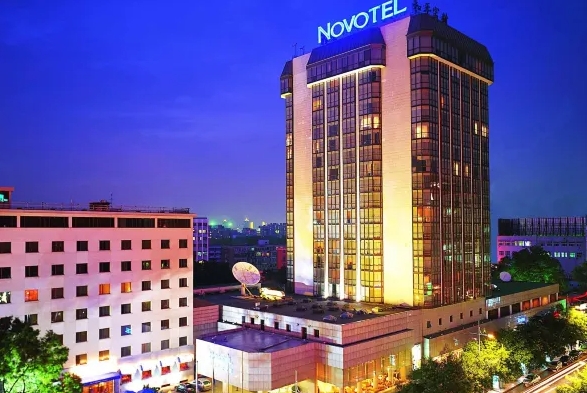
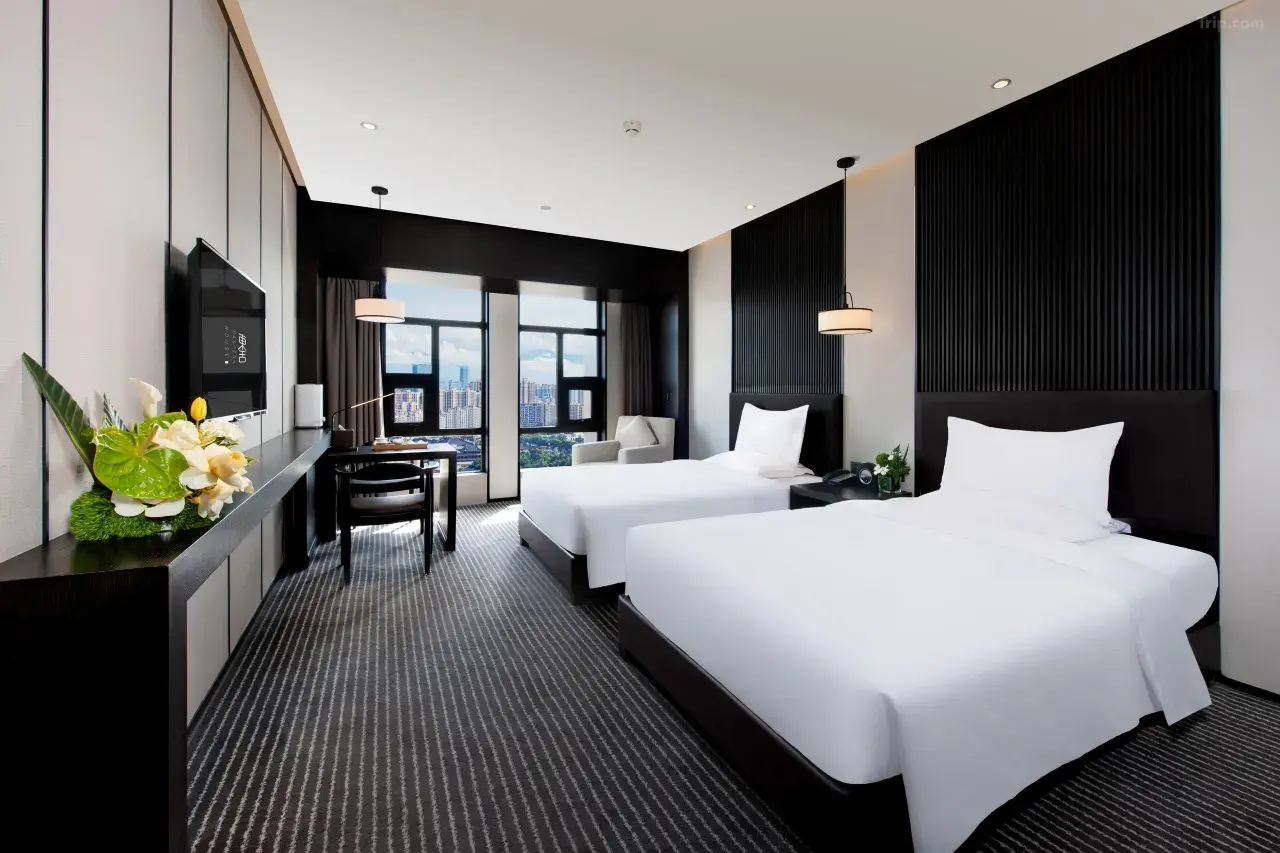
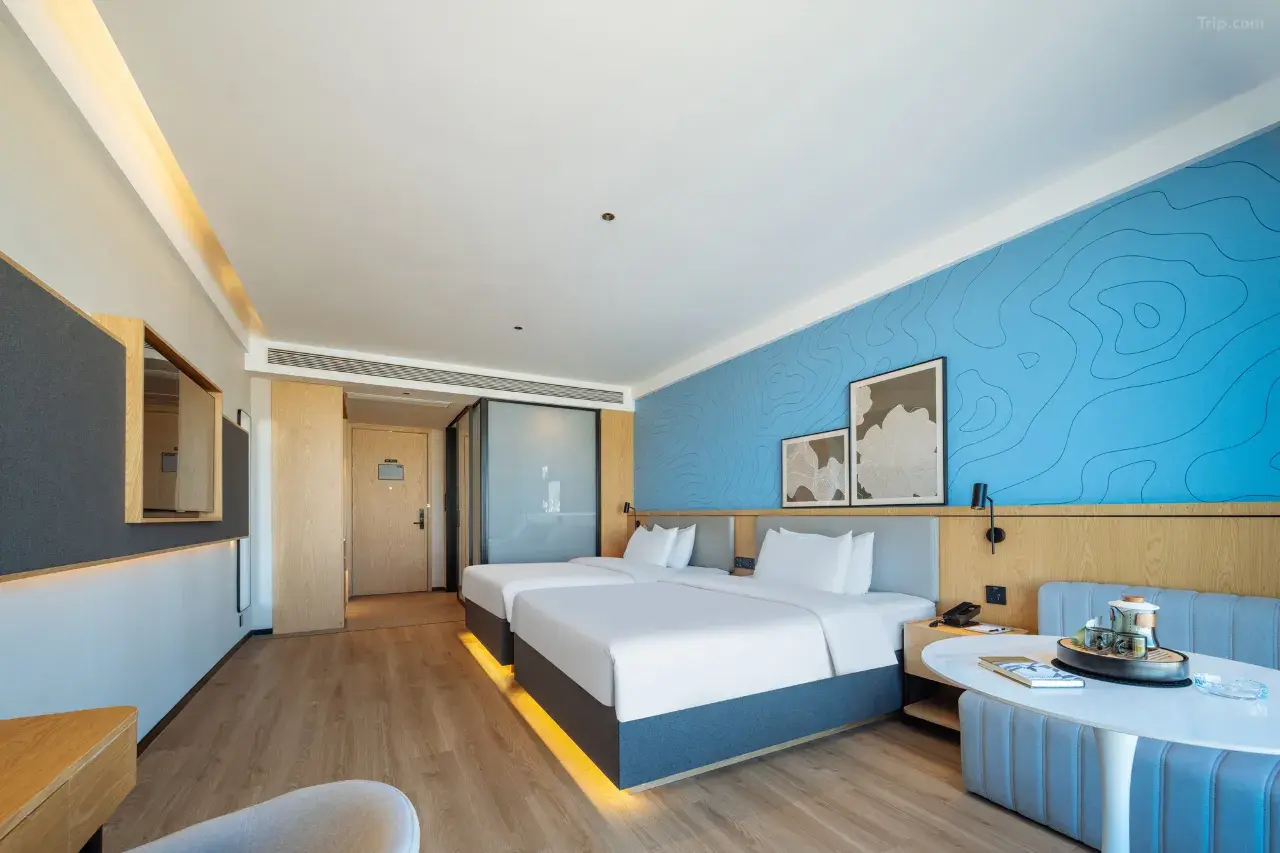
Tour Price
From AU$ 6,200 pp
Based on a private tour for 2 people including accommodation, local transportation and guided sightseeing/activities. Price may vary depending on the itinerary, travel date, number of travellers and selected hotel category.
Price Excludes:
- International flights
- The meals not mentioned in the trip plan
- Personal expenses
- Travel insurance, and repatriation insurance
- Optional excursions, activities, and optional tours
- Reservations marked as "reserved by traveler" are reservations that the traveler is responsible for directly.These items are not reserved or supported by Three Bears Travel and are included in the trip plan just for completeness.
- Any charges due at the hotel include local city taxes
Clients Reviews
★
★
★
★
★
We had an absolutely amazing trip!!! Every detail was meticulously planned by Ben. From our great drivers and guides to having the last seat of the bullet train reserved for our extra luggage. I never would have thought of doing that but it was a huge help since we bought a lot of souvenirs! Peter was our guide in Tokyo and Mt Fuji and he took the most beautiful photos of my daughter and I. It was so nice to be in the pictures instead of behind the camera and I am so thankful for those memories.We ate at several local restaurants that were fantastic and we were the only tourists there. I would never have found these places without my guides Peter and Takizawa.Peter and Takizawa went above and beyond my expectations as guides and Ben was so accommodating to my teenage daughters many requests and planned everything out so perfectly. The drivers were always on time and let me know their plate numbers and names on WhatsApp. They always offered to carry our luggage and were very polite. The cars were always clean and they drove safely. I was so happy that I didn't have to drive in that insane traffic!I could never have planned this on my own and I am so happy that I chose Three Bears Travel!

Miriam P.
May 02, 2026
★
★
★
★
★
I worked with Ben for a number of months to personalize a very special trip to Japan. He could not have been more accommodating, and he answered every question in a timely manner. He made wonderful suggestions, and we weren't disappointed anywhere along the line. We had three different guides, Ursula, Sorata, and Pitt - each lovely and knowledgeable. We enjoyed spending our days with them very much. Everything promised was delivered, and even more. Ben even arranged for a birthday cake for me - a delightful surprise. Our time in Japan was filled with wonderful memories, beautiful experiences, and gracious interactions. We can’t wait to come back!
Karen K.
May 02, 2026
★
★
★
★
★
We had such a memorable time in Japan. Ben really understood what my family's interests were and chose fantastic locations and experiences for a first trip to Japan. Our guid in Tokyo, Yoko was very knowledgeable and efficient at zigzagging us all over the city.In Kyoto, Ursula was amazing and was able to sneak in a few extra stops to maximize the sakuras at their peak. She was also helpful in giving us some tips on where to go in Osaka.
Lauren M.
Apr 26, 2026
★
★
★
★
★
THANK YOU for the trip, it was SO well planned, and clearly a LOT of thought went into it. We are so grateful, and we are now big Three Bears Travel fans! We travel a LOT, to all kinds of crazy places! It is unrealistic to travel across the world and expect things to NOT go wrong. What matters, and why we work with travel professionals like you, is to have support and back up when things DO go wrong – THAT is what matters! Three Bears Travel seamlessly fixed an issue on our travels, and they are THE BEST, and you can travel worry-free! Our planner Ben was remarkable - attentive, knowledgeable and friendly, and our guides Roy, H and Piter were exceptional. 10/10, DO recommend! Thank you, team Three Bears Travel, for an amazing experience and incredible 'whatever it takes' service!
John F.
Apr 23, 2026
★
★
★
★
★
My wife and I are celebrating our 10 year anniversary this July and I knew early on that a family of four trip to experience Japan for the first time together would be a once in a lifetime event. I knew well enough that I would not be able to plan and execute such an important trip myself so I feel so grateful that I stumbled upon Three Bears Travel and hit the ground running. Ben was my wonderful trip planner and from the first interaction, he was so extremely helpful and patient with my 1,000s of questions and itinerary changes. I wanted this Japan trip to be something that would be relatively stress free for me and my wife but also contain a variety of activities and experiences that our entire family would enjoy. Working with Ben to plan the entire trip was such a breeze. I felt completely at ease and comfortable with Ben's recommendations and suggestions. Every part of the trip was designed and planned wonderfully. From the meticulous selection of amazing hotels across the spectrum of Japanese styles (ryokan, onsens, apartment-style, mountain resorts) to all the fun hands-on activities for adults and kids alike (sushi-making, samurai museums, sumo shows, etc), this was a trip that none of us will ever forget. And I would be remiss without mentioning our incredible tour guides, Peter and Ursula. Peter was so on task and schedule with us during our Tokyo days and he was so patient and gracious with our children throughout the tours. I can't count how many times he and I would be carrying my napping daughter still in her stroller up and down various train station steps over multiple stations and transfers. He never failed to take care of our every need in this unfamiliar place. We had zero stress with Peter around that allowed us to soak up the joy of the experience 100%. Ursula was our amazing tour guide (and pseudo member of the family) in Kyoto/Osaka. Our family hit it off with Ursula right from the get go and she was always so flexible with our minor changes in scheduling and events as we did our best to adapt to our children's energy levels and attention spans. The extremely hot weather in Japan also put added pressure on everyone but both Ursula and Peter were always ready to lend a hand and make sure we all stayed healthy and happy throughout. This trip was planned as perfectly as I could have imagined and I owe Ben/Peter/Ursula/Kimkim a huge thank you on behalf of my entire family. The next time we want to take another adventurous trip, I would not hesitate for one second to work with Three Bears Travel again. I also highly recommend to anyone who wants to plan a milestone trip like ours without the hassle and stress. Thank you again Three Bears Travel team! Until we meet again!
Eric, Wanee, Easton, and Esther
Mar 10, 2026
★
★
★
★
★
Everything went off just as planned, and we were all pleased. Our guides were all great and went out of their way to see that we saw more, especially when they found out that we were not interested in the more highly crowded places. They patiently answered our questions and saw to our needs. Ben, our specialist, could not have been more attentive to our frequent questions and concerns. He was able to change events based on our interests even as the date of our departure approached. The only thing I would have changed is deleted some of the more crowd-impacted locales such as Nikko and put in more off the beaten path trips like our monastery stay in Minobu and the marvelous animated Festival Float museum in Takayama that our guide added in when he picked up on our interest. We learned and enjoyed much more in the less crowded venues, but this is Japan where it is truly hard to avoid the hoards of tourists. Overall, it was a wonderful trip. This is the second time Ben has helped us with a trip, and I will certainly turn to him again for any future trips.
Susan
Mar 05, 2026
★
★
★
★
★
Both of our guides were good. One we were with shortly and was a more focused day of getting to many places. He did a good job of coming up with some additional day of options and a great lunch rec. Young we had for 4 days and we really liked her. She was a bit soft spoken /quiet but very nice and knowledgeable and we found if we asked lots of questions we got lots of history and current info about not only the places she took us but also modern Japan life. Really enhanced our trip to learn about the history, shrines and temples. Getting around by train /bus was great for us and she had to work harder than if we had driver to navigate public transport for sure. Hotels were all nice. It was great. The only note is to warn guides we will want lots of restaurant recs (as where we’ll be is not always areas they’ve eaten. We had good luck using tablelog and AI ) and the food at the Hakone onsen was not very good. But we went out for great meals nearby.
Debbie J.
Mar 01, 2026
★
★
★
★
★
We just returned from our anniversary trip to Japan, and I can say with complete confidence that booking through Three Bears Travel was one of the best travel decisions we’ve ever made. In fact, this is our third trip using Three Bears Travel. From the very first planning email to the final farewell in Osaka, the entire experience was seamless, personal, and unforgettable.Ben, our travel specialist, was phenomenal. He helped us build the perfect itinerary—listening to everything we wanted, adding thoughtful suggestions, and tweaking the schedule along the way to fit our style. Thanks to him, our trip struck the perfect balance of culture, food, adventure, relaxation, and those “wow” moments we’ll be talking about for years.And then there were our guides: Peter and Ursula.These two were an absolute gift to our journey.Peter, our Tokyo & Hakone guide, made navigating Japan’s transportation system feel effortless. He taught us subway skills worthy of a Mario Bros. level-up, showed us how to experience Shibuya Crossing like locals, and gave us incredible historical context at temples and shrines. He even congratulated me on my sumo match at the lunch show (yes… I stepped into the ring and no, my training was not focused enough 😂).Ursula, our guide through Kyoto, Nara, and Osaka, was equally fantastic. From sake tastings in Fushimi to zen moments at the Golden Pavilion, she blended humor, storytelling, and deep cultural knowledge in a way that made every day feel like traveling with a friend. She helped us navigate the language barrier, made sure we didn’t get lost on trains, and offered endless tips to help us blend in better than we probably deserved. Both guides were great to pack in as much adventure each day while still leaving us with free time to roam and explore on our own.Every single day was packed with memorable highlights, many of which Three Bears Travel helped coordinate:✨ Sushi-making with a 4th-generation master (we are now “certified” Nigiri makers and have enough footage for a full-length documentary).✨ A tea ceremony and learning to whisk our own matcha at a university.✨ Visiting a capybara at a café—one of Emily’s bucket list items.✨ Riding the bullet train to Kyoto with snacks in hand and Mt. Fuji peeking through the clouds.✨ Walking through Arashiyama’s bamboo forest and a rickshaw ride through its historic streets.✨ A full cultural immersion day in Fushimi Inari, weaving through the famous vermilion torii gates.✨ A relaxing soak and stay in Hakone with incredible views of Mt. Fuji.✨ Exploring Osaka Castle and ending our trip at the Umeda Sky Building with panoramic nighttime views.And beyond the excursions, the guides helped us handle everything—from ordering meals to using the Suica card. They answered every question, solved every hiccup, and made us feel completely supported the entire way.Three Bears Traveldidn’t just plan a trip—they helped create a collection of memories that feel like a chapter from our own personal, globe-trotting storybook.If you’re considering a trip to Japan—especially if it’s a special occasion—book with Three Bears Travel. Ask for Ben, and if you’re lucky, you’ll get Peter and Ursula too. They helped make our anniversary adventure everything we dreamed of…and then some.Arigatou gozaimasu, Three Bears Travelteam.We’re already thinking about following the green light to our next chapter.—Ray & Emily
Ray & Emily
Feb 22, 2026
★
★
★
★
★
We wanted a customised trip instead of a standard tour group, and Three Bears Travel delivered exactly that. Norman took the time to understand what we liked and built an itinerary around food, shopping, and local experiences. It felt personal and flexible, not like a cookie cutter package.
Tom Harris
Feb 01, 2026
★
★
★
★
★
A huge thank you to Louise and Three Bear Travel for crafting such a fantastic Japan itinerary! Every moment was well thought out - whether it was the serene temples of Kyoto, the bustling streets of Tokyo, or the delicious food tours. The guides were knowledgeable, and the accommodations were excellent. We couldn’t have asked for a better travel experience!
Emily Carter
Feb 01, 2026
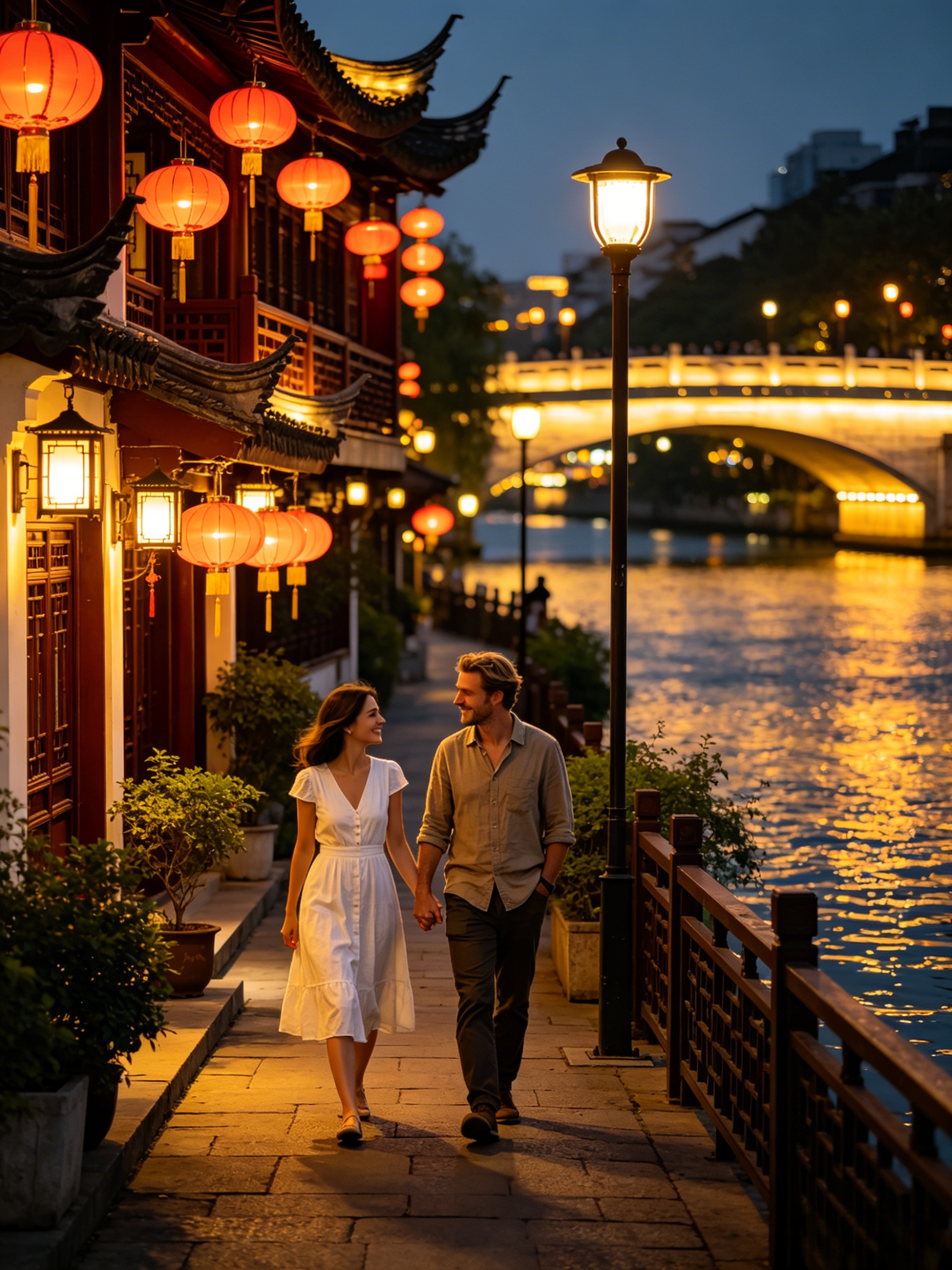
Travel Inspiration for Your Journey
Handpicked stories, guides and insights to help you shape your personalised trip. More...
- 01 Jun, 2026

Enquire Now