

Minimum Guests
2 Person
Activate Day
12 Nights/ 13 Days
Fully Inclusive
Touring with Guides and entrance fees
Included Meals
Breakfasts:12 , Lunches: 7 , Dinners:0
Accommodation
12 nights in 4 star accommodation
Guide
English-speaking guide services as per the itinerary
Activies
Entrance fees for all mentioned sights and attractions· Comprehensive 13-day itinerary covering 5 iconic Chinese destinations
· Perfect blend of imperial history (Beijing/Xi’an), Tibetan spirituality (Lhasa), wildlife (Chengdu pandas) and modernity (Shanghai)
· Thoughtful arrangements: comfortable 4-star hotels, private/small-group transfers, flexible schedules and multilingual guides
· Immersive experiences: hutong rickshaw rides, Tibetan monastery visits, panda encounters, traditional tea tastings
· Suitable for travelers seeking depth, with balanced activity levels and minimal rushed travel
Tour Timeline
If you need to increase or reduce the number of travellers, please contact us for customised arrangements.
- Enjoy a private pickup from your arrival point, with a guide accompanying you and providing support throughout the transfer
Recommended activities
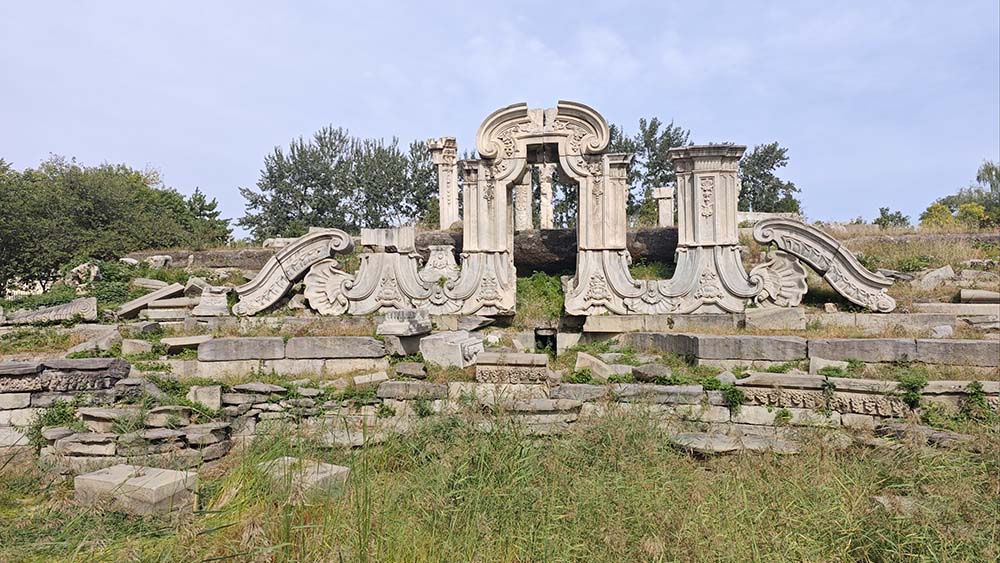
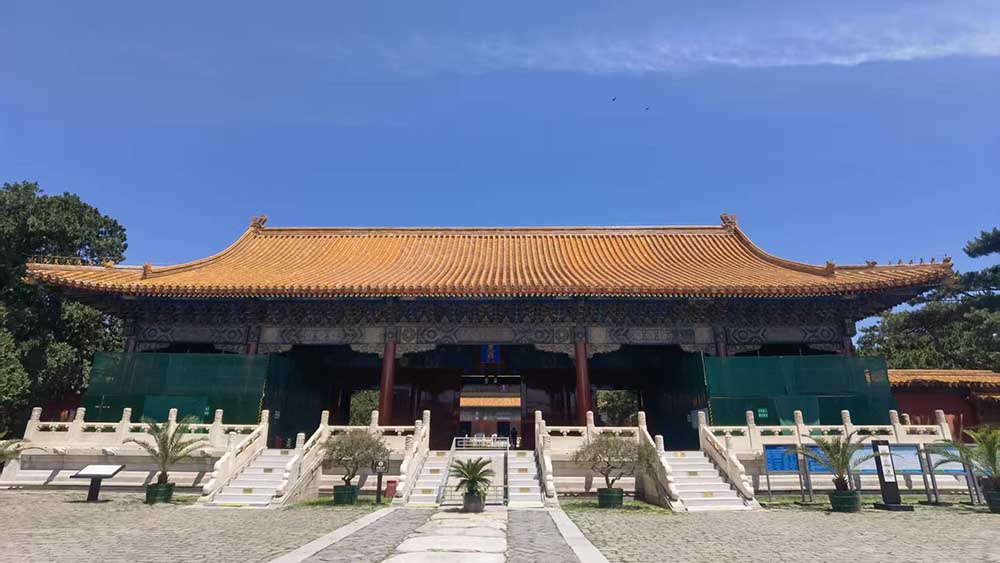
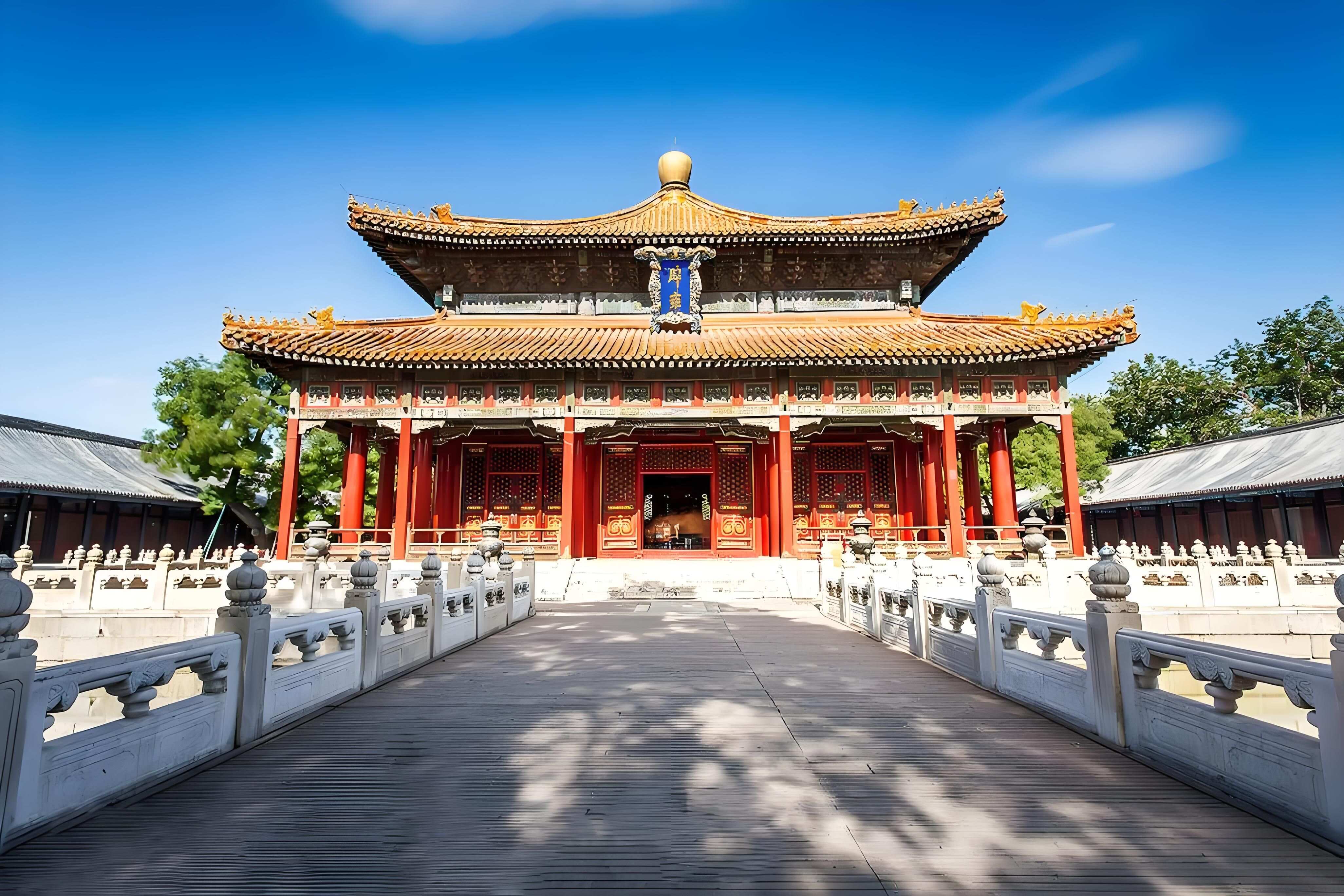
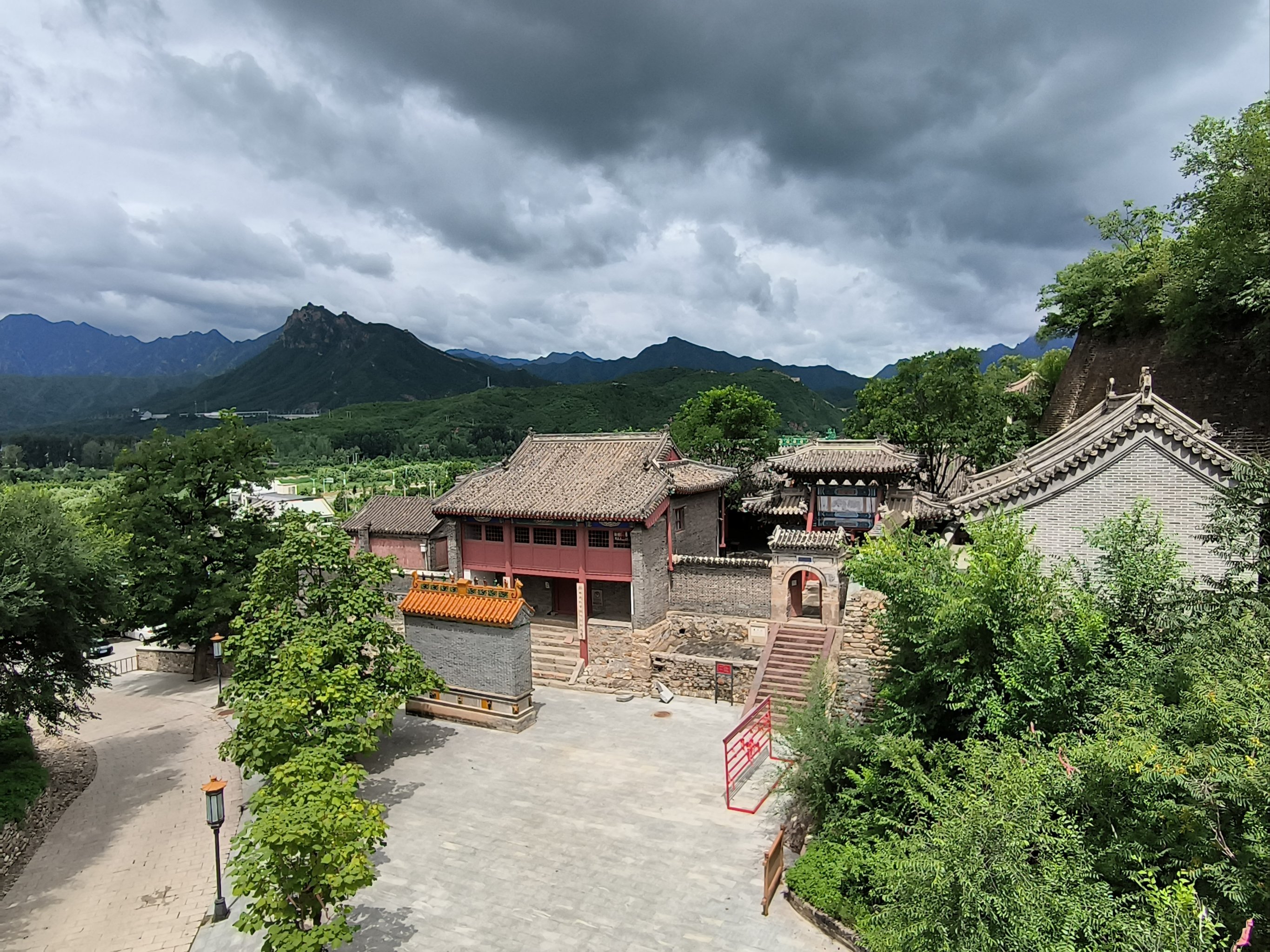
- None
- Private Van
- Full-day professional English-speaking local guide
-
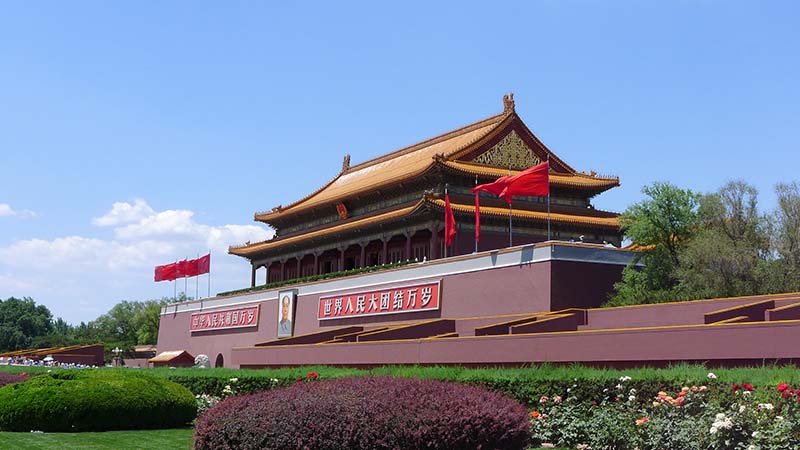
Tiananmen Square
Visit Tiananmen Square, one of the world’s largest public squares. Home to the Monument to the People’s Heroes and Mao Zedong’s Mausoleum, it represents modern China’s heart and history. Capture the spirit of Beijing at this iconic landmark surrounded by monumental architecture.
-
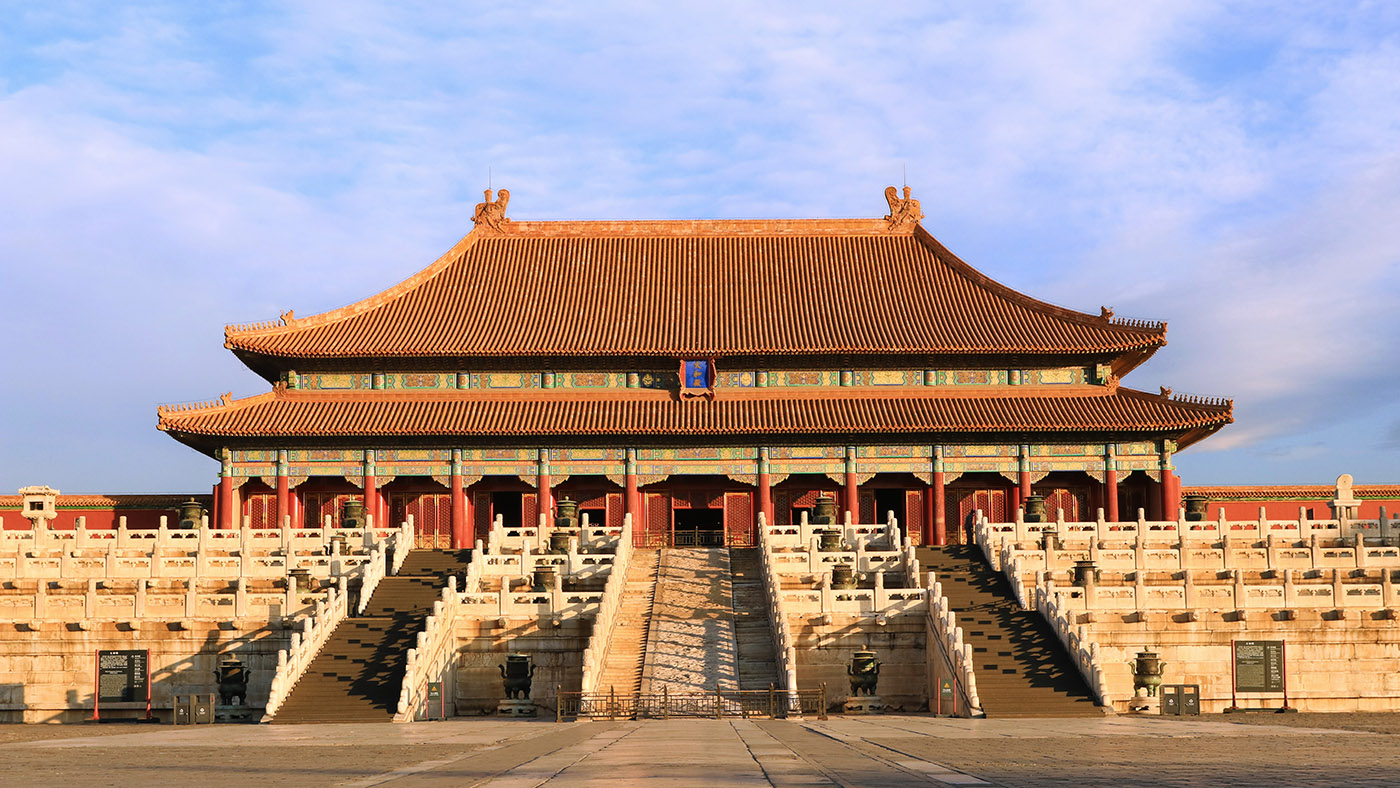
Forbidden City
Discover the Forbidden City, a UNESCO World Heritage Site with nearly 1,000 buildings, grand halls, and defensive walls. Built in the 15th century, it showcases imperial architecture, traditional Chinese craftsmanship, and fascinating history—a must-visit Beijing landmark and heritage site.
-
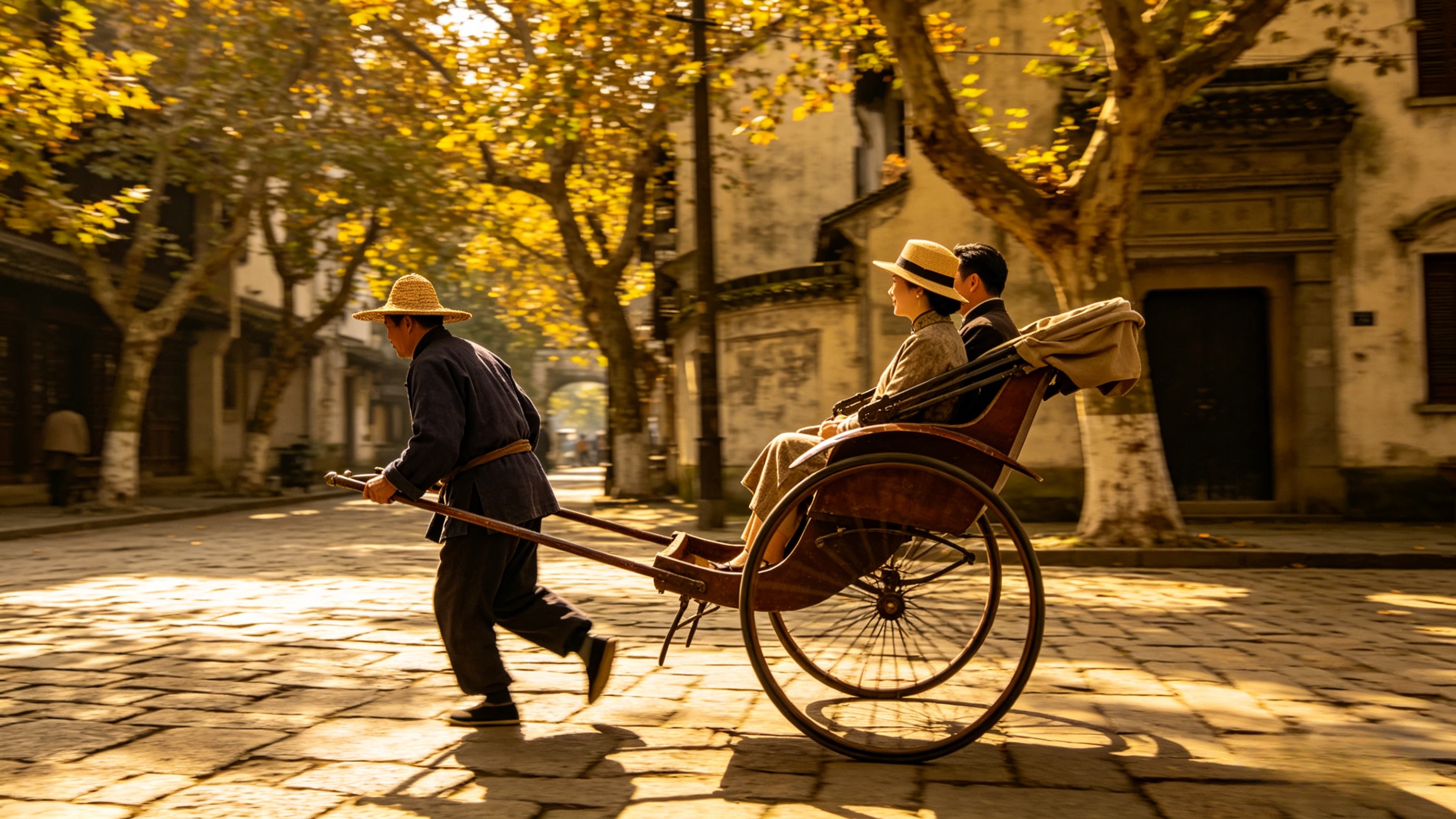
Rickshaw Ride
Meander through the labyrinthine Hutongs, the traditional alleyways of old Beijing. Enjoy a fun family rickshaw ride through the narrow streets, passing by courtyard homes and local shops, and get a glimpse of authentic Beijing life that's far from the modern cityscape.
-
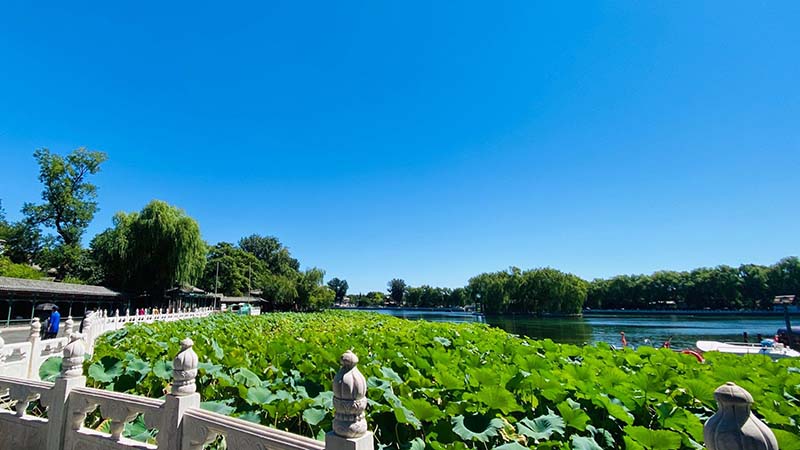
Houhai Lake
Visit Houhai Lake, a lively Beijing area with scenic lakes and historic hutongs. Stroll along car-free alleys, watch locals relax or play music, and enjoy the atmosphere of traditional life fused with modern leisure—a must-see urban escape.
- Breakfast , Lunch
- Private Van
- Full-day professional English-speaking local guide
-
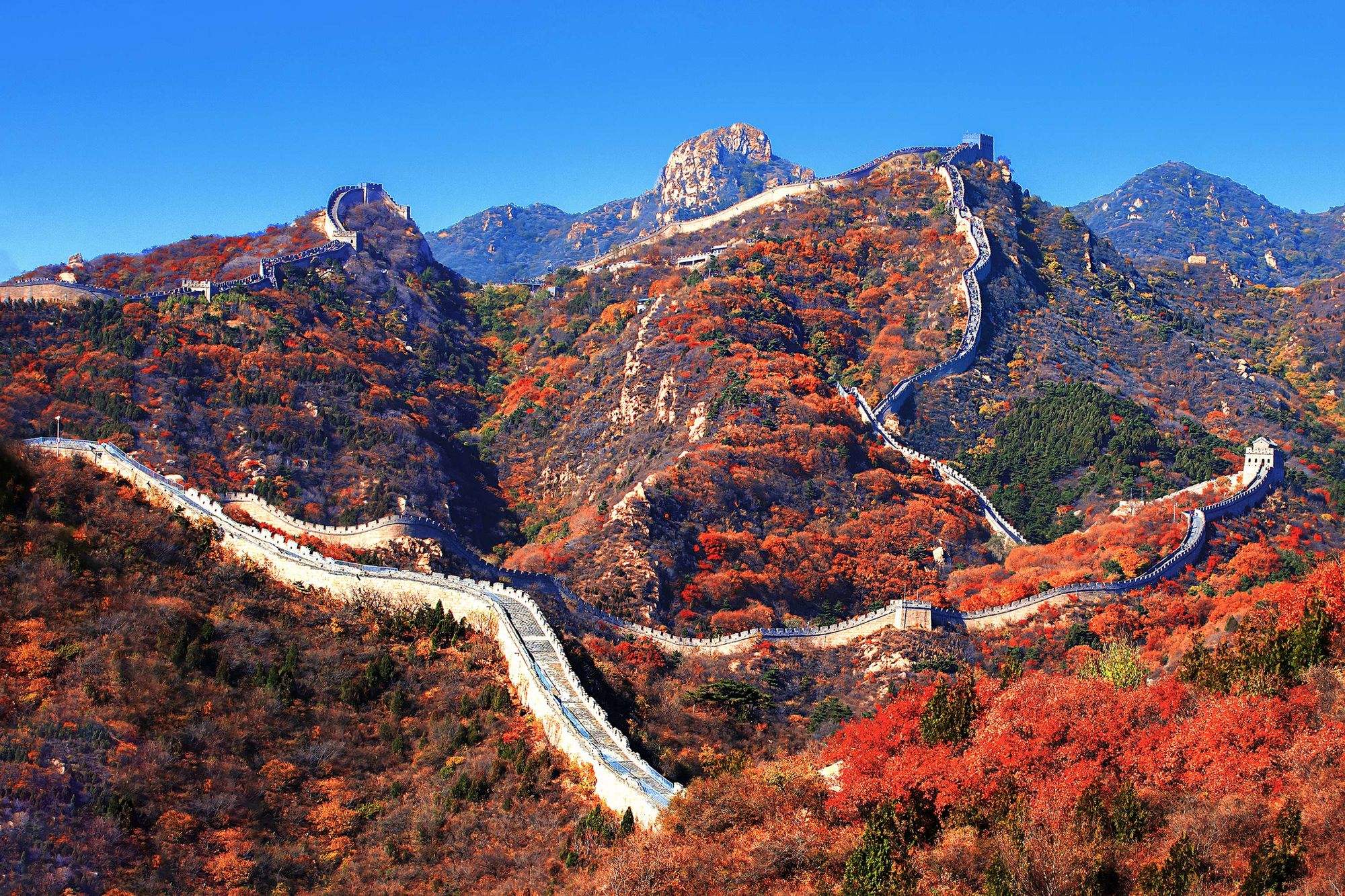
The Great Wall Mutianyu Section
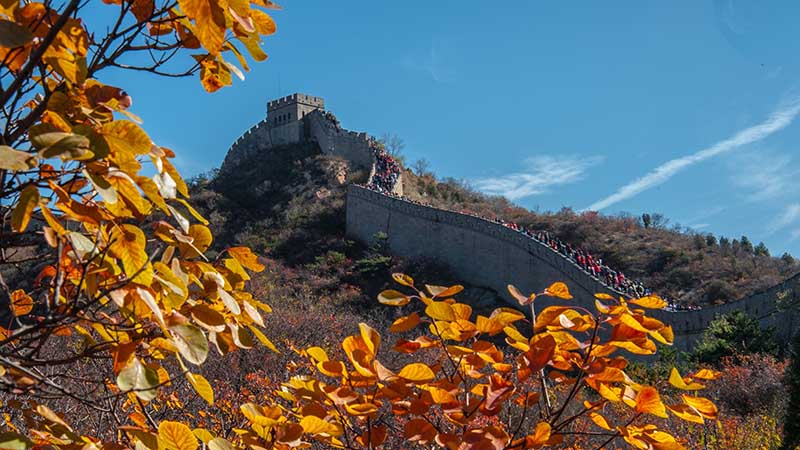
Walk Mutianyu, a well-restored Great Wall section with cable car access. Surrounded by lush mountains, it’s less crowded than other sections and ideal for panoramic views. This Beijing attraction combines historical exploration, scenic hiking, and photo opportunities.
- Breakfast , Lunch
- Private Van
- Full-day professional English-speaking local guide
-
Temple of Heaven
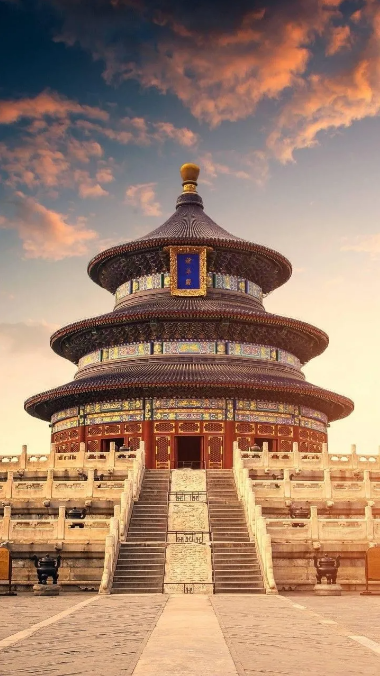
Temple of Heaven Park, formerly known as "Temple of Heaven and Earth", is located at No. 7 Dongli, Temple of Heaven, Dongcheng District, Beijing. It was first built in the 18th year of the Yongle reign of the Ming Dynasty (1420) and renamed "Temple of Heaven" in the 9th year of the Jiajing reign of the Ming Dynasty (1530). It was the site for emperors of the Ming and Qing dynasties to "worship heaven" and "pray for valleys", with a total area of 273 hectares. It is the largest existing ancient sacrificial building complex in China and the largest and most well preserved ancient sacrificial building complex in the world. On January 1, 1918, it was designated as Temple of Heaven Park and opened to the public
-
Tai Chi Experience
Tai Chi, an ancient Chinese philosophical category, explains the process of the universe from infinity to Tai Chi, and even the transformation of all things. It is said that it was drawn by Fuxi's perception of the vortex formed by the confluence of rivers and Luo rivers.
Tai Chi is the state before the opening of heaven and earth and the separation of yin and yang in chaos. The Book of Changes verse states: "Therefore, there is Tai Chi, which is the birth of two rituals. The two elements refer to the Yin and Yang elements of Tai Chi. Tai Chi "is a fundamental concept in the Book of Changes, first introduced in the" Book of Changes - Xici Shang ":" Yi has Tai Chi, which gives birth to two rituals, two rituals give birth to four images, four images give birth to eight trigrams, eight trigrams determine good and bad fortune, and good and bad fortune give birth to great achievements. Yi, there are eight changes in ten to form a hexagram. "Around the Da Yan divination method, various dynasties have explored the philosophical meaning of Tai Chi with different emphases.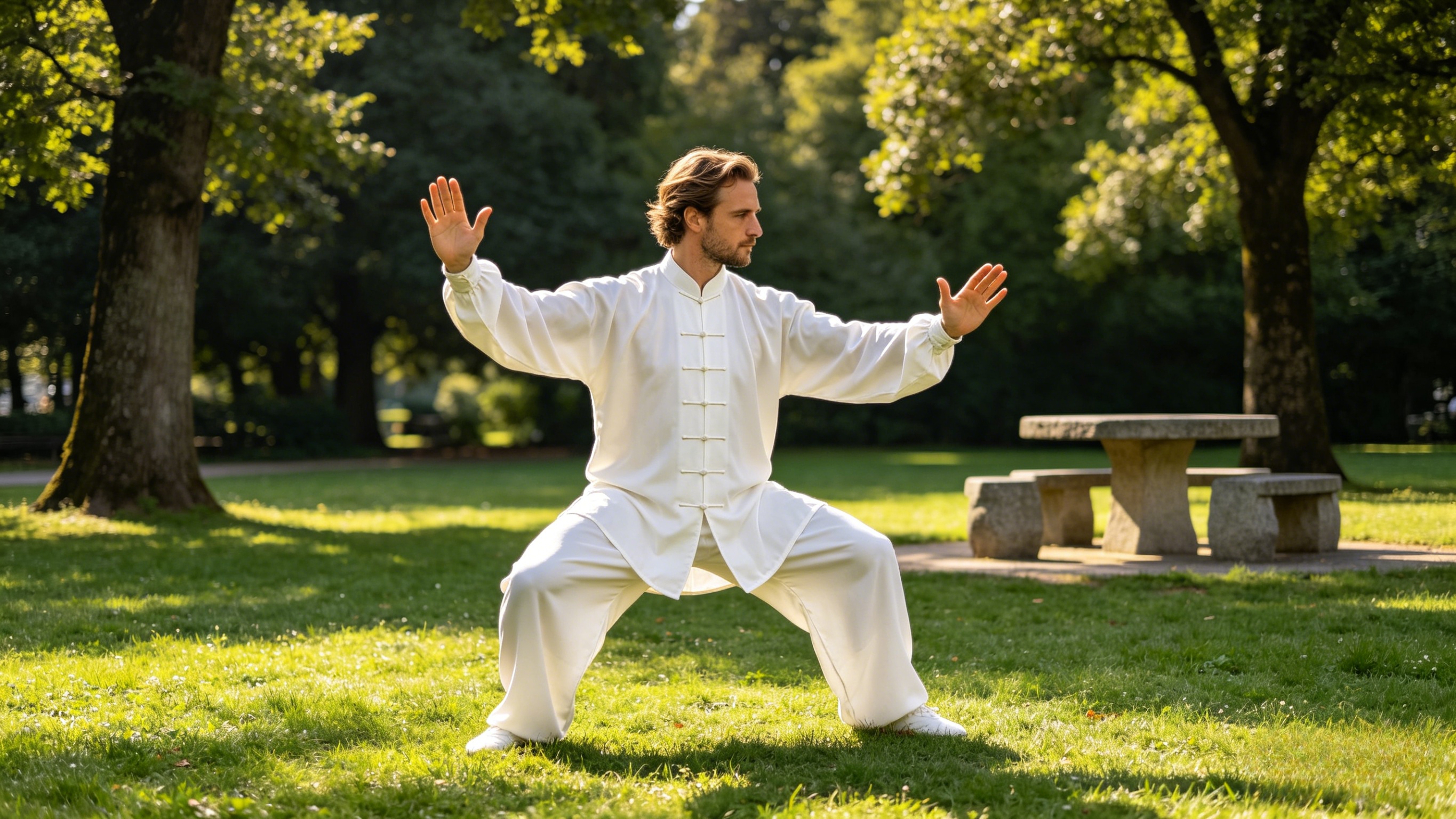
- Beijing to Xi’an by Bullet Train (Beijing to Xi'an)
- Breakfast
- Private Van
- Full-day professional English-speaking local guide
-
Terracotta Warriors
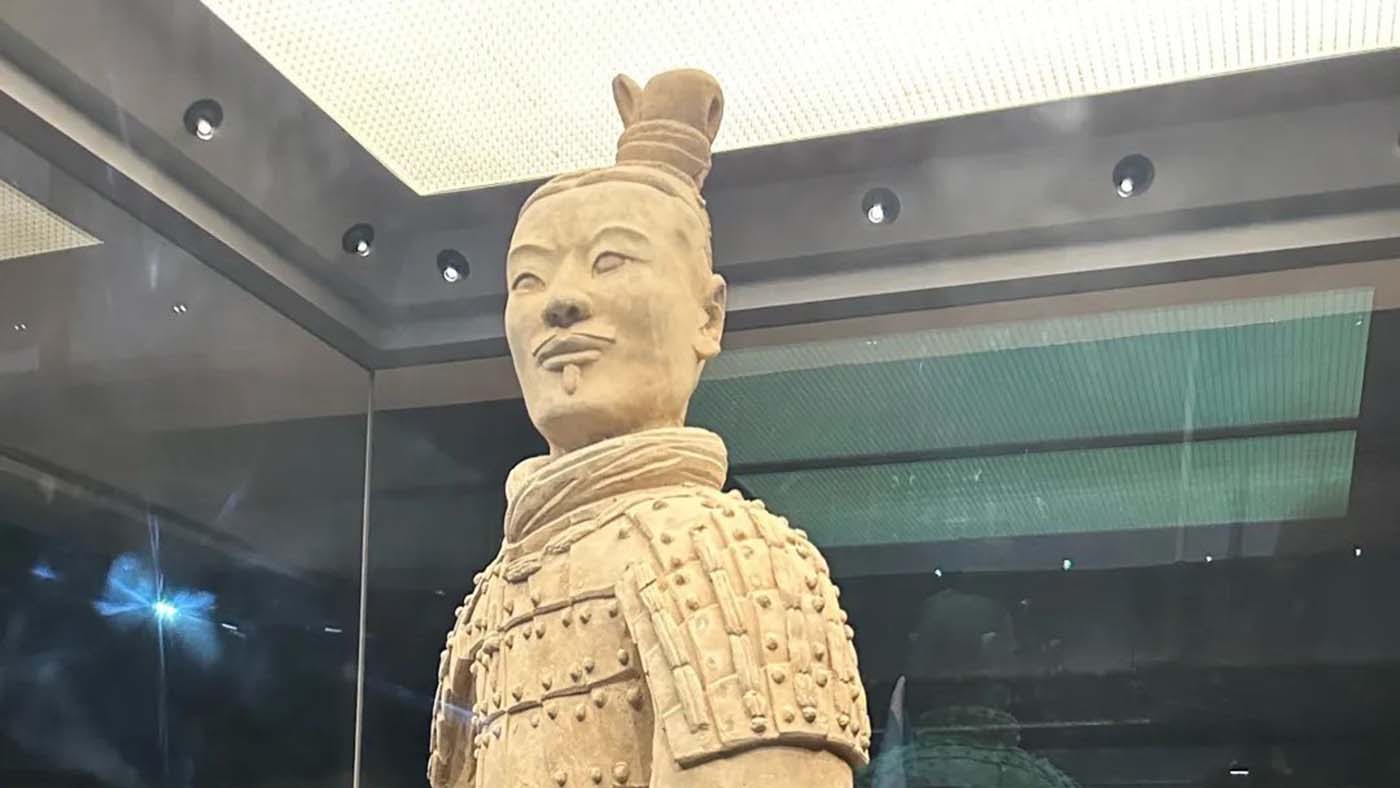
Marvel at the Terracotta Warriors, Qin Shi Huang’s army entombed to protect him in the afterlife. Each life-sized warrior has unique facial features and uniforms. Visit the nearby art ceramics and lacquer factory for souvenirs—a world-renowned archaeological treasure.
-
Ancient City Wall (Xi’an)
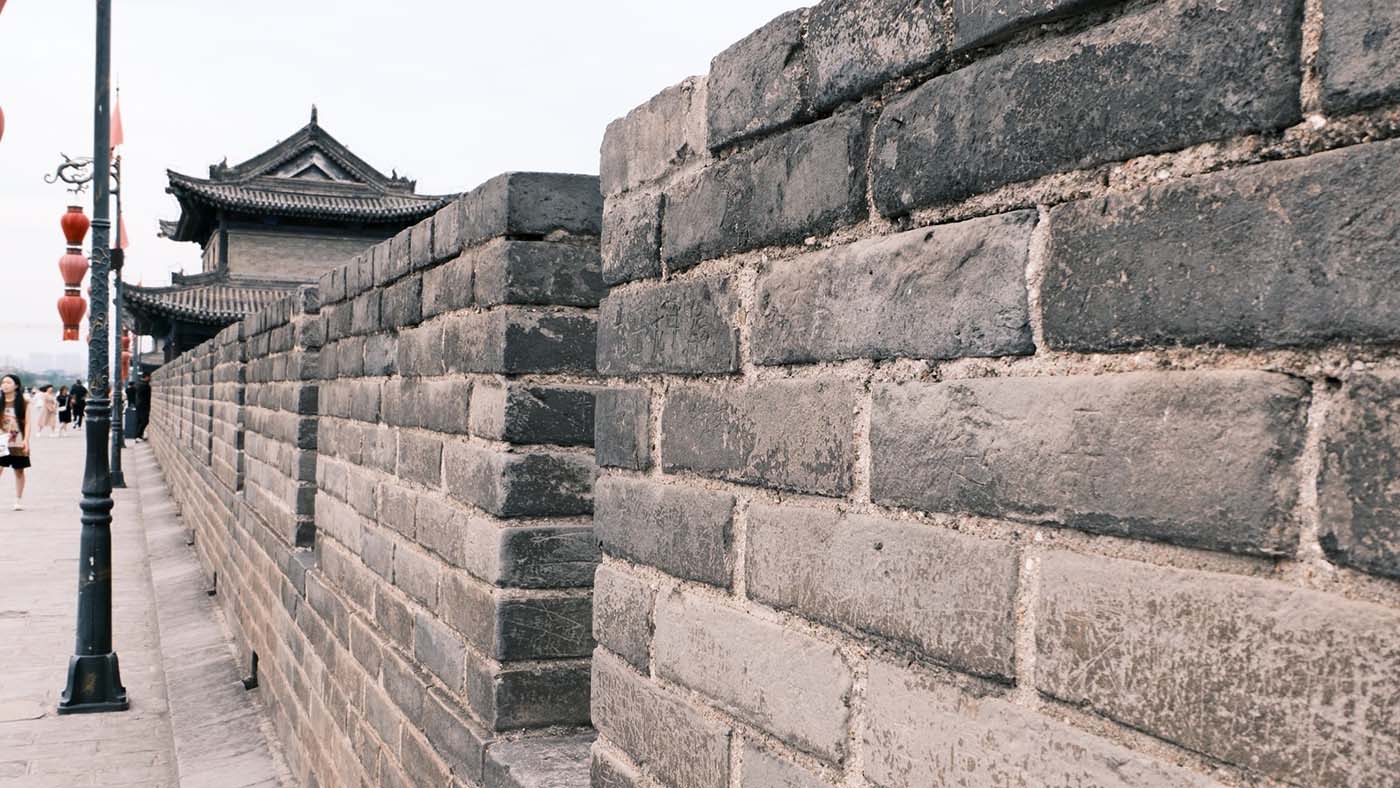
Walk along Xi’an’s Ancient City Wall, built in 1370 with 12-meter-high walls and 98 watchtowers. Take in sweeping city views, explore well-preserved ramparts, and appreciate the defensive ingenuity of this historic fortification—a must-do cultural experience in Xi’an.
- Breakfast , Lunch
- Private Van
- Full-day professional English-speaking local guide
- Xi'an to Lhasa by Flight (Xi'an to Lhasa)
Recommended activities
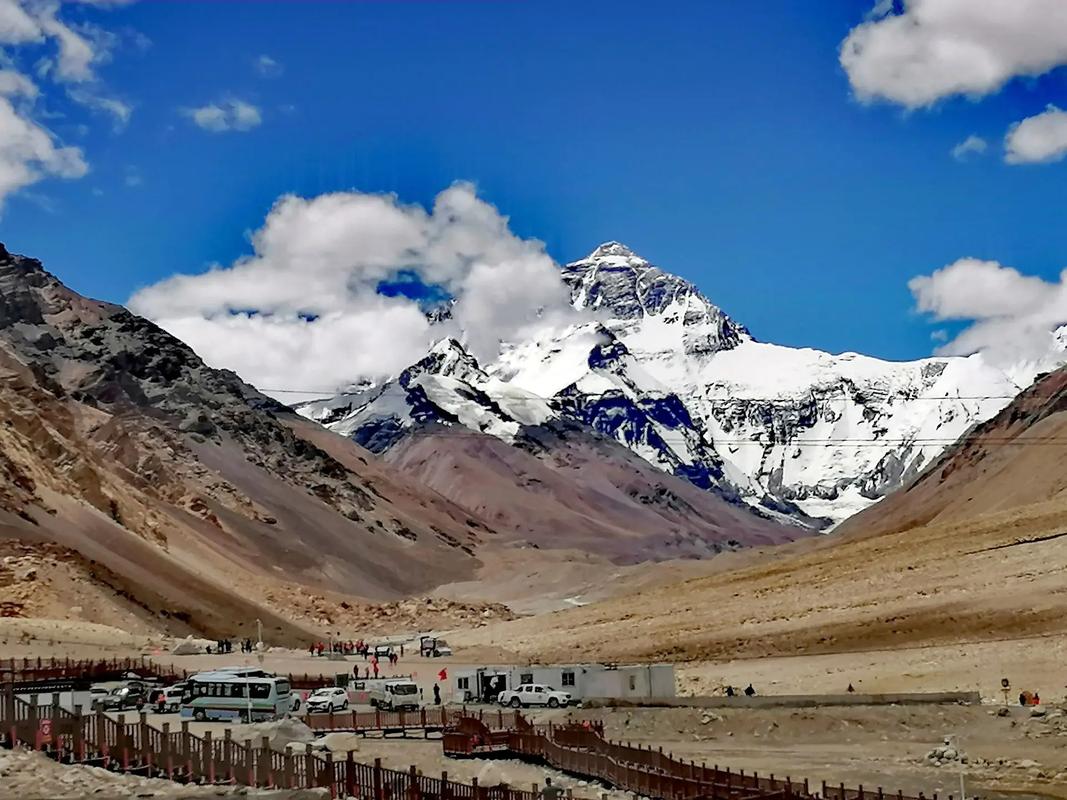
- Breakfast
- Private Van
- Full-day professional English-speaking local guide
-
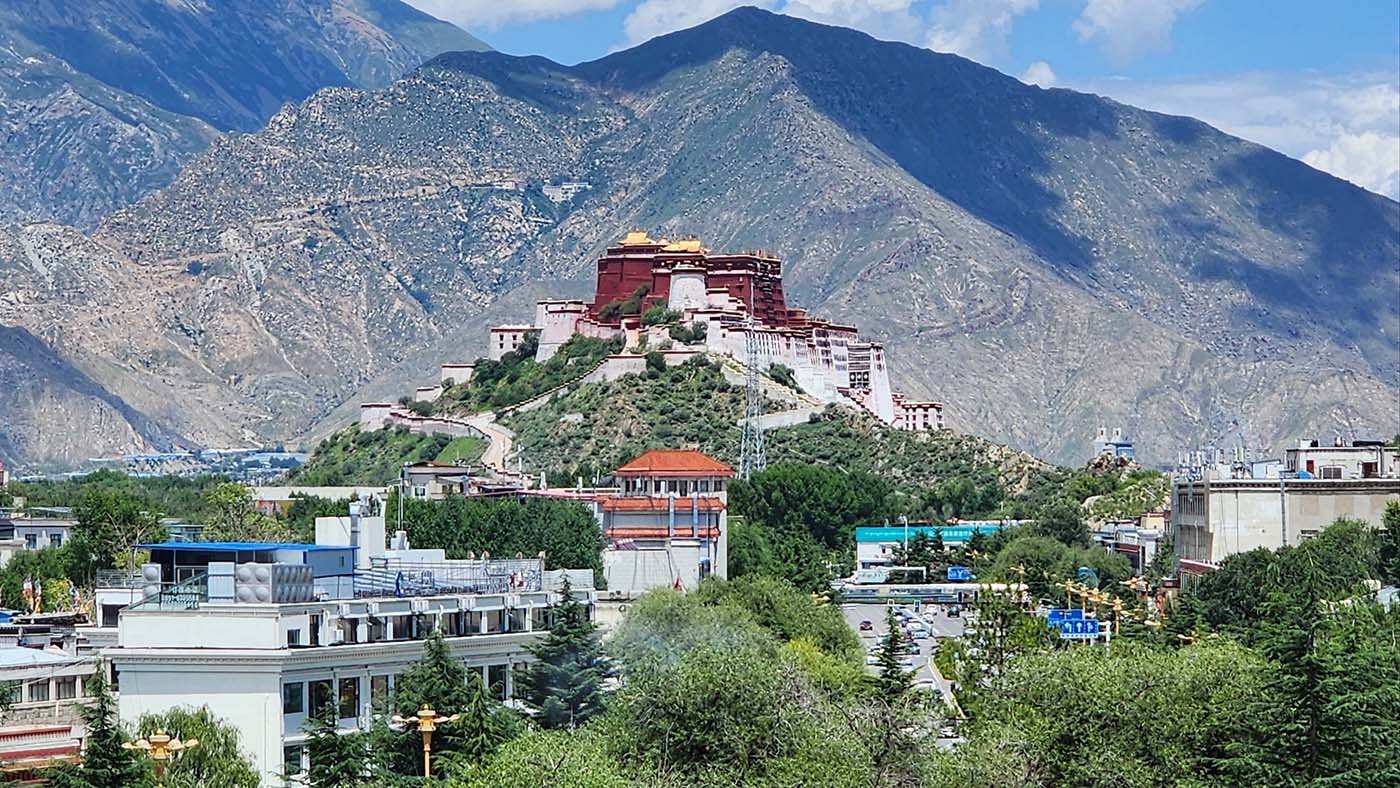
The Potala Palace
Visit the Potala Palace, the iconic winter residence of the Dalai Lama. This UNESCO World Heritage site houses intricate shrines, palaces, and museum exhibits showcasing Tibetan history. Explore its grand halls and spiritual relics while enjoying panoramic views of Lhasa, making it a highlight of any Tibetan cultural tour.
-
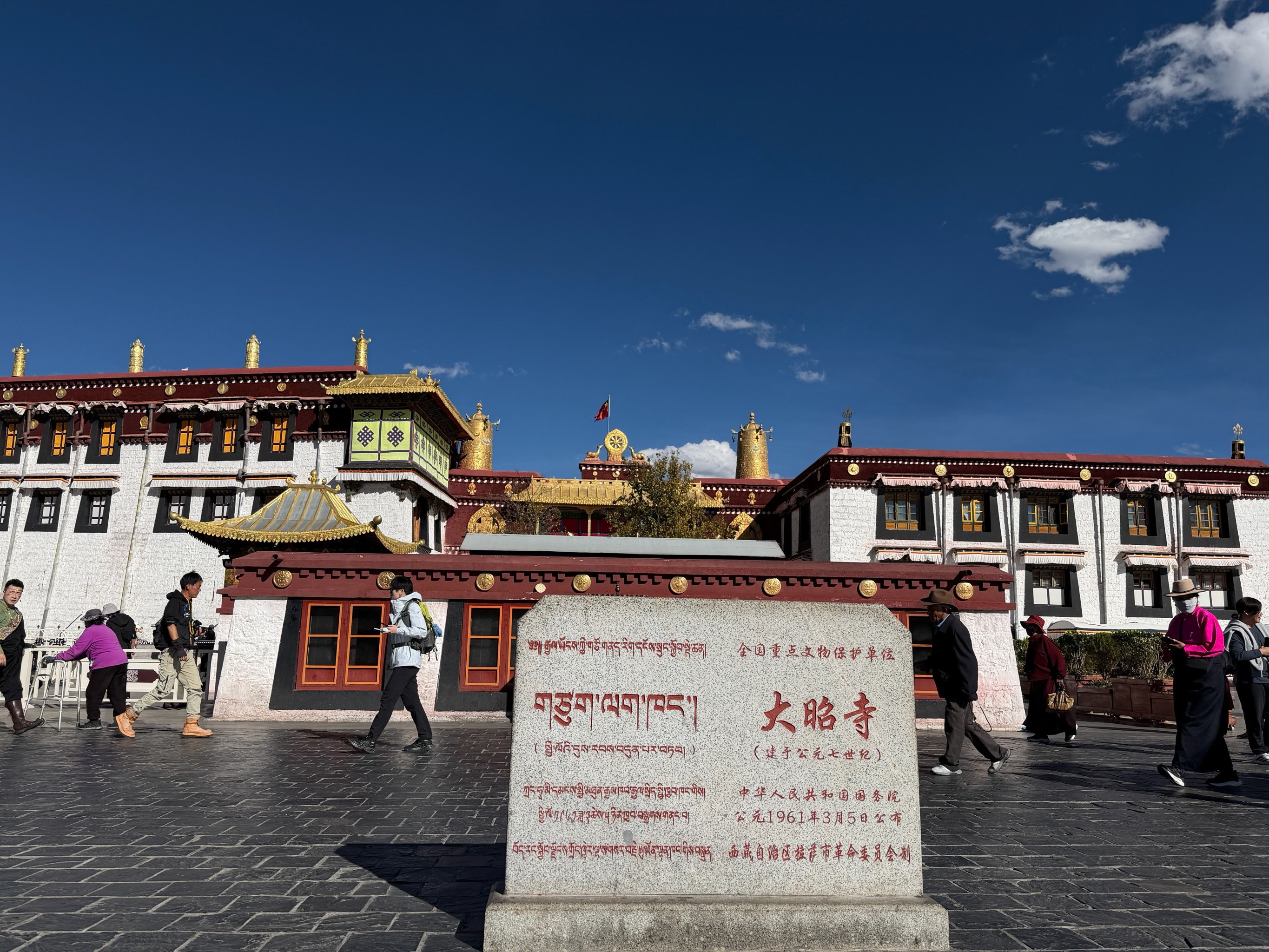
Jokhang Temple
Discover Jokhang Temple, the spiritual heart of Tibet, dating back to the 7th century. This sacred site blends Indian, Chinese, and Nepalese architecture, adorned with vibrant murals and intricate carvings. Located in Lhasa’s Barkhor area, it serves as a pilgrimage center and offers visitors an intimate look at Tibetan Buddhist rituals and history.
-
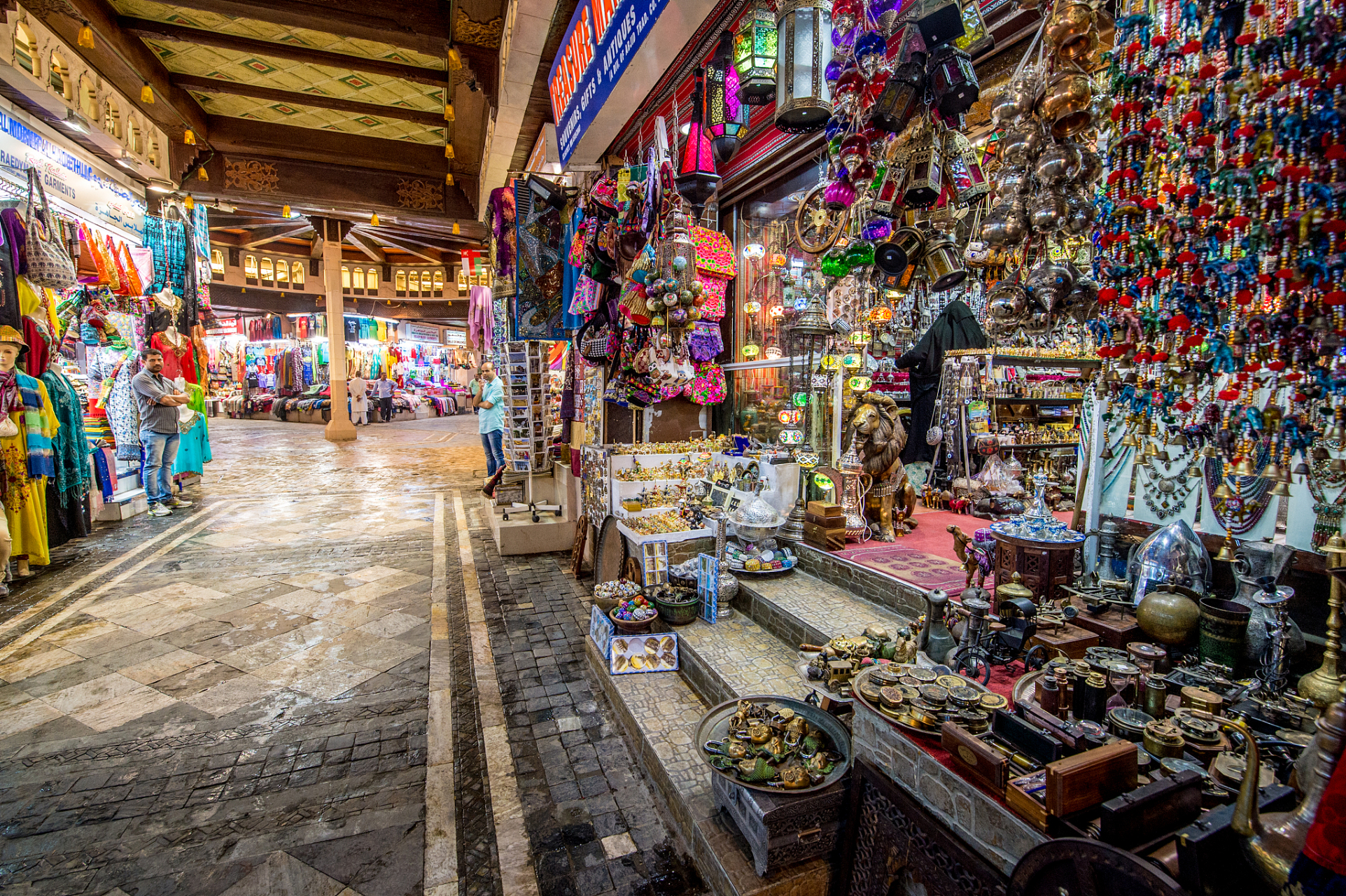
Barkhor Street
Stroll along Barkhor Street surrounding Jokhang Temple, a vibrant market selling handmade crafts, prayer wheels, and souvenirs. This narrow, historic circuit allows travelers to experience local life, observe pilgrims’ devotion, and enjoy a lively cultural atmosphere—ideal for photography and authentic Tibetan experiences.
- Breakfast , Lunch
- Private Van
- Full-day professional English-speaking local guide
-
Norbulingka Park
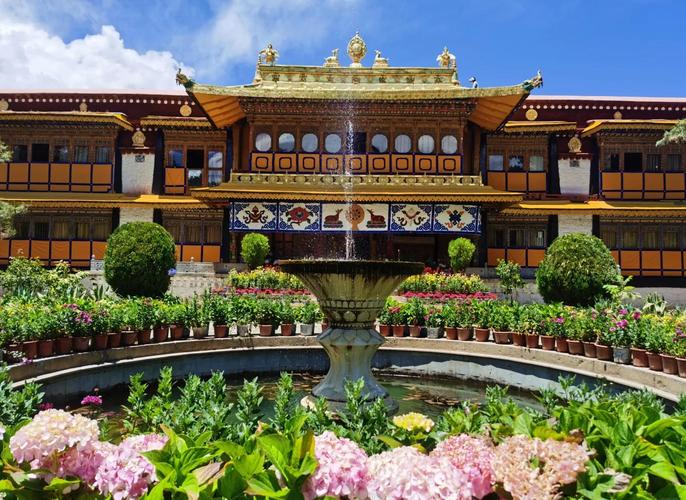
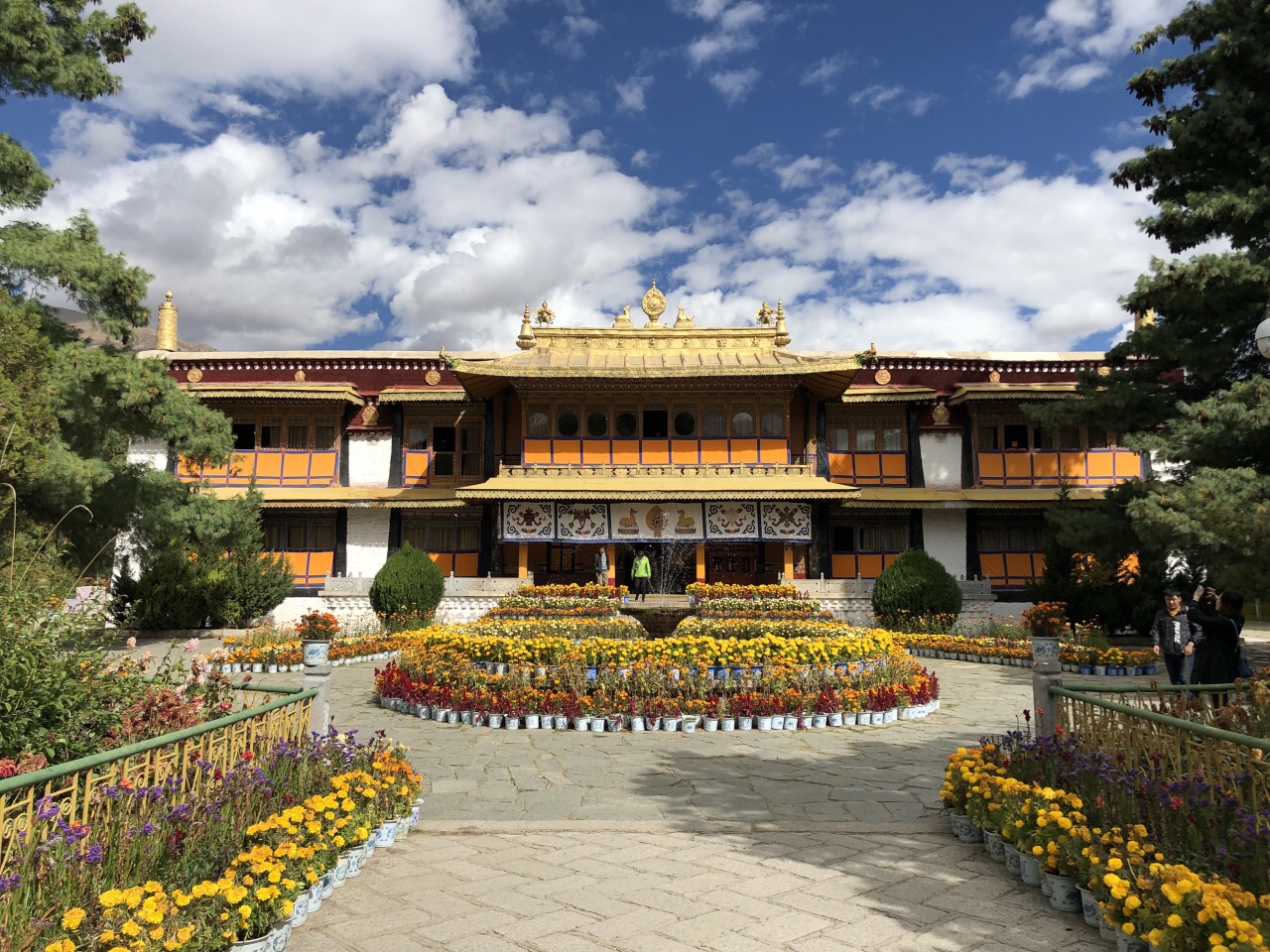
Norbulingka is the third batch of national key cultural relics protection units, located in the western suburbs of Lhasa, Xizang. Founded in the 1840s (during the reign of the Dalai Lama VII), it is a typical Tibetan style garden that has served as a summer retreat and political center for successive Dalai Lamas. After more than 200 years of expansion, the park covers an area of 360000 square meters and has more than 100 species of plants. It not only includes common flowers and trees in Lhasa, but also exotic flowers and grasses from the southern and northern foothills of the Himalayas, as well as precious flowers transplanted from the mainland or imported from abroad. It can be called a plateau botanical garden. The buildings are mainly Gesang Pozhang, Golden Pozhang and Dadeng Mingjiu Pozhang, with 374 rooms. It is the largest, best scenic and most historic garden in Xizang. Norbulingka means treasure garden
-
Drepung Monastery
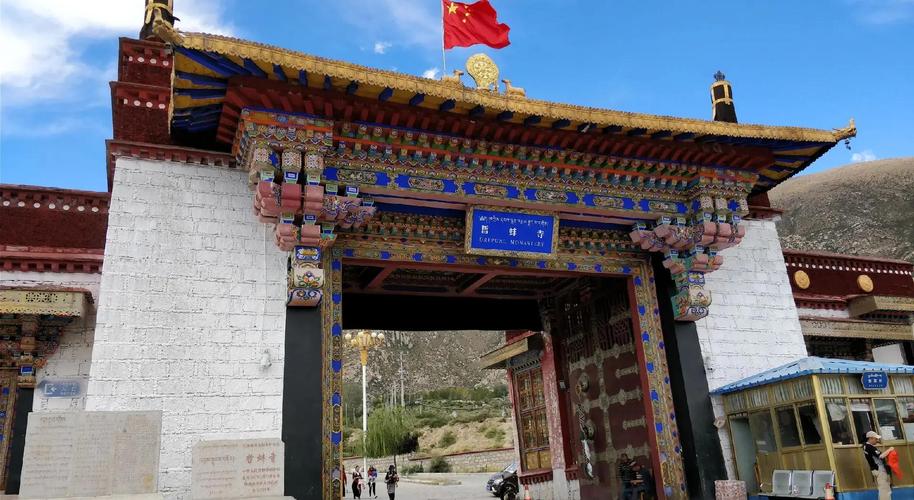
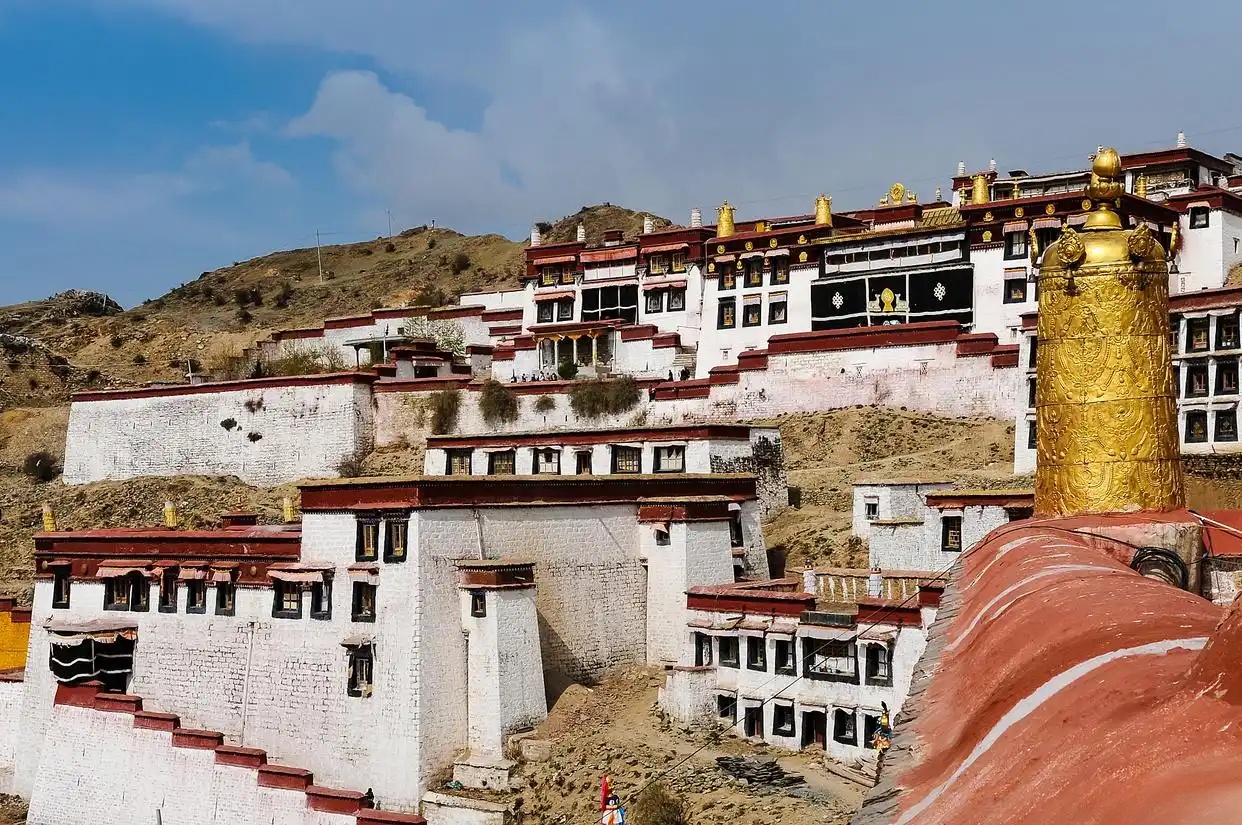
Zhebang Temple is a Gelugpa Tibetan Buddhist temple in China. Together with Ganden Monastery and Sera Monastery, they are known as the three major monasteries in Lhasa. Located at the foot of Mount Genghis Khan in the western suburbs of Lhasa. The entire temple is grand in scale, with rows of white buildings covering the slopes of the mountain. From a distance, it looks like a huge pile of rice, hence the name 'Drepung'. Drepung, meaning "rice gathering" in Tibetan, symbolizes prosperity, and in Tibetan, it means "auspicious accumulation of rice in ten directions, respecting the victorious continent". It is the highest ranking temple in the Gelug sect. It is the largest temple in Tibetan Buddhism.
-
Sera Monastery
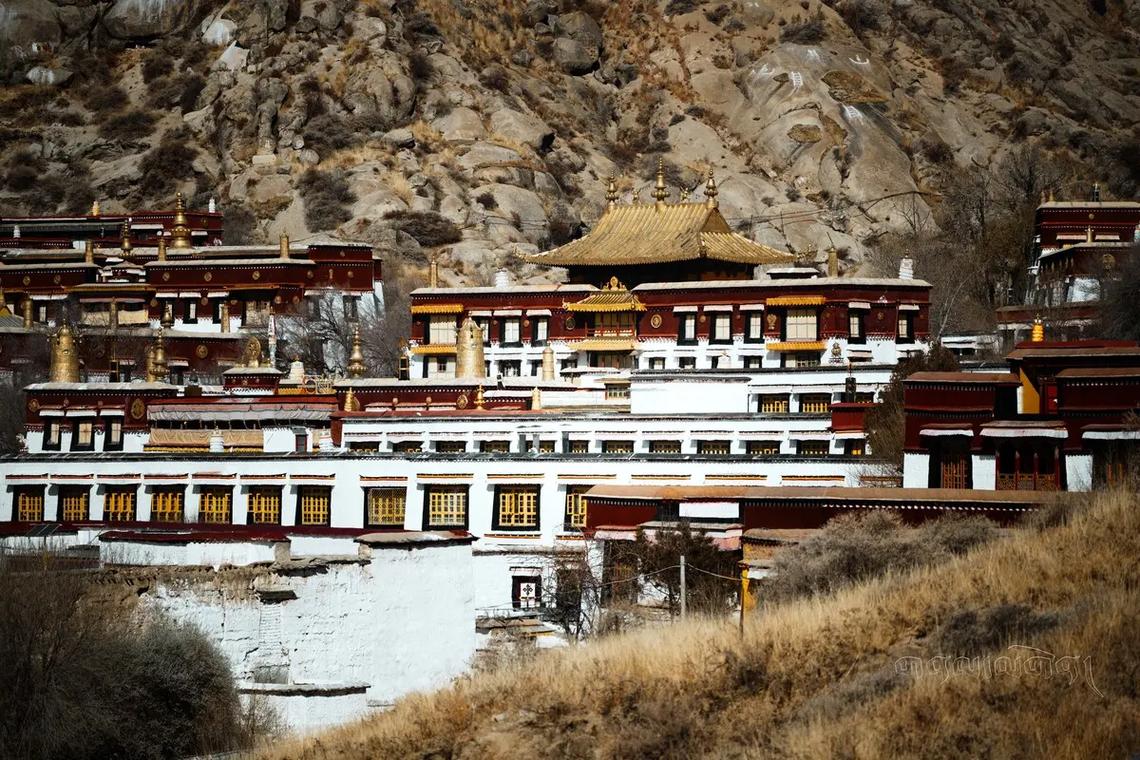
Visit Sera Monastery on Lhasa’s outskirts, home to around 600 monks of the Gelugpa sect. Named for the wild roses covering the hill, it is famous for lively monk debates in the afternoons. Witness Tibetan Buddhist education and community life in an engaging, picturesque setting.
- Breakfast , Lunch
- Private Van
- Full-day professional English-speaking local guide
- Lhasa to Chengdu by Flight (Lhasa to Chengdu)
Recommended activities
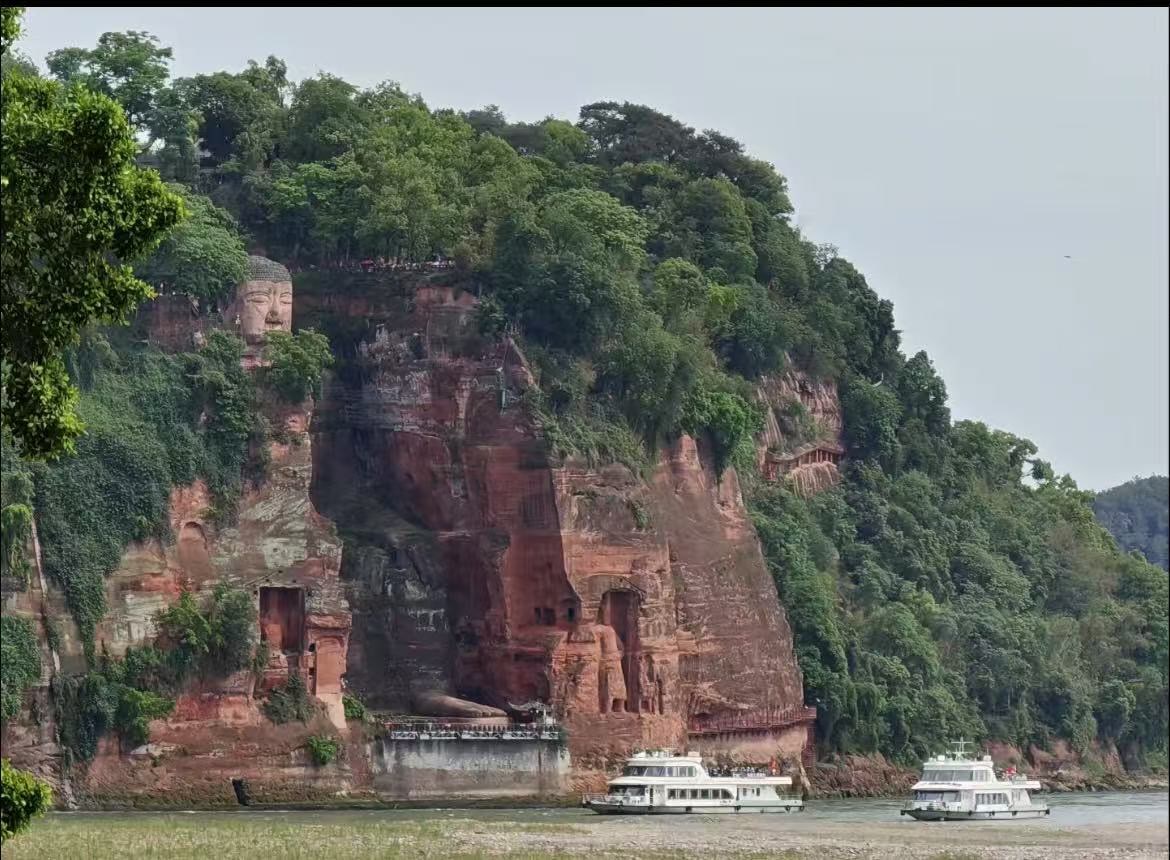
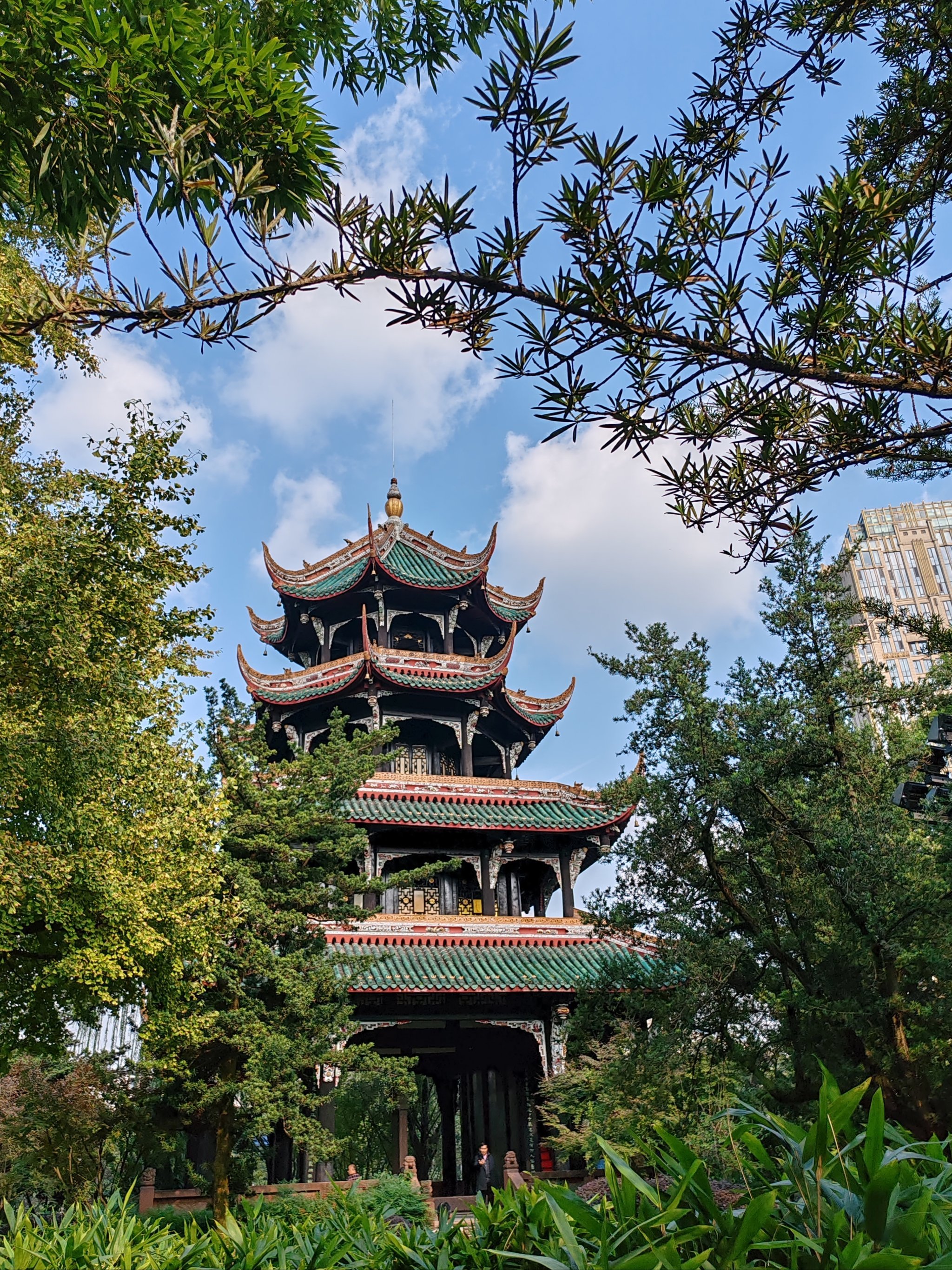
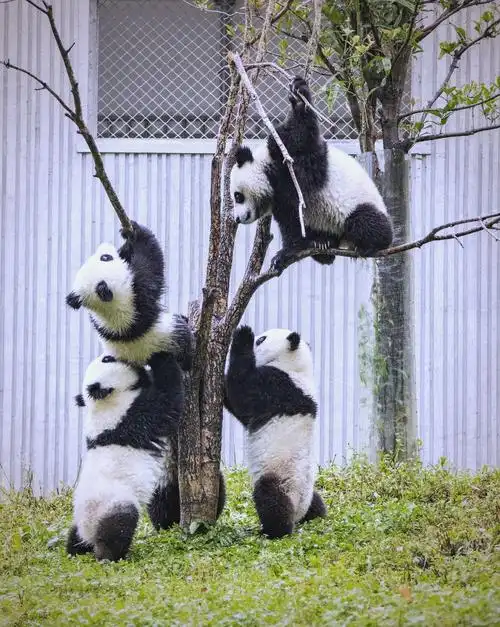
- Breakfast
- Private Van
- Full-day professional English-speaking local guide
-
Chengdu Research Base of Giant Panda Breeding
The Chengdu Research Base of Giant Panda Breeding was established on the basis of raising, treating, and breeding giant pandas at Chengdu Zoo. In 1997, an open laboratory was established. In 2019, the base received over 9 million domestic and foreign tourists. On November 17, 2023, the National Conservation and Research Center for Giant Pandas was established by integrating the resources of the China Giant Panda Conservation and Research Center. The base simulates the wild ecological environment of giant pandas using landscaping techniques. The distribution of giant panda delivery rooms, panda breeding areas, research centers, and panda hospitals is orderly, and several luxurious panda "villas" are scattered in the mountains and forests. The expansion area fully follows and uses the original terrain and landforms, utilizing mountain gullies and streams to form a multi-level landscape belt of mountain valleys; According to the characteristics of the panda theme, the project is divided into multiple regions as a whole. As of the end of 2020, the population of giant pandas reached 215, making it the world's largest captive breeding population of giant pandas. As an ecological demonstration project for the relocation and conservation of giant pandas, it is renowned for protecting and breeding endangered wildlife species unique to China, such as giant pandas and red pandas.

-
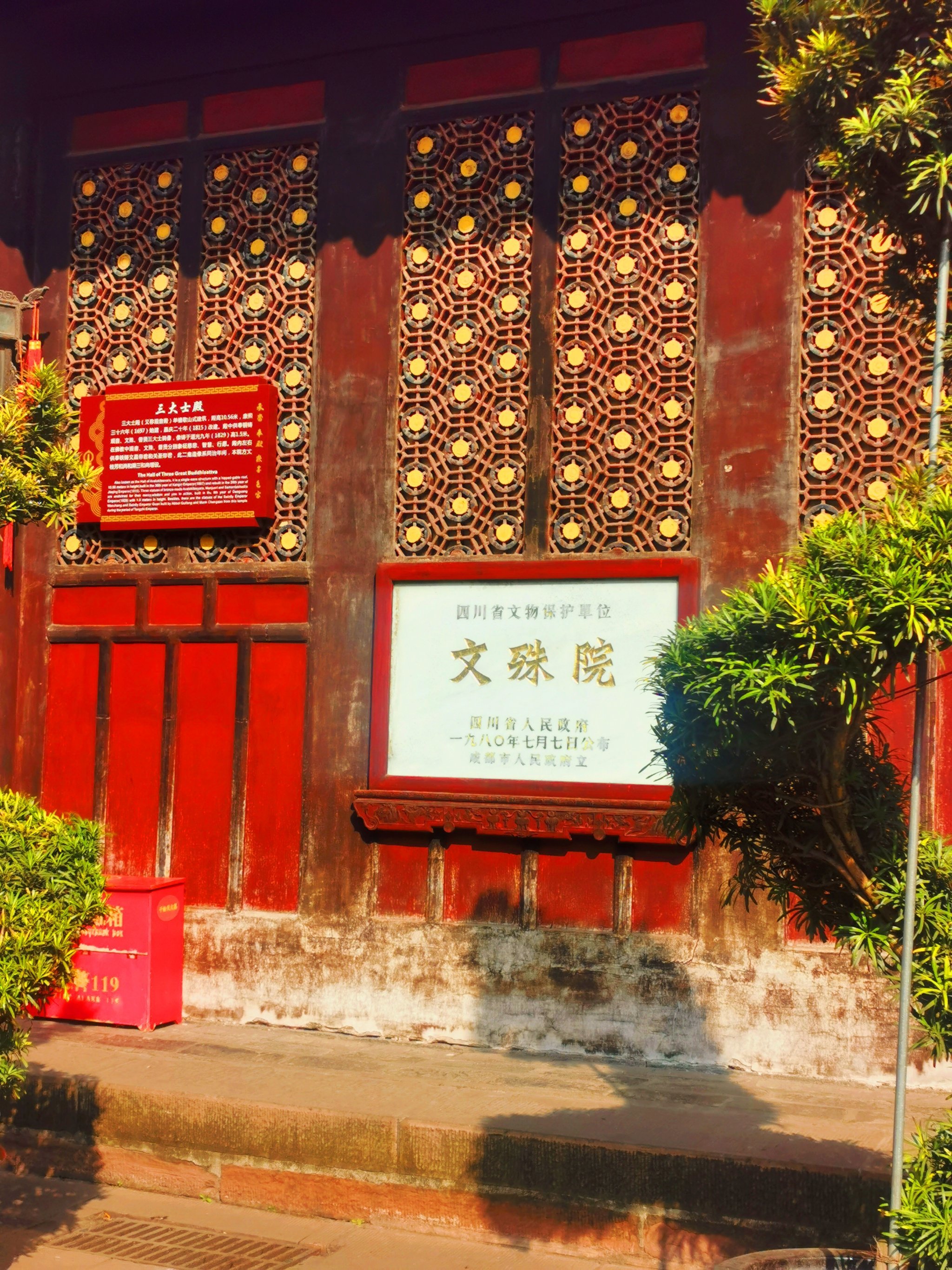
Wenshu Monastery
Explore Wenshu Monastery (Manjushri Monastery), Chengdu’s best-preserved Buddhist temple. Home to the Buddhist Association of Sichuan Province, it offers beautiful halls, gardens, and a peaceful atmosphere. A must-visit for visitors seeking cultural insight and serene spiritual spaces in the city.
-
Jinli Ancient Street
As a part of the Chengdu Wuhou Temple Museum, Jinli is located at 231-1 Wuhou Temple Street, Wuhou District, Chengdu City, Sichuan Province, China. It is situated within the first ring road of the city center, in the middle section of Wuhou Temple Street, adjacent to Jinjiang River to the north and Rainbow Bridge to the east. It is only separated from the famous Wuhou Temple by a wall and borders the western section of the first ring road to the west. Covering an area of over 30000 square meters, with a building area of over 14000 square meters, the street is 550 meters long. The building is based on the style of Sichuan residential houses in the late Qing Dynasty and early Republic of China, and the content is based on the Three Kingdoms culture and traditional Sichuan folk culture. In October 2004, Jinli was officially opened to the public; In January 2009, Jinli Extension opened a store to welcome guests. Jinli Ancient Street, one of Chengdu's cultural landmarks, has been upgraded, and "worshiping Marquis Wu and soaking in Jinli" has become one of the more appealing slogans for Chengdu's tourism.
The main scenic spots in Jinli include: Jinli Ancient Street, Ancient Theater, Jiupin Snack Street, Zhuge Well, the First memorial archway in Xishu, Fushou Lane, Huanglong Pool, Ah Dou Well, Folk Memory Wall, Stone Carving Corridor of Song Dynasty, Liu Xiang Tomb.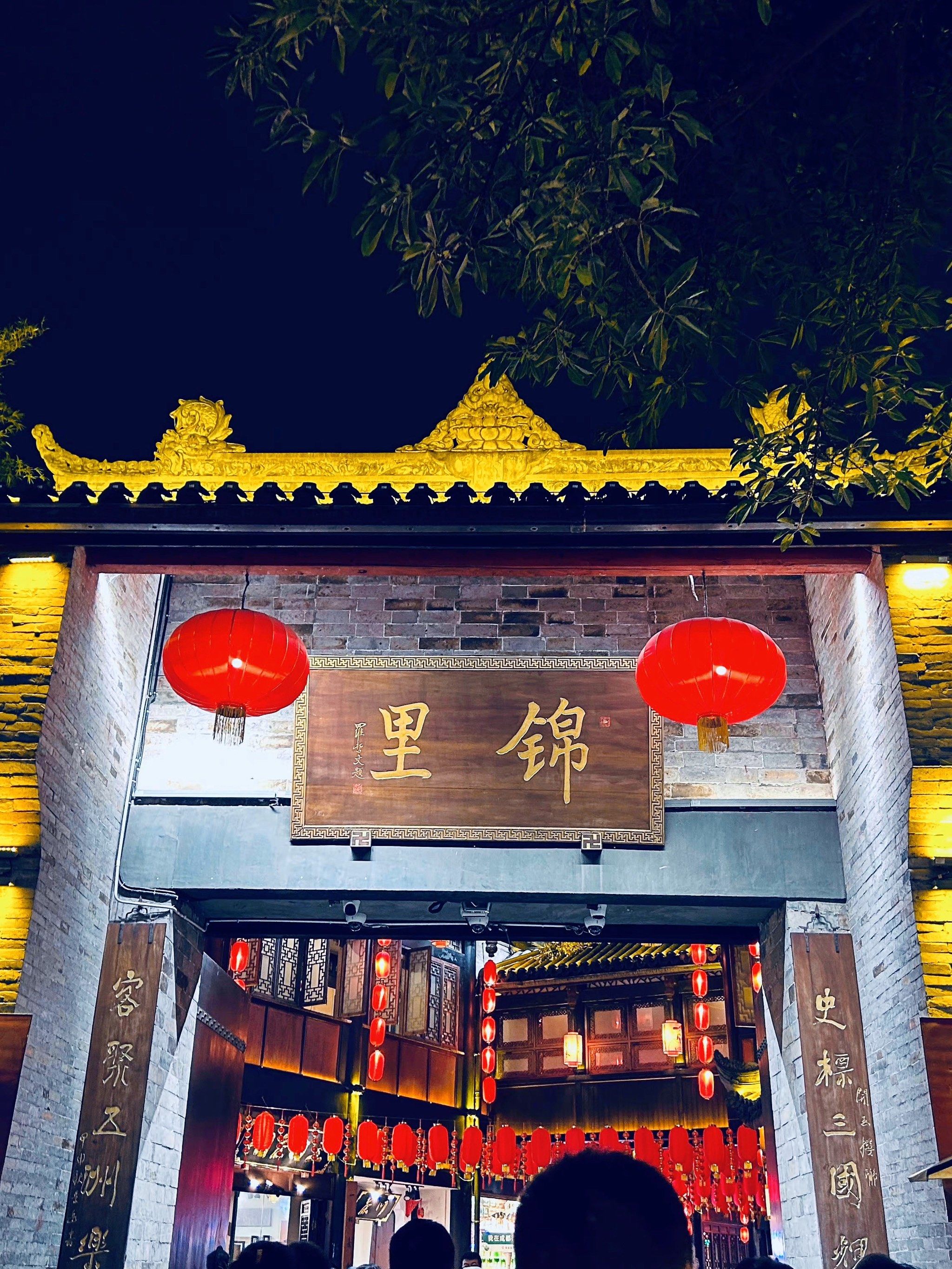
- Breakfast , Lunch
- Private Van
- Full-day professional English-speaking local guide
-
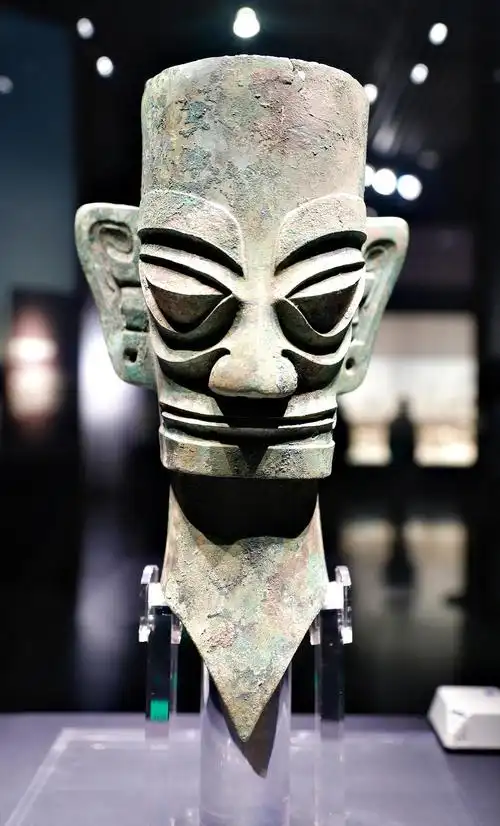
The Chengdu Museum
The Chengdu Museum has a history of 65 years. Since its completion and opening six years ago, the new museum has received nearly 16 million visitors and has three permanent exhibitions: "Hua Zhong Jin Guan Cheng: Chengdu Historical and Cultural Exhibition (Ancient, Modern, Folk Customs)", "Shadow Dance Wanxiang Puppet Show Daqian: China Shadow Puppetry Exhibition", and "People and Nature: Beilin Donation Exhibition". A relatively complete collection series has been formed from the Neolithic Age to the Republican period, including historical relics, shadow puppets, and modern calligraphy and painting masterpieces. As of the end of 2022, the museum has a collection of 218289 pieces/sets, including 1399 precious cultural relics/sets, and an annual total of 1404735 visitors.
- chengdu to shanghai by Flight (Chengdu to Shanghai)
- Breakfast
- Private Van
- Full-day professional English-speaking local guide
-
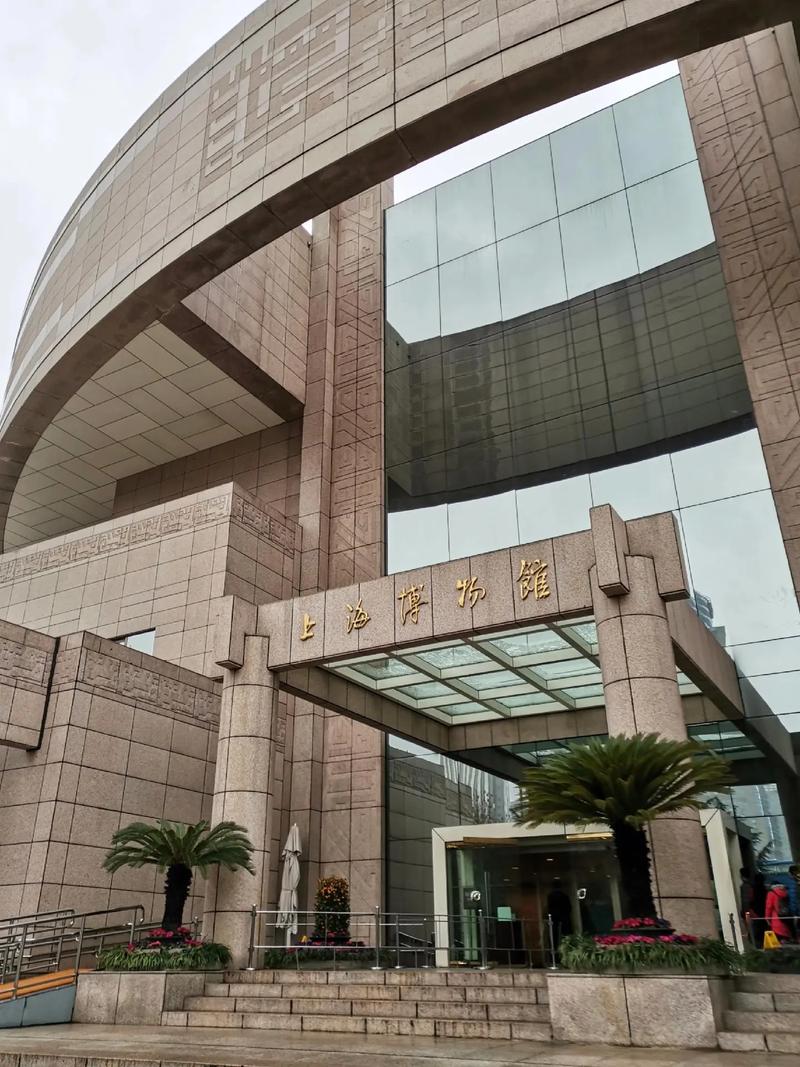
The Shanghai Museum
Explore the Shanghai Museum at People’s Square, home to a vast collection of ancient Chinese art across five floors. Designed to resemble a traditional Ding vessel, it’s an essential cultural stop for visitors seeking history, art, and Shanghai heritage.
-
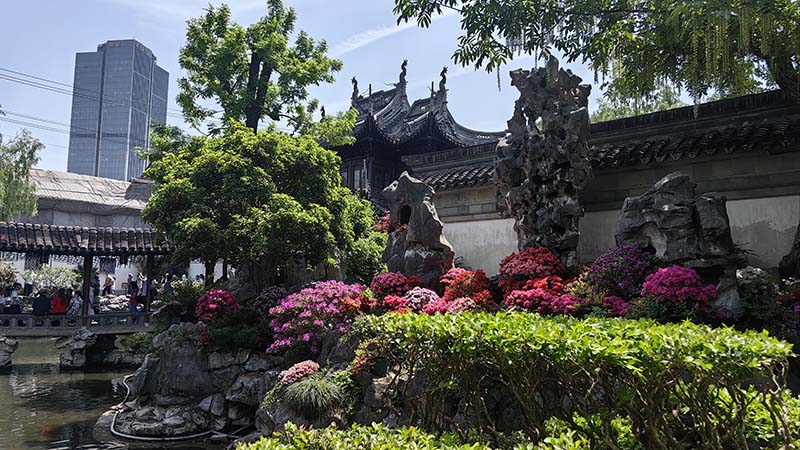
Yu Gardens
Explore Yu Gardens, a classic Ming Dynasty garden built as a retirement gift for Pan Yunduan’s father. Stroll past koi ponds, jade rocks, and ornate pavilions while soaking in traditional Chinese landscaping. A peaceful Shanghai cultural experience perfect for photography and history lovers.
-
French Concession
The Shanghai French Concession was a French concession established in Shanghai from 1849 to 1943, and was the largest of the four French concessions in China in terms of area. Its initial area covered 986 acres, and after multiple expansions, it reached 15000 acres by 1914. The concession is famous for French wutong street trees, Parisian style building planning and independent municipal management system. Jinling East Road, as the first major road in the French concession, has become a commercial center. The building's exterior walls are mostly marked with municipal facilities marked with the words "CMF".
After the establishment of the French Concession in 1849, the Shanghai Anglo American French Land Charter was signed in 1854 to break away from the joint concession system. In 1869, the autonomy was established through the Organizational Charter of the Public Council. During the Battle of Shanghai in 1937, it was not occupied by the Japanese army due to the deterrence of the French navy. In 1943, it was transferred from the Vichy French regime to the Wang puppet government and ended. There are police agencies such as the Marand Police Station located within the concession. The authorities of the French Concession had protected the publication of revolutionary publications and participated in mediating cases related to prominent residences of the Kuomintang. The Provisional Government of South Korea was established in the Shanghai French Concession in 1919 and set up offices in multiple locations within the concession. Among them, No. 4, Lane 306, Madang Road was its longest used and most well preserved office.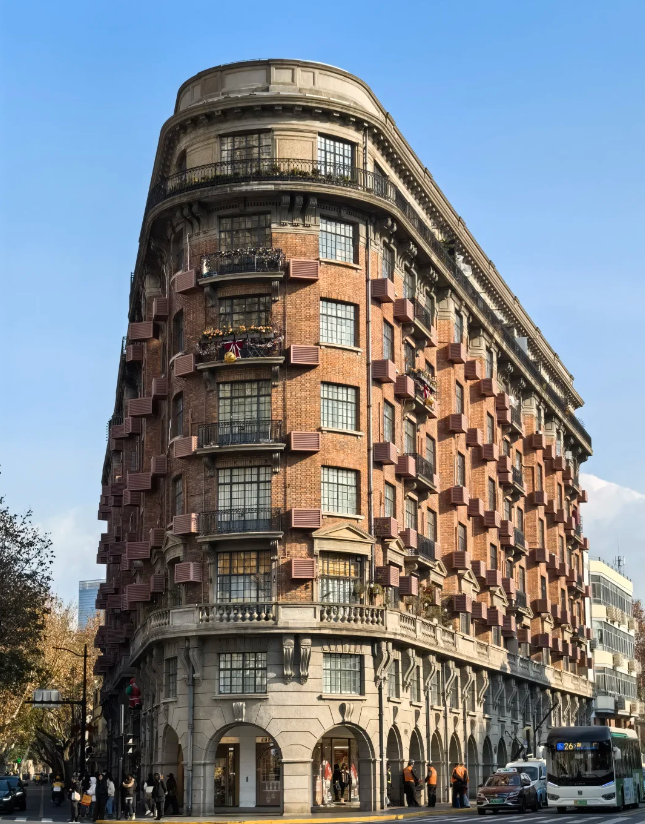
-
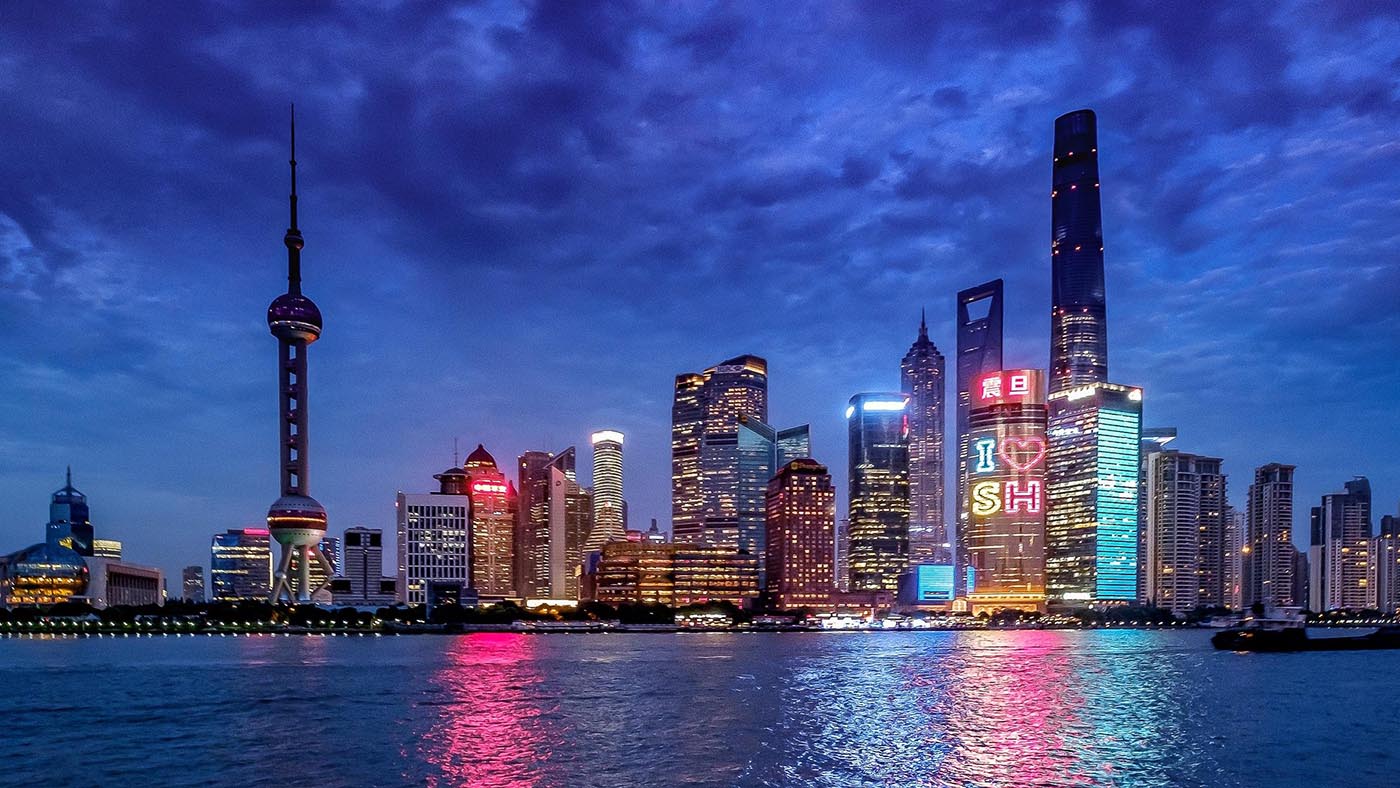
The Bund
Stroll along the Bund to admire Shanghai’s colonial architecture, from 1850s trade houses to glamorous 1920s Art Deco buildings. This waterfront promenade showcases the city’s rich history and cultural heritage, contrasting with the futuristic Pudong skyline—an iconic Shanghai attraction for photography and history lovers.
- Breakfast , Lunch
- Private Van
- Full-day professional English-speaking local guide
- Enjoy a private drop-off from your hotel, with a guide accompanying you and assisting throughout the transfer to your airport/train station
- Breakfast
- Private Van
- Full-day professional English-speaking local guide
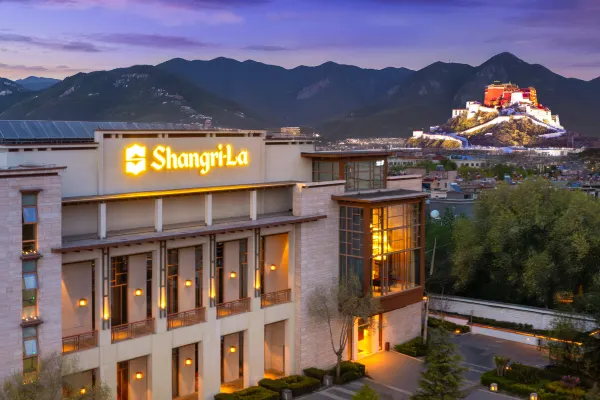
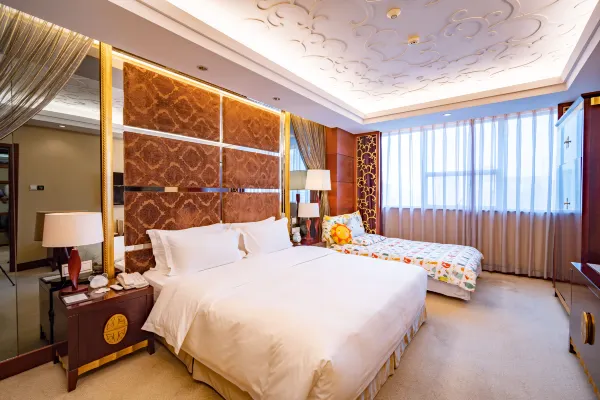
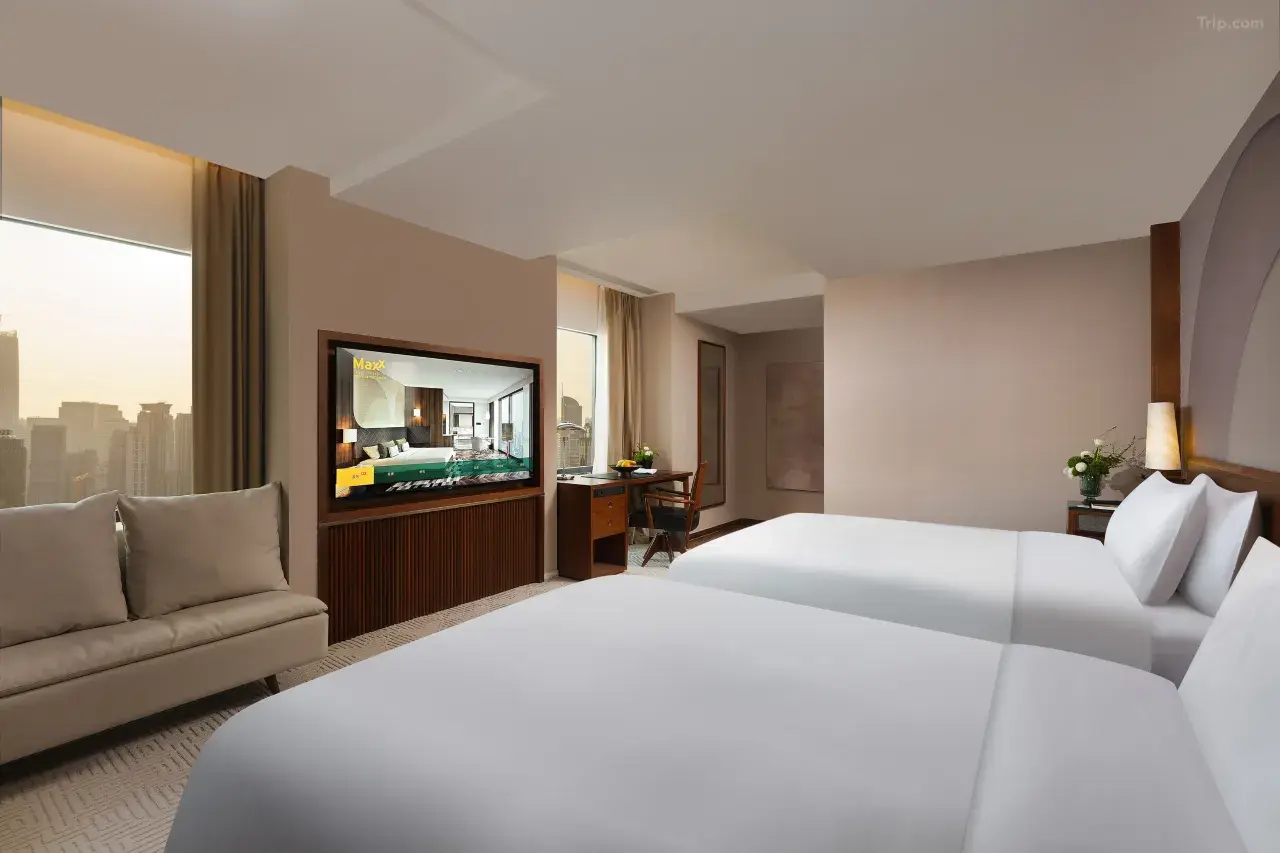
Accommodation
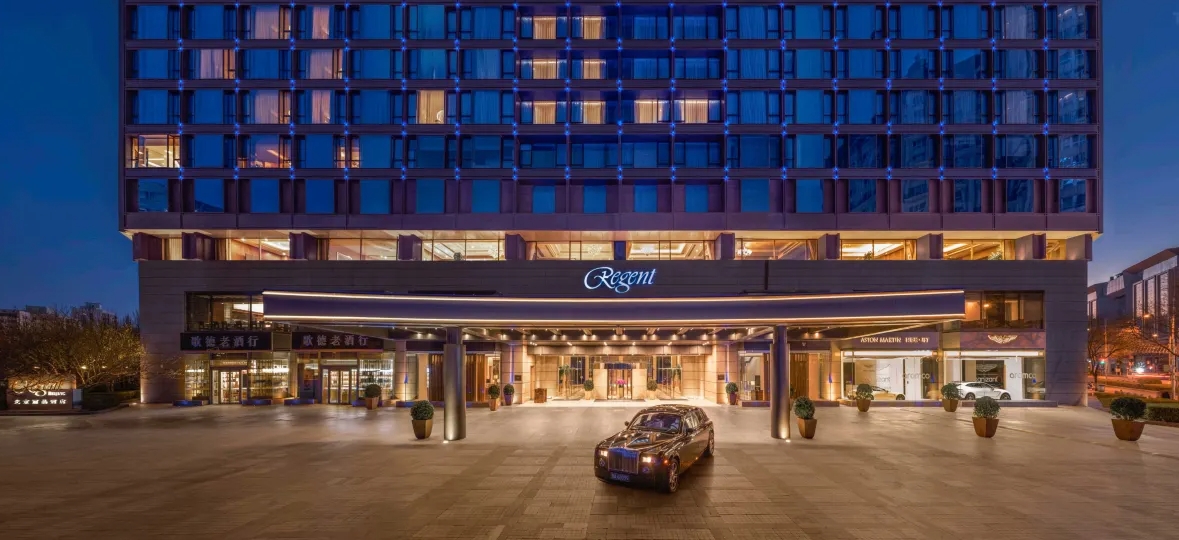
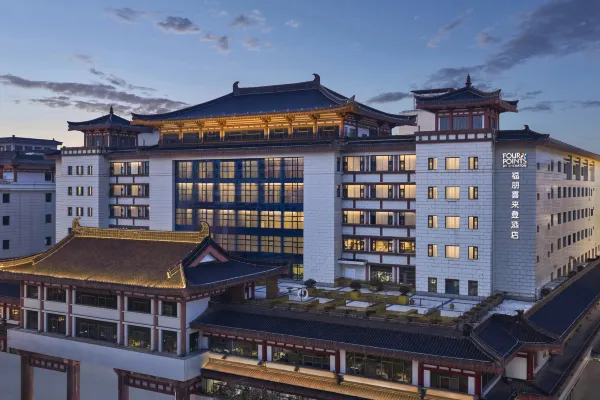
We draw from a wide range of hotels on our holidays, each one is chosen to suit the tour you are travelling on meaning your accommodation can range from a smart business hotel in one city to a family run guesthouse in a smaller town. Here are some examples of the type of hotel you can expect to find on this tour.
Tour Price
From AU$ 5,140 pp
Based on a private tour for 2 people including accommodation, local transportation and guided sightseeing/activities. Price may vary depending on the itinerary, travel date, number of travellers and selected hotel category.
Price Excludes:
- International flights
- The meals not mentioned in the trip plan
- Personal expenses
- Travel insurance, and repatriation insurance
- Optional excursions, activities, and optional tours
- Reservations marked as "reserved by traveler" are reservations that the traveler is responsible for directly.These items are not reserved or supported by Three Bears Travel and are included in the trip plan just for completeness.
- Any charges due at the hotel include local city taxes
Clients Reviews
★
★
★
★
★
We had an absolutely amazing trip!!! Every detail was meticulously planned by Ben. From our great drivers and guides to having the last seat of the bullet train reserved for our extra luggage. I never would have thought of doing that but it was a huge help since we bought a lot of souvenirs! Peter was our guide in Tokyo and Mt Fuji and he took the most beautiful photos of my daughter and I. It was so nice to be in the pictures instead of behind the camera and I am so thankful for those memories.We ate at several local restaurants that were fantastic and we were the only tourists there. I would never have found these places without my guides Peter and Takizawa.Peter and Takizawa went above and beyond my expectations as guides and Ben was so accommodating to my teenage daughters many requests and planned everything out so perfectly. The drivers were always on time and let me know their plate numbers and names on WhatsApp. They always offered to carry our luggage and were very polite. The cars were always clean and they drove safely. I was so happy that I didn't have to drive in that insane traffic!I could never have planned this on my own and I am so happy that I chose Three Bears Travel!

Miriam P.
May 02, 2026
★
★
★
★
★
I worked with Ben for a number of months to personalize a very special trip to Japan. He could not have been more accommodating, and he answered every question in a timely manner. He made wonderful suggestions, and we weren't disappointed anywhere along the line. We had three different guides, Ursula, Sorata, and Pitt - each lovely and knowledgeable. We enjoyed spending our days with them very much. Everything promised was delivered, and even more. Ben even arranged for a birthday cake for me - a delightful surprise. Our time in Japan was filled with wonderful memories, beautiful experiences, and gracious interactions. We can’t wait to come back!
Karen K.
May 02, 2026
★
★
★
★
★
We had such a memorable time in Japan. Ben really understood what my family's interests were and chose fantastic locations and experiences for a first trip to Japan. Our guid in Tokyo, Yoko was very knowledgeable and efficient at zigzagging us all over the city.In Kyoto, Ursula was amazing and was able to sneak in a few extra stops to maximize the sakuras at their peak. She was also helpful in giving us some tips on where to go in Osaka.
Lauren M.
Apr 26, 2026
★
★
★
★
★
THANK YOU for the trip, it was SO well planned, and clearly a LOT of thought went into it. We are so grateful, and we are now big Three Bears Travel fans! We travel a LOT, to all kinds of crazy places! It is unrealistic to travel across the world and expect things to NOT go wrong. What matters, and why we work with travel professionals like you, is to have support and back up when things DO go wrong – THAT is what matters! Three Bears Travel seamlessly fixed an issue on our travels, and they are THE BEST, and you can travel worry-free! Our planner Ben was remarkable - attentive, knowledgeable and friendly, and our guides Roy, H and Piter were exceptional. 10/10, DO recommend! Thank you, team Three Bears Travel, for an amazing experience and incredible 'whatever it takes' service!
John F.
Apr 23, 2026
★
★
★
★
★
My wife and I are celebrating our 10 year anniversary this July and I knew early on that a family of four trip to experience Japan for the first time together would be a once in a lifetime event. I knew well enough that I would not be able to plan and execute such an important trip myself so I feel so grateful that I stumbled upon Three Bears Travel and hit the ground running. Ben was my wonderful trip planner and from the first interaction, he was so extremely helpful and patient with my 1,000s of questions and itinerary changes. I wanted this Japan trip to be something that would be relatively stress free for me and my wife but also contain a variety of activities and experiences that our entire family would enjoy. Working with Ben to plan the entire trip was such a breeze. I felt completely at ease and comfortable with Ben's recommendations and suggestions. Every part of the trip was designed and planned wonderfully. From the meticulous selection of amazing hotels across the spectrum of Japanese styles (ryokan, onsens, apartment-style, mountain resorts) to all the fun hands-on activities for adults and kids alike (sushi-making, samurai museums, sumo shows, etc), this was a trip that none of us will ever forget. And I would be remiss without mentioning our incredible tour guides, Peter and Ursula. Peter was so on task and schedule with us during our Tokyo days and he was so patient and gracious with our children throughout the tours. I can't count how many times he and I would be carrying my napping daughter still in her stroller up and down various train station steps over multiple stations and transfers. He never failed to take care of our every need in this unfamiliar place. We had zero stress with Peter around that allowed us to soak up the joy of the experience 100%. Ursula was our amazing tour guide (and pseudo member of the family) in Kyoto/Osaka. Our family hit it off with Ursula right from the get go and she was always so flexible with our minor changes in scheduling and events as we did our best to adapt to our children's energy levels and attention spans. The extremely hot weather in Japan also put added pressure on everyone but both Ursula and Peter were always ready to lend a hand and make sure we all stayed healthy and happy throughout. This trip was planned as perfectly as I could have imagined and I owe Ben/Peter/Ursula/Kimkim a huge thank you on behalf of my entire family. The next time we want to take another adventurous trip, I would not hesitate for one second to work with Three Bears Travel again. I also highly recommend to anyone who wants to plan a milestone trip like ours without the hassle and stress. Thank you again Three Bears Travel team! Until we meet again!
Eric, Wanee, Easton, and Esther
Mar 10, 2026
★
★
★
★
★
Everything went off just as planned, and we were all pleased. Our guides were all great and went out of their way to see that we saw more, especially when they found out that we were not interested in the more highly crowded places. They patiently answered our questions and saw to our needs. Ben, our specialist, could not have been more attentive to our frequent questions and concerns. He was able to change events based on our interests even as the date of our departure approached. The only thing I would have changed is deleted some of the more crowd-impacted locales such as Nikko and put in more off the beaten path trips like our monastery stay in Minobu and the marvelous animated Festival Float museum in Takayama that our guide added in when he picked up on our interest. We learned and enjoyed much more in the less crowded venues, but this is Japan where it is truly hard to avoid the hoards of tourists. Overall, it was a wonderful trip. This is the second time Ben has helped us with a trip, and I will certainly turn to him again for any future trips.
Susan
Mar 05, 2026
★
★
★
★
★
Both of our guides were good. One we were with shortly and was a more focused day of getting to many places. He did a good job of coming up with some additional day of options and a great lunch rec. Young we had for 4 days and we really liked her. She was a bit soft spoken /quiet but very nice and knowledgeable and we found if we asked lots of questions we got lots of history and current info about not only the places she took us but also modern Japan life. Really enhanced our trip to learn about the history, shrines and temples. Getting around by train /bus was great for us and she had to work harder than if we had driver to navigate public transport for sure. Hotels were all nice. It was great. The only note is to warn guides we will want lots of restaurant recs (as where we’ll be is not always areas they’ve eaten. We had good luck using tablelog and AI ) and the food at the Hakone onsen was not very good. But we went out for great meals nearby.
Debbie J.
Mar 01, 2026
★
★
★
★
★
We just returned from our anniversary trip to Japan, and I can say with complete confidence that booking through Three Bears Travel was one of the best travel decisions we’ve ever made. In fact, this is our third trip using Three Bears Travel. From the very first planning email to the final farewell in Osaka, the entire experience was seamless, personal, and unforgettable.Ben, our travel specialist, was phenomenal. He helped us build the perfect itinerary—listening to everything we wanted, adding thoughtful suggestions, and tweaking the schedule along the way to fit our style. Thanks to him, our trip struck the perfect balance of culture, food, adventure, relaxation, and those “wow” moments we’ll be talking about for years.And then there were our guides: Peter and Ursula.These two were an absolute gift to our journey.Peter, our Tokyo & Hakone guide, made navigating Japan’s transportation system feel effortless. He taught us subway skills worthy of a Mario Bros. level-up, showed us how to experience Shibuya Crossing like locals, and gave us incredible historical context at temples and shrines. He even congratulated me on my sumo match at the lunch show (yes… I stepped into the ring and no, my training was not focused enough 😂).Ursula, our guide through Kyoto, Nara, and Osaka, was equally fantastic. From sake tastings in Fushimi to zen moments at the Golden Pavilion, she blended humor, storytelling, and deep cultural knowledge in a way that made every day feel like traveling with a friend. She helped us navigate the language barrier, made sure we didn’t get lost on trains, and offered endless tips to help us blend in better than we probably deserved. Both guides were great to pack in as much adventure each day while still leaving us with free time to roam and explore on our own.Every single day was packed with memorable highlights, many of which Three Bears Travel helped coordinate:✨ Sushi-making with a 4th-generation master (we are now “certified” Nigiri makers and have enough footage for a full-length documentary).✨ A tea ceremony and learning to whisk our own matcha at a university.✨ Visiting a capybara at a café—one of Emily’s bucket list items.✨ Riding the bullet train to Kyoto with snacks in hand and Mt. Fuji peeking through the clouds.✨ Walking through Arashiyama’s bamboo forest and a rickshaw ride through its historic streets.✨ A full cultural immersion day in Fushimi Inari, weaving through the famous vermilion torii gates.✨ A relaxing soak and stay in Hakone with incredible views of Mt. Fuji.✨ Exploring Osaka Castle and ending our trip at the Umeda Sky Building with panoramic nighttime views.And beyond the excursions, the guides helped us handle everything—from ordering meals to using the Suica card. They answered every question, solved every hiccup, and made us feel completely supported the entire way.Three Bears Traveldidn’t just plan a trip—they helped create a collection of memories that feel like a chapter from our own personal, globe-trotting storybook.If you’re considering a trip to Japan—especially if it’s a special occasion—book with Three Bears Travel. Ask for Ben, and if you’re lucky, you’ll get Peter and Ursula too. They helped make our anniversary adventure everything we dreamed of…and then some.Arigatou gozaimasu, Three Bears Travelteam.We’re already thinking about following the green light to our next chapter.—Ray & Emily
Ray & Emily
Feb 22, 2026
★
★
★
★
★
We wanted a customised trip instead of a standard tour group, and Three Bears Travel delivered exactly that. Norman took the time to understand what we liked and built an itinerary around food, shopping, and local experiences. It felt personal and flexible, not like a cookie cutter package.
Tom Harris
Feb 01, 2026
★
★
★
★
★
A huge thank you to Louise and Three Bear Travel for crafting such a fantastic Japan itinerary! Every moment was well thought out - whether it was the serene temples of Kyoto, the bustling streets of Tokyo, or the delicious food tours. The guides were knowledgeable, and the accommodations were excellent. We couldn’t have asked for a better travel experience!
Emily Carter
Feb 01, 2026
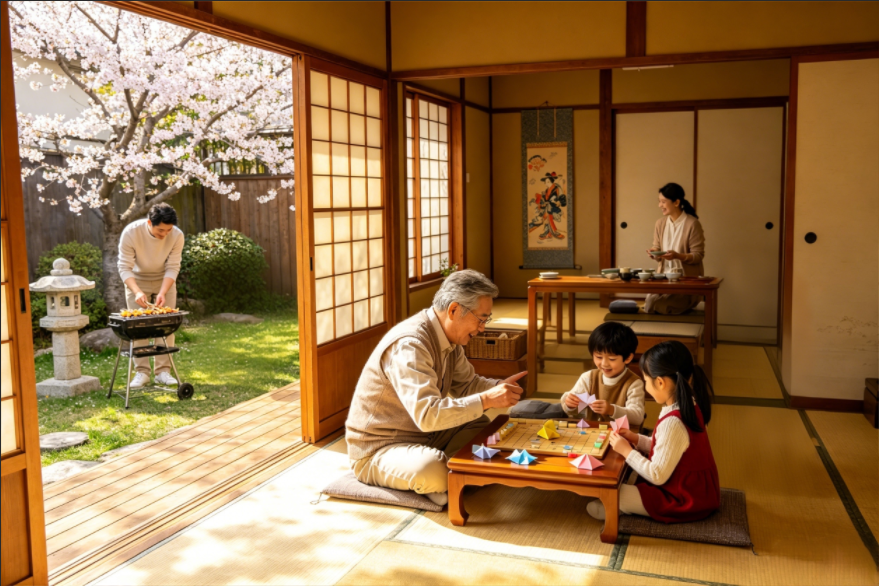
Travel Inspiration for Your Journey
Handpicked stories, guides and insights to help you shape your personalised trip. More...
Related Recommends

Enquire Now