Japan makes souvenir shopping feel like a game: you can pop into a convenience store for a snack, duck into a station shop while changing trains, then end up in a basement food hall tasting something you’ve never heard of. The best part is you don’t need a big budget (or extra luggage) to bring home things that feel genuinely “Japan”.
If you’re trying to avoid the usual magnets and keychains, here are ten fun, affordable picks that travel well and still get a reaction when you hand them over back in Australia or New Zealand.
A quick price guide for Aussie and Kiwi travellers
Exchange rates move around, so treat the numbers as a rough guide.
|
Japanese Yen (JPY) |
Approx. AUD |
Approx. NZD |
|
¥100 |
$0.95 |
$1.15 |
|
¥300 |
$2.85 |
$3.45 |
|
¥500 |
$4.70 |
$5.75 |
|
¥1,000 |
$9.40 |
$11.50 |
|
¥2,500 |
$23.50 |
$28.75 |
(Guide only, based on about 1 JPY ≈ 0.0094 AUD and 0.0116 NZD.)
What actually makes a souvenir worth buying?
A souvenir doesn’t have to be expensive to feel special. In Japan, some of the best gifts are everyday items done extremely well, or small cultural pieces you just don’t see at home.
A good “carry-on friendly” buy tends to be:
· Small and light
· Easy to buy in multiples
· Connected to daily life or local culture
· Hard to find outside Japan
· Fun to give, not awkward to receive
Ten quirky, cheap things to buy in Japan (that aren’t keychains)
These are all easy to find, usually under ¥2,500, and practical enough that they won’t end up forgotten in a drawer.
1. Regional Kit Kats Japan’s Kit Kat range is on another level: matcha, sakura, roasted tea, yuzu, sweet potato, and region-only varieties tied to specific cities. They’re “edible proof” you went somewhere, and they pack flat. Price: about ¥300 to ¥800 per bag/box. Where to buy: convenience stores, airport shops, station kiosks, supermarkets.
2. Gachapon capsule toys Those capsule toy machines are everywhere, and the toys are often hilariously specific: tiny ramen bowls, miniature train signs, oddly realistic sea creatures, cats dressed as sushi. They’re cheap, light, and genuinely Japanese in a way that’s hard to replicate overseas. Price: about ¥200 to ¥500 each. Where to buy: Akihabara, major stations, shopping centres, arcades, and dedicated gachapon stores.
3. Japanese stationery you’ll want to use Pens that write like a dream, notebooks with paper that makes your handwriting look better, sticky notes shaped like animals, stamps, washi tape, slim pencil cases. Stationery is a safe gift when you don’t know someone’s taste, and it’s easy to pack into gaps in your suitcase. Price: about ¥100 to ¥600 per item. Where to buy: Loft, Tokyu Hands, Muji, stationery chains, and 100-yen shops.
4. Maneki-neko (lucky cats) with personality The classic waving cat comes in far more styles than the shiny gold version: minimalist ceramics, tiny desk-sized cats, modern colours, cheeky faces, local designs tied to an area. They’re a sweet “good luck” gift for a new home, business, or exam season. Price: about ¥500 to ¥1,500. Where to buy: souvenir shops, craft stores, temple/shrine areas, department stores.
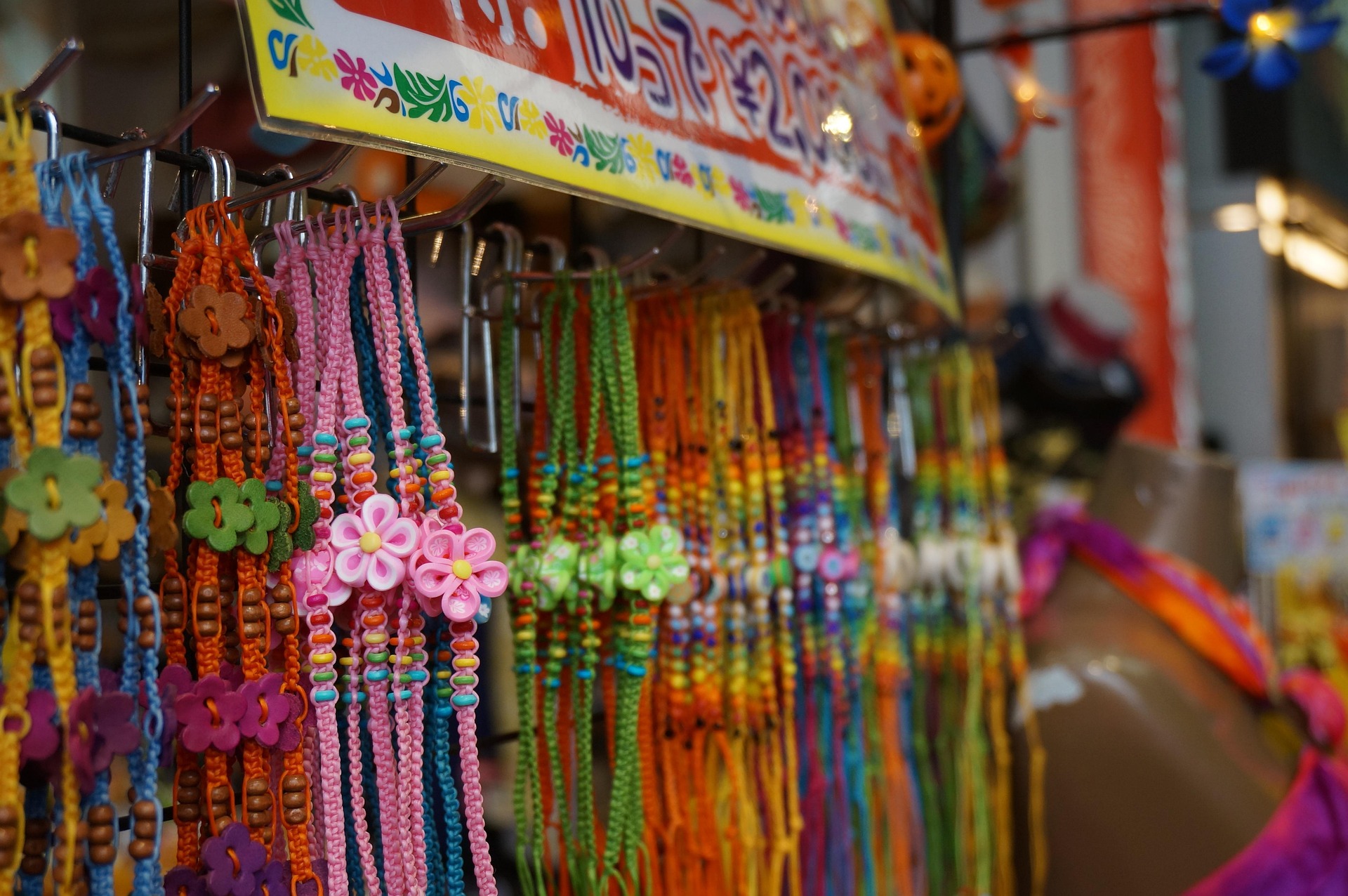
5. Quirky socks and character basics Socks are surprisingly good value in Japan, and you’ll find patterns you’ll actually wear: Mount Fuji, onigiri, cats, subtle traditional motifs, pop-culture designs. They’re easy to size, light, and you can buy a few without thinking too hard. Price: about ¥300 to ¥1,200. Where to buy: markets, tourist streets, variety stores, fashion chains, stations.
6. Snack aisle oddities (sweet, savoury, and confusing in a good way) Japan’s snack selection is basically a tasting tour: corn potage chips, soy sauce rice crackers, ume (plum) candy, black sesame treats, matcha biscuits, seasonal flavours that appear for a month then vanish. They’re great for sharing at work or with family because they disappear quickly and don’t create clutter. Price: about ¥200 to ¥900. Where to buy: convenience stores, supermarkets, department store food halls.
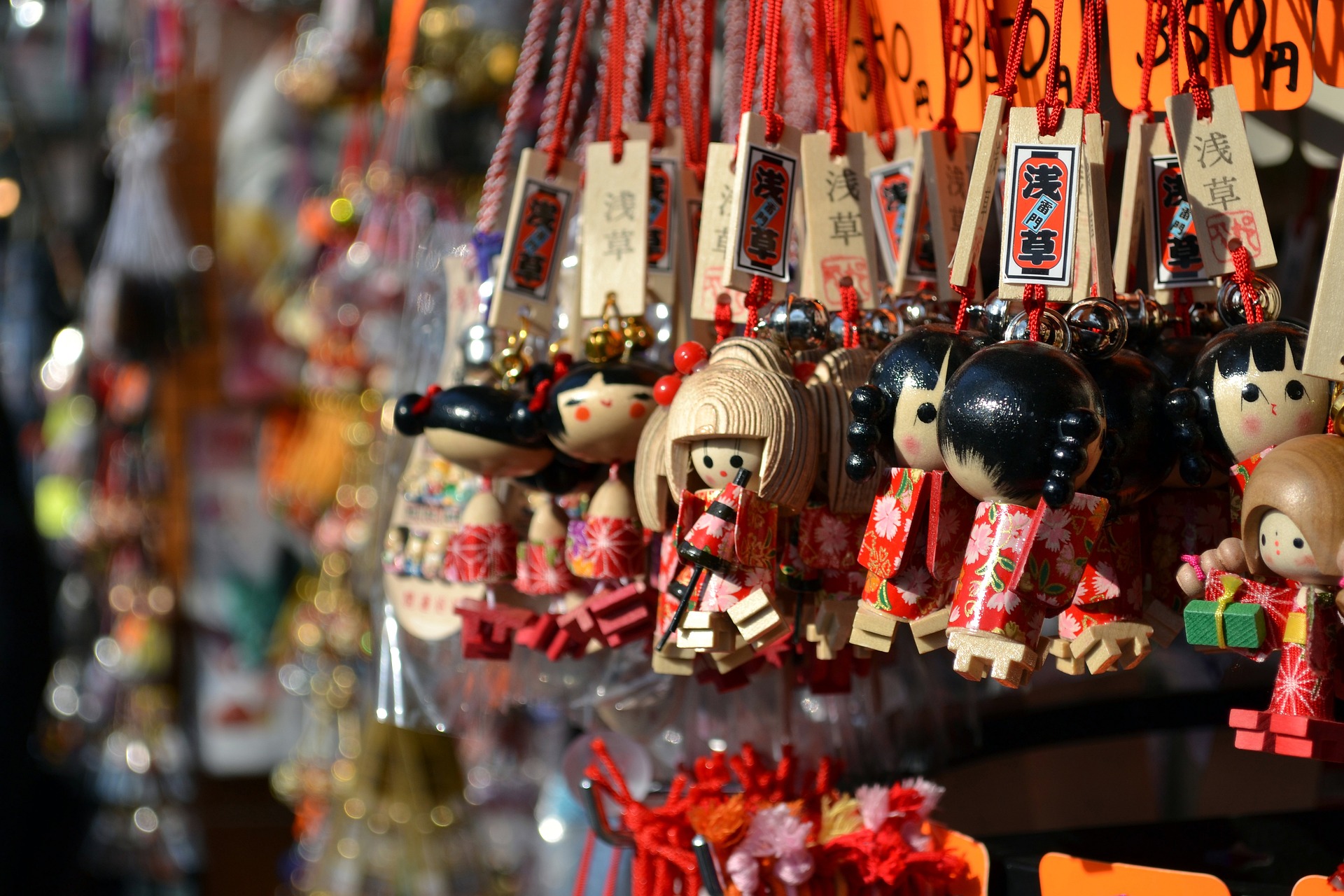
7. Omamori (temple and shrine charms) Omamori are small fabric amulets sold at shrines and temples, each linked to a wish: safe travel, health, success, relationships, study, childbirth. They feel meaningful without being heavy or fragile. A simple tip: you usually don’t open them, and if you buy one for yourself and later want to return it, many shrines accept old charms for respectful disposal. Price: about ¥300 to ¥1,000. Where to buy: shrines and temples across Japan.
8. Mini sake bottles or a small sake cup (ochoko) You don’t need to bring home a big bottle. Look for small-format sake, decorative bottles, or a single ceramic cup with regional artwork. They’re a classy gift for someone who likes Japanese food, and the cup is often the part people keep long-term. Price: about ¥800 to ¥2,500. Where to buy: department stores, specialty liquor shops, souvenir shops, some station shops. Quick note: check Australia and NZ duty-free rules and pack liquids carefully.
9. Tenugui (thin cotton hand towels) A tenugui is a traditional cloth that can be used as a hand towel, headscarf, wrap, picnic cloth, or even wall art. They dry quickly, fold small, and the designs can be seasonal (cherry blossoms, autumn leaves) or region-themed. Price: about ¥500 to ¥1,500. Where to buy: craft stores, souvenir shops, department store craft sections, some museums.
10. Retro postcards and sticker sheets Museum shops, stationery stores, and artsy neighbourhoods often have brilliant postcard designs: vintage travel posters, stylised landscapes, playful illustrations, local mascots. Sticker sheets are a low-cost add-on gift that still feels thoughtful. Price: about ¥100 to ¥400. Where to buy: stationery shops, museum stores, bookshops, some convenience stores.
Where to find cheap souvenirs without falling into tourist traps
The best-value places are often the most ordinary. When you shop where locals shop, prices are clearer and quality is usually better than the “tour bus strip”.
A simple hit list:
· 100-yen shops: Daiso, Seria, Can Do
· Convenience stores: snacks, seasonal sweets, small gifts
· Department store basements: food halls with boxed sweets and regional treats
· Stations and airports: last-minute gifts, regional specialities, packaged items
· Loft, Tokyu Hands, Muji: stationery and practical gifts
Packing and gifting tips (so it survives the flight)
A great souvenir is one that arrives in the same condition you bought it in. Japan makes packaging easy, but your suitcase still takes a beating.
A few practical habits help:
· Keep a “souvenir zone” in your bag: one side for gifts, one side for clothes, so snacks don’t get crushed by shoes.
· Buy later for fragile items: if you’re moving cities often, leave ceramics and glass to the final days.
· Use your laundry as padding: socks and T-shirts make perfect cushioning around boxes.
· Check food rules: most sealed, commercially packaged snacks are fine, but meat products and fresh items can be an issue at the border.
· Bring a spare tote: many shops charge for bags, and you’ll want an easy carry for day shopping.

Matching the souvenir to the person
If you’re buying for a mix of people, it helps to think in “types” rather than trying to find one perfect thing for everyone.
A quick way to choose:
· For food lovers: regional Kit Kats, local biscuits, unusual crisps
· For office mates: postcards, sticker sheets, novelty stationery
· For kids (or adults who love surprises): gachapon toys
· For someone sentimental: omamori charms
· For practical giftees: tenugui, socks, pens
Building shopping time into your itinerary (without losing travel time)
Souvenir shopping is more fun when it’s not rushed. The trick is to weave it into moments you already have: station changes, rainy afternoons, the last hour before dinner.
If you’re travelling as a couple or pair, a private plan can make this easier. When timings, neighbourhood choices, and transport are set up properly, you can fit in a food hall stop, a proper stationery store, and a shrine visit without zig-zagging across the city. Travel designers who know Japan well can also steer you towards regional specialties that match where you’re actually going, so you’re not buying “Tokyo” gifts in a Kyoto shop.
If you’d like, tell me the cities on your route and how much suitcase space you’re willing to spare, and I can suggest the best souvenir picks by region and where they’re easiest to buy.