

Minimum Guests
2 Person
Activate Day
7 Nights/ 8 Days1. World-Class Cultural Heritage
2. Stunning Natural Wonders
3. Historic Frontier Legacy
4. Premium & Seamless Experience
Tour Timeline
If you need to increase or reduce the number of travellers, please contact us for customised arrangements.
- Enjoy a private pickup from your arrival point directly to your hotel with a professional driver.
- Enjoy your bullet train from Xi'an to Tianshui. (Xi'an to Tianshui)
-
Tianshui Ancient City
Tianshui Ancient City, also known as Tianshui Xiguan Ancient City, is located in the Xiguan area of Qinzhou District, Tianshui City. The first phase of the project covers the Chengyuan Lane, Ziyou Road, and Sanxin Lane areas north of Jiefang Road, with a total area of 270,000 square meters and a building area of 169,600 square meters. The second phase of the project covers the Yusheng Lane, Zhongyi Lane, and Zizhi Lane areas south of Jiefang Road, with a total area of 295,200 square meters and a building area of 174,100 square meters.
Tianshui Ancient City is a large and well-preserved residential courtyard complex from the Ming and Qing dynasties in the northwest region, with numerous architectural remains from the Ming, Qing, and Republic of China periods within the area.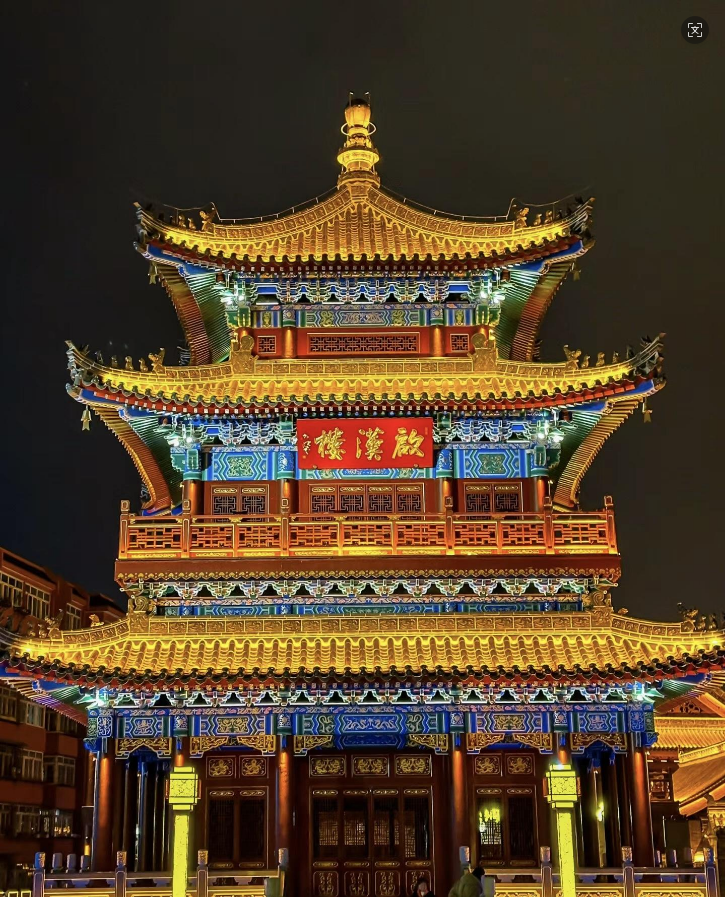
-
Maiji Mountain Grottoes
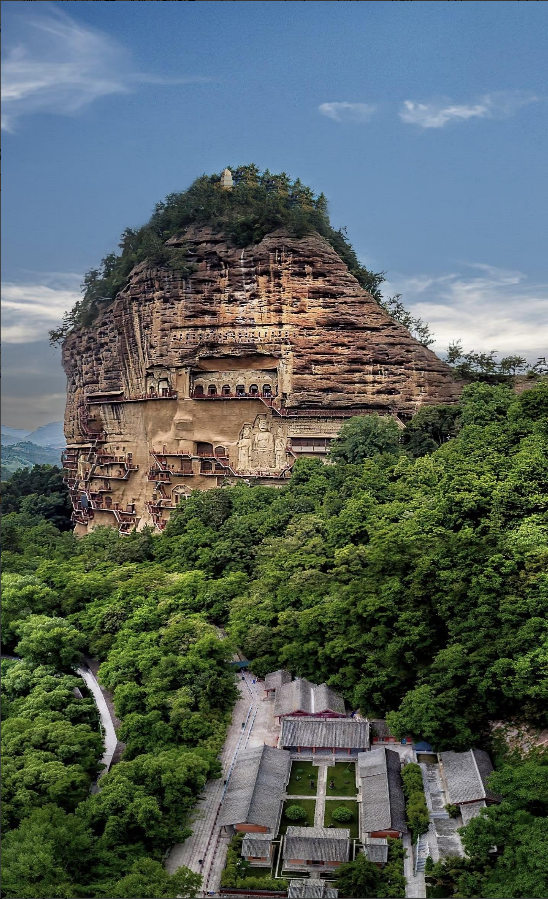
The Maiji Mountain Grottoes were initially constructed during the Later Qin Dynasty of the Sixteen Kingdoms period. After undergoing excavation and renovation over more than 1,600 years, spanning more than ten dynasties including the Northern Wei, Western Wei, Northern Zhou, Sui, Tang, Five Dynasties, Song, Yuan, Ming, and Qing, there are currently 221 existing grottoes and niches, with 3,938 statues of 10,632 figures of various types, and murals covering an area of 979.54 square meters. The statues preserved in the Maiji Mountain Grottoes are primarily clay sculptures, retaining a wealth of material on religion, art, architecture, and other aspects. They embody the characteristics of statues from various eras over more than a thousand years, reflecting the development and evolution of Chinese clay sculpture art, enriching the history of ancient Chinese culture, and providing rich materials and historical facts for future generations to study Chinese Buddhist culture. It is renowned as the "Oriental Sculpture Exhibition Hall".
- None
- Private Van
- English-speaking guide for sightseeing
- After breakfast, board the bullet train to Lanzhou, the capital of Gansu and a true “Yellow River city.” (Tianshui to Lanzhou)
-
Yellow River Mother Sculpture
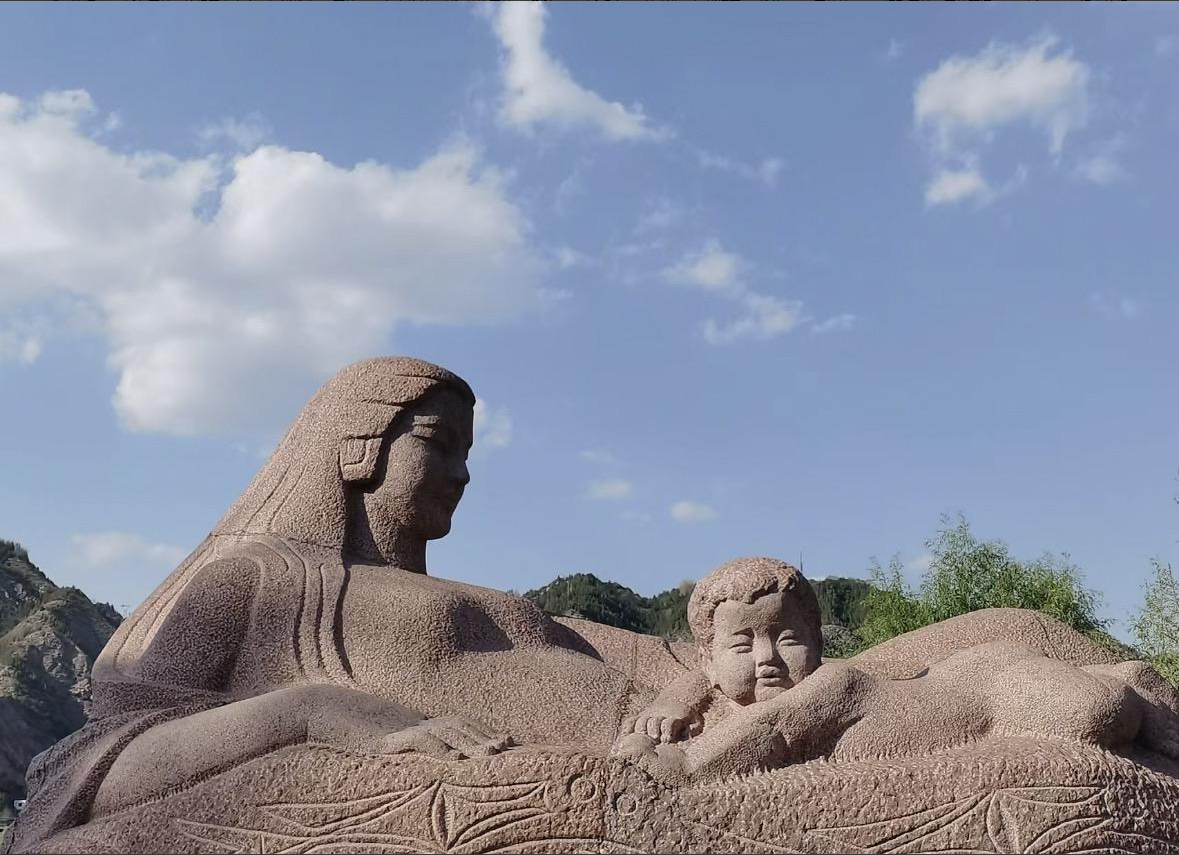
The material chosen for the Yellow River Mother sculpture is ordinary granite, which can better represent the color of the Yellow River and the skin tone of the Chinese people. At the same time, the rough texture of granite seems to tell the story of the vicissitudes and tremendous changes that the Chinese nation has experienced over thousands of years. The composition is concise and the meaning is profound, symbolizing the Yellow River Mother who nurtures the Chinese nation with her endless vitality and perseverance, as well as the happy and thriving Chinese descendants. The base of the Yellow River Mother statue is engraved with water ripples and fish patterns, which originate from the primitive patterns of ancient painted pottery in Gansu Province, reflecting the long history and culture of Gansu. With its unique aesthetic value and ideological connotation, it has become a landmark attraction in Lanzhou City
-
The Lanzhou Yellow River Iron BridgeThe Lanzhou Yellow River Iron Bridge, also known as Zhongshan Bridge, is located in the middle section of Binhe Road under Baita Mountain in Lanzhou City, Gansu Province. It was built through a cooperation model involving design by an American bridge company, construction by German Tailing Foreign Company, and implementation by Chinese craftsmen. On May 9, 1908, the construction of the Lanzhou Yellow River Iron Bridge officially began. On August 19, 1909, the bridge was completed and opened to traffic. In the 17th year of the Republic of China (1928), it was renamed "Zhongshan Bridge" in honor of Mr. Sun Yat-sen.
The Lanzhou Yellow River Iron Bridge is 233.5 meters long and 8.36 meters wide. It has four piers and five spans, with each span spanning 45.9 meters. The upper structure is a trapezoidal through steel truss, and each span is composed of a statically indeterminate structure forming a truss system, which is divided into five rectangles by vertical steel frames
The Lanzhou Yellow River Iron Bridge is the first bridge in the entire northwest region of China's modern history to be constructed with foreign technology. This unique construction background and era make the Lanzhou Yellow River Iron Bridge a key to studying modern history and occupy a unique position in China's architectural history. As a transportation structural engineering project, the Lanzhou Yellow River Iron Bridge embodies the styles, schools, and characteristics of the architectural art development history during the Westernization Movement period in China's modern history. At the same time, the transportation process of materials required for bridge construction also created a miracle in modern transportation history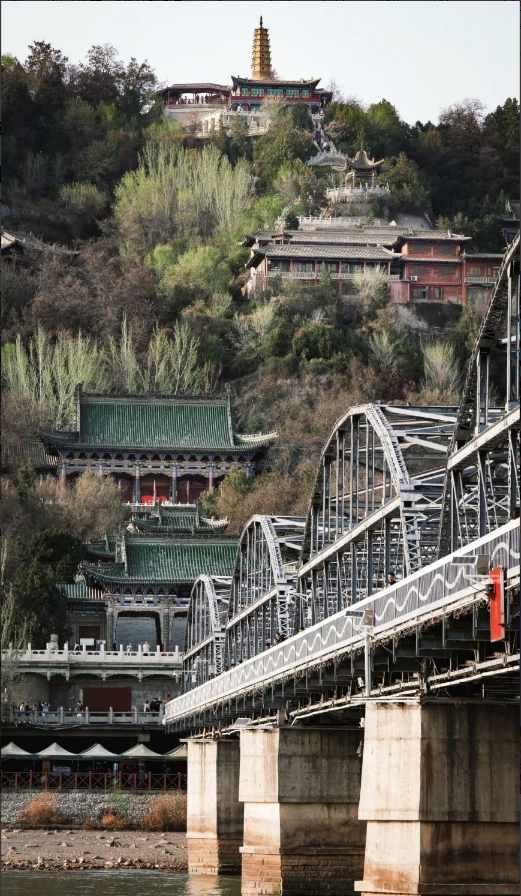
-
The Yellow River Waterwheel
The Yellow River Waterwheel, a wooden tool located in the Yellow River Bend (approximately 6 to 7 kilometers from Shapotou), utilizes water flow power to lift water for irrigation. The existing waterwheels are mainly used as landscapes. The main body of the waterwheel consists of an axle, spokes, a scraper, and a water bucket, with a diameter of up to 17-20 meters. It lifts river water to a wooden trough for irrigation of farmland by driving the runner with water flow. The Lanzhou Waterwheel Expo Park showcases six restored giant waterwheels, among which the Xiachuan Waterwheel was built in 1711 and was listed as a provincial-level cultural relic in 2003
During the Jiajing period of the Ming Dynasty (1556), Duan Xu, a native of Lanzhou, drew inspiration from the southern tube-wheel technology to create the first waterwheel. During the heyday of the Qing Dynasty, there were over 300 such waterwheels distributed along the Yellow River basin. A single waterwheel could irrigate 200-300 acres of farmland day and night, but they were gradually abandoned after the widespread adoption of electric irrigation in the 1950s. Most of the existing waterwheels are restored and rebuilt, such as the Longwan waterwheel restored in 1999, which retains its ancient design. In 2006, the craftsmanship of making the large waterwheel along the Yellow River in Lanzhou was selected as a national-level intangible cultural heritage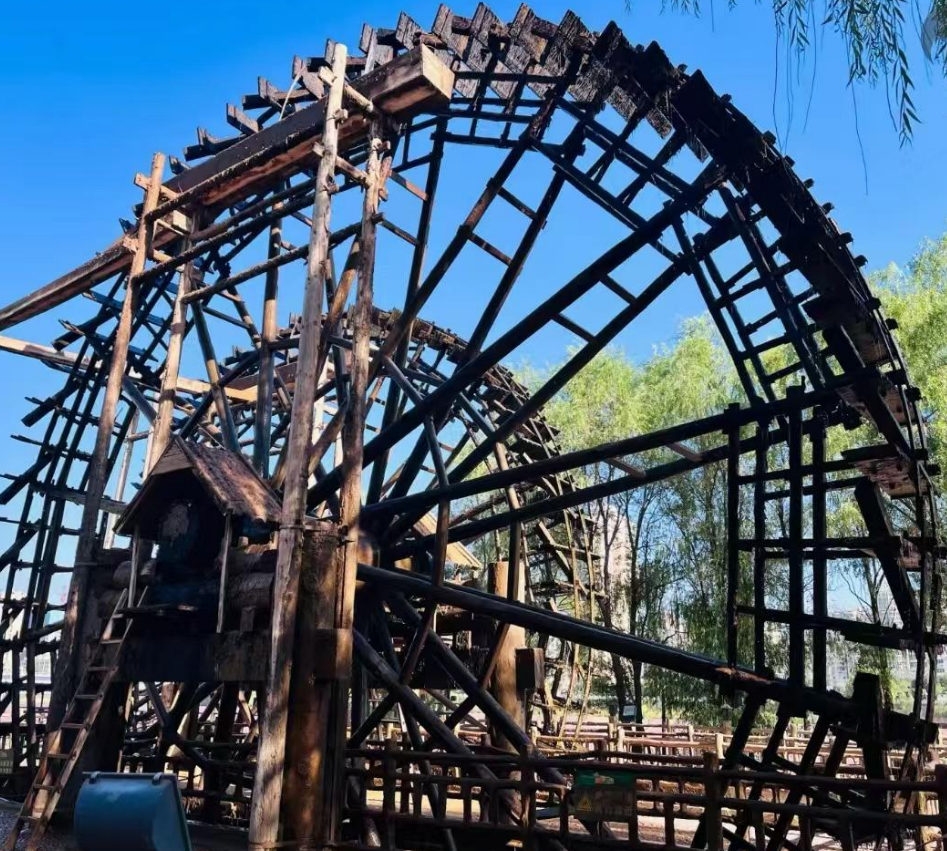
- Breakfast , Lunch
- Private Van
- Full-day English-speaking local guide
- Lanzhou to Zhangye (long-distance drive) Departing from Lanzhou for 5 hours, follow the famous Hexi Corridor all the way west, passing through Wuwei to Zhangye. (Lanzhou to Zhangye)
-
The Hexi Corridor
AI大模型翻译
The Hexi Corridor, abbreviated as "Hexi", is located in the western region of China, specifically in the northwest of Gansu Province, situated between the Yellow River to the west and the Qilian Mountains and the Badain Jaran Desert to the east. It is a narrow strip extending from northwest to southeast. It is named Hexi Corridor because it is located to the west of the Yellow River and shaped like a corridor. It stretches about 1,000 kilometers from east to west and varies in width from nearly 200 kilometers at its widest point to just a few kilometers at its narrowest. It mainly encompasses the cities of Wuwei, Jinchang, Zhangye, Jiuquan, and Jiayuguan in Gansu Province. The central city of the Hexi Corridor is Wuwei
The Hexi Corridor has been a vital communication route connecting the Central Plains of China with the Western Regions since ancient times. It is a core area where multiple ethnic groups have continuously clashed and integrated, leaving behind a wealth of cultural heritage and cultural tourism resources that can be utilized. Due to its unique status as a passageway and an important venue for continuous conflict and integration among multiple ethnic groups, the Hexi Corridor region has become a treasure trove for experiencing the rich and diverse culture of the Chinese nation and understanding cultural differences between different ethnic groups. At the same time, it is also a living historical textbook for understanding the formation, integration, and development of the Chinese nation, and has become a region for cultivating cultural identity among the Chinese people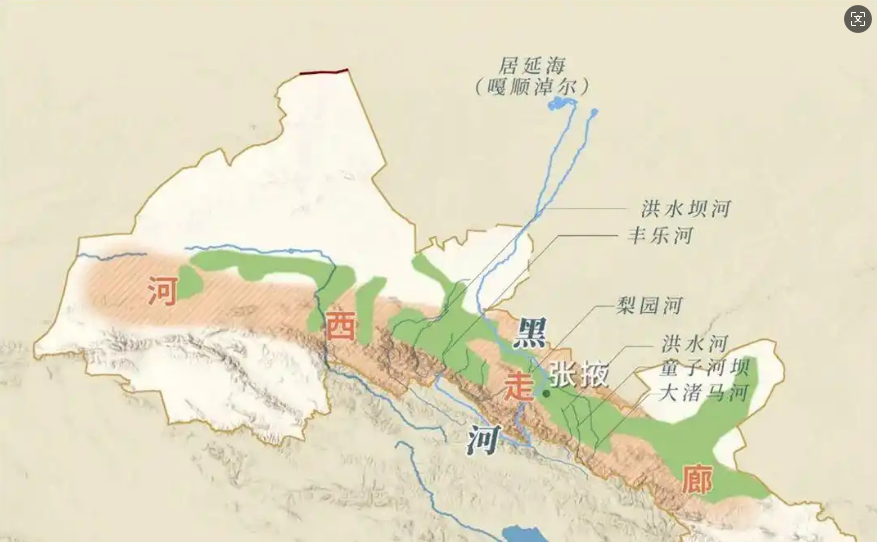
-
Giant Buddha Temple
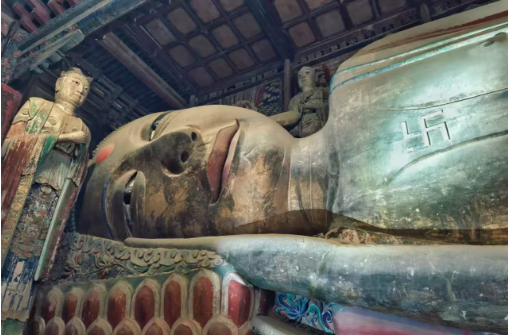
Zhangye Grand Buddha Temple, situated in the downtown area of Zhangye City, was initially constructed during the Yong'an period of the Western Xia Dynasty, boasting a history spanning over nine hundred years. The temple is renowned for housing a colossal indoor clay statue of the Reclining Buddha, which is among the largest of its kind in China. Additionally, it features distinctive ancient structures such as the earthen pagoda and the Shanxi Guild Hall, offering visitors opportunities for worship and exploration. Exhibitions within the temple provide insight into Buddhist art and the rich history of Zhangye Grand Buddha Temple. Zhangye Grand Buddha Temple stands as one of the iconic attractions of Zhangye.
- Breakfast , Lunch
- Private Van
- Full-day English-speaking guide
-
Zhangye Danxia Landform National Geological Park
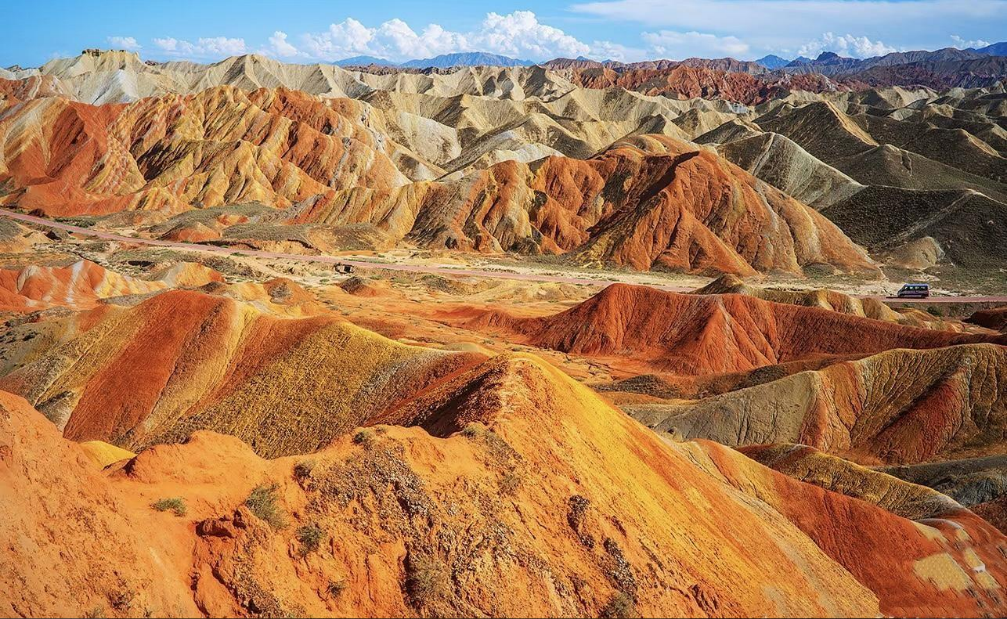
The Zhangye Colorful Danxia Scenic Area is located in Linze and Sunan Counties, at the northern foothills of the Qilian Mountains. The scenic area is 40 kilometers east of Zhangye City and 20 kilometers north of Linze County. With a total area of 50 square kilometers and a tourist activity area of 4 square kilometers, it is now a World Geological Park and a national 5A-level tourist attraction. Within the scenic area, there are seven scenic spots, including Colorful Cloud Sea, Colorful Fairy Destiny, Colorful Brocade, Colorful Rainbow, Crouching Tiger Gorge, Colorful Ao River, and Vientiane Earth Forest Valley. There are also attractions such as Dragon Playing with Fire (colorful hills), Monkey Watching the Sea, Tortoise Asking the Sky, and Toad Seeking Wisdom
- Zhangye to Jiayuguan drive for 2.5 hours, continue west to Jiayuguan, approaching the historic frontier of imperial China. (Zhangye to Jiayuguan)
- Breakfast , Lunch
- Private Van
- Full-day English-speaking guide
-
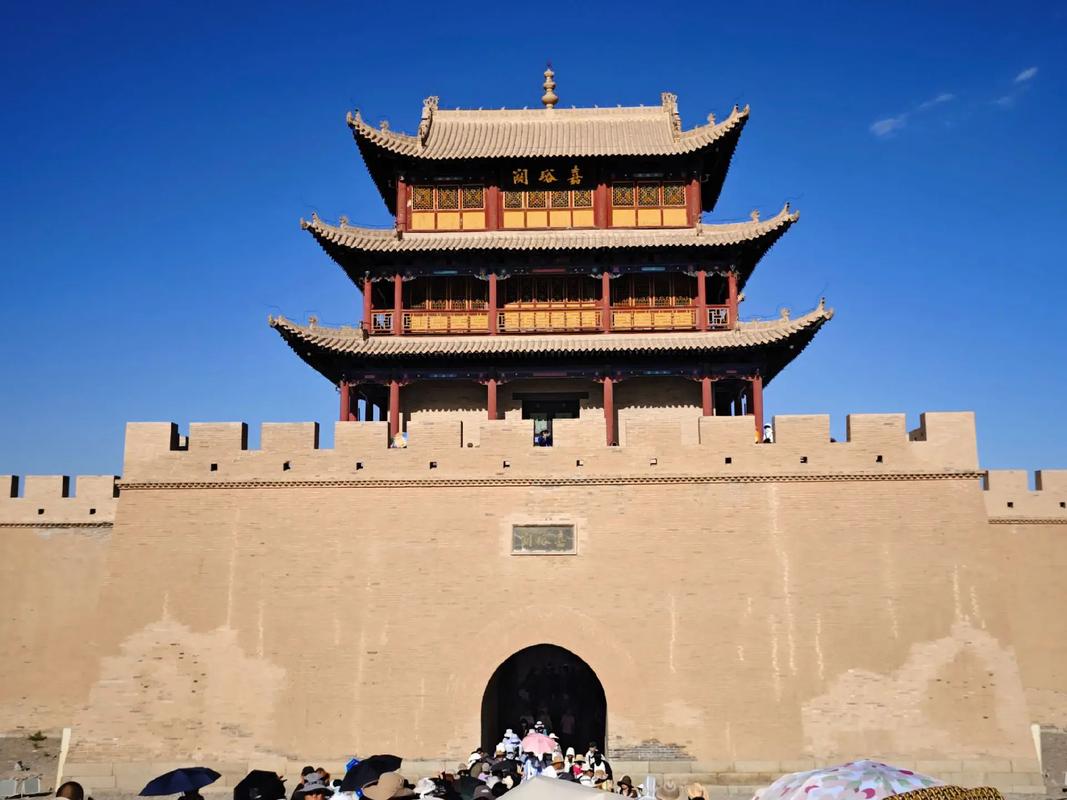
Jiayuguan Scenic Area
Visit Jiayu Fortress, the main attraction protecting the Jiayu Pass between the Qilian and Black Mountains. Walk along the westernmost section of the Great Wall for panoramic views of the Gobi Desert. This historic site offers a combination of architectural grandeur, military strategy, and desert scenery.
- Jiayuguan to Guazhou drive for 2.5 hours (Jiayuguan to Guazhou)
-
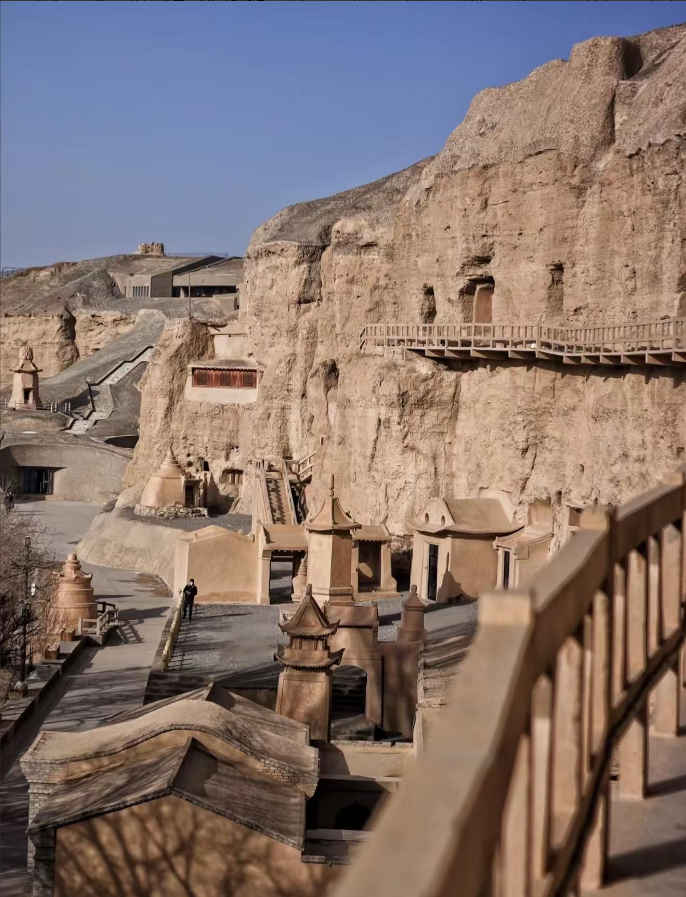
Yulin Grottoes
Yulin Grottoes, also known as Wanfo Gorge, Yulin Temple, and Shangdongzi, are located on the steep cliffs on both sides of the Yulin River gorge, 70 kilometers south of the city of Guazhou County (formerly Anxi County) in Jiuquan City, Gansu Province. They are named after the elm trees that form a forest on the riverbanks and are managed by the Dunhuang Academy.
-
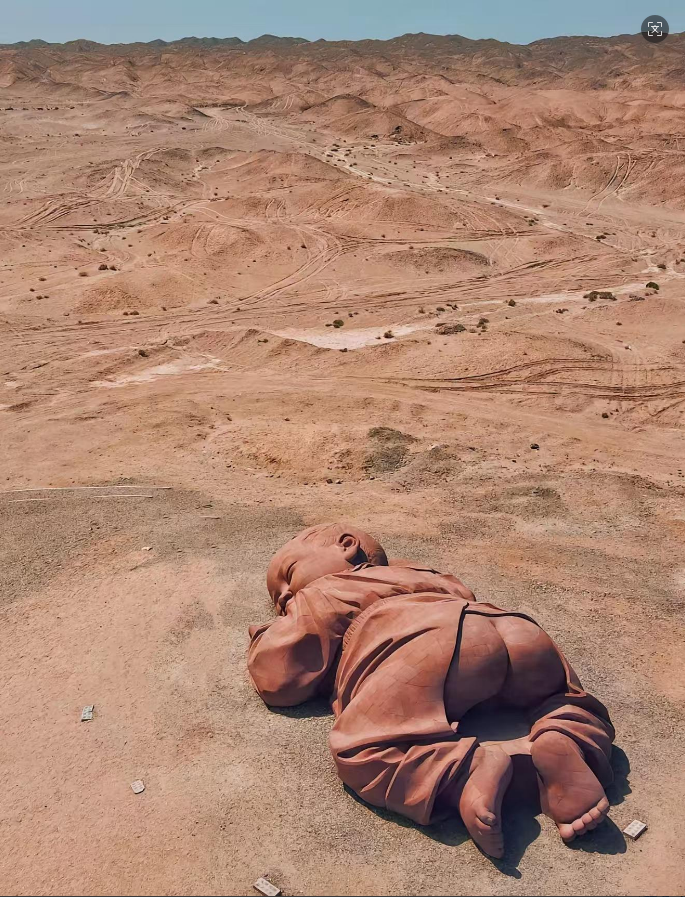
Son of the Earth
"Son of the Earth" is a large outdoor sculpture located on the Gobi Desert in Guazhou County, Gansu Province. It was independently created by Professor Dong Shubing, the director of the Sculpture Department at the Academy of Arts & Design, Tsinghua University, in 2016. It is one of the first works of the Guazhou Gobi International Sculpture Art Gallery, aiming to continue the tradition of plastic arts of the Mogao Grottoes and Yulin Grottoes in Dunhuang, and to create an integrated area within the Greater Dunhuang Cultural Tourism Economic Circle. It is a core project of Dong Shubing's "Wilderness Art Plan" and was listed as a funded project for art creation in 2016 by the National Art Fund. The sculpture is 15 meters long, 4.3 meters high, and 9 meters wide, primarily made of red sandstone. Model data was obtained through 3D scanning, and then the sculpture was carved block by block in 3D. Finally, each block was carved, assembled, and installed to form the image of a prone and sleeping baby, symbolizing the harmonious coexistence of humans and nature.
- Breakfast , Lunch
- Private Van
- Full-day English-speaking guide
- Guazhou to Dunhuang drive for 1.5 hours (Guazhou to Dunhuang)
-
Mogao Grottos
The Mogao Caves, commonly known as the "Thousand Buddha Caves," are a representative group of caves within the Dunhuang Grottoes. Located on the cliff face of the eastern foothills of Mingsha Mountain and the west bank of the Dangquan River, 25 kilometers southeast of Dunhuang City, they face east towards the Sanwei Mountain. The caves are densely distributed along a cliff face approximately 2 kilometers long from north to south and about 40 to 50 meters high. The rock is composed of Jiuquan system gravel rock layers, formed by the deposition and bonding of sand and pebbles. The sand layer is loose and unsuitable for carving, so the grottoes mainly feature clay sculptures and colored paintings.
During the Jin Dynasty, it was once known as "Xianyan Temple". Before the Sixteen Kingdoms period, during the Former Qin Dynasty, it was officially named "Mogao Caves". At the end of the Sui Dynasty and the beginning of the Tang Dynasty, it was called "Chongjiao Temple". In the Yuan Dynasty, it was known as "Huangqing Temple", and in the late Qing Dynasty, it was also referred to as "Leiyin Temple". However, these were all temporary names used to refer to the entire Mogao Caves during a short period of time. According to the "Inscription on the Mogao Caves" written in ink on the north wall of the front chamber of Cave 156, the Mogao Caves were founded in the late Western Jin Dynasty. According to P.2691 "Topography of Shazhou", the caves were built in the ninth year of Yonghe in the Eastern Jin Dynasty (353). Furthermore, according to the "Inscription on the Buddhist Niche of Li Junxiu in the Mogao Caves" preserved by the Dunhuang Academy and dated to the first year of Shengli in the Zhou Dynasty (698), the first cave was excavated by the monk Yuechun in the second year of Jianyuan in the Former Qin Dynasty (366). Currently, there are three prevailing theories, but the one that is most commonly accepted is the second year of Jianyuan in the Former Qin Dynasty. After the Former Qin Dynasty, the caves underwent a total of 11 eras, including the Northern Liang, Northern Wei, Western Wei, Northern Zhou, Sui, Tang (divided into early, prosperous, middle, and late periods), Five Dynasties, Song, Uighur, Western Xia, and Yuan dynasties, spanning a thousand years. By the time of the Wu Zhou Dynasty (early Tang Dynasty), there were already "more than a thousand cave chambers".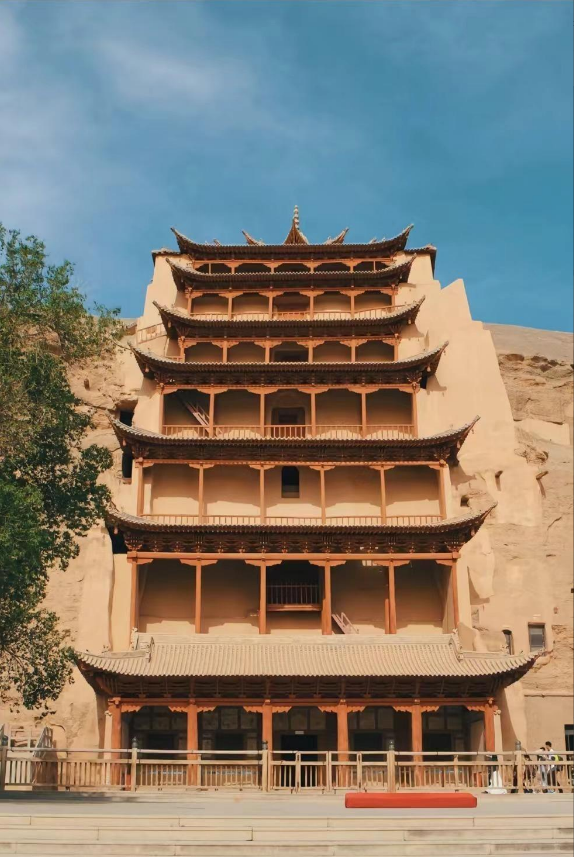
-
Singing Sand Dunes and Crescent Spring
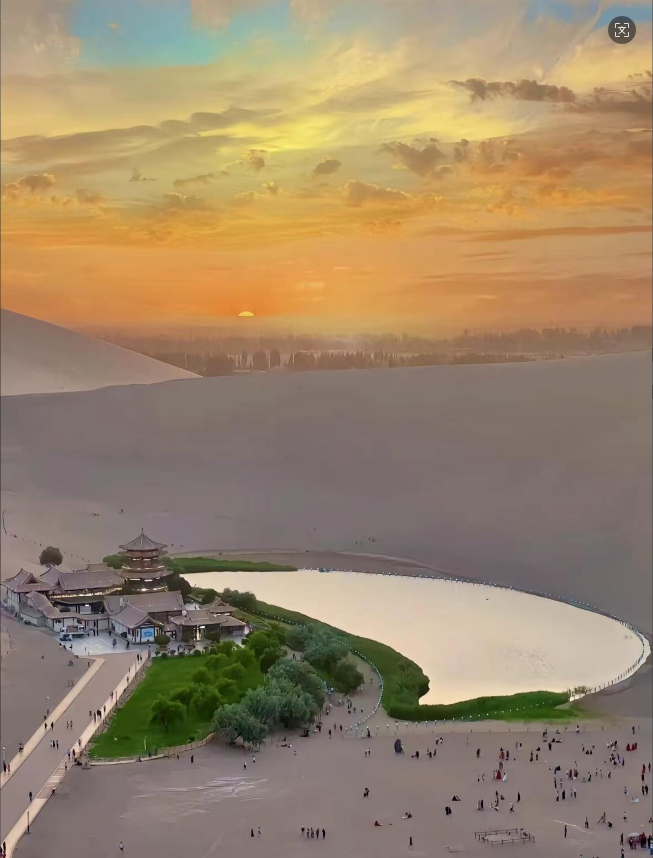
The Mingsha Mountain and Crescent Lake Scenic Area in Jiuquan City, commonly referred to as the Mingsha Mountain and Crescent Lake Scenic Area, is located 5 kilometers south of Dunhuang City, Jiuquan City, Gansu Province. It covers an area of 76.82 square kilometers, with the core scenic area defined as 12.79 square kilometers. It is renowned for the desert wonders of mountains and springs coexisting, and sand and water intergrowing, and is hailed as "one of the wonders beyond the Great Wall"
- Breakfast , Lunch
- Private Van
- Mogao Grottos site guide included
-
Yadan Devil City
Devil City, a type of Yadan landform, is mostly located in Gobi deserts or sandy wastelands. Globally renowned examples include the World Devil City Scenic Area in Xinjiang Uygur Autonomous Region, China, Qitai Devil City, Kizil Devil City, and Hami Devil City in China, Devil's Tower in Wyoming, USA, Mojave Desert, the Tebet wilderness in the Chad Basin, Africa, the southeastern Lut Desert in Iran, and Wadi Rum in southwest Jordan.
The Ghost City typically integrates natural landscapes such as Gobi Yadan, desert canyons, natural asphalt, sunrise and rosy clouds, and mirages, and boasts tourism resources like rock Yadan and natural asphalt veins. The landscape emits various sounds due to the wind blowing sand and gravel, as well as rocks, which continuously strike, collide, and rub against the rocks, hence the name "Ghost City". Some Ghost Cities are located at wind gaps, where the maximum wind force can reach level 10-12.
The Yadan landform tourism resources generally feature characteristics such as being unique, mysterious, and ancient. The Yadan landform is peculiar, with various shapes resembling walls, fortresses, villages, pillars, humans, beasts, and objects. The Yadan landform is characterized by "flat tops and steep bodies." The huge mounds are mostly 10 to 30 meters high, with steep side walls, and the side facing the prevailing wind is twisted and winding, creating a climbing potential. When climbing to the flat top of the mound, the wind whistles by your ears. The Yadan landform is distributed in vast strips of wind-eroded depressions between various odd and unusual landforms, resembling the streets and alleys deep in a utopian land, appearing deep and serene. The Yadan landform has been formed for a long time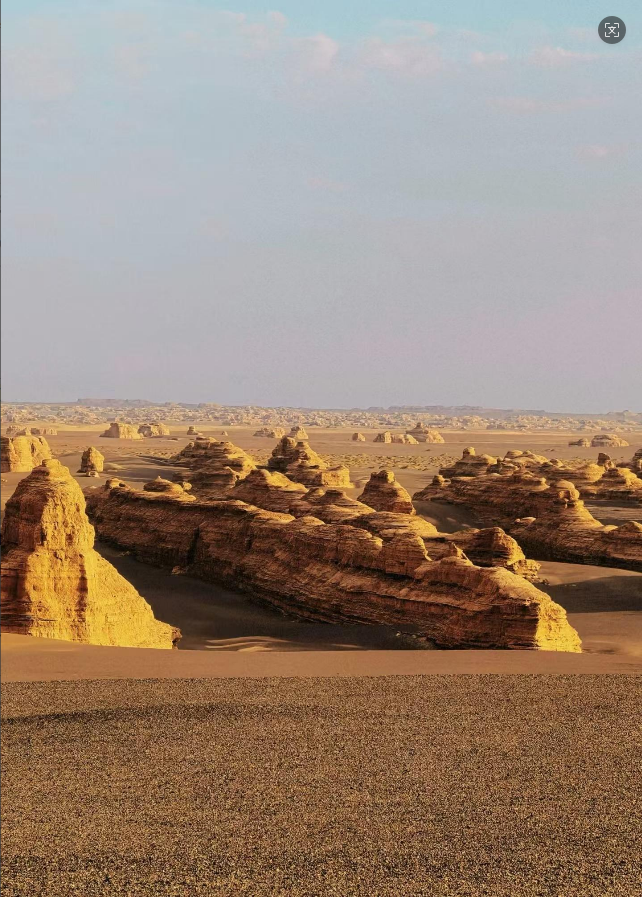
-
Yumen Pass
Yumen Pass is a military fortress of the Great Wall in the Han Dynasty, originally established during the Yuanfeng period of Emperor Wu of Han (approximately 116 BC - 105 BC). It served as the core pass in the defense system of the four prefectures in Hexi, and, along with Yang Pass, was the administrative headquarters of the Longle County Commander in Dunhuang Prefecture, guarding the throat of the northern Silk Road. The location of the pass has been confirmed through Han bamboo slips and archaeological excavations to be Xiaofangpan City in the northwest of Dunhuang. The existing square rammed earth castle has a side length of about 25 meters and a residual height of nearly 10 meters. Outside the northern wall, there remains a road leading to the Western Regions. Surrounding areas are dotted with the remains of the Han Great Wall, beacon towers, and storage sites of He Cang City.
Originally located within Jiuquan County, it was relocated twice to the northwest of Dunhuang in the fourth year of the Taichu era (101 BC) and the first year of the Later Han Dynasty (88 BC). From the Eastern Han Dynasty to the Song Dynasty, it experienced repeated abandonment and reconstruction as the Silk Road waxed and waned. As an exclusive passage for the Han army to enter and exit the Western Regions, it was strictly controlled militarily, distinguishing it from the diplomatic function of Yangguan Pass. The allusion to Ban Chao's "entering Yumen Pass alive" originated from this. Since the Tang Dynasty, it has been transformed into a typical image in frontier poetry, with famous lines by poets such as Wang Changling and Wang Zhihuan making it a symbol of the western frontier of Central Plains civilization. In 2014, it was included as part of the "Silk Road: Chang'an-Tianshan Corridor" in the World Cultural Heritage list.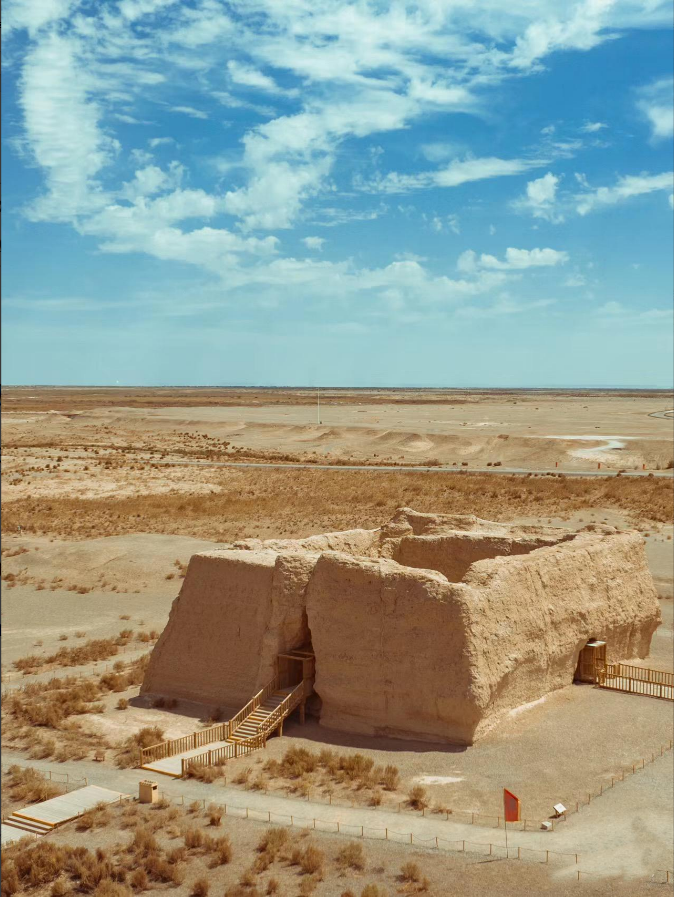
- Breakfast , Lunch
- Private Van
- Full-day English-speaking guide
- Enjoy a private drop-off from your hotel to your departure point with a professional driver.
- Breakfast
- Private Van
- No guide service
Accommodation
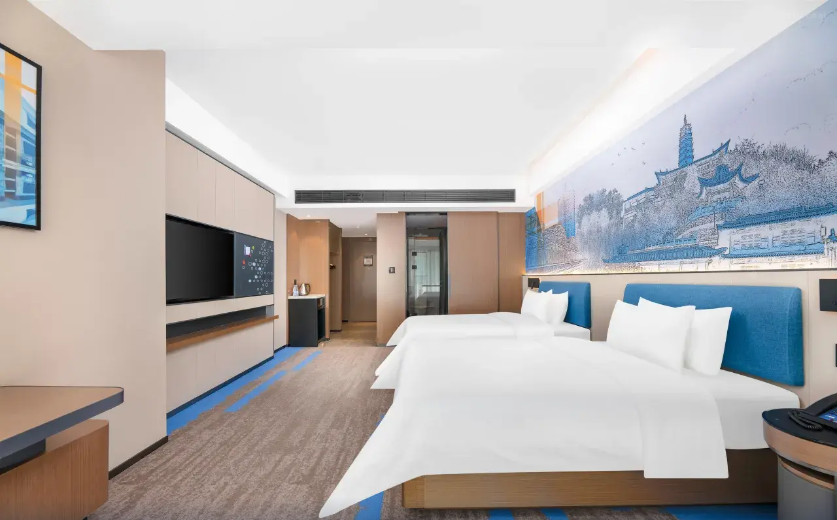
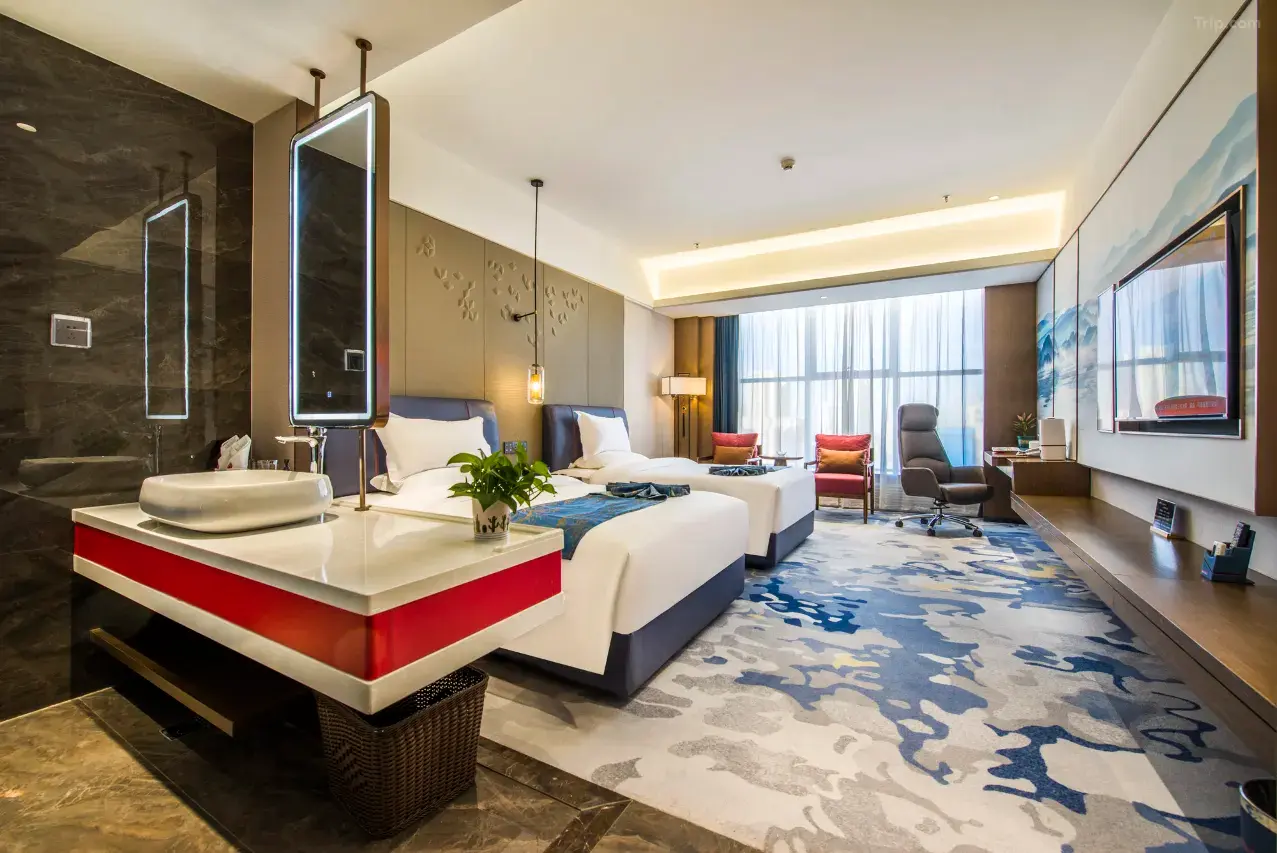
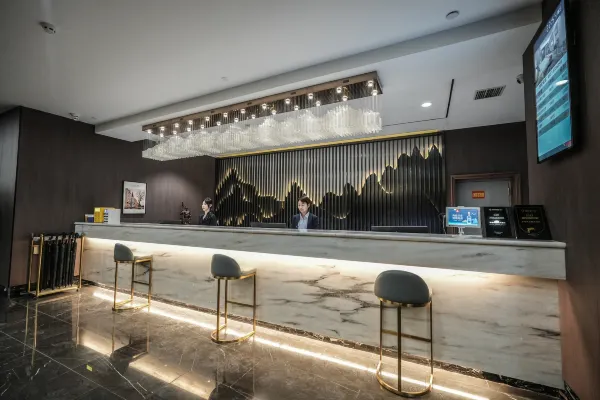
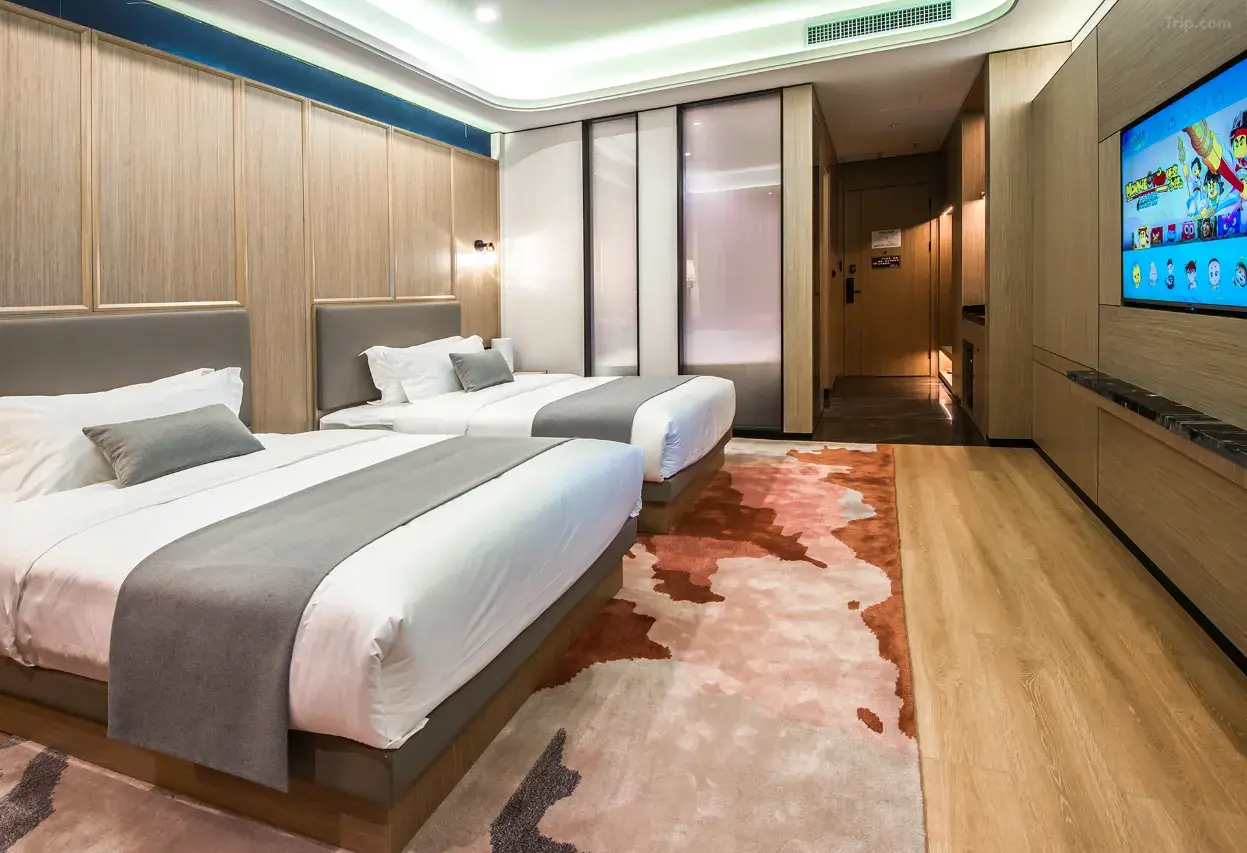
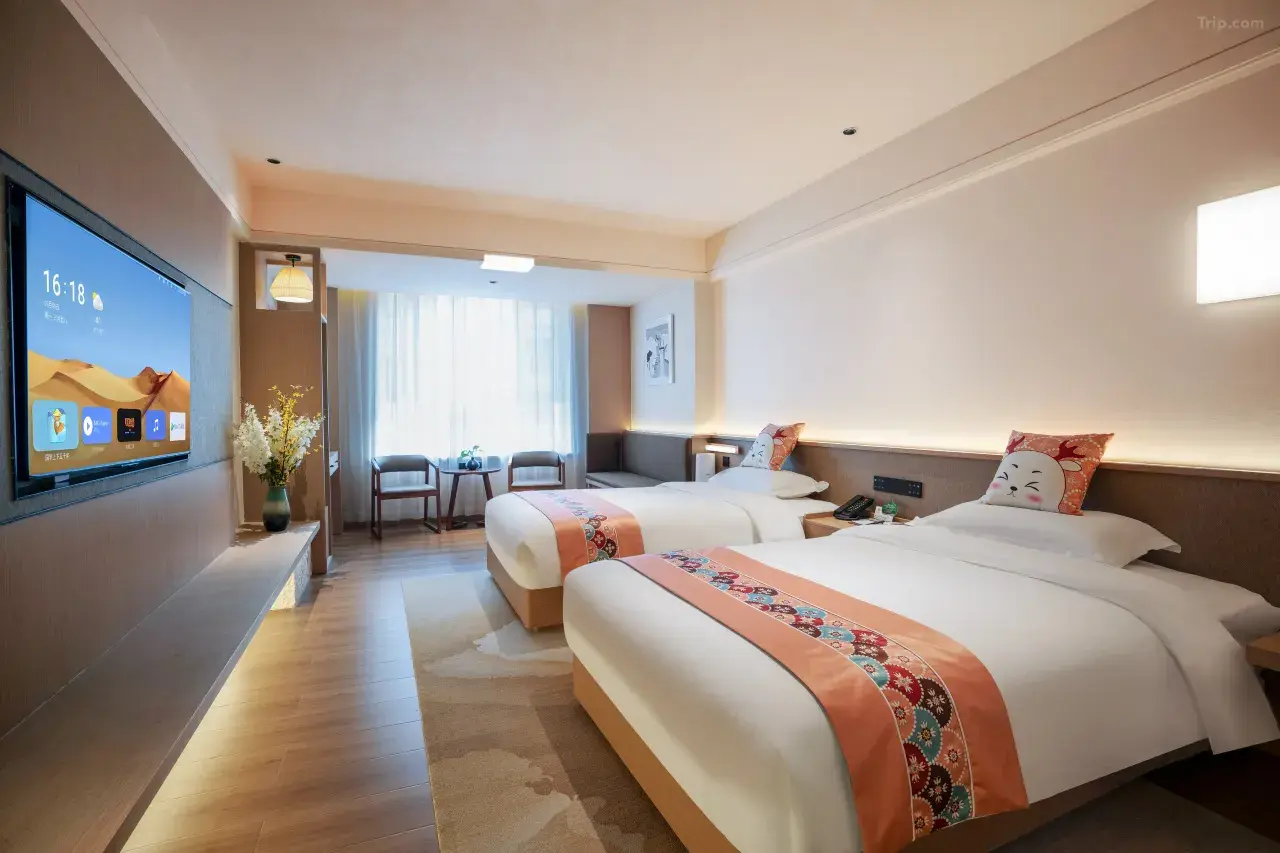
We draw from a wide range of hotels on our holidays, each one is chosen to suit the tour you are travelling on meaning your accommodation can range from a smart business hotel in one city to a family run guesthouse in a smaller town. Here are some examples of the type of hotel you can expect to find on this tour.
Tour Price
Based on a private tour for 2 people including accommodation, local transportation and guided sightseeing/activities. Price may vary depending on the itinerary, travel date, number of travellers and selected hotel category.
Price Excludes:
- International flights
- The meals not mentioned in the trip plan
- Personal expenses
- Travel insurance, and repatriation insurance
- Optional excursions, activities, and optional tours
- Reservations marked as "reserved by traveler" are reservations that the traveler is responsible for directly.These items are not reserved or supported by kimkim and are included in the trip plan just for completeness.
- Any charges due at the hotel include local city taxes
Clients Reviews
We wanted a customised trip instead of a standard tour group, and Three Bears Travel delivered exactly that. Norman took the time to understand what we liked and built an itinerary around food, shopping, and local experiences. It felt personal and flexible, not like a cookie cutter package.

Tom Harris
Feb 01, 2026
A huge thank you to Louise and Three Bear Travel for crafting such a fantastic Japan itinerary! Every moment was well thought out - whether it was the serene temples of Kyoto, the bustling streets of Tokyo, or the delicious food tours. The guides were knowledgeable, and the accommodations were excellent. We couldn’t have asked for a better travel experience!
Emily Carter
Feb 01, 2026
Three Bears Travel made our first trip to Japan so easy and enjoyable. From the initial planning to the final day, everything was well organised. The team really listened to what we wanted instead of giving a generic tour. It felt like travelling with a local friend who knows all the best spots.
Mark Davies
Jan 10, 2026
We travelled to Japan with our two kids, and Three Bears Travel made everything so easy. Shirley helped us plan a family friendly itinerary, and the highlight was definitely Tokyo Disneyland. Our kids were obsessed and still talk about it. The hotel location was perfect, and the schedule was not too rushed for children. Worth every dollar!
Hannah Lee
Dec 08, 2025
From start to finish, the team was professional, friendly, and efficient. The itinerary was fully customised, the pricing was reasonable, and the communication was clear. It felt like they genuinely cared about our experience, not just selling a tour. We will definitely book with Three Bears Travel again.
Olivia Brown
Oct 28, 2025
Best trip ever, no exaggeration. Norman and Shirley were both super friendly and helpful throughout the process. Even when we had last minute questions, they replied quickly and clearly. The Japan itinerary was efficient, exciting, and full of little surprises. Already planning our next trip with them.
Lily Chen
Aug 05, 2025
I have travelled a lot, but this was one of the smoothest trips I have ever had. Robert handled our planning and was extremely professional and responsive. Transport connections were perfect, accommodation choices were excellent, and the pace of the trip was just right. Three Bears Travel exceeded our expectations.
Daniel Thompson
Jun 20, 2025
Huge thanks to Ben and Three Bears Travel team for an unforgettable trip. The logistics were seamless, trains, hotels, tours, all spot on. We could just relax and enjoy the journey. If you want a stress free holiday with great local experiences, these guys are the real deal.
Jason Wong
Jun 03, 2025
Louise did an amazing job tailoring our trip to match our interests! We wanted something cultural but also fun, and she nailed it. Tea ceremonies, small local restaurants, and places we would never have found ourselves. Everything felt personal and thoughtfully planned. Highly recommend!
Sophie Martin
May 01, 2025
What really impressed us was the value for money. Ben customised our Japan trip based on our budget, and somehow we still got great hotels, smooth transport, and amazing experiences. Compared to other agencies, Three Bears Travel offered much better pricing without cutting corners. Highly recommend if you want quality and value.
Andrew Wilson
Mar 11, 2025

Your Feedback