Few places on earth match the surreal beauty that Zhangjiajie unveils to those with a sense of adventure. Rising from the mists of Hunan in central China, thousands of sandstone columns pierce the sky, ancient forests cling to their crevices, and the landscape looks so improbable that it inspired the floating peaks of Pandora in James Cameron’s film Avatar. Yet for all its cinematic fame, the region, including the mesmerizing Tianmen Mountain, is very much a living, breathing natural wonder ready to be experienced by travellers hungry for something truly unique.
Making your way to Zhangjiajie isn’t just about ticking a world-famous park off your bucket list. The deeper reward lies in gaining a sense of awe at the power and artistry of nature. The region blends myth, engineering, and centuries-old culture with an otherworldly physical geography. Whether you’re drawn by the challenge of the skywalks, the call of untouched forests, or the charm of mountain villages, every moment in Zhangjiajie promises something unforgettable.
Getting Oriented: Where on Earth is Zhangjiajie?
Winding through the heart of northwestern Hunan province, Zhangjiajie encompasses both a modern city and the legendary scenery, including the dramatic Tianmen Mountain, that surrounds it. Its coordinates place you about 320 kilometres northwest of Changsha, the main capital of Hunan, and a gateway for most international arrivals, from where you can take a scenic cable car ride to explore the striking landscapes. Hop off your plane or step out of the train at Zhangjiajie city before venturing deep into its forests, mountains, and ravines.
The immediate area is a mosaic of protected scenic zones – Zhangjiajie National Forest Park, Baofeng Lake, the Wulingyuan Scenic Area (a World Heritage site), Tianmen Mountain, and the dizzying Grand Canyon. The city itself offers a convenient base with easy access to urban comforts, while rustic lodges tucked into the forest immerse you in the wilderness.
Here’s a snapshot to help you visualise the stunning region of Zhangjiajie:
|
Landmark |
Distance from Zhangjiajie City Centre |
Distinctive Feature |
|
National Forest Park |
30 min by car |
Sandstone pillars, ancient forest |
|
Tianmen Mountain |
10 min by cable car |
Natural rock arch, glass skywalk |
|
Grand Canyon & Glass Bridge |
45 min by car |
Glass-bottom bridge, waterfalls |
|
Baofeng Lake |
25 min by car |
Crystal-clear lake, boat rides, mountain views |
Stepping Into a Living Fantasy: Main Attractions
The moment you set foot in Zhangjiajie National Forest Park, you’re infused with the sense that reality here is suspended, as if you have stepped into the world of 'Avatar.' China’s first national forest park, a UNESCO-listed site since 1992, is a haven of biodiversity and jaw-dropping topography. Over 3,000 vertical peaks, spires, and natural arches shroud the area in an ethereal mist, often making visitors pause and ask: is this real?
Highlights That Demand a Place on Your Itinerary:
-
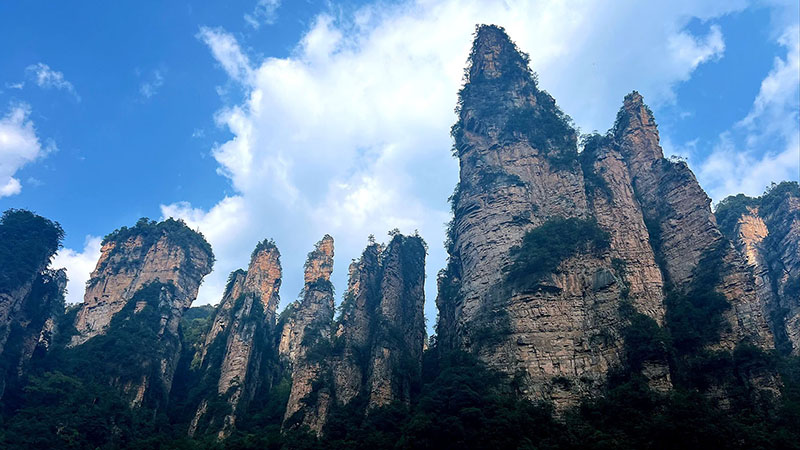
Yuanjiajie Scenic Area: Often considered the crown jewel of Zhangjiajie National Forest Park, this area is home to the renowned Avatar Hallelujah Mountain. Its labyrinth of towering sandstone pillars delivers panoramic scenes directly reminiscent of science fiction, making it a must-see for first-time visitors and photographers alike.
-
Tianzi Mountain: Revered as the “monarch-of-the-clouds,” Tianzi Mountain offers some of the most dramatic vistas in the region. This cluster of peaks provides sweeping views across an endless horizon of rocky needles shrouded in clouds, creating an ethereal landscape that changes with the light and weather.
-
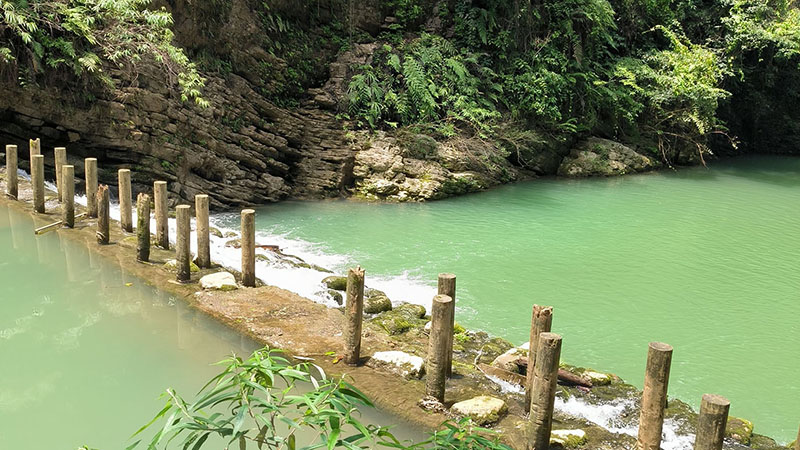
Golden Whip Stream: Widely regarded as one of the most beautiful hiking trails in Zhangjiajie, Golden Whip Stream meanders through lush valleys beneath soaring cliffs. This tranquil path rewards walkers with crystal-clear streams, abundant wildlife, and smaller, moss-covered columns that evoke a sense of untouched wilderness.
-
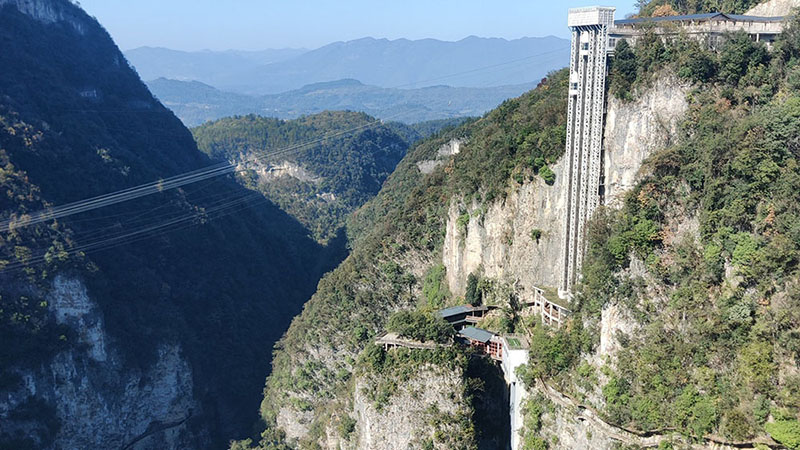
Bailong Elevator: Carved into a sheer sandstone cliff, this glass elevator is officially the world’s highest and fastest outdoor lift. In less than two minutes, it whisks visitors 326 metres up the mountain, delivering jaw-dropping views of forested canyons and sandstone pillars—a seamless blend of cutting-edge engineering and natural grandeur.
Other scenic areas like Yangjiajie add their own unique rhythm to every visit.
Yet beyond the forest park, Tianmen Mountain (literally, “Heaven’s Gate”) awaits. Easily reached from the city by one of the world’s longest cable cars, the mountain features a 131.5-metre-high natural stone arch, sheer cliffs carpeted in emerald, and skywalks clinging to the rockface. Few experiences compare to inching across the glass skywalk, peering straight down into the void below, heart thumping as far as the view itself.
And then there’s the Grand Canyon Glass Bridge: hold your breath, step out, and defy gravity atop the world’s longest and highest glass-bottomed bridge. With the chasm gaping beneath your feet and peaks rising on all sides, this is not just a thrill, but a test of nerve and faith in human engineering.
More Than Just Sightseeing: Zhangjiajie’s Full Spectrum of Experiences
While the iconic landscapes capture hearts in every Instagram post, there’s art in slowing down and connecting with what makes Zhangjiajie unique. The village dotted hillsides, time-honoured food, and Hunanese hospitality open doors for those willing to wander beyond the guidebook.
Suggestions for Making the Most of Your Stay
-
Stroll through Tujia and Bai minority villages, learning how these resilient cultures co-exist with their breathtaking surroundings.
-
Join a guided city tour to taste local delicacies or witness traditional crafts before heading to Baofeng Lake and Tianmen Mountain for spectacular views, perhaps taking a cable car to enhance your experience.
-
Take a night walk along the illuminated Jinbian Stream, soaking up the nocturnal forests.
-
Find a quiet corner at one of the forest lookout points for sunrise or sunset. Few destinations on earth offer skies with such cinematic drama.
Of course, Zhangjiajie is also a haven for adventurers: hiking, abseiling, river rafting, and rides on the Bailong Elevator are easy to book through local lodges, with routes available for every fitness level.
Deciding When to Visit: Weather Patterns and Seasonal Appeal
Climate guides often spark as much debate as conversation about what to see. Zhangjiajie’s monsoonal climate means that scenery transforms dramatically throughout the year.
Spring (March to May) ignites the forests with new leaves and wildflowers, making for fresh air and gentle hikes. Average temperatures: 12–22°C. What to wear: Light layers, a waterproof jacket, and comfortable walking shoes.
Summer (June to August) brings crowds and humidity, but the higher elevation keeps it cooler and the mountains thick with emerald foliage. Average temperatures: 20–32°C. What to wear: Breathable clothing, sunhat, sunglasses, and rain gear for sudden showers.
Autumn (September to November) stands out for the clearest skies and riot of colour as the maples and gingkos change. Crisp, dry air makes this an ideal time for both photography and extended hikes. Average temperatures: 15–25°C. What to wear: Light sweaters or jackets, long pants, and sturdy hiking shoes.
Winter (December to February) offers its own serenity in Zhangjiajie — fewer tourists, snow-dusted pinnacles, and a silence that amplifies the whole experience. Average temperatures: 2–10°C. What to wear: Warm layers, thermal wear, a windproof jacket, gloves, and a hat.
For those chasing the best combination of comfortable weather and bargain flights, targeting March–May and September–November pays off, especially for travellers from Australia and New Zealand.
Planning Your Stay: Accommodation Made Easy
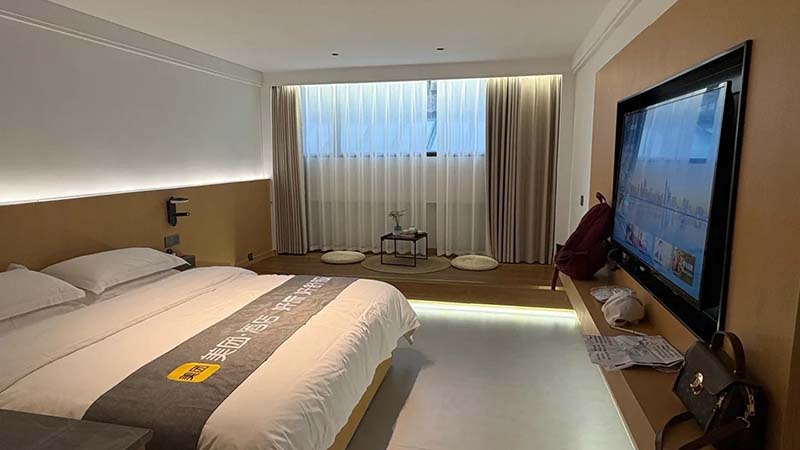
The spectrum of lodging in Zhangjiajie caters to both rugged explorers and those seeking a little luxury, with some accommodations offering themes inspired by the fantasy world of 'Avatar'.
-
City hotels: A smart pick for convenience, these high-rises make transport, shopping, and dining simple.
-
Boutique forest lodges: Wake up to mountain views and the songs of local birds.
-
Eco-friendly stays near Tianmen Mountain: Some of these blend sustainable design with striking natural surroundings, ideal for those who want every waking moment to feel magical.
Here’s a quick accommodation cheat sheet:
|
Accommodation Type |
Location |
Who it Suits |
|
City hotel |
Zhangjiajie City |
Urban explorers, families |
|
Mountain boutique |
Near National Forest Park |
Nature lovers, couples |
|
Eco-lodge |
Around Tianmen Mountain |
Green travellers |
Peak tourism seasons (April–June, September–October) draw big crowds, so booking at least a few months ahead is wise. Consider splitting your stay between the city and the forest for the fullest experience.
Journeying from Australia or New Zealand: Tips for Flying In
Direct flights haven’t yet reached Zhangjiajie from Oceania, but the journey is simple with a single layover in a Chinese hub like Guangzhou, Shanghai, or Beijing.
Ticket prices swing with the seasons. Savvy travellers eye the shoulder months (March–May, September–November) both for climate and cost. Booking midweek and at least two to three months ahead locks in the lowest airfares, and opens up better hotel and guided tour options.
Major airlines servicing this route include China Southern, Air China, and international partners. Customs at Zhangjiajie Hehua International Airport is efficient, and ground transport options make onward travel straightforward.
Making Life Easier: Consider Tailored Travel Services
The region is vast and signposting may not always be in English. Sorting tickets, transfers, and local guides can get complicated, especially if time is at a premium or you’re travelling with family.
Companies like Three Bears Travel, specialising in trips for Kiwi and Aussie explorers, help smooth the ride. These experts secure the best spots for you, arrange seamless hotel and park transitions, and provide guides fluent in both the language and the lore of Zhangjiajie. Three Bears Travel offers packages ranging from quick highlights to immersive weeklong cultural and hiking tours, ensuring your journey is as effortless as it is unforgettable.
Inspiration Beyond Imagination
There are landscapes you admire from afar, and others where you feel transformed just by standing inside them. Zhangjiajie, with its improbable rock formations, plunging gorges, and delicate ecology, is in the second camp. Every turn reveals a scene worthy of legend—one that will challenge your sense of what’s possible in nature, and likely echo in your memory for years. Whether it’s the glass bridge wobbling underfoot, the Bailong Elevator offering unrivaled views, or the peace of sunrise mist weaving through the sandstone, this fragment of Hunan will always seem part real, part imagination — much like stepping into an 'avatar' world — and entirely worthwhile.
Frequently Asked Questions
How many days should you spend in Zhangjiajie?
Most travellers find 3–4 days ideal for exploring the main attractions—Zhangjiajie National Forest Park, Tianmen Mountain, the Grand Canyon Glass Bridge, and Baofeng Lake—without feeling rushed. If you’re keen on hiking, photography, or cultural immersion, consider extending your stay to 5–6 days.
What’s the best way to get to Zhangjiajie?
The most convenient option is to fly into Zhangjiajie Hehua International Airport, which has connections to major Chinese cities like Beijing, Shanghai, Guangzhou, and Chengdu. High-speed trains also link Zhangjiajie to Changsha and other regional hubs. Private transfers and shuttle buses are available from the airport and train station to city hotels and park entrances.
Is English widely spoken in Zhangjiajie?
English is not commonly spoken outside major hotels and tourist attractions. Signage in English can be limited, especially in rural areas and local restaurants. Booking with a tour company like Three Bears Travel ensures you have access to English-speaking guides and seamless communication throughout your trip.
What types of accommodation are available?
Zhangjiajie offers a range of options, from luxury hotels and boutique lodges to budget hostels and eco-friendly stays. For easy access to the parks, consider staying near the Wulingyuan Scenic Area. In the city centre, you’ll find international hotels with more amenities and dining options.
How do I get around Zhangjiajie?
Public buses, taxis, and private transfers are available between the city, scenic areas, and major attractions. Many visitors opt for guided tours or private drivers to save time and avoid language barriers. Cable cars and shuttle buses operate within the national parks, including those in Zhangjiajie.
When is the best time to visit to avoid crowds and enjoy good weather?
Spring (March–May) and autumn (September–November) offer the most comfortable weather, clear skies, and fewer tourists. Summer can be crowded and humid, while winter is quieter but colder, with the chance to see snow-capped peaks.
What should I pack for my trip?
Pack comfortable walking shoes, layered clothing for changing temperatures, a waterproof jacket, sun protection, and any personal medications. If visiting in winter, bring warm layers, gloves, and a hat.
Are there vegetarian or special dietary options available?
While local cuisine is meat-focused, many restaurants in tourist areas offer vegetarian dishes. It’s helpful to have your dietary needs written in Chinese or to inform your tour operator in advance.
Can I book a guided package or custom itinerary?
Absolutely. Companies like Three Bears Travel specialise in tailored Zhangjiajie tour packages for international travellers, handling everything from flights and hotels to park tickets, local guides, and cultural experiences.
Is Zhangjiajie suitable for families or older travellers?
Yes—there are activities and scenic spots accessible for all ages and fitness levels. Cable cars, shuttle buses, and well-maintained paths make it possible to enjoy the highlights without strenuous hiking. Guided tours can be customised to suit your group’s needs.
Want more China travel itineraries? Click here!
If you have any other questions, feel free to click here and get in touch with us.
If you need a personalized travel plan, feel free to click here and let us help you.