
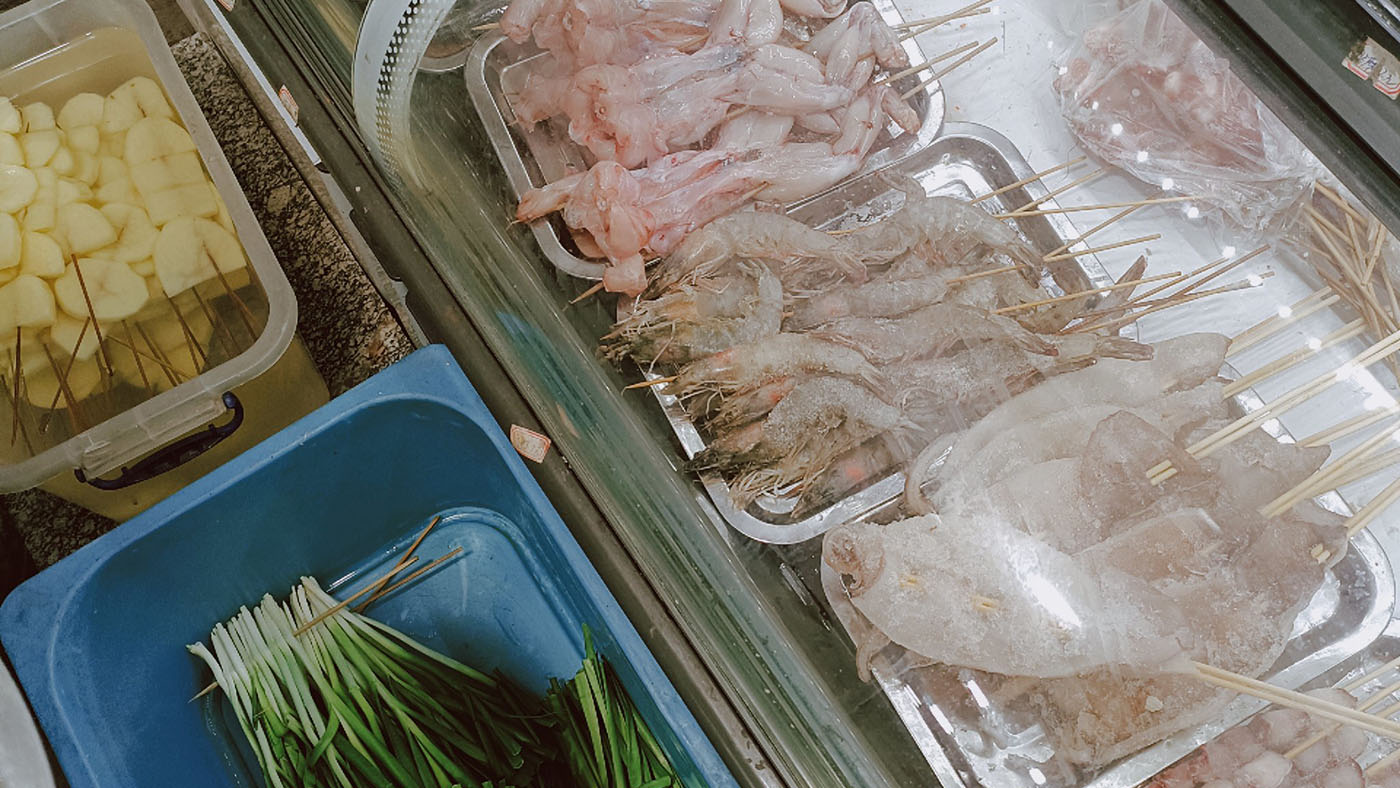
Yunnan's landscape ranges from misty mountains to sweeping valleys, from tropical jungles to highland villages. This diversity is reflected on every table and at every market stall in the province. Yunnan food stands apart for its exuberant variety, intriguing combinations, and connections to a host of cultures and climates. The region's cuisine welcomes locals and travellers alike, inviting curiosity with unfamiliar ingredients and comfort with homey, soulful textures.
The topography and ethnic mosaic of Yunnan shape its distinct approach to cooking. Unlike other famous Chinese provinces, the food here is a living record of migration, minority cultures, and time-honoured agricultural practices. Where southwestern China edges against Southeast Asia and the Himalayas, you can taste the ancient spice routes in a single bowl of noodles.
The Fresh, Wild World of Yunnanese Food
Freshness, seasonal ingredients, and a flair for the unconventional are essential to Yunnanese cookery. Markets in towns and villages burst with wild foraged mushrooms in the rainy season, edible flowers year-round, dozens of chillies and herbs, pulses, hams, and mountain vegetables. Cooks rely on this abundance, shaping dishes that are both rustic and surprising.
Visitors soon notice that Yunnanese food favours balance over bombast. Heat from chillies is tempered by tangy herbs or the fragrant, numbing zing of local peppercorns. Mild, chewy Yunnan rice noodles carry broths gently layered with aromatics, wild greens, tofu, and occasionally slivers of famous cured ham. Fermented beans and vinegars add depth, while homegrown Yunnan tea or rice wine rounds out a meal.
Here are the defining features travellers love:
-
Exquisite Mushrooms: The province is China’s wild mushroom heartland, with over 800 varieties. Dishes with porcini, matsutake, and morels command premium prices and true devotion.
-
Unique Use of Flowers: Few places in China use edible flowers as inventively, such as in salads or stir-fries.
-
Minority and Border Flavours: Dai, Bai, Yi, and Hani cultures influence the table with soured, pickled, and grilled foods rarely found elsewhere in China.
A table summarising some well-known Yunnanese ingredients:
|
Ingredient |
Description |
Common Dish Examples |
|
Wild mushrooms |
Fresh, foraged, seasonal |
Stir-fried mushrooms, mushroom hotpot |
|
Ham (Xuanwei, Jinhua) |
Cured, savoury pork |
Rice noodle soups, ham and pea cake |
|
Edible flowers |
Seasonal, varied |
Flower fry-up, flower salads |
|
Yunnan rice noodles |
Soft, silky, made from rice |
Crossing-the-bridge noodles, fried noodles |
|
Yunnan chillies |
Fragrant, moderate heat |
Used fresh or pickled in sauces |
|
Yunnan tea |
Pu'er, green, black, and flower teas |
Drunk with meals, included in tea-infused recipes |
Must-Try Yunnan Dishes: What to Eat in Yunnan
Let’s take a closer look at the essential recipes and food experiences that have made Yunnan cuisine such an appealing part of a China trip.
Yunnan Crossing Bridge Noodle
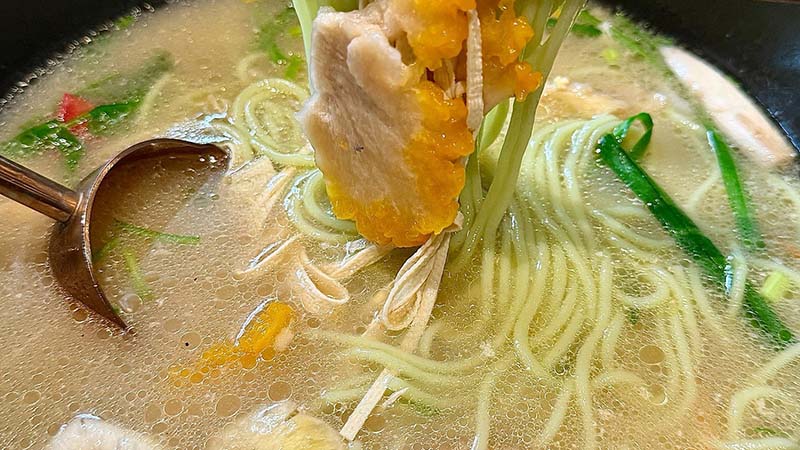
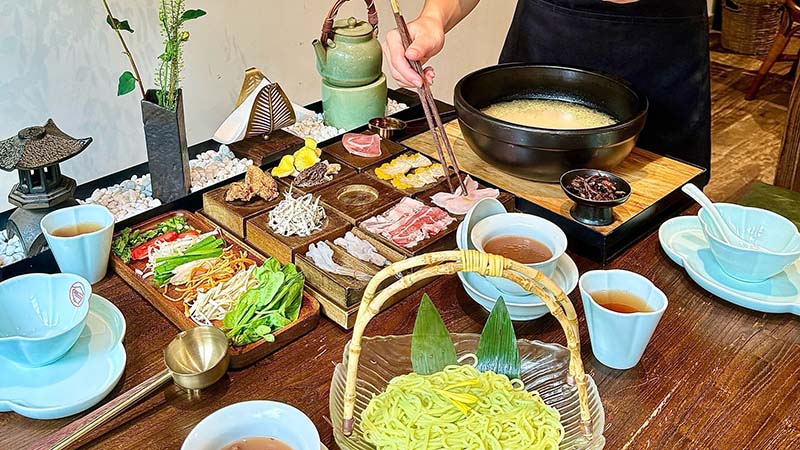
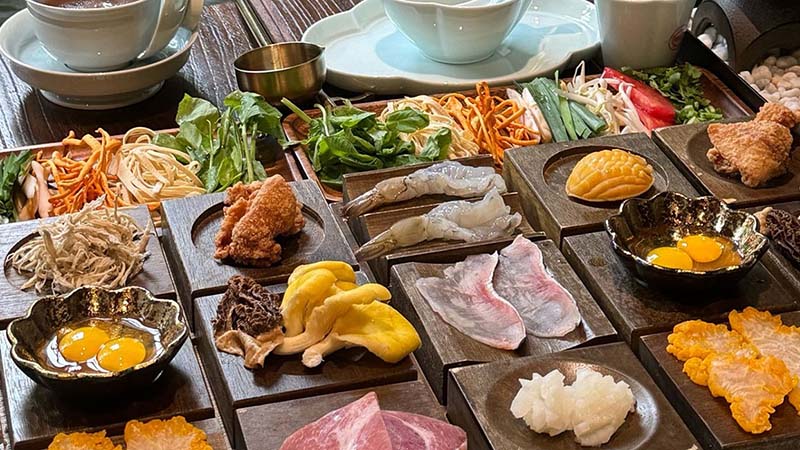
No visit is complete without slurping a bowl of this iconic dish. Yunnan crossing bridge noodle, or guoqiao mixian, is a sensory experience: a volcanic stoneware bowl arrives filled with broth hotter than boiling tea. Diners receive a tray of raw ingredients—sliced pork, ham, fish, quail eggs, tender greens, and Yunnan rice noodles—to swirl into the soup at the table, cooking them to silky perfection. Legend has it the dish’s unusual service style came about for practicality, keeping ingredients warm for hours.
Tea: Yunnan’s Living History in a Cup
No discussion of Yunnanese food is complete without Yunnan tea—particularly Pu’er, a fermented, earthy tea that put the province on trading maps centuries ago. Tea culture saturates everyday life: locals sip green, black, and flower teas at breakfast, participate in tea tasting rituals in teahouses, or savor them from tiny cups on street corners. In markets, pressed tea cakes with intricate patterns hint at traditions reaching back to the days when tea travelled on mule paths from Yunnan to Tibet.
Other Famous Yunnanese Dishes
-
Steam Pot Chicken (qiguoji): Tender free-range chicken, ginseng, and goji berries are simmered in a special clay pot with a funnel in the middle. The result is intensely aromatic and a classic example of traditional Yunnan food.
-
Er Kuai: A chewy, grilled rice cake unique to Yunnan cuisine, often fried with chilli and spices or served as a street snack.
-
Yunnan Ham: This rich, smoky pork product flavours soups, steamed dishes, and fried rice across the province, adding depth to many Yunnanese food specialties.
-
Yunnan Rice Noodles: Not just for crossing-the-bridge, these noodles appear in stir-fries and snack bowls too, topped with minced pork, sprouted beans, fresh herbs, and vinegar.
-
Fresh Flower Cakes: A beloved Yunnan snack, these delicate pastries are filled with edible flowers—typically roses—offering a fragrant and subtly sweet taste that showcases the province’s creative use of local ingredients.
-
Ru Bing: This traditional Yunnan cheese is made from goat’s or cow’s milk and is often pan-fried or served cold in salads. Its mild, creamy flavour makes it a unique addition to Yunnanese cuisine.
-
Xi Dou Fen: A comforting bowl of warm, savoury pea pudding, often topped with pickles, chilli oil, and fresh herbs. This dish is a popular Yunnan breakfast and street food staple.
These dishes represent the heart of Yunnan food culture, blending local ingredients, time-honoured techniques, and the province’s spirit of culinary creativity.
Food Capitals: Cities for Culinary Delights
The best way to appreciate Chinese Yunnan food is to discover it where traditions and innovation collide. Each major city in the province offers its own take on local specialities, all woven into a tapestry of colourful street food, bustling markets, and refined eateries.
Kunming: Shilin Markets and Vibrant Street Food
Kunming, sometimes known as the “City of Eternal Spring”, offers a bountiful food scene shaped by its access to fresh produce. In Shilin Kunming Yunnan China, lively markets tempt with baskets of wild mushrooms, stir-fried rice cakes, and bowls of steaming noodles. Local morning snacks might feature douhua (silken tofu pudding), flower omelettes, or sticky rice parcels with peanuts and pork.
Don’t miss:
-
Crossing-bridge noodles at roadside restaurants
-
Wild mushroom hotpots from June to September
-
Fresh Yunnan tea shops hidden among the alleyways
Dali: Balancing Tradition and Modernity
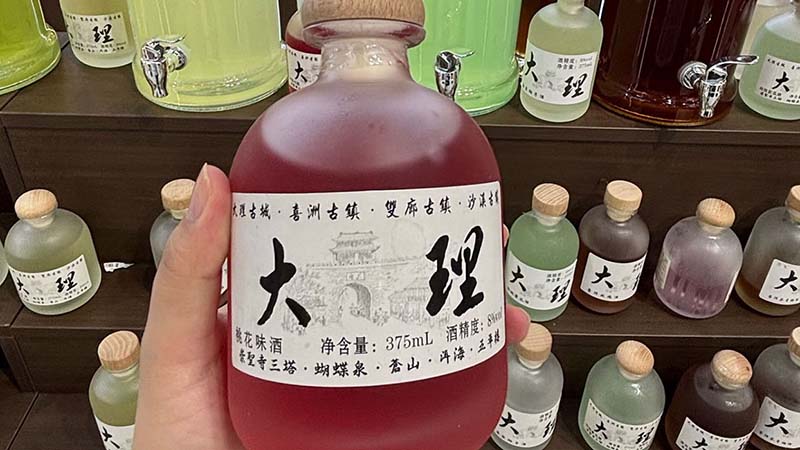
Nestled beside Erhai Lake, Dali’s food scene leans towards lighter, vegetable-forward dishes reflecting the Bai minority’s distinctive tastes. Dai and Yi food stalls fill the markets with grilled fish, pickled delicacies, and succulent greens. The ancient town brims with restaurants offering everything from spicy stir-fried goat to rice noodles tossed with mint and sesame.
Lijiang Old Town: A Culinary Stroll Through History
Wandering Lijiang Yunnan Old Town, travellers find themselves surrounded by centuries-old architecture and Naxi minority heritage. Street vendors offer grilled yak skewers dusted with cumin, fried flower pancakes, and mushroom stews. Elegant restaurants serve up steam pot chicken with delicate herbal infusions, while tea houses spill out onto cobbled lanes.
Experiencing Culinary Yunnan: Markets, Street Food, and Cooking Classes
To truly understand Yunnanese food, go beyond the restaurant table.
Markets in Kunming, Dali, and Lijiang are chaotic yet inviting. Stalls brim with spring onions as tall as a child, garlic stems, giant morels, sweet mountain berries, and mysterious pickles glowing red and gold in their jars. Street food vendors press tofu, fry pork dumplings, and hand-pull noodles beside you.
To push flavour appreciation even further, adventurous eaters might sample:
-
Jidou liangfen: A chilled, jelly-like mung bean “tofu” topped with spicy sauce
-
Grilled banana leaf parcels: Stuffed with sticky rice and seasoned pork
-
Wild herb salads: Featuring up to 30 wild leaves and flowers in a single bowl
Cooking courses are increasingly popular among visitors. Under the eye of a local chef, it’s possible to learn how to make classic rice noodle dishes, select and use the freshest wild mushrooms, and infuse tea into cakes and sweets. These hands-on experiences offer a deeper connection to the rhythms and rituals of Yunnan’s kitchens.
Culinary Tours: The Three Bears Travel Difference
Three Bears Travel stands out as an expert guide into the world of Yunnan cuisine. Their food-focused itineraries in Chinese Yunnan centre on authentic discovery—travellers might join foraging expeditions, take part in dumpling-making with local families, or visit organic farms nestled in cloud-draped valleys.
A Yunnan tour package with a culinary focus can include:
-
Street food tasting in Kunming and Dali’s ancient towns
-
Farm-to-table meals in Yi or Bai villages
-
Hand-pulled noodle sessions in Lijiang old town
-
Guided walks through wild mushroom markets
-
Traditional tea ceremonies, with an introduction to aged Pu’er cakes and the intricacies of tea tasting
Every dish tells a story. Every market signals the season and the surrounding geography. Travelling through this province with curiosity and respect, food becomes much more than fuel: it’s a way of connecting with history, people, and place, in every bite.
FAQ on Yunnan Cuisine and Culinary Experiences
Exploring Yunnan cuisine is a journey through China’s southwestern frontier, filled with vibrant markets, unique flavours, and memorable culinary traditions. Here are deeper insights and practical tips for travellers seeking an authentic and safe Yunnan food adventure.
What makes Yunnan cuisine unique?
Yunnan cuisine stands out for its extraordinary diversity of ingredients and flavours, shaped by the province’s many ethnic minorities and varied landscapes. Expect to encounter wild mushrooms, edible flowers, rare herbs, and a balance of spicy, sour, and umami notes not found elsewhere in China.
What is the iconic dish of Yunnan?
Crossing bridge noodles (guoqiao mixian) are the most iconic Yunnanese dish. The interactive experience of cooking fresh ingredients in a steaming bowl of broth at your table is a highlight for any food lover visiting Yunnan.
Why is Yunnan tea significant, and can I bring it home?
Yunnan tea, especially Pu’er, is prized for its rich flavour and historical importance as a trade commodity. Travellers can purchase pressed tea cakes or loose-leaf tea in local markets. Most packaged tea is allowed into Australia and New Zealand for personal use, but always declare it at customs and check the latest regulations, as restrictions may apply to certain herbal blends or teas with added ingredients.
Can I bring Yunnan ham or other food products back to Australia or New Zealand?
Yunnan ham is a culinary treasure, but strict biosecurity laws in Australia and New Zealand generally prohibit bringing in meat products, including cured hams and sausages. Dairy products like Ru Bing cheese are also restricted. Always check current customs guidelines before your trip, and when in doubt, declare any food items to avoid fines or confiscation.
What should I do if I feel unwell after eating wild mushrooms or unfamiliar foods?
Yunnan is famous for its wild mushrooms, but some varieties can cause allergic reactions or digestive upset, especially if undercooked. If you experience symptoms such as nausea, vomiting, dizziness, or abdominal pain after eating mushrooms or any unfamiliar dish, seek medical attention immediately. In major cities like Kunming, Dali, and Lijiang, hospitals and clinics are equipped to handle food-related illnesses. When foraging or eating wild foods, always rely on reputable restaurants or guides.
Are there common food allergies or sensitivities to be aware of in Yunnan cuisine?
Yunnanese food often features peanuts, soy, sesame, mushrooms, and various herbs that may trigger allergies. If you have known food allergies or dietary restrictions, communicate them clearly when ordering, ideally in both English and Chinese. Carrying a translation card can be helpful. Be cautious with street food and always ask about ingredients if you are unsure.
Where can I experience authentic Yunnan food?
For the most authentic Yunnan food experiences, visit the bustling food markets and traditional eateries in Kunming, Dali, and Lijiang. Each city offers its own take on Yunnanese cuisine, from street snacks to refined local specialties.
What are culinary tours in Yunnan like?
Culinary tours in Yunnan typically include guided market visits, hands-on cooking classes, and opportunities to dine with local families. These immersive experiences allow travellers to learn about regional ingredients, traditional cooking methods, and the cultural stories behind each dish.
Want more China travel itineraries? Click here!
If you have any other questions, feel free to click here and get in touch with us.
If you need a personalized travel plan, feel free to click here and let us help you.