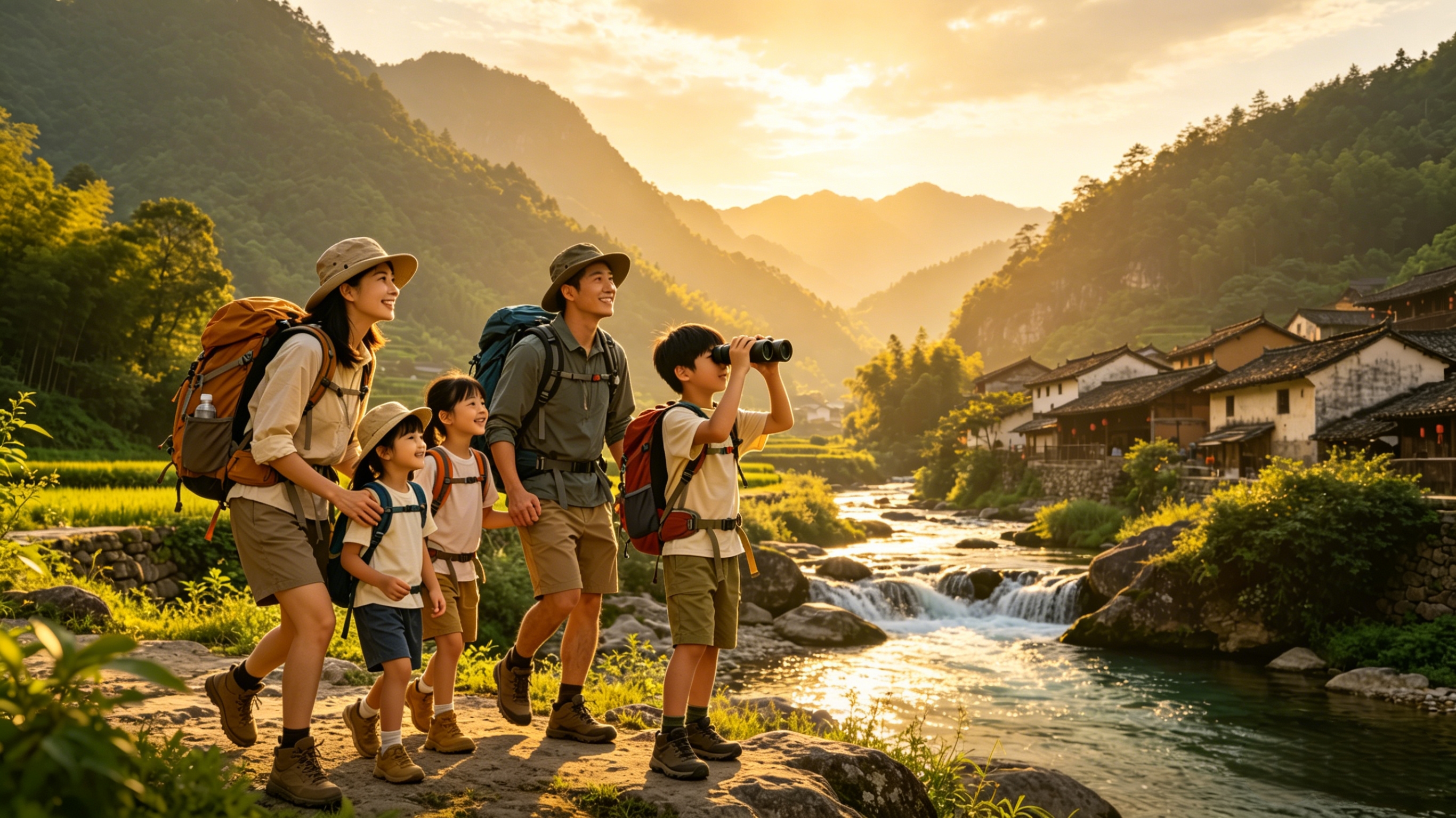
Even if you have crossed China from Beijing to Shanghai and out to the west, nothing quite matches the feeling of gliding along the Yangtze while limestone cliffs rise like theatre curtains and lanterns glow on riverbanks. From your balcony, you can watch farmers tending citrus groves, fishing skiffs sliding past in early light, and sleek cities appearing around a bend as if someone flicked a switch. A Yangtze river cruise allows all of this to unfold at a human pace, without checking in and out of hotels or packing your bag every second morning.
Effortless Travel with Three Bears Travel
With Three Bears Travel handling the details, you can settle into a rhythm that feels both effortless and richly layered. The river threads together stories from dynasties long gone and the energy of modern life. That contrast is exactly what keeps travellers talking about the Yangtze long after they are back home.
Why a River Voyage Through China’s Heartland Works So Well
-
One trip, many worlds: The Yangtze in China crosses mountain gorges, market towns and big-name cities, so your days switch from temples and cave shrines to neon towers and local opera.
-
Room to breathe: A cruise ship Yangtze River journey brings the scenery to your door, cutting out traffic and internal flights. Your cabin becomes your base, your deck chair your front-row seat.
-
Flexibility: Choose a 3 to 4 night highlights run or settle in for a week with more time for side trips. Three Bears Travel can match the itinerary to your calendar.
Many travellers say this is the best way to see China’s heartland. The river is a spine that holds a lot of the country’s story. Watching it from the water clarifies how the past and present sit side by side.
Life Aboard a Yangtze Cruise Ship
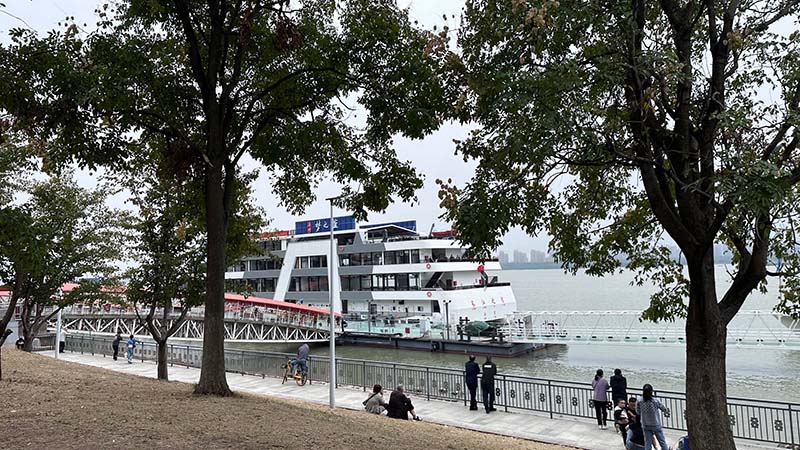
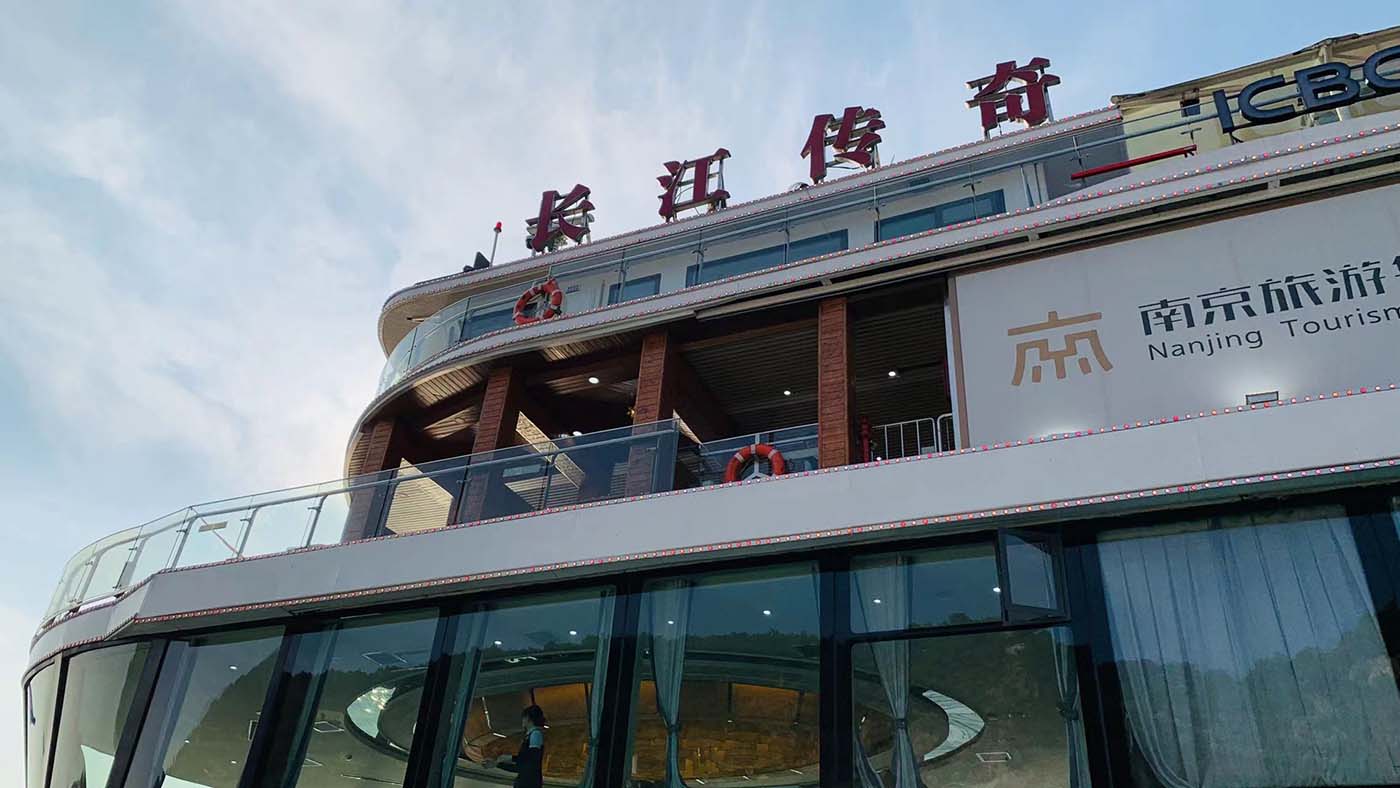
Most modern vessels feel like floating boutique hotels with Chinese character. Expect a mix of classic finishes and contemporary comfort.
-
Cabins: Generous by river standards, usually with floor to ceiling windows or private balconies. Mid-ship cabins ride smoother.
-
Dining: Rotates between regional Chinese favourites and international standards. Breakfasts are hearty. Tea service often becomes a daily ritual.
-
Culture on board: Nightly shows with music from different provinces, calligraphy demos, dumpling workshops, and a tai chi session as the sun lifts over the water.
-
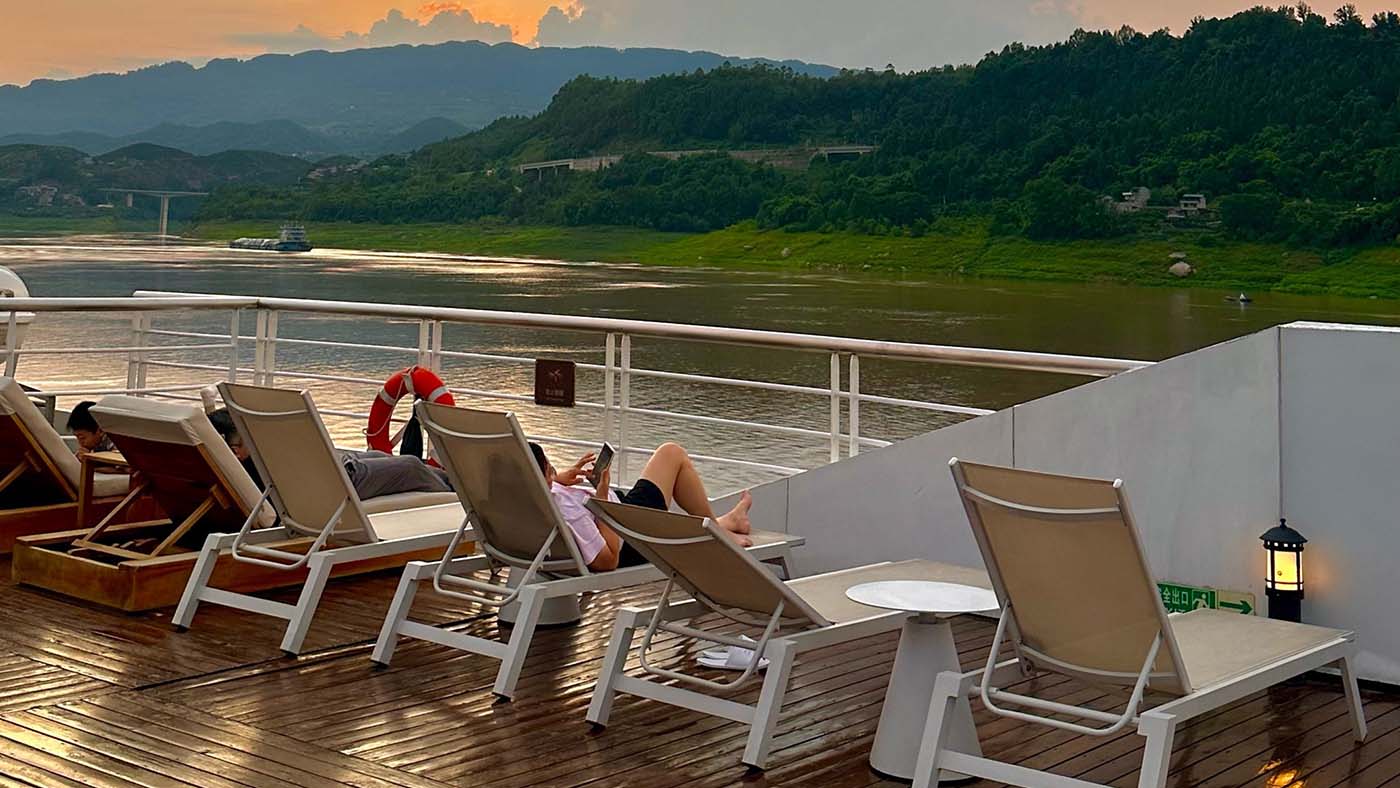
Wellness: Small spas, saunas, and a gym on larger ships. Sun decks are the busiest real estate when the gorges tighten around the vessel.
-
Connectivity: Wi-Fi is common but patchy in deep canyons. Treat it as a chance to disconnect.
-
Service: Bilingual staff and cruise directors who keep a close eye on timing along the Yangtze riverside.
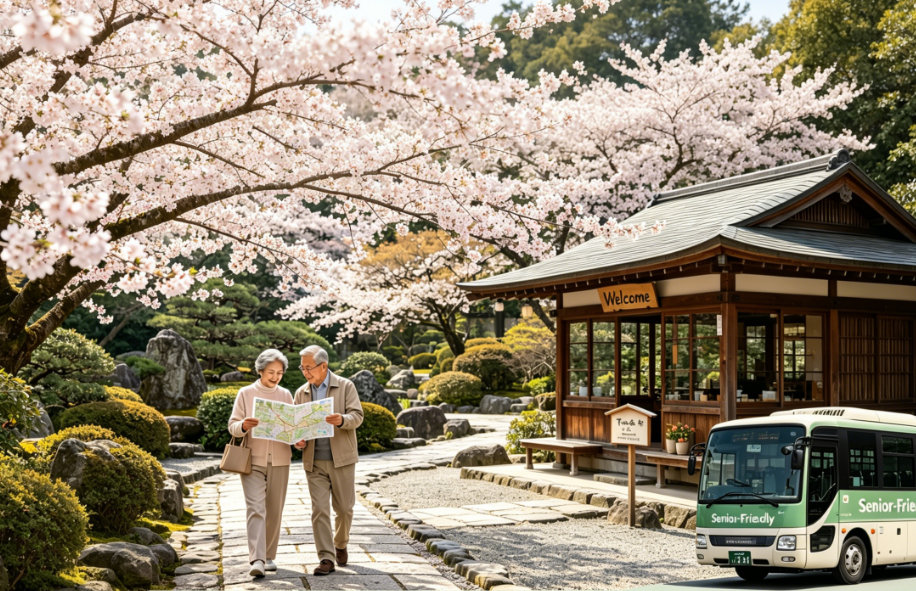
Whether you prefer understated luxury or a value-focused cabin, there is a fit. Families appreciate adjoining rooms, while solo travellers can take advantage of hosted tables and small group shore tours. Mobility concerns are manageable on most ships, and Three Bears Travel can confirm gangway ramps and lift access.
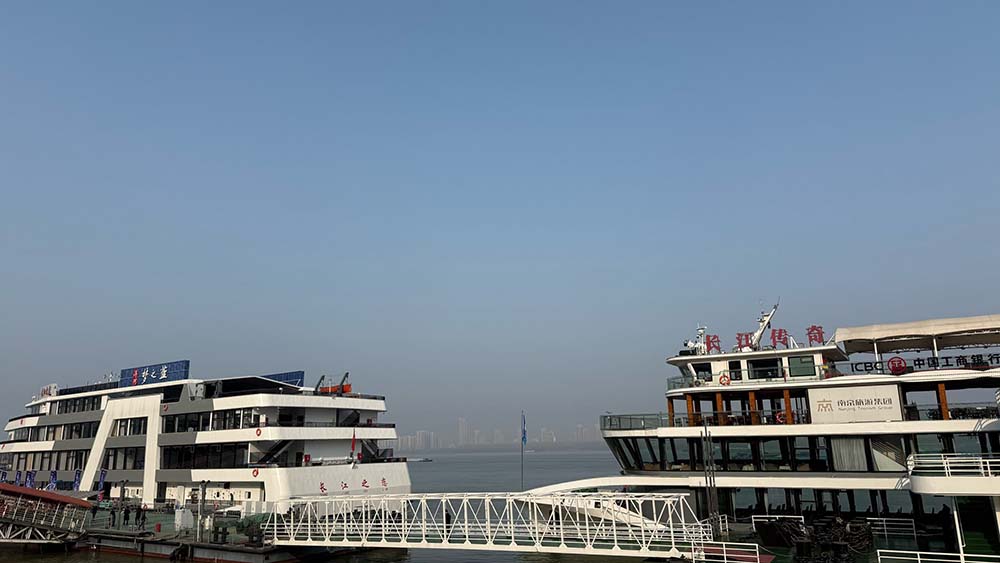
Along the Yangtze Riverside: Unmissable Stops
The Yangtze China gives you big set pieces and quieter scenes that stay with you. A few highlights to consider when shaping an itinerary:
-
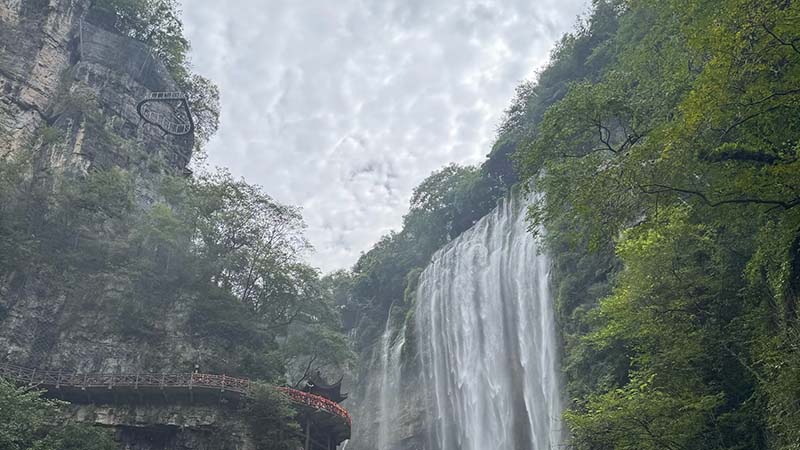
The Three Gorges: Qutang, Wu and Xiling make up the most photographed stretch of the river. Qutang is short and grand, with cliffs squeezing in tight. Wu Gorge is all elegance, with wisps of cloud catching the peaks. Xiling is longer, more rugged, and full of surprises.
-
The Three Gorges Dam: A landmark of modern engineering. Many cruises include the ship lift or locks. The visitor centre provides scale and context for how the river has been reshaped.
-
Chongqing: Often the starting point in the west. Hotpot capital, hilly streets, and night views that feel cinematic. A visit to Ciqikou Old Town adds timber houses and tea rooms to the mix.
-
Fengdu Ghost City: A hillside complex of mythic gates and statues tied to afterlife folklore. It is spirited, a bit eerie, and a fresh angle on local beliefs.
-
Shibaozhai Pagoda: A striking 12-storey red pagoda built into a cliff. The staircase inside is a small workout, the view at the top is worth it.
-
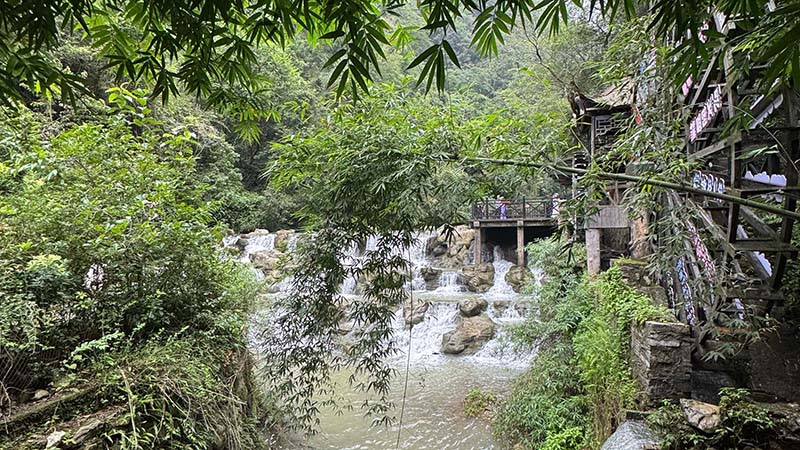
Lesser Three Gorges or Shennong Stream: Narrow side canyons reached by small boats, where waters run jade green and local boatmen sing work songs.
-
Wuhan and Yichang: Riverfront promenades, bridge views and museums that trace the river’s role in trade and culture. These stops also anchor transfers to rail and flights.
Sample Itineraries: Find Your Perfect Pace
Here is a quick side by side to help you choose the right pace.
|
Itinerary Length |
Typical Route |
Key Stops |
Ship Time vs Shore Time |
Who It Suits |
|
4 days / 3 nights |
Chongqing to Yichang (downstream) |
Three Gorges, Dam visit, one or two side trips like Shibaozhai or Shennong Stream |
More sailing, focused shore programme |
Travellers on limited time, first timers who want the headline sights |
|
7 days / 6 nights |
Round-trip variants or extended Chongqing to Wuhan |
All Three Gorges, Dam locks or ship lift, Fengdu Ghost City, White Emperor City, extra village call-ins |
Balanced mix of sailing and deeper local visits |
Photographers, culture lovers, anyone who prefers a less hurried tempo |
Talk to Three Bears Travel about water levels and lock transit timing for your dates. Schedules are finely tuned and can change with river conditions.
Seasons, Climate and River Moods
Timing shapes the feel of a Yangtze river cruise. Each season has its own rewards.
-
Spring (March to May): Mild days, blossoms on the banks, riverside fields bright with greens. Visibility is generally good, and temperatures comfortable for walking tours.
-
Summer (June to August): Lush scenery, dramatic cloudscapes, and higher water that softens some rapids. Heat and humidity rise, and there can be rain. Families and school holiday periods bring more energy on board.
-
Autumn (September to November): Many consider this the sweet spot. Clearer skies, gentle temperatures, and golden tones in the hills.
-
Winter (December to February): Crisp air, fewer travellers, very calm decks. Cooler cabins at night feel cosy, and fares can be attractive.
Public holidays can bring crowds to gateways. Golden Week periods are lively, with festive colour and a higher sense of occasion. If you prefer quiet, aim for shoulder weeks around the main season.
Practical Planning with Three Bears Travel
A few pointers make a big difference.
-
Book early to lock in mid-ship balcony cabins, especially in spring and autumn.
-
Choose upstream or downstream carefully. Downstream can be slightly faster with more daylight time in the gorges. Upstream often means longer days on the water and a steadier schedule.
-
Visas and entry: Australian passport holders need to arrange a visa in advance. Three Bears Travel can help coordinate documents along with flights or high speed rail to your embarkation point.
-
Health and safety: Tap water is not for drinking. Bottled water is stocked aboard. Pack any medications in your carry on and bring a small kit with rehydration salts and sunscreen.
-
Money matters: You will use a mix of card and cash. Small notes are useful for market stops and tipping guides on shore tours.
-
Connectivity: Roaming can be pricey. Consider a Chinese eSIM or pocket Wi Fi arranged before departure.
-
Photography: Mist and low light in the gorges call for a fast lens or a phone with night mode. A light tripod is handy but check ship rules about deck space.
Packing Ideas for a Yangtze River Cruise
Keep it comfortable and practical with touches that suit ship life.
-
Layers for changing temperatures on deck
-
A light rain jacket and foldable umbrella
-
Comfortable walking shoes with good grip
-
Smart casual outfits for evening dining
-
A hat, sunglasses and SPF 50
-
Power adapter for Chinese outlets
-
A small daypack for shore tours
-
Motion bands if you are sensitive to movement
-
Binoculars for birdlife and cliff temples
Food, Culture and Small Courtesies
Dining on the Yangtze in China is a pleasure. Breakfast buffets bring Western classics alongside congee, buns and hand pulled noodles. Lunch and dinner rotate through regional dishes that reflect ports along the way. Think river fish with ginger and spring onions, peppery greens, braised pork with star anise, sweet potato leaves, pickled vegetables that pair beautifully with steamed rice.
Vegetarian and gluten free requests are usually handled well when flagged in advance. Halal friendly kitchens are available on select ships. Let Three Bears Travel know your preferences when you book.
On shore, a few small courtesies make interactions smooth:
-
A simple ni hao goes a long way. People appreciate the effort.
-
In temples and memorial sites, keep voices low and shoulders covered.
-
Ask before photographing stallholders or performers.
-
Carry tissues and hand sanitiser for rural stops.
Nature Meets Engineering: The Yangtze’s Living Story
The Yangtze River is a living waterway and a national project. Sailing past the Three Gorges Dam, you feel the scale not just in concrete and locks but in the lakes and towns upstream that were reshaped. Guides share stories of resettled communities and archaeological sites that were moved stone by stone. It adds depth to shore visits, especially at museums that show the river before and after the dam.
Wildlife is part of the picture too. Herons hunt in shallows, swallows skim the surface at dusk, and kingfishers flash along quiet inlets. The fabled baiji river dolphin is no longer seen, a reminder to travel lightly and respect this ecosystem. Many ships support clean river initiatives, and guests can join short bank clean ups at certain stops.
Choosing the Right Cruise Ship on the Yangtze River
Not all vessels are the same. Consider these points when picking a ship:
-
Ship size and age: Newer ships tend to have larger standard cabins, more balcony categories and better soundproofing.
-
Cabin layout: Twin beds that convert to a queen, or fixed doubles. Some suites include a separate lounge and wider balcony.
-
Dining style: Open seating versus assigned tables. One or two dining rooms. Specialty restaurants with set menus may require a booking.
-
Onboard language: English service levels vary. Three Bears Travel can guide you toward ships with strong bilingual crews.
-
Accessibility: Lifts between decks, ramped gangways, and seating options on shore coaches.
-
Family features: Kids clubs are rare, though some ships offer craft classes and early suppers for younger travellers.
A Day on the River: Hour by Hour
Morning comes gently. You wake to the soft clink of teacups from the corridor and a ribbon of mist over the water. A tai chi class on deck limbers up sleepy shoulders while swallows draw patterns above the bow. Breakfast stretches out as the river narrows and cliffs gather around. Cameras appear. Conversations go quiet.
Late morning brings a talk from the local guide on cliff carvings and how the gorges got their names. The ship glides past a village that once sat higher on the slope before the dam raised water levels. Some passengers choose to read in the lounge. Others brave the breeze on the top deck.
After lunch, you head into a side canyon by smaller boat. The walls close in, rich green and dripping with ferns. A boatman sings in a voice that bounces off rock faces. Back on the main vessel, high tea appears, and the pastry chef has a go at sesame puffs and lemon tarts. The sun drops behind a ridge and the river turns bronze.
Evening entertainment might be a short opera piece and a hurrah for couples celebrating anniversaries. Night sailing is peaceful. You stand on the balcony and watch the lights of a riverside town pass by, hearing the faint buzz of scooters and a dog barking somewhere uphill.
What It Costs and Where Value Sits
Prices vary with season, ship class and cabin type. A few rules of thumb:
-
Inclusions: Most fares cover accommodation, main dining, tea and coffee at meals, daily shore excursions, and onboard talks and classes.
-
Extras: Specialty dining, spa treatments, premium drinks, laundry, and some optional tours at gateway cities.
-
Single travellers: Look for reduced single supplements in low season or on selected departures.
-
Timing: Spring and autumn command higher fares. Shoulder weeks can deliver better deals and calmer decks.
Three Bears Travel can package your Yangtze river cruise with high speed rail from Shanghai or Beijing, internal flights to Chongqing or Wuhan, and hotel nights at either end. Many travellers pair the river with Xi’an and the Terracotta Army, a food tour in Chengdu, or a few days in Shanghai’s former concession lanes. Done well, the river becomes the centrepiece that ties a wider route together.
Shortlists to Make Planning Easier
If you only do three things on shore:
-
Take the ship lift or locks at the dam to feel the river moving around you
-
Walk the galleries of Shibaozhai and look out over the rooftops
-
Ride into a side gorge where big ships cannot go
If you love food:
-
Try Chongqing hotpot with a divided pot for mild and spicy broths
-
Order river fish steamed with pickled chilli in Yichang
-
Sip local green tea on deck while drifting through Wu Gorge
If you are travelling with kids:
-
Pick a ship with larger family cabins and avoid peak heat in July and August
-
Bring card games for evening lounge time
-
Choose excursions with short walks and boat transfers rather than steep stairs
Small Details That Add Joy
-
Sunrise in Qutang Gorge is worth setting an alarm. The light arrives fast.
-
Keep an eye out for old trackers’ paths carved into cliff walls where men once hauled boats upriver.
-
Try a calligraphy class on board, then look for scrolls in riverside markets to take home.
-
Learn the names of the Twelve Peaks of Wu Gorge. Spotting them is addictive.
Working with Three Bears Travel
A dedicated consultant saves time and trims stress. They listen for what matters most to you, whether that is a balcony for morning coffee, the ship lift experience at the dam, or extra nights in a favourite city on either end. We coordinate visas, transfers, and guides who know how to keep things moving without rush. You get one itinerary and one point of contact, so the only decision you need to make on board is pot of tea or something sparkling before dinner.
The river has a way of adjusting your pace. Day by day, the decks become familiar, staff remember your name, and the shoreline tells stories in small scenes. You will see the Yangtze China up close, not just on a map.
When you are ready to trade airport queues for moving water and green slopes, Three Bears Travel can set a course that fits your calendar. The rest unfolds from your cabin, with the river filling the window and the next bend promising another view.
Want more China travel itineraries? Click here!
If you have any other questions, feel free to click here and get in touch with us.
If you need a personalized travel plan, feel free to click here and let us help you.