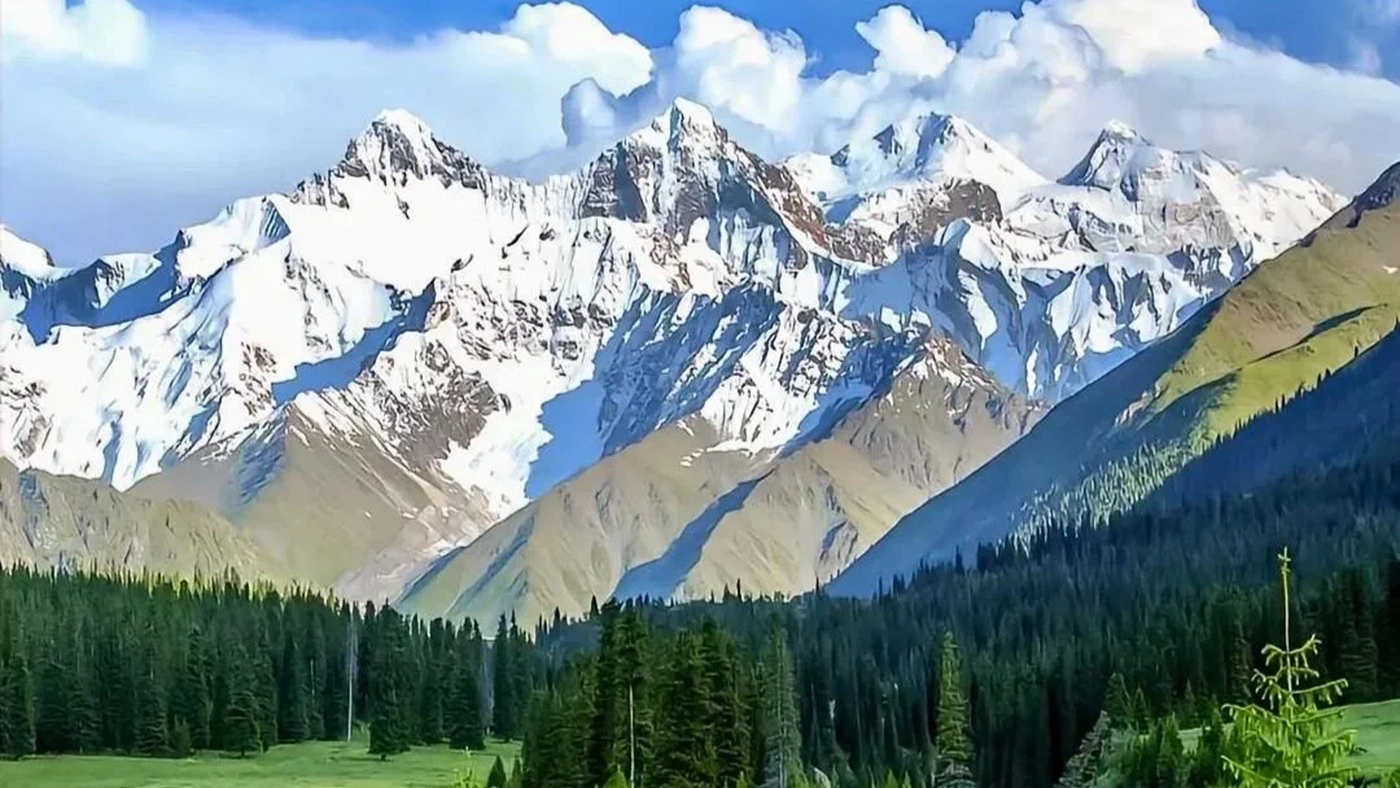
Bordering eight countries and covering nearly one-sixth of China’s territory, Xinjiang is an adventure waiting to happen. Snow-capped mountains brush the sky in the north, while sweeping deserts ripple away in the southwest, each corner unveiling a facet of the region’s long-standing Silk Road legacy. Planning the perfect Xinjiang itinerary involves more than just picking places to visit: weather patterns, accommodations, local customs, and travel logistics demand close attention to ensure every moment in this spellbinding land counts.
Xinjiang offers dazzling contrasts in climate, culture, and landscape. The right timing, seamless travel arrangements, and a carefully crafted list of must-see destinations set the foundation for a memorable experience. This guide provides everything from weather advice to accommodation tips, top destinations, insider recommendations, and trusted Xinjiang China travel packages.
Xinjiang Travel Tips: Best Time, Weather, and Packages
Best Time to Visit Xinjiang
Seasons in Xinjiang are dramatic and stunning in their transformations. The best time to visit Xinjiang depends largely on your interests and the places you plan to see. Spring (April to June) and autumn (September to mid-November) are highly recommended, offering:
-
Mild temperatures for both city wanderings and outdoor adventures.
-
Fresh blooms in alpine meadows and poplar forests in spring.
-
Fiery golden and amber leaves in the valleys and along the riverbanks in autumn.
-
Clear skies and comfortable air throughout the major sightseeing corridors.
Xinjiang weather turns extreme in both summer and winter. During summer, southern deserts such as the Taklamakan can reach temperatures exceeding 40°C, while the urbane streets of Urumqi and Kashgar simmer under intense sunlight. Winters in the mountains and cities are biting cold, with sub-zero temperatures common from December to February.
For hiking, nature walks, and photography, spring and autumn promise the most visual drama and temperate climates. Adventurers aiming for Altay or the Ili grasslands will find late summer and early autumn a feast of colours, while Sayram Lake Xinjiang shimmers under bright blue skies. Always check the Xinjiang weather forecast for your set dates particularly if venturing into the mountains or deserts where sudden shifts are common.
A Seasonal Snapshot
|
Season |
Highlights |
Temperatures |
Notes |
|
Spring |
Blossoms, mild air |
10-25°C |
Melting snow, lively meadows |
|
Summer |
Festivals, fruit |
25-40°C (hot SW) |
Deserts swelter, alpine cool escapes |
|
Autumn |
Foliage, harvest |
10-22°C |
Grape harvest, poplar woods glowing |
|
Winter |
Snow sports |
-20 to 3°C |
Crisp, clear, but travel disruptions |
Being precise with weather checks becomes especially important for trips to high-altitude lakes or desert in Xinjiang, as both can pose risks due to their isolation and temperature extremes.
Accommodation and Travel Options
Modern Xinjiang offers excellent traveller infrastructure, especially in Urumqi, the provincial capital. Hotels in Urumqi Xinjiang span from five-star international chains to locally run guesthouses, catering to business travellers, backpackers, and families alike.
Booking ahead during key periods (May-June and September-October) is wise. Major centres such as Kashgar and Turpan provide a wide range of lodging, often with amenities reflecting local ethnic flavours—think Uyghur-style courtyards or Mongolian yurt camps in the grasslands.
For those looking to skip the hassle of solo planning, Xinjiang tour packages offer structured itineraries, hotel bookings, and knowledgeable guides. Xinjiang travel packages can be tailored for small groups, solo adventurers, or families, and commonly include:
-
City sightseeing
-
Excursions to natural wonders
-
Adventures to the desert or highlands
-
Cultural and food experiences
Customised Xinjiang tours are especially popular for those with niche interests, such as Silk Road history, photography, or trekking.
Train and bus are affordable ways to cover the vast distances between cities, but private tours or drivers unlock off-the-beaten-track treasures and let you move at your own pace.

Must-See Natural Attractions
Xinjiang’s geography is as diverse as its culture, from the impossibly deep blue of Sayram Lake Xinjiang to the red heat of Flaming Mountain Xinjiang. Here are some highlights:
Flaming Mountain Xinjiang
Rising from the Turpan Depression in dramatic, bare ridges, this landmark is famed from the Chinese classic “Journey to the West.” The ridges glow scarlet at sunrise and sunset, and summer heat here is legendary, often earning it the reputation of the hottest place in China.
Sayram Lake Xinjiang
Cradled at about 2,070 metres above sea level, Sayram Lake is celebrated for its pure water and flower-speckled meadows. The best months to visit are June to September, when alpine flowers reach full bloom and yurts dot the shores. Locals believe the water holds healing powers, and sunset views are simply breathtaking.
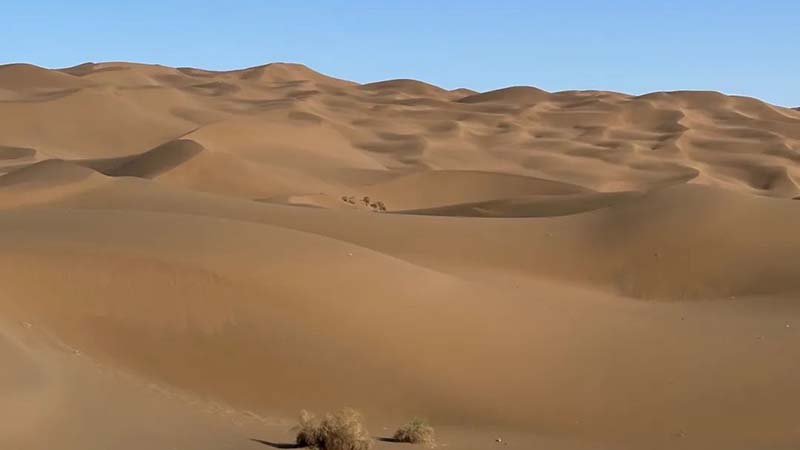
Desert in Xinjiang
The Taklamakan Desert is China’s largest and a key Silk Road feature. Sand seas, oases, camel treks, and the shifting soundtrack of the wind attract those with a taste for adventure. Yarkand and Hotan are gateways for desert expeditions, each offering a different blend of cultural immersion and stark natural beauty.
Altay Xinjiang
Located in the far north, Altay is a tapestry of pine forests, mountain rivers, and glacier-fed lakes. Activities range from horse trekking to Siberian-style fishing, and the region feels distinctly Central Asian. Kanas Lake, in particular, dresses in wild colours throughout autumn, when the forests switch from green to yellow and orange.
Narati Grassland
Nestled in the Ili Valley, the Narati Grassland is one of China’s most beautiful alpine meadows. Rolling green hills stretch as far as the eye can see, dotted with grazing horses and traditional Kazakh yurts. In summer, wildflowers blanket the landscape, making it a paradise for photographers and nature lovers. Horseback riding and experiencing local nomadic culture are highlights here.
Heavenly Lake (Tianchi)
Set high in the Tianshan Mountains near Urumqi, Heavenly Lake—also known as Tianchi—is a pristine alpine lake surrounded by snow-capped peaks and dense forests. The crystal-clear waters reflect the dramatic scenery, creating a tranquil and almost otherworldly atmosphere. Popular activities include hiking, boating, and simply soaking in the breathtaking mountain views, especially in late spring and summer when the area is lush and vibrant.
Top Xinjiang Destinations to Include in Your Itinerary
The region’s geography means travel times are substantial—trains and highways stitch the destinations together, but distances are impressive. Here’s a suggested route to make the most out of a Xinjiang trip:
-
Urumqi – Your starting hub, Urumqi is the world’s most inland major city, farther from the sea than any other. It’s renowned for its vibrant night markets, the fascinating Xinjiang Regional Museum, and the nearby Heavenly Lake (Tianchi), a stunning alpine lake nestled in the Tianshan Mountains.
-
Turpan – This ancient oasis city is one of the lowest and hottest places in China, famed for its ingenious karez underground irrigation system. Explore the ruins of Jiaohe and Gaochang, the Flaming Mountains, and the lush Grape Valley, where sweet grapes thrive in the desert climate.
-
Kashgar – A living Silk Road city, Kashgar boasts a captivating blend of Uyghur culture and history. Wander the labyrinthine Old Town, visit the grand Id Kah Mosque (the largest in China), and experience the bustling Sunday Market, which has been a trading hub for centuries.
-
Hotan – Located on the edge of the Taklamakan Desert, Hotan is celebrated for its centuries-old jade culture and exquisite silk weaving. The city’s lively bazaars offer a sensory feast of local crafts, carpets, and traditional foods. Don’t miss the opportunity to venture into the desert for a unique adventure.
-
Tashkurgan – Known as the "Stone City," Tashkurgan is a legendary Silk Road outpost surrounded by majestic mountains. Here, you can experience the awe-inspiring Panlong Ancient Road, famous for its 99 dramatic bends, and explore the ancient Stone City ruins that echo centuries of history and culture. The area is also home to the Tajik ethnic group, whose unique traditions and hospitality add to the region’s charm.
-
Optional:
-
Altay – A paradise for nature lovers, Altay is known for its pristine forests, crystal-clear lakes, and snow-capped peaks. It’s a gateway to outdoor adventures like hiking, skiing, and exploring the tranquil Kanas Lake.
-
Sayram Lake – Often called the “last tear of the Atlantic,” Sayram Lake is Xinjiang’s largest alpine lake, famous for its turquoise waters and wildflower meadows, especially beautiful in summer.
-
Ili Valley – This fertile valley bursts into color with wildflowers in spring and summer. It’s also home to the fragrant lavender fields of Huocheng and the scenic Narati Grassland, perfect for horseback riding and experiencing Kazakh culture.
This balanced route captures both the cultural charisma and the raw landscapes of Xinjiang, making it an ideal itinerary for anyone interested in Xinjiang China travel.
Sample Xinjiang itinerary (10 days)
|
Day |
Location |
Highlights |
|
1 |
Urumqi |
Museum, Grand Bazaar, Red Hill |
|
2-3 |
Turpan |
Morning markets, Ancient ruins, Flaming Mountain |
|
4-5 |
Kashgar |
Old Town, Sunday Market, Id Kah Mosque |
|
6 |
Karakul Lake |
Pamir mountain views, yurt stay |
|
7 |
Hotan |
Silk workshops, bazaar, Taklamakan edge |
|
8 |
Desert Trek |
Camel ride, stargazing |
|
9 |
Sayram Lake |
Alpine meadows, relaxation |
|
10 |
Urumqi |
Return, last-minute shopping |
Booking Xinjiang Tours and Travel Packages
Organised travel is a popular choice due to Xinjiang’s size, limited English signage, and frequent security checks. Xinjiang travel packages offer flexibility while removing stress. Packages usually include transport, hotels, guides, entry tickets, and local food experiences. Xinjiang tours range from city hops to deep-dive cultural expeditions.
Three Bears Travel, for example, curates Xinjiang tour packages that combine adventure with comfort and safety. Their offerings cover bespoke city explorations, multi-day treks through Altay, immersive food tours in Kashgar, and overnight desert glamping. Experienced guides with local insights open doors to smaller villages and heritage sites, communities where independent visitors might struggle to gain access.
Group and private tours make it possible to join up with like-minded travellers or structure an itinerary around specific interests, such as Silk Road legends or minority cuisine workshops. The convenience of having travel, logistics, and translation handled lets you focus on savouring the landscapes and stories.
Essential Xinjiang Travel Tips
A few practical matters make any trip to Xinjiang smoother:
-
Carry your passport and keep digital copies handy, as frequent ID checks occur on highways and city entrances.
-
Download a reliable messaging app with translation support.
-
Dress in layers, as temperatures swing from hot days to cool nights, especially in desert areas or at altitude.
-
Respect local customs—Xinjiang’s population is a vibrant mix of ethnicities, mainly Uyghur, Kazakh, and Han, with a Muslim majority. Modest dress and polite photography go a long way.
-
If travelling solo or outside the main season, arrange transport and accommodation ahead of time, especially for remote areas.
-
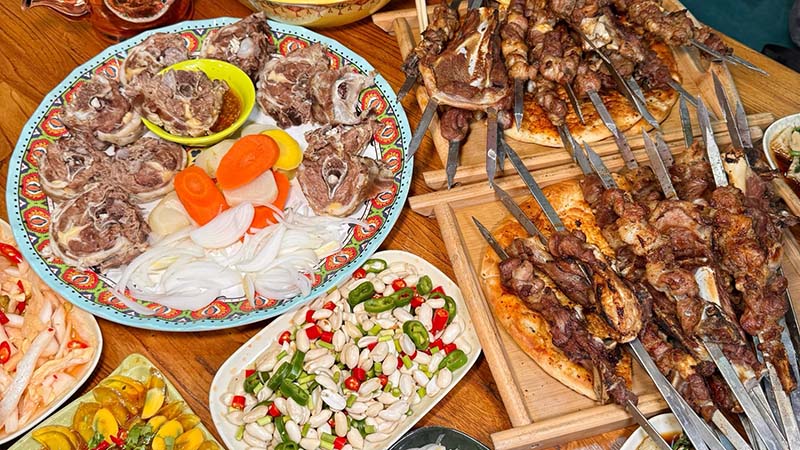
Try the local food: hand-pulled noodles (laghman), lamb skewers, naan bread, and sweet fruits like Hami melon and Turpan grapes are regional icons.
Sample Foods and Markets to Try
Xinjiang’s food reflects the rich ethnic mix and Silk Road history:
-
Kebabs (Yangrou chuan): Grilled lamb with cumin and spices.
-
Polo (Pilaf rice): Rice, carrots, and meat, often served for celebrations.
-
Naan: Oven-baked flatbread, perfect with kebabs or stews.
-
Fruit: Especially grapes, melons, and apricots from Turpan.
-
Markets: Urumqi’s Erdaoqiao Grand Bazaar and Kashgar’s Sunday Market are must-visits for food and handicrafts.
Xinjiang Through the Lens
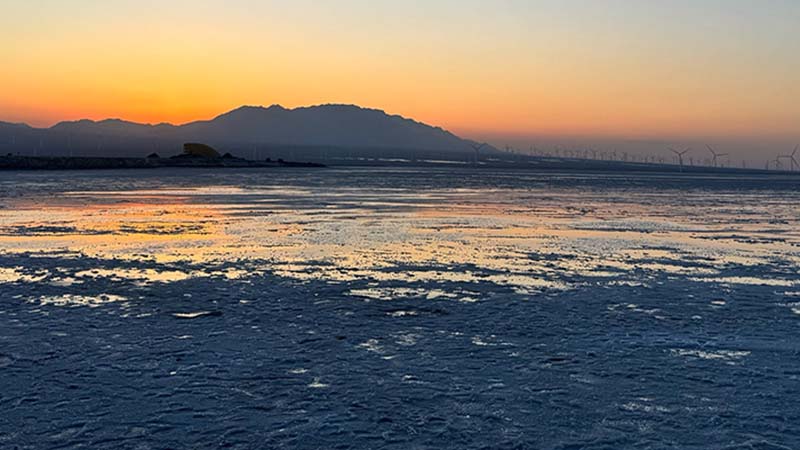
Photographers will find a region that changes personality every hour. Dawn in the desert, mid-morning in grape valleys, sunset on Sayram Lake, and deep blue twilight in ancient cities each look and feel different. Early autumn, when poplars line the roads and villages with gold, is particularly photogenic.
Planning Your Trip to Xinjiang with Three Bears Travel
Preparation is key to making the most of a Xinjiang trip, and consulting the best Xinjiang travel guide, like Three Bears Travel can enhance your experience. Whether you choose a structured Xinjiang travel package or build an independent route, there’s room for both iconic highlights and quiet moments. The contrasts between epic landscapes, living history, and lively food scenes create an experience that stays with travellers long after they leave.
From the bustling bazaars of Kashgar to the sunlit shores of Sayram Lake, this region rewards curiosity and an open mind at every turn.
FAQ: Travelling to Xinjiang
Embarking on a journey to Xinjiang is both thrilling and rewarding, with its rich tapestry of landscapes and cultures awaiting exploration. Below are common queries to help you plan an amazing adventure through Xinjiang, with extra insights for Australian and New Zealand travellers.
Are tourists allowed in Xinjiang?
Yes, Xinjiang is open to international tourists, including Australians and New Zealanders. While independent travel is possible, joining a reputable tour operator can simplify logistics and enhance your experience, especially in remote areas.
What is the best time to visit Xinjiang?
The best time to visit is in spring (April to June) and autumn (September to mid-November) when the weather is mild, perfect for outdoor activities and sightseeing.
Is Xinjiang very hot?
Xinjiang’s climate is highly variable. Summers, especially in places like Turpan and the desert regions, can be extremely hot—temperatures often soar above 40°C. However, mountain and lake areas remain cool, even in summer. Always check the specific weather for your destinations.
Can I wear shorts in Xinjiang?
You can wear shorts in Xinjiang, especially in tourist areas and during hot weather. However, it’s advisable to dress modestly when visiting religious sites or traditional markets out of respect for local customs. Lightweight, breathable clothing is recommended for summer.
What is altitude sickness in Xinjiang?
Some parts of Xinjiang, such as Tashkurgan and the Pamir Plateau, are at high altitudes (over 3,000 metres). Altitude sickness can affect anyone, causing symptoms like headaches, nausea, and fatigue. Take time to acclimatise, stay hydrated, and avoid strenuous activity on arrival at high elevations.
Do they speak English in Xinjiang?
English is not widely spoken in Xinjiang, especially outside major hotels and tourist sites. Learning a few basic Mandarin phrases or travelling with a guide can make your journey much smoother. Tour operators often provide English-speaking guides for convenience.
What are the must-see attractions in Xinjiang?
Don't miss Flaming Mountain, Sayram Lake, the vast deserts like the Taklamakan, and the striking landscapes of the Altay region.
Is it safe to travel to Xinjiang?
Yes, travelling with established tour operators such as Three Bears Travel ensures a safe and well-organised experience.
What should I pack for my Xinjiang trip?
Pack versatile clothing for temperature changes, comfortable shoes for walking, and modest attire to respect local customs. Don’t forget sunblock, a hat, and a camera. If you plan to visit high-altitude areas, bring warm layers and any personal medication you may need.
Want more China travel itineraries? Click here!
If you have any other questions, feel free to click here and get in touch with us.
If you need a personalized travel plan, feel free to click here and let us help you.