When the name “Silk Road” comes up, it conjures images of exotic bazaars, sand-swept caravans, and vast landscapes dotted with ancient cities. This remarkable web of trade routes that shaped civilisation as we know it still weaves through the heart of China, where its remnants and legacy have never faded. Exploring the Silk Road is far more than a historical exercise; it’s truly a living tapestry where cultures intertwined, deals were struck, and innovation sparked across continents.
Unfolding the Story: How the Silk Road Began
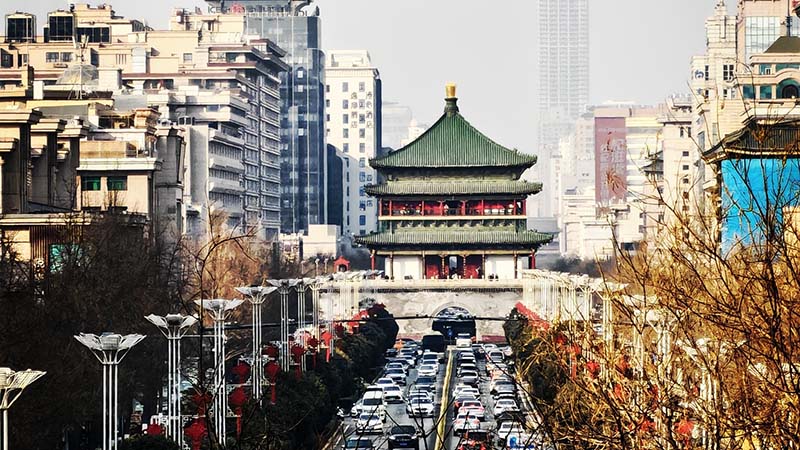
When did the Silk Road start? The earliest roots of the Silk Road reach back to the Han Dynasty, more than 2,000 years ago. With Chang’an (modern Xi’an) as its eastern anchor, the route opened China to a wider world. The term “Silk Road” itself speaks to the commodity that symbolised luxury and innovation: silk. Yet, the network carried far more than delicate fabric, encompassing a wide variety of things traded on the Silk Road. Gold, jade, tea, horses, ceramics, and glass all found their way across deserts and mountain passes.
Key Milestones:
-
Han Dynasty (2nd century BCE): Chang’an (Xi’an) becomes the eastern gateway.
-
Tang Dynasty: Golden age of trade, art, and diplomacy.
-
Spread of Religions: Buddhism, Islam, Christianity, and Zoroastrianism travel along the route.
-
Technological Exchange: Papermaking, gunpowder, and the compass move westward; glassmaking and astronomy flow east.
Fun Fact: The Silk Road wasn’t a single road, but a network of routes—like a spider’s web—connecting China to Central Asia, Persia, and Europe.
Diplomats, monks, merchants, and adventurers journeyed across its expanse, propelled by both necessity and curiosity. Monasteries welcomed weary travellers; oases became beacons after arduous stretches through the Taklamakan or Gobi.
What began out of need for trade quickly morphed into the conduit of knowledge, technology, and religion. Papermaking, gunpowder, Buddhism, and Islam all traversed from East to West or vice versa. The Silk Road’s true significance lies not simply in goods exchanged, but in the conversations, alliances, and inspirations that crossed continents, including Europe.
What Was Traded? A Smorgasbord of Goods
It was more than just silk that fascinated traders and spurred the great exchanges. Here’s a glimpse into the diversity that once filled the bazaars from Xi’an to Kashgar:
-
Textiles: Silk certainly reigned supreme, but cotton, wool, and linen all played critical roles.
-
Metals and Stones: Gold, silver, jade, turquoise, and lapis lazuli.
-
Spices and Flavours: Cinnamon, pepper, saffron, cloves, and dried fruit.
-
Technologies: Papermaking, glassware, compasses, and even noodles.
-
Ceramics and Potteries: Astoundingly intricate, often reaching distant Roman and Persian markets.
-
Animals: Horses from Central Asia, camels for desert travel, and prized birds for nobility.
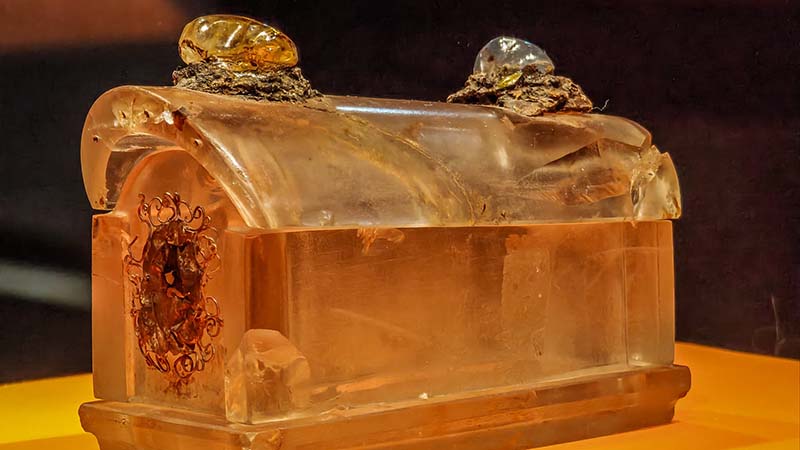
The value of these goods depended as much on their rarity as on their desirability in cultures far removed from their origin. Fragile silk threads could fetch a fortune in Rome, while grapevines and pomegranate seeds introduced entirely new flavours to the East.
To imagine the sheer extent of movement, consider this simple overview:
|
Good/Item |
Origin in China |
Major Western Destinations |
Mode of Transport |
|
Silk |
Xi’an, Suzhou |
Constantinople, Rome, Damascus |
Camel caravan, ship |
|
Ceramics |
Jingdezhen, Xi’an |
Baghdad, Venice, Cairo |
Camel caravan, ship |
|
Tea |
Yunnan, Fujian |
Samarkand, Istanbul, Venice |
Caravan, river barge |
|
Jade |
Hotan |
Xi’an, Samarkand, Rome |
Caravan, mule train |
|
Spices |
Southeast Asia via China |
Samarkand, Baghdad, Constantinople |
Ship, caravan |
Did You Know? A single bolt of Chinese silk could be worth its weight in gold in Rome!
Mapping the Route: Cities, Deserts, Mountains
What’s described as “The Silk Road” is in reality a branching system of trade corridors rarely marked out on stone, but preserved in maps, stories, and ruined fortresses. There are northern and southern routes, both weaving through deserts, over steppes, along the fringes of mountain ranges, and through river valleys.
Key stops in China include:
-
Xi’an: The traditional starting line, once the capital of more than a dozen dynasties.
-
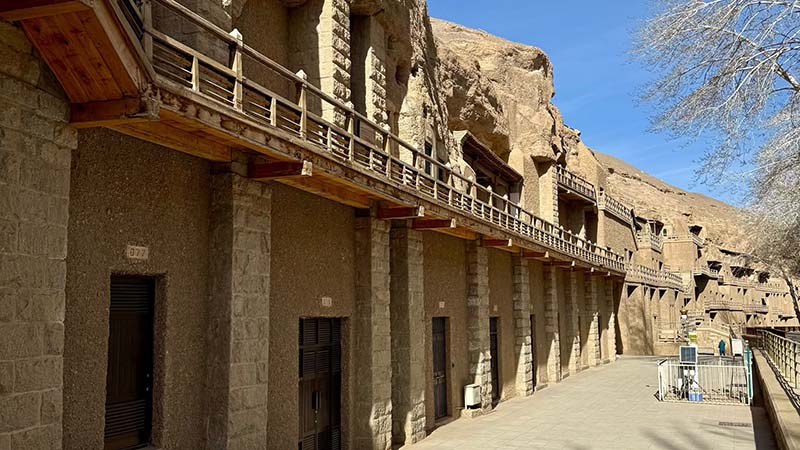
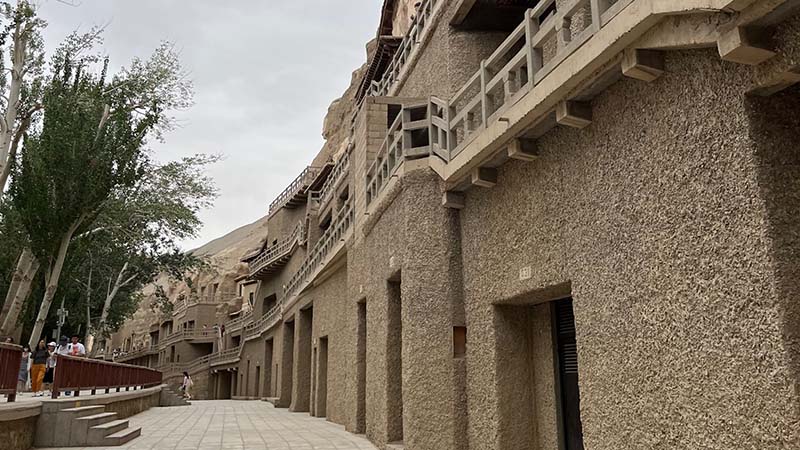
Dunhuang: Gateway to the Gobi, known for the spectacular Mogao Caves.
-
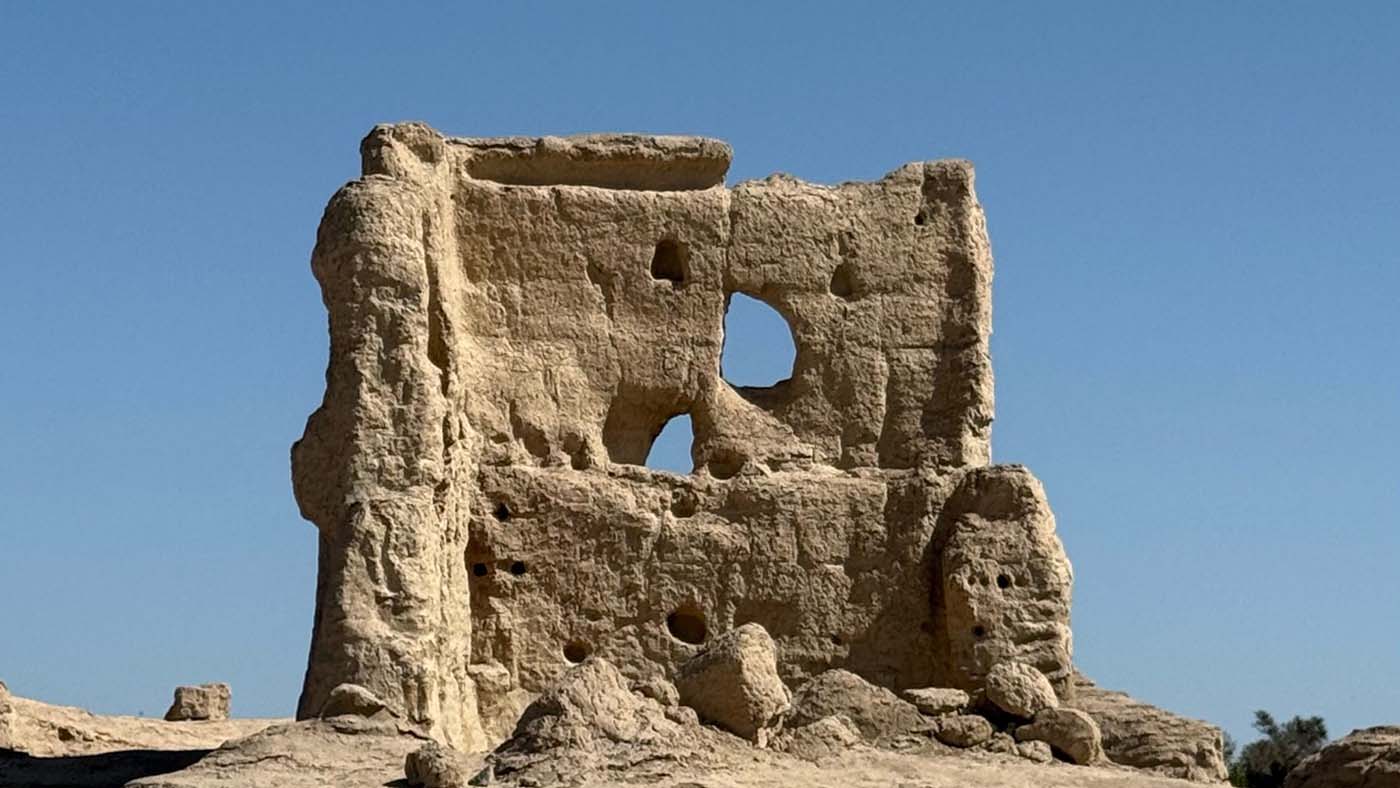
Turpan: An oasis city famed for grapes, ancient irrigation systems, and unique local architecture.
-
Kashgar: A crossroad city near the western edge, alive with Saturday markets and the rhythm of Uyghur culture.
Travelers ambitious enough to trace these routes discover that the geography dictated every aspect of the journey: supplies and stops depended on oases, mountain passes decided which months were safe to travel. Even the timing of caravans followed the rhythm of seasons and the threat of bandits.
A Modern Map: Reawakening a Legend
Many modern itineraries follow approximately this path through China:
|
City |
Highlight |
Distance from Last Stop (km) |
|
Xi’an |
Terracotta Warriors, city wall |
Starting point |
|
Lanzhou |
Yellow River, Gansu province |
600 |
|
Dunhuang |
Mogao Caves, Crescent Lake |
1,100 |
|
Turpan |
Karez system, Jiaohe Ruins |
600 |
|
Urumqi |
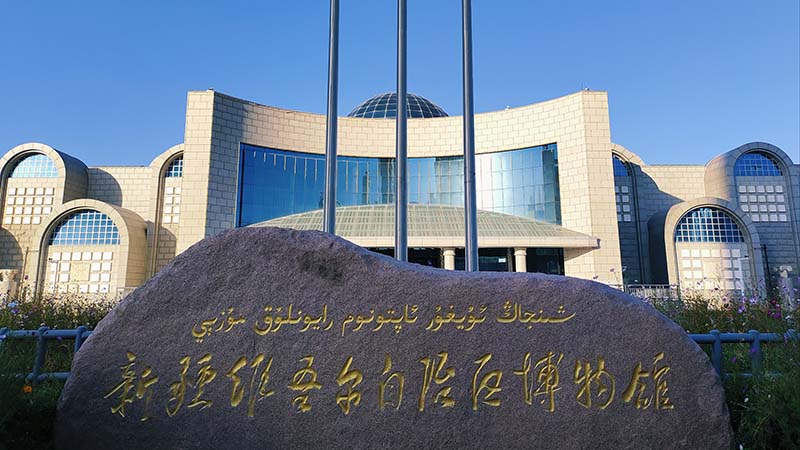
Xinjiang Museum, Tianshan Mountains |
280 |
|
Kashgar |
Old city, Sunday Market |
1,500 |
This modern-day pilgrimage is no small feat: the Silk Road covers more than 6,000 kilometres before reaching the ancient cities of Samarkand and onward toward Europe and the Mediterranean.
Living Heritage: Immersion in Silk Road Culture
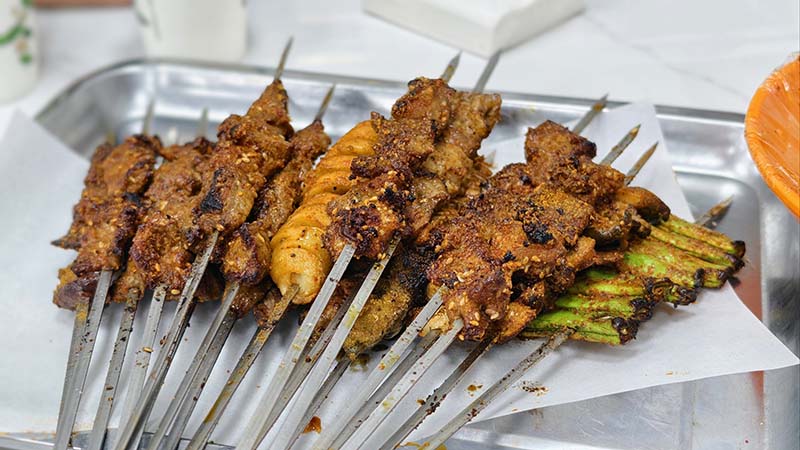
Walking the Silk Road in China, you’ll find the past woven into the present, illustrating why was Silk Road important in shaping history. In the food, every spice-laden kebab hints at centuries of cross-border exchange. In the music, the melodies of Uyghur, Kazakh, and Han musicians merge into something new yet deeply rooted.
Markets are still the pulsing heart of Silk Road towns. Kashgar’s Sunday bazaar spills over with nuts, carpets, handmade knives, and dried fruit. Dunhuang’s stalls showcase local art inspired by Buddhist caves. Xi’an’s Muslim Quarter is a sensory riot of sizzling snacks, neon-lit signs, and Arabic calligraphy.
Museums across Gansu and Xinjiang provinces display relics unearthed from sand and tomb, from Tang dynasty coins to Sogdian jewellery, each piece a whisper from the past. To stand in such a market, or gaze at ancient murals in the Mogao Caves, is to step into the swirl of history on this legendary route.
Experiences That Go Beyond the Guidebook
-
Swap travel stories with a Kashgar market vendor while tasting freshly baked samsa.
-
Wander the clay alleys of Turpan’s city ruins under the stark blue sky.
-
Watch the sunrise over the dunes of Dunhuang, where the desert meets Buddhist frescoes.
-
Share tea with a local family, their stories echoing those of traders so many centuries before.
Opting for expert-led tours, especially those crafted by Silk Road specialists, can unlock layers of insight and local connection. Guided visits with fluent guides open up opportunities to interact, ask questions, and grasp both wider histories and personal tales.
Cuisine & Local Flavours – Signature Dishes Along the Route
The Silk Road’s culinary legacy is a feast for the senses, blending Chinese, Central Asian, and Middle Eastern influences.
Must-Try Dishes:
-
Lanzhou Hand-Pulled Noodles: Chewy, spicy, and utterly addictive.
-
Turpan Lamb Skewers: Grilled over open flames, seasoned with cumin.
-
Sweet Melons & Raisins: Grown in Turpan’s sun-drenched vineyards.
-
Kashgar Pilaf (Polo): Fragrant rice with lamb, carrots, and spices.
-
Uyghur Samsa: Flaky pastry stuffed with meat and onions.
-
Dunhuang Fried Dough: Crispy, savory, and perfect with tea.
Foodie Tip: Markets are the best places to sample local specialties—don’t be shy to try something new!
Artistic and Spiritual Currents Along the Way
Why was Silk Road important? The Silk Road was not just built by merchants and goods, but artists and mendicants, philosophers and pilgrims. Buddhist monks walked or rode countless miles to reach sacred sites, establishing monasteries and cave temples as they went. The Silk Road was a melting pot of faiths and artistic traditions, leaving behind a legacy of breathtaking sites.
Cultural Highlights:
-
Mogao Caves (Dunhuang): Nearly 500 grottoes filled with Buddhist murals and sculptures.
-
Id Kah Mosque (Kashgar): One of China’s largest and most beautiful mosques.
-
Ancient City Walls (Xi’an): Walk or cycle atop centuries-old fortifications.
-
Sogdian and Persian Artifacts: Museums in Gansu and Xinjiang display treasures from ancient traders.
-
Fusion Architecture: Spot Chinese dragons, Persian arches, and Indian stupas in a single building.
Travellers have the chance to see these influences up close. Visiting mosques, Buddhist shrines, or ancient city walls, you’ll see how Gothic arches, Indian stupas, and Chinese dragons often converge in a single structure — living proof that the Silk Road was the original multicultural phenomenon.
From Past to Present: Why the Silk Road Still Captivates
As China pours energy into reconnecting Asia through modern rail and road projects, the echoes of the ancient Silk Road are only growing stronger. High-speed trains now link cities that once depended on weeks of travel by camel. Museums, markets, and expert-led tours are rediscovering old trade hubs and breathing new life into them.
For many, visiting the old Silk Road is about more than ticking off famous sights, as influences stretch all the way to Europe. It’s an act of participation in a grand tradition: to follow in the footsteps of traders, monks, and adventurers, to connect the dots between cultures, and to feel the ancient pulse that still beats in the shadow of desert walls and city gates.
The Silk Road is not a relic, but a living invitation. Stories still wait in the sands, flavours on the table, and music spilling from city squares across western China — ready for the next curious traveller to tap into that ancient, vibrant current.
Tips for Visitors – Best Season, Sightseeing, and Cultural Etiquette
When to Go:
-
Best Seasons: Spring (April–June) and autumn (September–October) for mild weather and clear skies.
Sightseeing Tips:
-
Start early to beat crowds and heat.
-
Allow extra time in each city—hidden gems await!
-
Bring cash for markets and small towns.
Cultural Etiquette:
-
Dress modestly, especially in religious sites.
-
Always ask before photographing people.
-
Greet locals with a smile and a simple “ni hao” (hello).
-
Be open to sharing meals and stories—hospitality is a Silk Road tradition.
Packing Essentials:
-
Sun hat and sunscreen for desert stretches.
-
Layers for changing temperatures.
-
A sturdy water bottle and snacks for long journeys.
The Silk Road in China is not just a destination—it’s an epic journey through history, culture, and imagination. From the treasures of ancient bazaars to the flavors of local cuisine, every step reveals a new story. Ready to walk in the footsteps of traders, monks, and explorers? Let Three Bears Travel guide you on an unforgettable adventure, with expert-led tours, insider access, and memories to last a lifetime.
FAQ: Exploring the Silk Road in China
Discover the wonders of the ancient Silk Road, where history, culture, and adventure come together. These frequently asked questions will help you embark on your journey through one of the most legendary trade routes in the world.
When did the Silk Road start?
The Silk Road began during the Han Dynasty in the 2nd century BCE.
Where did the Silk Road start and end?
The Silk Road started in Chang’an (modern-day Xi’an) in China and ended at the Mediterranean, with key destinations such as Constantinople (Istanbul), Rome, and other major cities in Europe and the Middle East.
What goods were traded on the Silk Road?
Items such as silk, tea, precious metals, spices, jade, and ceramics were commonly traded.
What are the key cities along the Silk Road in China?
Key cities include Xi’an, Dunhuang, Turpan, Urumqi, and Kashgar.
Why was the Silk Road important?
It facilitated trade, cultural exchange, and the spread of religions, technologies, and ideas between East and West.
How long is the Silk Road?
The Silk Road stretches over 6,000 kilometres from China to the Mediterranean.
What is the best time to visit the Silk Road in China?
The ideal seasons are spring (April–June) and autumn (September–October), when the weather is most pleasant.
Can I see the Silk Road today?
Yes, modern tours let you retrace the route, visiting vibrant markets, ancient ruins, and cultural landmarks that bring the Silk Road’s legacy to life.
Want more China travel itineraries? Click here!
If you have any other questions, feel free to click here and get in touch with us.
If you need a personalized travel plan, feel free to click here and let us help you.