Hiroshima rewards curious travellers with quiet riverside walks, powerful stories of resilience, and a dining scene that surprises even seasoned food lovers. By 2026, the city feels both grounded and forward-looking. You can stand by the hiroshima peace memorial genbaku dome in the morning, then be tasting oysters on Miyajima by late afternoon. That range is the magic.
What happened at Hiroshima?
Hiroshima’s history is forever marked by the events of August 6, 1945, when the world’s first atomic bomb was dropped on the city. The immediate devastation was immense—an estimated 140,000 people lost their lives by the end of that year, and the city was left in ruins. Today, Hiroshima stands as a symbol of peace and resilience. It is completely safe to visit; the city has been rebuilt and is vibrant, with no lingering radiation risks. The scars of the past remain in memory and monuments, but Hiroshima’s spirit is forward-looking. The bombing was a pivotal moment in World War II, intended by the Allies to hasten the end of the conflict, though its legacy continues to inspire global conversations about peace and nuclear disarmament.
Exploring Hiroshima: History, Peace Memorials, and City Highlights
Begin your visit at Hiroshima Peace Memorial Park, a tranquil space along the Motoyasu River. Here, you’ll find the iconic A-Bomb Dome, the Cenotaph for the A-bomb Victims, the Children’s Peace Monument, and the Flame of Peace. The Hiroshima Peace Memorial Museum offers moving exhibits and survivor testimonies, providing essential context for understanding the city’s past and its commitment to peace.
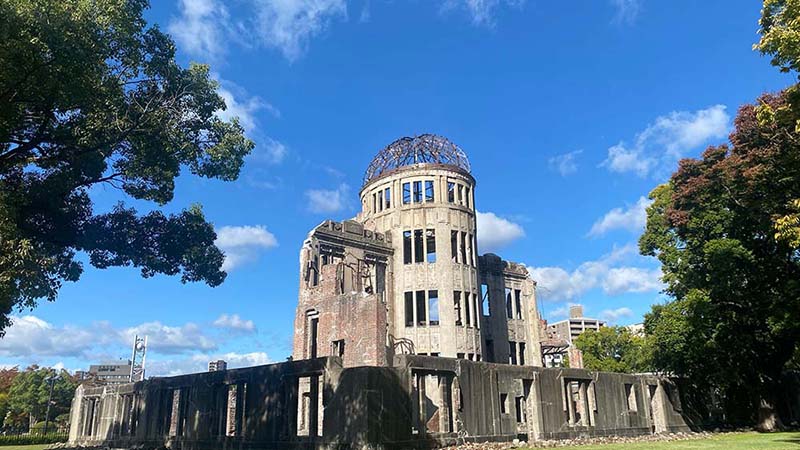
Beyond the park, Hiroshima offers a wealth of attractions:
-
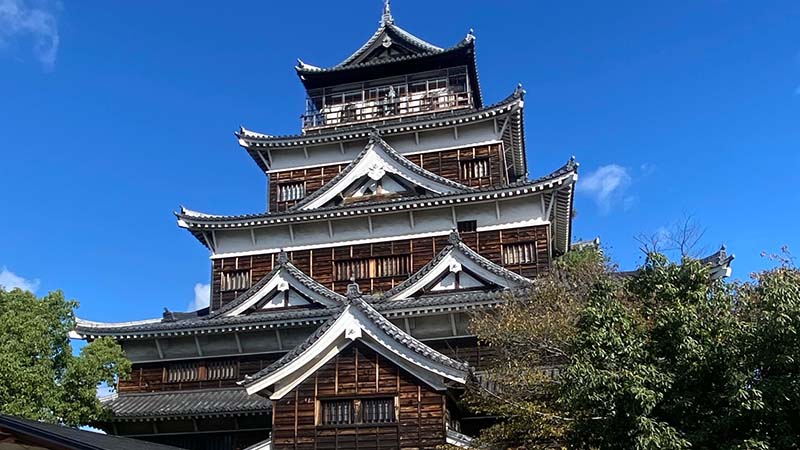
Hiroshima Castle: A reconstructed fortress with a museum on samurai culture and pre-war life.
-
Shukkeien Garden: A beautifully landscaped stroll garden with ponds, bridges, and tea houses.
-
Hondori Shopping Arcade: A lively pedestrian street perfect for sampling local snacks and people-watching.
-
Orizuru Tower: Enjoy panoramic city views and participate in the tradition of folding paper cranes.
-
Mitaki-dera Temple: A serene hillside temple with mossy paths and waterfalls.
-
Mazda Museum: Explore Hiroshima’s industrial heritage—advance booking recommended.
-
Okonomimura: Discover Hiroshima style okonomiyaki in a multi-level maze of food stalls.
-
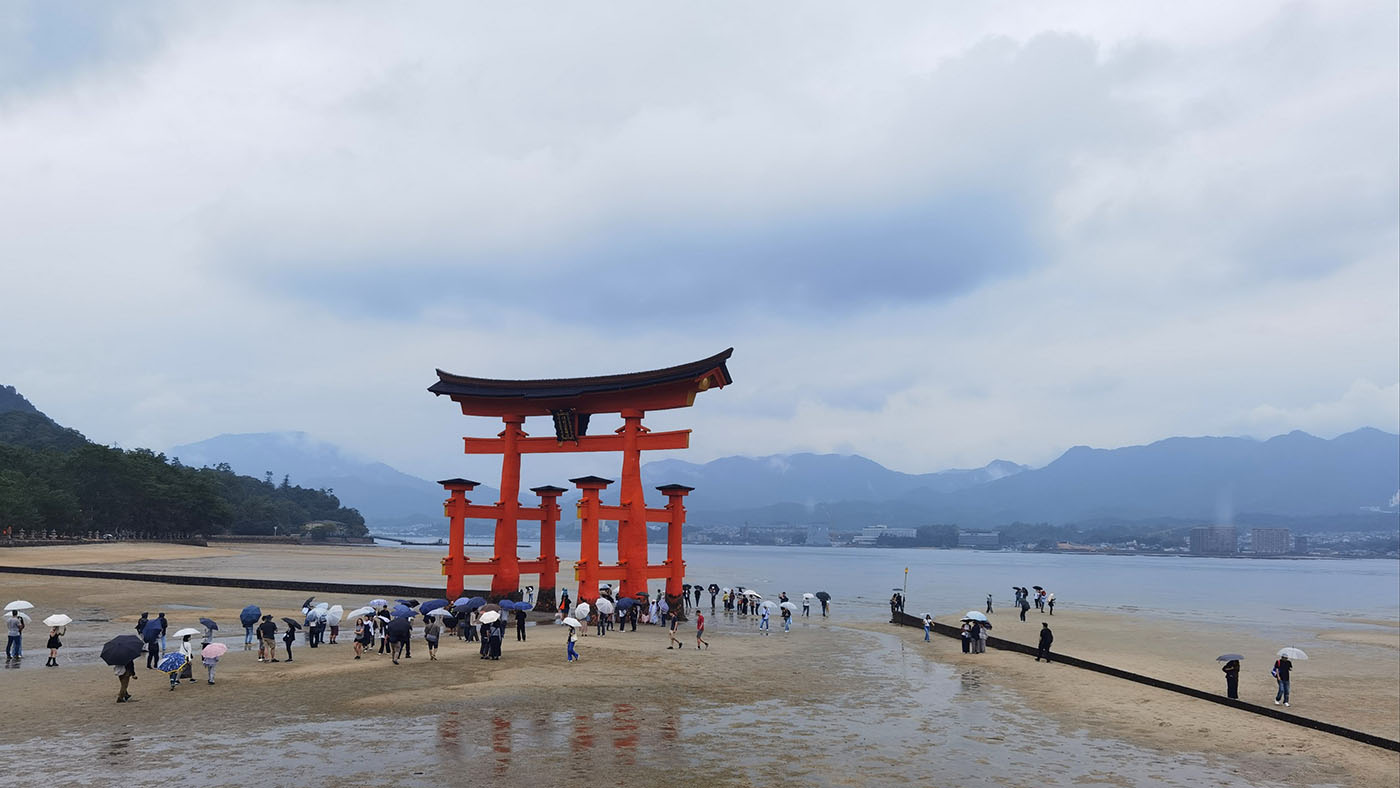
Miyajima (Itsukushima Shrine): Take a short ferry ride to this island for hiking, fresh oysters, and the famous floating torii gate.
Hiroshima’s culinary scene is another highlight, with local specialties like layered okonomiyaki and fresh seafood. Whether you join a guided city tour or explore at your own pace, Hiroshima offers a unique blend of remembrance, culture, and vibrant daily life.
How to Reach Hiroshima
The city is one of the easiest places in western Honshu to reach by rail. Shinkansen services move with clockwork precision, and the central station connects directly to streetcar lines that run across town. Short day trips from Kansai are absolutely workable if you plan.
Below is a quick snapshot of common routes and timings.
|
Route |
Mode |
Fastest service |
Typical one-way time |
Ballpark fare (JPY) |
Notes |
|
kyoto to hiroshima |
Shinkansen |
Nozomi |
1 hr 40 min |
11,000 to 13,500 |
kyoto to hiroshima shinkansen is direct. Hikari adds about 20 to 30 min. |
|
kyoto to hiroshima day trip |
Shinkansen |
Nozomi/Hikari |
See above |
See above |
Out by 8 am, back by evening works well with a tight plan. |
|
osaka to hiroshima day trip |
Shinkansen |
Nozomi |
1 hr 30 min |
10,000 to 13,000 |
From Shin-Osaka Station. Easy for a full city and Miyajima combo. |
|
hiroshima to tokyo bullet train |
Shinkansen |
Nozomi |
4 hr to 4 hr 20 min |
18,000 to 23,000 |
Flights can be quicker, though airport transfers add time. |
|
Tokyo to Hiroshima |
Flight |
HND to HIJ |
1 hr 35 min |
9,000 to 25,000 |
Limousine bus from HIJ to city, around 45 to 60 min. |
Notes for 2026 travellers:
-
JR Pass users typically take Hikari or Sakura services. The Nozomi is the fastest but may require a surcharge or separate ticket depending on pass rules.
-
Seat reservations are sensible during busy seasons.
-
Hiroshima Station is the main gateway. From there, Hiroden streetcars reach the Peace Park, Hondori and the ferry to Miyajima via Miyajimaguchi.
-
IC cards like Suica, PASMO and ICOCA work on trams and buses, avoiding ticket queues.
Local transport tips:
-
Streetcars are frequent and charming, with flat fares and easy signage.
-
Rent a bicycle for a few hours to connect the castle, gardens and riverbanks.
-
Ferries to Miyajima depart from Miyajimaguchi, reached by JR local train or streetcar.
-
Taxis are reasonable for short hops and helpful late at night when trams thin out.
Accommodation in Hiroshima
You will find hiroshima accommodation to fit most budgets and styles. The decision usually comes down to convenience, views and how you plan to split time between the city and Miyajima.
Neighbourhood guide:
-
Hiroshima Station area: handy for early trains and airport buses, with big-name hotels and new builds that keep rooms quiet and comfortable.
-
Peace Park and Hondori: walkable to major sights and restaurants, ideal if you want to be out until late and stroll home.
-
Miyajimaguchi: good staging point for early ferries to the island and quieter nights.
-
Miyajima itself: stay by the water for atmospheric evenings once day-trippers leave.
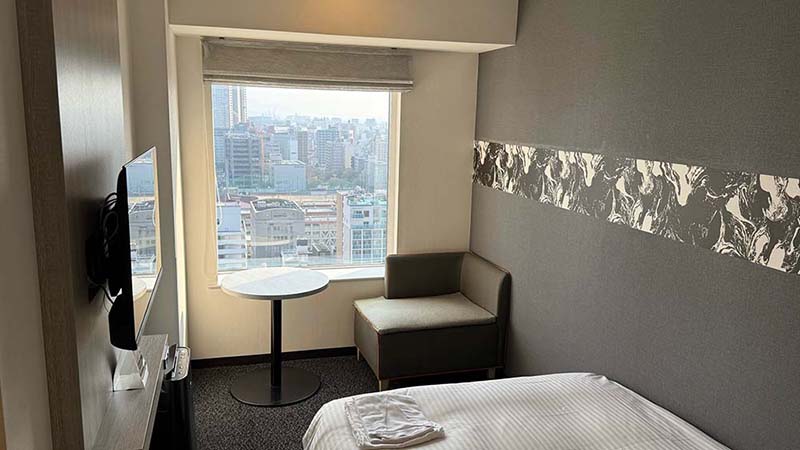
hiroshima luxury hotels include sleek towers with river views and discreet service. Washington Hotel Hiroshima sits in a prime position for shopping arcades and nightlife, with dining options on the doorstep. If you prefer boutique scale, look for properties near the Peace Park that blend warm hospitality with contemporary design. Guesthouses and hostels show Hiroshima’s friendly side, and some offer private rooms with communal lounges for an easy social vibe.
Peak seasons often sell out early. Book a few months ahead for early April blossoms and late November autumn colour. Three Bears Travel can bundle rooms, a hiroshima city tour and Miyajima ferries into a tidy plan that leaves you free to enjoy the moments in between.
Travel Tips
-
Check temp in hiroshima and weather today hiroshima to pack appropriately. Summers are steamy, winters are crisp rather than brutal.
-
If your time is short, booking a Hiroshima City & Peace Memorial Tour with Three Bears Travel keeps the day focused and unhurried.
-
You can also experience making your own okonomiyaki at certain restaurants in Hiroshima, allowing you to enjoy both the cooking process and the delicious result.
-
Carry a small coin purse for streetcars and temple donations.
-
Many museums and shops accept credit cards, yet cash is still handy in markets and small eateries.
-
Keep a light scarf or cardigan for museum galleries that run cool.
-
Coin lockers are everywhere, including Hiroshima Station and the Peace Park area.
-
Trains run on the minute. Arrive at platforms early to reduce stress.
-
Respect quiet zones around memorials and ask before photographing people at prayer.
-
Free Wi-Fi is common, yet a local eSIM keeps maps and translations running smoothly.
-
Accessibility is improving, with elevators at major stations and ramps at key sights.
-
Allergy and dietary cards in Japanese help when ordering food.
-
No tipping. A simple thank you and a smile go a long way.
-
Power is 100V with Type A plugs. Bring a compact adapter.
-
Travel insurance that covers rail delays and medical care is sensible for peace of mind.
Food and Drink
Hiroshima cooks with heart. The star is hiroshima style okonomiyaki, where a thin crepe base supports a mountain of cabbage, bean sprouts, sliced pork, yakisoba or udon, and egg, all finished with sauce and aonori. The cook builds it layer by layer on a hot plate, flipping it with rhythm and a kind of choreography. Eating it at the counter off a steel spatula is half the joy.
Beyond okonomiyaki:
-
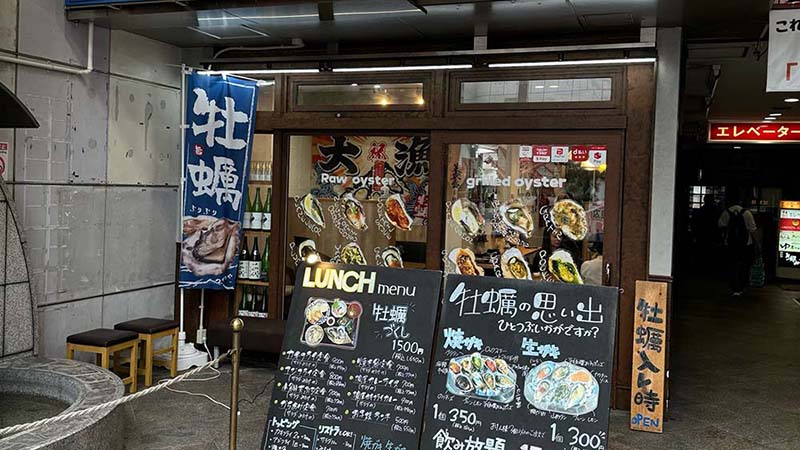
Hiroshima oysters, plump and sweet, served grilled on the shell along the Miyajima approach or in tidy bistros in the city.
-
Anago, or salt-water eel, grilled over charcoal and lacquered with tare glaze, often on rice.
-
Hiroshima-style tsukemen, cold noodles with spicy dipping sauce and crisp vegetables.
-
Sake from Saijo, a brewing district east of the city, with historic kura and tasting rooms.
Finding the best restaurants hiroshima japan is easy if you follow locals at lunch and ask for their favourites. Three Bears Travel keeps an updated list with a balance of classics and new names. If you want a deeper dive, consider a guided food walk that introduces small counter joints and seasonal specials.
Seasonal Planning and Weather
Hiroshima’s climate sits in a comfortable middle for much of the year. Spring is gentle and bright, summer brings heat and humidity, autumn turns crisp with clear skies, and winter stays cool with only occasional flurries.
Use this table to sketch your packing list. Check temp in hiroshima before you fly, then confirm weather today hiroshima each morning to fine-tune layers.
|
Season |
Avg high |
Avg low |
Rainy days per month |
What to pack |
|
Late Mar–May |
16–24 C |
8–15 C |
8–12 |
Light jacket, scarf, compact umbrella, comfortable walking shoes |
|
Jun–Jul |
26–32 C |
20–24 C |
12–16 |
Breathable fabrics, hat, sunscreen, quick-dry layers, small towel |
|
Aug–Sep |
29–33 C |
22–25 C |
8–12 |
Sun protection, electrolyte tablets, airy clothing, rain cover for bursts |
|
Oct–Nov |
17–23 C |
9–14 C |
6–9 |
Cardigan or fleece, light raincoat, closed shoes |
|
Dec–Feb |
8–12 C |
1–4 C |
5–7 |
Warm jacket, knitwear, gloves for early mornings |
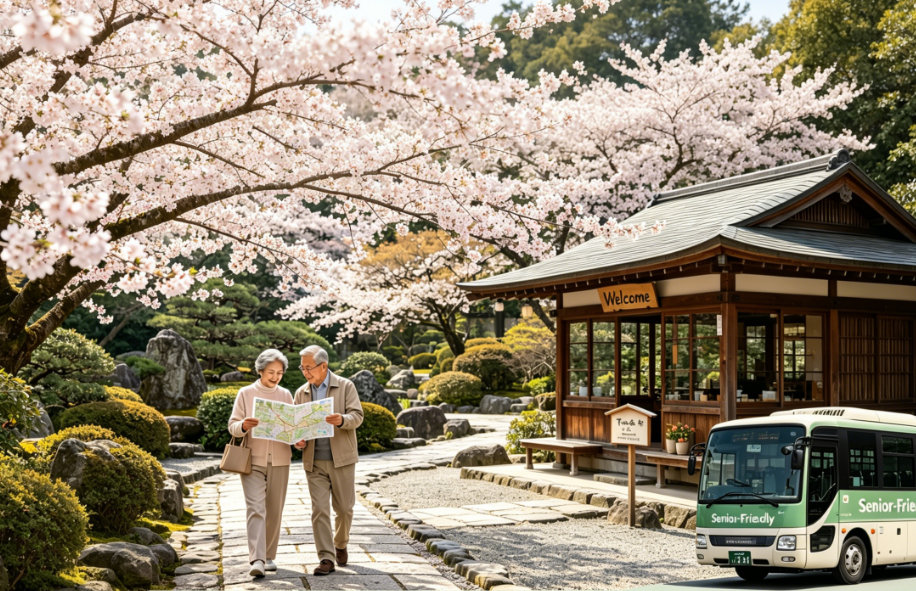
Cherry blossoms usually peak in early April, with nightly hanami along the rivers. Autumn colour often hits late November in parks and temple grounds. June’s rainy season brings steady showers and lush greens. Typhoon impacts are uncommon but possible from late August to early October, which makes flexible plans and travel insurance sensible.
Responsible and Respectful Travel
The Peace Park is not only an attraction. It is a civic space and a place of remembrance. A few simple guidelines keep things considerate:
-
Speak softly near monuments and during school group visits.
-
Avoid drones and amplified music across the park.
-
Photography is fine outdoors, though some indoor exhibits request no photos.
-
If you hear the bell, pause for a moment.
-
Support local initiatives that assist hibakusha and peace education, even in small ways.
Many visitors choose to write a message of peace or fold a paper crane. Both are small gestures with meaning in this city.
Accessibility and Family Travel
Hiroshima is easy to manage with prams, while the main sights offer lifts and ramps. The museum provides wheelchair access and audio guides with clear layouts. Streetcar platforms have raised sections at major stops. If you’re travelling with kids, frame the museum based on age and sensitivity. The Children’s Peace Monument is a helpful starting point.
Families enjoy the riverside promenades, quick ferry rides to Miyajima with deer in the town centre, and the easy novelty of trams. Baby change rooms and clean public toilets are common in larger stations and shopping centres.
Planning with Three Bears Travel
If you like your days organised without losing spontaneity, Three Bears Travel can map out a hiroshima city tour, slot in timed entries to the museum, secure lunch at a counter where the cook knows when to crisp the noodles just right, and book your room in hiroshima luxury hotels or a quiet inn near the garden. That kind of planning cuts friction, especially if you are pairing a kyoto to hiroshima day trip or an osaka to hiroshima day trip with meetings or family commitments.
A simple checklist for 2026:
-
Rail: Confirm which trains your pass covers on each leg and whether you want the absolute fastest service or the best value.
-
Routes: Decide if you prefer kyoto to hiroshima shinkansen in the morning with Miyajima in the afternoon, or a pure city day with deeper museum time.
-
Food: Book one dinner, leave one night open for a surprise find.
-
Packing: Keep layers light and compact. The weather swings are mild but real.
-
Time: Aim for one early start to watch the city wake around the river.
-
Transfer: If you take the hiroshima to tokyo bullet train, select seats on the right side for occasional sea views between Kobe and Okayama, then Mount Fuji windows later in the ride when visibility cooperates.
Hiroshima is not a box to tick. It is a set of moments joined by water, trees and kind conversations. Give it a full day, two if you can, and let the city move at its own pace.
Hiroshima Travel Guide 2026 FAQ
Discovering Hiroshima is an enriching experience with its blend of history, culture, and gastronomy. Below are answers to frequently asked questions to ensure you make the most out of your visit.
What are the key historical sites to visit in Hiroshima?
Hiroshima Peace Memorial Park and Museum, the A-Bomb Dome, and the Children's Peace Monument are the must-see historical sites.
How many people died in Hiroshima?
Approximately 140,000 people lost their lives by the end of 1945 as a result of the atomic bombing of Hiroshima.
Is it safe to visit Hiroshima now?
Yes, Hiroshima is completely safe to visit today. The city has been fully rebuilt, and there are no lingering radiation risks.
Is Hiroshima still affected by the atomic bomb?
While Hiroshima bears the scars of its past through memorials and survivor stories, the city itself is vibrant and modern, with no ongoing physical effects from the atomic bomb.
Why was Hiroshima bombed?
Hiroshima was chosen as the target for the world’s first atomic bomb in August 1945 to hasten the end of World War II. The event remains a powerful symbol and catalyst for global peace and nuclear disarmament efforts.
Want more Japan travel itineraries? Click here
If you have any other questions, feel free to click here and get in touch with us.
If you need a personalized travel plan, feel free to click here and let us help you.