The first time you see the vermilion torii rise out of the water, it feels almost unreal. Hiroshima’s coastal light, the quiet of the strait, the way Mount Misen frames the scene on Miyajima Island make it hard to rush. Yet many travellers do exactly that, pairing a deeply moving morning in Hiroshima with a restorative afternoon across the bay. Done well, it’s a brilliant day out.
Three Bears Travel often suggests thinking in arcs: reflection, then nature; history, then flavour. Plan your timetable with that flow in mind and you’ll make the most of every minute.
Miyajima Island: What to See and Do
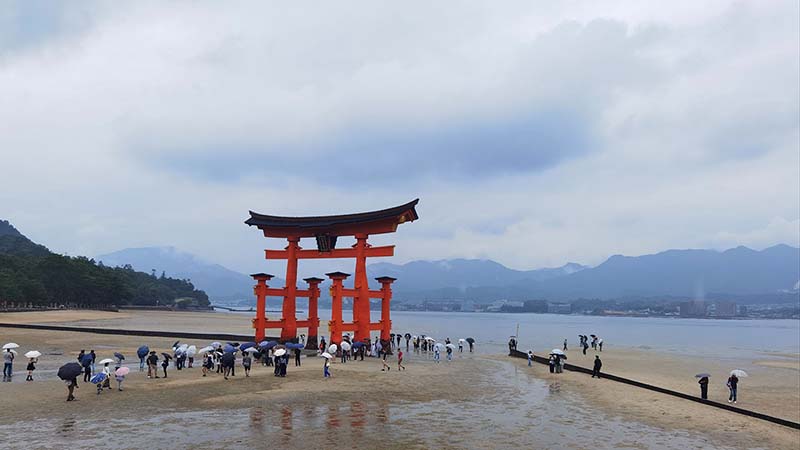
This little island near Hiroshima is officially Itsukushima, though everyone calls it Miyajima. The star is Itsukushima Shrine (Itsukushima Jinja), a Shinto complex built over water so the floors seem to float. Timing matters. At high tide the famous torii appears to hover offshore. At low tide you can walk to its base, inspect the barnacles and feel the scale of the structure under your hands.
There’s more to the island than the gate.
-
Daisho-in Temple: a hillside complex with stone statues wearing knitted caps and a quiet air that rewards slow walking.
-
Mount Misen: reach the summit via the ropeway and a short hike, or walk all the way up through cedar forest. Views stretch across the Seto Inland Sea, especially on clear winter days.
-
Omotesando shopping street: maple-leaf shaped cakes called momiji manju, grilled oysters, and soft-serve studded with local salt or citrus. It’s also a good place to try Hiroshima style okonomiyaki later in the day when the lunch crowds thin.
-
Friendly deer: charming, curious, and very keen on maps and snack wrappers. Keep paper and food zipped away.
Miyajima Hiroshima receives visitors year-round. Autumn often brings crisp views and coloured leaves. Spring is gentle with cherry blossom around the pagodas. Summer can be steamy. Winter skies are often the clearest. Whatever the month, pay attention to the temp in Hiroshima and pack layers for breezes on the ferry.
How to go to Miyajima Island from Hiroshima
Getting there is simple and part of the fun.
-
From Hiroshima Station, take the JR Sanyo Line to Miyajimaguchi. It’s around 25 to 30 minutes.
-
Walk a few minutes to the pier.
-
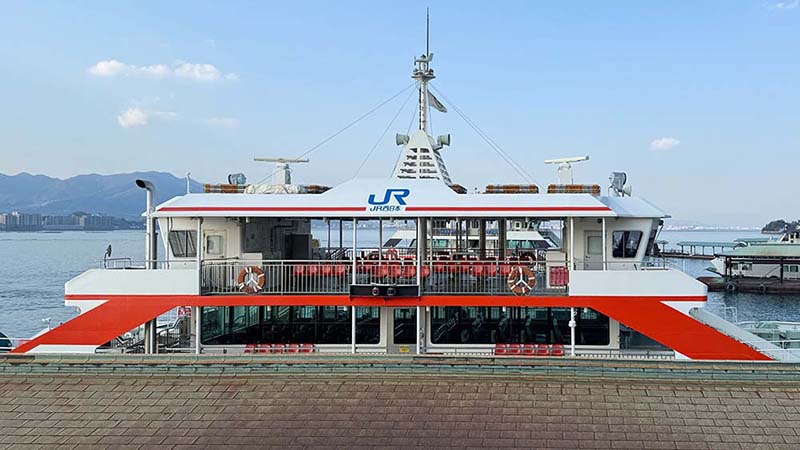
Board the JR ferry or the Matsudai ferry across to the island. Crossing time is roughly 10 minutes.
The JR ferry is included in the Japan Rail Pass. Without the pass, fares are low and tickets can be bought on the spot or tapped in with an IC card. Services run early until late, with extra departures during peak times.
A detail that helps with planning: check tide tables in advance. If you want the torii floating look, aim for high tide. For walking out to the gate, plan around low tide. Either way, arriving early sharpens the experience, particularly on weekends and holidays.
Three Bears Travel recommends planning your day carefully to include both cultural and natural highlights. Their sample schedules blend shrine visits, ropeway timing and quieter food stops so you’re never sprinting.
Combining Hiroshima City & Island Tour
The two parts of this day complement each other. A Hiroshima city tour brings the context; Miyajima softens the edges and gives you space to breathe.
Start in Peace Memorial Park. The cenotaph, the A-Bomb Dome and the museum invite careful attention. Take your time in the museum’s new galleries, then step outside to reset on the riverside paths. A short tram or taxi ride will take you to Hiroshima Castle and Shukkeien Garden. The castle’s keep offers sightlines across the grid of the city. Shukkeien is compact and calming, with little bridges and carp circling under maples.
By midday, sit down to lunch. Hiroshima style okonomiyaki is layered and hearty, cooked in front of you on a hotplate. Cabbage, noodles, egg and sauces combine with your choice of pork, squid, prawns or cheese. It’s an experience, not just a meal.
Then head to the coast. The tram to Miyajimaguchi takes longer but is scenic. The JR train is faster and lands you right beside the pier. Either way, the rhythm shift is immediate. The short ferry ride feels like a reset button, and the afternoon light on the shrine’s walkway is a photographer’s dream.
This combo works beautifully if you’re planning an Osaka to Hiroshima day tour or a Kyoto to Hiroshima day trip. Here are two realistic outlines many travellers use, fine-tuned so you’re not clock-watching.
-
Day tour to Hiroshima from Osaka
-
07:00 Depart Shin-Osaka on a Sakura or Nozomi service
-
08:30 Arrive Hiroshima, taxi or tram to Peace Memorial Park
-
08:50 to 10:45 Park and museum
-
11:00 Hiroshima Castle or Shukkeien Garden
-
12:15 Lunch near the station
-
13:10 JR to Miyajimaguchi, 13:45 ferry
-
14:00 to 17:00 Shrine, Daisho-in, ropeway or coastal walk
-
17:20 Ferry back, 17:50 JR to Hiroshima
-
18:30 Shinkansen to Osaka
-
Kyoto to Hiroshima day trip
-
07:20 Hikari or Sakura from Kyoto Station
-
08:55 Arrive Hiroshima
-
Morning as above, with a quicker lunch
-
13:00 JR to Miyajimaguchi
-
Sunset at the torii if tides cooperate
-
18:30 or 19:00 Shinkansen back to Kyoto
If you have another day in the region, reverse the order. Begin at Miyajima, catch the first ferry, enjoy the shrine while it’s hushed, then return for an afternoon Hiroshima city tour. Three Bears Travel can structure this order if you prefer softer light at the island first.
Accommodation and Transport
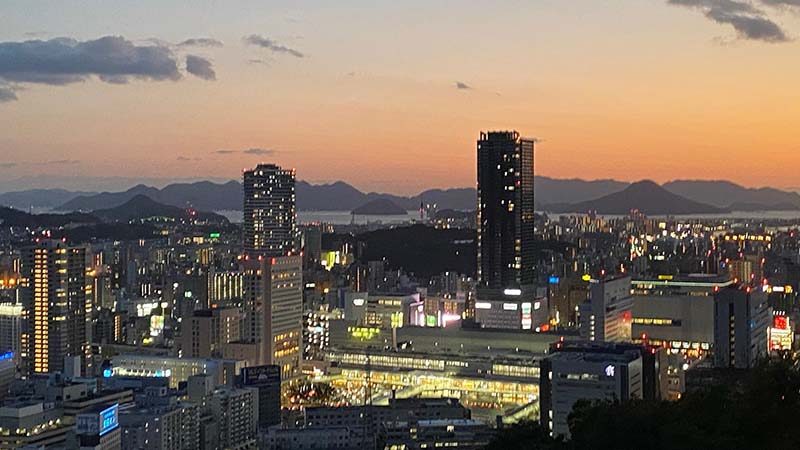
Hiroshima accommodation offers a wide spectrum, from convenient business hotels near the station to tranquil retreats along the coast. Travellers typically choose between staying close to Hiroshima Station for quick transfers or opting for the central district around Peace Boulevard, which is ideal for nightlife and dining.
For those seeking comfort and convenience, there are numerous options in the city centre and near major transport hubs, making it easy to access key attractions and public transport. Mid-range and design-forward hotels are also plentiful, providing reliable amenities and easy access to Hiroshima’s highlights.
If you plan to catch the first ferry to Miyajima, consider staying near Miyajimaguchi for a short walk to the pier, or experience a traditional inn on the island itself to enjoy the serene atmosphere after sunset.
Reaching Hiroshima is efficient via high-speed rail. The shinkansen from Kyoto to Hiroshima takes around 1 hour and 40 minutes, while the journey from Osaka is about 90 minutes from Shin-Osaka. Travelling from Tokyo to Hiroshima by bullet train takes roughly four hours on the Nozomi, or slightly longer on services included with the JR Pass. Seats can be reserved in advance during busy periods, while non-reserved cars offer flexibility for those with a more relaxed itinerary.
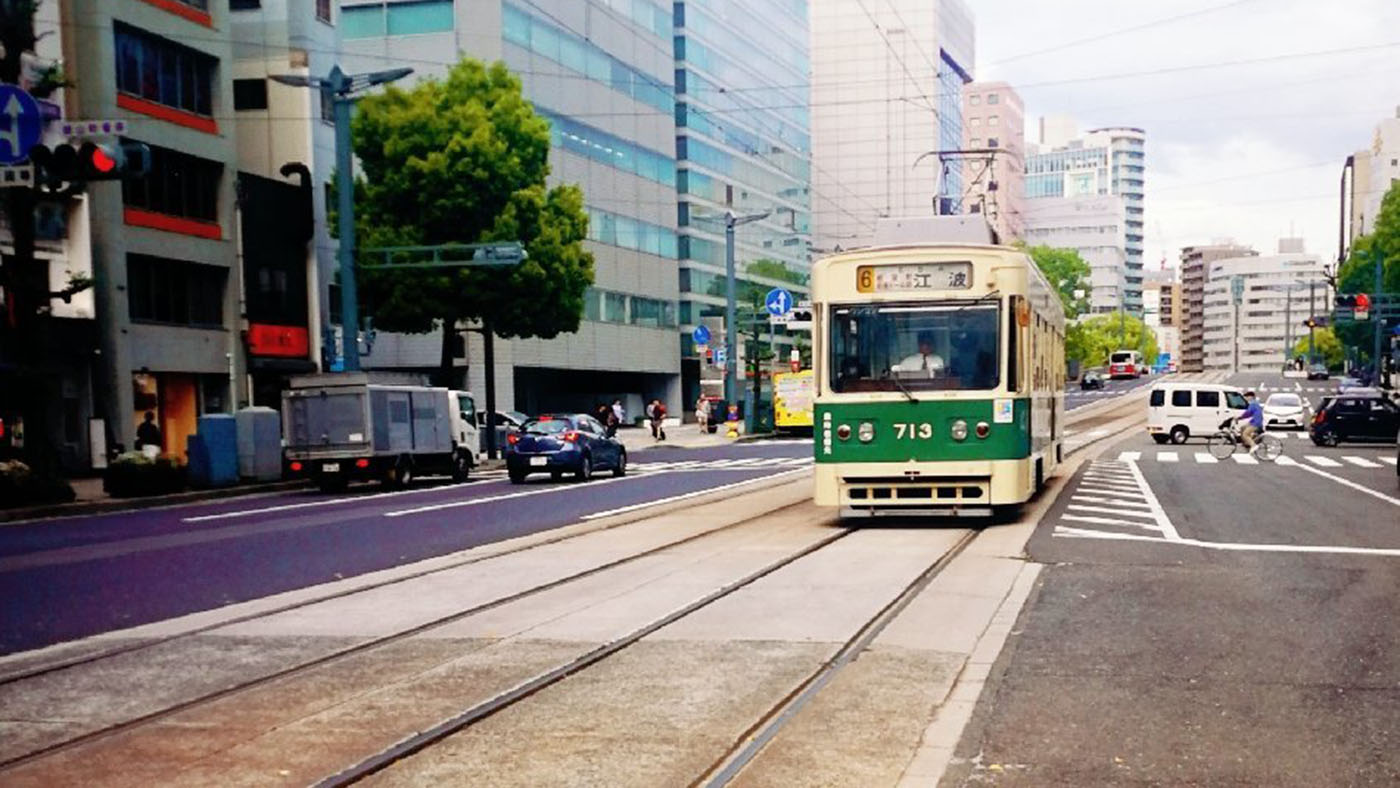
Within the city, trams are easy to use, IC cards are accepted, and signage is clear in English. Taxis are plentiful and drivers are patient. To reach Miyajima, the JR Sanyo Line is usually the quickest hop to the ferries.
Here’s a quick at-a-glance guide to typical timings and fares:
|
Route |
Typical travel time |
Approx. fare (one way) |
Notes |
|
Tokyo to Hiroshima by Nozomi |
4 to 4.5 hours |
18,000 to 19,500 JPY |
Fastest; JR Pass holders use Hikari/Sakura via Shin-Osaka, around 4.5 to 5 hours |
|
Kyoto to Hiroshima |
1.5 to 1.75 hours |
11,000 to 12,000 JPY |
Frequent services, easy day trip |
|
Shin-Osaka to Hiroshima |
1.25 to 1.5 hours |
10,000 to 11,000 JPY |
Ideal for an early start |
|
Hiroshima Station to Miyajimaguchi (JR) |
25 to 30 minutes |
420 JPY |
Trains every 10 to 15 minutes in the day |
|
Miyajimaguchi to Miyajima (ferry) |
10 minutes |
180 to 200 JPY |
JR ferry included with JR Pass |
Times and prices shift a little with service type and season, so treat the figures as a guide. Book peak travel dates early, especially around Golden Week, Obon and New Year.
Travel Tips
-
Take advantage of early morning departures to Miyajima Island Hiroshima to avoid crowds.
-
Book Hiroshima city tour packages via Three Bears Travel for hassle-free sightseeing.
-
Check the local temp in Hiroshima and seasonal weather for comfortable travel.
A few more handy pointers to keep your day running smooth:
-
Tides matter. If you care about the torii’s floating look, mark high tide on your schedule, then work backwards.
-
The ropeway may pause in high winds or for maintenance. Have a walking backup in mind for Mount Misen.
-
Carry a small stash of coins for temple offerings and lockers at ferry terminals.
-
Street-side oyster grills do a roaring trade from late morning. Lines are shorter away from the main street.
-
Keep paper maps and tickets tucked away. The deer are cheeky and very quick.
-
If you’re mixing city and island, pack light for the afternoon. Lockers are available at both Miyajimaguchi and on the island.
-
Restaurant peak times in Hiroshima sit between 12:00 and 13:30 for lunch and after 18:00 for dinner. Early or late sittings mean less waiting.
-
If you’re coming on a day tour to Hiroshima from Osaka or Kyoto, preselect museum time slots when required and reserve trains both ways to avoid standing.
-
The tram to the port is slower than JR but a scenic way to see the neighbourhoods if you’re not in a rush.
-
Travelling with a rail pass? The JR ferry circles close to the torii on some routes, which gives great photos on the way over.
Sample One and Two Day Plans
Use these as templates and adjust for tides, weather and your pace.
-
One day core highlights
-
08:30 Peace Memorial Park and museum
-
10:45 Stroll across to the A-Bomb Dome and Orizuru Tower for a city view
-
12:00 Hiroshima style okonomiyaki near the station
-
13:10 JR to Miyajimaguchi, ferry to the island
-
14:00 Itsukushima Shrine boardwalks and main hall
-
15:00 Daisho-in Temple
-
16:00 Ropeway to Mount Misen or coastal walk to the five-storey pagoda
-
17:30 Sunset by the torii if tides are right
-
18:20 Ferry back, evening train
-
Two days with breathing room
-
Day 1: Hiroshima city tour with Peace Park, Shukkeien, castle and art stops, then dinner by the riverside.
-
Day 2: First ferry to Miyajima, morning at the shrine, hike Mount Misen, afternoon tea and shopping, early evening ferry back.
Three Bears Travel can stitch together these pieces with ticketing, tide-aware timing, and guides who know when to pivot if weather changes. If you’re arriving via the Hiroshima to Tokyo bullet train or dropping in between Kyoto and Fukuoka legs, they’ll help slot the island into a wider itinerary without wasting travel time.
Food, Drink and Souvenirs
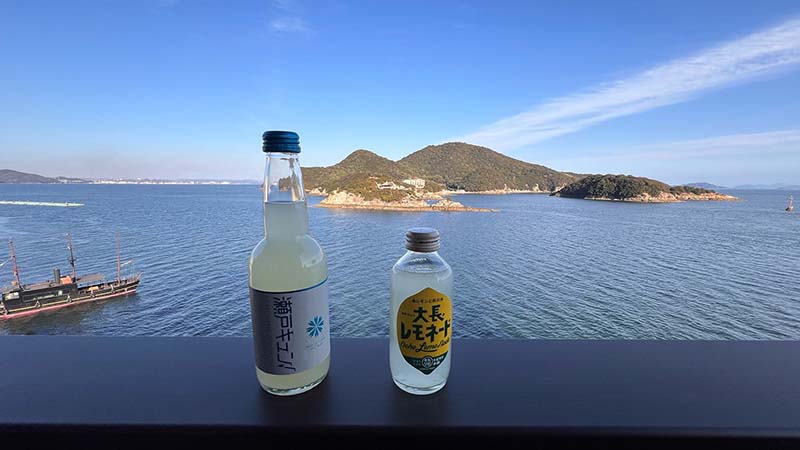
Hiroshima rewards those who snack. The region’s oysters are plump and taste of clean water. Lemon soda and desserts feature local Setouchi citrus. In cooler months, hot amazake is a cosy pick-me-up.
On Miyajima, look for:
-
Momiji manju: classic red-bean filled cakes, plus custard, chocolate and seasonal flavours. Many shops grill them fresh.
-
Anago-meshi: conger eel over rice, glossy with tare sauce.
-
Maple wood crafts and simple clay bells shaped like deer are easy to pack.
Back in the city, an evening stroll along Peace Boulevard or down to the rivers near Hondori uncovers craft beer bars, coffee roasters and late-night ramen. If you’re staying in one of the Hiroshima luxury hotels, ask the concierge for reservations at small counters where the chef cooks okonomiyaki to your tastes.
Practicalities for a Smooth Day
-
Luggage: coin lockers at Hiroshima Station are plentiful. For a lighter day, send bags ahead with takkyubin from your previous hotel.
-
Cash and cards: cards are widely accepted, but small purchases on the island are still cash-led.
-
Language: English signage is solid at stations, shrines and main attractions. A few polite Japanese phrases go a long way.
-
Accessibility: the shrine’s boardwalks have steps and raised thresholds. The ropeway has lift access at base stations. Check details if mobility is a concern.
-
Connectivity: portable Wi-Fi helps with tide tables and train times. Public Wi-Fi exists but can be patchy in places.
Why pairing the two works so well
Hiroshima’s story carries weight. Giving yourself time with it in the morning, then moving to a setting that opens up the horizon, is a gentle way to balance the day. The city is green and forward-looking. Miyajima is timeless and poetic. Together they show two faces of the region that sit comfortably side by side.
If that sounds like the kind of day you want, reach out to a specialist who knows these streets and ferries well. Three Bears Travel can help you combine city exploration with island relaxation, making your Hiroshima trip unforgettable.
Hiroshima and Miyajima Island Tour FAQ
Embarking on a Hiroshima and Miyajima Island tour promises a delightful blend of poignant history and breathtaking natural beauty. To ensure your journey unfolds smoothly, here are answers to common questions travellers often have.
When is the best time to visit Hiroshima and Miyajima?
Each season offers unique attractions: autumn for vibrant foliage, spring for cherry blossoms, summer for lush scenery, and winter for serene views.
Can I see Hiroshima and Miyajima in one day?
Yes, it is possible to explore both Hiroshima city and Miyajima Island in a single day, especially with an early start and efficient use of the shinkansen and ferry. Many travellers find this combination to be a rewarding and memorable experience.
What is Miyajima famous for?
Miyajima is renowned for the iconic “floating” torii gate of Itsukushima Shrine, a UNESCO World Heritage site. Don't miss the Itsukushima Shrine, Daisho-in Temple, and a hike or ropeway ascent to Mount Misen for spectacular views.
Is Miyajima worth visiting?
Absolutely. Miyajima offers a unique blend of cultural heritage, natural beauty, and local cuisine. Its historic shrines, hiking trails, and tranquil atmosphere make it a highlight of any trip to the Hiroshima region.
How do I get from Hiroshima to Miyajima Island?
From Hiroshima Station, take the JR Sanyo Line to Miyajimaguchi, then a ferry to the island. The journey is straightforward and part of the adventure.
Is the Japan Rail Pass accepted on the ferry to Miyajima?
Yes, the JR ferry is covered by the Japan Rail Pass, providing an economical and convenient choice for travellers.
How long does the ferry from Hiroshima to Miyajima take?
The ferry ride from Miyajimaguchi to Miyajima Island typically takes about 10 minutes, offering beautiful views of the Seto Inland Sea along the way.
How do tides affect visiting the Itsukushima Shrine?
High tide offers the illusion of the torii gate floating on water; low tide allows you to walk up to its base. Plan visits accordingly for varied experiences.
Want more Japan travel itineraries? Click here
If you have any other questions, feel free to click here and get in touch with us.
If you need a personalized travel plan, feel free to click here and let us help you.